Equinox
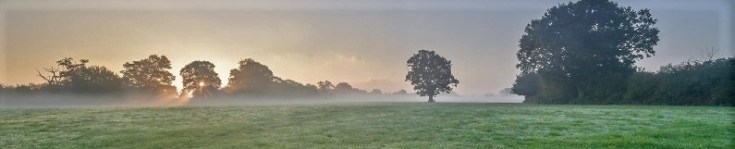
Last Sunday, the 22nd of September, was the autumnal equinox. Equinox means equal night, and on Sunday at 13:43 BST, there were equal amounts of darkness and daylight all over the planet.
We count daylight hours from the very first glimpse of the sun right until it vanishes completely at sunset, whereas, at the equinox, it is the geometric centre of the sun that is above the horizon for exactly twelve hours. For this reason, and because our atmosphere bends the light around the horizon even before the sun is visible, there still appears to be more daylight than dark on the day of the equinox.
From now, through until the vernal equinox on 20 March 2025 at 09:01, the days will be shorter than the nights.
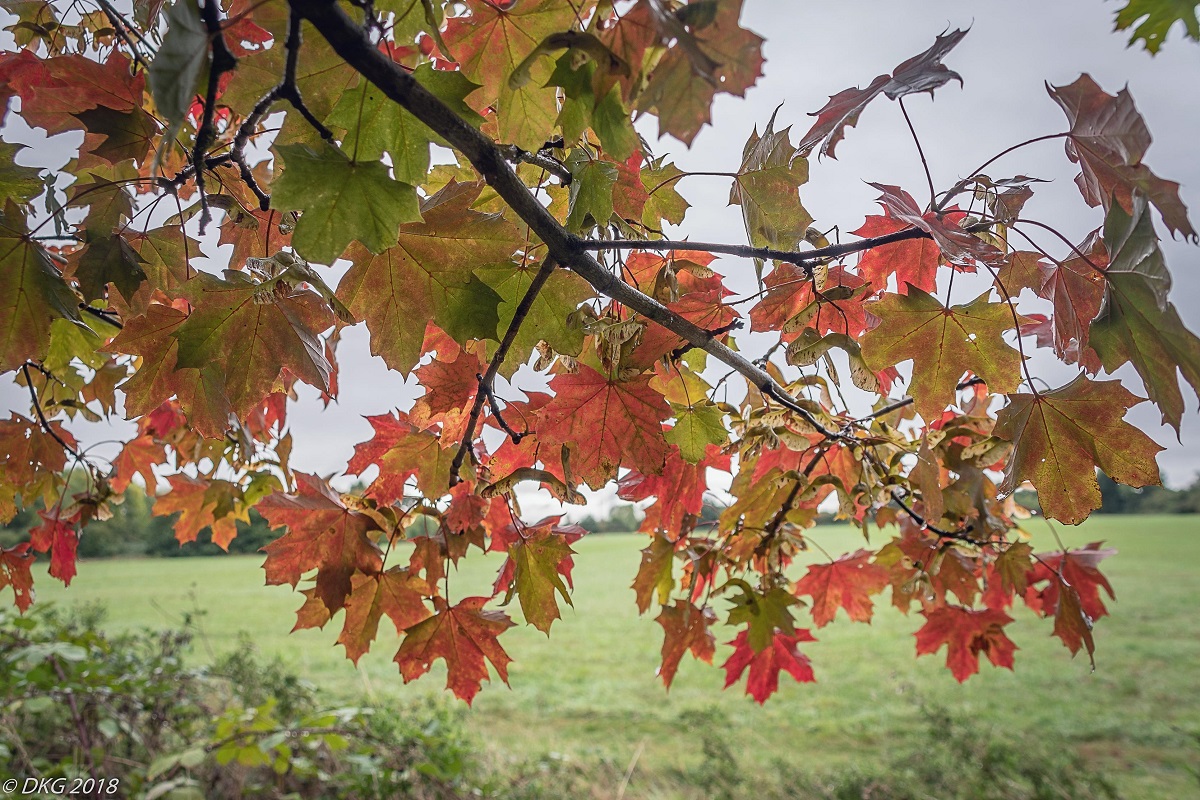
When days becomes shorter than nights, deciduous trees signal to their leaves to stop producing chlorophyll, which is the green pigment essential for photosynthesis. In turn, this triggers the processes that change the leaves’ colour and lead to leaf-fall.
Because these processes are more dependent on the amount of daylight than they are on temperature, they take place at basically the same time every year despite our rapidly changing climate. The dominant colour of a year’s autumn leaves is their response to many factors, including temperature and drought, but the timing of their fall is governed by the solar system.
We now know that the length of daylight hours is also the major trigger for our migratory birds to begin the long journey between their breeding sites in the reserve and their winter hunting grounds sometimes as far away as sub-Saharan Africa.


The equinox signals change in the reserve and our biodiverse wildlife prepares for winter. Burrows are being lined and food cached; invertebrates squeeze themselves into warm nooks and crannies; hibernators binge on acorns and nuts. It’s time to look out your woolly hat and gloves.
All photographs by DKG
Click below for more about autumnal leaf-fall:

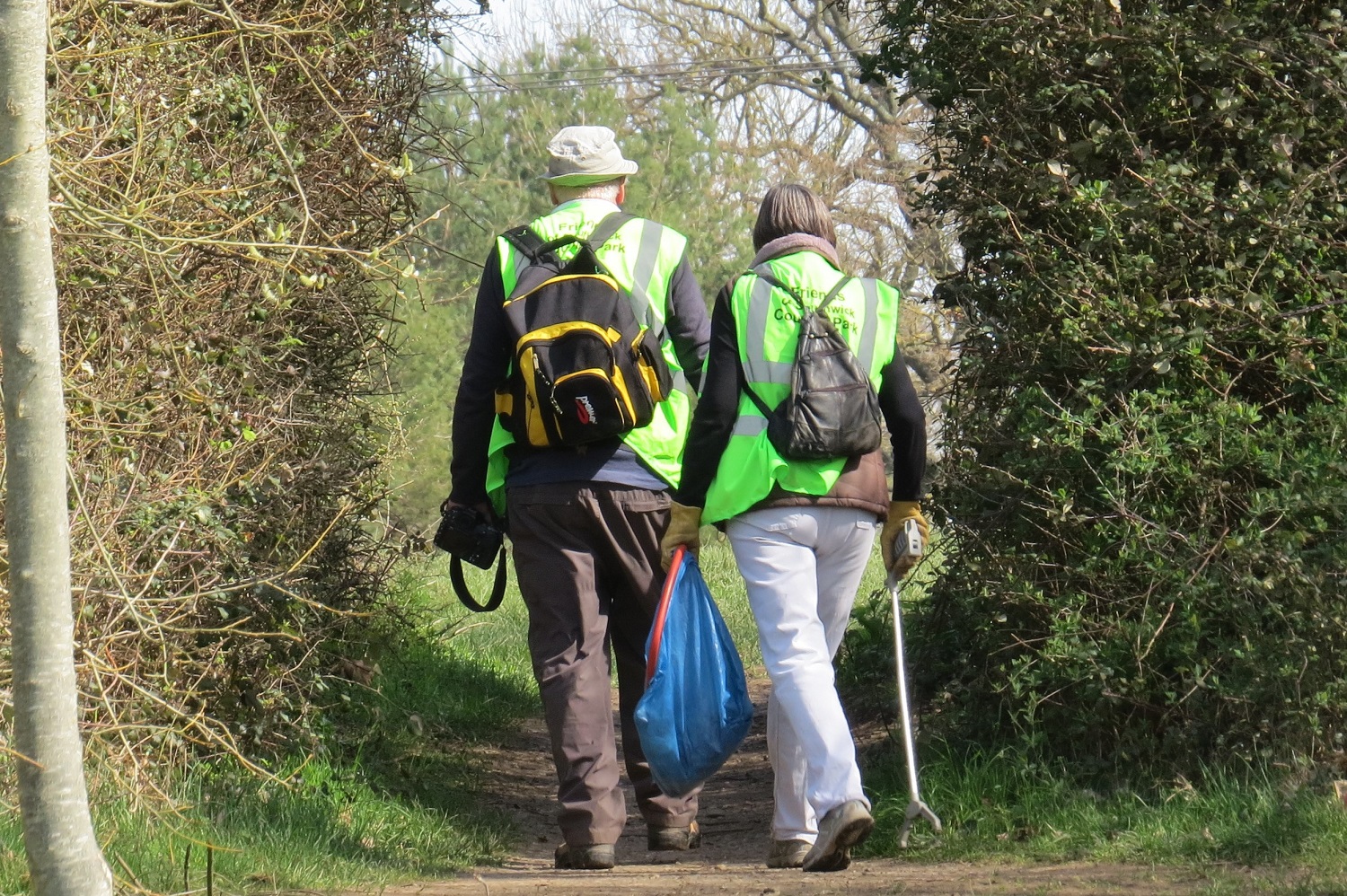


 Southwick Country Park Nature Reserve