
Contrasting Reports
There are two recent reports that show the extremes of the UK’s conservation efforts. The first, this year’s Big Butterfly Count, reflects the decline in our insect populations, while the second, from the RSPB, shows how rapidly the situation can be turned around if we create the right circumstances.
Big Butterfly Count
This year’s Big Butterfly Count has resulted in the lowest results since the survey began fourteen years ago. In that time, eight out of the ten most seen species have declined in numbers, chief among them the common blue, the small tortoiseshell and the small white, all regulars in the reserve.


Over a three week period in July and August, more than 85,000 participants recorded 935,000 butterflies and day-flying moths, a total almost 600,000 fewer than 2023’s. There were 9,000 counts in which no butterflies were seen at all, the highest ever number of zero-counts. Previously, the lowest average number of butterflies seen in a 15 minute count was nine (in 2022), this year that average is 22% lower: just seven butterflies per 15 minute count.
Butterfly Conservation’s Big Butterfly Count 2024: results showing the 20 species most frequently seen
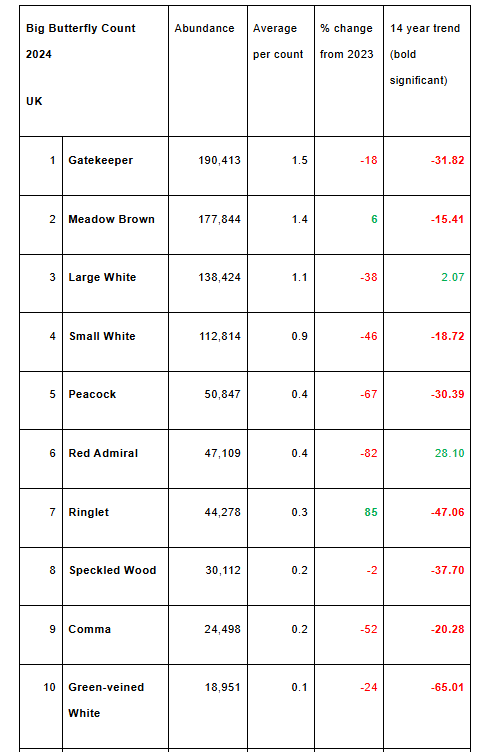

All of these butterflies have been seen in the reserve and are on our species lists
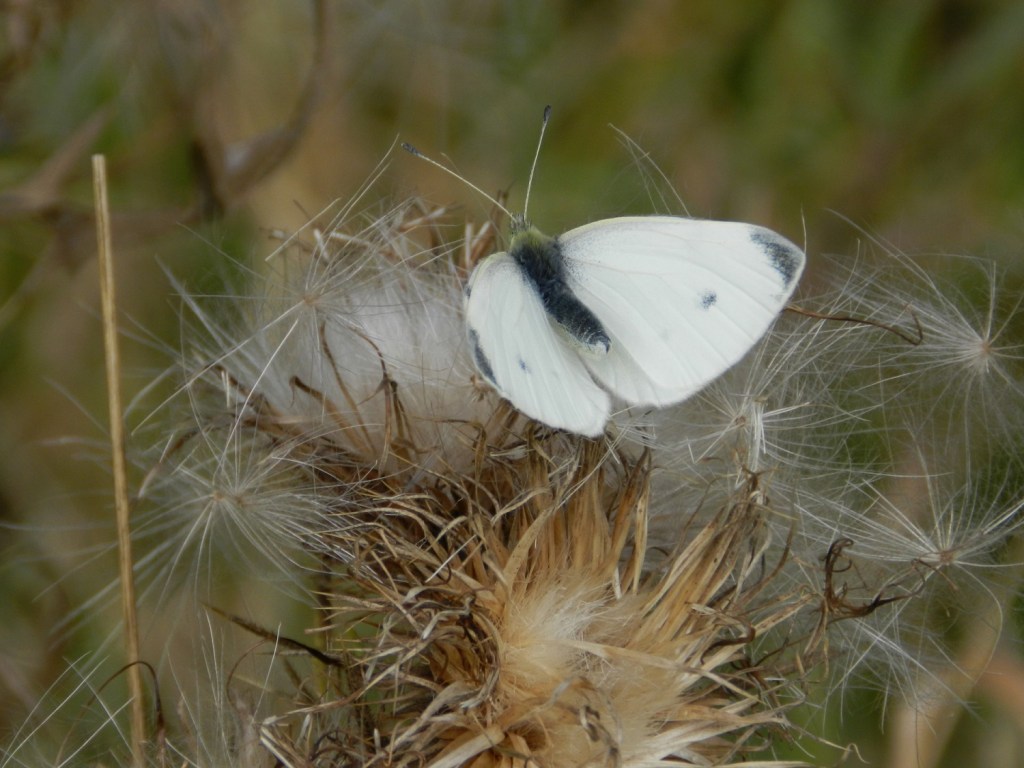
The gatekeeper (see our header picture) was the most-seen butterfly in this year’s count, but over the 14 years of recording, its numbers have fallen by 32%.
While it is easy and, in a way, comforting, to attribute these frightening numbers to the cold spring and exceptionally wet summer, the experts say this decline in butterfly populations is more than seasonal fluctuations. Butterflies are indicator species, very responsive to changes in their environment, and these falling numbers reflect the changes in our climate and in our environment.
What can we do? Read on to find out.
Great raft spiders
Working together on a pioneering project in the Norfolk Broads, the RSPB, the Suffolk and Sussex Wildlife Trusts, Natural England, the Broads Authority, and the British Arachnological Society, have established new, healthy and sustainable populations of the gigantic great raft spider, sometimes called the fen raft spider, the biggest of the UK’s native arachnids.
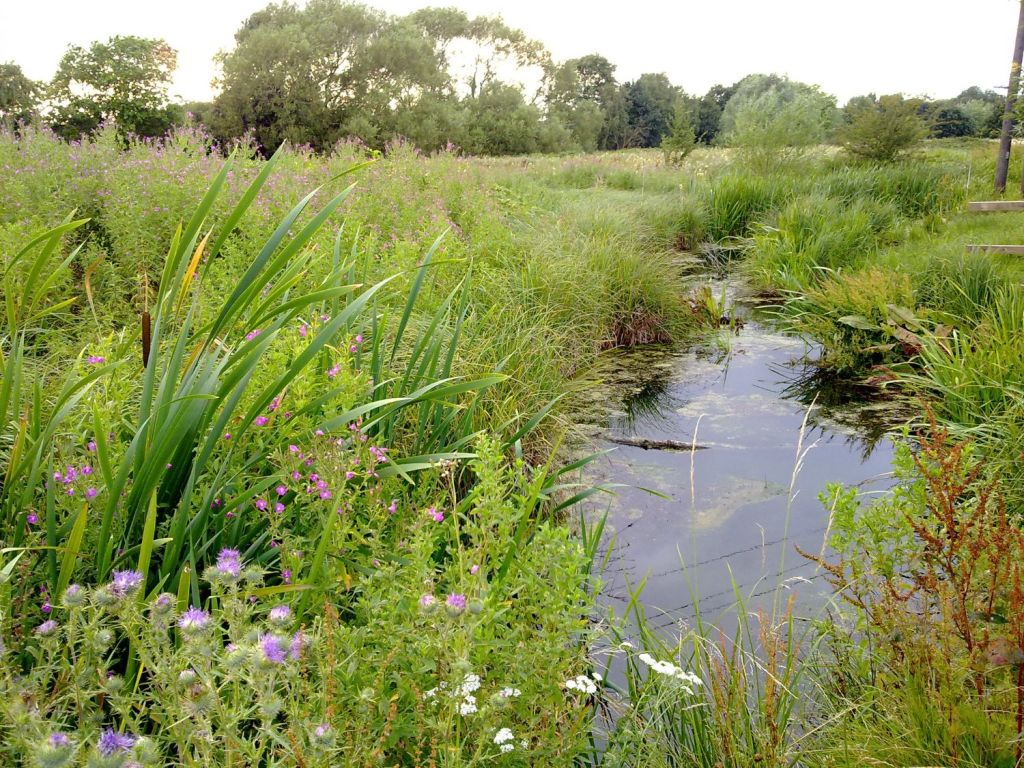
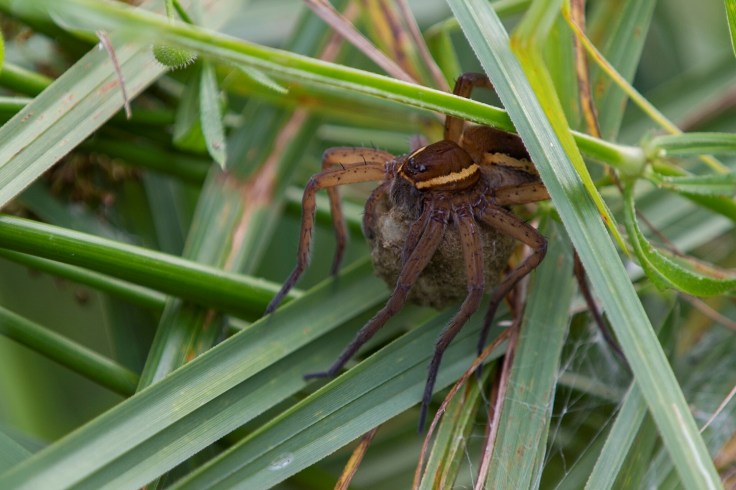
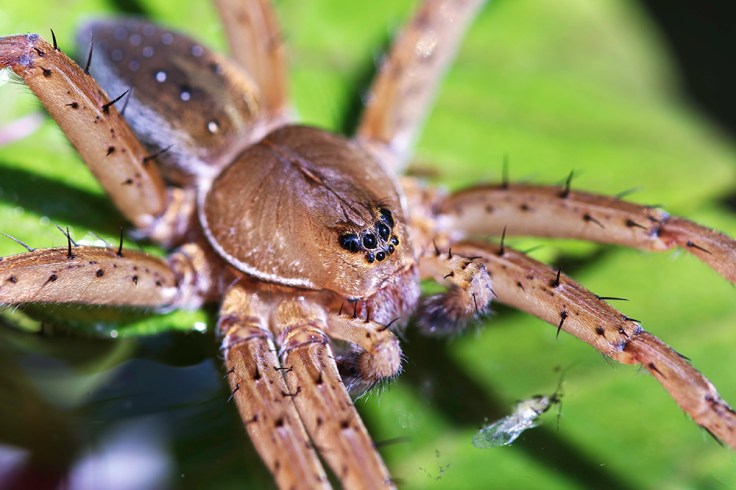
As wetlands were drained for agriculture and for urban development, the great raft spider (Dolomedes plantarius) was threatened with extinction. But, over the last ten years, the RSPB has led a captive breeding programme, and released raft spiders into their reserves in the Norfolk and Suffolk Broads. They believe that there are now up to 5,000 breeding females in twelve different marshland populations.
The success of this project shows us how important habitat conservation is if we are to restore our vital insect and invertebrate populations. Cooperation across organisations, careful research, the provision of resources and land are all essential components of successful species restoration.



 Southwick Country Park Nature Reserve
Beautiful pictures 🌺🌺
Thank you. We can’t claim many of them as our own; most come from either the public domain or Creative Commons but it’s a highly visual world and it’s important to catch a reader’s roving eye.
Pictures are wonderful 🌺🌺