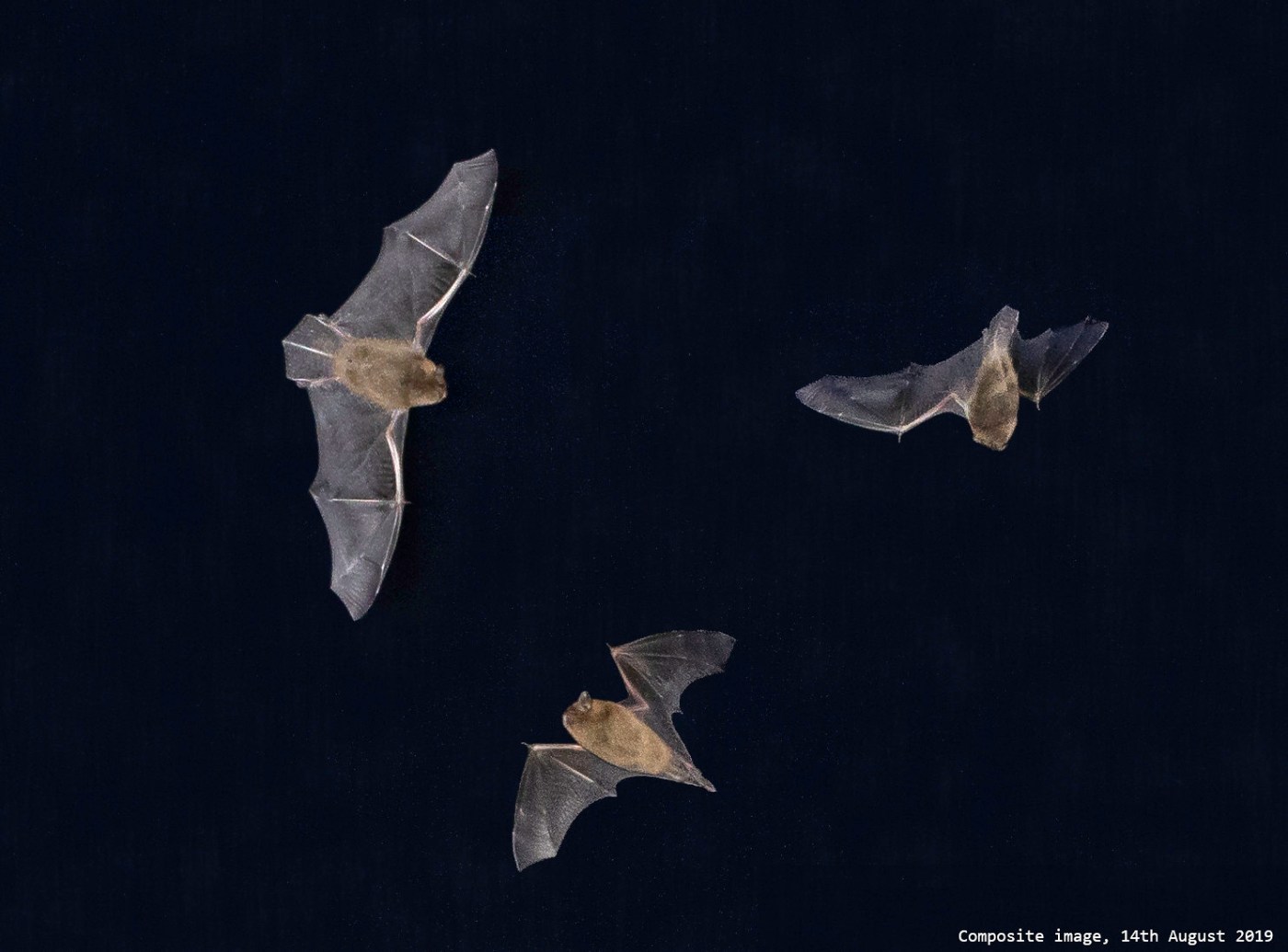
Bats in October
It’s breeding season for the reserve’s thirteen species of bats.
It might seem strange that bats should mate at the end of the summer, just before they enter hibernation, but this is a device evolved in temperate-climate species to give the female and her pup the greatest chance of survival.
Hibernation presents bats with a twofold problem. Firstly, here in the UK, our summers are relatively short and baby bats have to be born early in the year if they are to be fully developed and capable of flight before winter, with enough time left over to fatten up for their first hibernation. For the female bat, the summer is just not long enough for all the processes of mating, pregnancy, baby-raising, and getting fat before winter.
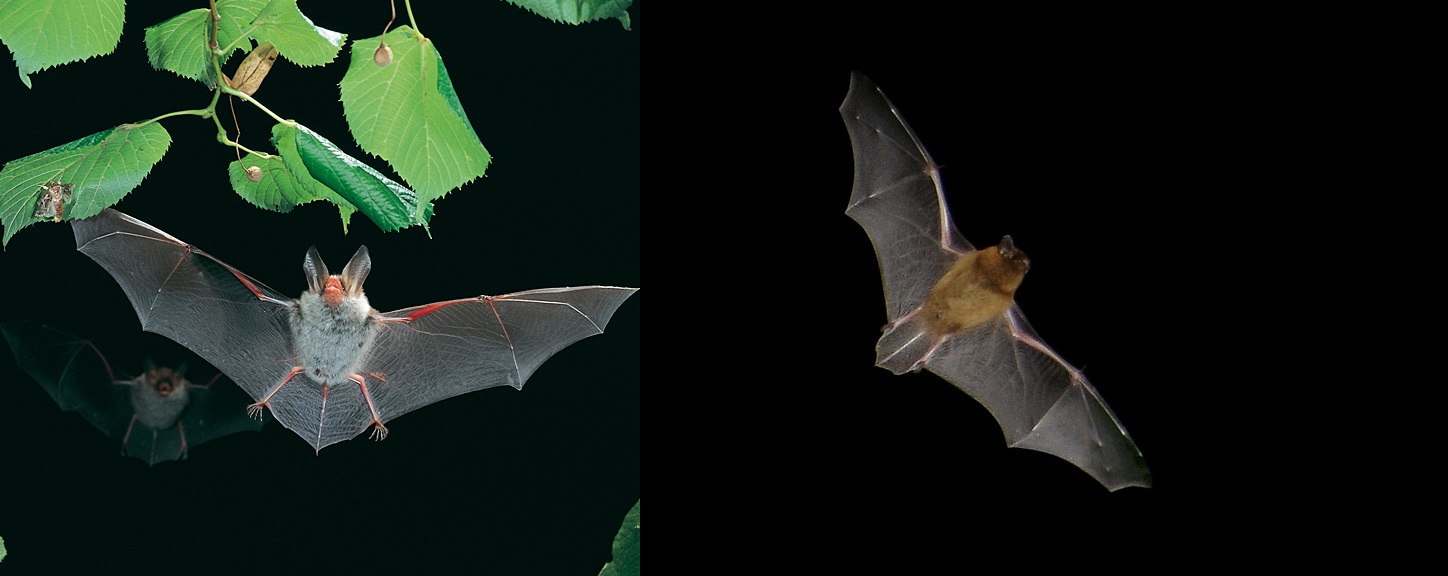

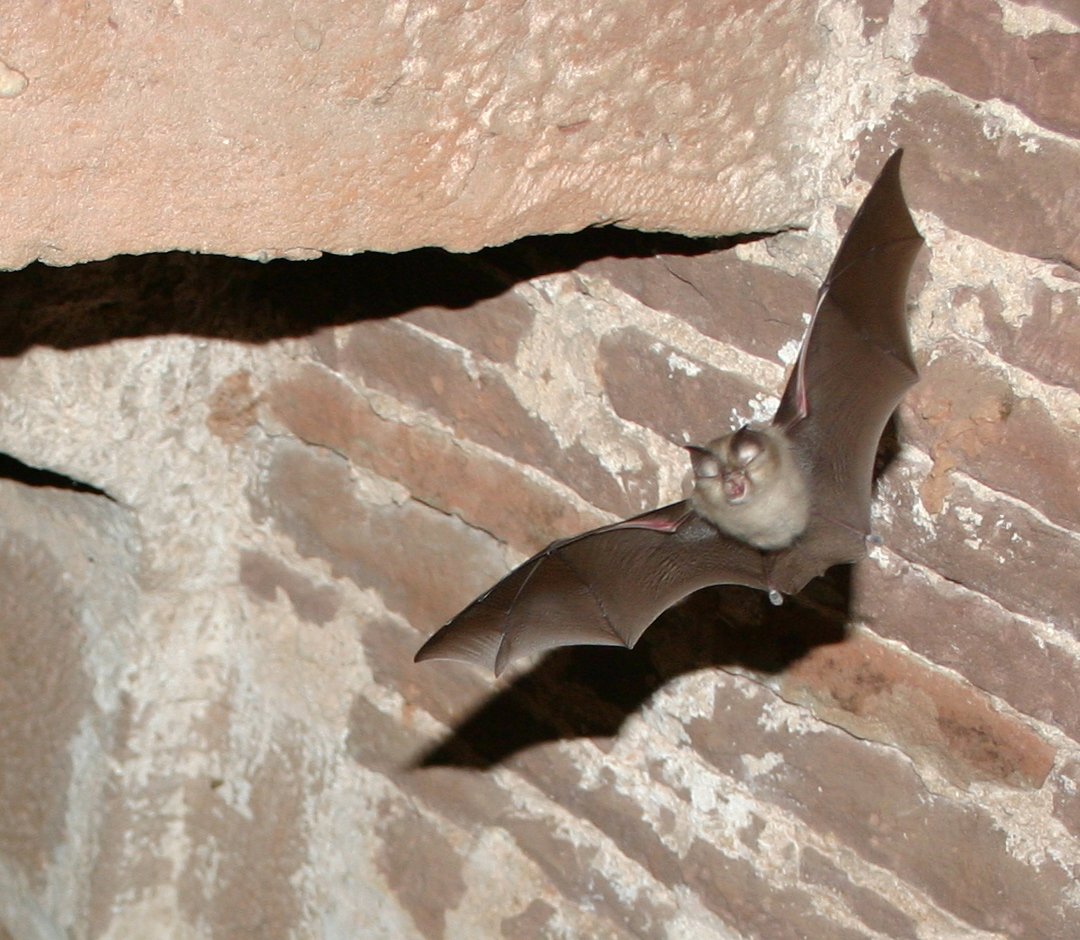
In addition, our bats will not be active again until May. Hibernation is a state of torpor in which bats lower both their body temperature and metabolic rates to a bare minimum: not an ideal state to support gestation.
Female bats have evolved, therefore, to mate before they hibernate and then to delay fertilisation until they wake up from their hibernation: a female stores the male’s sperm in her oviducts and uterus through the winter and does not ovulate until she wakes in the spring. Ovulation, followed shortly by fertilisation, happens up to three days after her hibernation ends. This means that she does not have to waste any of her depleted post-hibernation resources on the energetic business of finding a mate: she can begin feeding right away and, already in utero, her pup will begin to grow.


Breeding behaviour depends on species. In common pipistrelles, males establish courtship territories, which they patrol while singing high-pitched calls to attract females. Natterer’s bats, however, swarm during the autumn near the entrance to their hibernation sites and mating takes place during the swarm. As swarming brings individuals from many colonies together, it is seen as behaviour evolved to increase the genetic variability of the next generation.
Autumn swarms have been observed around St John’s Church, to the northeast of Lambrok Meadow, indicating the possibility of a hibernation site of at least one of our recorded species of bats somewhere close to the reserve.
Try downloading a bat ID app and walk out in that direction one evening. We rarely see bats but they make up 25% of the UK’s native mammals so you might well be surprised at how much is going on out there in the dark.



 Southwick Country Park Nature Reserve