
Winter terminology
We use the words overwinter, hibernation, and diapause when we are writing about the reserve’s inhabitants’ preparations for the cold weather. It’s easy to assume that they are interchangeable terms but that is not so: let’s take a closer look.
Overwinter means just that: getting through the winter. Some species migrate to warmer places, some adapt their behaviour or their physiology, some just go to sleep. We Homo sapiens do all three: some of us overwinter on the shores of the Mediterranean, some of us brave the cold, put on a woolly sweater and ask for extra pudding, and apparently we are all inclined to sleep more in winter.
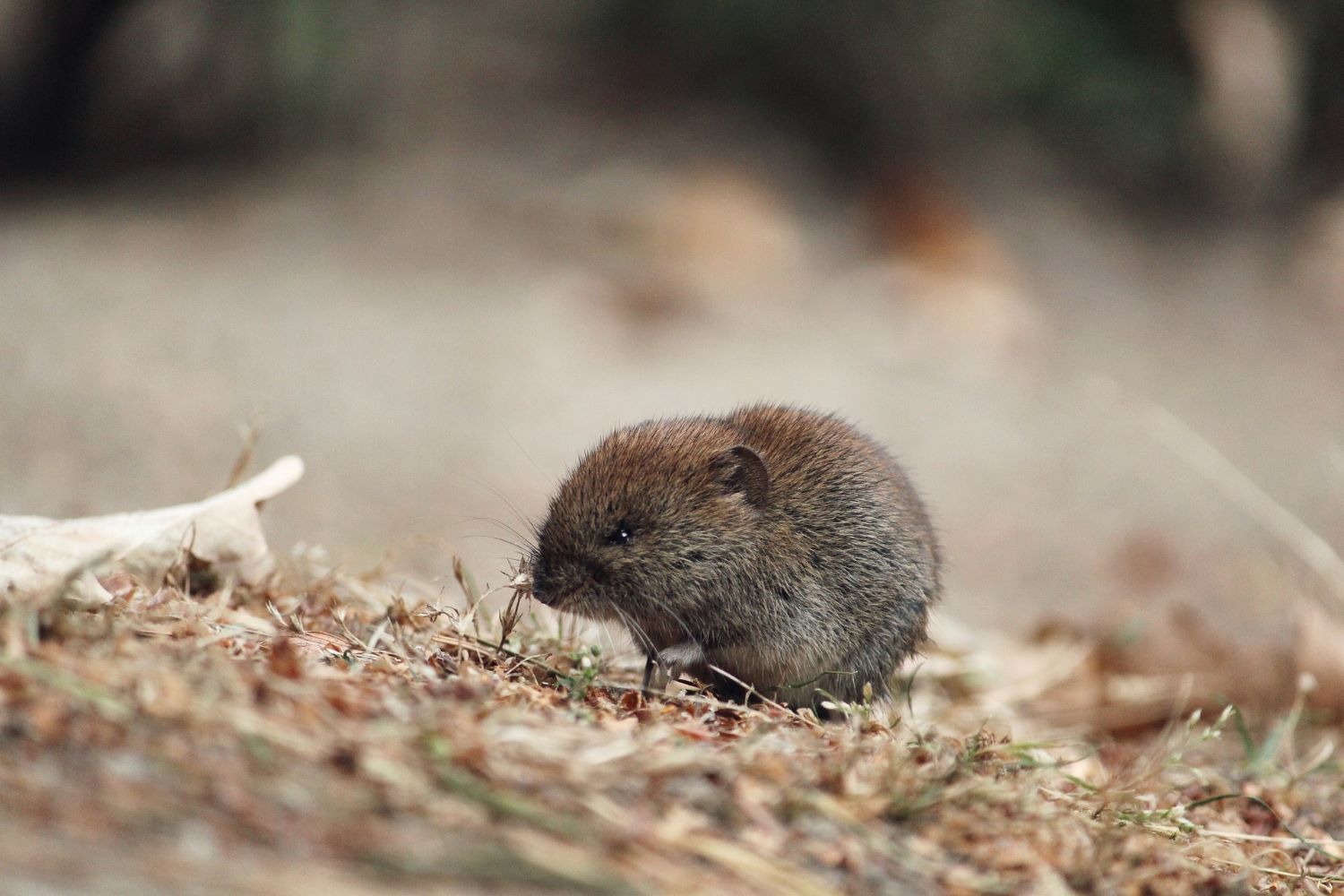
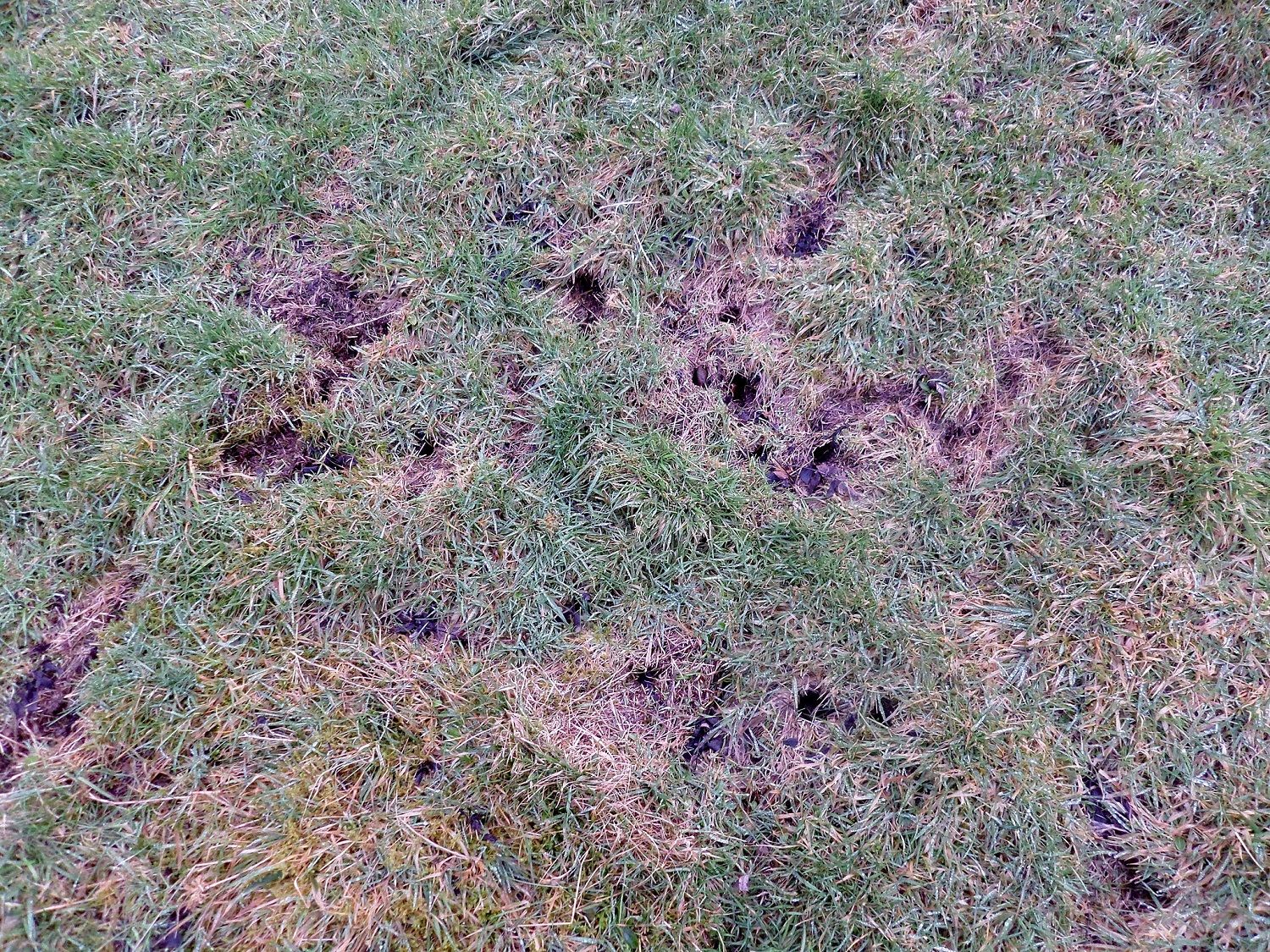

Our field voles overwinter in the grass.
In the reserve, our enormous, but rarely seen, population of field voles overwinter in burrows lined with dried grass, wearing their warm winter pelts, sleeping through the extremes of the weather and feeding in their underground stores reached along well-worn paths under the grass.
True hibernation is a much more specific term. It is the reduction of metabolic activity in an animal and is always associated with low body temperature. It usually occurs in the winter and its purpose is to stretch out for as long as possible the store of energy the hibernator built up during the summer.
In hibernation the reserve’s hedgehogs will become immobile, their bodies cool to 10°C, their hearts beat only 20 times in a minute and their respiration is reduced to just a single breath every few minutes. The only other British animals that truly hibernate are hazel dormice and all our bats.


The UK’s true hibernators: our eighteen species of bats, dormice and hedgehogs
Diapause is a dormant stage during which a creature’s development is suspended completely. Insects (and other invertebrates) can enter diapause at any of the four stage of their lives, not just in winter, but also when conditions such as drought or a sudden drop in temperature would make survival difficult. Most find shelter first and some will secrete a hard shell or case in which to sit out whatever is happening outside. Diapause can last for many months or even years and its end is triggered by an environmental change that indicates that it is safe to emerge.

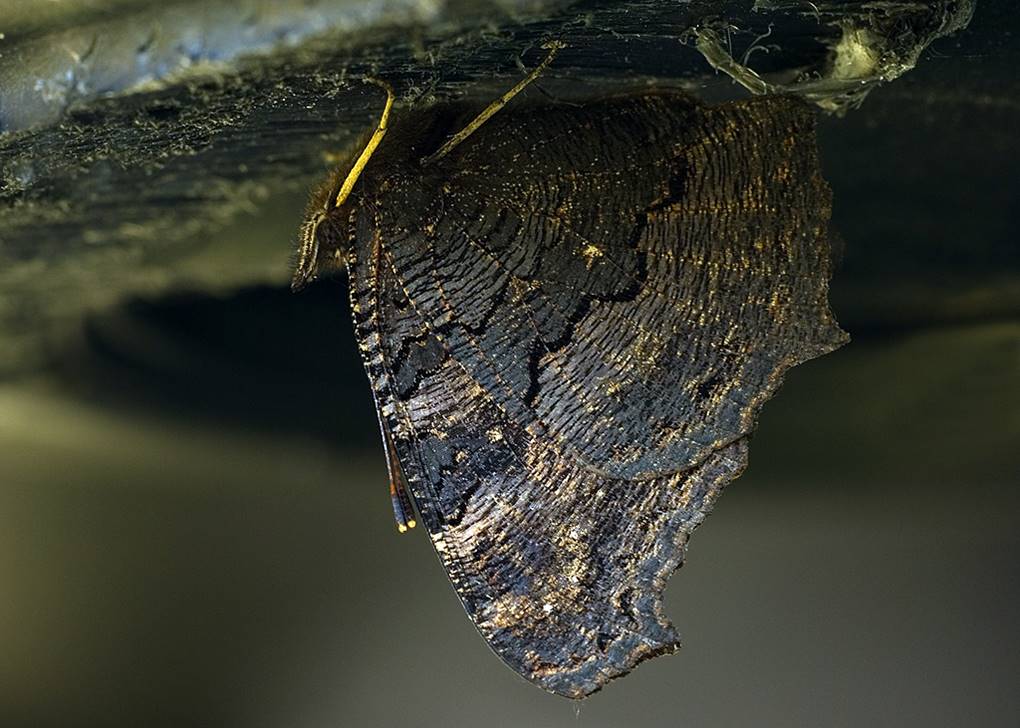
A peacock butterfly.
Diapause is often misnamed as hibernation. For instance, we know we have said in the past that peacock butterflies hibernate in the adult stage but, accurately speaking, the peacock adult enters diapause. In the reserve, our peacock butterflies are always the last to be seen in flight as the summer ends. They find hiding places in cracks and holes among our trees where they enter diapause (not hibernation) and, if they survive the winter, they are among the first to be seen in the spring, usually emerging on a day of sunshine.
In future we are going to use these terms as correctly as we can. It is important, in these difficult times, that we are informed and that we have the right words to talk about the dangers our wildlife faces.

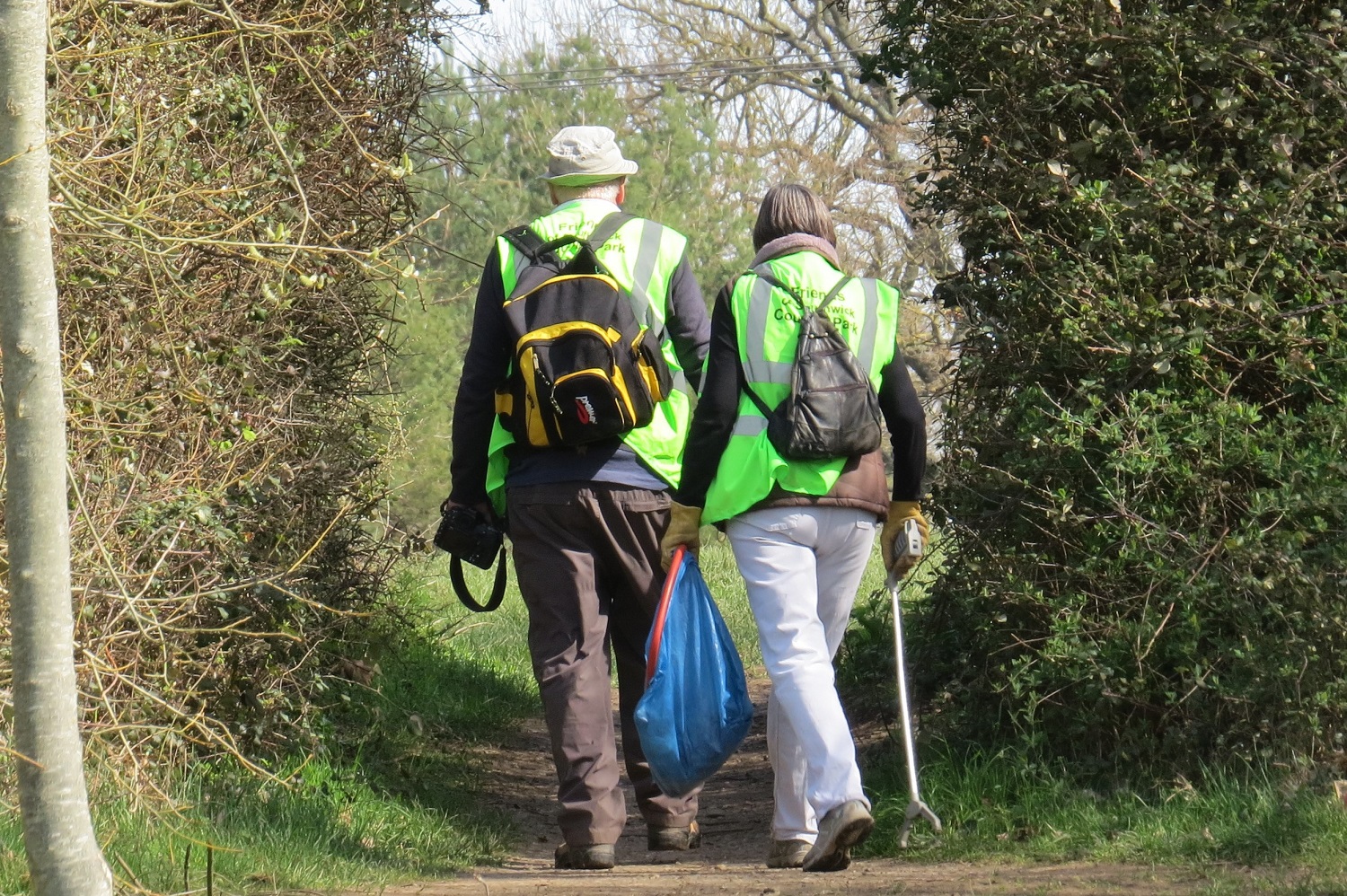


 Southwick Country Park Nature Reserve
Very informative! Thank you for this 👍
Our pleasure. We should all know the words we need to discuss the danger our wildlife is in. How can we plan for our invertebrates when so many people don’t know that their last garden-tidy-up-before-winter might kill hundreds of invertebrates in diapause among the long grass and in the hollow stems of gone-over flowering plants?
Nice article 👍🌺
Really interesting and informative as always.
We used to see hedgehogs in our garden but in recent years we haven’t seen any!
I’m concerned that even the shallow flooding we have seen here may have drowned any hibernating hedgehogs.
Barbara Johnson
This from today’s Guardian:
Hedgehogs are now listed as “near threatened” on the International Union for Conservation of Nature’s red list after a decline in numbers of at least 30% over the past decade across much of their range.