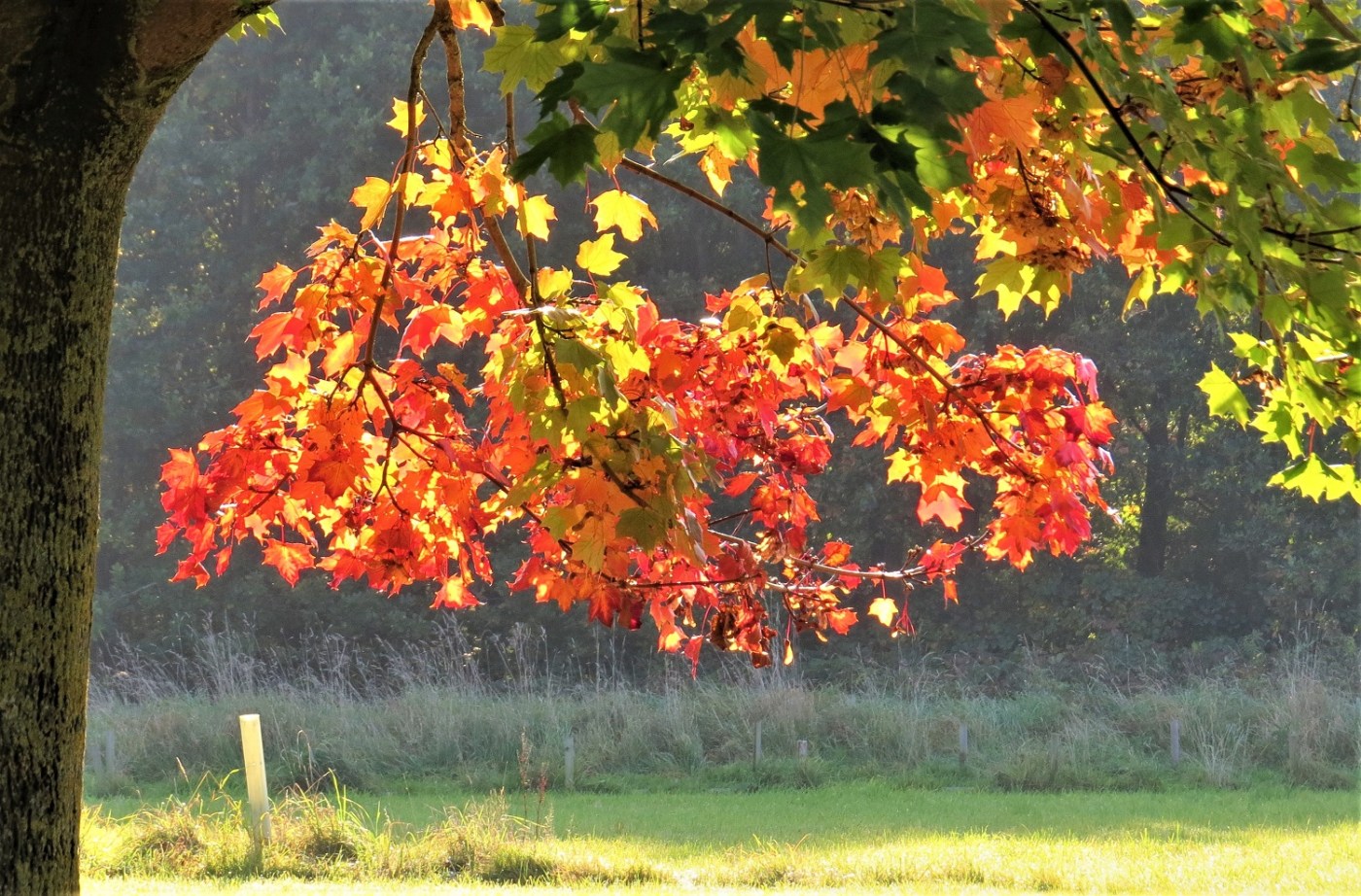
What happens to all those leaves?
They are recycled: nothing goes to waste. Some are just carried away as bedding by a variety of mammals. Badgers drag dried leaves underground to line their setts in preparation for cold weather, as do otters, bank voles and wood mice. Squirrels even take them back up into the trees to line their winter dreys.


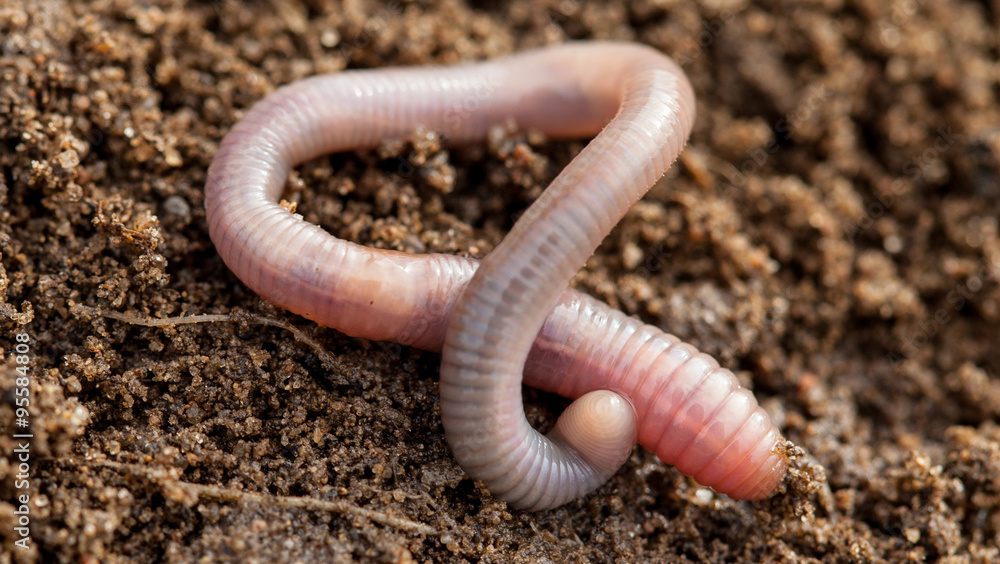
Some leaves are pulled down into the soil and eaten by the sort of earthworms that live in deep permanent burrows; these are called anecic worms and they make up about a third of all the UK’s earthworms. This part of the leaf-recycling system might be more substantial than you think.
In a previous post we calculated that there were probably the best part of 70 million earthworms in the reserve; an approximate third of that approximation might be 23 million anecic earthworms, each eating half its own body weight every day in fallen leaves. As the average tree has only 200,000 leaves in the first place, it’s surprising that there are any left over for the chief leaf-composters: fungi.


The fungi we see around the reserve at this time of year are the fruiting bodies of sometimes enormous organisms that are living out of sight, feeding on decomposing organic matter. The out-of-sight part of a fungus is called the mycelium and it sends out hyphae, thread-like outgrowths, that go looking for new sources of nutrition. The fungi like dark, damp places and as soon as the leaves stop blowing around in the wind and settle down into a moist layer cake, the scouting hyphae move in.
To access the nutrition in the leaf, the hyphae break down the cellulose structure that holds it together. Once the leaf has been taken apart, a hoard of little invertebrates arrive to eat the pieces, and creatures even smaller come for the crumbs – and so on all the way down to the microbial level. These processes can take years and any sample of soil will contain leaves at every stage of decomposition as well as the millions of organisms that are doing the decomposing.


We should respect this recycling system: left alone, it runs exclusively on solar power and is 100% successful. We could put away our leaf blowers: the burrowing worms will soon clear most of the leaves from our lawns. We could let leaves build up and rot down in corners, where they will provide shelter and food for invertebrates. Why do we clear the layers of dead leaves from our flower beds and then buy wood chips to protect the bare soil?
The more we learn how these things work, the better able we will be to take proper care of them.
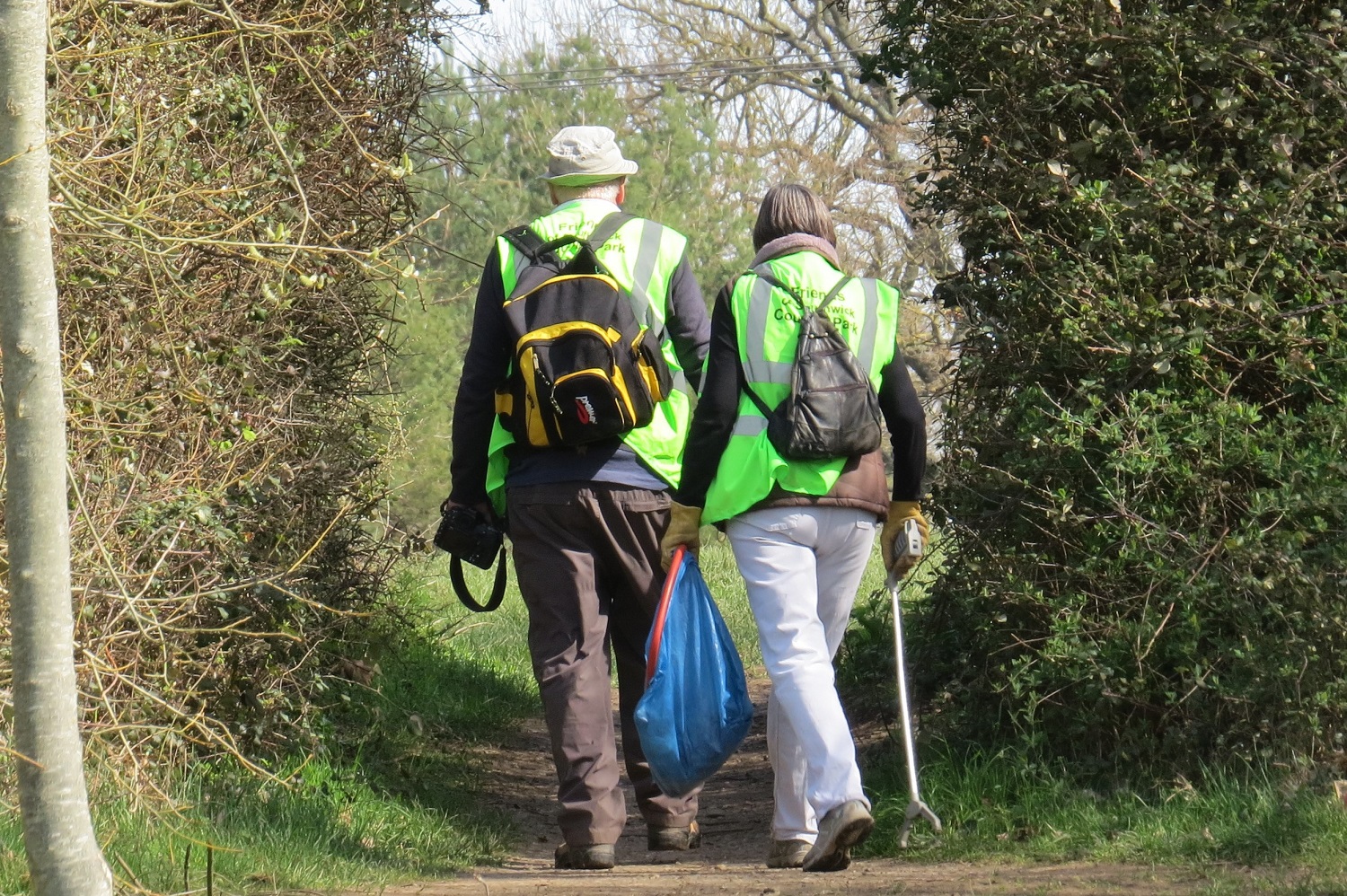


 Southwick Country Park Nature Reserve
My 3yo loves the leaves. Ill tell her where they all go.
Yes, catch them when they’re young. Three is the right age to show children how these things work and what we have to do to look after them.