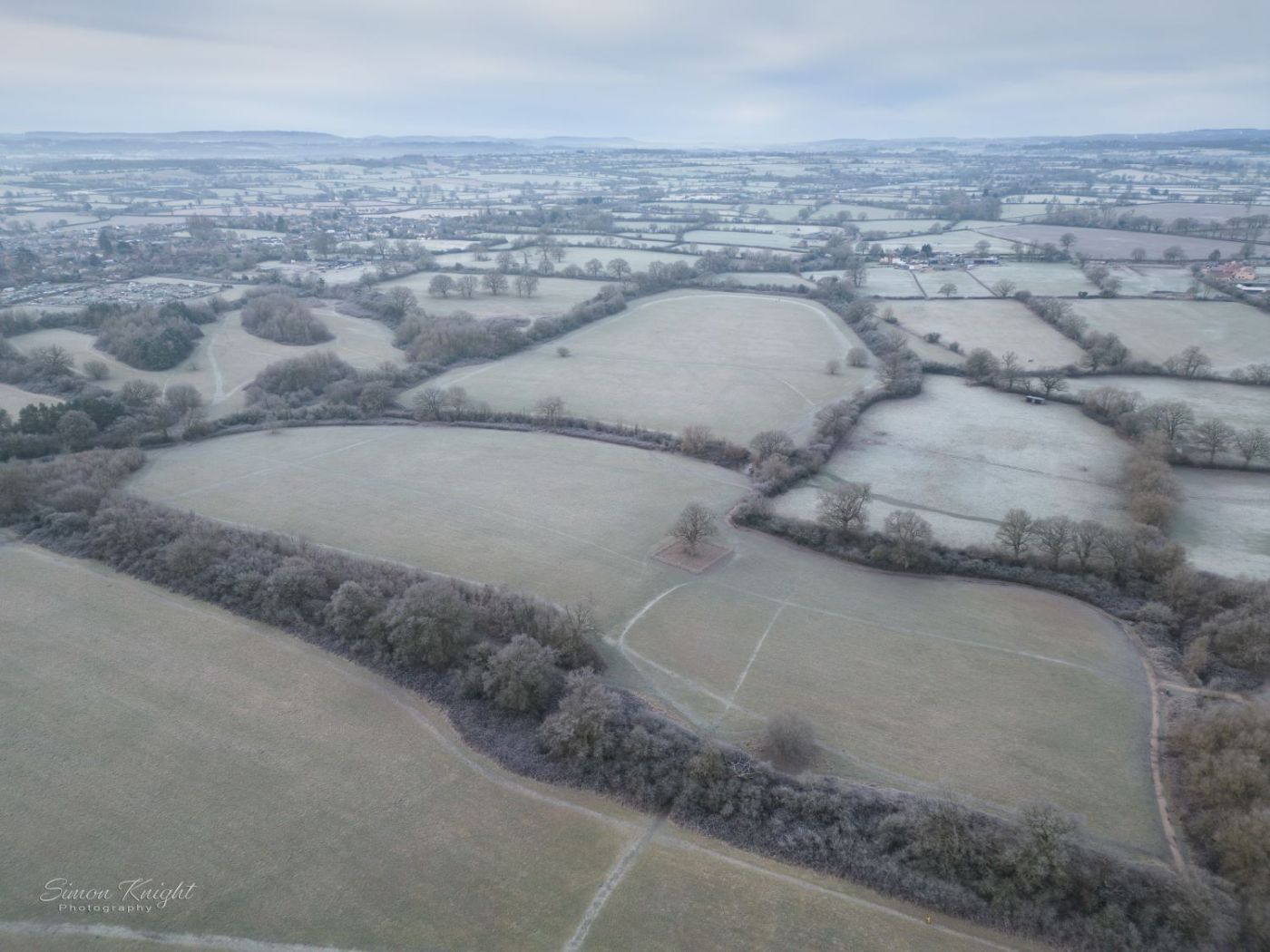
Sometimes, New Year’s resolutions are just too hard. The media, for instance, has been busy this week suggesting dramatic eco-resolutions for 2025: give up plastic, rewild your garden, cycle to work, stuff you know you will abandon half way through January. We, the Friends of the Reserve, think you should take these things more gently.
ONE: consider thinking about a plan for a little wildlife gardening.
Start with something easy. Plant a tree, something native that will flower in the spring for the bees and then fruit in the autumn for the birds: hawthorn, wild plum or bird cherry.


Mow less. Long grass and wildflowers (dandelions and buttercups DO count as wildflowers) encourage all kinds of creatures into your garden. If you cut your grass maybe once or twice a month and leave some patches uncut all summer, your garden will provide (according to the scientists) up to ten times as much nectar for resident and visiting insects
When it comes to planting, think native. Your garden may be full of exotic blooms and the butterflies may come to feed there but if there are no native plants for the caterpillars, fewer butterflies will come next year. Our native wildlife has evolved in partnership with our native plants and will not thrive in an environment dominated by non-native species.
And if you feel brave enough to think about giving something up, give up weedkillers.


TWO: learn a little about nature
Buy a book; download an app; sign up for a course.
If we stand back and look at the many problems afflicting our fragile planet (climate change, species loss, environmental degradation) the one factor common to them all is our own ignorance. Too often, we seem to learn how things work just a little too late to save them.


If we are to save the environment that we (and the rest of the planet’s wildlife) inhabit, we must learn as much as each of us can. If you prefer, leave the big stuff to the ologists and focus on the little things: if I know that the ants in my sugar are Lasius niger and that their queen is the longest lived queen of any species of ant, I am not going to want to kill her whole nest of 10,000 workers and deprive her of the last twenty years of her life.
THREE: reduce, reuse, recycle
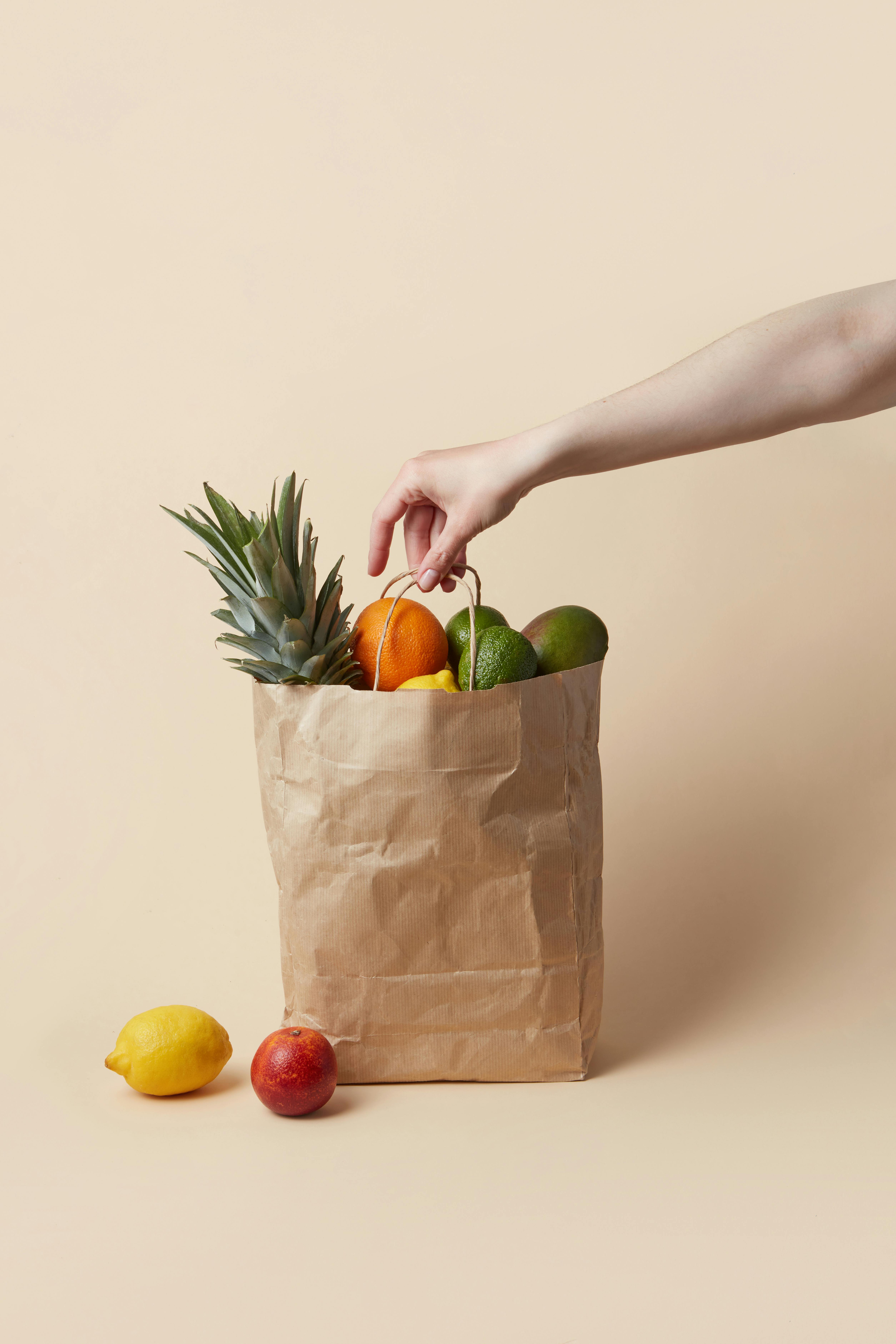
Again, these don’t have to be big scary projects. Going plastic-free is extraordinarily complex but buying your milk in waxed paper cartons instead of plastic bottles is quite easy. Choose a supermarket that gives you paper bags for your vegetables, or that will sell you fruit squash in glass bottles. Think before you buy: watering cans can be made of metal, a tablet of soap can come wrapped in paper, washing up cloths can be cotton rather than microfibre. Markets are driven by demand: the less plastic we use, the less will be produced.
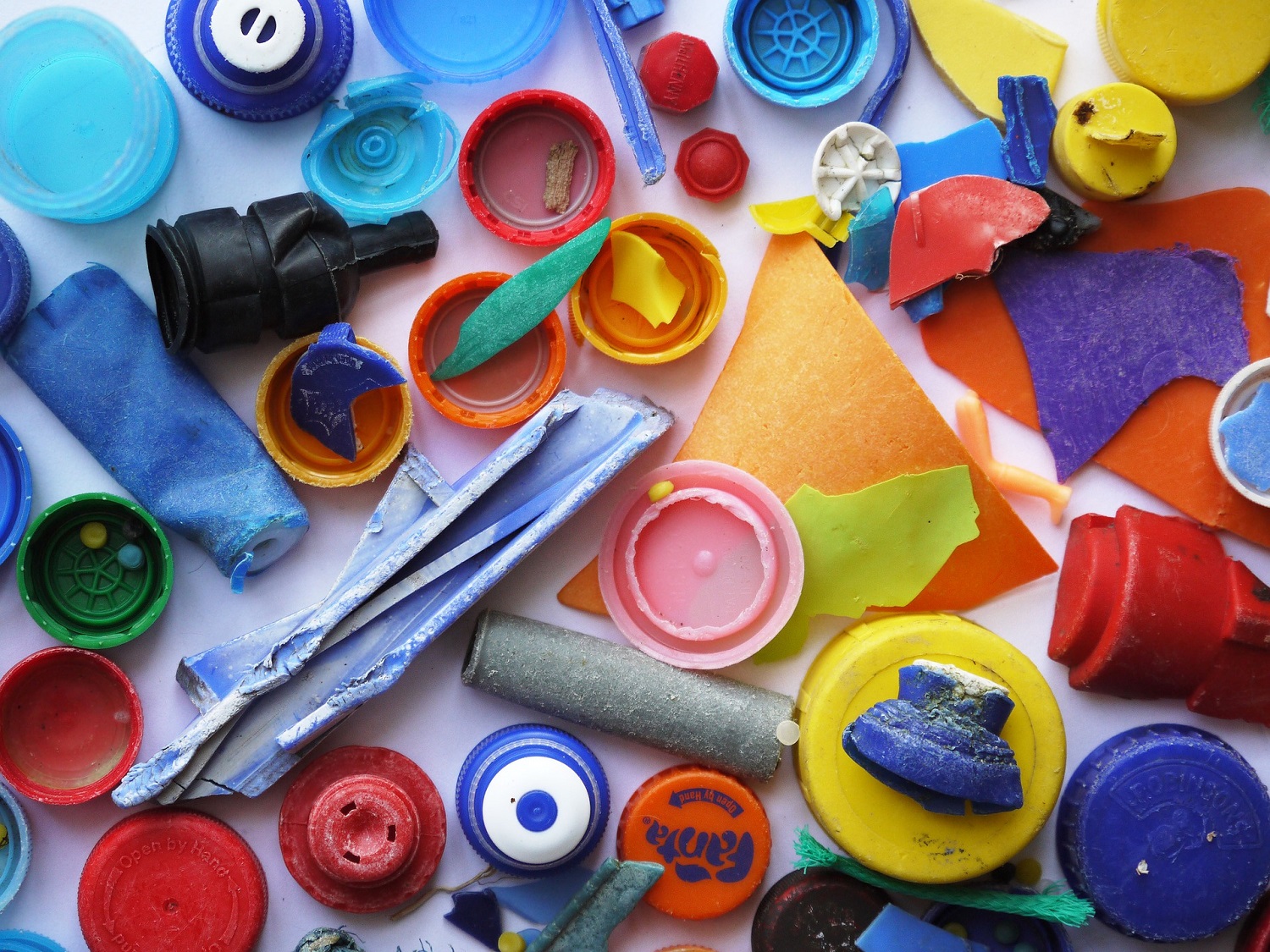
Reuse as much of everything as you can. If you buy a loaf of bread in a plastic bag, try to make sure that the bag is used at least once more before it goes to be recycled. Buy second-hand; donate rather than dump; upcycle and hand-me-down.
And recycle everything you can – but don’t be depressed if you can’t.

Our planet is probably not single-use. If we diminish its resource to the point where we can no longer live here, something else will almost certainly evolve to live in what is left. As yet though, we haven’t identified anywhere else that we could be sure we could live if we had to leave Earth. So let’s resolve to keep our beautiful world safe.

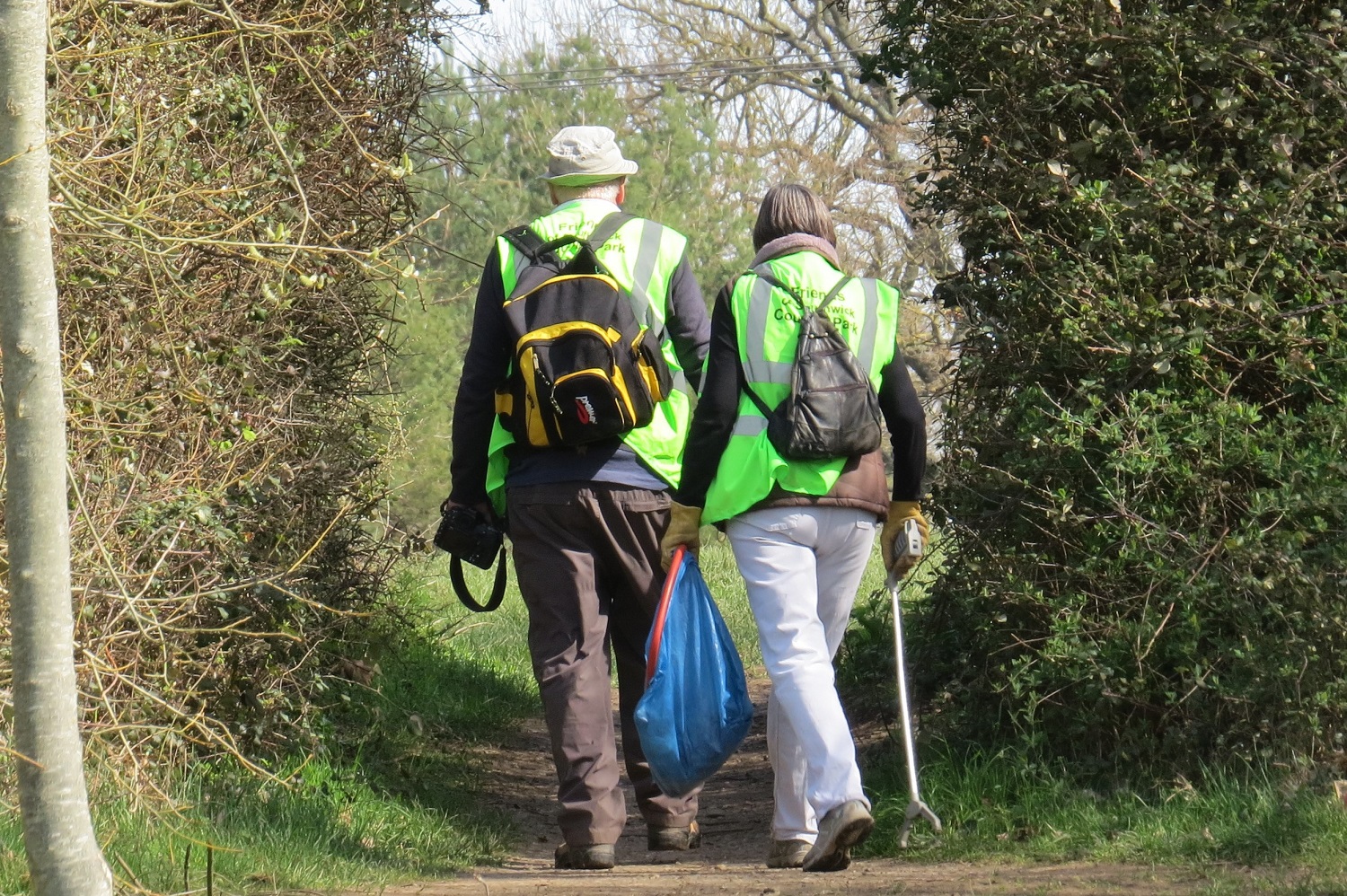


 Southwick Country Park Nature Reserve
Less mowing? Sounds good.
Happy New Year!