
How did the reserve’s invertebrates make it through last week’s freezing weather?
Some insects, like the peacock butterfly, queen common wasps, and ladybirds are able to survive the winter in their adult form by entering a dormant state, a state of suspended animation. The metabolism of these over-wintering adults slows, their temperature drops and they produce a form of antifreeze.
Freezing water expands; if the water in the cells of an insect freezes, the expansion ruptures the cell walls and kills the insect. The anti-freeze chemicals, cryoprotectants, produced by invertebrates prevent ice forming in the cells by reducing the freezing point of water, just like the anti-freeze you put in your car.

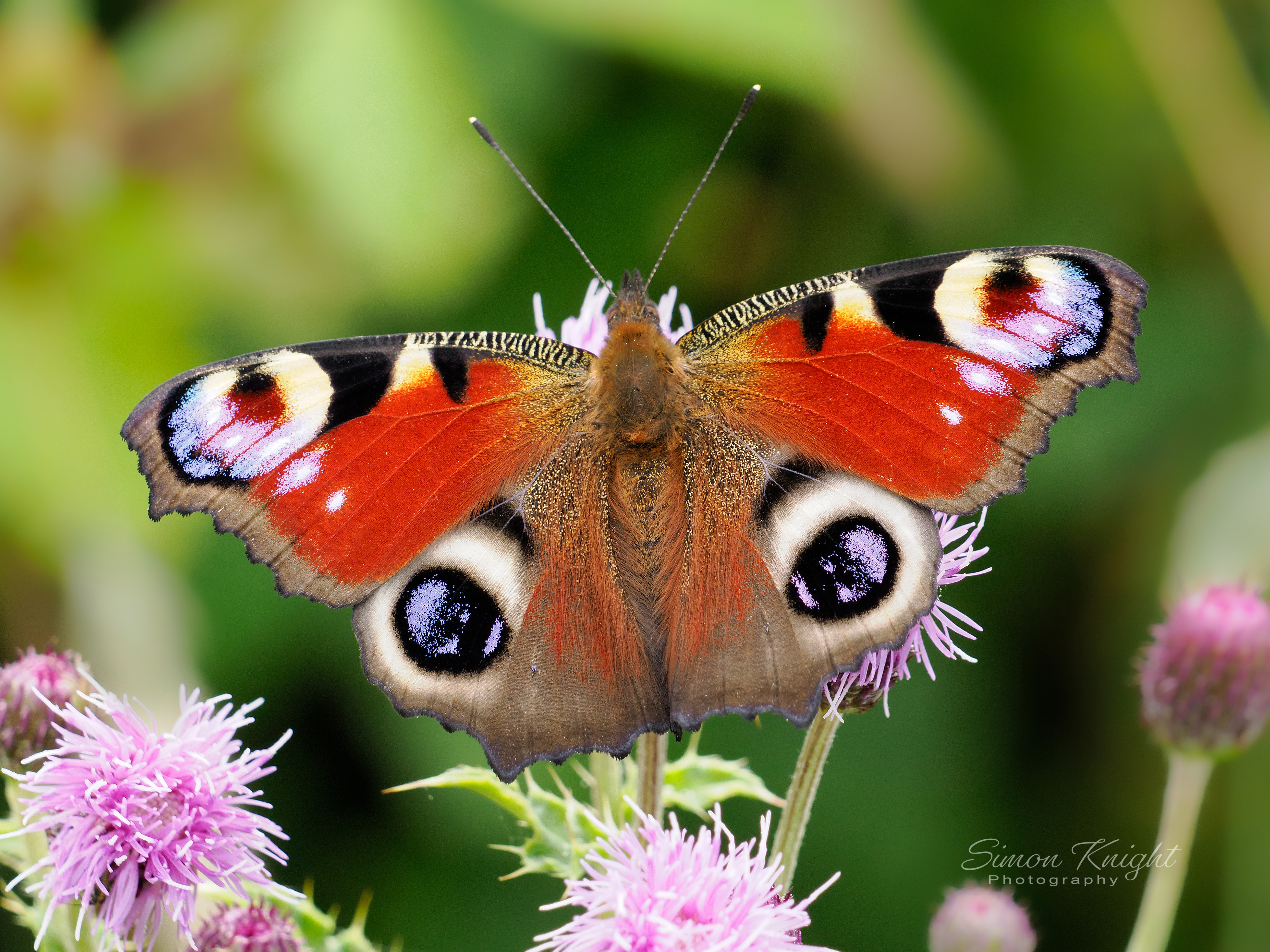
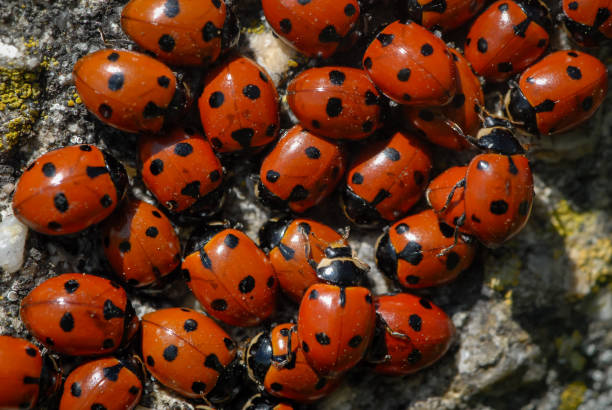
A queen wasp leaving hibernation; a peacock butterfly; ladybirds in diapause.
When a cryoprotectant chemical dissolves in water, it forms bonds with the water molecules that prevent them from bonding with other water molecules to form ice. This means that the water in a creature’s cells can be cooled to subzero temperatures without freezing. Research has shown that body fluid freezing points as low -25C are not uncommon in hibernating invertebrates; in other words cryoprotectants allow insects to be supercooled.
As a back-up, some insects can produce special proteins, called ice-binding proteins, as well as cryoprotectants. The ice binding proteins do just what it says on the tin; they bind to ice crystals developing in cells and prevent them from growing large enough to rupture the cell walls. One such compound, anti-freeze glycolipid, has been found in organisms ranging all the way from carrots and grass to beetles and butterflies, and in 2014, American scientists identified AFGL in a wood frog.
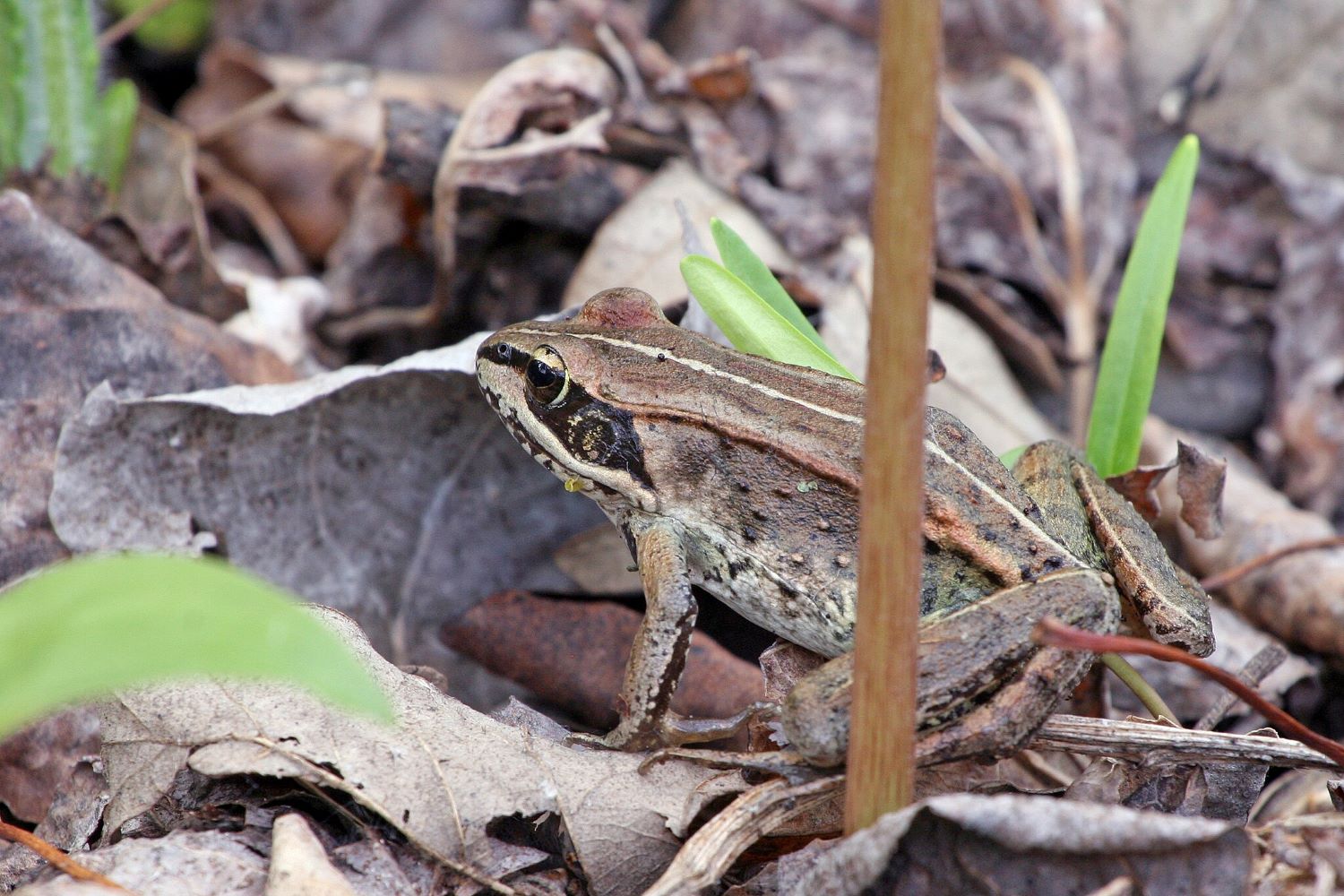
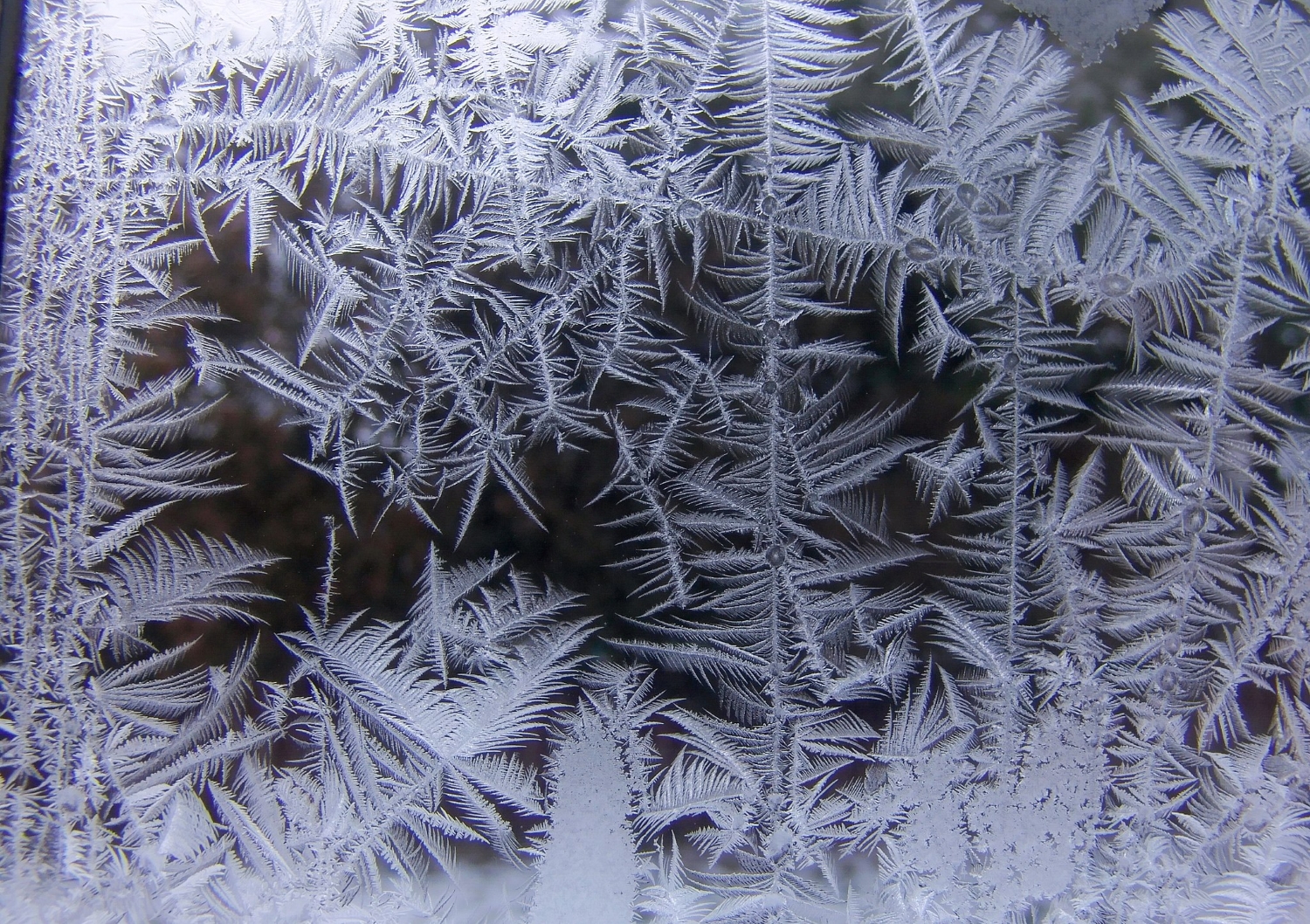

A north American wood frog; ice crystals; snow in the reserve.
While you walk your dog through the reserve, consider the extraordinary things happening around you as its inhabitants hunker down for the next week’s cold spell.
Header image taken in the reserve by Ali Rasey




 Southwick Country Park Nature Reserve