
Did you know that snowdrops are not native to the UK?
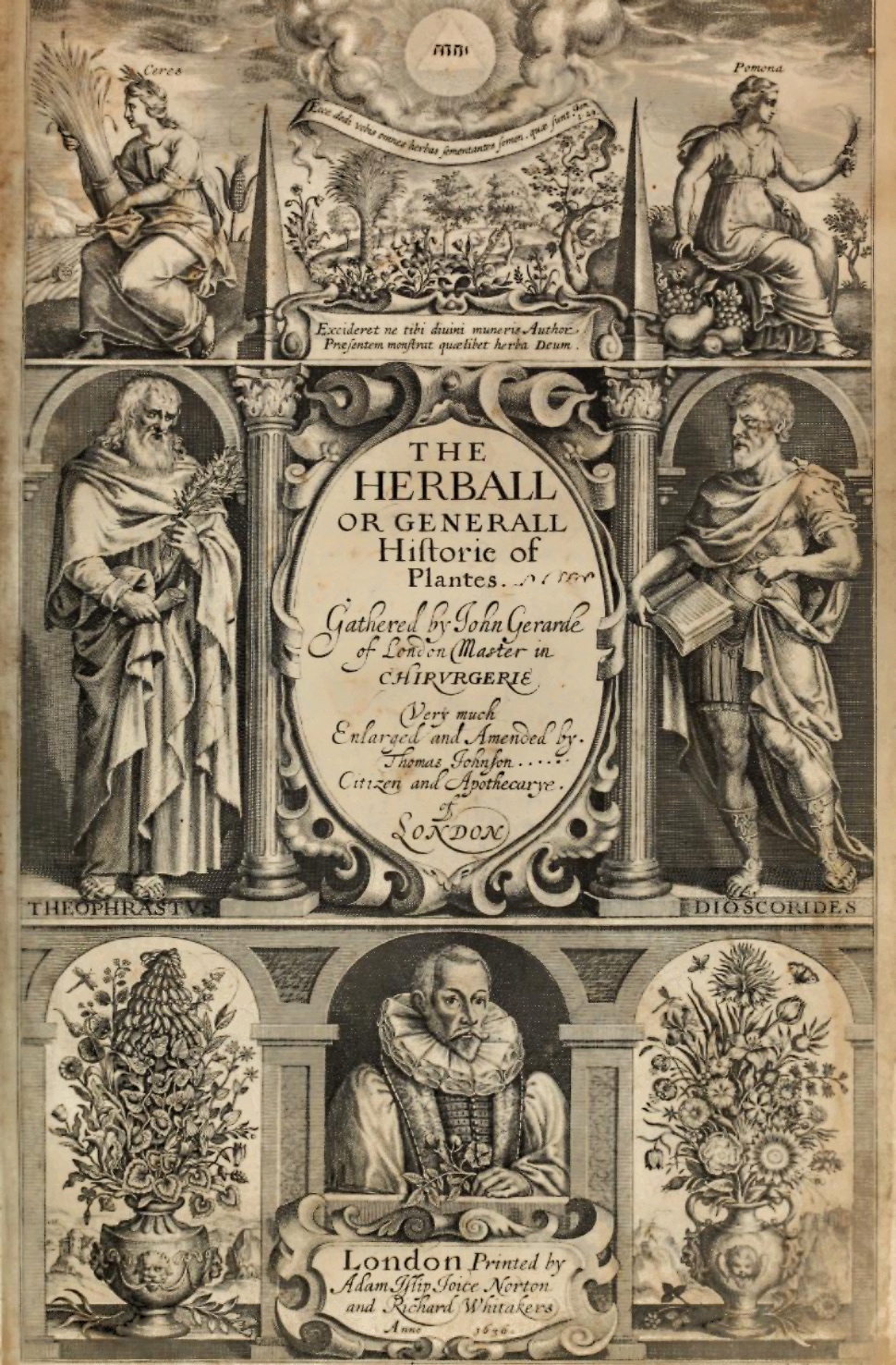
They are an introduction, assumed at first to have been brought here by the Romans, who were keen gardeners. But most experts now think that snowdrops were first introduced as a garden ornamental in the early 16th century. They are mentioned in John Gerard’s 1597 edition of General Historie of Plantes, but as a Timely flowring Bulbus violet. Carl Linnaeus gave the species its scientific name, Galanthus nivalis, in 1735.

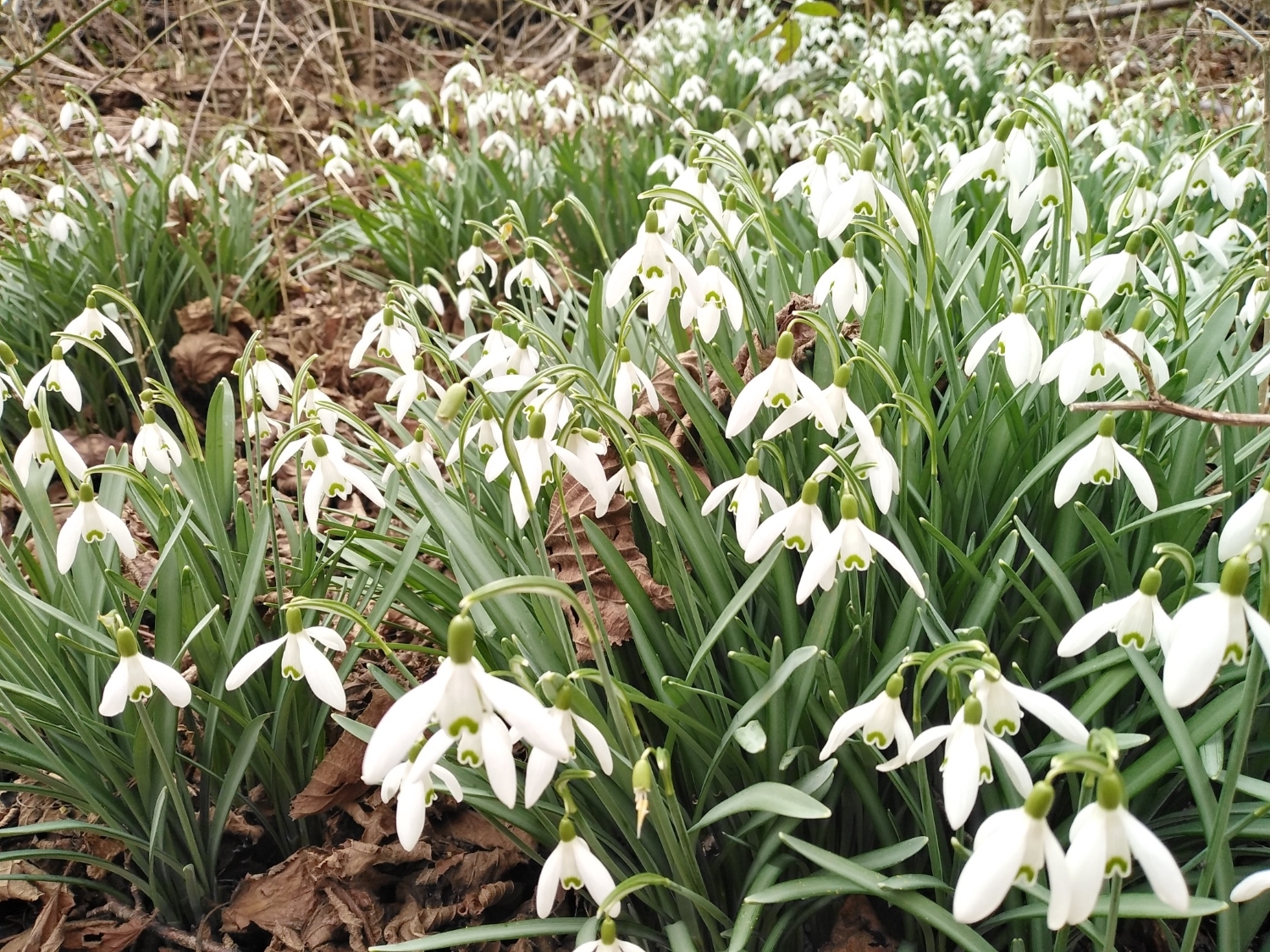
It has been suggested, so far without evidence, that they may have been brought over much earlier than the 16th century by Norman monks, as a medicinal plant for an abbey infirmary’s herb garden. There is no record of snowdrops in the wild until the late 18th century but it seems unlikely that a plant so easily naturalised in British woodland didn’t escape from its garden confines into the wild much sooner than that.
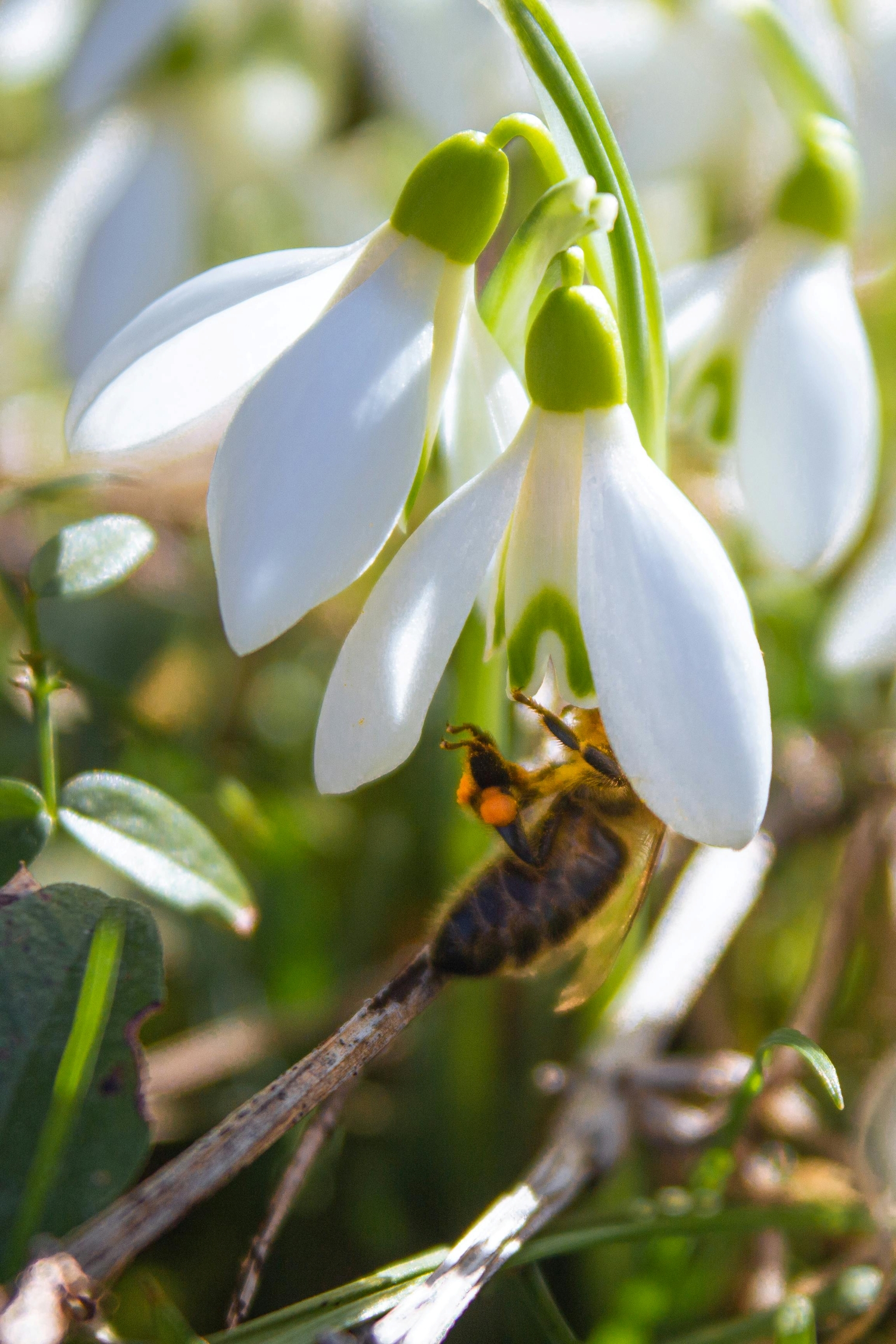
Our snowdrops in the reserve are flowering earlier every year as our climate heats up. It has been estimated that the first flowering of snowdrops in the south west of England, is advancing by between six and seven days each decade. While these early blossoms are cheerful indicators that the winter will soon end, they also contain the possibility that key interactions with the bees that pollinate their flowers and the ants that distribute their seeds will be mis-timed or desynchronised, with disastrous results.
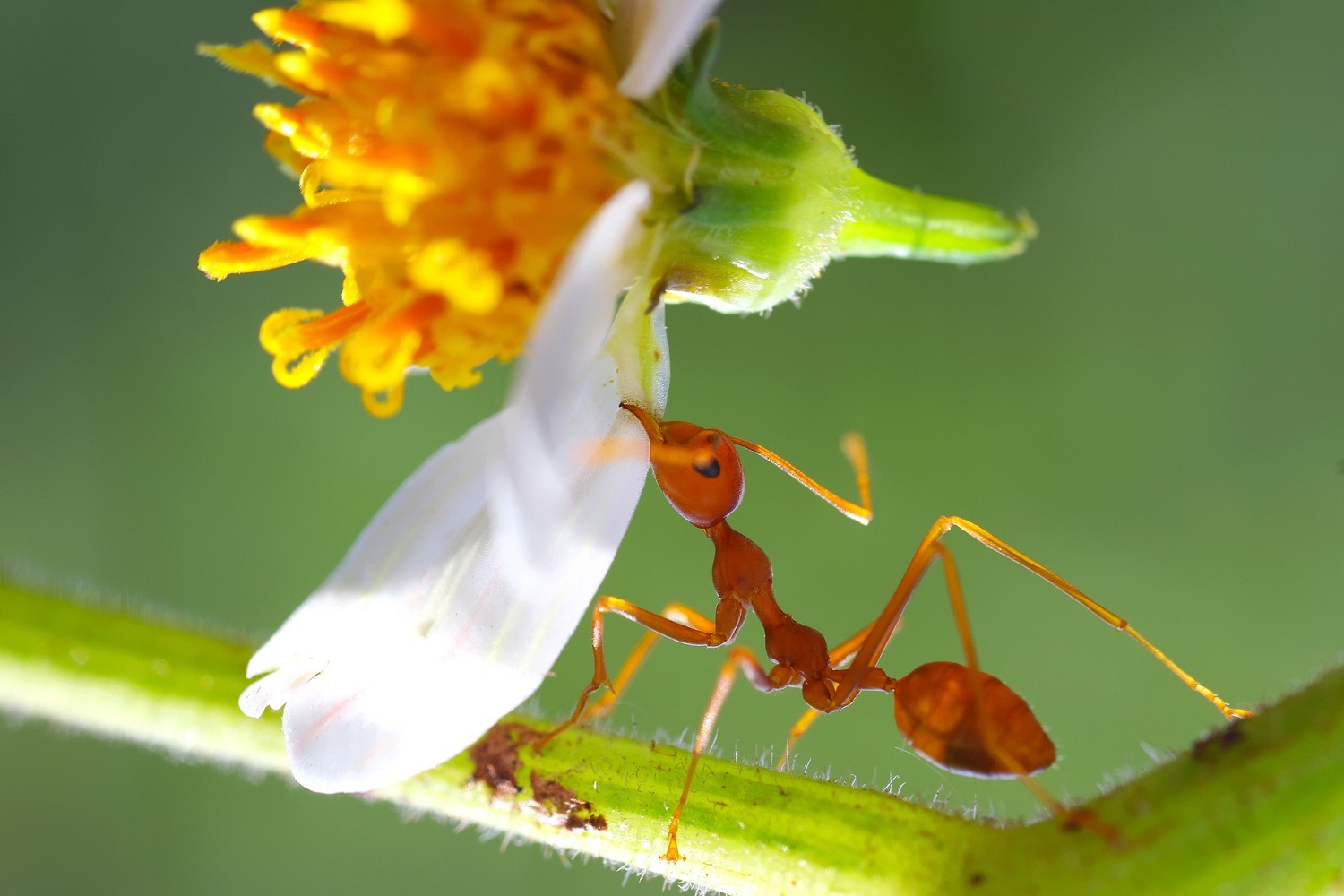
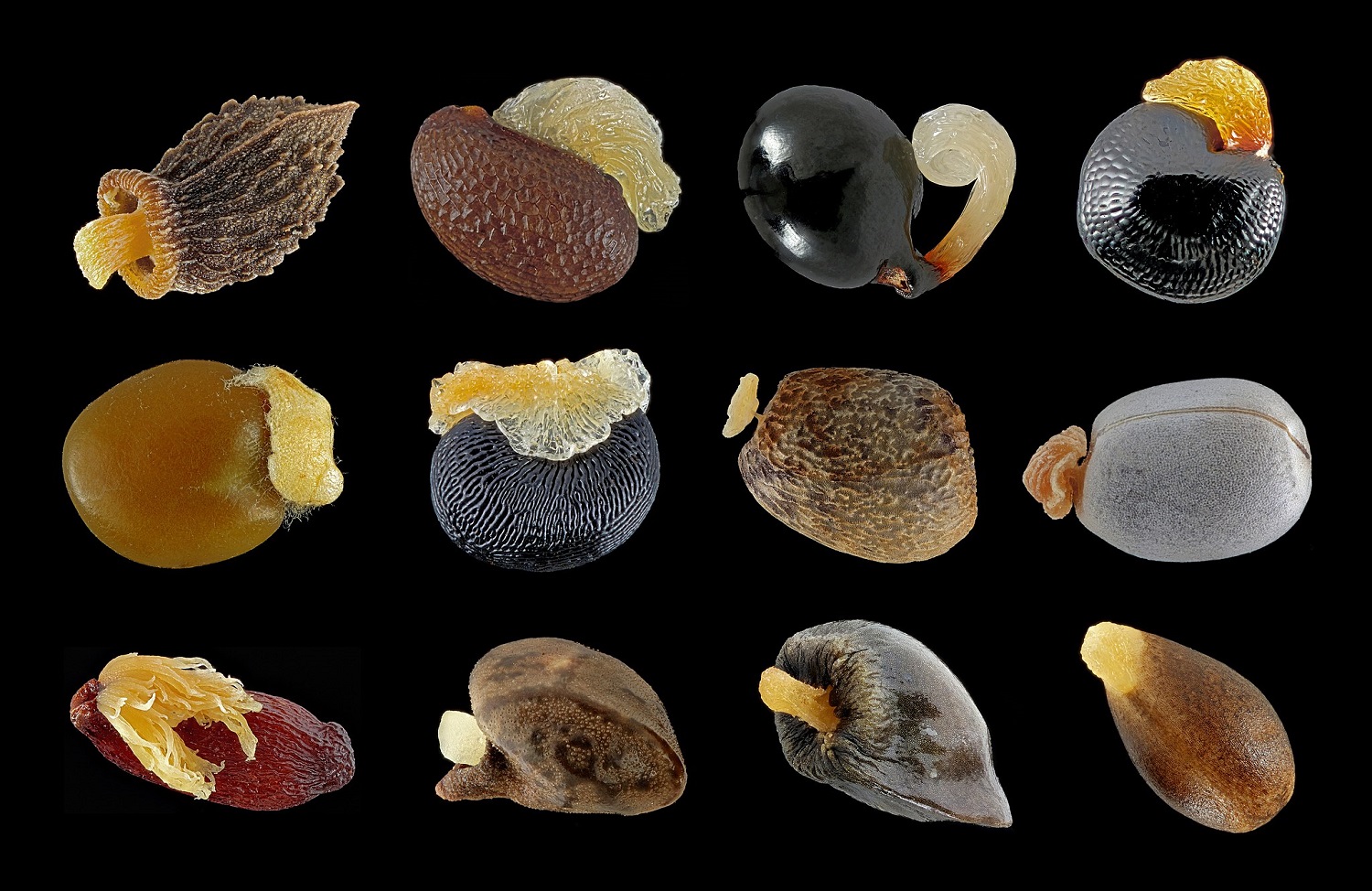
Snowdrop seeds have, at one end, a fatty structure called an elaiosome, designed to attract ants. The ants carry the seed away to their nest where they feed the elaiosome to their larvae before throwing the rest of the seed out with their waste.
The pollinators and the seed dispersers will be making their own adjustments to the changing climate but there is no guarantee they will match those that the snowdrops are making. If the bees come to the flowers too late, they and their offspring are not fed and the snowdrops are not pollinated – bad news for both species.
So far, the reserve’s snowdrops are doing well, spreading through our woods year by year.



 Southwick Country Park Nature Reserve