
New research shows that the three most commonly used flea and tick treatments for our dogs are all associated with high chick mortality and nest failure among blue tits and great tits.


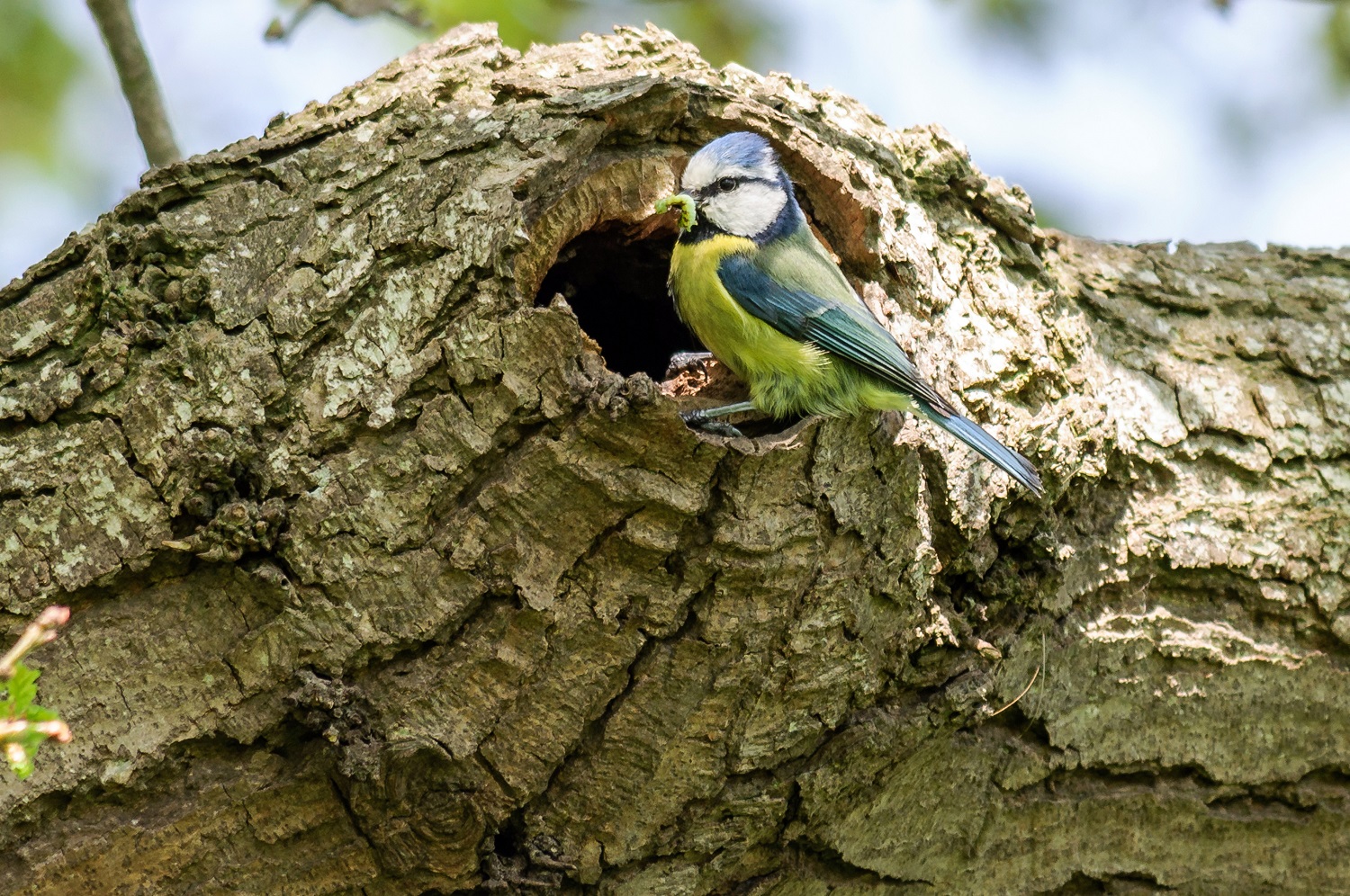

Blue tits and great tits photographed at nest sites in the reserve
We are routinely recommended to treat our pets and companion animals with dangerous pesticides that are banned from agricultural use throughout the EU and the UK, but are still permitted here for veterinary use. They are everywhere: advertised on our Facebook feeds, on TV and on YouTube. We can buy them from supermarkets; veterinary practises encourage us into committing to costly flea treatment plans, whether or not our pets need them; Amazon touts reductions on repeat orders. None of these platforms carry any warnings that the chemicals involved are known to cause environmental damage.
Researchers from the universities of Sussex and Neuchâtel studied great tit and blue tit nests collected in 2020 during September and October, the only months in the UK in which it is legal to disturb bird nests. They also recorded the number of dead chicks and unhatched eggs found in the nests; these data were assumed to be underestimates because both species are known to clear away dead nestlings and eggs during the breeding season.

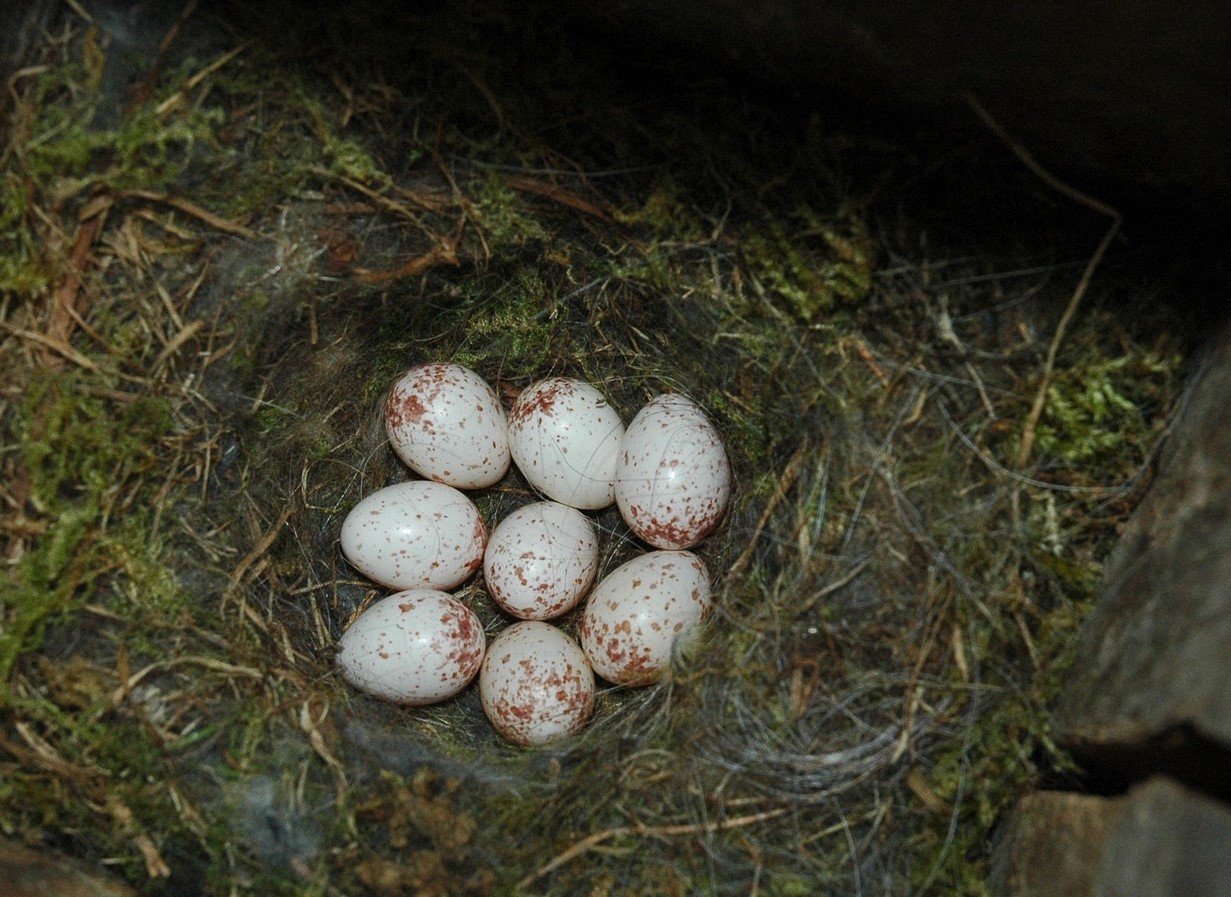

Between 40% and 50% of the collected nests were lined with fur. Focusing on these nests, the analysis found them all to be contaminated with at least three of the fifteen most common pesticides used to treat our pets for ectoparasites. Fipronil, the active ingredient in Frontline®, was present in 100% of the fur-lined nests.
The parent birds, their eggs and their chicks will all have touched the contaminated nest lining. The parent birds may have ingested the chemicals as they built the nest or while they preened their feathers. While the research sample was small, the results seem clear: the analysis indicates a higher chick mortality rate in nests lined with contaminated fur and a correlation between the degree of contamination and the number of deaths and unhatched eggs.


Yes, we need to look after our pets. But (and it’s a big but) please, not at the cost of the environment we live in. Walking your dog through the early morning reserve, listening to the dawn chorus is one of life’s pleasures but if your dog is wearing a chemical topcoat to protect it from some of our less picturesque invertebrate residents, its presence in the reserve could be damaging the very birds you have come to see.

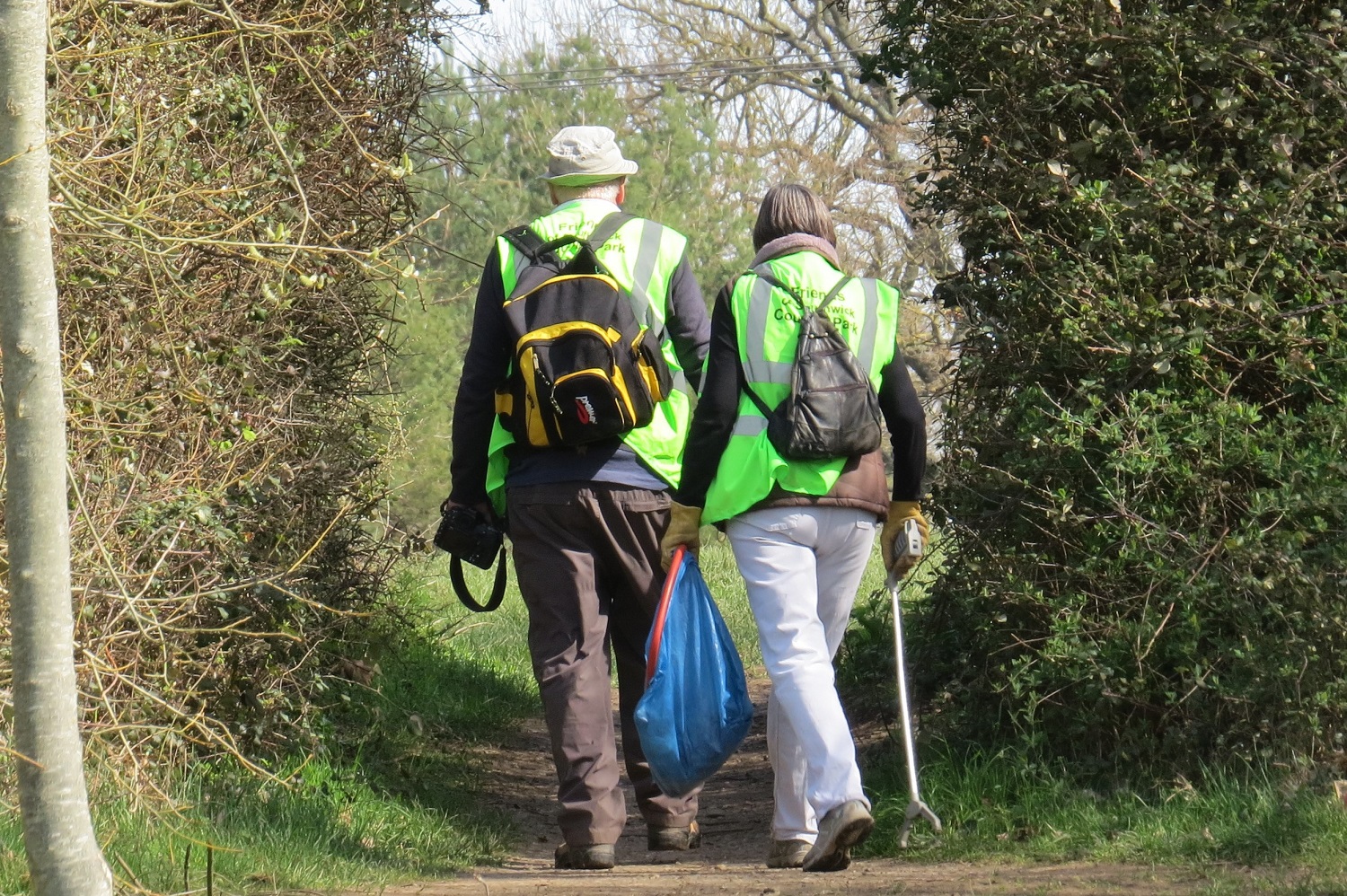



 Southwick Country Park Nature Reserve
Wonderful post 🌅🌅
My comment from Barbara Johnson may perhaps be accepted as from Lambrok!
I am not sure what happened to your comment Barbara. I cant’t find it anywhere in my system. I am sorry you have so much trouble posting on the website.
After using flee and tic treatment for our dog for three years we stopped due to polution fears. Our dog has never had flees or tics neither before or in the years since stopping these treatments. What does this tell us?
Yes, my dog rarely has fleas and if he does, a flea comb and lavender oil seems to do the trick. Commerce sells us the notion of a problem so that they can then sell us a solution.
Thank you!
Barbara Johnson
Lambrok.
sophisticated! Breaking: Unprecedented Measures Implemented to Combat [Pandemic/Outbreak] 2025 charming