Anthropogenic evolution is evolutionary change in a species caused by alterations that we, Homo sapiens, make to the environment.
Continue reading “Anthropogenic evolution”Anthropogenic evolution

Anthropogenic evolution is evolutionary change in a species caused by alterations that we, Homo sapiens, make to the environment.
Continue reading “Anthropogenic evolution”

No matter what it says on the tin, any chemical treatment that kills slugs or snails will, in some way or another, be bad for hedgehogs and, in our opinion, should be avoided.
Continue reading “Slug Pellets”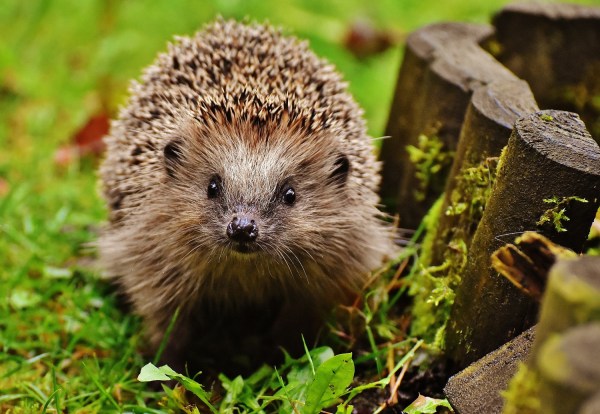
The latest research has shown that, while rural hedgehog numbers are still falling, in urban areas numbers are finally beginning to rise. Here is a video to help you make your garden hedgehog friendly and keep those numbers rising.
If you see a hedgehog, please record the sighting on the BIG Hedgehog Map; the more information we have about the species, the more we can help.

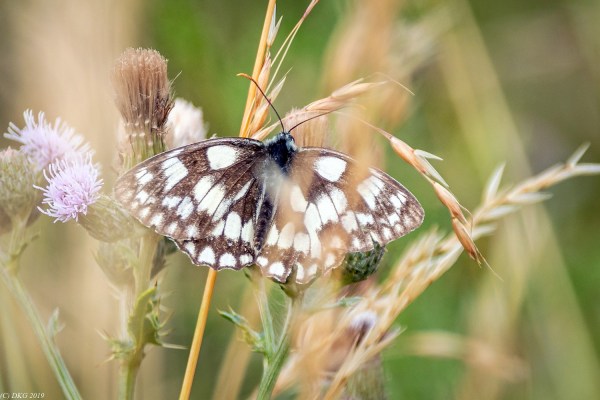
There are 59 species of butterfly resident in the British Isles and our native grasses are the major or sole foodstuffs of the larvae of around a fifth of them.
Continue reading “Grass”
Here is a link to the results of the RSPB’s Big Garden Birdwatch 2024, the latest in the Society’s 45 year-long experiment in citizen science. Please click the link and read their post – if we don’t recognise the magnitude of the problems we face, we might not have the resolve the tackle them.
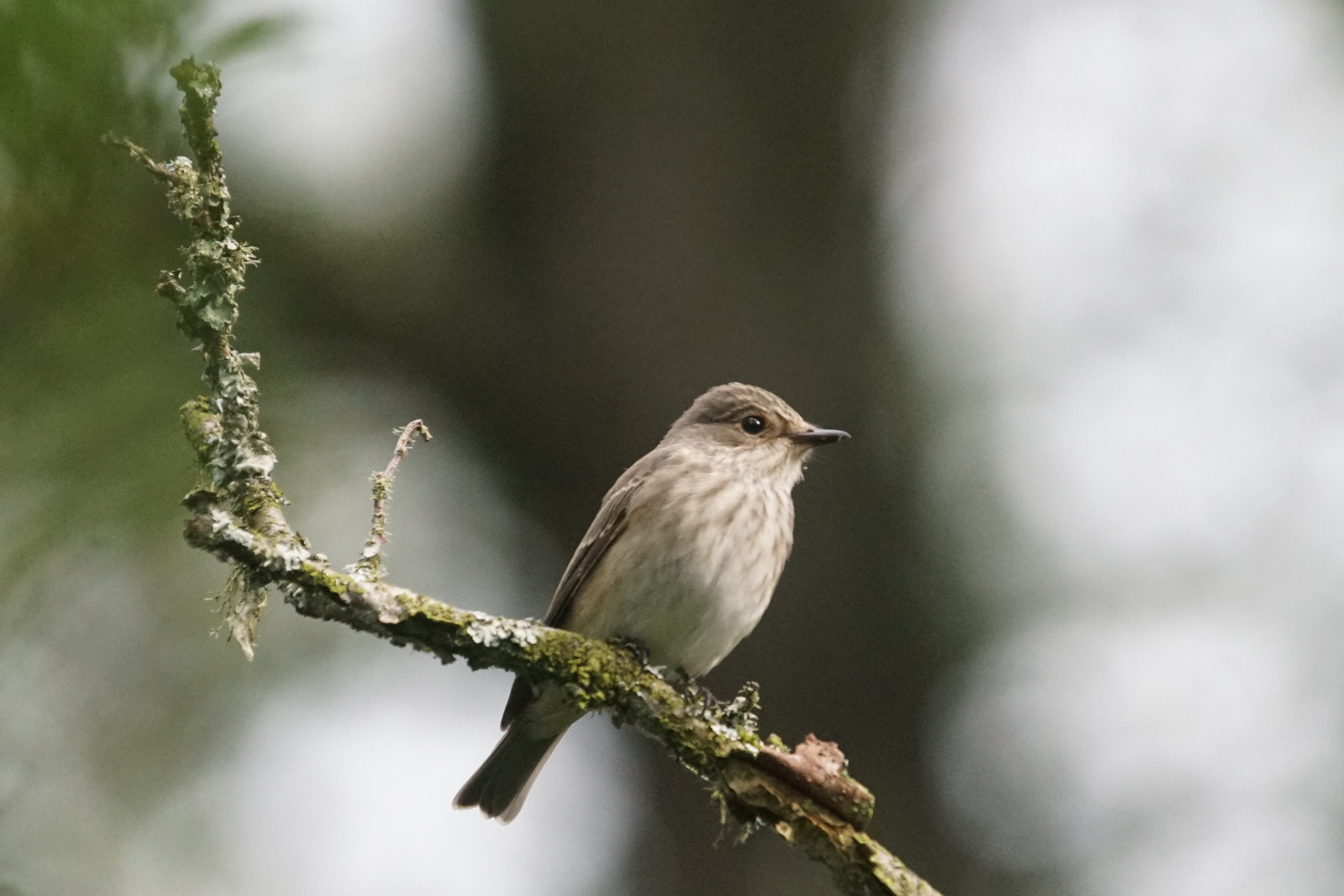


The Garden Birdwatch concerns itself with the most frequently seen species; here are some of the rare Red Listed birds that are resident in, or passing through, the reserve: spotted flycatcher, mistle thrush, greenfinch, skylark and common swift
Header image: Fieldfare © Teresa Reynolds (CC BY-SA 3.0)

Every year, the Friends take to the reserve’s bluebell copses to hunt down and pull up Spanish squill, an invasive alien that is threatening the future of our native bluebells.
Continue reading
Cheryl Cronnie, a regular contributor, has sent in photographs of a buzzard (Buteo buteo) perched in one of the reserve’s veteran oaks.
Continue reading “Buzzard”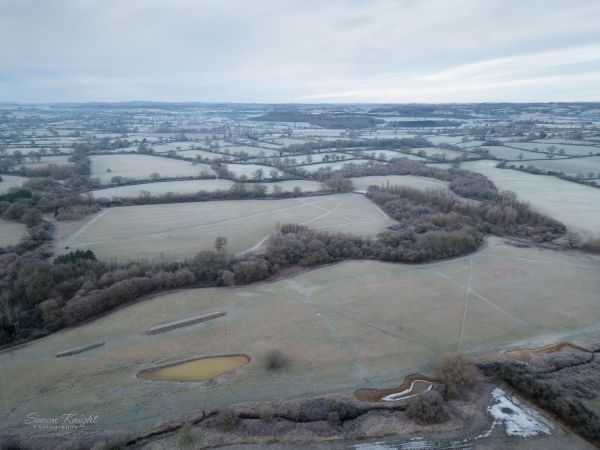
Well, we lost that one, too. Planning Application 20/00379/OUT to build houses in the fields between Southwick and Trowbridge at site H2.6 has been granted permission on appeal. Below is the gist of the appeal decision – and here, if you are interested, is a link to the whole document.
Click here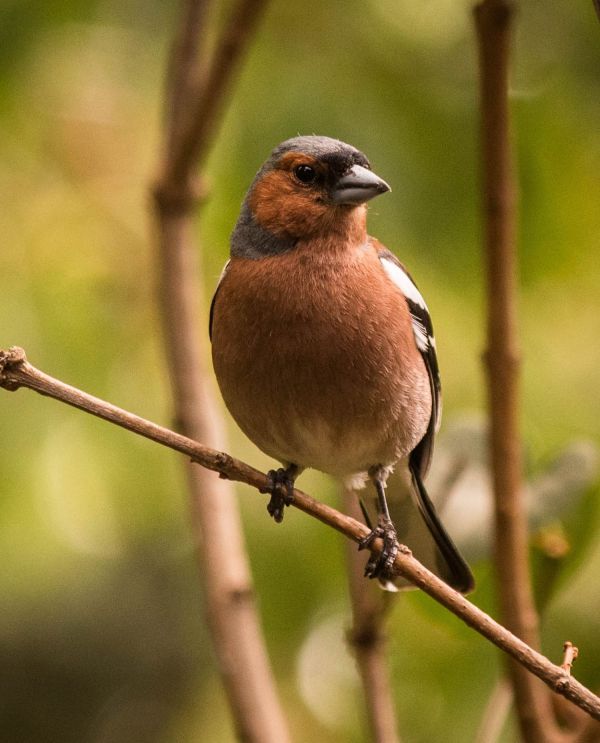
According to the RSPB, trichomonosis, an avian disease caused by a parasite called Trichomonas gallinae, has reduced the UK’s chaffinch population by 34% in the last decade.
Audio: Common Chaffinch by Krzysztof Deoniziak (CC BY-NC-ND 4.0 DEED) xeno-canto.org XC884915
Continue reading “Chaffinch”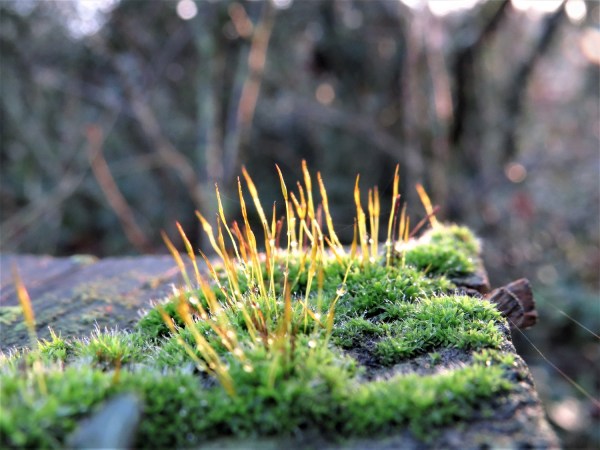
Before you drag the pressure washer out of its winter hibernation, let’s talk about the ecological importance of the moss growing between your patio pavers.
Continue reading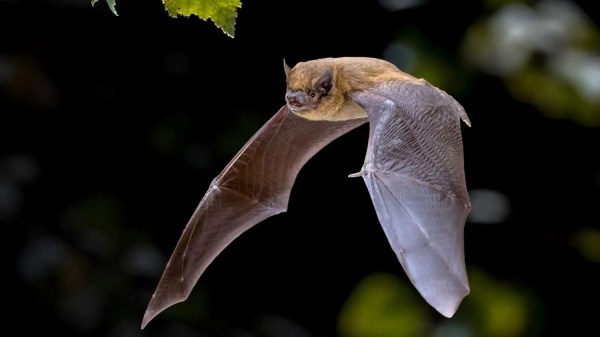
Our common pipistrelles (Pipistrellus pipistrellus) are out of hibernation
Continue reading
Have you joined The Great British Spring Clean yet? This is a yearly event, happening this year between the 15th and the 31st of March. Already, just two days in, individuals and groups have pledged to collect almost 360,000 bags of litter.
Continue reading “Great British Spring Clean”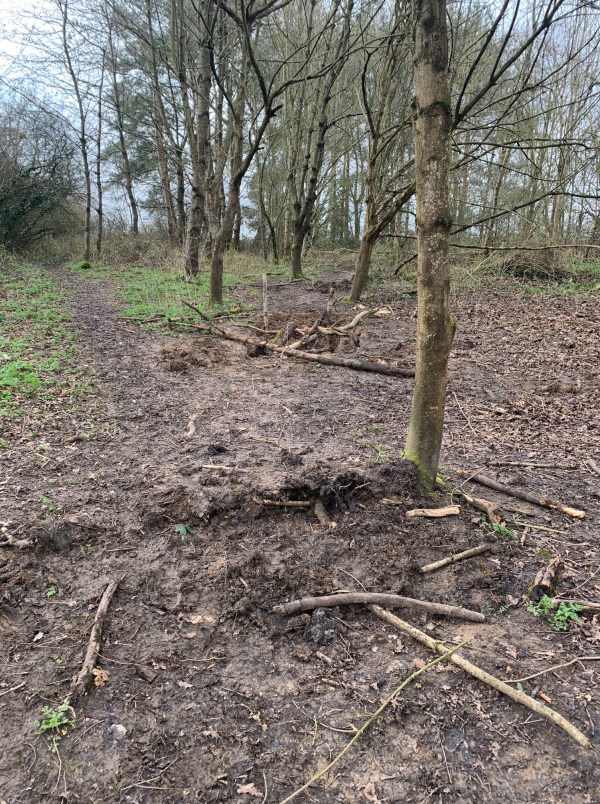
by Clive Knight
Last weekend the Friends received information that motor bikes were heard on the reserve late one evening in one of the copses.
Continue reading “No motorbikes, please”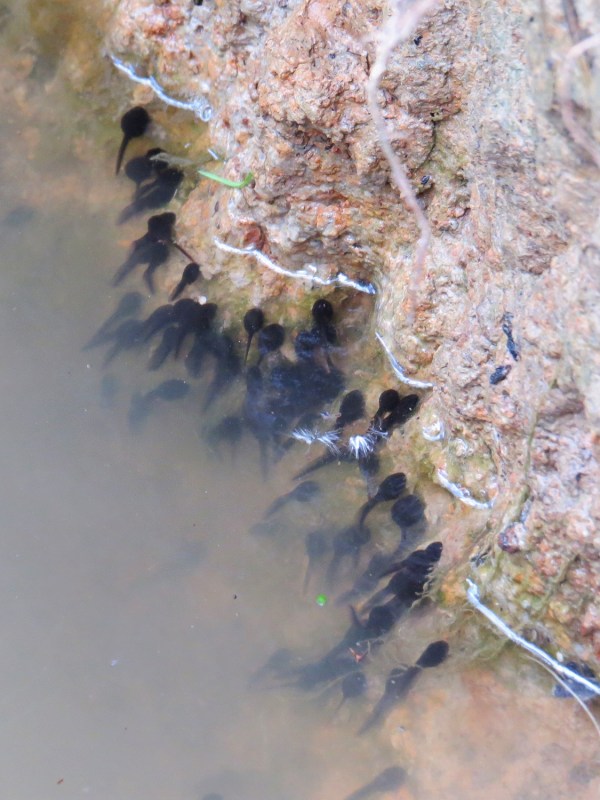
Every year, we find common frog tadpoles (Rana temporaria) in the little pond under the Decorated Bridge.
Continue reading “Tadpoles”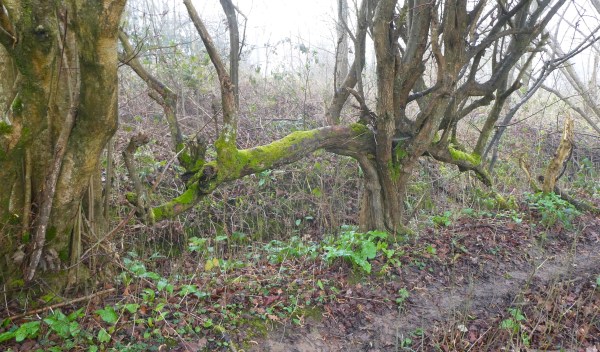
Occasionally, while we are clearing the undergrowth in the reserve’s copses, we find the secret places, among the ivy and blackthorn, where somebody has hidden their plastic bags full of dog poop.
Continue reading
The British Trust for Ornithology has been collecting information about the UK’s birds since 1932.
Continue reading “BTO”
Ian and Clive took stock (and pictures) of the weekend’s floods.
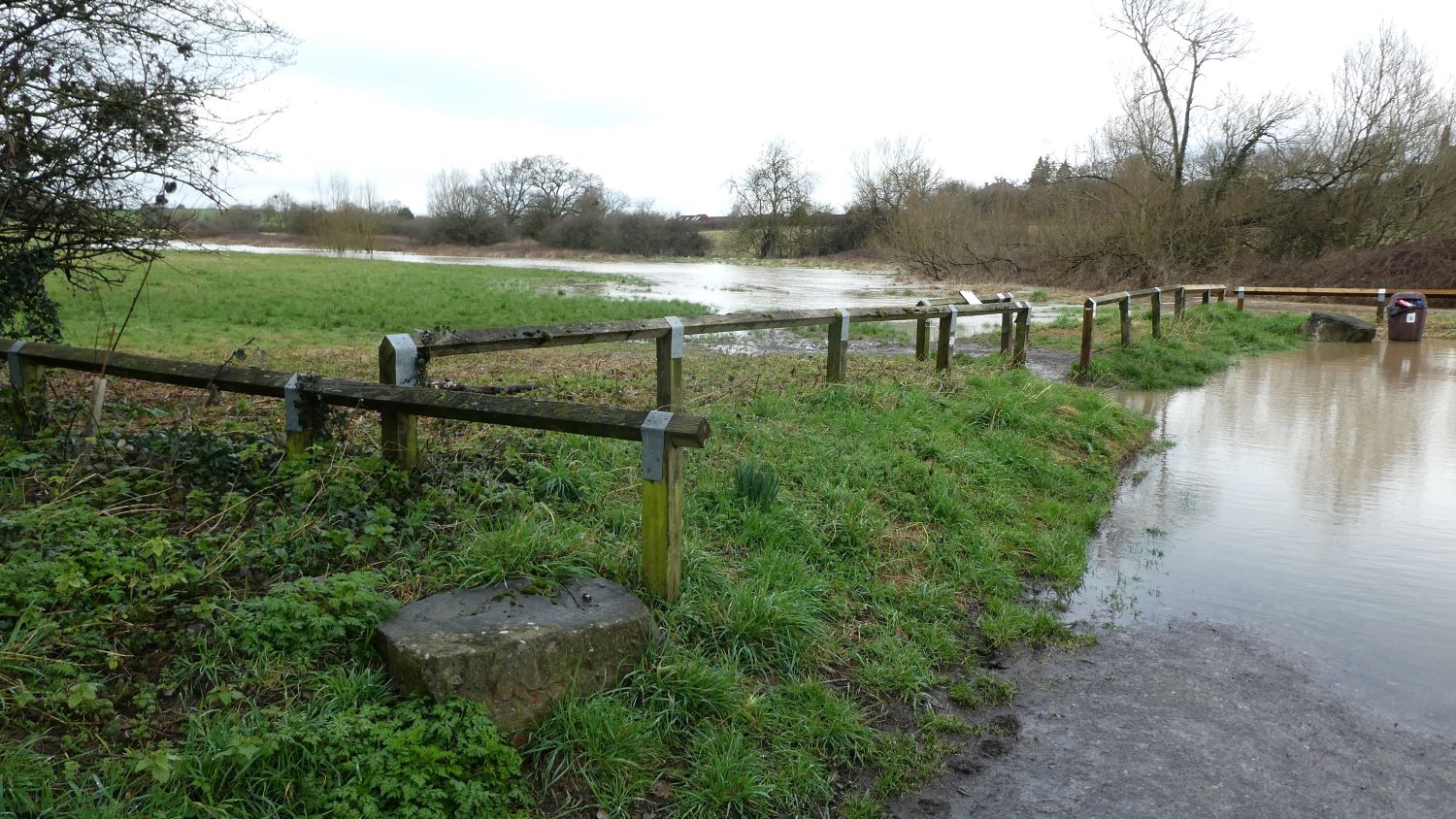

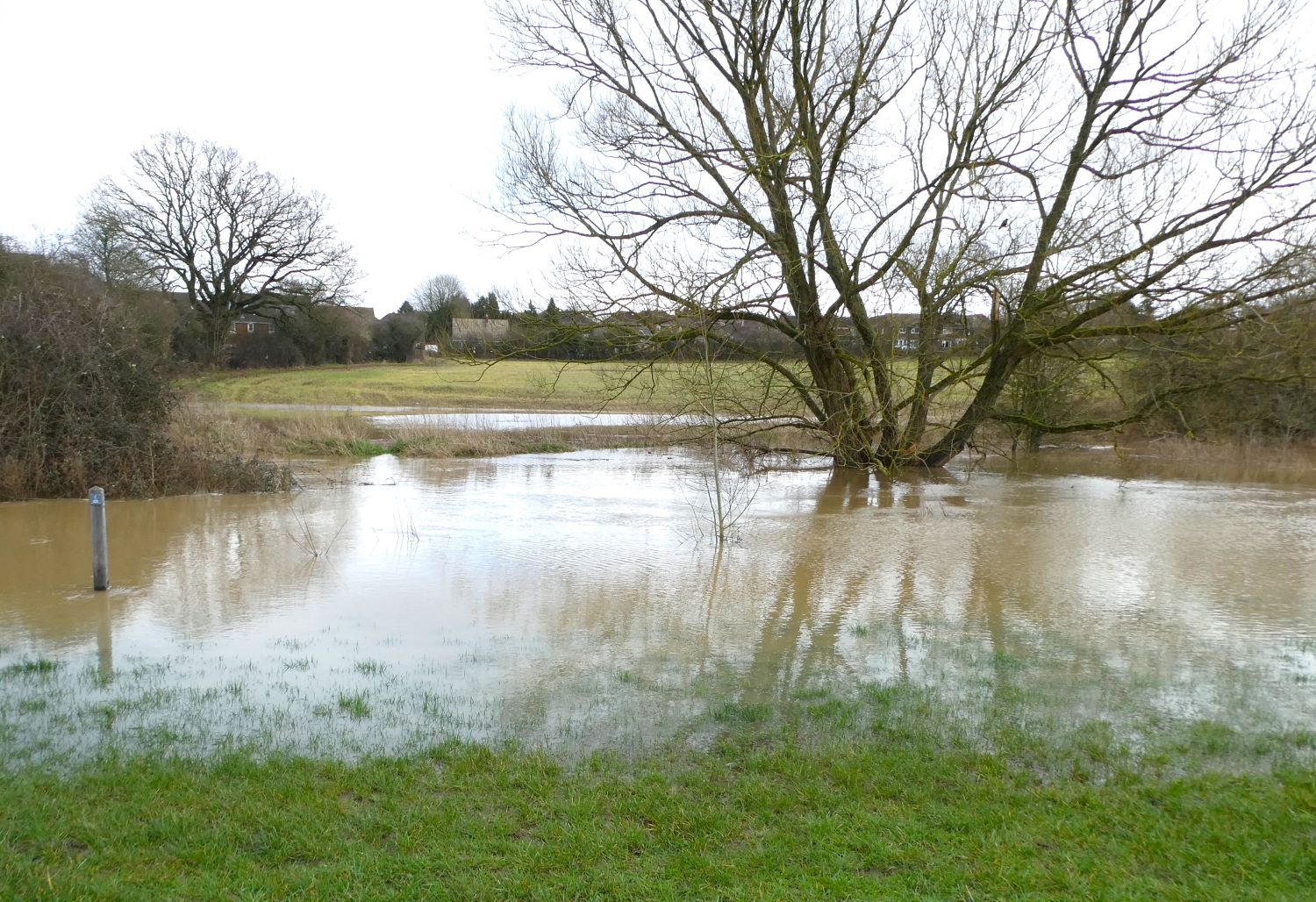


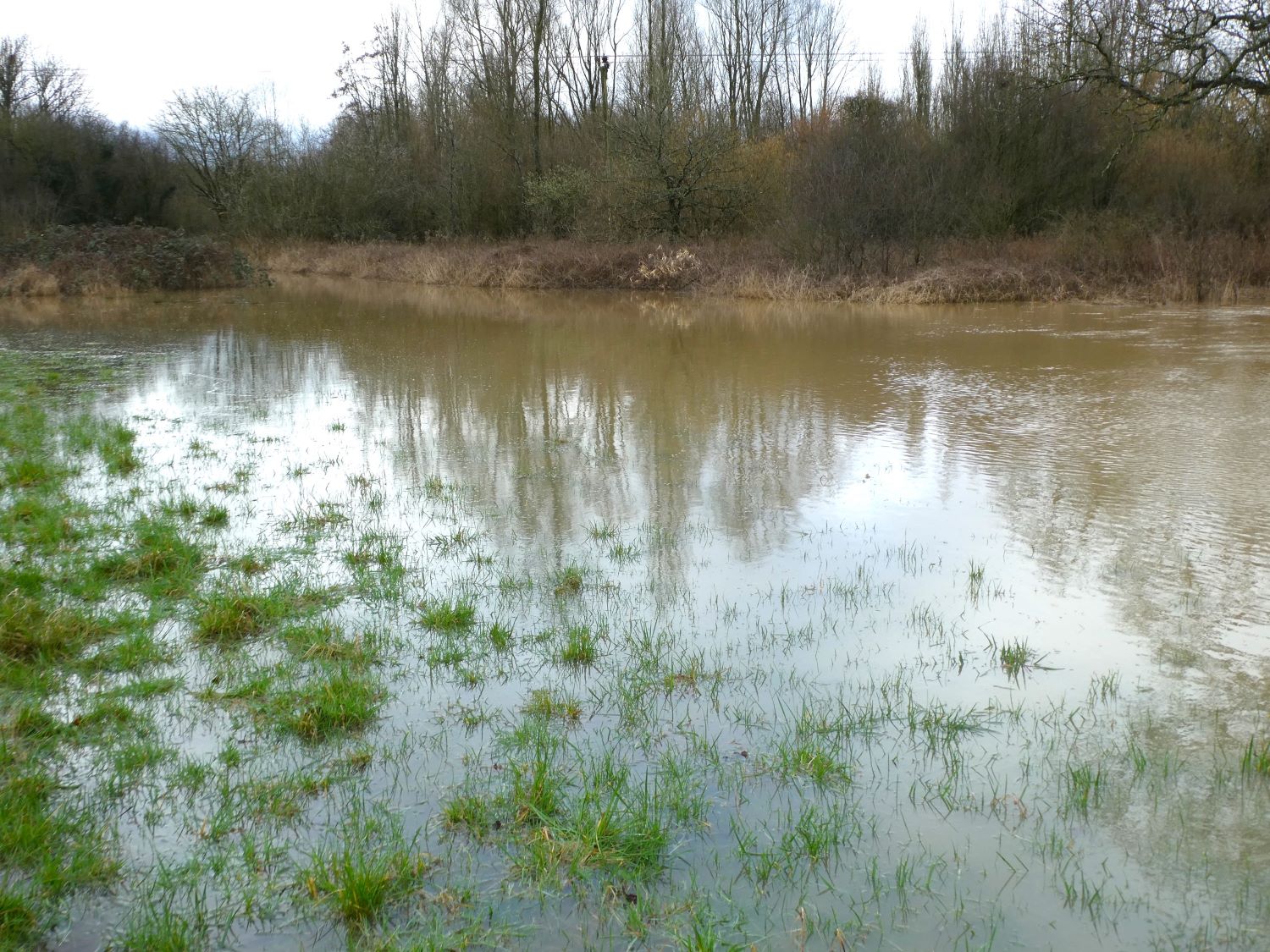
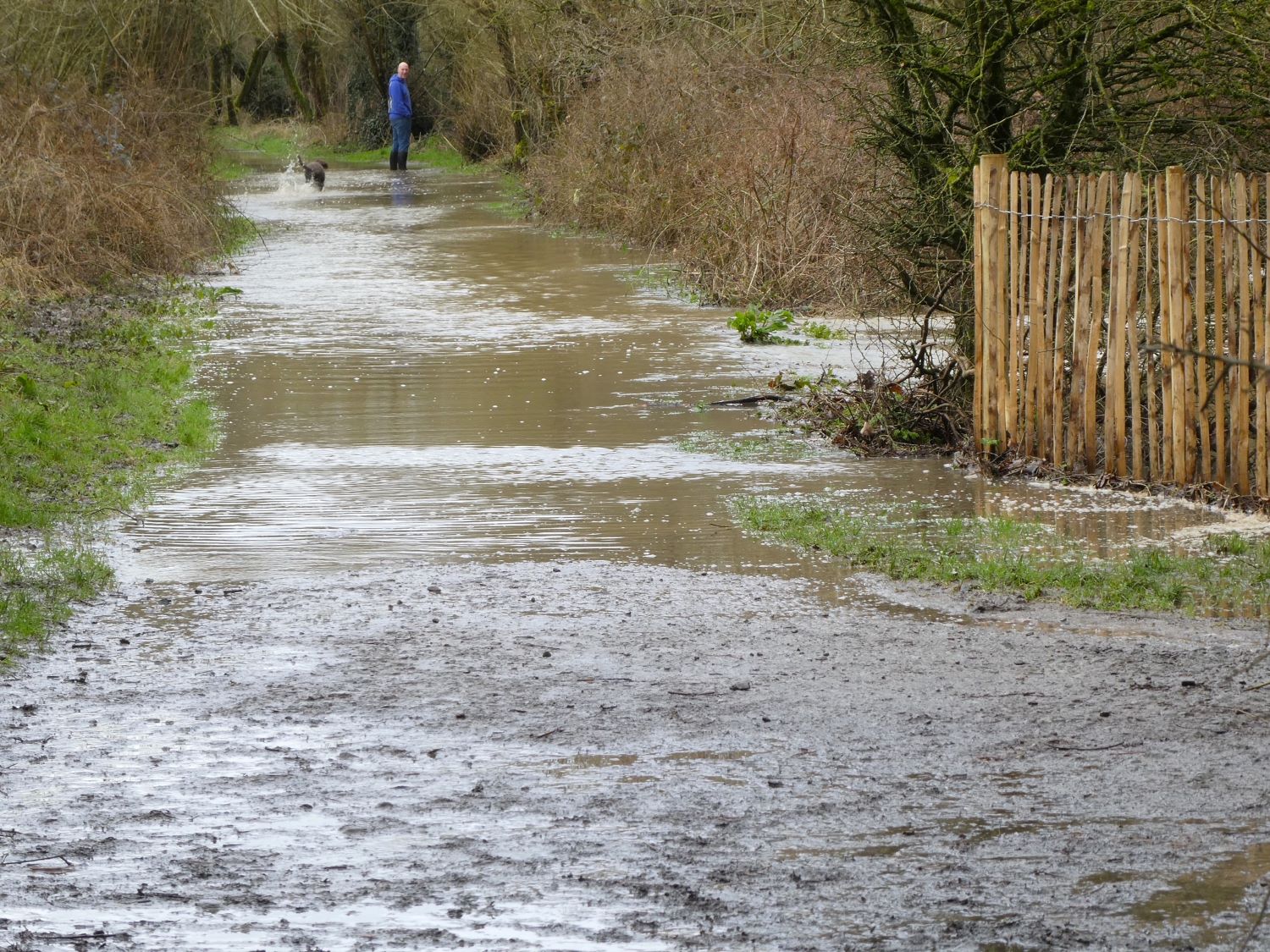
Go carefully and stay safe.


There is a climate anomaly in the south eastern states of the USA that, until recently, scientists have been unable to explain. While the rest of the country has suffered from rapidly rising temperatures, these anomalous areas have either flatlined or cooled. What is going on?
Continue reading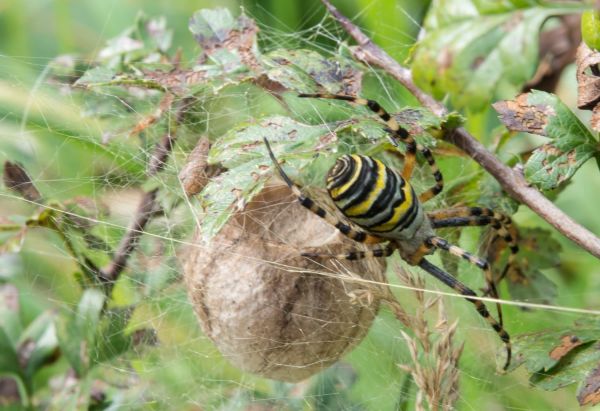
This is a female wasp spider (Argiope bruennichi) at the end of summer, guarding her egg sac, one of the largest egg sacs made by any spider resident in the UK.
Continue reading “Wasp spider”
Did you know that there are neonicitinoids in the monthly flea and tick treatments your vet prescribes for your cats and dogs, and that these dangerous neurotoxins can be transferred to your hands right the way through the active period of the treatment, despite what it says on the box.
Continue reading “Insecticides”
It’s Big Garden Birdwatch weekend! Sign up, join in and get counting.


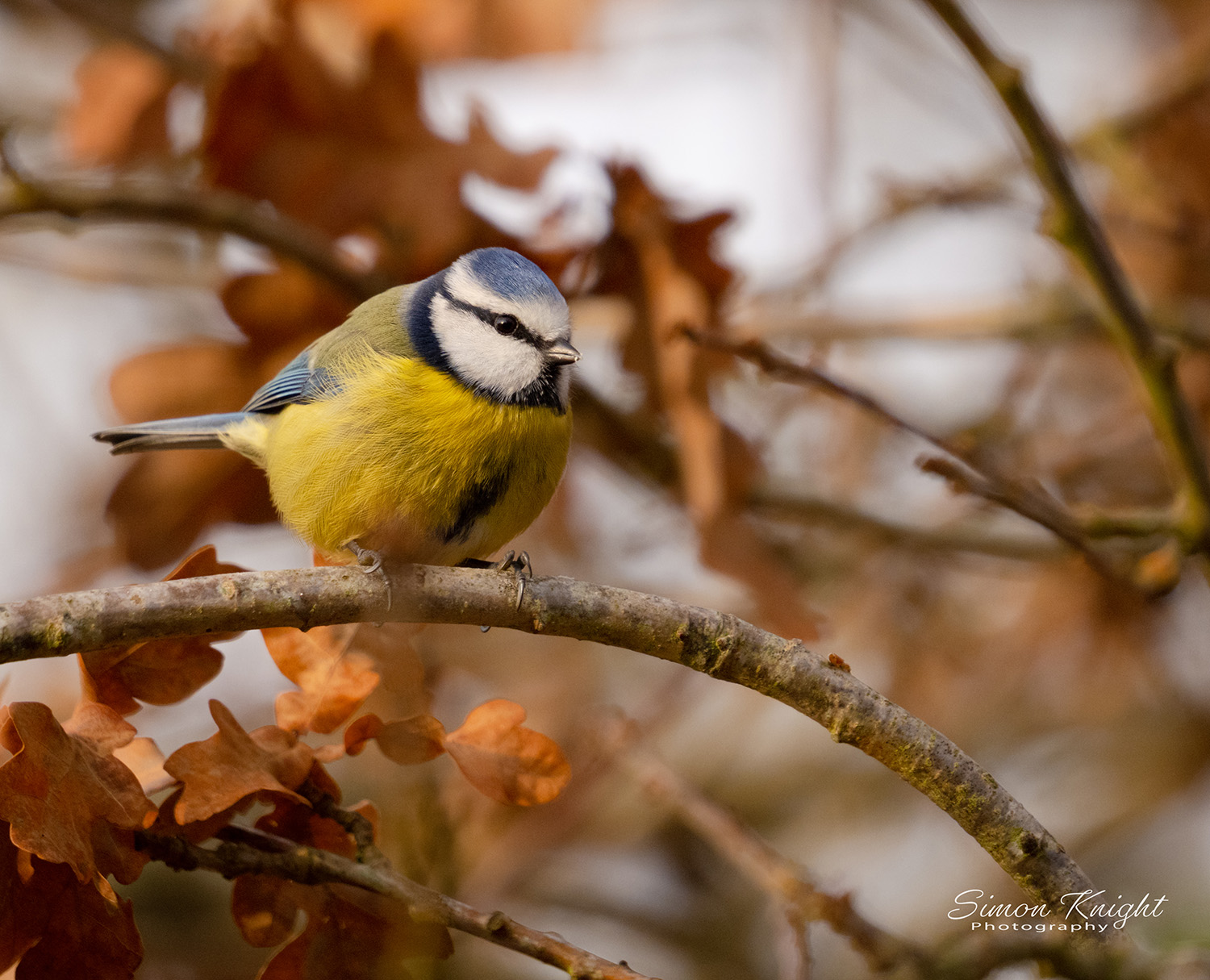

The RSPB’s Big Garden Birdwatch, has been taking place over the last weekend in January every year since 1979. This is important citizen science: the RSPB uses the information we collect to monitor our native bird populations. Each year, as global warming takes hold and our climate changes, planning for the future of our wildlife becomes more urgent.
Below is a link that will take you to live-feed cameras watching bird feeders across the UK.

Changing temperatures are initiating plant growth earlier and earlier every year. In the reserve, there are already primroses in flower. While we might find the early flowering of daffodils and snowdrops encouraging, there are other species in the park for which it might be a disaster.
Continue reading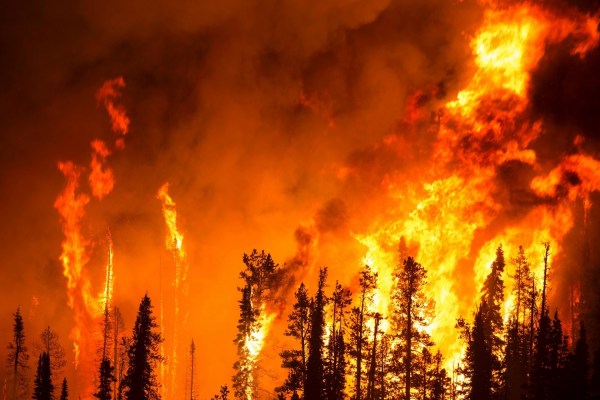
Last year’s UN Climate Change Conference, known as COP28, was hosted by a major oil producer, the United Arab Emirates, and chaired by Sultan Al Jaber, the CEO of ADNOC, the Abu Dhabi National Oil Company. Do you want to guess which country is going to host COP29 in November of this year?
Continue reading
Here are some numbers to go with this week’s cold snap.
Continue reading “Cold snap”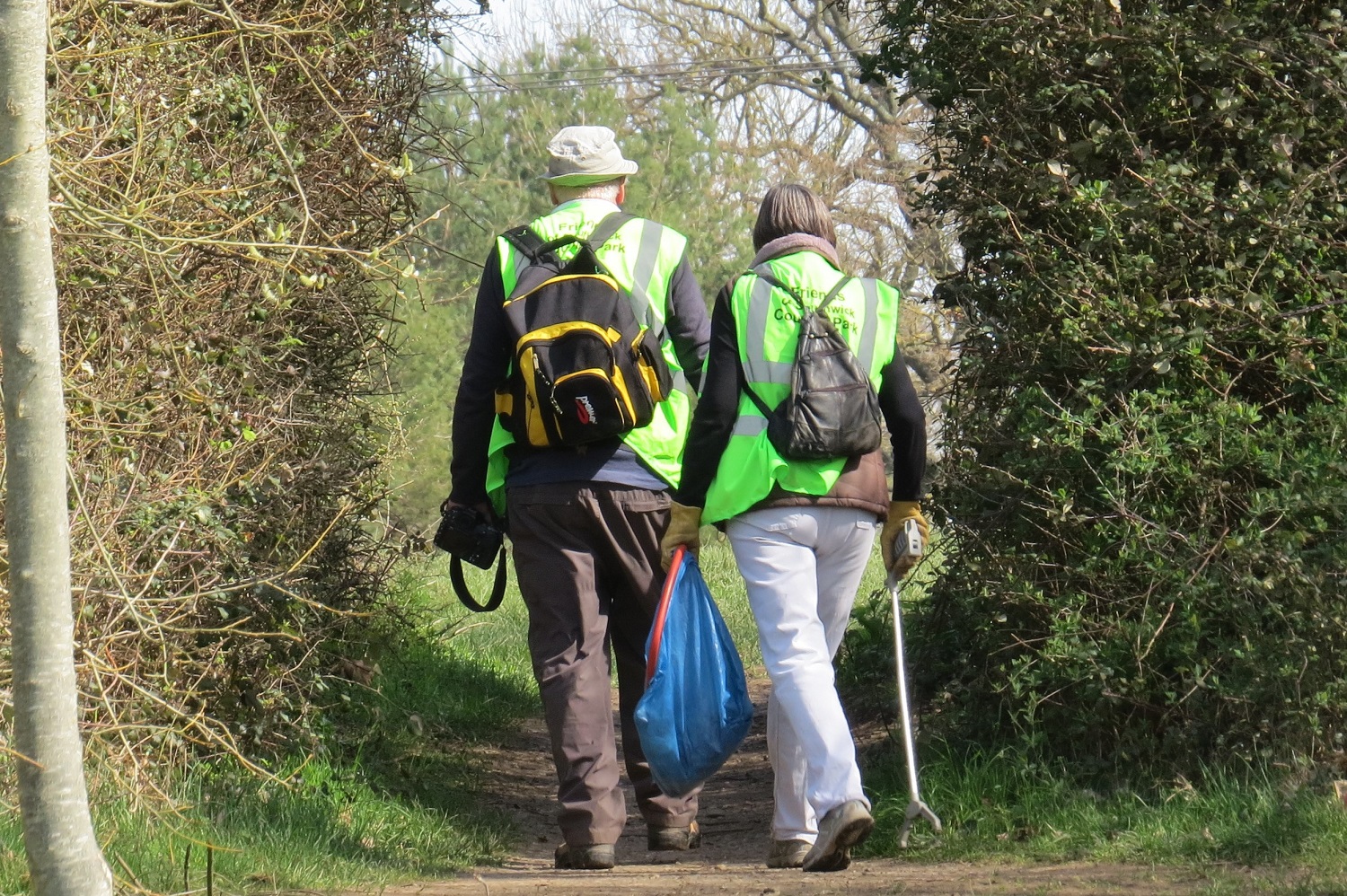


 Southwick Country Park Nature Reserve