Every winter we get reports of people leaving food, presumably for our wildlife, somewhere in the reserve. Please, don’t do this.
Continue reading “Please don’t do this…”Please don’t do this…
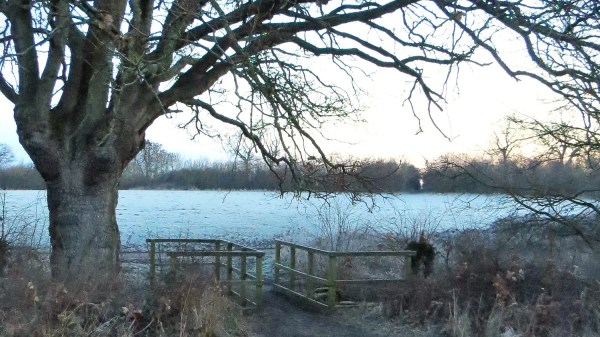
Every winter we get reports of people leaving food, presumably for our wildlife, somewhere in the reserve. Please, don’t do this.
Continue reading “Please don’t do this…”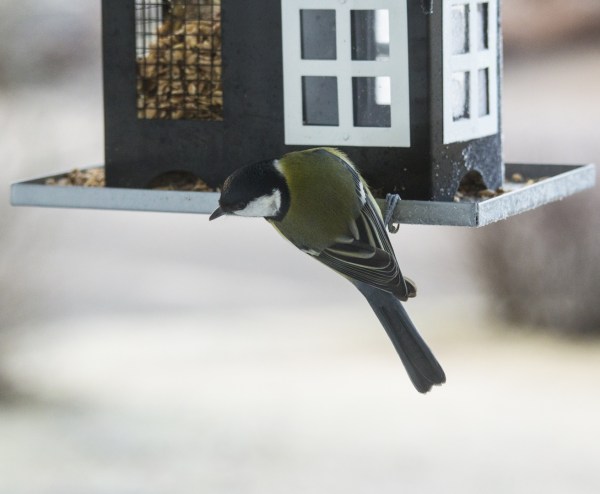
Treat your garden birds with a Christmas bird table. Here are some suggestions:
Continue reading
Which is the greener option when it comes to Christmas trees: real or artificial? A real Christmas tree is a beautiful and traditional addition to our commercialised modern Christmases but it comes with a frisson of guilt. Should we be cutting down trees at a time when our struggling planet and its biosphere need all the trees they can get? Fear not; the news is good.
Continue reading “Christmas tree”
Mycologists have discovered fungi that can break down polyethylene, the sort of plastic typically used in shopping bags, food wraps and bottles.
Continue reading
At this time of year, writing about the reserve’s inhabitants, we use the words overwinter, hibernation, and diapause a lot. It’s easy to assume that they are interchangeable terms but that is not so: let’s take a closer look.
Continue reading “Terminology”
Today is World Soil Day.
Continue reading “World Soil Day”
What is COP28? It is the twenty eighth Conference Of The Parties, the parties in this case being the 198 governments that have signed the United Nations Framework Convention on Climate Change (UNFCCC), and it begins today. In these uncertain times, we should pay it a little attention.
Here are some of the complicated and confusing numbers associated with this year’s conference.
Continue reading “COP28”
The Winter moth (Operophtera brumata) is one of the few Lepidopterans that can cope with winter’s freezing temperatures in its adult stage. They are endothermic which means that they can produce heat internally by biochemical processes, just as warm-blooded creatures do.
Continue reading “Winter moths”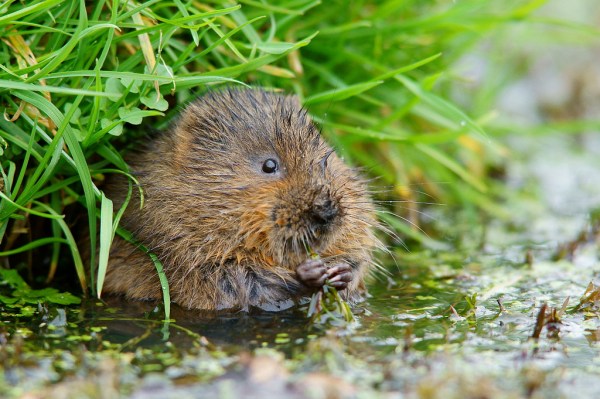
The Natural Environment and Rural Communities Act (2006) makes it the duty of all local authorities to conserve biodiversity. Section 41 of the Act refers to a published list of habitats and species (called S41 species) which are considered to be of principal importance for the conservation of the country’s biodiversity.
Continue reading “S41 mammals”
There are thousands of species of invertebrates that overwinter in the leaf litter below the reserve’s trees and shrubs. Let’s not be too eager to sweep the autumn leaves from our gardens.
Continue reading “Let the leaves lie”
The Woodland Trust is the largest woodland conservation charity in the United Kingdom. It has planted over 55 million trees since 1972, owns over 1,000 sites covering over 26,000 hectares and guarantees public access to its woods.
Continue reading “Become a citizen scientist”
Analysis of records kept since 1964 has found that some species of European migratory birds are spending up to 60 days less each year in their sub-Saharan wintering grounds. Over the most recent 27-year period, migratory birds, including the whitethroats commonly seen in our reserve, were found to have increased their time in Europe by an average of 16 days. It has even been suggested that some species may stop flying south for the winter altogether.
Continue reading
Somebody asks this every year in August, as they wave wasps away from their picnic or soothe a painful sting with a vinegar poultice.
Continue reading “What good are wasps…?”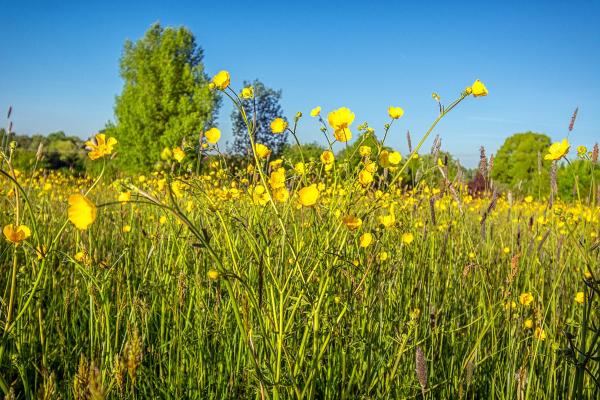
While here in the UK, July 2023 was slightly cooler (and a lot wetter) than usual, worldwide it was the hottest July on record.
Continue reading “Hottest July”
Here’s a good news story: deforestation in the Brazilian Amazon has fallen by 60%.
Continue reading “Amazon rainforest”
These are five spot burnet moths (Zygaena trifloii), dayflying nectar feeders. Regular contributor Cheryl Cronnie photographed this mating pair at the end of June.
Continue reading
We keep constant watch in the reserve for the beautiful invasive alien, Impatiens glandulifera, or Himalayan balsam. It might be very lovely to look at but it is an environmental horror story
Continue reading “Himalayan balsam”
Butterfly Conservation’s annual Big Butterfly count begins today, Friday 14th July, and ends on Sunday 6th August. Have you joined?
Continue reading “The Big Butterfly Count”
by Simon Knight
Sunrise during summer for me means early starts in the reserve. And there is no doubt that the first couple of hours of the day is the best time to be there, especially after a clear night. As the sun rises, the dew-covered grass glistens and cobwebs sparkle as the golden light reflects off countless tiny water droplets. As the sun starts its morning climb and the first rays of light illuminate Lambrok Meadow then Kestrel Field, I love to stand in Corn Field and watch the Lone Oak as it soaks up the sun. It’s a beautiful sight.
Continue reading “Hope During the Harvest “

Gorgeous pictures taken in our wildflower meadows by wildlife photographer Simon Knight and sent in with a question:
“Here are some pictures from the reserve taken over the past few weeks. It’s a shame we’re about to lose most of the flowers and a huge amount of invertebrate life with the grass being cut so early. Why can’t the grass be cut later in the summer?“
Continue reading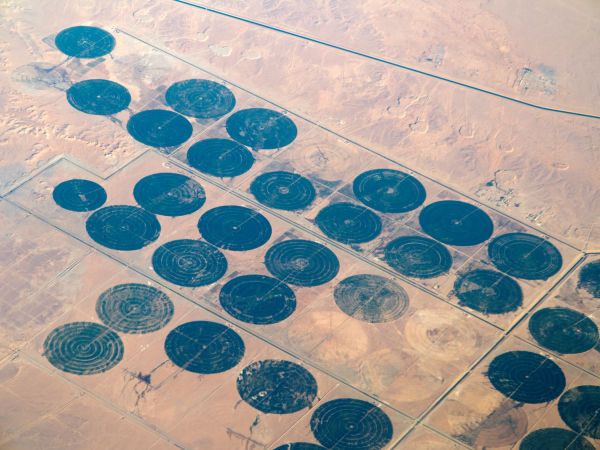
Here’s a fascinating but frightening fact: in the last couple of decades, we humans have pumped so much water out of the ground that we have actually shifted the planet’s poles by almost a metre. Earth’s poles are not fixed points. They wobble around to the rhythm of several cycles, some millennia long, so it’s hard to tell what, if any, effect this human interference will have. But it does show us what an enormous amount of ground water we are using and how damaging the consequences could be.
Header image: Irrigation in the desert by GRID-Arendal (CC BY-NC-SA 2.0) flickr.com


There are buff-tailed bumblebees working in the park. A walk around the hedges of Sleeper Field on a sunny morning will reveal dozens working in the blackberry blossoms and the hogweed. There is always at least one large and thriving nest somewhere in the southern part of the park.
Continue reading “Buff tailed bumblebees”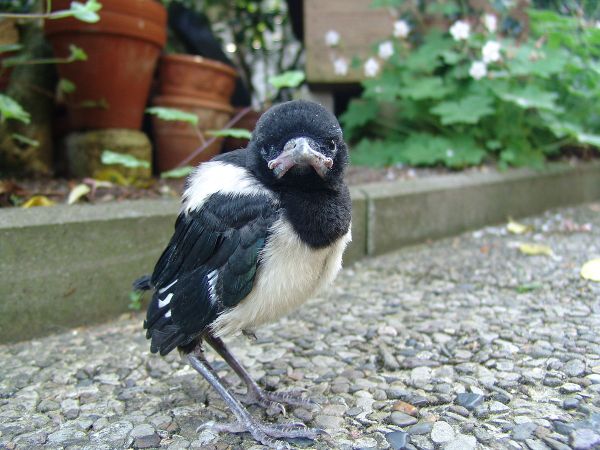



 Southwick Country Park Nature Reserve