Our common frogs (Rana temporaria) have spent their winter sheltering from the cold in the mud at the bottom of the reserve’s ponds, or among composting vegetation and detritus in our hedges and edges.
Continue reading “Common frogs”Common frogs
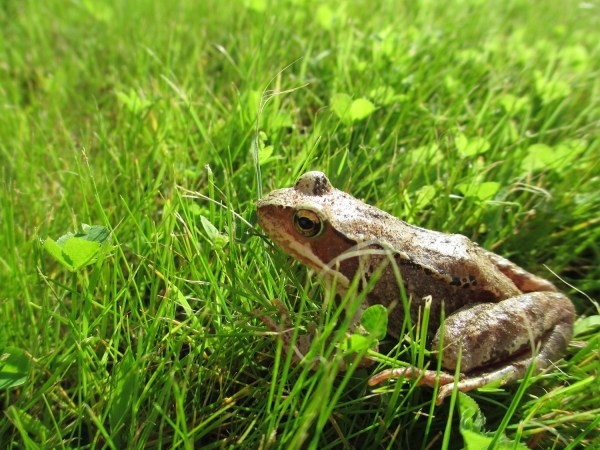
Our common frogs (Rana temporaria) have spent their winter sheltering from the cold in the mud at the bottom of the reserve’s ponds, or among composting vegetation and detritus in our hedges and edges.
Continue reading “Common frogs”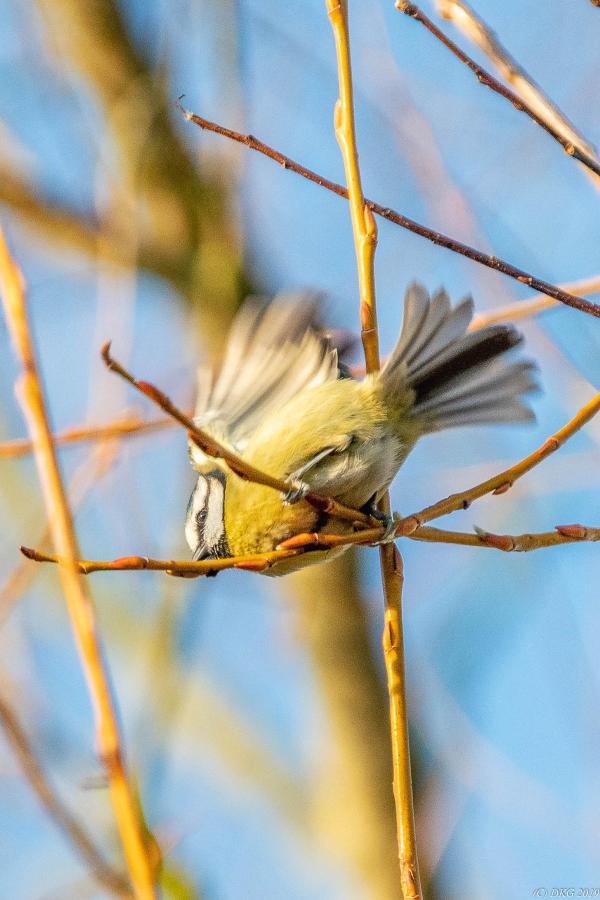
At this time of year, the reserve’s blue tits are pairing up and scouting for nest sites.
Continue reading “Preparing for spring”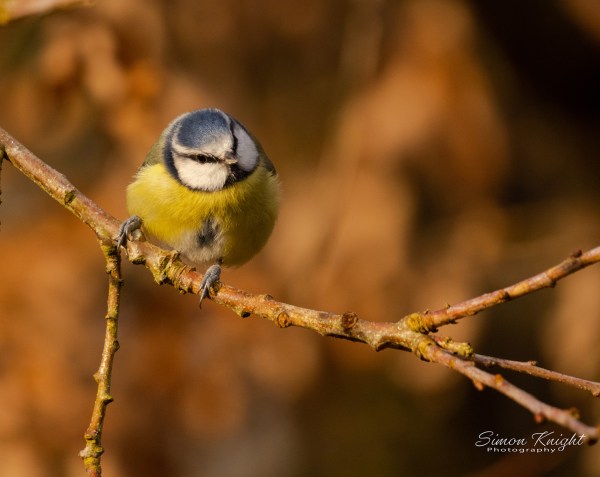
New research shows that the three most commonly used flea and tick treatments for our dogs are all associated with high chick mortality and nest failure among blue tits and great tits.
Continue reading “Flea treatments”
As February begins, at least one of our badger clan’s sows will be either heavily pregnant or nursing up to five newborn cubs.
Continue reading “Badger Cubs”
Did you know that snowdrops are not native to the UK?
Continue reading “Snowdrop”
How did the reserve’s invertebrates make it through last week’s freezing weather?
Continue reading “Anti-freeze”
Time to take down the seasonal greenery!
Continue reading “Ivy”
Sometimes, New Year’s resolutions are just too hard. The media, for instance, has been busy this week suggesting dramatic eco-resolutions for 2025: give up plastic, rewild your garden, cycle to work, stuff you know you will abandon half way through January. We, the Friends of the Reserve, think you should take these things more gently.
Continue reading “Green New Year’s Resolutions”
Here are some interesting holly-facts to accompany you in your preparations for Christmas.
Continue reading “Holly”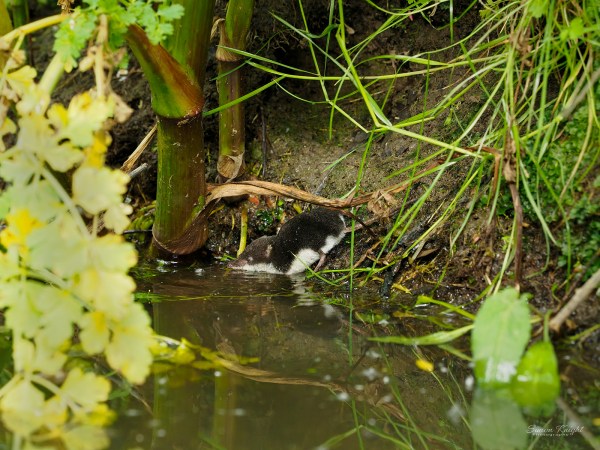
There are water shrews in the reserve. This header picture was taken by Simon Knight in the Lambrok’s tributary stream at the bottom of Kestrel Field.
Continue reading “Water shrew”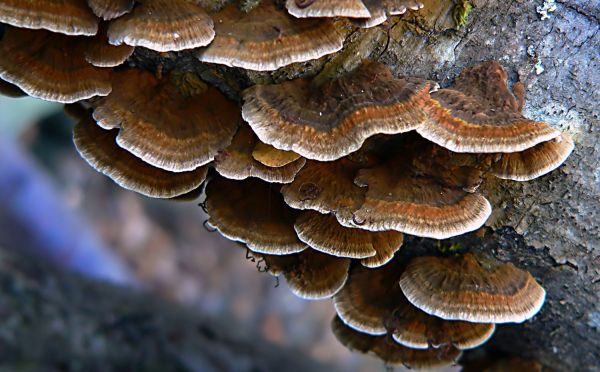
These are a species of bracket fungus common in the reserve: turkey tail (Trametes versicolor). The main part of the fungus, the mycelium, is growing invisibly inside the tree. These beautiful outgrowths are the fruiting bodies, part of the fungus’s reproductive system.
Read on:
Here are ten numbers to go with this week’s cold snap.
Continue reading “Cold snap”
The reserve’s grey squirrels are invasive aliens, brought here during the 19th Century, when the possession of rare and exotic species of plants and animals was the height of fashion. Grey squirrels, native to eastern North America, were first released into the wild in Britain, at Henbury Park, in Cheshire, in 1876.
Read on: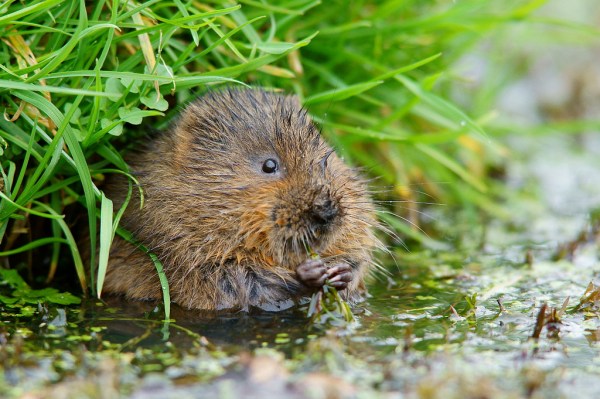
The Natural Environment and Rural Communities Act (2006) makes it the duty of all local authorities to conserve biodiversity. Section 41 of the Act refers to a published list of habitats and species (called S41 species) which are considered to be of principal importance for the conservation of the country’s biodiversity.
Continue reading “S41 mammals”

We use the words overwinter, hibernation, and diapause when we are writing about the reserve’s inhabitants’ preparations for the cold weather. It’s easy to assume that they are interchangeable terms but that is not so: let’s take a closer look.
Continue reading
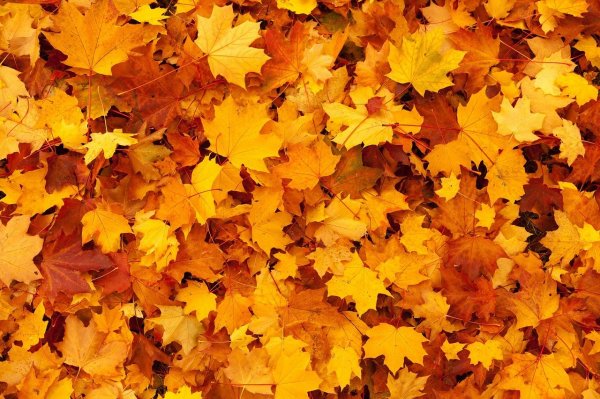
There are thousands of species of invertebrates that overwinter in the leaf litter below the reserve’s trees and shrubs. Let’s not be too eager to sweep the autumn leaves from our gardens.
Continue reading “Let the leaves lie”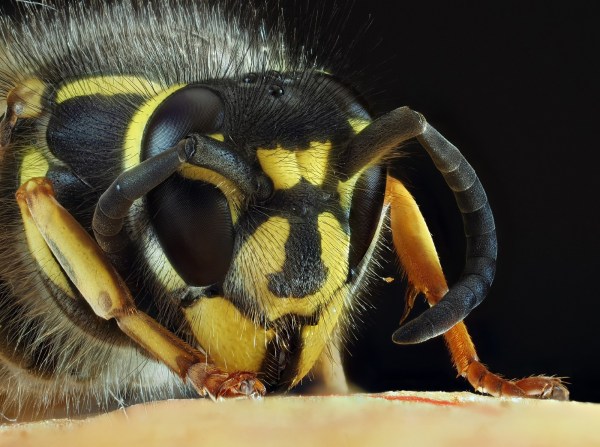

For a moment, imagine that you are one of the reserve’s willow warblers, a tiny grey-green bird, hunting spiders among the white willow trees and alders down by the Lambrok tributary stream.
Continue reading “Way to go”
There are two recent reports that show the extremes of the UK’s conservation efforts. The first, this year’s Big Butterfly Count, reflects the decline in our insect populations, while the second, from the RSPB, shows how rapidly the situation can be turned around if we create the right circumstances.
Continue reading
At this time of year, we are inclined to think of our migratory birds as leaving the reserve’s cold, damp fields and woods to fly south and spend their winter somewhere warmer. But, for some of the birds on our species list, Southwick is the somewhere warmer. The autumn migration is swap-over time.
Continue reading “Coming and going”
Ecosystem engineers are organisms that modify their environment. They increase biodiversity by creating habitat for species other than themselves. The oak apple, caused by a tiny wasp called Biorhiza pallida, is just such an engineered environment.
Continue reading “Ecosystem engineers”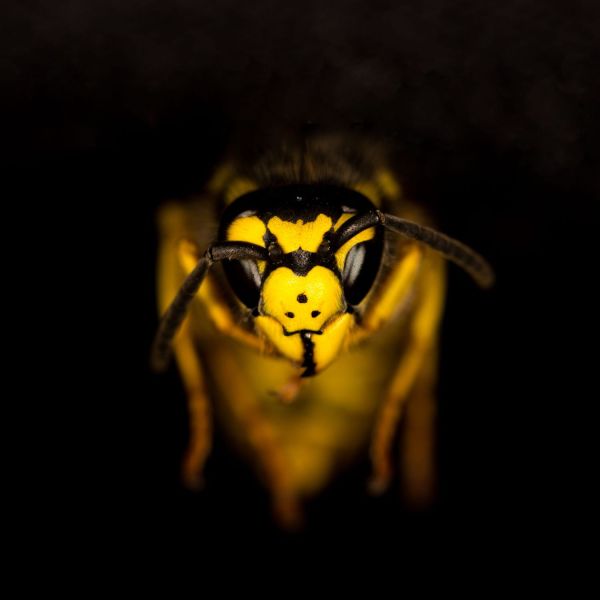
In the world of invertebrates, black and yellow signals danger. It says to predators: I am poisonous or I will bite you.
Read on to discover more:


 Southwick Country Park Nature Reserve