How to tell a grasshopper from a cricket
- The most visible difference between a grasshopper and a cricket is that crickets tend to have very long antennae while grasshoppers’ antennae are short.

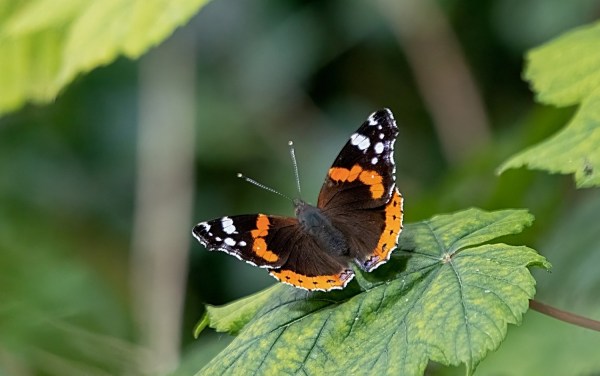
The Big Butterfly Count ends on Sunday. So far, citizen scientists have sent in more than 85,000 counts and recorded more than a million butterflies and day-flying moths.
Continue reading
The Big Butterfly Count ends on Sunday, August 6th. Are you still counting?
Continue reading “Still counting”
These are five spot burnet moths (Zygaena trifloii), dayflying nectar feeders. Regular contributor Cheryl Cronnie photographed this mating pair at the end of June.
Continue reading
The reserve’s great pond snails (Lymnaea stagnalis) can crawl on the under side of the water surface, eating algae as they go and breathing oxygen from the air.
Header Image: Great pond snail by Peter Pfeiffer (CC BY-SA 4.0) commons.wikimedia.org
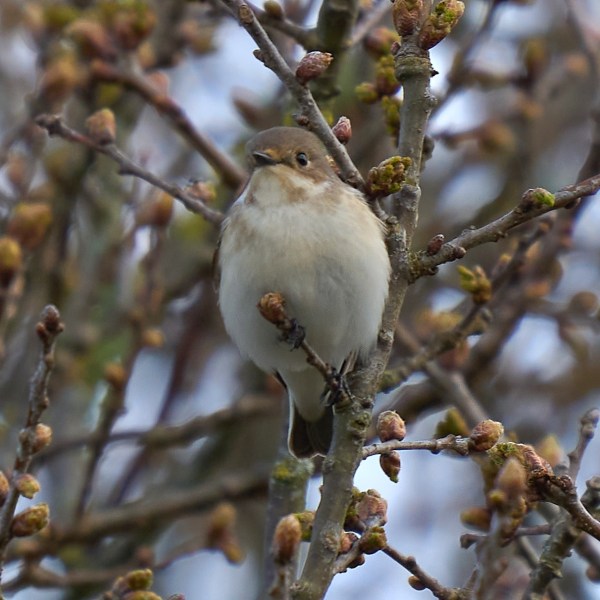
After the triumph of the silver washed fritillary, Max is back with a possible sighting and a photograph of another new species for our lists: a female pied flycatcher.
Continue reading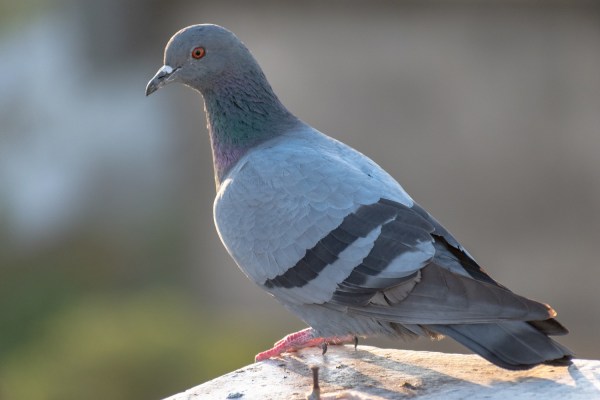
Rock doves (Columba livia) are known to have been domesticated for more than 5,000 years. They are mentioned in cuneiform writing on clay tablets dug up in Mesopotamia and in hieroglyphics on the walls of ancient Egyptian tombs. There is a growing belief among archaeologists that these pigeons were, in fact, the first birds to be domesticated, more than 10,000 years ago,
Continue reading “Pigeon post”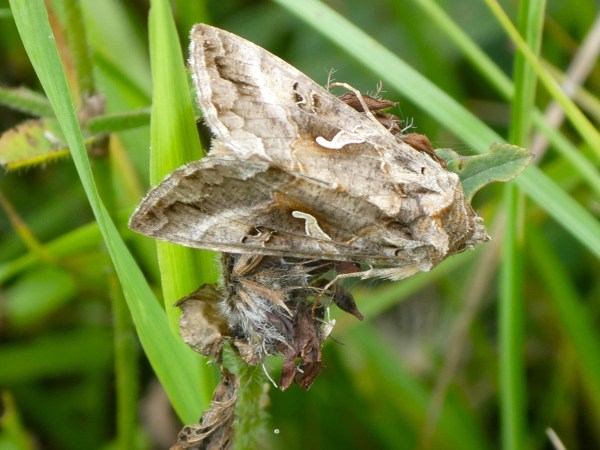
A day flying moth, beautifully camouflaged on a wildflower seedhead, found and photographed yesterday by Clive Knight, and identified by Ian Bushell: a Silver Y (Autographa gamma).


Mail from Max S to FoSCP – Fri 21/07/2023
Hi.
Saw this Silver-washed fritillary yesterday 20/07/23 at the country park.
Max
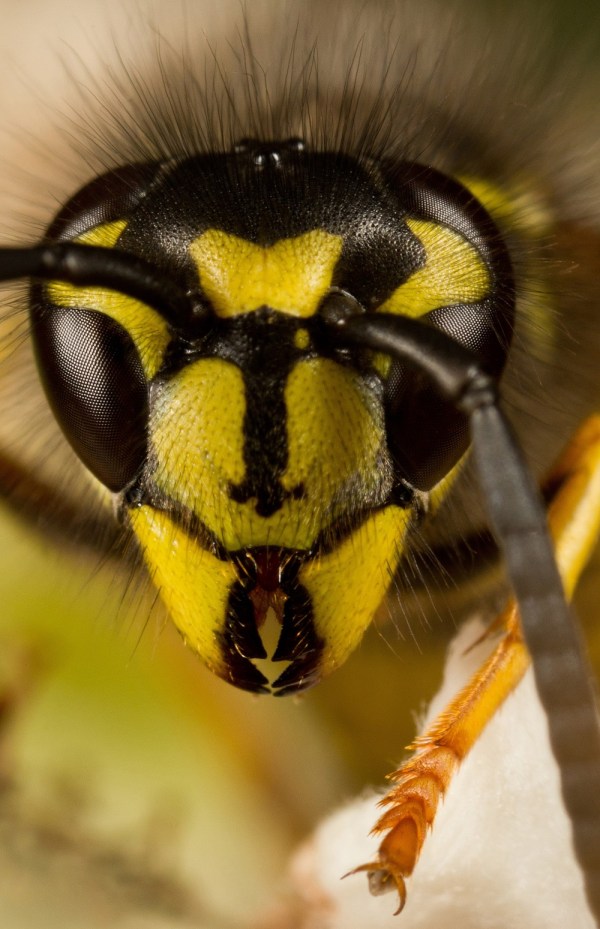
There are six species of social wasp that are native to Britain and this is a good time of year to identify them.
Continue reading “Wasp time”

Village Green pond is prime real estate for broad bodied chasers. All summer long the flashy blue males fight over territory and the attentions of the golden brown females. Keep an eye out for them the next time you are passing.


For decades, there have been swan mussels in the pool below Village Green Pond’s weir. Last years’s drought was hard on the colony but it seems to have survived.
Continue reading “Swan mussels”

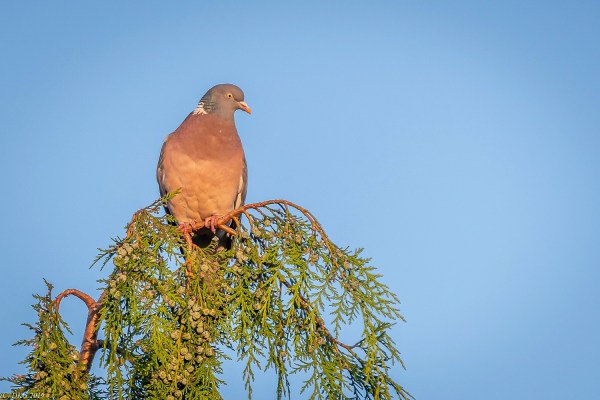
ONE: Wood pigeons are the most numerous large bird in Britain with an estimated 5 million breeding pairs.
Click here for more
Butterfly Conservation’s annual Big Butterfly count begins today, Friday 14th July, and ends on Sunday 6th August. Have you joined?
Continue reading “The Big Butterfly Count”
Just a few of the reserve’s coleoptera.


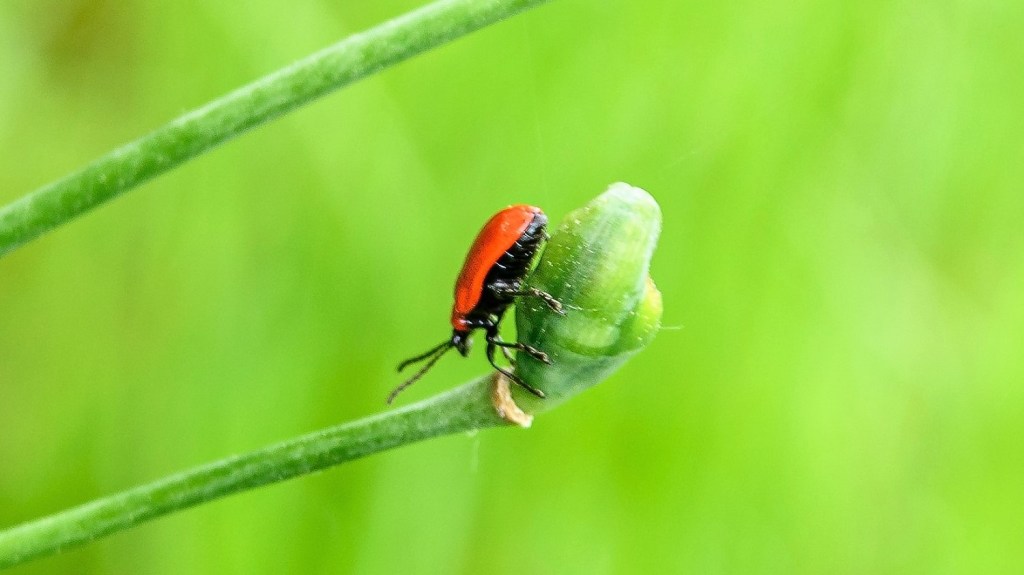

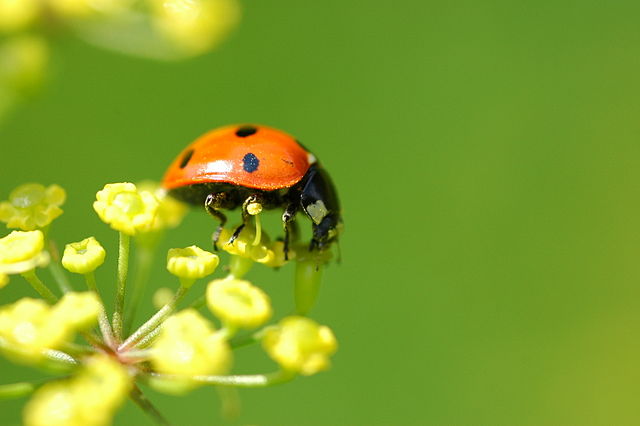


[1] golden bloomed longhorn beetle [2] bloody nosed beetle [3] sailor beetle [4] lily beetle [5] cockchafer (May bug) [6] seven spot ladybird [7] sixteen spot ladybird [8] thick legged flower beetle; Header image: Red headed cardinal beetle by Gail Hampshire (CC BY 2.0) wikimedia.com

While he was chasing butterflies through the reserve’s lush hedges, Clive Knight found and photographed this beautiful female ruddy darter (Sympetrum sanguineum).
Continue reading “Dragonfly wings”

by Simon Knight
Sunrise during summer for me means early starts in the reserve. And there is no doubt that the first couple of hours of the day is the best time to be there, especially after a clear night. As the sun rises, the dew-covered grass glistens and cobwebs sparkle as the golden light reflects off countless tiny water droplets. As the sun starts its morning climb and the first rays of light illuminate Lambrok Meadow then Kestrel Field, I love to stand in Corn Field and watch the Lone Oak as it soaks up the sun. It’s a beautiful sight.
Continue reading “Hope During the Harvest “
Some years, July sees such large and dense clouds of flying ants that the Met Office’s RADAR records them as rain storms.
Continue reading “Flying ants”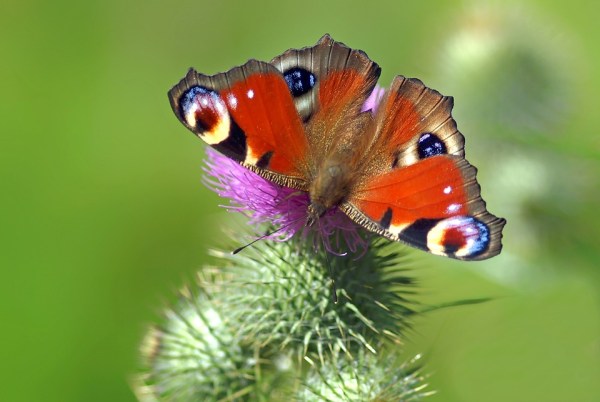
Here is a fascinating little video of a peacock butterfly emerging from its chrysalis. Every year there are nests of peacock caterpillar among the nettles by the path in Simpson’s Field so, by the end of July, we should see this year’s beautiful adults in flight.

Two new insect species from Clive Knight: a flesh fly identified by Ian Bushell, our entomologist, as Sarcophaga carnaria, and a day-flying moth, Camptogramma bilineata, called yellow shell for the beautful striped pattern on its wings.
Continue reading “Two new species”


 Southwick Country Park Nature Reserve