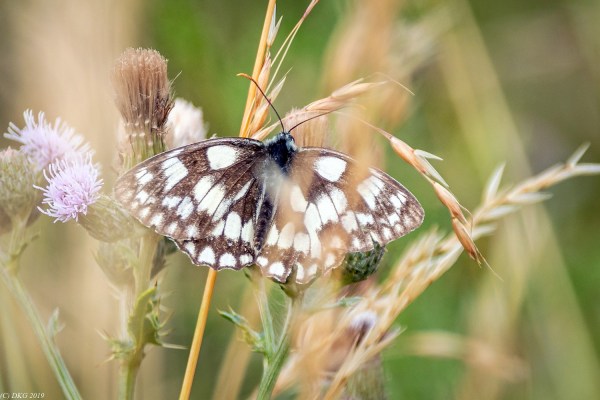
Common name: meadow brown
Scientific name: Maniola jurtina
Family: browns
Fact file

Common name: meadow brown
Scientific name: Maniola jurtina
Family: browns
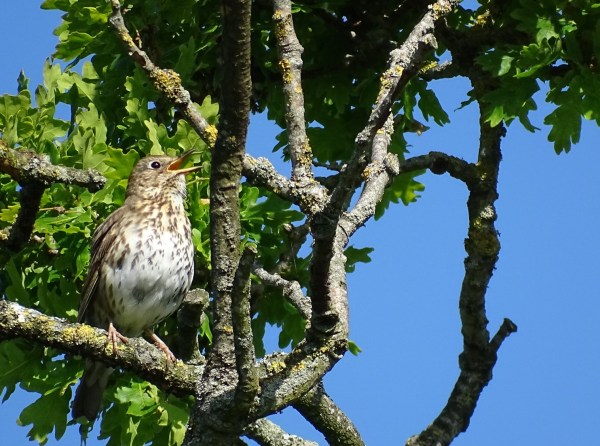
A song thrush singing his heart out from the top of one of our oak trees. Thanks for the picture Cheryl Cronnie.
Song Thrush recorded by David Bisset (CC BY-SA 2.0) xeno-canto.com


Gorgeous pictures taken in our wildflower meadows by wildlife photographer Simon Knight and sent in with a question:
“Here are some pictures from the reserve taken over the past few weeks. It’s a shame we’re about to lose most of the flowers and a huge amount of invertebrate life with the grass being cut so early. Why can’t the grass be cut later in the summer?“
Continue reading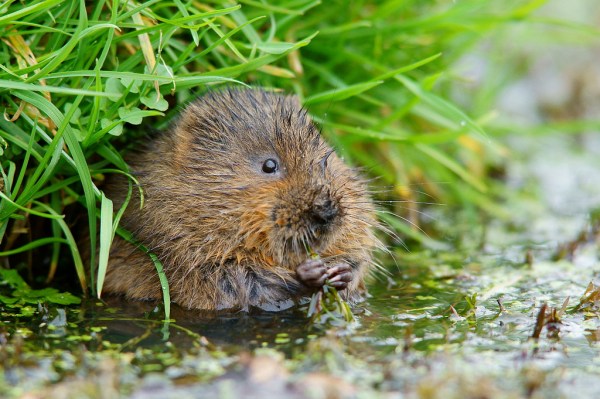
Here are some fascinating facts about water voles:
Continue reading “Ten water vole facts”
For a long time, bumblebee flight was considered to be aerodynamically impossible. We know better now and are beginning to understand how such fat furry creatures can take to the air. Here is a video about their surprising flying skills:
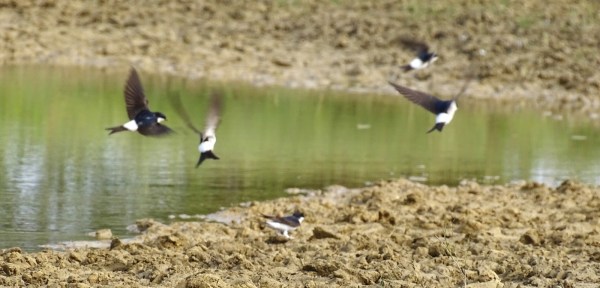
Regular contributor Cheryl Cronnie has sent pictures she took last week of house martins (Delichon urbicum) collecting mud from the banks of the new pond in Lambrok Meadow.
Continue reading “House martins”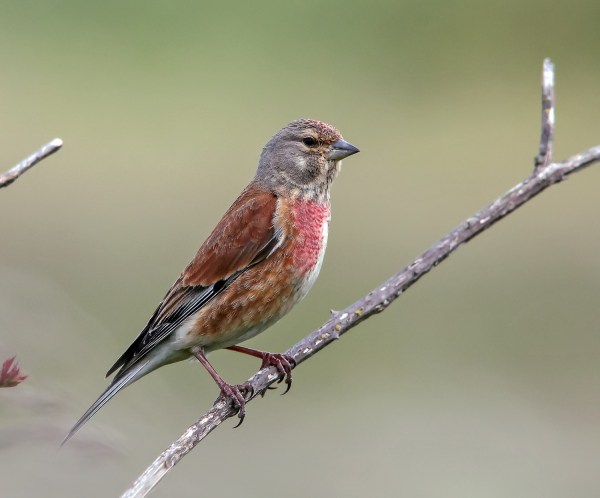

There are buff-tailed bumblebees working in the park. A walk around the hedges of Sleeper Field on a sunny morning will reveal dozens working in the blackberry blossoms and the hogweed. There is always at least one large and thriving nest somewhere in the southern part of the park.
Continue reading “Buff tailed bumblebees”
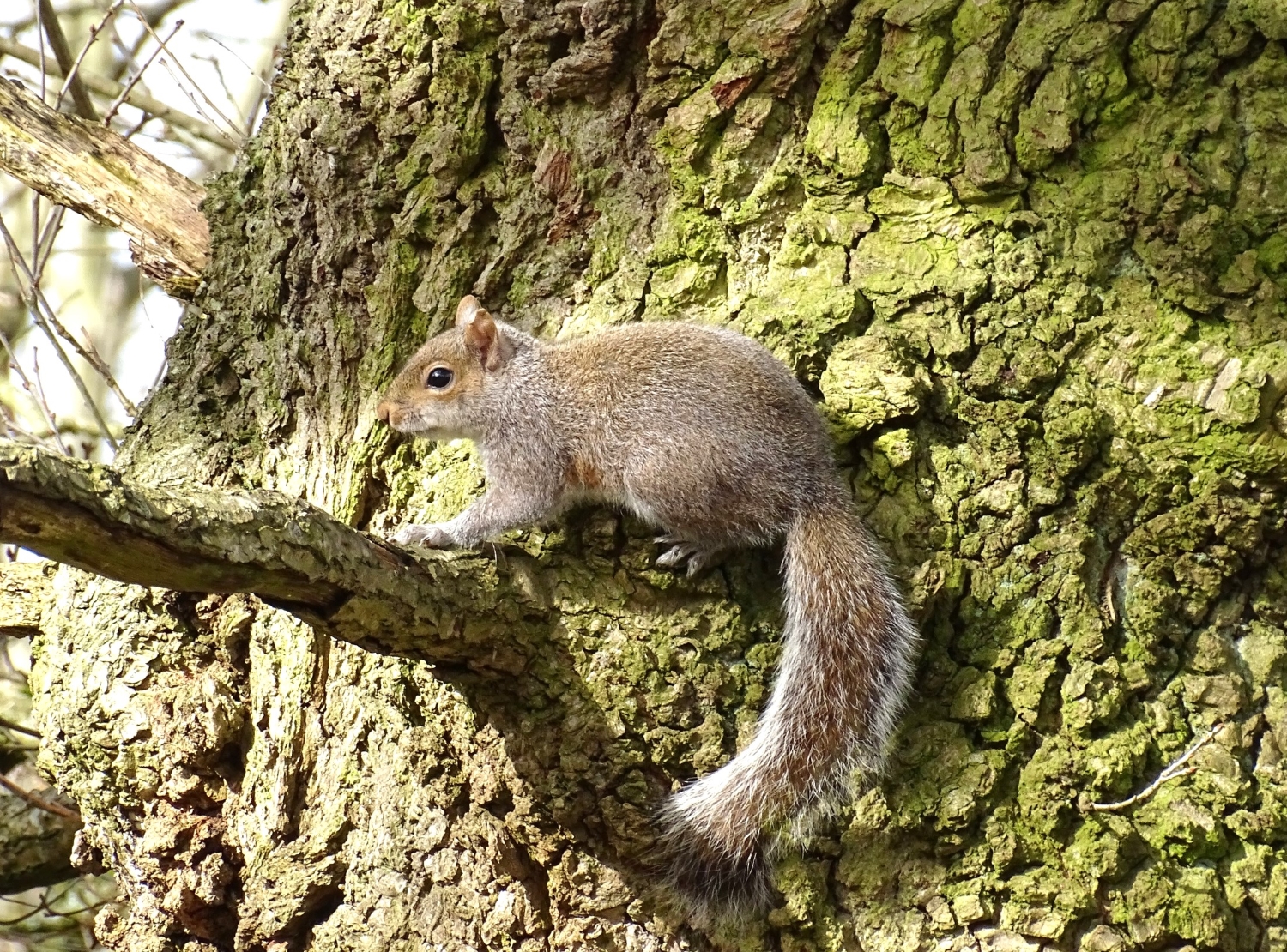
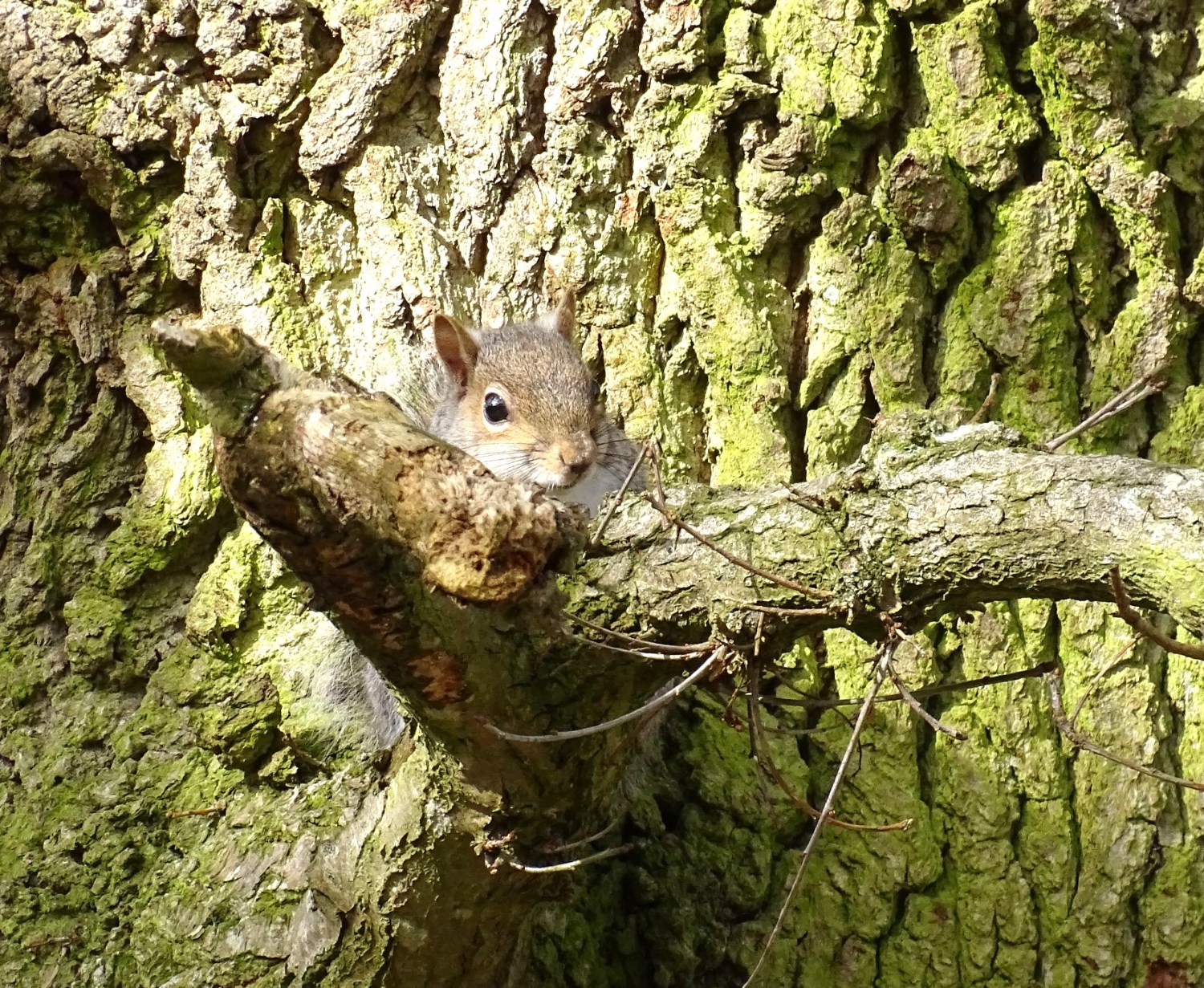
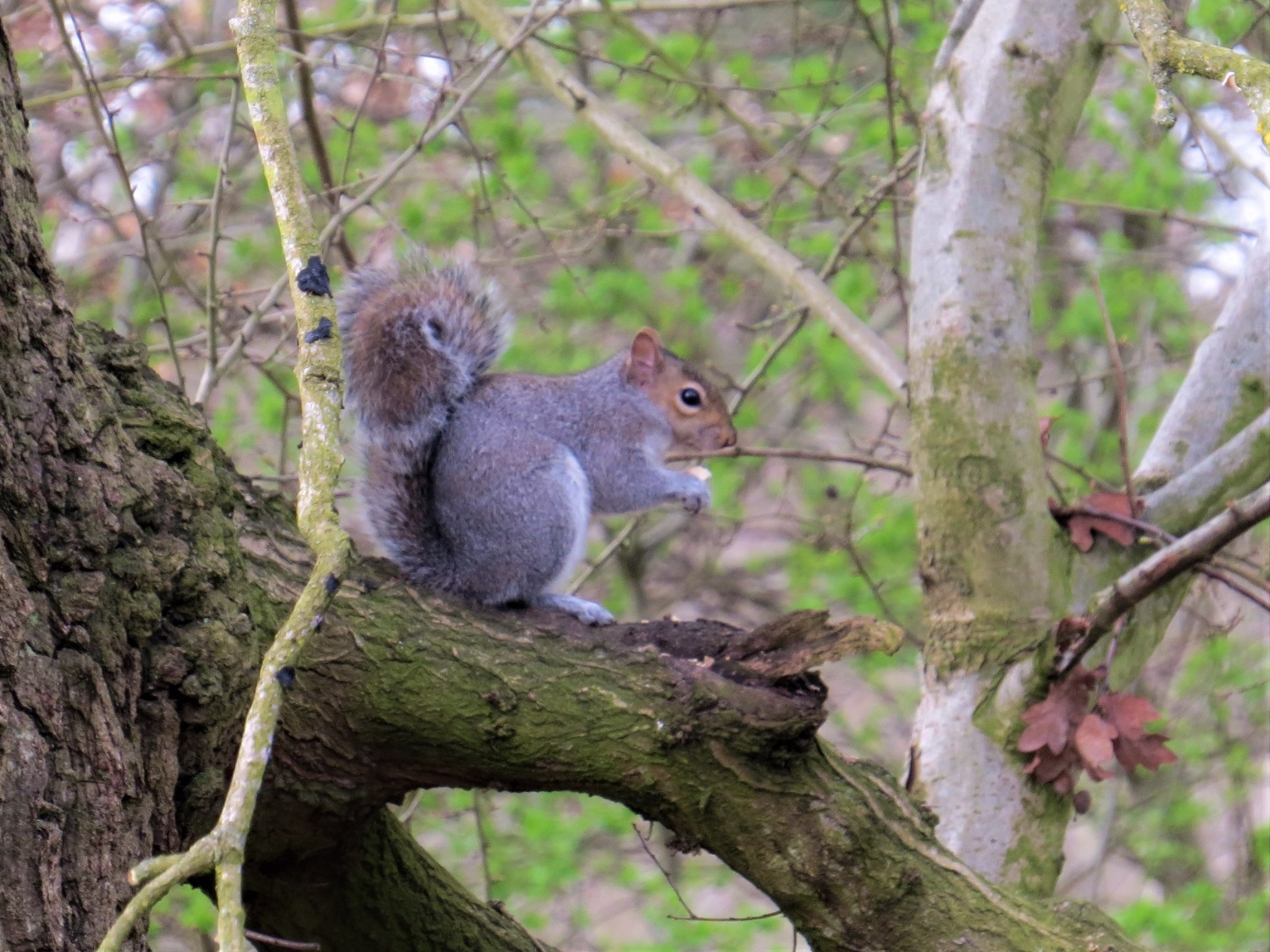
A gallery of the reserve’s photogenic grey squirrels. Destructive invasive aliens, we know, but so cute.



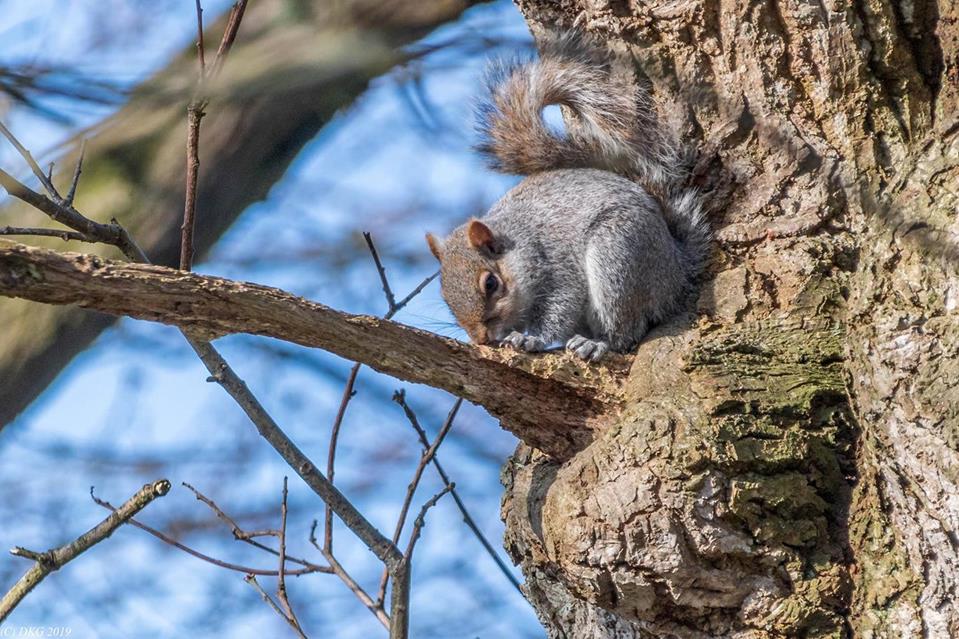
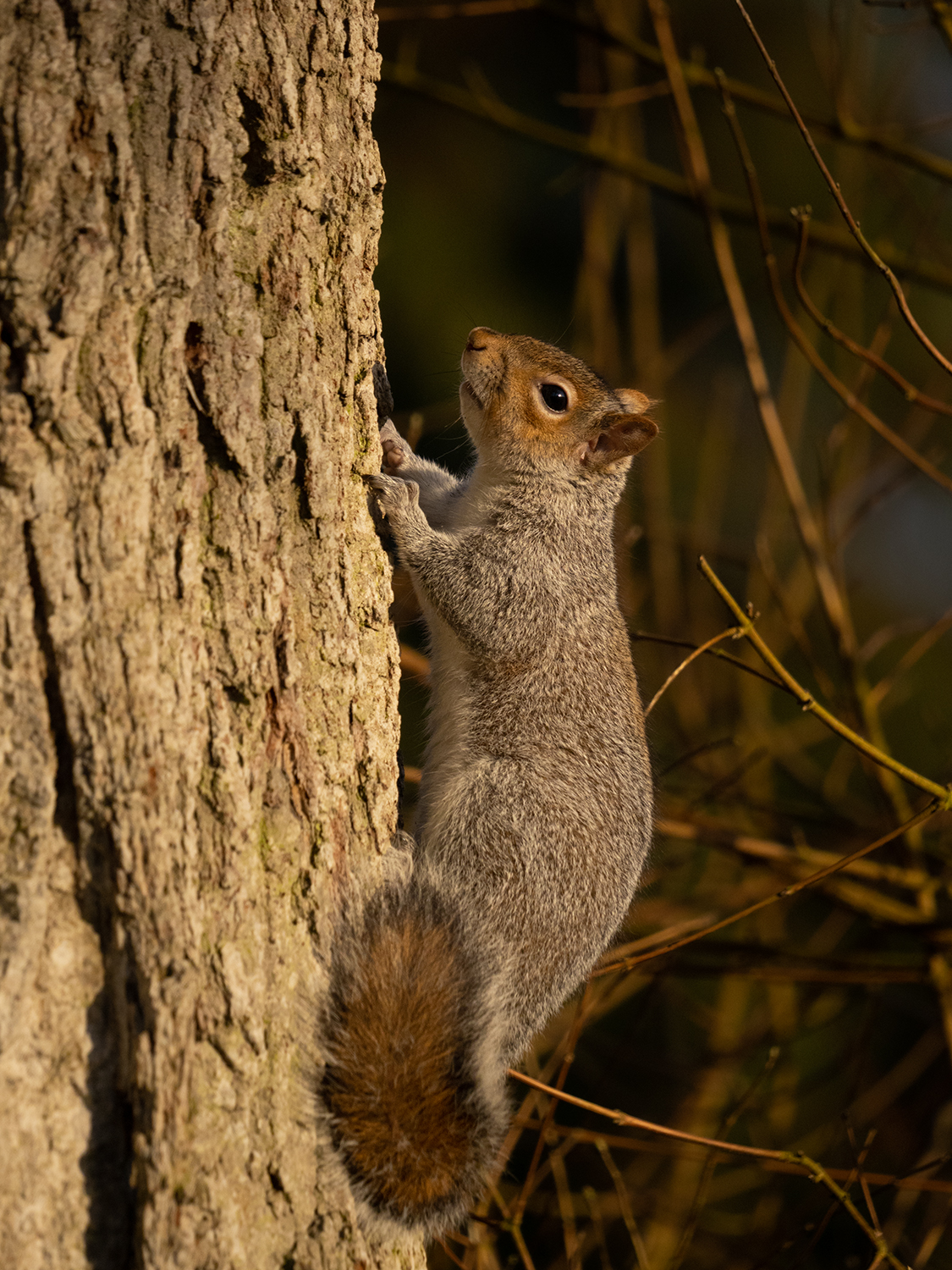
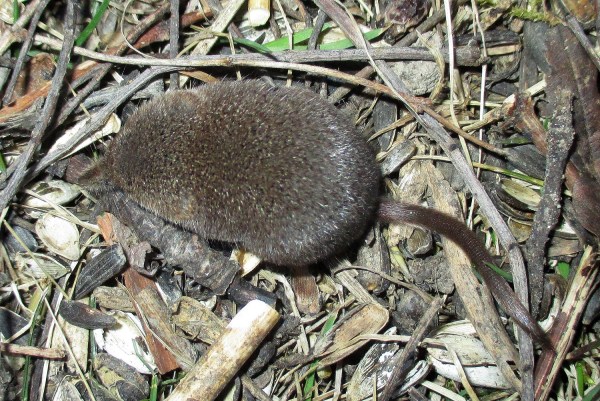
The smallest mammal in the world is the bumblebee bat but the Eurasian pygmy shrew (Sorex minutus), one of the reserve’s residents, comes a close second.
Continue reading “Pygmy shrew”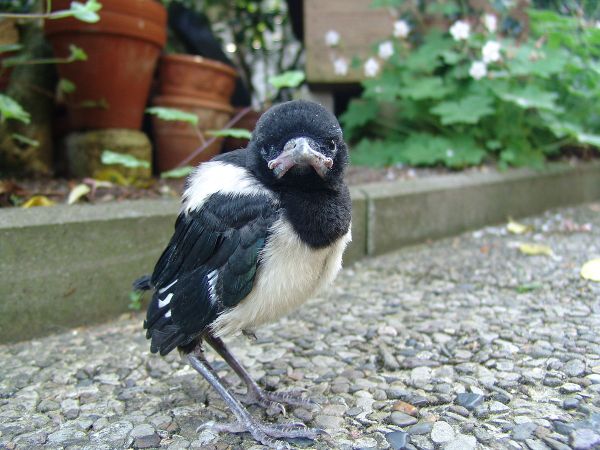
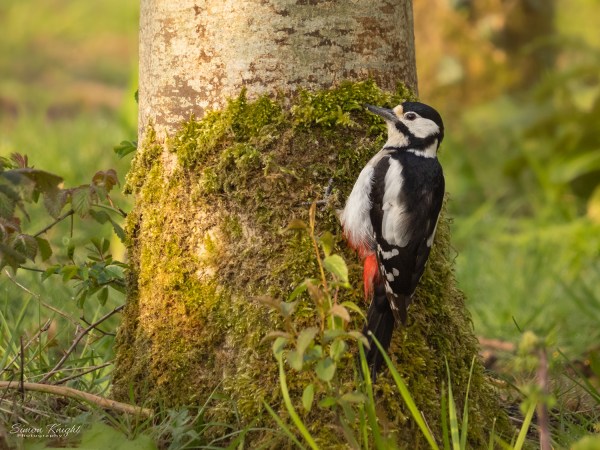
There are three species of woodpecker native to the UK. Two of them, the green woodpecker and the greater spotted woodpecker, nest in our reserve. Here is a short video to help you tell them apart.
Header image: greater spotted woodpecker photographed in the reserve by Simon Knight.

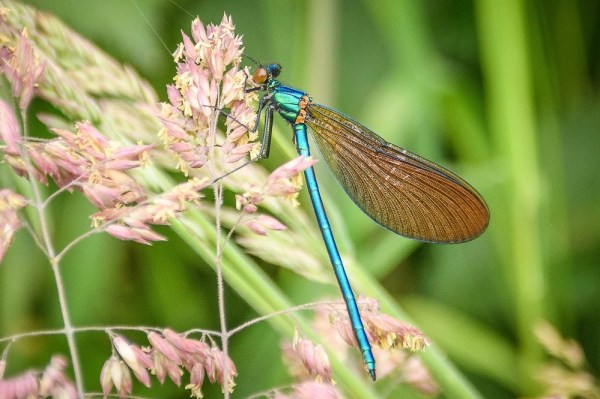

The peacock caterpillars will be growing fast at this time of year
Continue reading “Peacock caterpillars”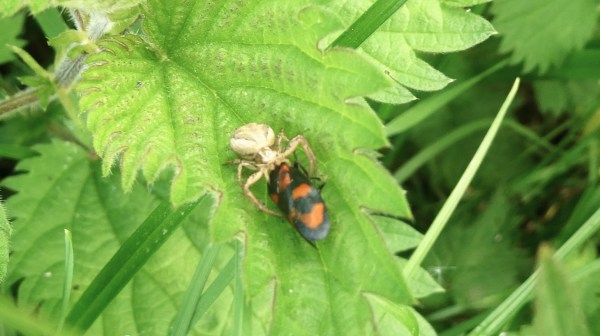
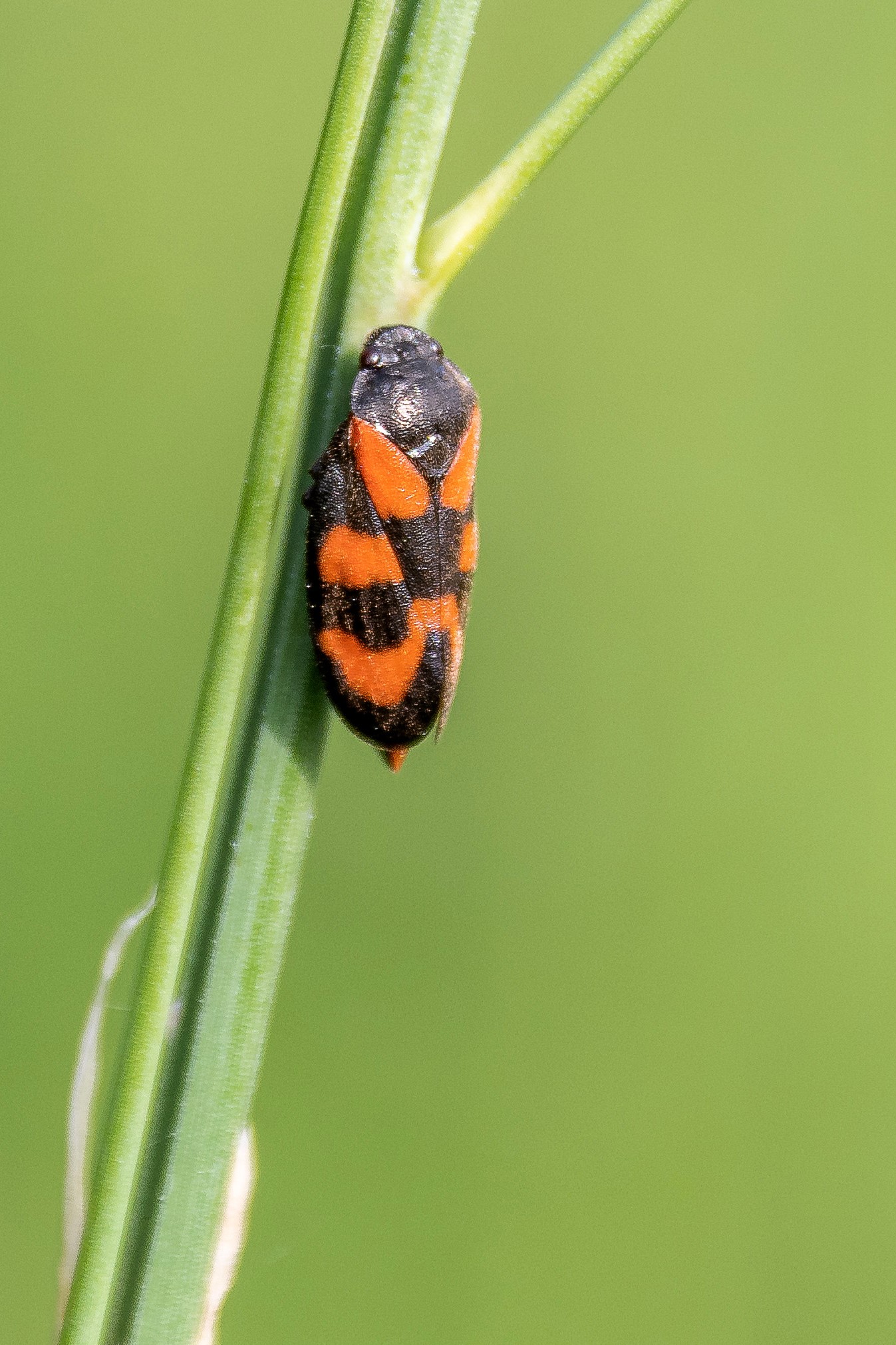
A moment’s predation in our nettle beds, photographed one morning last week by Ian Bushell: a crab spider, probably Xysticus cristatus, has caught a red and black froghopper, Cercopis vulnerata, for breakfast. Crab spiders don’t build webs, they lie in wait and pounce on passing prey.

Header image: crab spider (Xysticus cristatus) and froghopper by Ian Bushell (SCPLNR 0523)

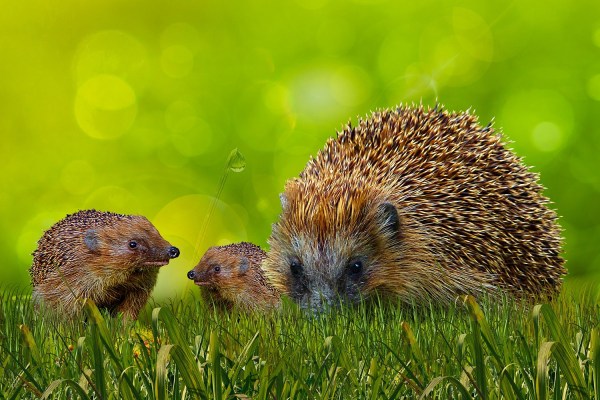
On Wednesday, Ian found a dead hedgehog:
“Returning to the car park, towards the bottom of Simpson’s Field, I came across a dead hedgehog. It had been eviscerated, so most likely was killed and eaten by a badger. This is the first evidence of hedgehogs in the reserve since 2014.”
Here is a link to a recent post about the complicated relationship between hedgehogs and badgers.
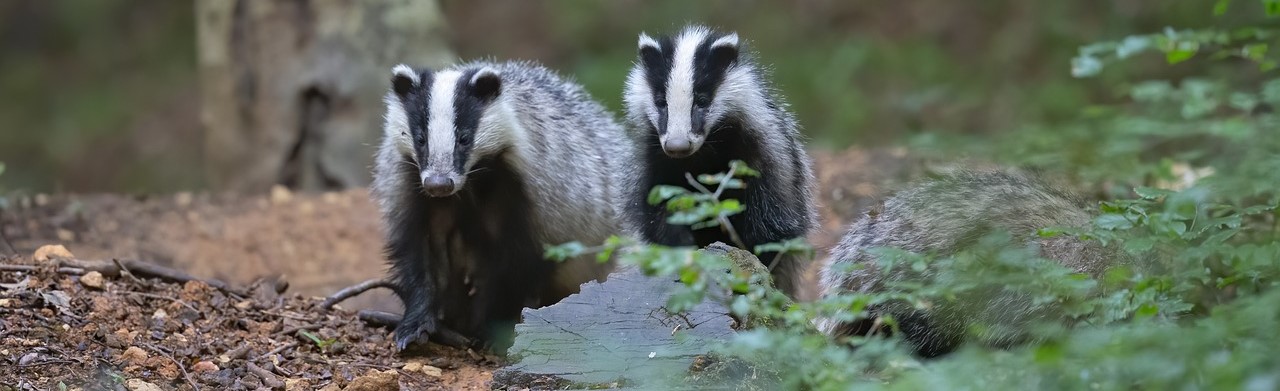


by Simon Knight
I love this time of year. It brings wonderful colour and interesting new life to the reserve. The fields are looking stunning in their carpet of yellow, the trees are a fresh, vibrant green and the grasses are playing host to the emerging insect life.
Continue reading “The Insects Are Out “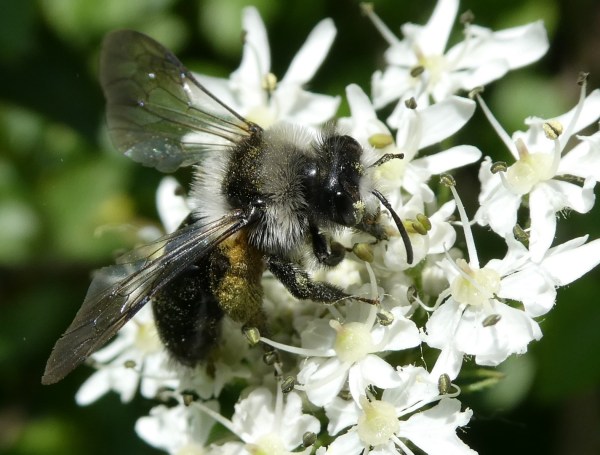
An ashy mining bee (Andrena cineraria) seen yesterday in the reserve, and photographed by Clive Knight. This is a female with two distinct bands of grey hairs across her thorax and a black, shiny abdomen.
Continue reading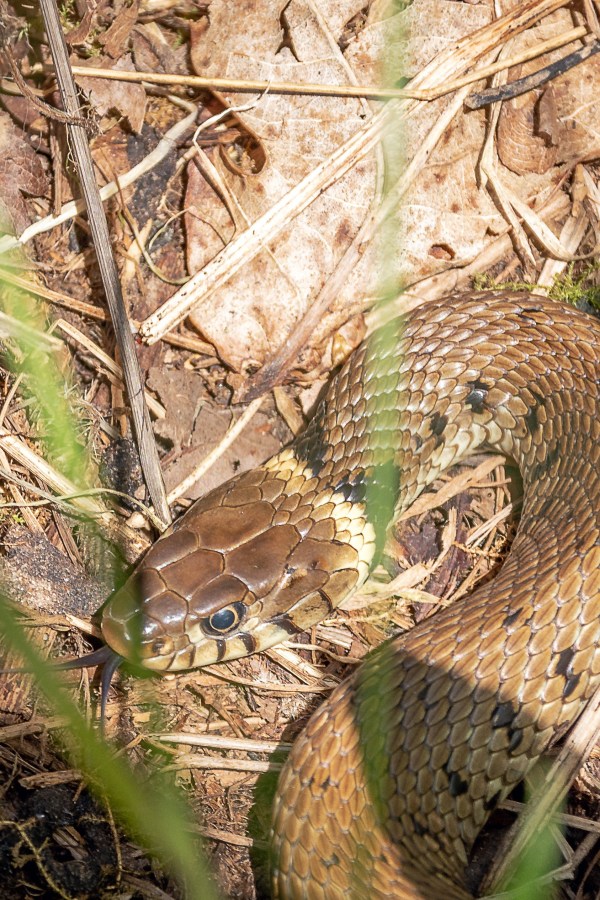
Here a five facts about our grass snakes.
Continue reading “Grass snake”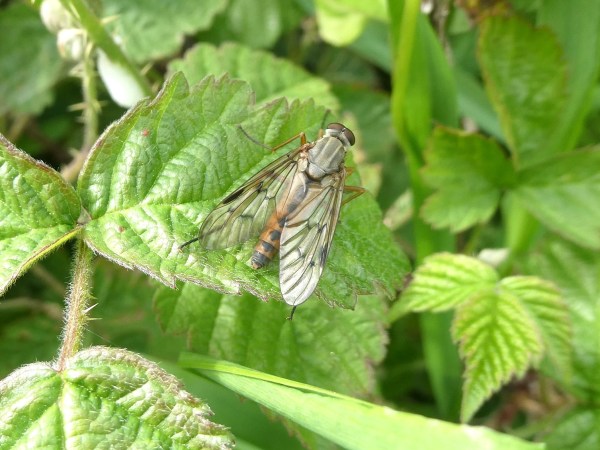
A marsh snipefly (Rhagio tringarius), a new species for our lists, spotted in the reserve on Wednesday by Ian Bushell.
Continue reading “Another new species”
Message from Tom [08:46 24/05/2023]
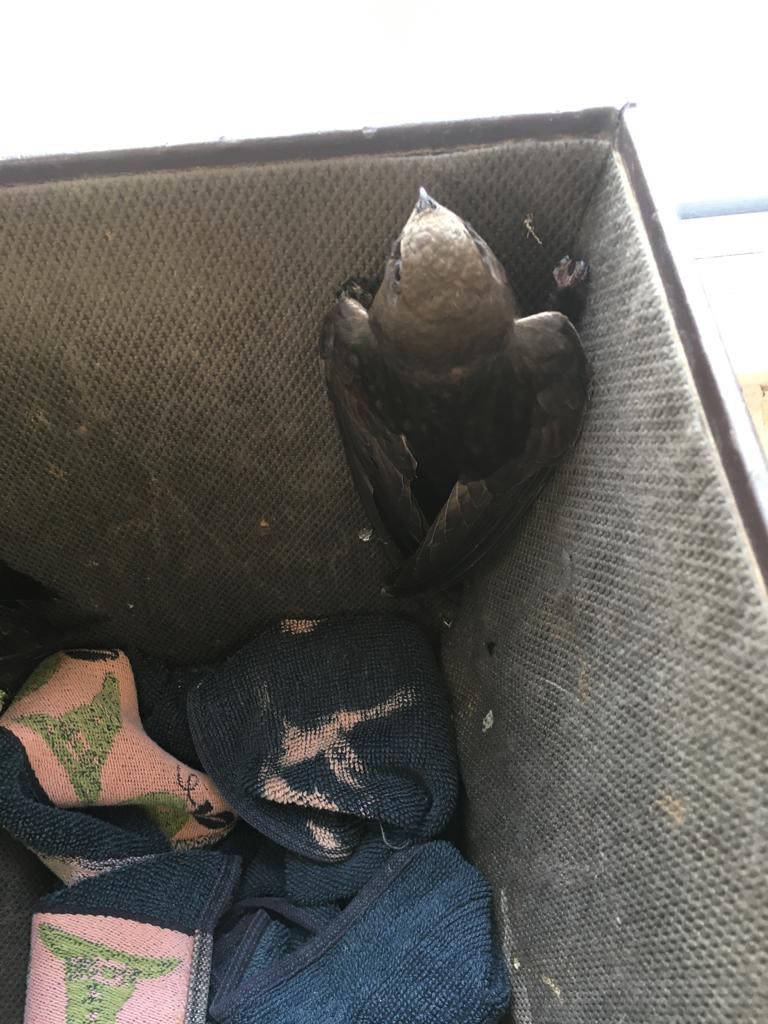
A friend just found these in her front garden. They look like swifts. What do we do?


Underground bat hibernation sites, called hibernacula, can attract predators. Finding signs of predation among the bats overwintering in twelve World War II bunkers in Zuid-Holland in The Netherlands, researchers set up trail cameras to identify the culprits.
Continue reading
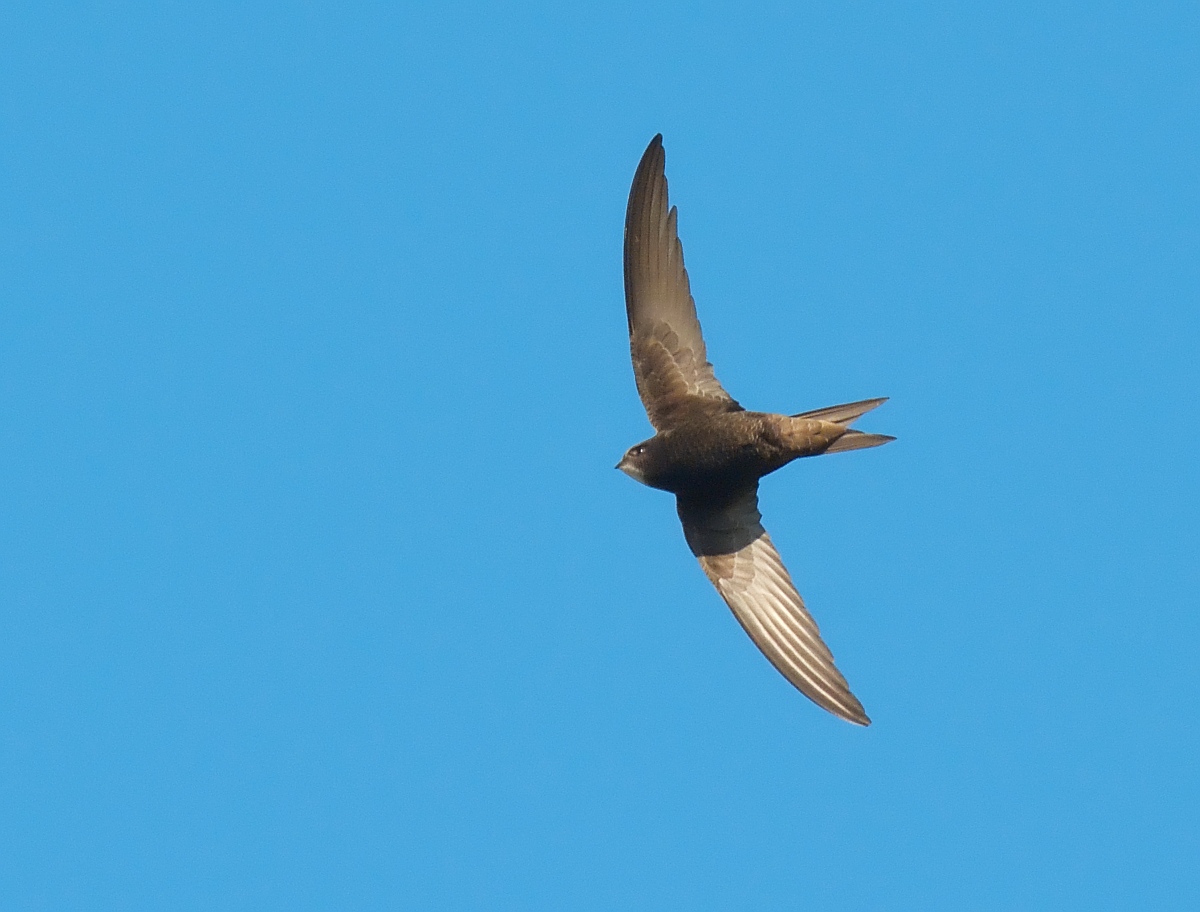
Data collected by researchers from Lund University in Sweden show that common swifts spend almost their entire 10 month non-breeding period in continuous flight. Nearly all of the swifts returning to nest sites in and around Trowbridge this summer from their winter home in sub-Saharan Africa will have been in flight non-stop since they left us last year.



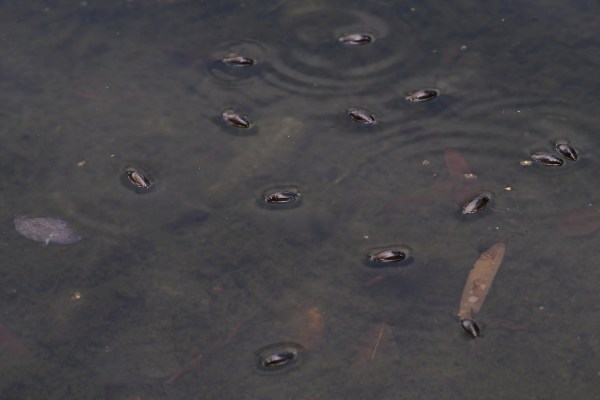
Whirligig beetles are actually a whole family of water beetles called Gyrinidae, almost 700 different species globally, most of them very much alike and extremely difficult to tell apart. We have no idea what particular species live in the pond upstream of the wooden bridge but all the Gyrinidae share some fascinating features.
Read on for details and a short video


 Southwick Country Park Nature Reserve