Black snail beetle
A further dive into the depths of our species lists has dredged up a black snail beetle (Phosphuga atrata).
Continue reading
A further dive into the depths of our species lists has dredged up a black snail beetle (Phosphuga atrata).
Continue reading
This year, consider making room in your garden for native wildflowers. The easiest and most environmentally friendly way to do this is to let the buttercups, dandelions and hawkbits in your lawn grow tall and flower.
Continue reading “Consider wildflowers”
Tardigrades have been found everywhere in Earth’s biosphere, from the highest mountaintops to the deepest sea and from tropical rainforests to the Antarctic. There are sure to be some, somewhere, in the reserve’s ponds, going quietly about their business.
Continue reading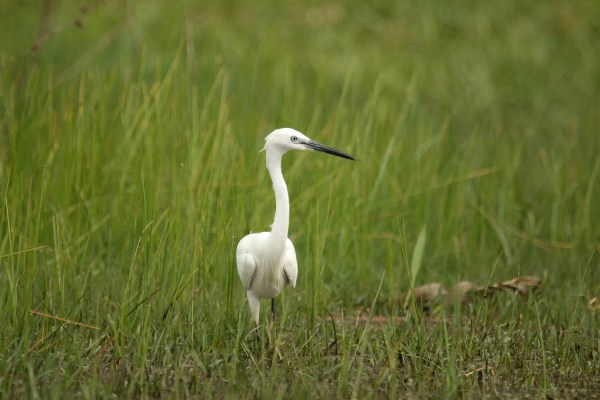
Clive Knight has spotted a little egret in Village Green this week. There is a nesting colony in the woods between Trowbridge and Bradford on Avon and egrets regularly visit the reserve, particularly at this time of year as they make their way back from their winter travels for the breeding season.
Continue reading
There are tawny owls in the park. Here are some tawny owl facts:
click here for tawny owl facts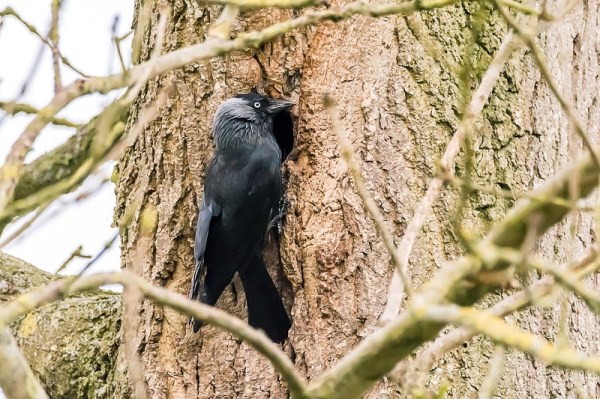
Of the five species of Britain’s black corvids, four have been seen in Southwick Country Park Nature Reserve: crow (Corvus corone), rook (Corvus frugilegus), jackdaw (Corvus monedula) and raven (Corvus corax).
Continue reading “How to tell corvids apart”
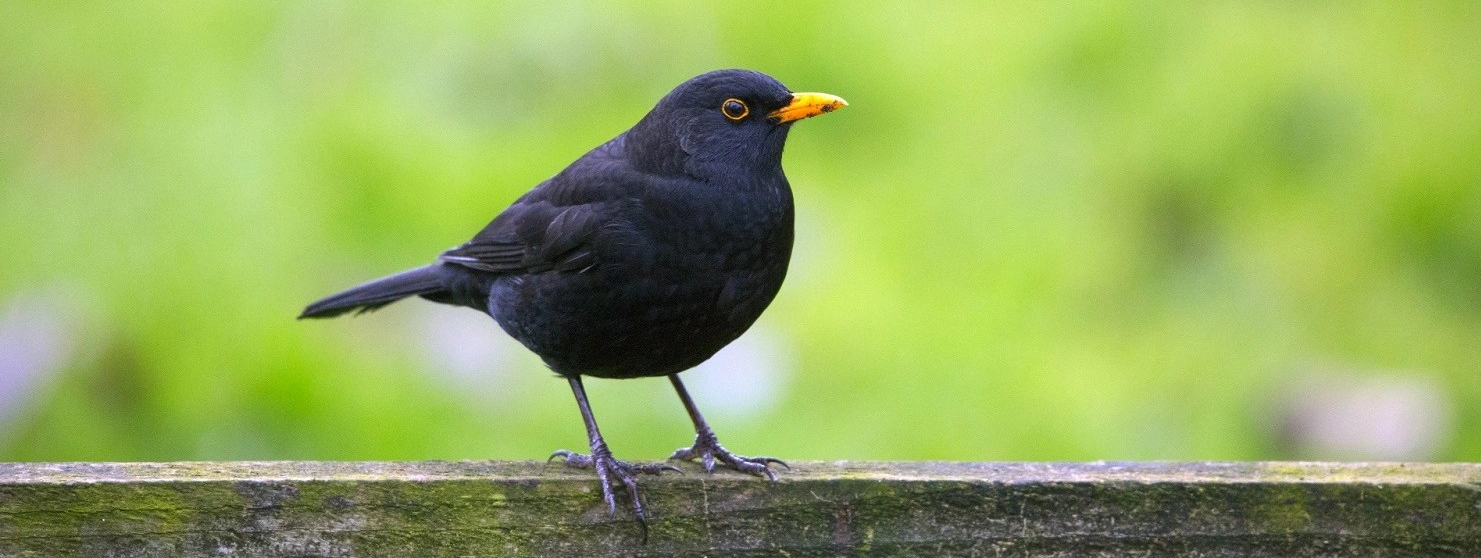
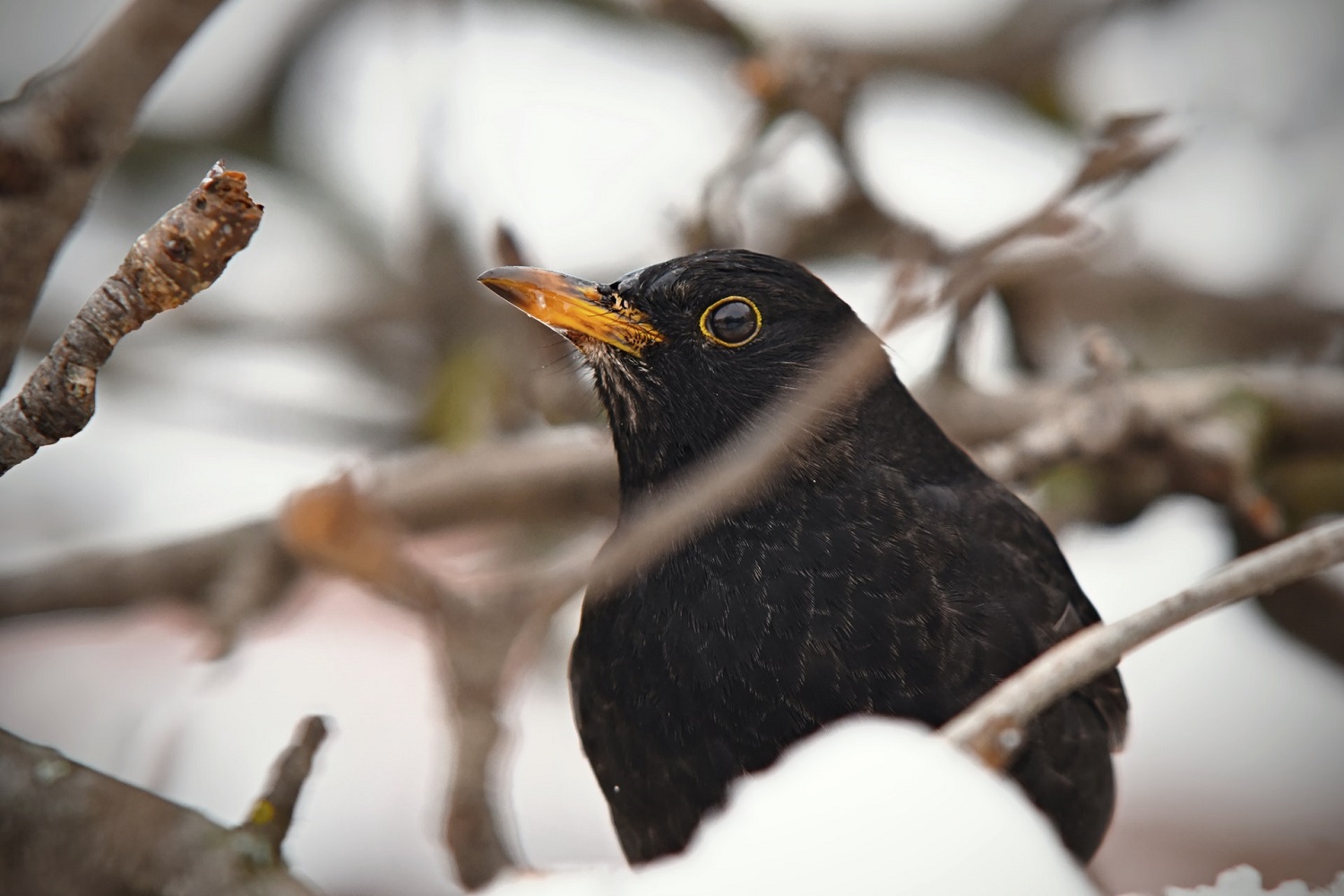
Early though it may be, male blackbirds are already tuning up ready for the spring. These are birds that were hatched last year. Inexperienced and without established territories, they have a lot of songs to sing and battles to win if they are going to breed this year.
Common blackbird song recorded by Beatrix Saadi-Varchmin (CC BY-NC-SA 4.0) xeno-canto.org


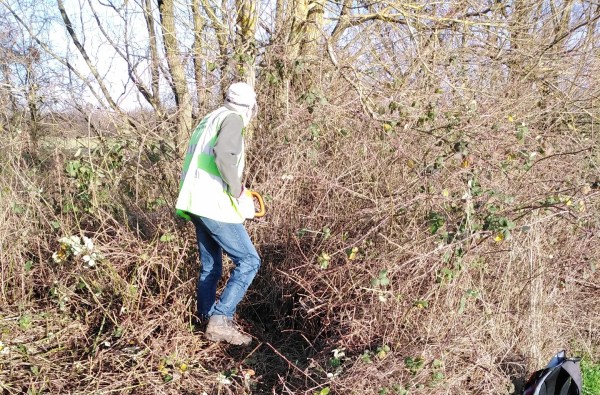
Last week, Frank Lamerton and Pete White, both FoSCP volunteers and parkrunners, dug channels to clear the floodwater from the central path between the decorated bridge and the big pond, the first area to flood every winter and the last to drain.
Continue reading “Drains and consequences”
Cryptic colouration, is another name for camouflage, a defence strategy that creatures use to disguise their appearance, or to mask their location, their identity, or movement. It both allows prey to avoid predators, and predators to sneak up on prey.
Continue reading “Cryptic colouration”
By Simon Knight
The weather has certainly been changeable over the past few days! The temperature dropped pretty quickly Monday night and combined with clear skies, it ensured that Tuesday saw the reserve carpeted in frost. It wasn’t a heavy frost, but it was certainly a welcome change after seeing the park flooded just a few days ago.
Continue reading “From flooded to frozen”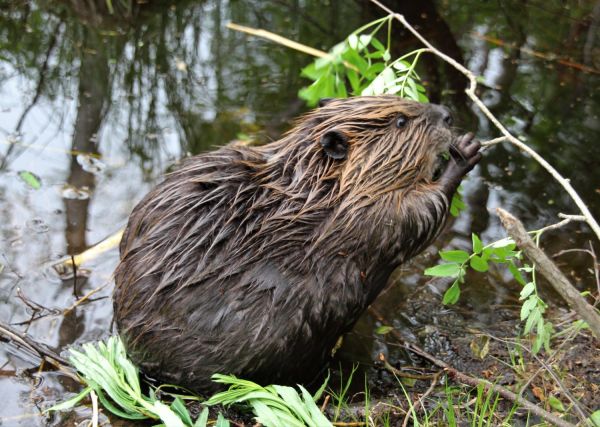
Hampshire and Isle of Wight Wildlife Trust are reintroducing Eurasian beavers (Castor fiber) to our neighbouring county, Hampshire. A breeding pair of beavers will be released into an enclosure on an estate near Basingstoke, this year.
Continue reading “New neighbours”
The nature reserve’s rabbits are beginning their long and busy breeding season.
Continue reading “Rabbits”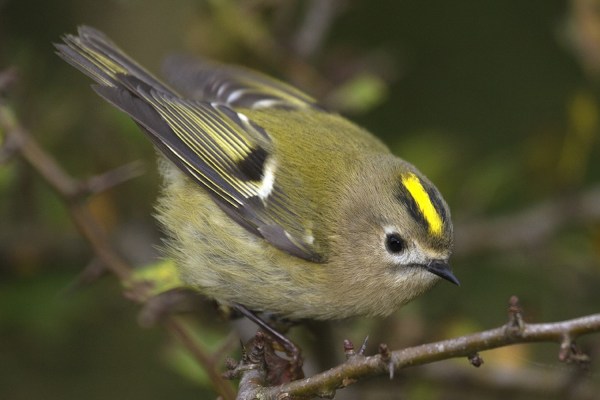
During all that rain, Ian spotted a goldcrest by the wooden footbridge into Village Green. Goldcrests are Britain’s smallest bird; a tiny flash of yellow against the dark green of a pine tree.
Continue reading “Goldcrest”
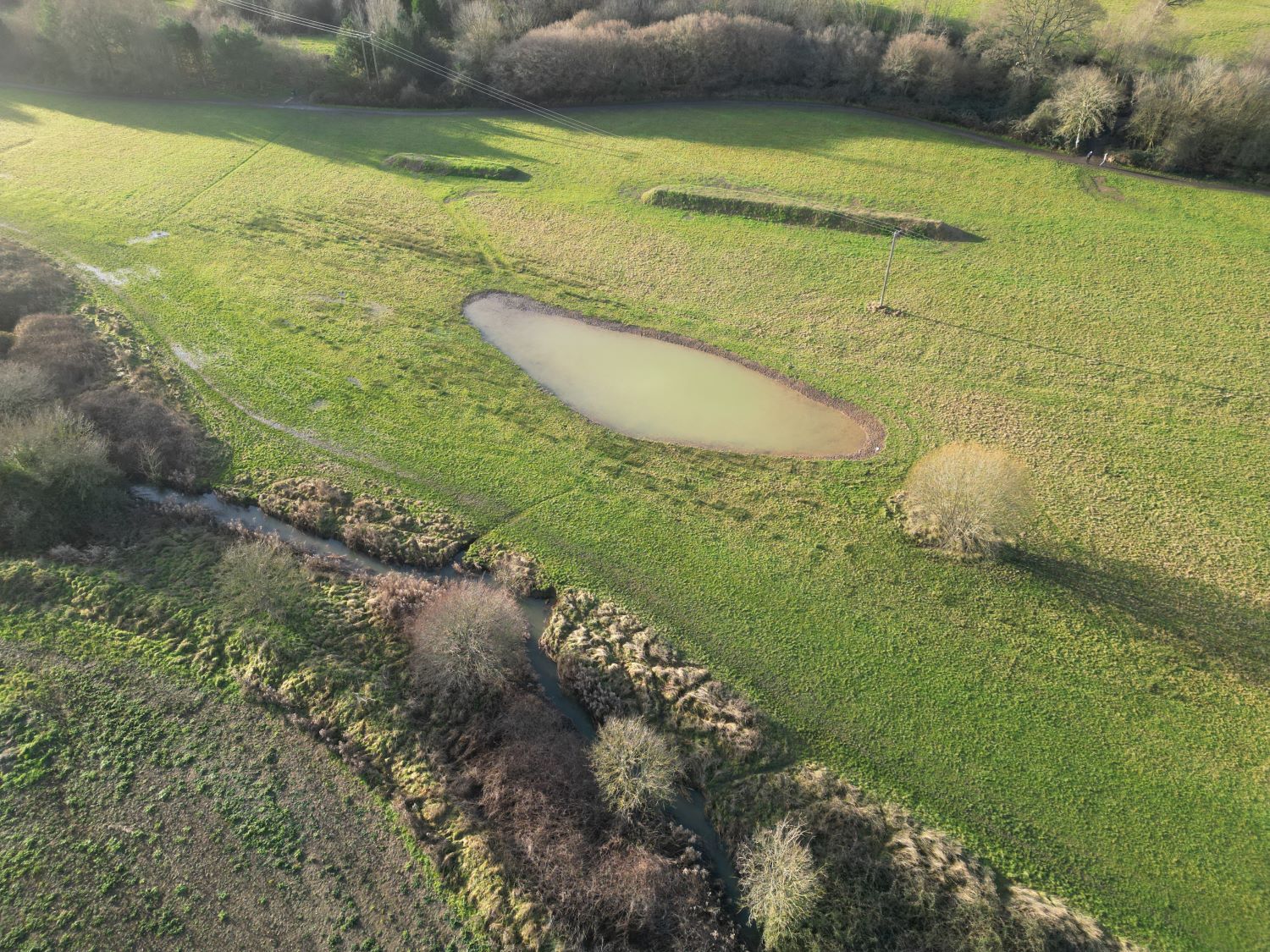
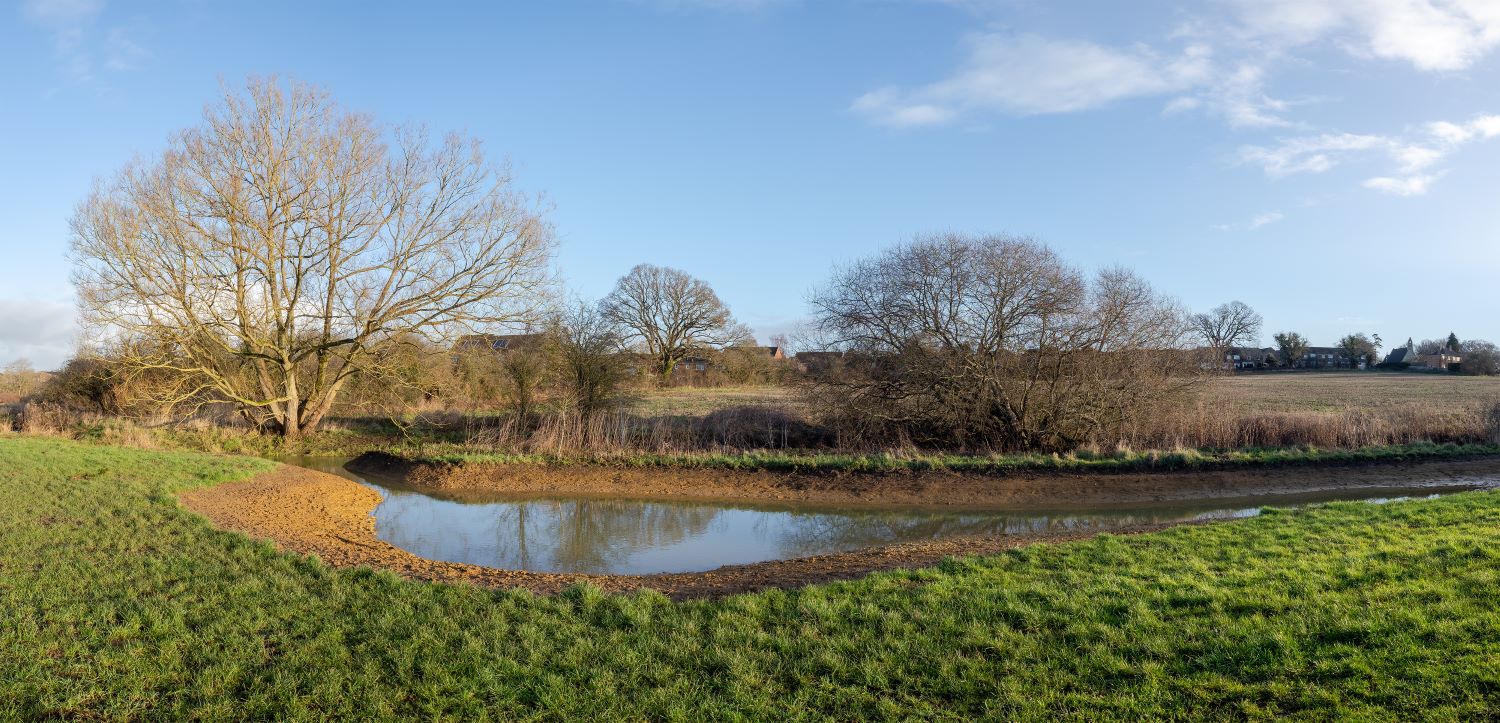
Pictures from Simon Knight of the new wetland pond in Lambrok Meadow and the two new backwater scrapes. They are slowly filling in this rain. As the weather warms, keep an eye out for the pioneer plants that will move in and provide cover for the our wetland creatures.


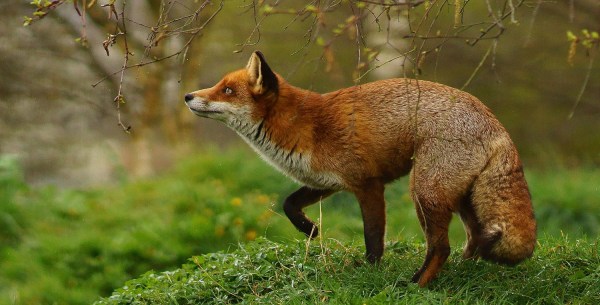
Have you heard the foxes? January is the middle of their mating season when they are a lot noisier than at other times of year.
Continue reading “Fox”
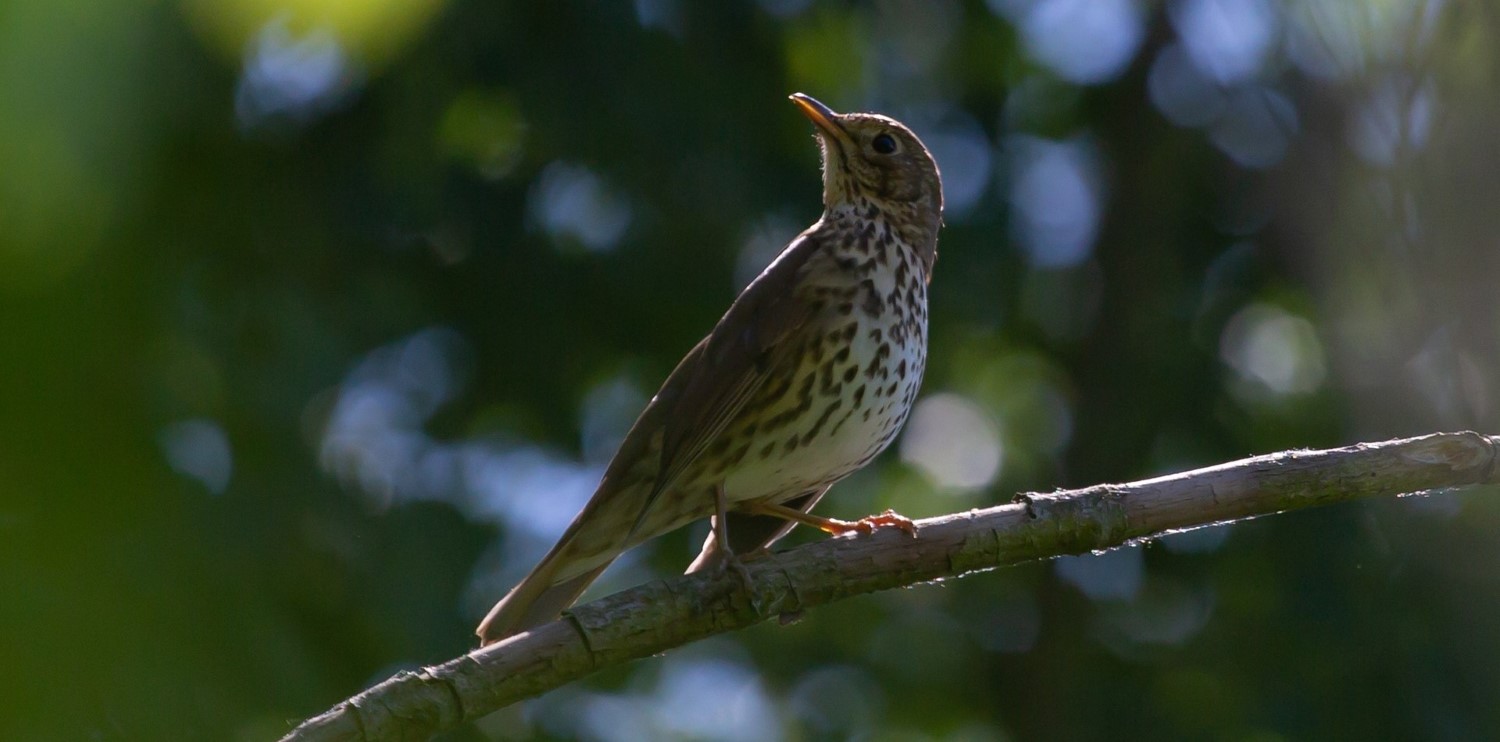
A very early song thrush has been practising his spring song from the ash tree at Fiveways.
Song thrush recorded by David Bisset in Essex UK (xeno-canto.org)

Our chiffchaffs will already have started the long journey back to their breeding sites in the reserve.
Continue reading
A message from Clive Knight:
Walking round the reserve late afternoon on New Year’s Day, I spotted the first user on the newly created pond in Lambrok Meadow. The pictures are not brilliant as I took them on my phone and didn’t want to try to get any nearer as I think it would have spooked it and it would have flown off.
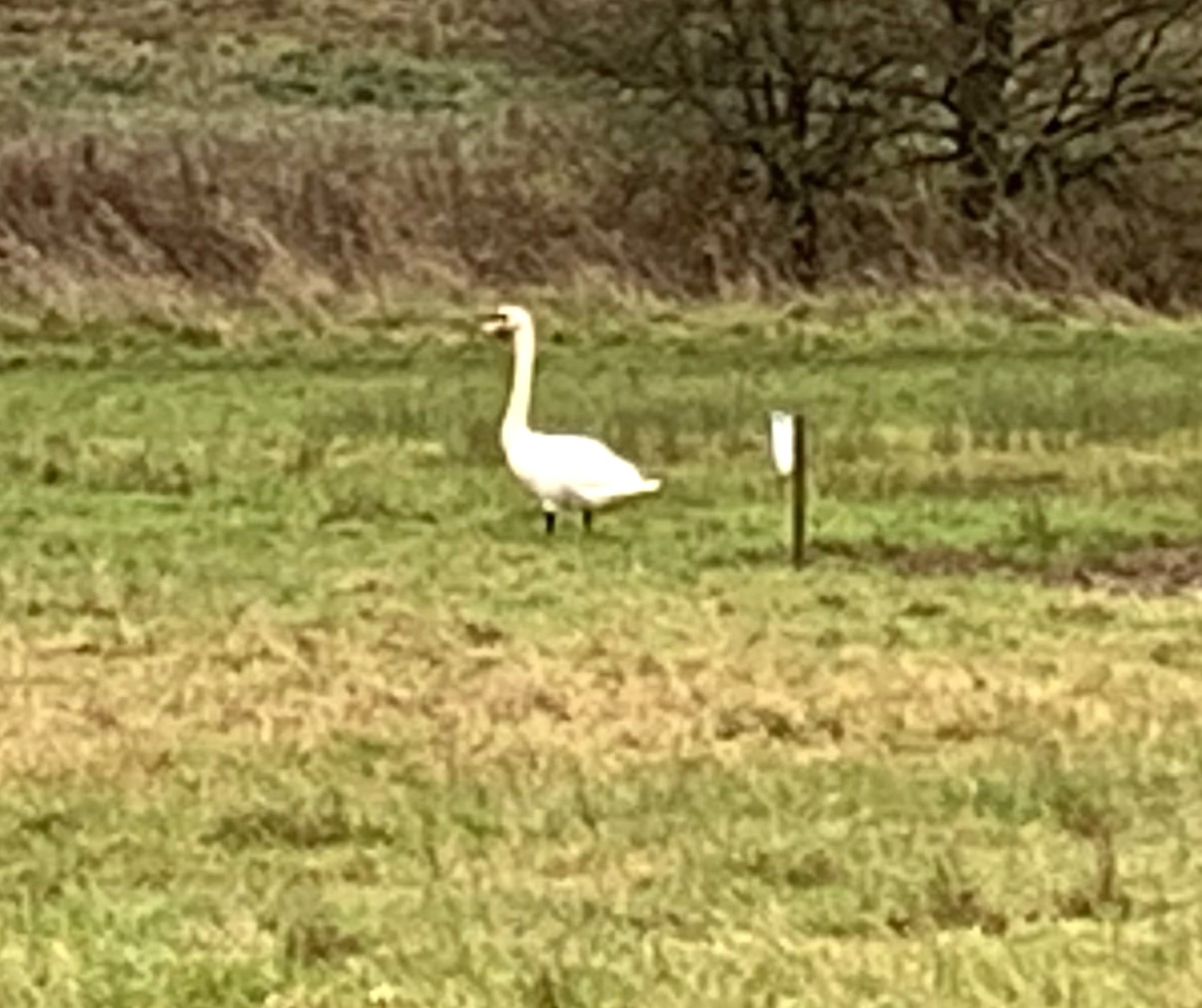

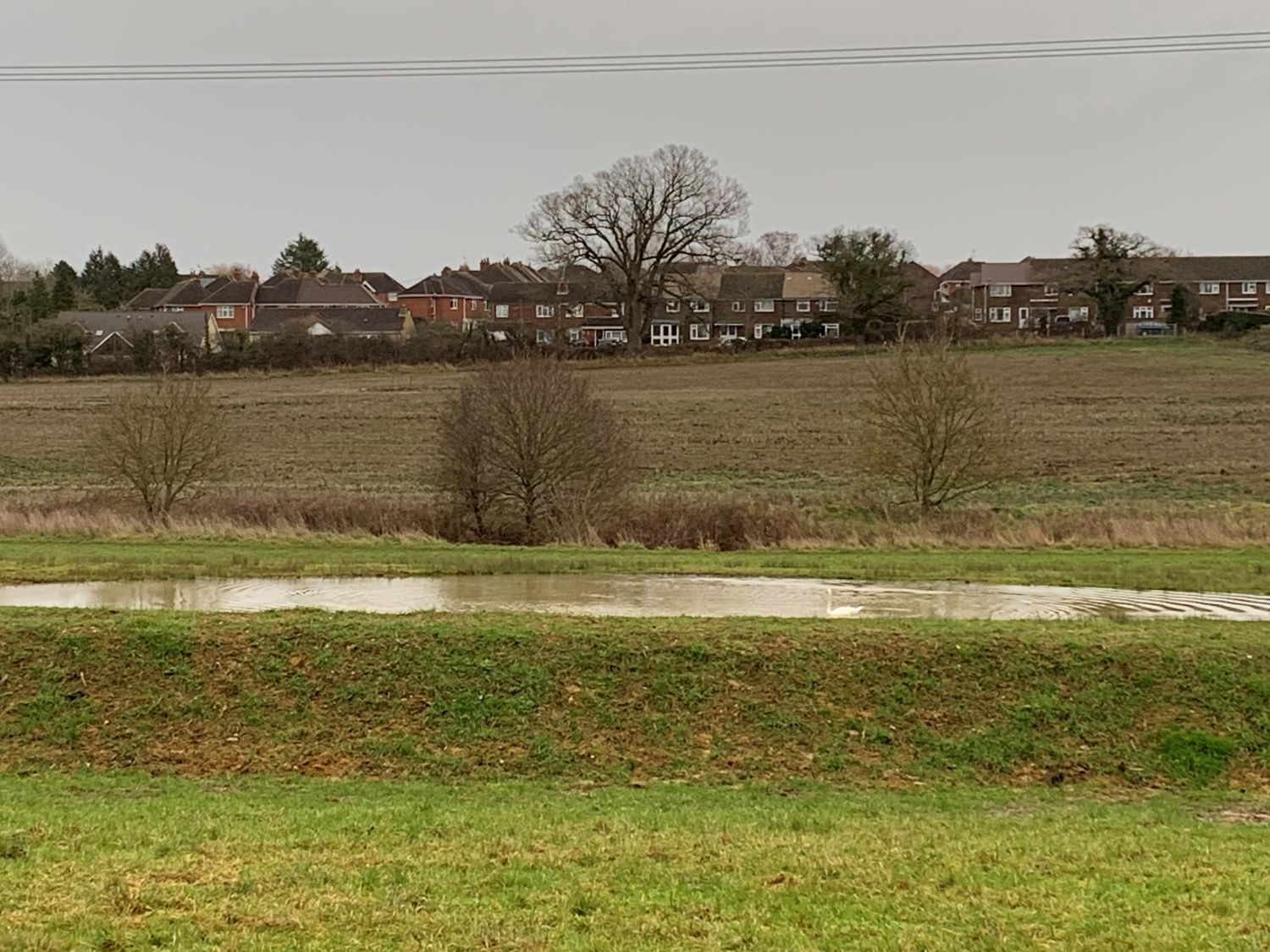
Mute swan (Cygnus olor) in the new wetland scrapes in Lambrok Meadow.

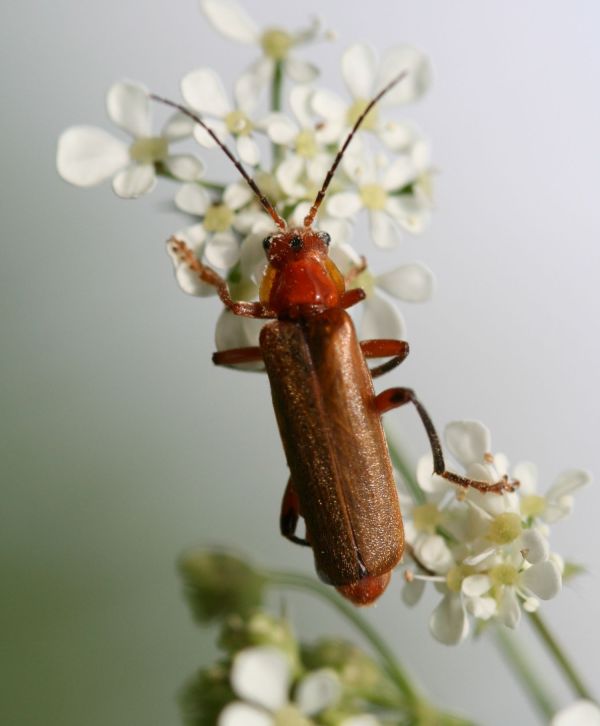
One of our New Year’s resolutions is to make regular trawls through the depths of our extensive species lists in order to introduce you to some of the less visible (and sometimes much less fluffy) of the reserve’s inhabitants.
Continue reading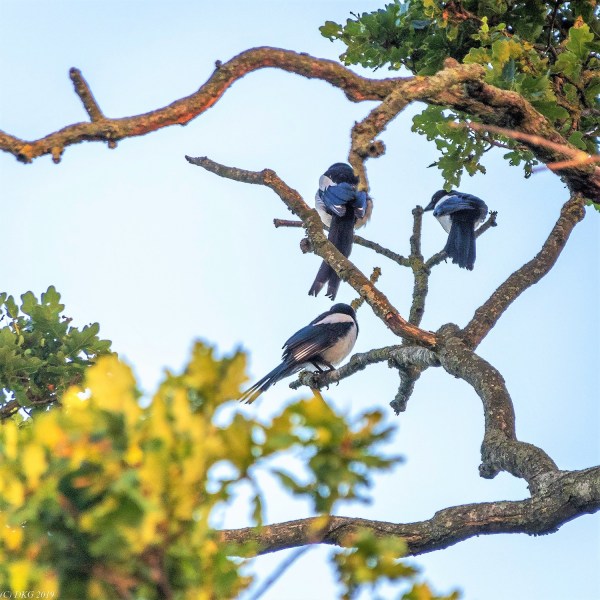
The charm of goldfinches we published yesterday reminded us of a piece from last year that might, during this long hiatus between Christmas and the New Year, bear repeating
Continue reading “A mischief of magpies”
The 29th is the fifth day of Christmas – when we are supposed to receive five gold rings from our true loves. But few of the Friends have any use for gold rings so here, instead, is a fivefold gallery of the reserve’s goldfinches.
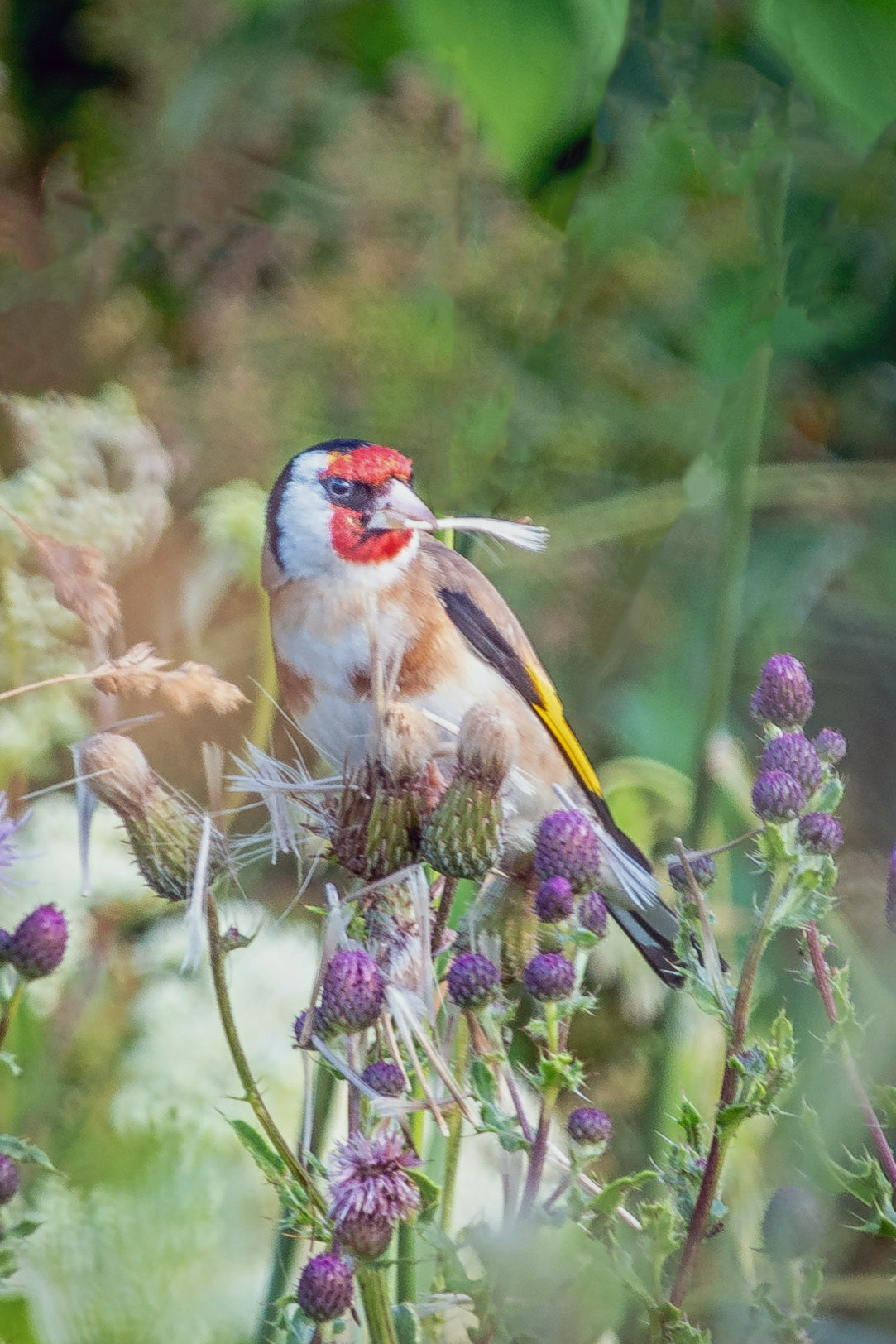


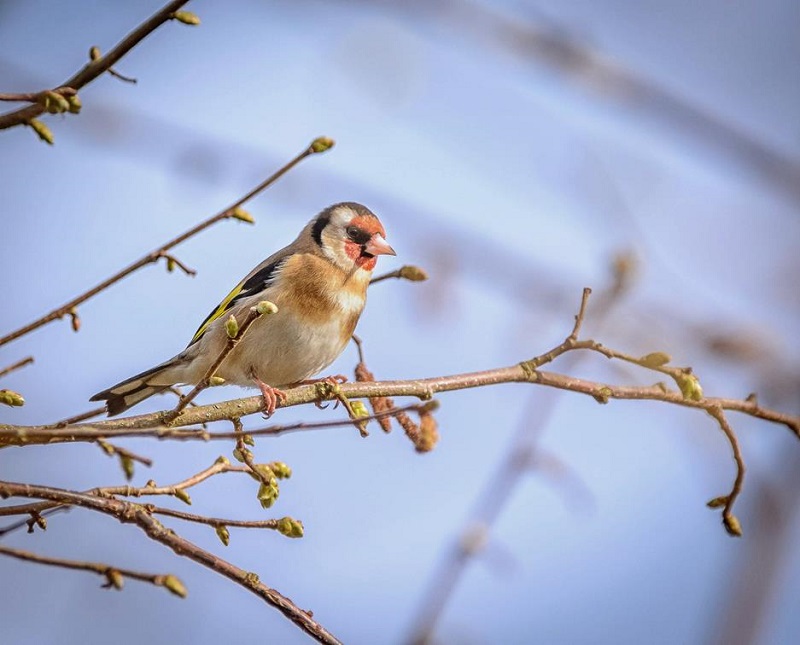
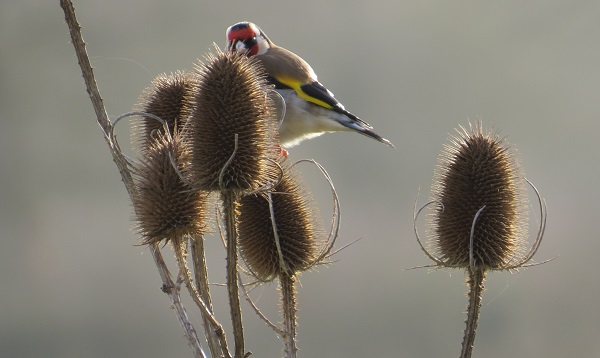
All pictures taken in the reserve.
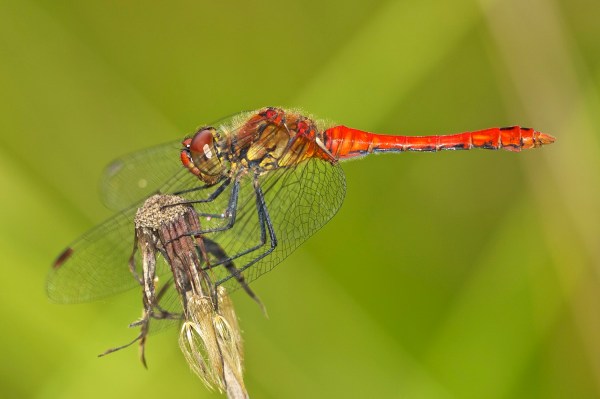
Every Christmas, the National Trust publishes a report on the ways in which the year’s weather has affected the UK’s wildlife. This year, after the summer’s extreme drought, we can clearly see some of those effects in the reserve.
Continue reading “Annual report”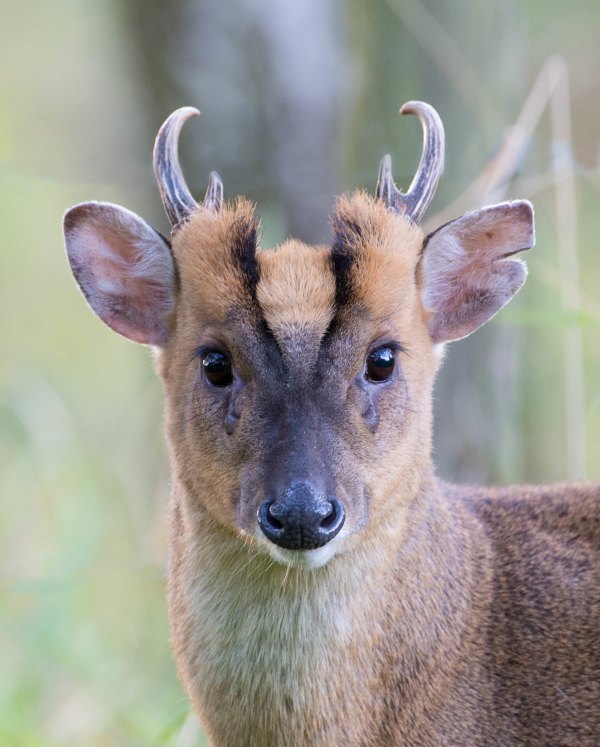

It’s Saint Stephen’s Day, the second day of Christmas, when an 18th century carol would send us two turtle doves.
Continue reading “Turtle doves”
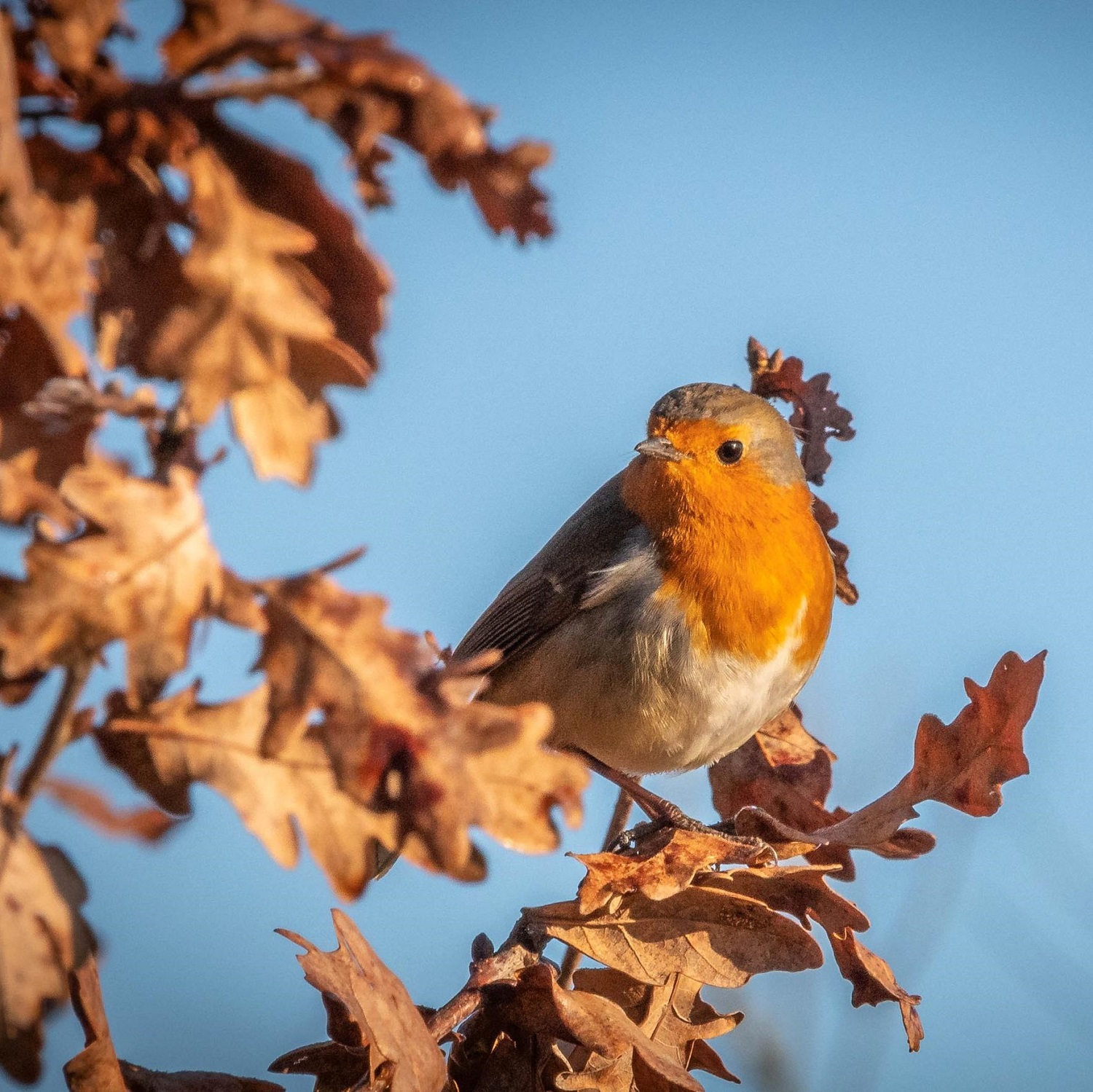
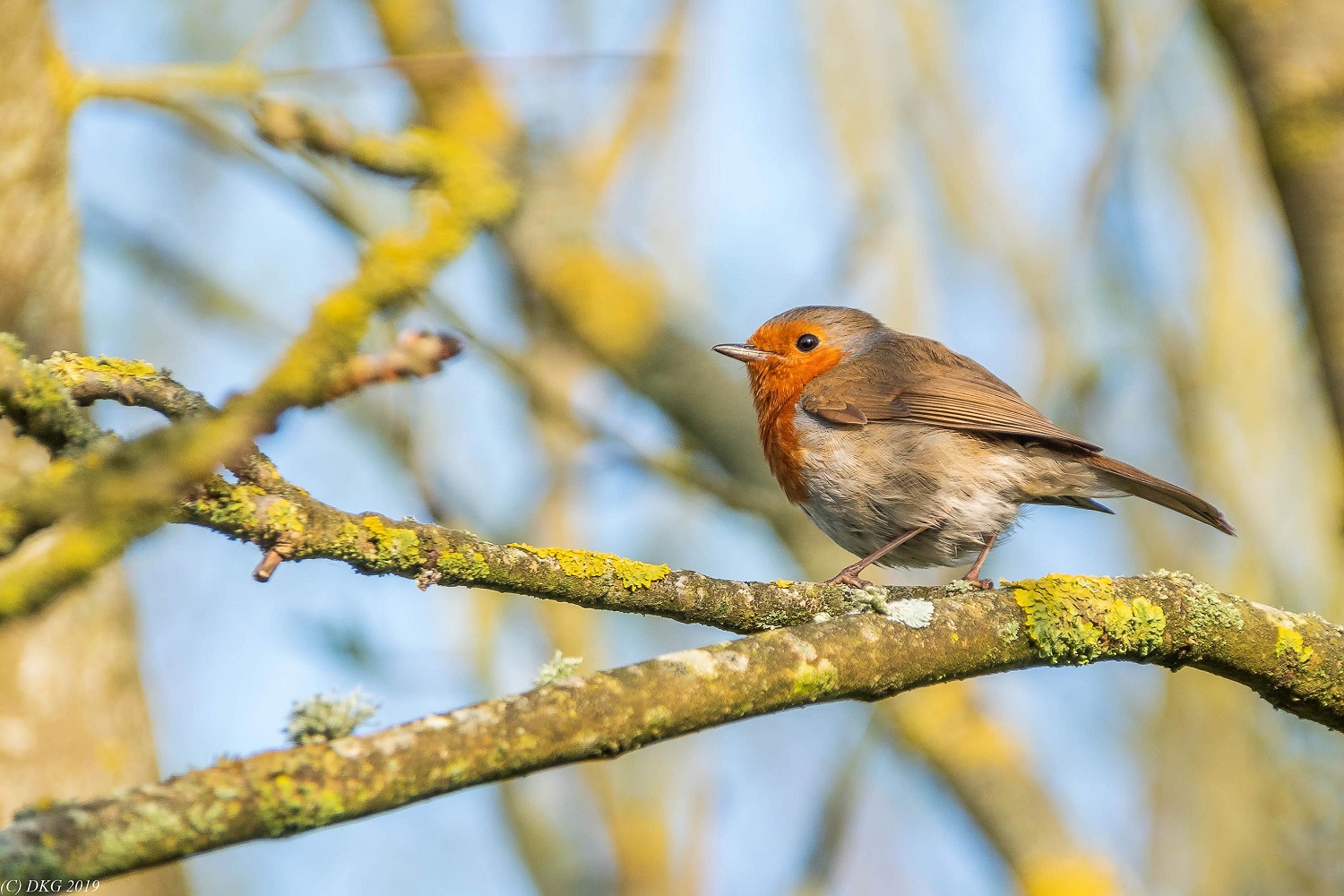
A Christmas Eve gallery of the reserve’s robins, photographed by DKG.








 Southwick Country Park Nature Reserve