The winter thrushes

Fieldfare (Turdus pilarus) and redwing (Turdus musicus), migratory thrushes from mainland Europe, are common winter visitors to the park. They are easily confused; here is a video to help you distinguish the two species.

Header picture: Fieldfare (Turdus pilaris) by Teresa Reynolds (CC BY-SA 3.0)
Fact of the week

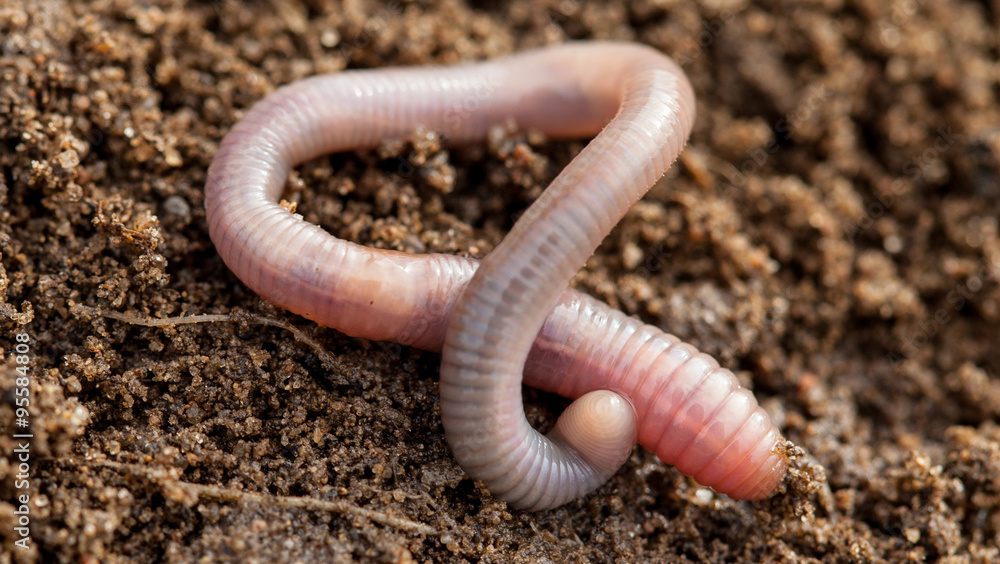
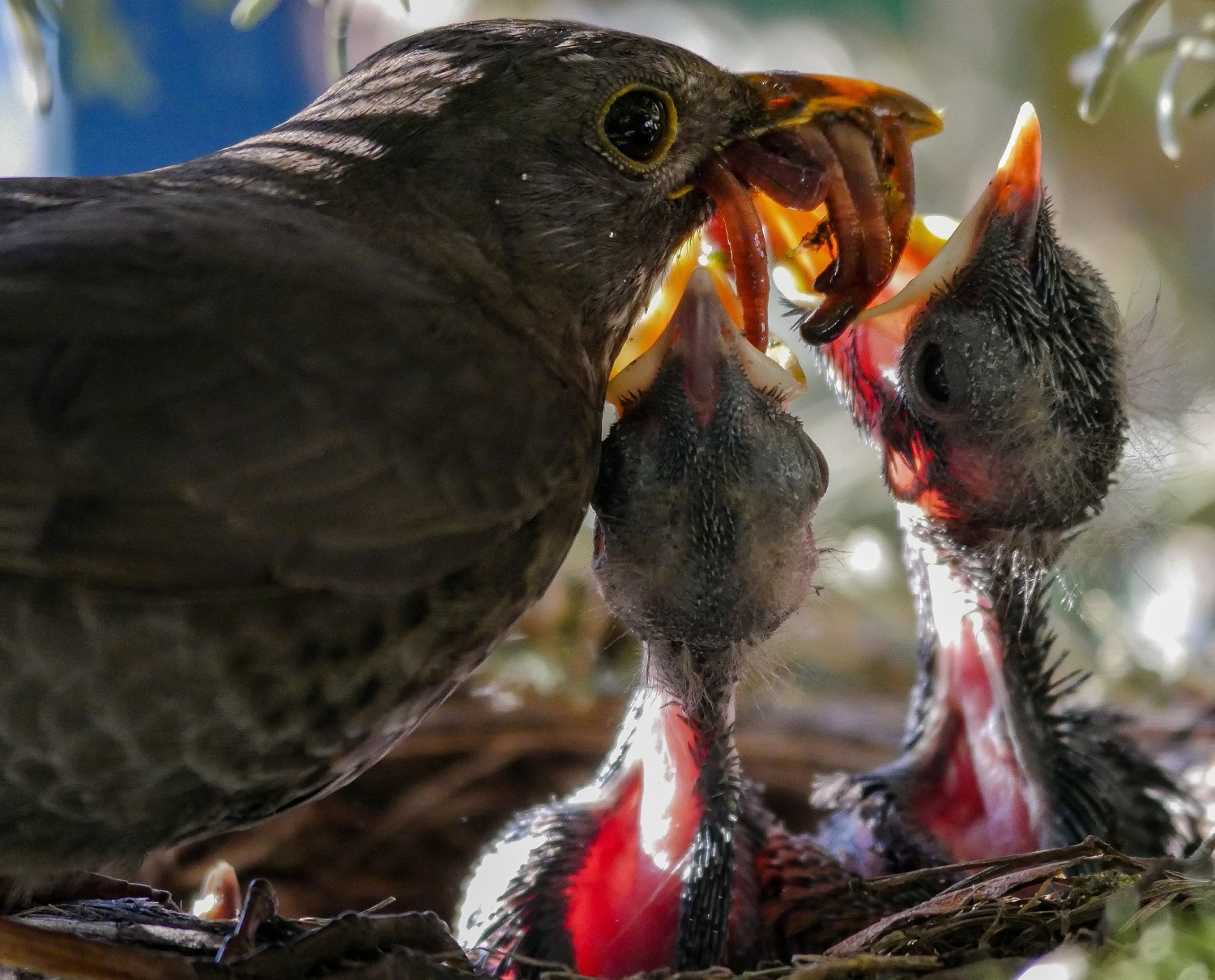
Charles Darwin calculated that there would be 53,000 earthworms in an acre of soil. That number has been adjusted upwards over the years and at the moment stands anywhere between 500,000 and a million. The reserve covers about 140 acres so, even at the lowest of modern estimates, there are 70 million earthworms in the park.

On the winter’s coldest day so far, let’s look back to the summer for a while: here is Simon Knight’s picture of a golden-bloomed longhorn beetle sunbathing among the grass stems.

Ice free drinking water

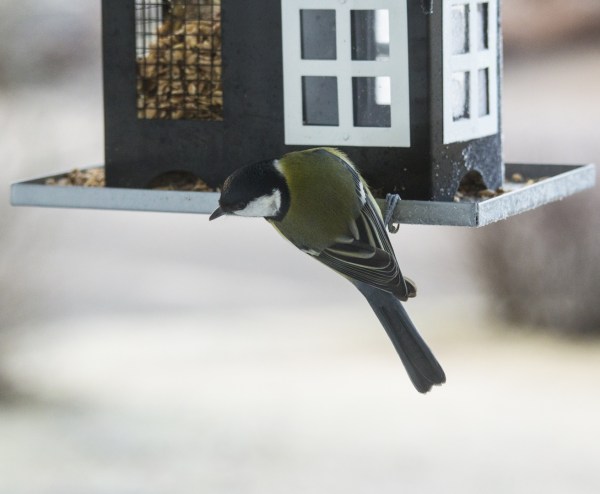
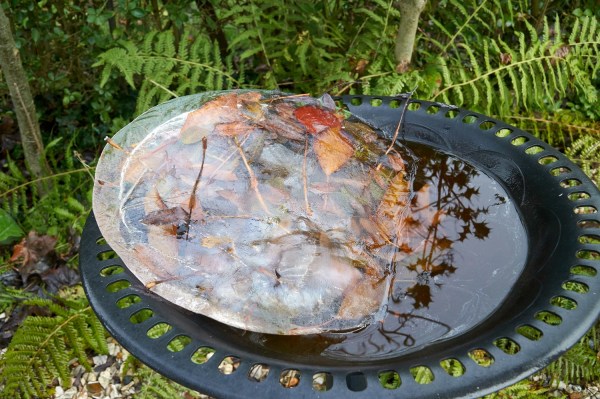
Birds need clean water for both drinking and bathing whatever the weather. We know you put out clean water for your garden visitors during the drought but please don’t forget they will need the same support as the temperature falls and natural sources of water freeze over.

Continue reading

Camouflage

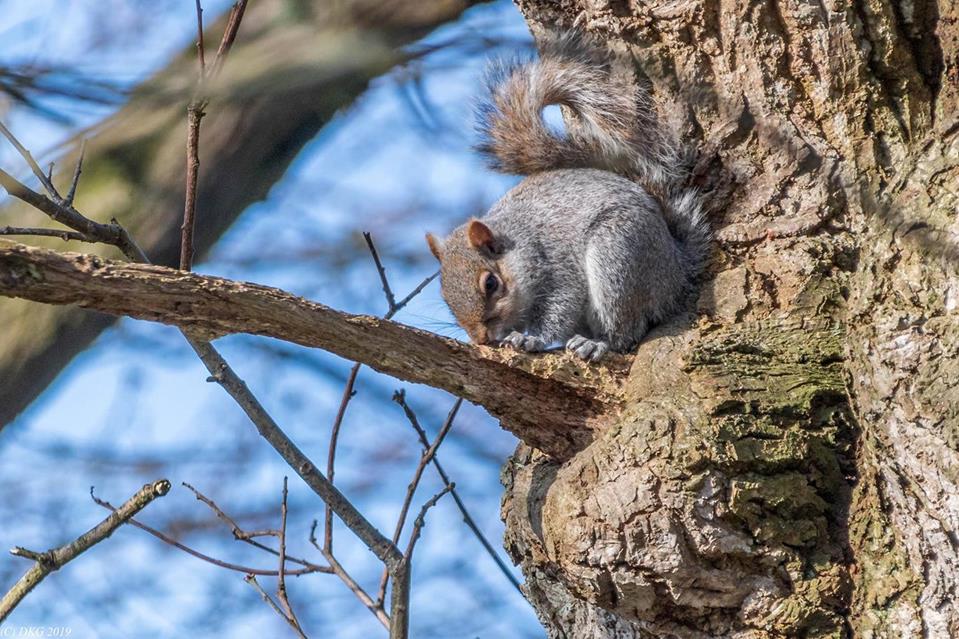
Some of our residents are really quite hard to see. Here are some of the late DKG’s pictures of the well-camouflaged.

Header picture: public domain.

Fact of the week!

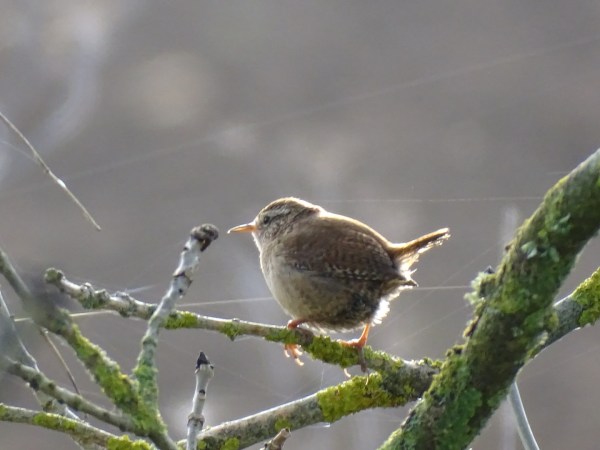
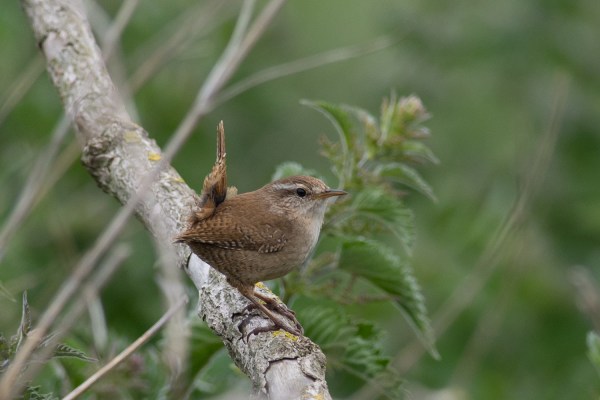
Eurasian wrens (Troglodytes troglodytes) share territories during the winter, in particular they will share sheltered winter roosts, sometimes crowding together for warmth in nesting boxes. The record number of wrens seen leaving a nesting box after a cold night is sixty three.

Header image: wren by Cheryl Cronnie

Butterfly rescue

At this time of year, if you find a butterfly fluttering on the inside of your window, it will probably be either a peacock (Aglais io) or a small tortoiseshell (Aglais urticae). It will have come in during the autumn looking for a cool, dark and sheltered place to overwinter and the gap behind the wardrobe in your bedroom must have seemed just right.

Continue reading “Butterfly rescue”

Fact of the week

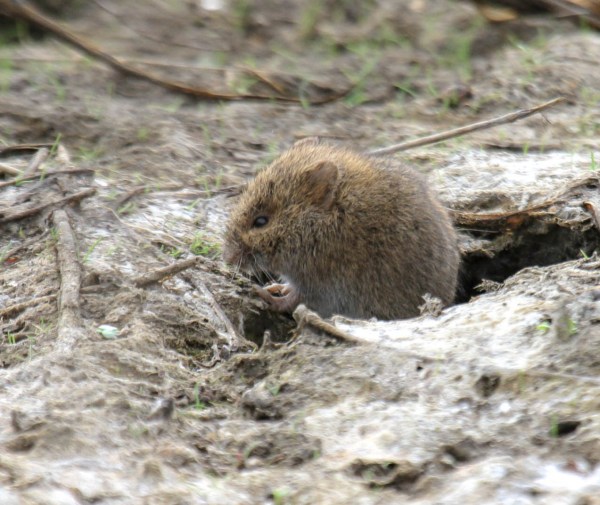
According to the sort of scientists that count things, there is only one mammal in the UK more numerous than we humans: Microtus agrestis, the field vole. The latest estimates put the field vole’s population at 75 million while our own is only 67 million.

Header image: field vole by Sam McMillan (CC BY-NC 2.0) flickr.com
Lambrok wetland areas

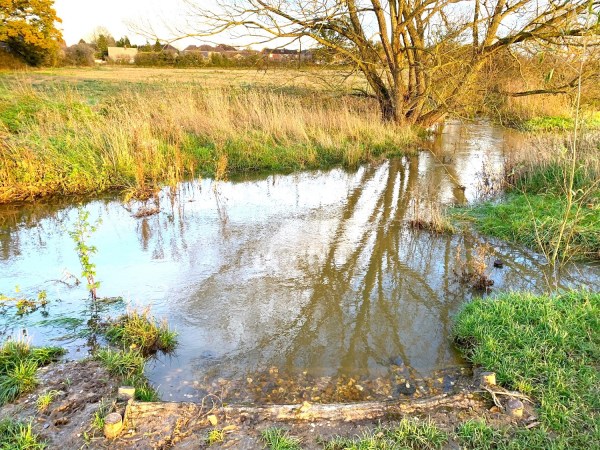
Clive Knight has sent in pictures of the wetland scrapes in Lambrok Meadow. Now that the rain has refilled Lambrok Stream and spilled into the scrapes, we can see how they are intended to develop.

Continue reading

Native reptiles

There are six species of native British reptiles and three of them are resident in the reserve: we have European adders (Vipera berus), grass snakes (Natrix natrix), and slow worms (Anguis fragilis).

Continue reading

Fact of the week

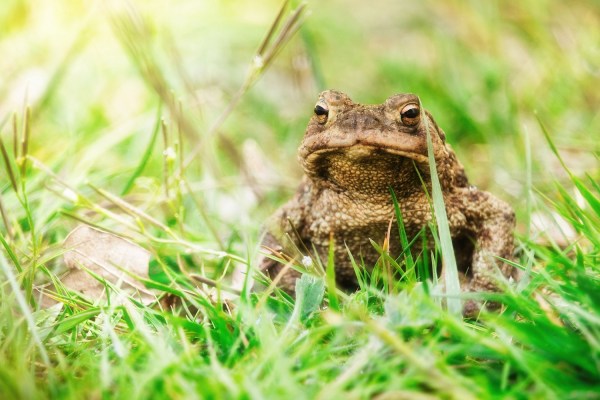
There is no scientific distinction between frogs and toads. They all belong to the order Anura and most anurans are commonly referred to as one or the other – which is why we try to use scientific names when we can.

Create a website or blog at WordPress.com

Up ↑