Flowering ivy

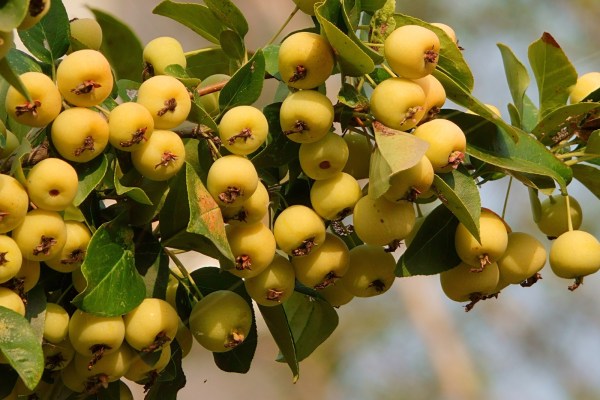
The reserve’s’s ivy flowers between September and November; each plant’s flowering season is quite short but a succession of plants flowers all through the autumn. The flowers are small, green and yellow, and so insignificant-looking that many people don’t realise that that they are flowers at all.

Read on:
Insect losses

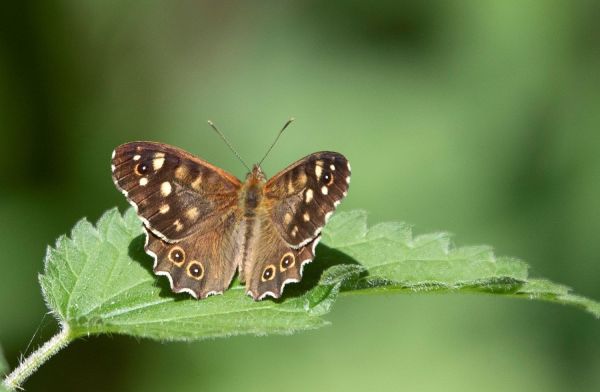
In the UK, the populations of our more common butterflies have fallen by 46% in the last 50 years while the rarer species have declined by 77%. We have lost 60% of our flying insects in just 20 years. We have entirely lost 13 species of our native bees since the 1970s and fully expect more to follow.

Continue reading “Insect losses”

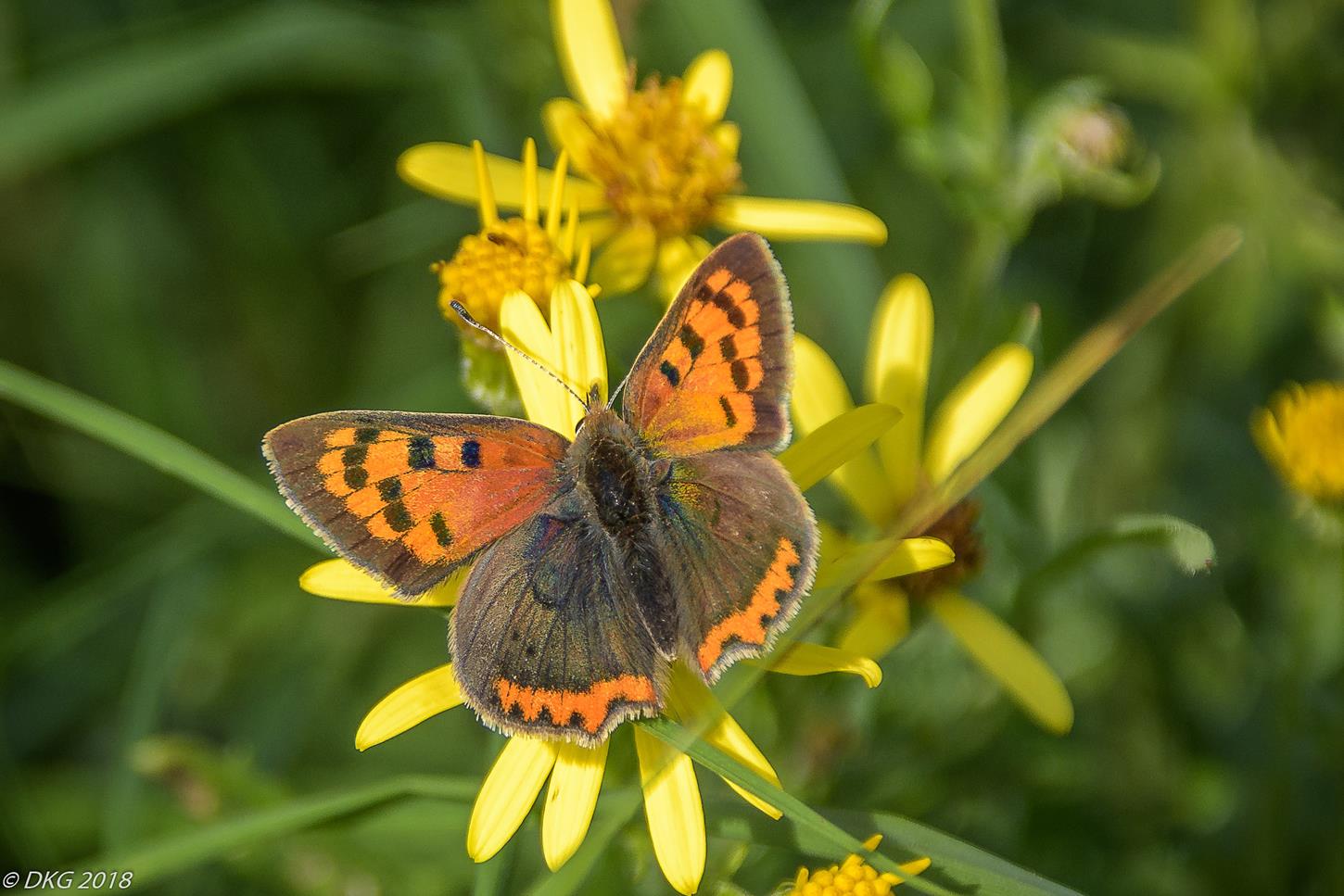
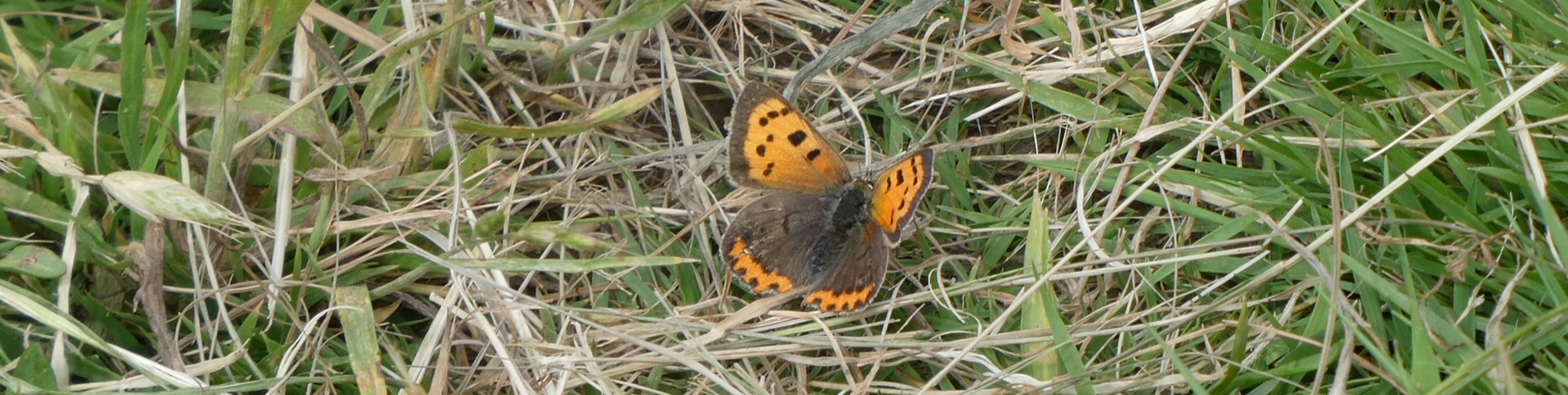
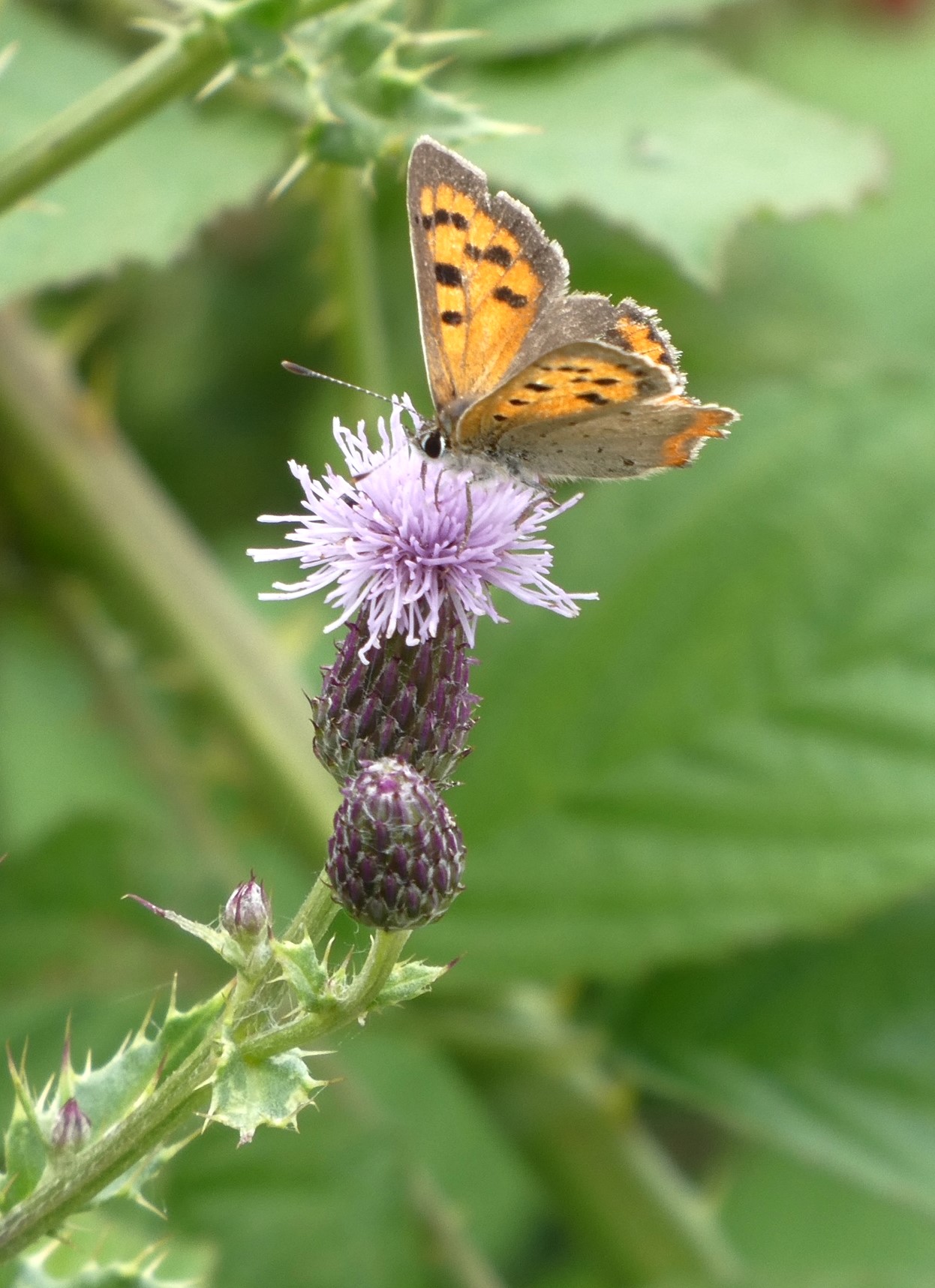
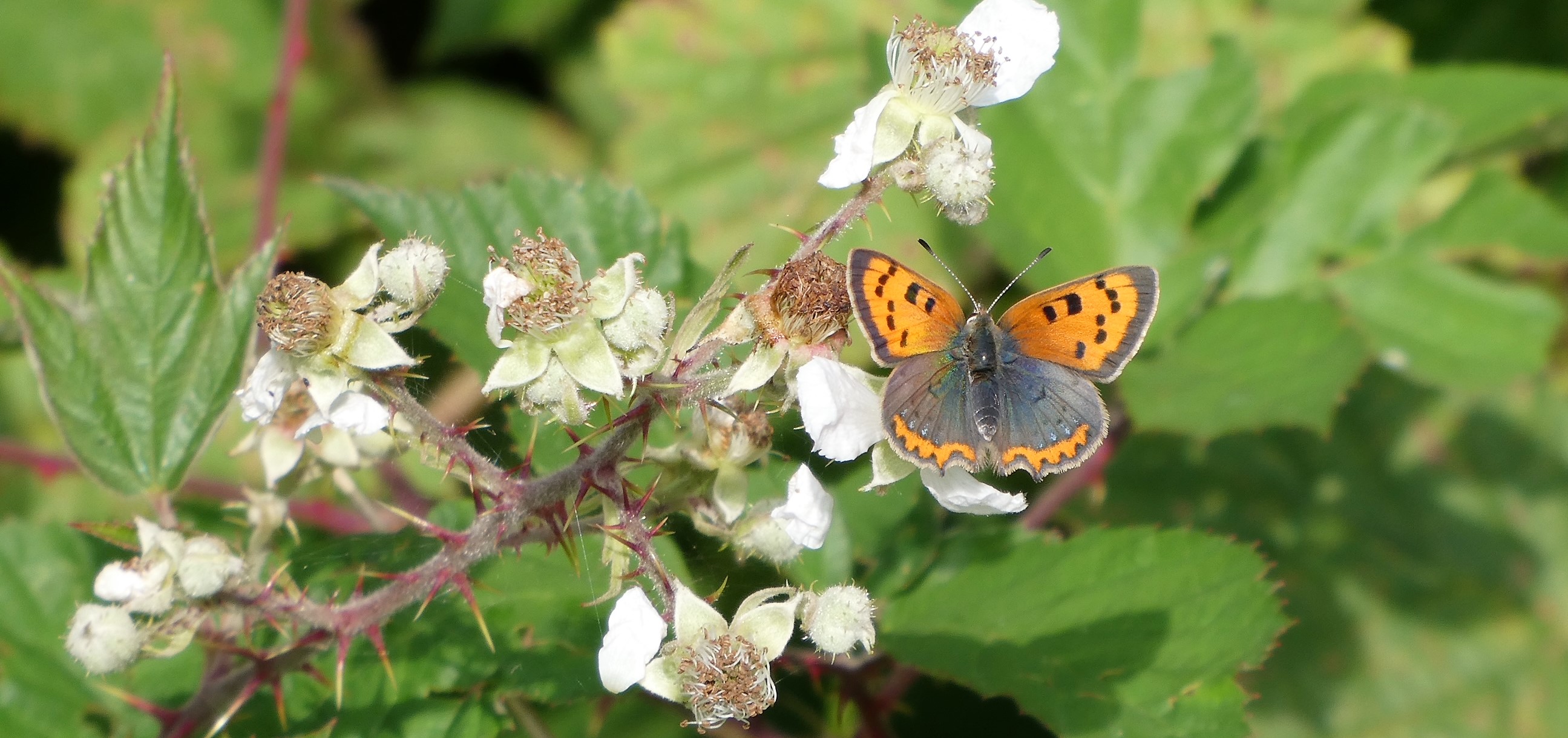
Small coppers (Lycaena phlaeas) are one of the reserve’s late summer regulars. They favour ragwort and creeping thistles, of which we have plenty: keep an eye open for this bright and colourful butterfly.

Header image taken in the reserve by Clive Knight

Emperor!

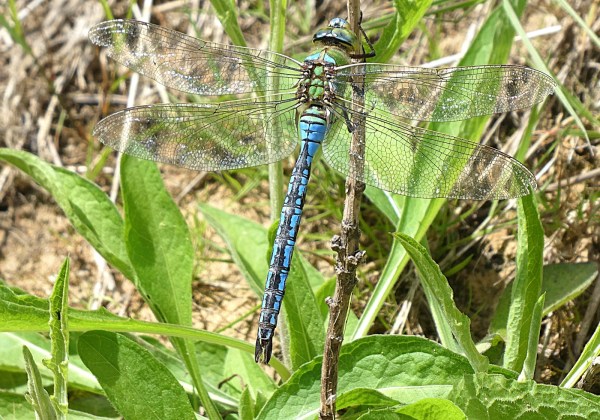
Ian has sent this beautiful photograph of a male emperor dragonfly (Anax imperator) perching among vegetation bordering one of the wetland scrapes in Lambrok Meadow.

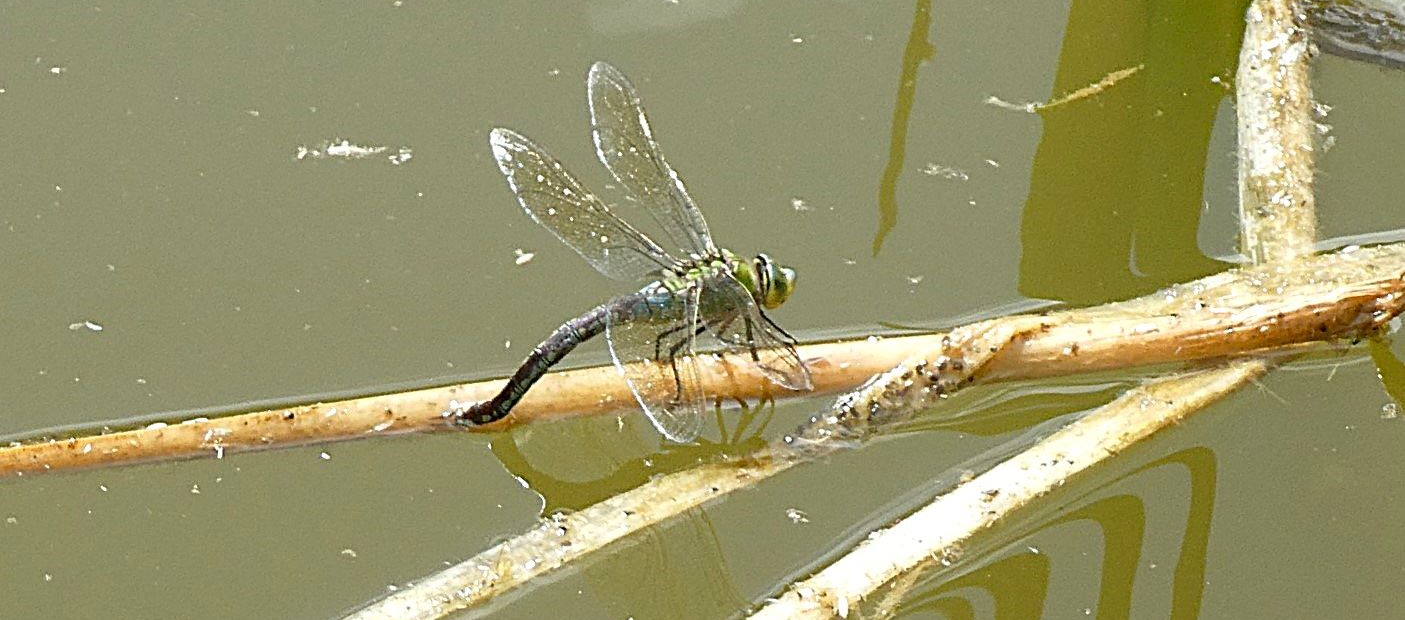
While we have known for several years that emperors visit the reserve, we haven’t been sure that they were breeding here. But below is another of Ian’s pictures, this time of a female emperor laying eggs in one of our ponds.

Images taken in the reserve by Ian Bushell

Hornets and wasps

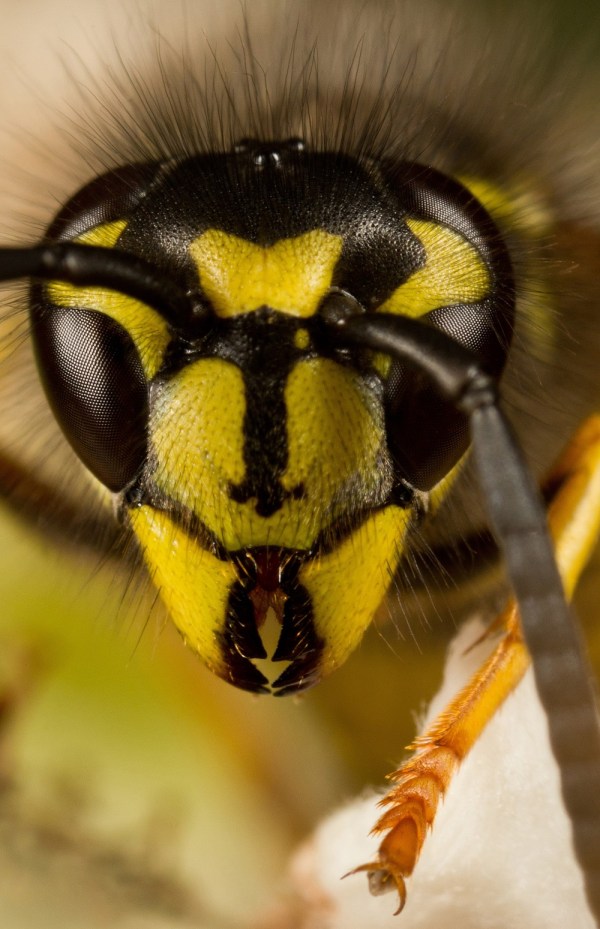
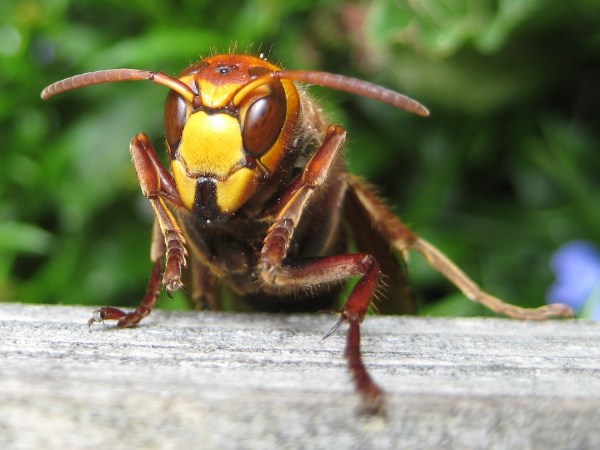
We have European hornets (Vespa crabro), common wasps (Vespa vulgaris) and German wasps (Vespa Germanica), all resident in the reserve. Here is a fascinating video of European hornets preying on wasps.

What good are wasps…?

Somebody asks this every year in the school holidays, as they wave wasps away from their picnic or soothe a painful sting with a vinegar poultice.

Continue reading

Cinnabar moth

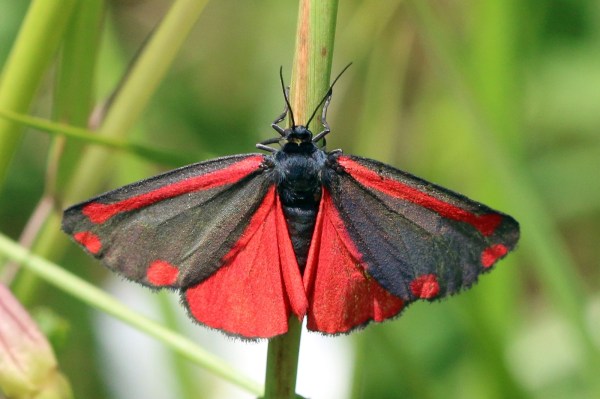
Have you found striped yellow and black caterpillars feeding on ragwort? These are the larvae of a cinnabar moth (Tyria jacobaeae), and their striped football jerseys are a danger signal.

Continue reading

Marbled white

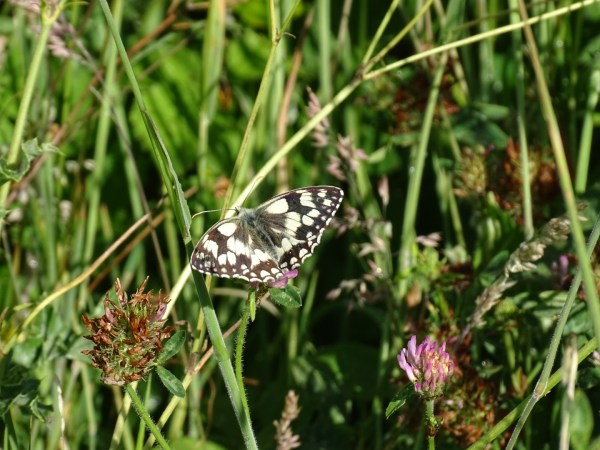
The distinctive marbled white (Melanargia galathea) is common and widespread in southern England. At this time of year it chooses unimproved meadow grassland, showing a preference for purple flowers such as wild marjoram, thistles, knapweeds and red clover. The caterpillars feed on grasses particularly red fescue.

Continue reading

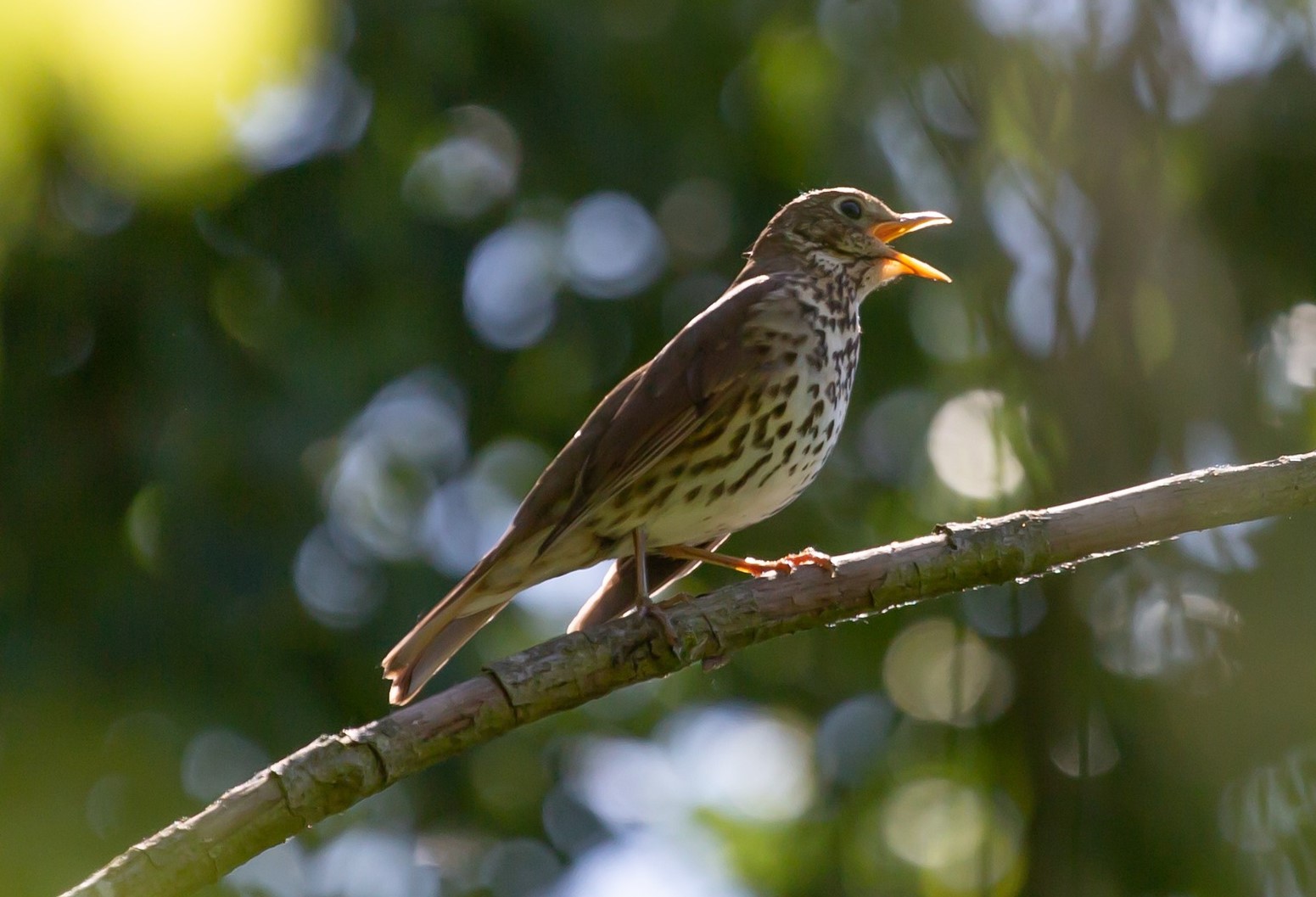
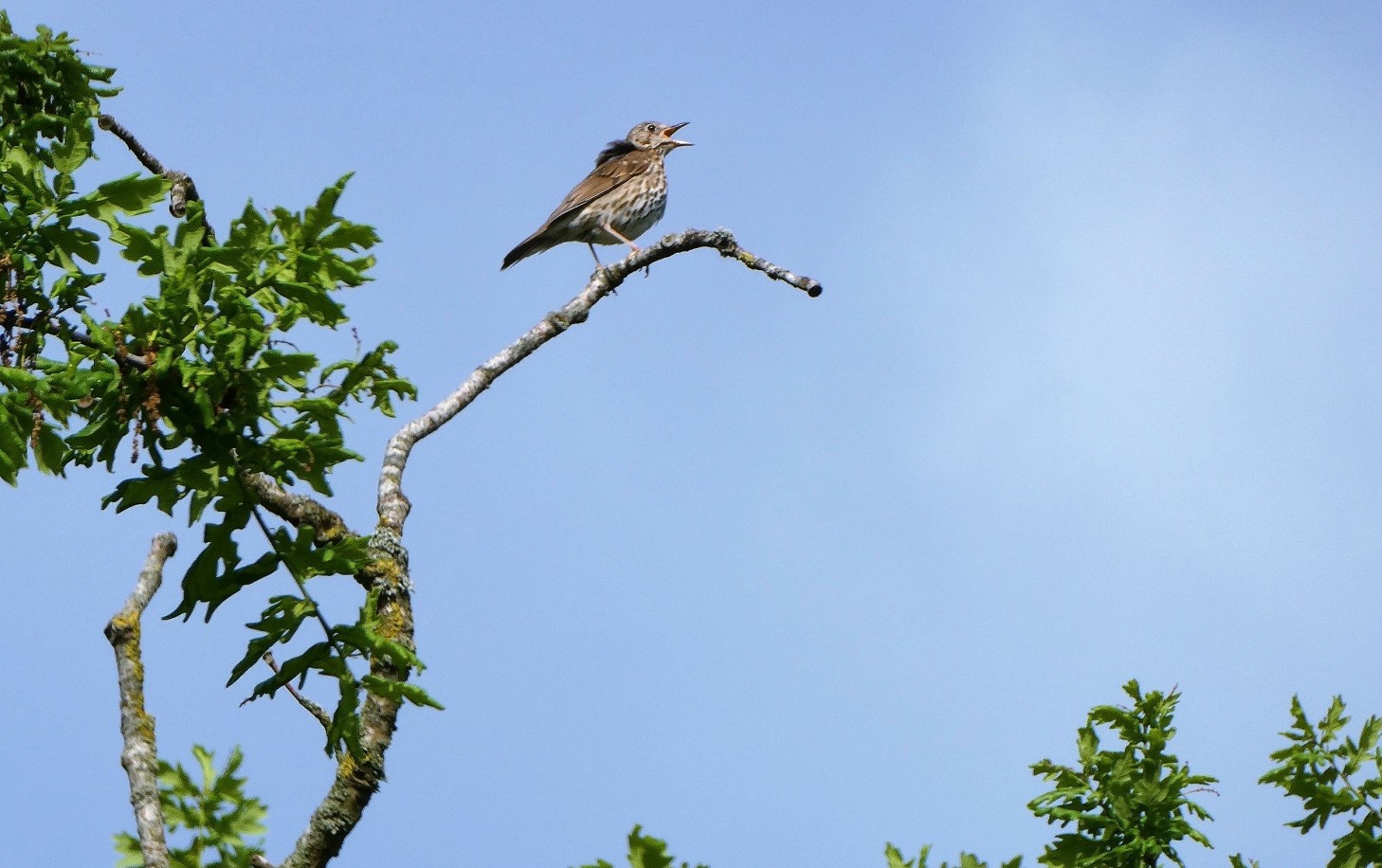
In July, our song thrushes are still singing, usually from a high perch and often after rain.

Create a website or blog at WordPress.com

Up ↑