How to tell a dragonfly from a damselfly
Dragonflies and damselflies are closely related cousins in the Odonata family but it isn’t difficult to tell them apart.
Continue reading
Dragonflies and damselflies are closely related cousins in the Odonata family but it isn’t difficult to tell them apart.
Continue reading
A flower crab spider lying in wait for unsuspecting pollinators to join it on its hogweed flowerhead.

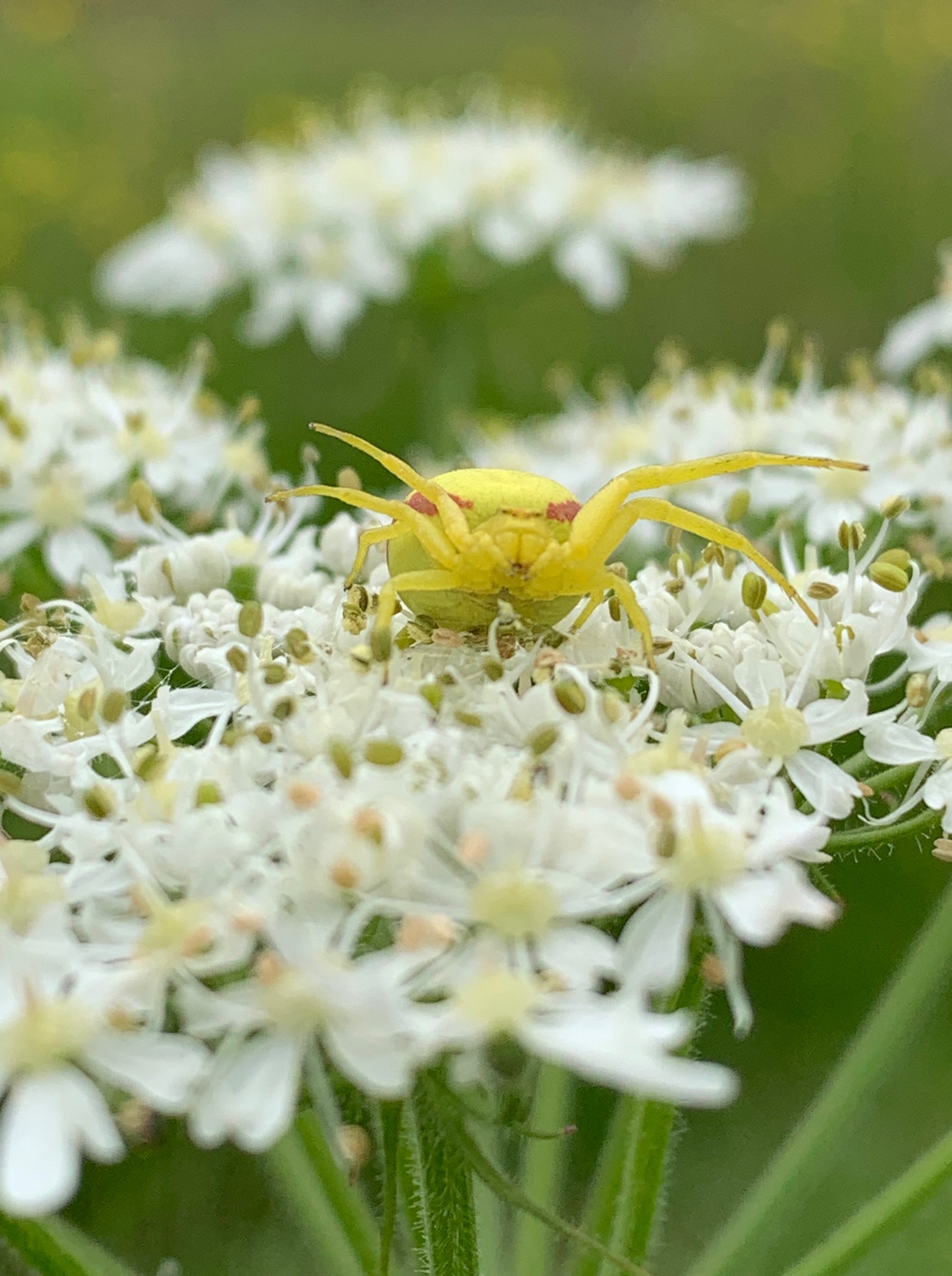
All images by Clive Knight (SCPLNR June 24)

Each year, more meadow browns are spotted in the reserve than any other species of butterfly.
Continue reading “Meadow brown”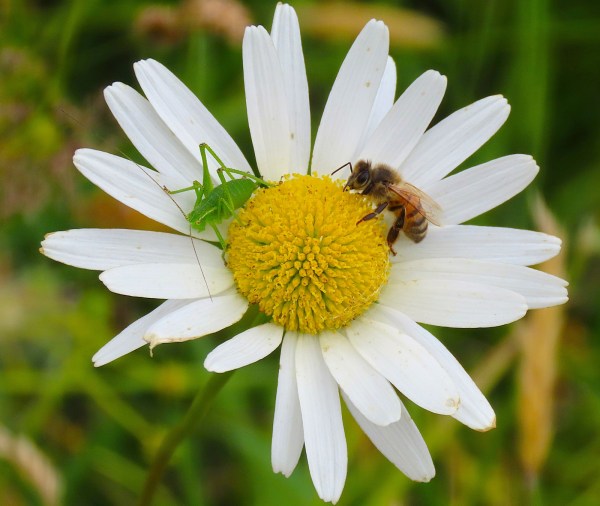
Ashley Wicks has sent us a beautiful picture of a speckled bush cricket and a honey bee sharing an ox-eye daisy. While the bee is collecting nectar and pollen for its colony, the cricket is either just passing through or is there to eat the flower petals.
Thanks Ashley!

The swarms of flying ants that interrupt Wimbledon every year are usually Lasius niger, the black garden ant.
Continue reading
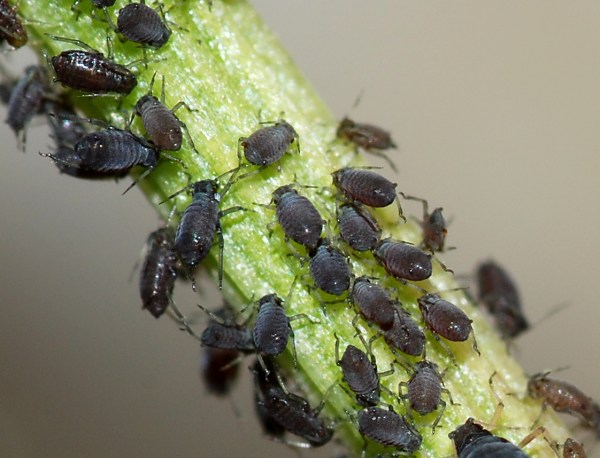
Let’s end National Insect Week with a real doozy: this is a fig gall on an elm leaf in the hedge between Sleepers and Cornfield. It is caused by Tetraneura ulmi, an elm-grass root aphid with a very complicated and quite astonishing life cycle.
Continue reading “Fig gall”
This is the penultimate day of National Insect Week, time to look at one of our more dramatic beetles: the golden-bloomed longhorn beetle (Agapanthia villosoviridescens), first identified and photographed in the reserve by our wildlife photographer, Simon Knight, in the summer of 2020.
Continue reading “Golden-bloomed longhorn beetle”
Last week, just in time for National Insect Week, Ian reported the reserve’s first nest of peacock caterpillars, late but very welcome.
Continue reading “Peacock nest”
A real mouthful of a name:
Xanthogramma pedissequum, the superb ant-hill hoverfly, a rarity spotted by Ian early on a spring morning in 2021 and added to our species list.
Continue reading
Yes, they can: unsettling news for some, we know, but nevertheless important.
Continue reading

This is one of the UK’s largest flies: a great pied hoverfly, so named for its black and white colouring. Ian photographed it at the bottom of The Race, near the Wildlife Wheel, feeding on the flowers of cow parsley. It is also called the pellucid hoverfly because, in certain lights, the pale patches on its sides are translucent: a see-through hoverfly!
Continue reading “Great Pied Hoverfly”

This is an ichneumon wasp feeding on hogweed near Lambrok Stream.
Continue reading “Ichneumon wasp”
Here’s a recipe for bee bread:

We are too inclined to think of butterflies if anybody says anything about metamorphosis: eggs under a green leaf, caterpillars, chrysalises, and the beautiful adult wings unfolding in the sunlight. But all insects metamorphose and in many different ways.
Continue reading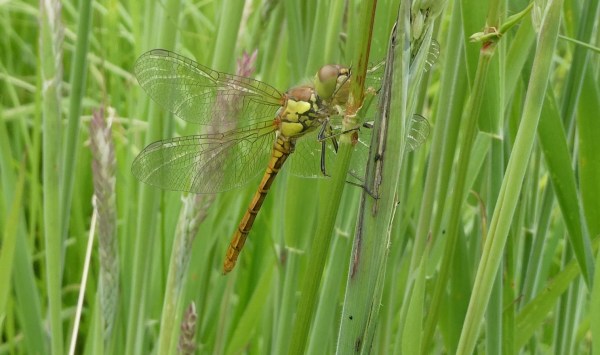
Message from Ian:
I think this is a very recently emerged female Ruddy Darter – Sympetrum sanguineum – taken on Friday June 7th near the reserve’s big pond.


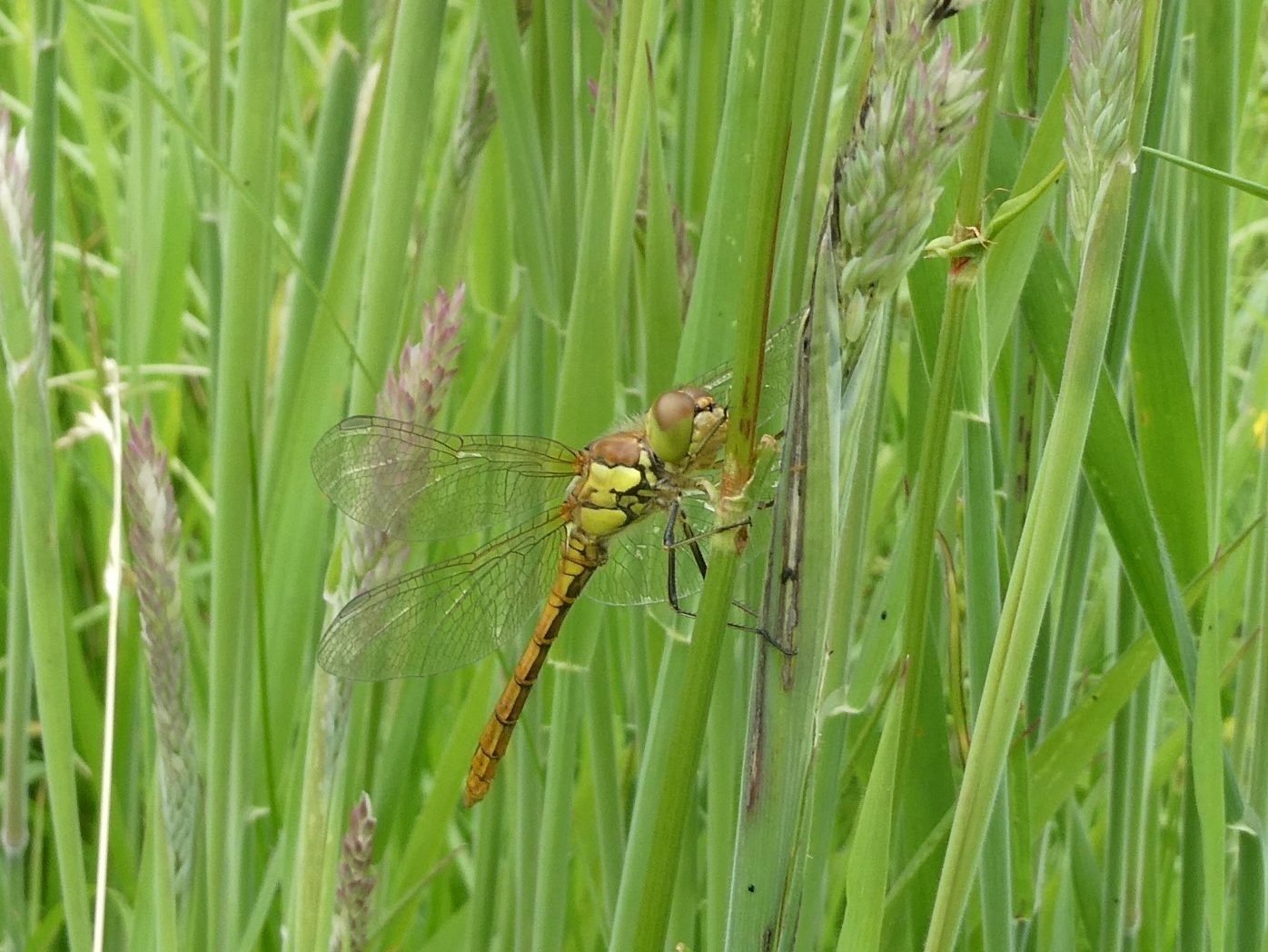
All pictures taken in the reserve by Ian Bushell


There are always drinker moth caterpillars (Euthrix potatoria) somewhere in the reserve at this time of year. You just have to know where to look.
Continue reading “Drinker moth caterpillar”
More than 80% of insect species undergo a metamorphosis of four stages.
Continue reading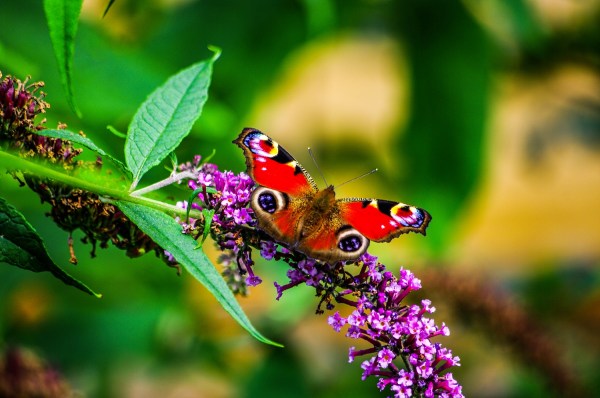
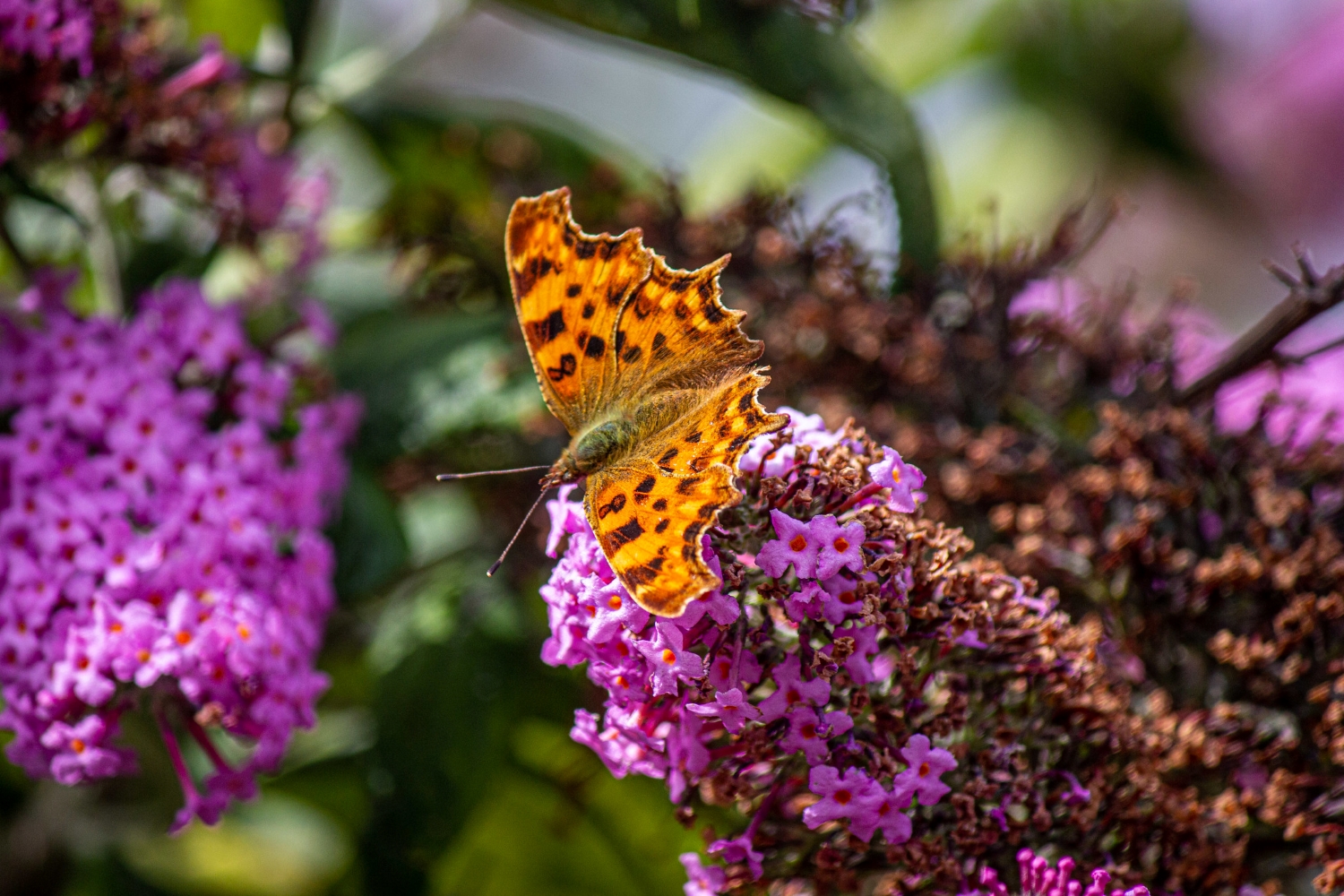
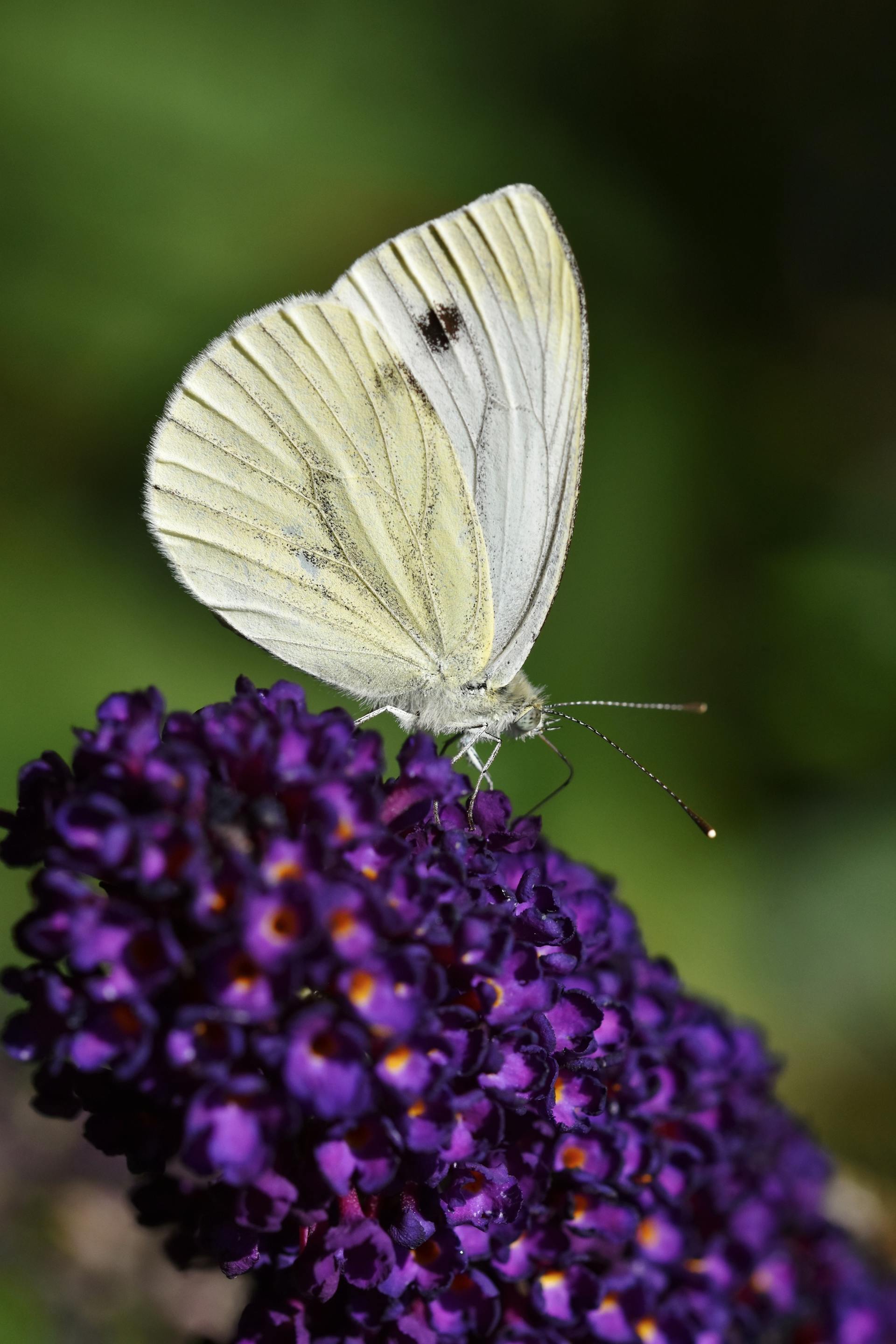
You might see all these butterflies on your buddleia this summer but they all need other, less garden-friendly, sometimes undesirable, plants if they are to complete their life cycles.


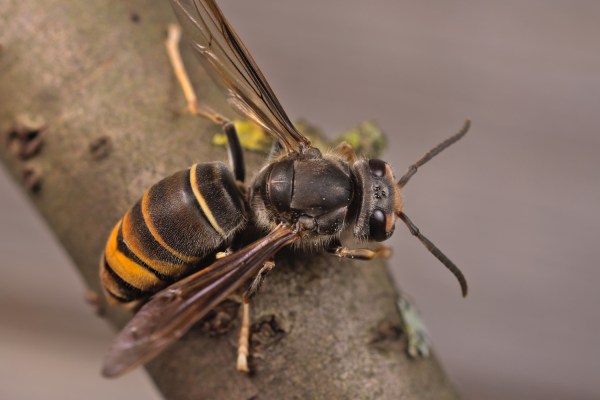
The New Scientist has reported that three Asian hornet queens (Vespa velutina) were captured in Essex in March this year, more than a month earlier than migrants from mainland Europe usually arrive here.
Continue reading “Asian hornet”


Anthropogenic evolution is evolutionary change in a species caused by alterations that we, Homo sapiens, make to the environment.
Continue reading “Anthropogenic evolution”


 Southwick Country Park Nature Reserve