Sparrowhawk
A pair of sparrowhawks hunt in the reserve.
Continue reading
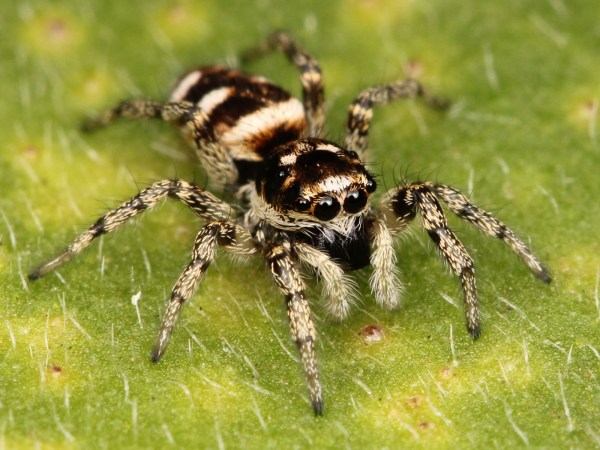
This is a jumping spider: Salticus scenicus, the zebra spider, so named for its black and white stripes.
Continue reading
For a long time, bumblebee flight was considered to be aerodynamically impossible. We know better now and are beginning to understand how such fat furry creatures can take to the air. Here is a video about their surprising flying skills:

There are thirty two species of mammal on the reserve’s lists, thirteen of them bats
Continue reading “Mammals”
Ian has sent us a picture of a red headed cardinal beetle, whose scientific name, Pyrochroa serraticornis, translates roughly but appropriately as fiery-shelled thing with serrated antennae.
Continue reading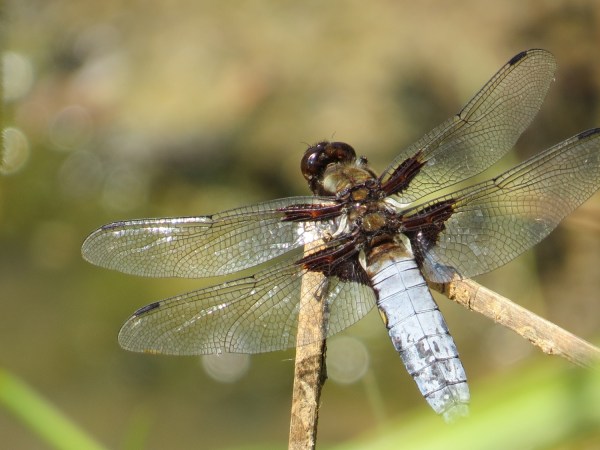
May is when the broad bodied chaser nymphs hatch into adult dragonflies.
Continue reading
Clive Knight has sent us stunning pictures of a female beautiful demoiselle (Calopteryx virgo), one of the six species of damselfly on our lists. Beautiful demoiselles like clear running water and their presence in the reserve is a testament to the water quality of Lambrok Stream.

Thanks Clive.


by Ian Bushell
This is a Common Cockchafer – Melolontha melolontha – photographed in the reserve last week. It is also called Maybug, Maybeetle or Doodlebug.
Continue reading

This post was first published in July 2018
This is a garden bumble bee (Bombus hortorum) collecting nectar in a spear thistle flower at the edge of the large pond.


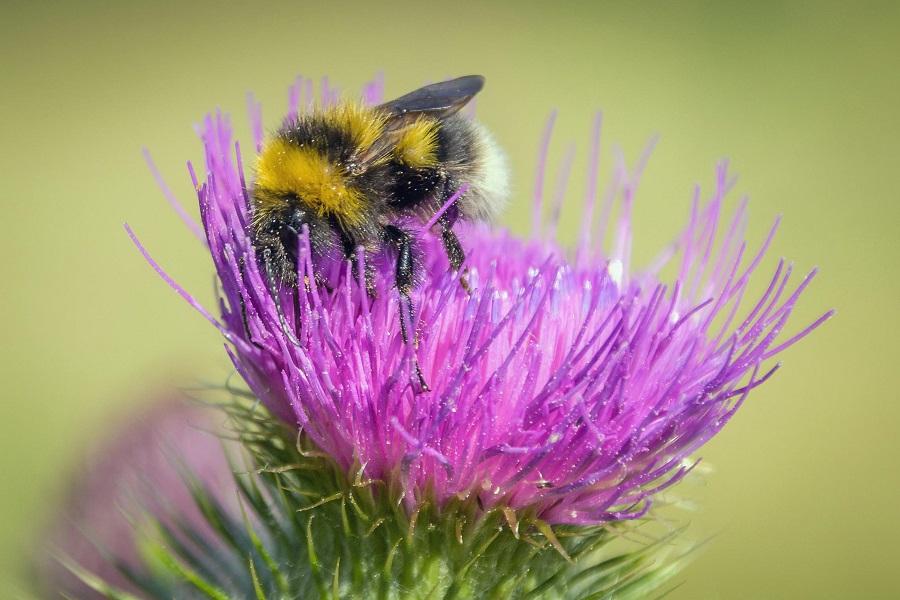

These photographs were taken by the late DKG in July of 2018
Continue reading “Garden Bumblebee”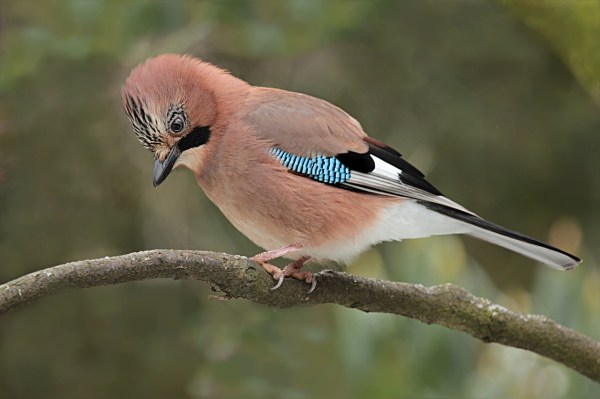
There are eight native species of corvid, of which we have six on the reserve’s species lists.
Continue reading “Corvidae”

No matter what it says on the tin, any chemical treatment that kills slugs or snails will, in some way or another, be bad for hedgehogs and, in our opinion, should be avoided.
Continue reading “Slug Pellets”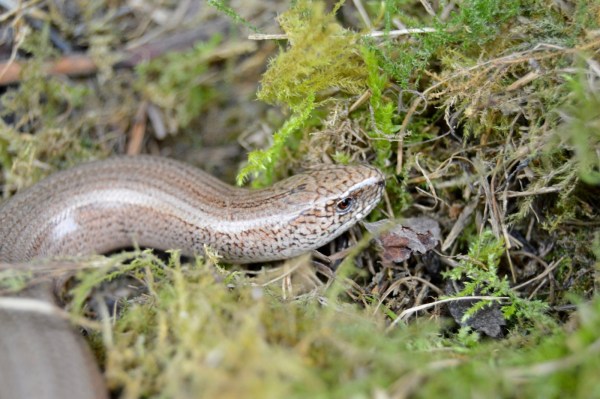
ONE: Slow worms go by many different local names: deaf adder, blindworm, long-cripple and hazelworm are just some of them…
Continue reading “Ten Facts”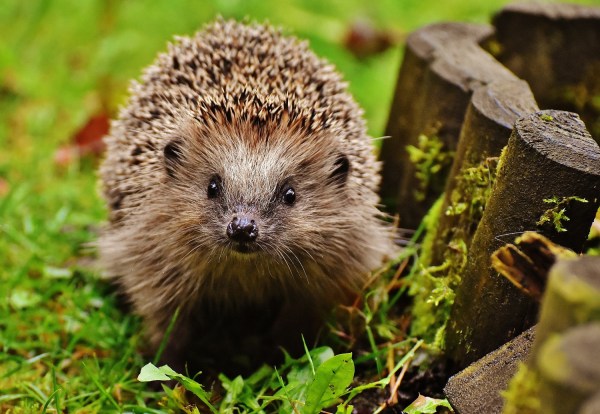
The latest research has shown that, while rural hedgehog numbers are still falling, in urban areas numbers are finally beginning to rise. Here is a video to help you make your garden hedgehog friendly and keep those numbers rising.
If you see a hedgehog, please record the sighting on the BIG Hedgehog Map; the more information we have about the species, the more we can help.

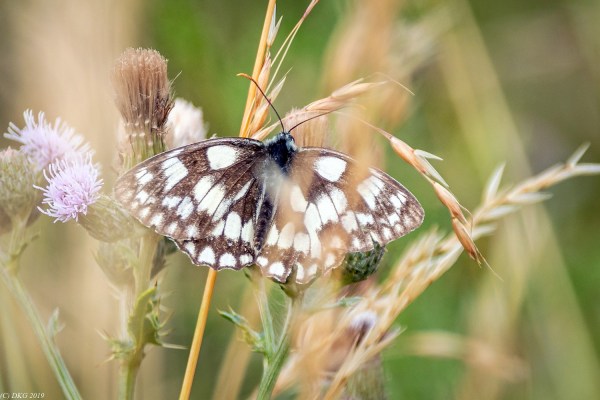
There are 59 species of butterfly resident in the British Isles and our native grasses are the major or sole foodstuffs of the larvae of around a fifth of them.
Continue reading “Grass”
Have you joined Plantlife’s No Mow May Movement yet?
Continue reading “No Mow May”
Here are two shieldbugs from our species lists: a hairy shieldbug (Dolycoris baccarum) and a cabbage shieldbug (Eurydema oleracea). Both were spotted last year in the heritage orchard.
Continue reading
Here is a link to the results of the RSPB’s Big Garden Birdwatch 2024, the latest in the Society’s 45 year-long experiment in citizen science. Please click the link and read their post – if we don’t recognise the magnitude of the problems we face, we might not have the resolve the tackle them.
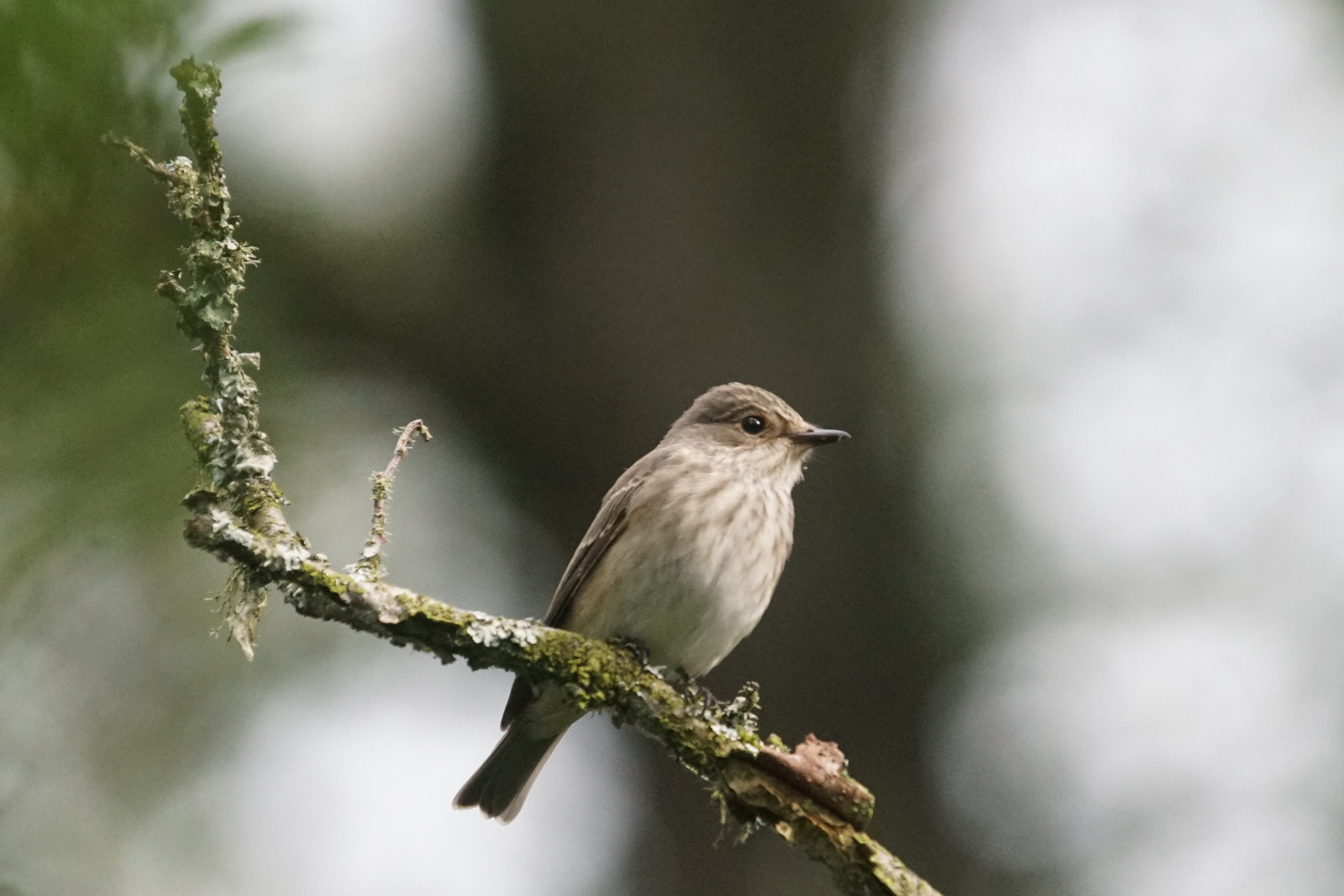


The Garden Birdwatch concerns itself with the most frequently seen species; here are some of the rare Red Listed birds that are resident in, or passing through, the reserve: spotted flycatcher, mistle thrush, greenfinch, skylark and common swift
Header image: Fieldfare © Teresa Reynolds (CC BY-SA 3.0)

The reds, yellows and browns in this picture of a butterfly’s wing are the result of pigments in the scales on the wing’s surface – but not the blue.
Continue reading “Blue”
A dandelion crammed with tiny bronze-black beetles.
Continue reading “Common pollen beetle”
Ashley Wicks, a regular visitor to the reserve, has sent us a picture of a very early red admiral.
Continue reading
Here is a livestream from a piece of English broadleaved woodland, just like ours.
Header image: Tawny owl © Keith Morgan (CC BY 2.0)
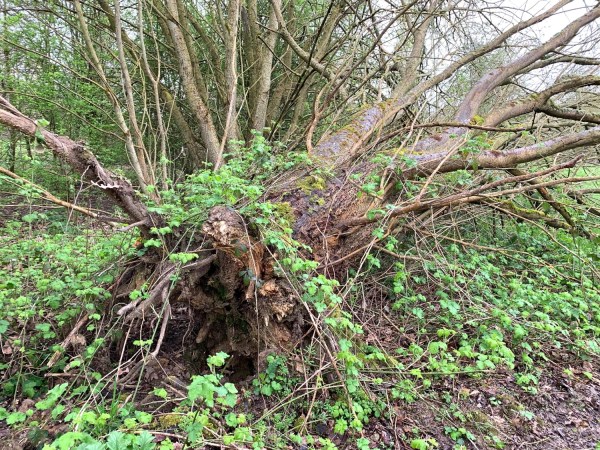
A combination of waterlogged roots and high winds brought down an old and decaying goat willow (Salix caprea) on the edge of the Arboretum, near the oak with the chestnut paling fence. Last week, the Wednesday work party spent the morning cutting back the branches and using them to build wildlife sanctuaries.
Continue reading


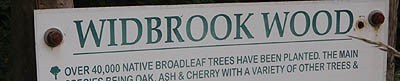

 Southwick Country Park Nature Reserve