Native or not?
The rabbit (Oryctolagus cuniculus) is usually classed as a non-native introduction to the UK, but it seems that in the past there may have been native rabbits here.
Continue reading
The rabbit (Oryctolagus cuniculus) is usually classed as a non-native introduction to the UK, but it seems that in the past there may have been native rabbits here.
Continue reading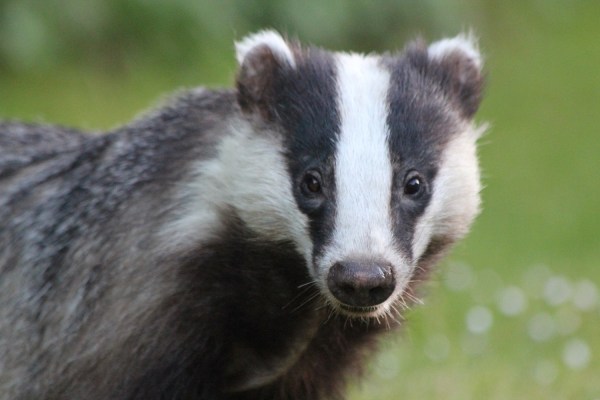
What are our badgers doing as November, Wiltshire’s wettest month, begins with a named storm?
Continue reading
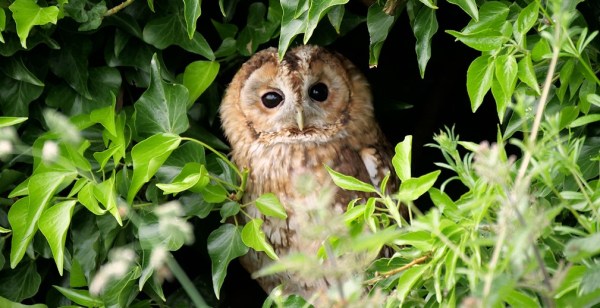
When you are out trick-or-treating this Hallowe’en and you hear a tu-whit tu-whoo noise, go carefully because it isn’t an owl.
Click for audio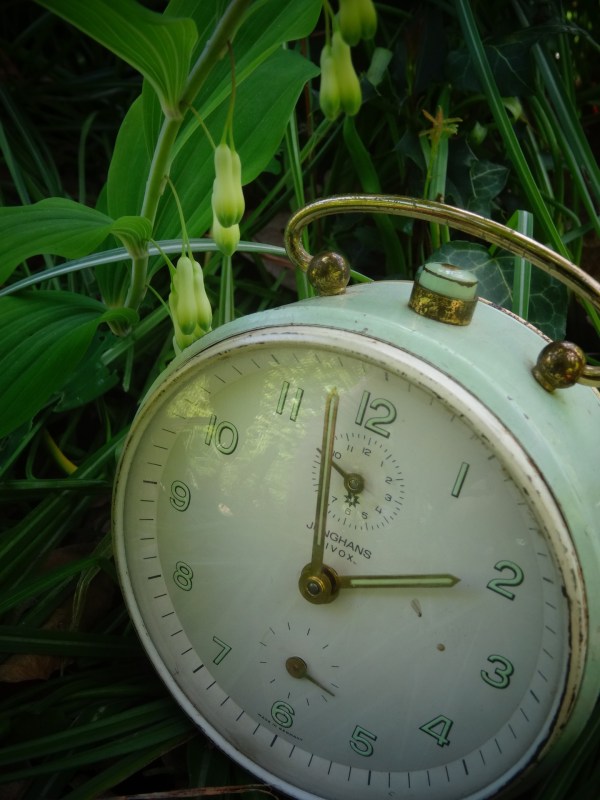
The clocks go back tonight; the nights, which have been getting longer since the autumnal equinox, will seem extra long and especially dark now just in time for Hallowe’en. We cosy up in front of the fire and scare each other with ghost stories, but out in the reserve, the ratio between daylight and dark triggers many natural processes.
Continue reading “Dark nights”
Our in-house wildlife photographer, Simon Knight, obsesses about wasp spiders, Argiope bruennichi, strikingly beautiful immigrants from mainland Europe that are thriving as our island’s climate warms. Here are some of his pictures for Hallowe’en.


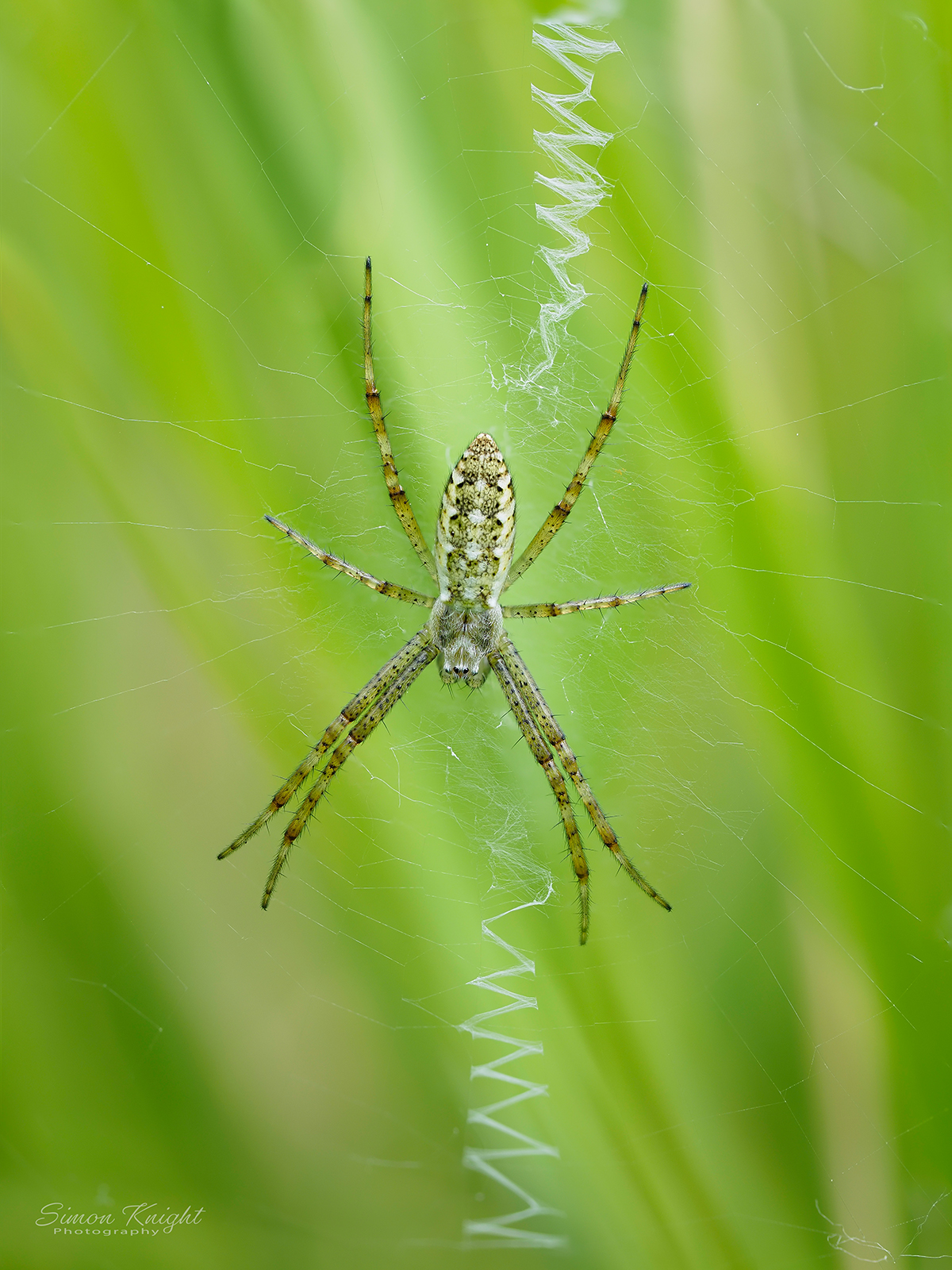

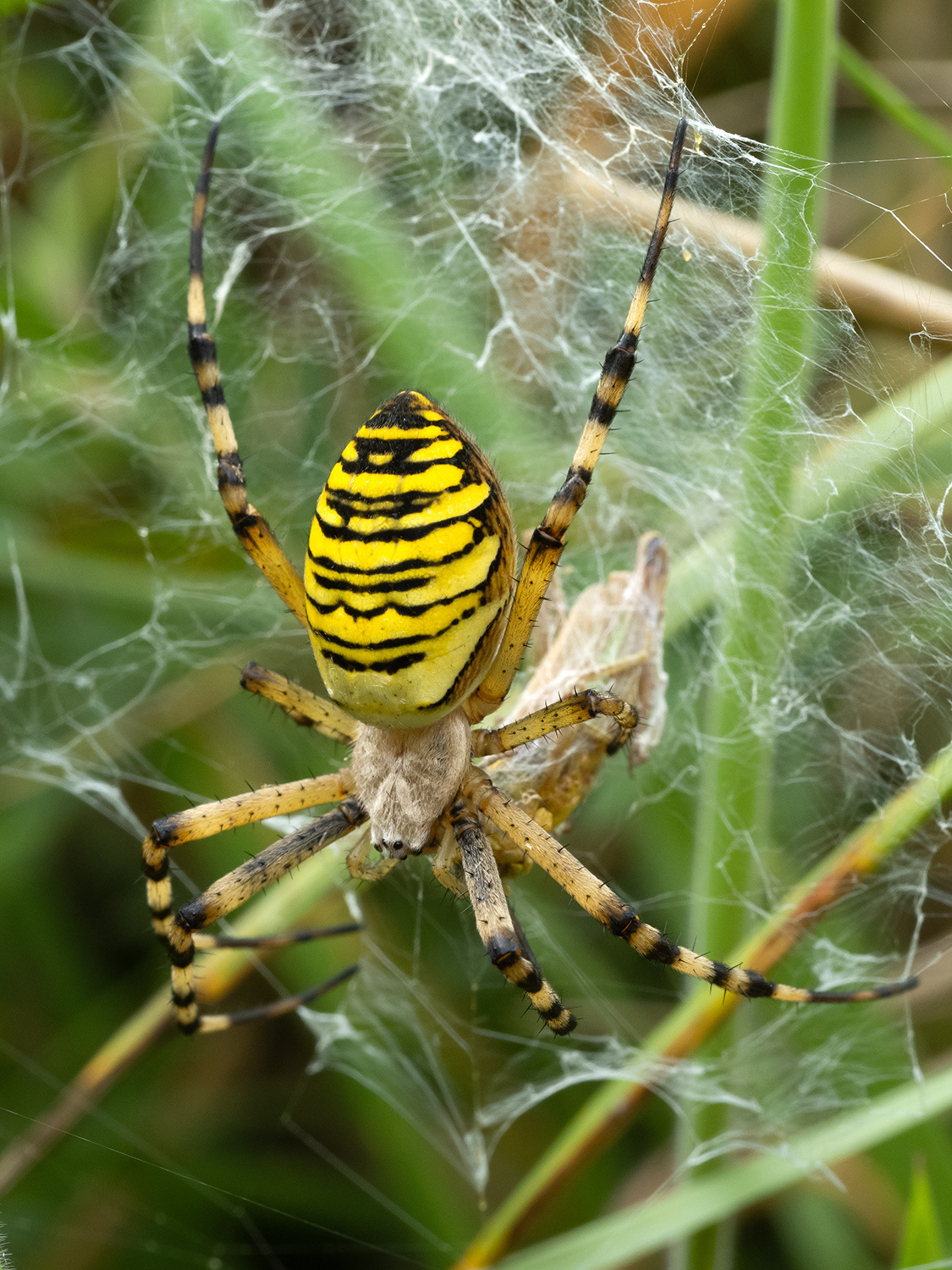
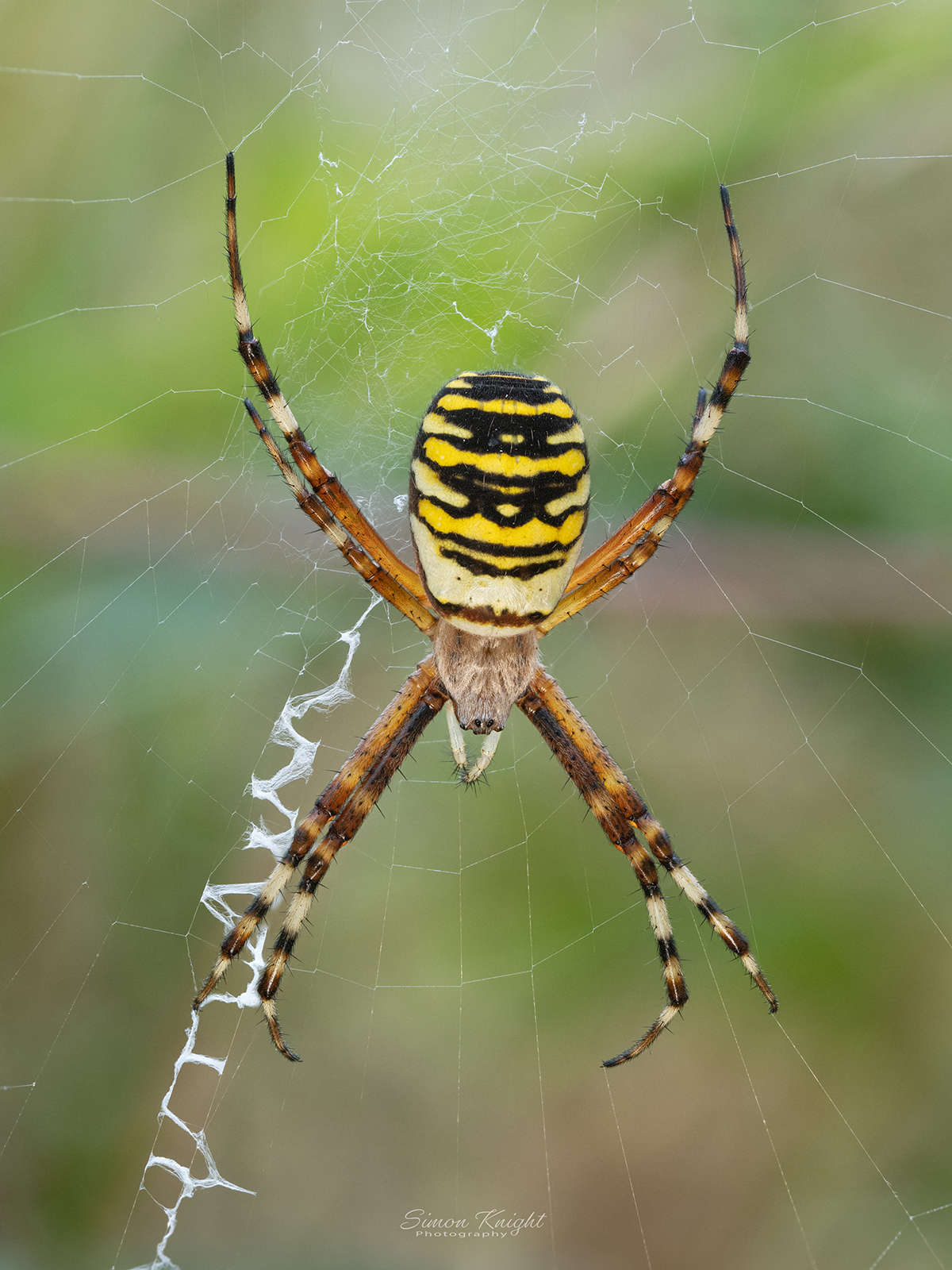
Check out Simon’s 2024 Southwick Nature Reserve calendar.

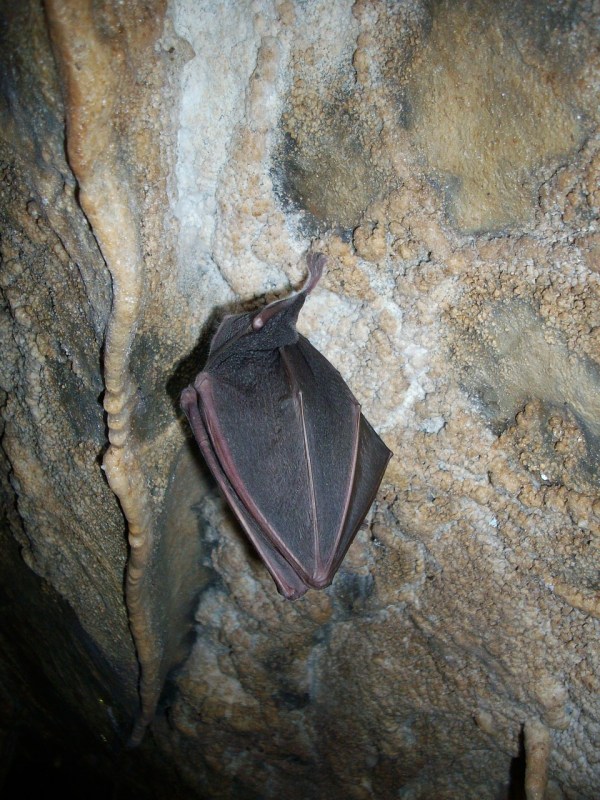
It’s a week to Hallowe’en so we are going to focus on the creatures of the night….
Continue reading
by Simon Knight
The reserve has given me a lot over the past few years.
Continue reading “Reserve 2024 Calendar”
There is a problem at the wooden footbridge into Village Green.
Continue reading “Work party”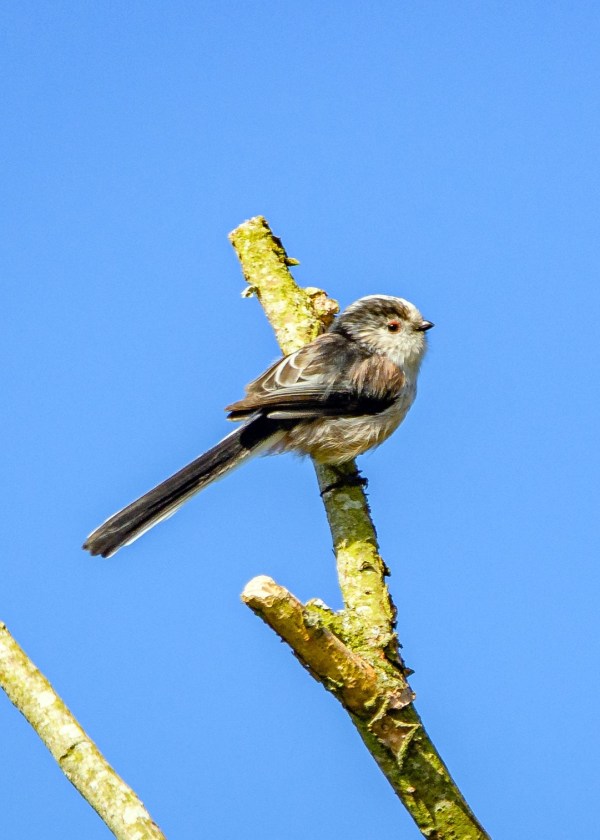
A look back to 2019: a long tailed tit photographed in the reserve by DKG.
Continue reading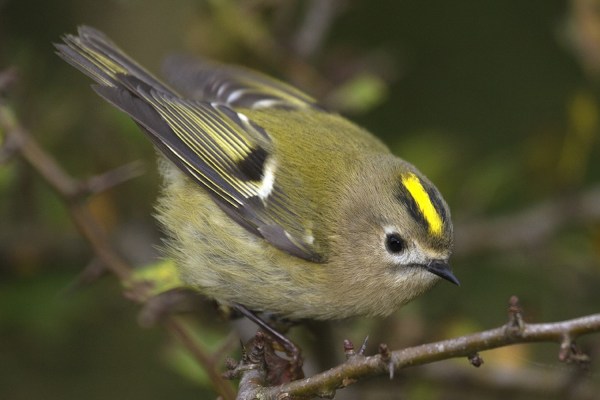
From one of the UK’s biggest birds to two of its smallest. Goldcrests are resident in the reserve but we have not identified a firecrest here yet. Their UK numbers are rising so we live in hope. Here is a video from the excellent BTO Bird ID series to help you identify these two tiny birds.

by Ali Rasey
We had a cygnet episode at Southwick Country Park Nature Reserve!
Continue reading “To the rescue”

This is Dysdera crocata, the woodlouse spider.
Continue reading “Woodlouse spider”
The UK has three species of snake, the adder (Vipera berus), the smooth snake (Coronella austriaca) and the grass snake, recently re-classified as Natrix helvetica.
Continue reading
Wikipedia defines bioturbation as the reworking of soils and sediments by animals or plants. Here is a video of a system with and without soil fauna such as earthworms, mites and isopods over a 15 week period: this is what is happening to the fallen leaves all over the reserve.

Grey squirrels can’t hibernate; their metabolism won’t let them put on enough weight to sleep through the winter.
Continue reading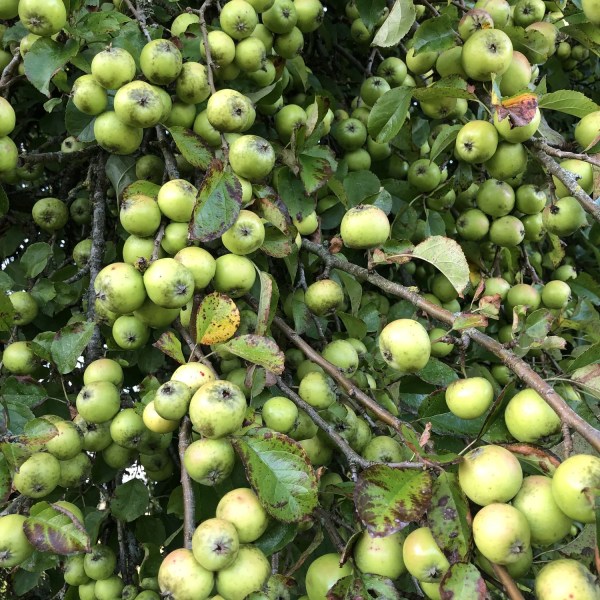
ONE: Crab apples trees are an ancient symbol of fertility, associated with love and marriage.
Continue reading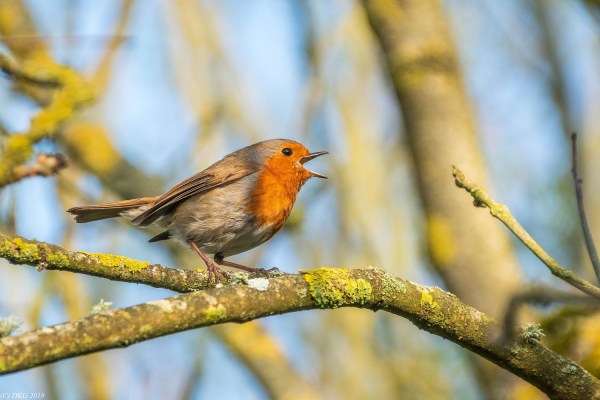
During the spring and summer, robins’ pair up and defend a joint territory, chosen specifically for its nest site and the nearby availability of invertebrate food suitable for nestlings. Now, at the end of September, those pairings have broken down and each bird holds an individual winter territory which it will defend fiercely: robins have been known to fight to the death over territory.
Continue reading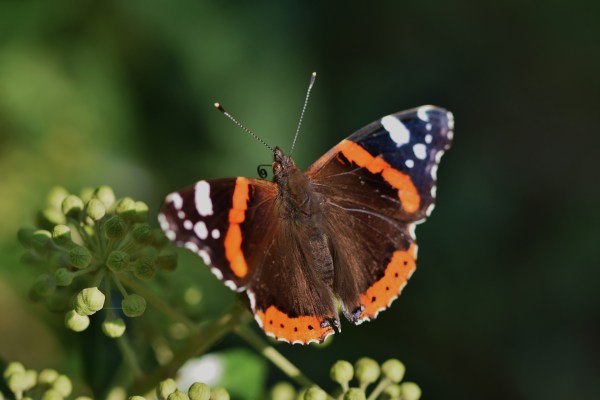
by Ian Bushell
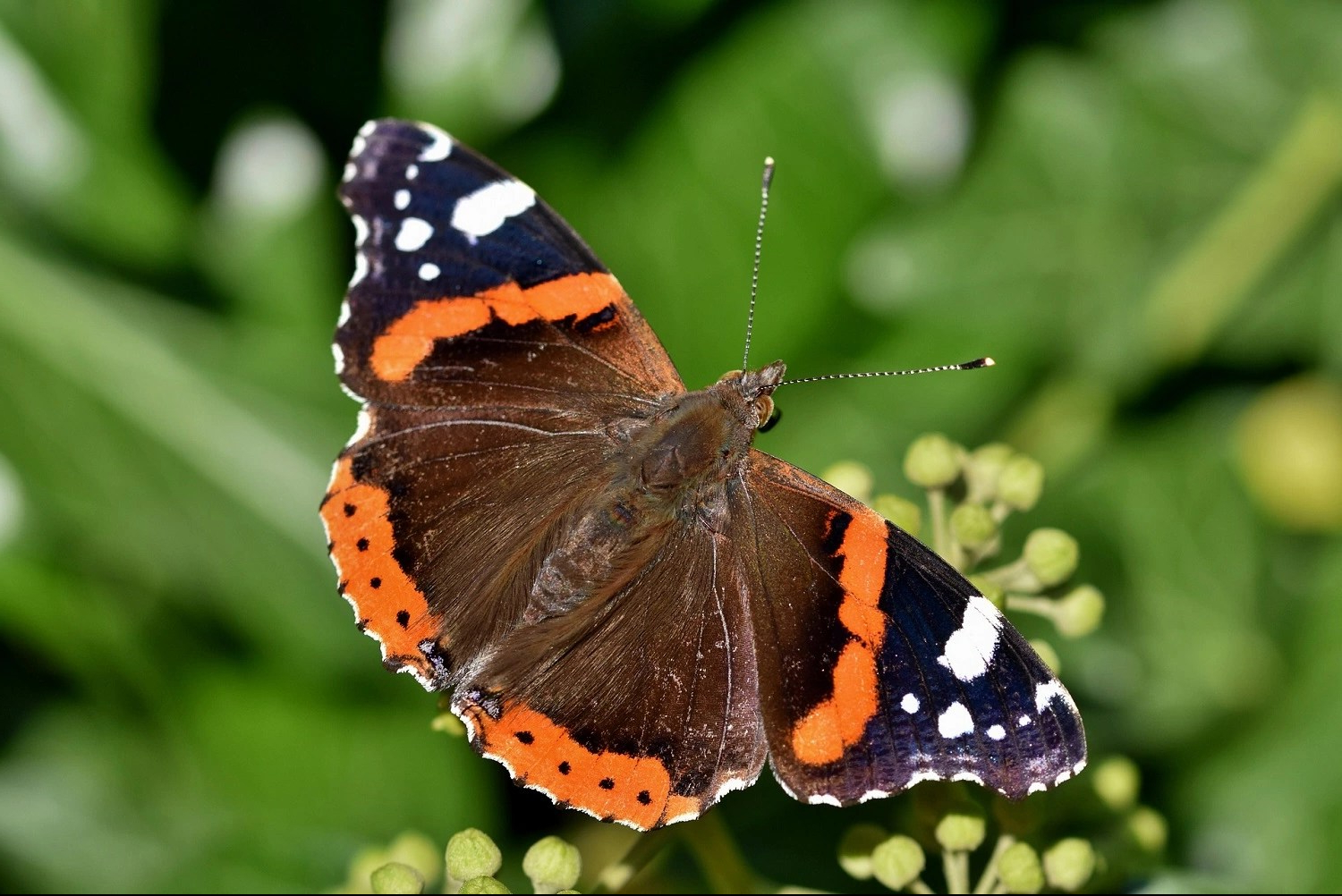
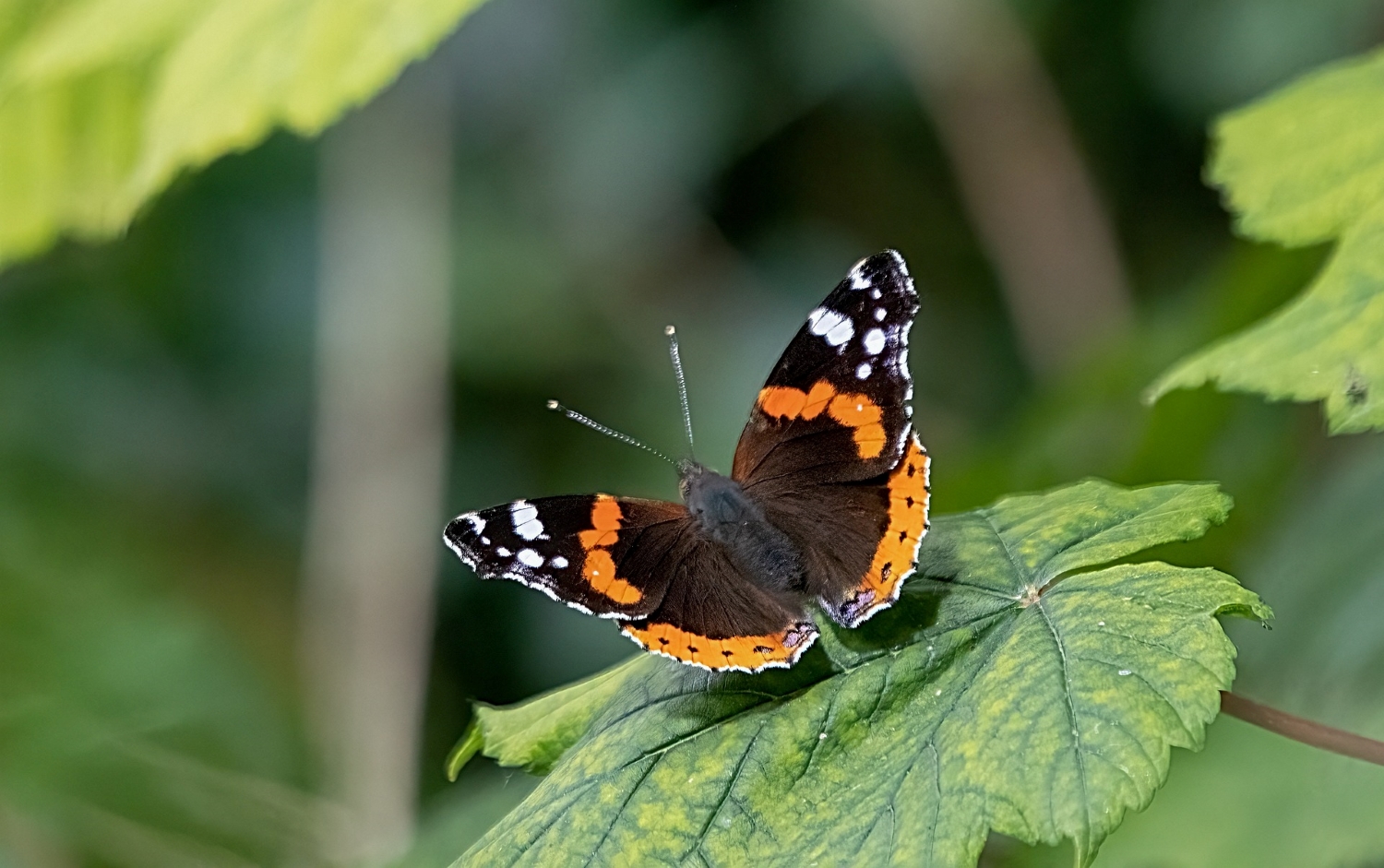
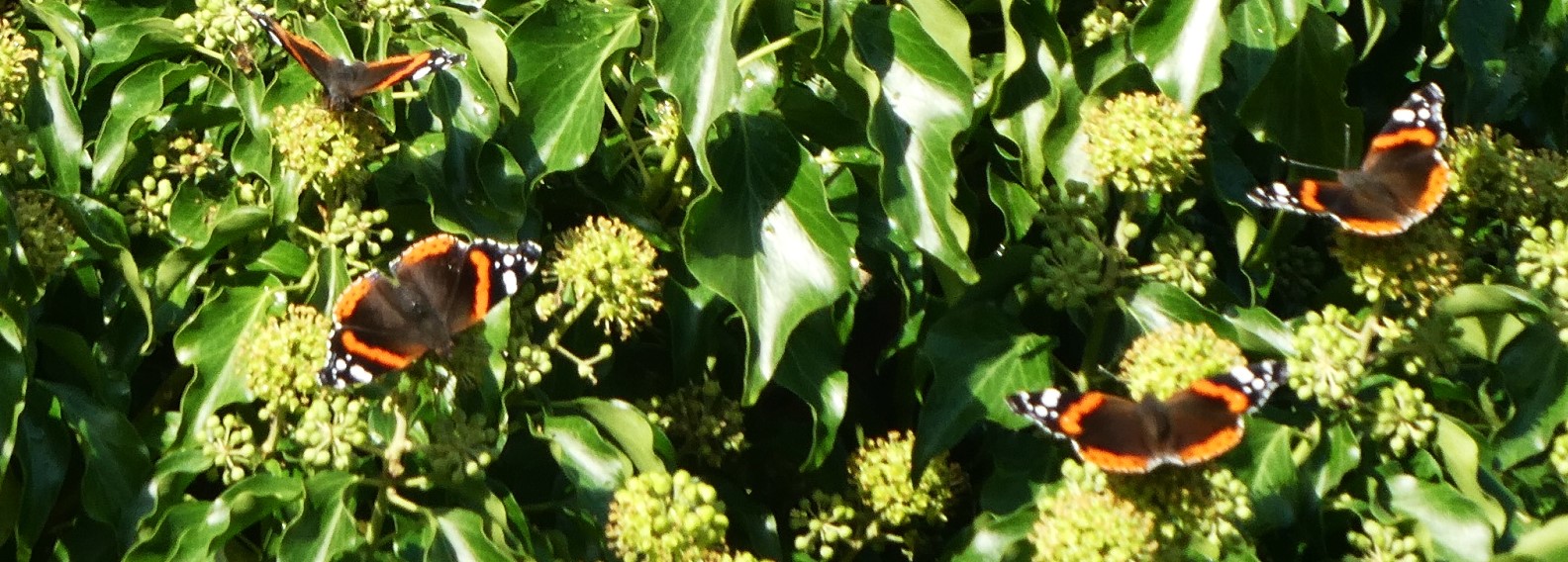
After the article on Sunday about the Small Copper, I have noticed at the reserve that there are many Red Admirals flying around. I can guarantee seeing some almost every time I visit but I was stunned over this weekend to see so many. There is Ivy now in flower and the most I have seen around a flowering Ivy bush are at least a dozen.
I don’t know whether these are the latest hatchings [from the nettle beds] that will migrate or possibly over winter here, or if they are the latest wave of immigrants from mainland Europe. I suspect that they are hatchlings because they are all absolutely pristine and beautiful.



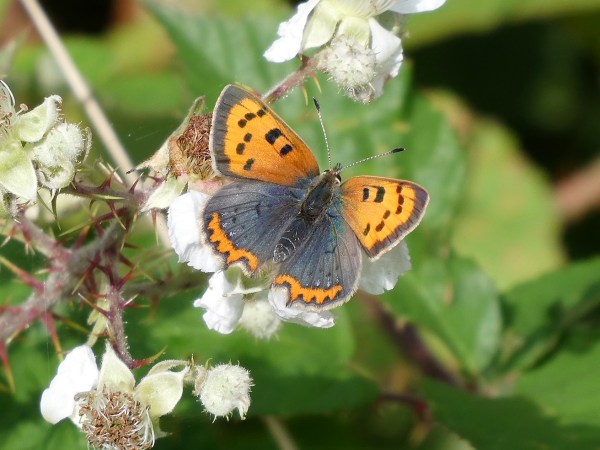
One of the delights of September is a pristine, newly hatched, late brood small copper butterfly.
Continue reading “Small copper”
We rattle on about the reserve’s biodiversity, its species-rich hayfields, the insect life buzzing through the hedges and our woods filled with birdsong but we pay scant attention to its most biodiverse habitat, the soil.
Continue reading
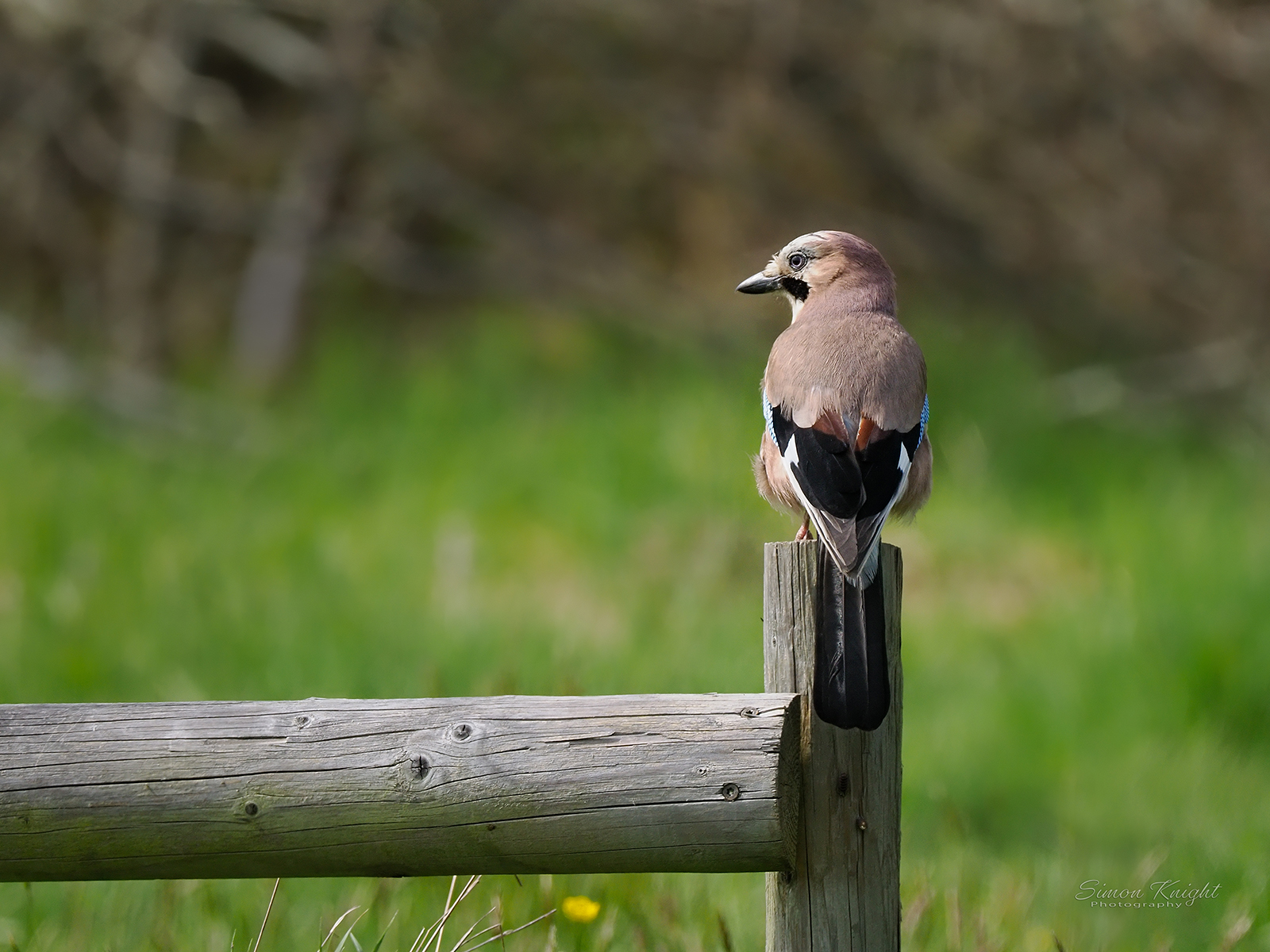
In the next few weeks each of the reserve’s jays will cache as many as 7500 acorns, carrying away from the tree as many as six acorns at a time and hammering them into the ground in a spot believed to be chosen for a nearby memory-jogging marker.



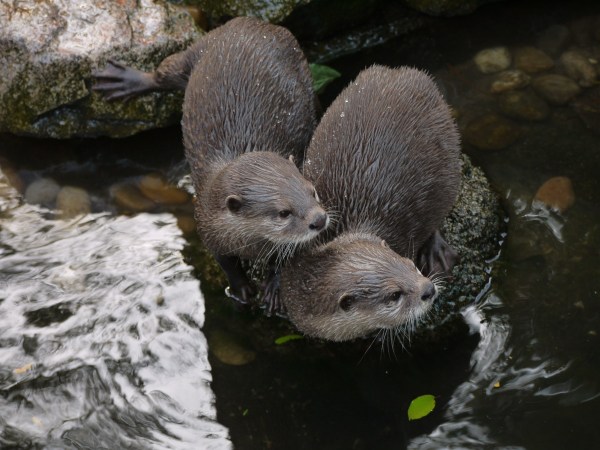
Every year, otters are seen in the Lambrok right the way up into Southwick village. They hunt swan mussels in the stream in the reserve and fish in the moat at Southwick Court. Here are some things you may not have known about this species.
Read on for ten Fascinatng Facts
Fieldfare (Turdus pilarus) and redwing (Turdus musicus), migratory thrushes from mainland Europe, are common winter visitors to the park. They are easily confused; here is a video to help you distinguish the two species.
Header picture: Fieldfare (Turdus pilaris) by Teresa Reynolds (CC BY-SA 3.0)


 Southwick Country Park Nature Reserve