Wood spurge
Scientific name: Euphorbia amygdaloides
Habitat: old woodland
Conservation status: common
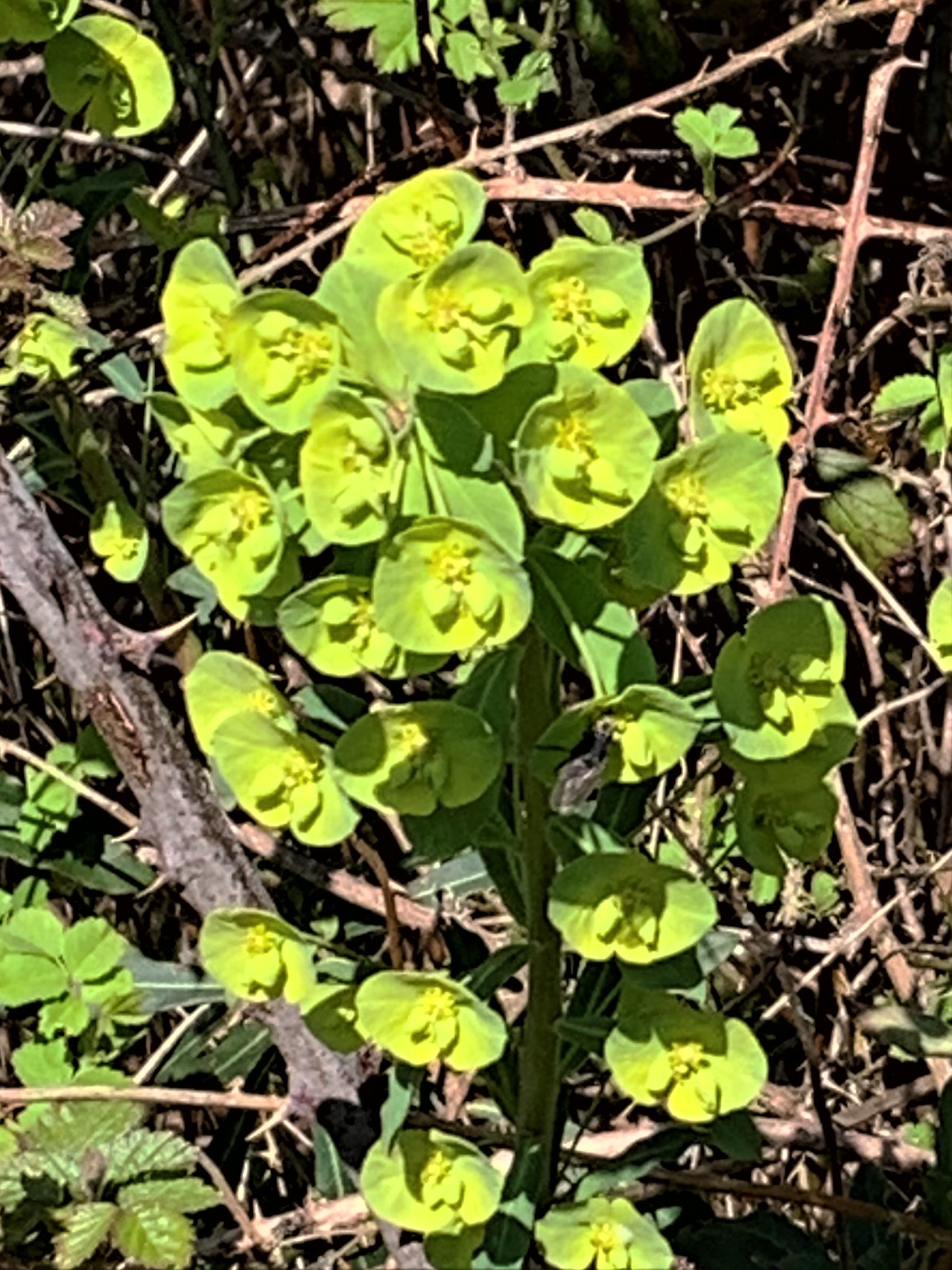
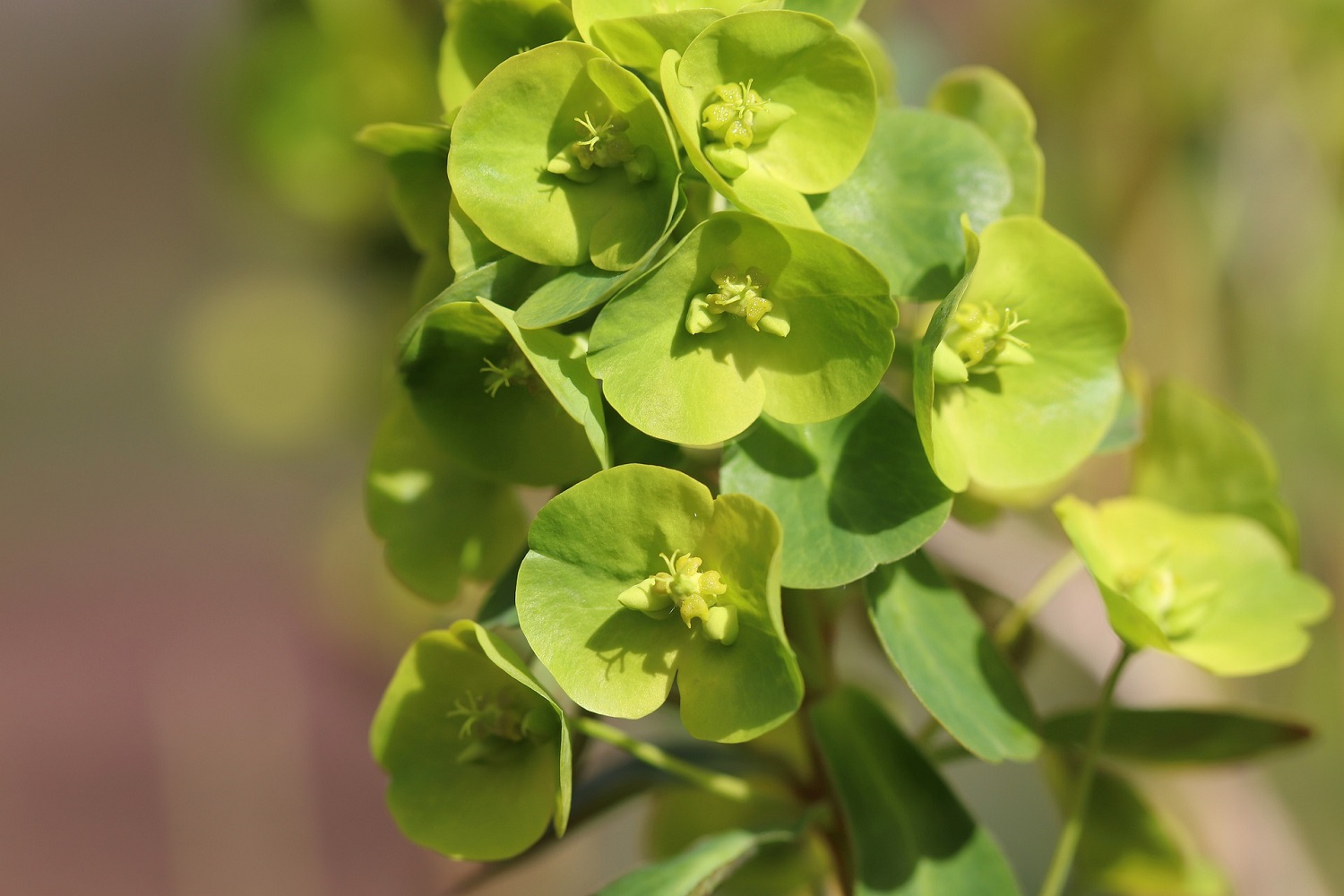
Header image and image [1] taken in the reserve by Clive Knight.
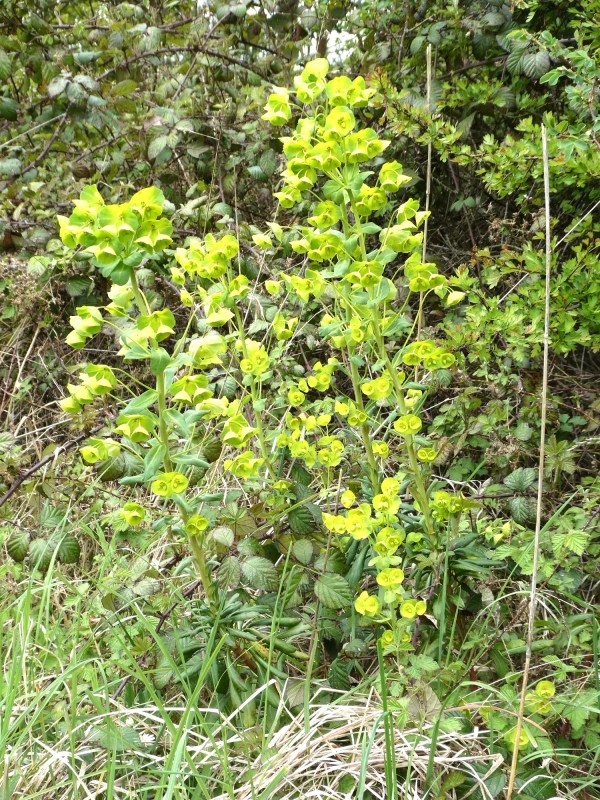
Scientific name: Euphorbia amygdaloides
Habitat: old woodland
Conservation status: common
Header image and image [1] taken in the reserve by Clive Knight.

It’s not, as many believe, an instruction to keep your coat on until June; it’s telling you to take your cardigan off as soon as the may is in blossom, which has been known to happen as early as April.
Continue reading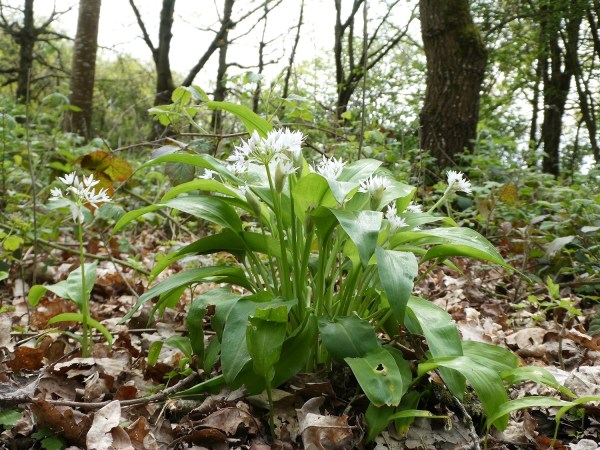
Wild garlic is another of those wildflower species that go by many different names: ramsons, cowleek or cowlick, buckrams, broad-leaved garlic, wood garlic, bear leek and bear’s garlic are just a few of them.
Continue reading “Wild Garlic”
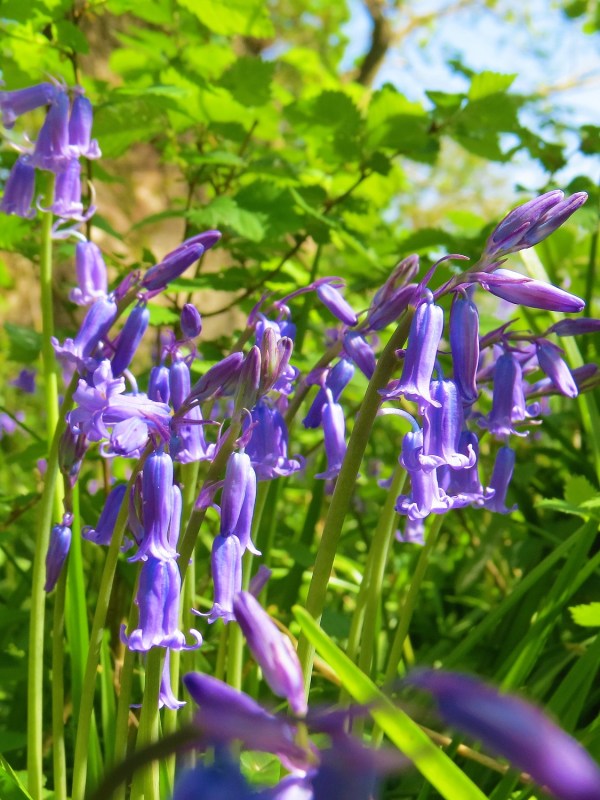
Bluebells photographed in the reserve on Monday by Cheryl Cronnie.
Continue reading “Bluebells”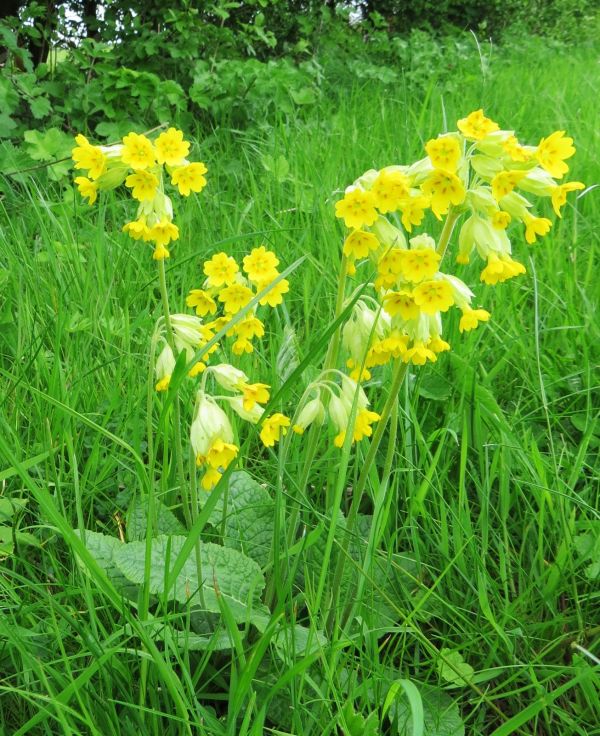
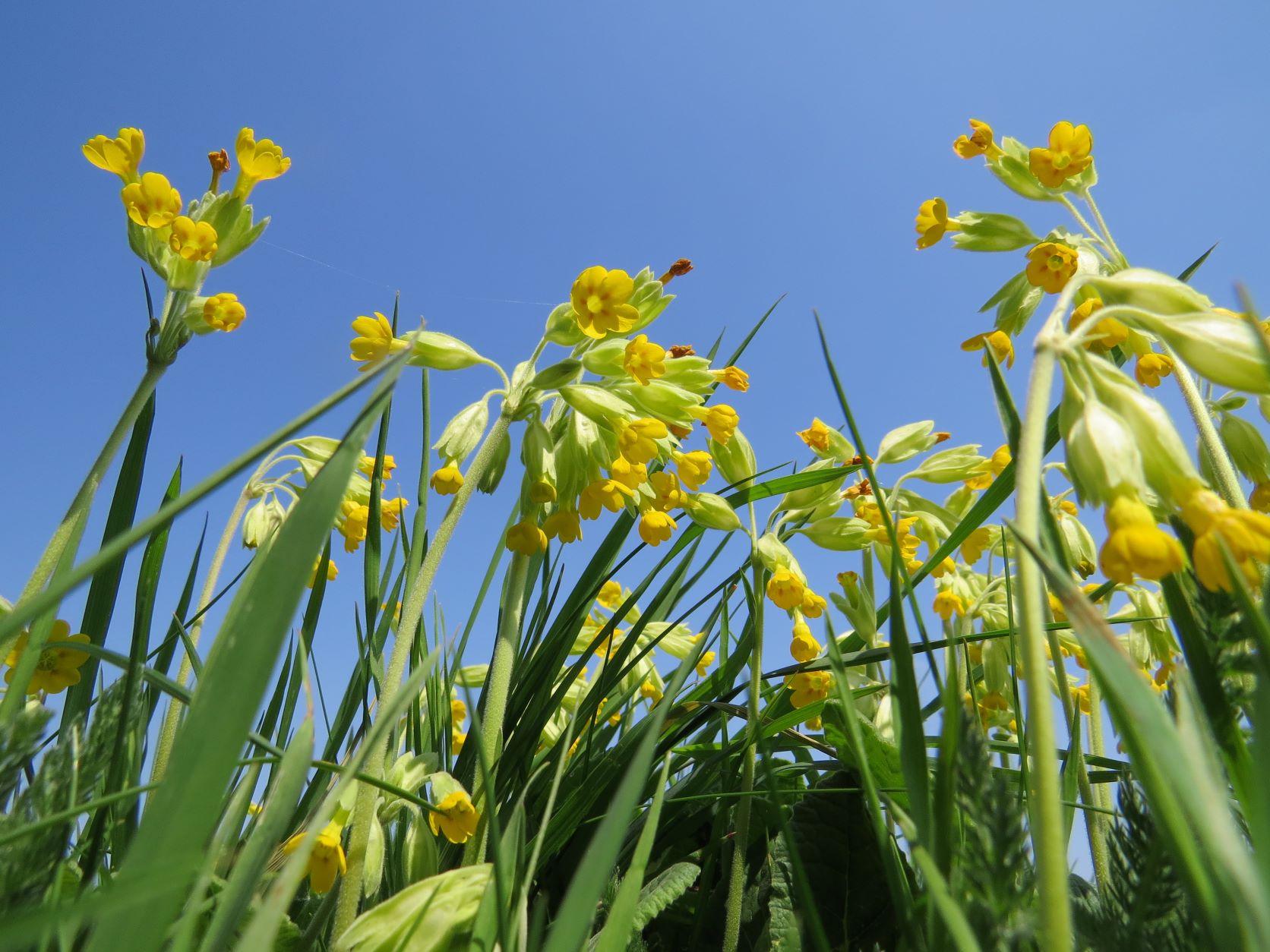
There are cowslips (Primula veris) flowering in the reserve, beside the path through Simpsons, at the top of Village Green and the bottom of Kestrel Field.



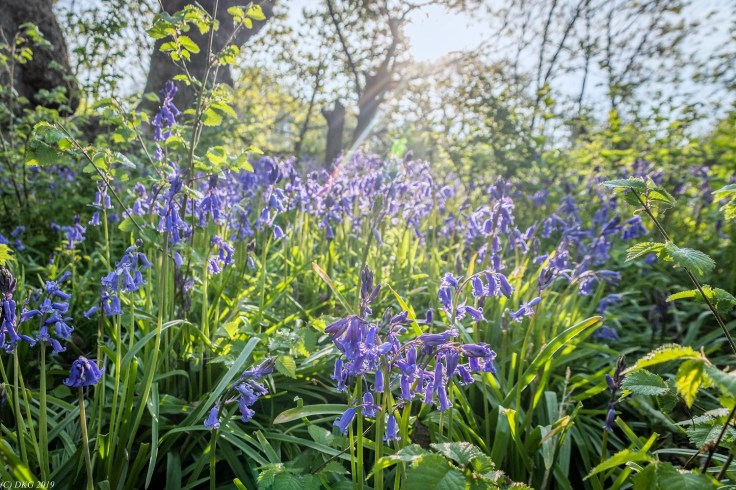

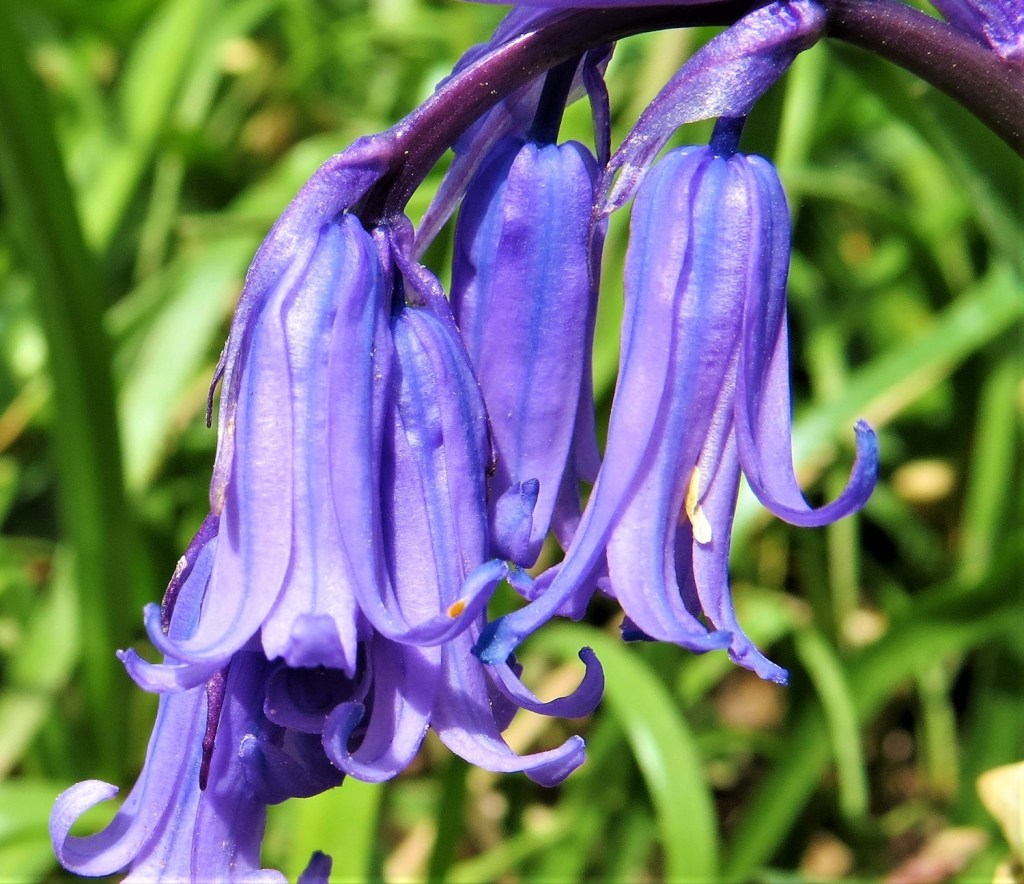
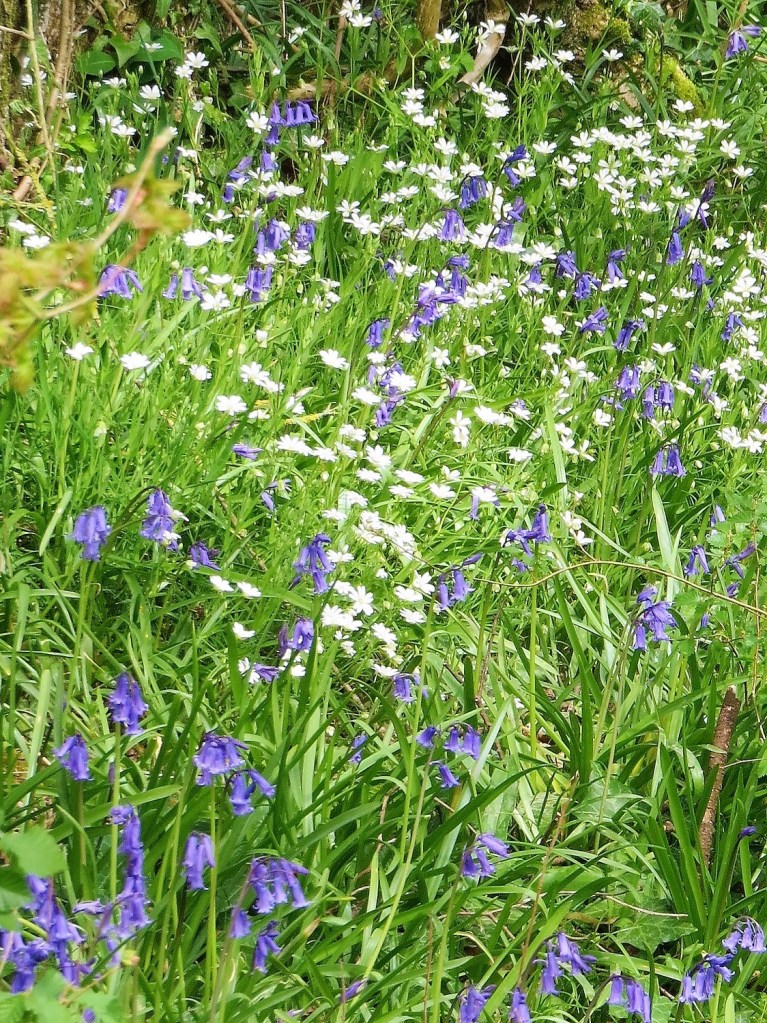
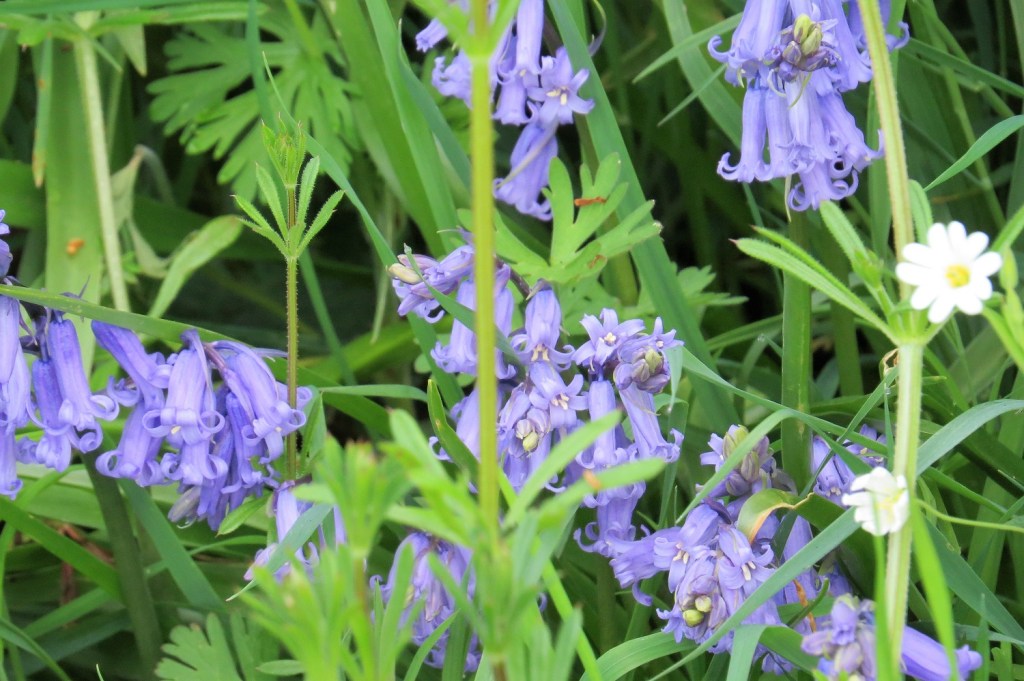

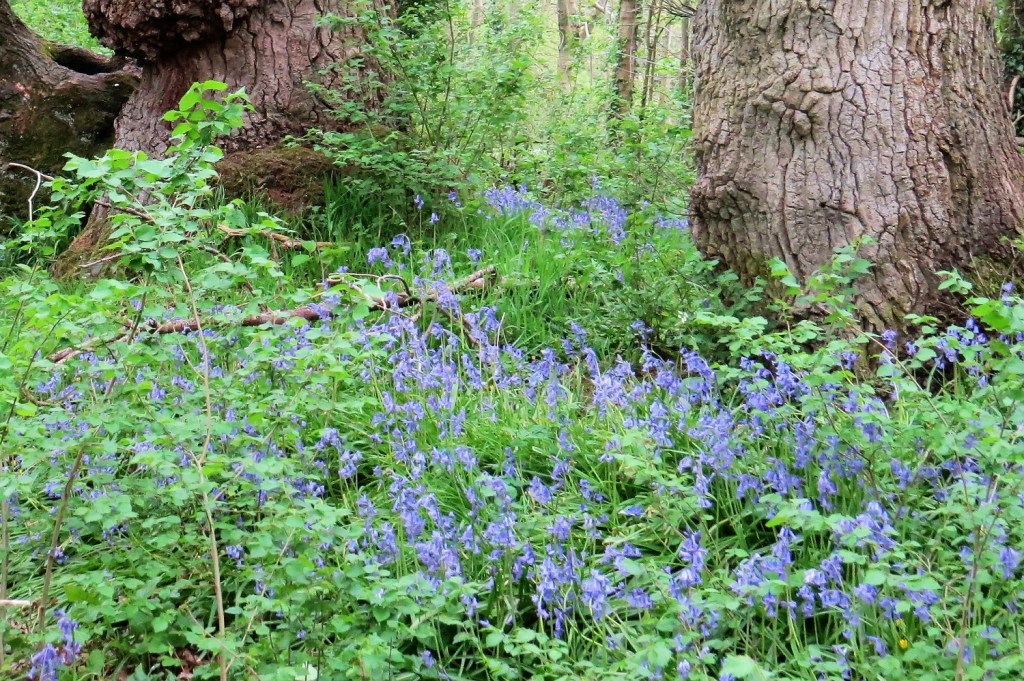
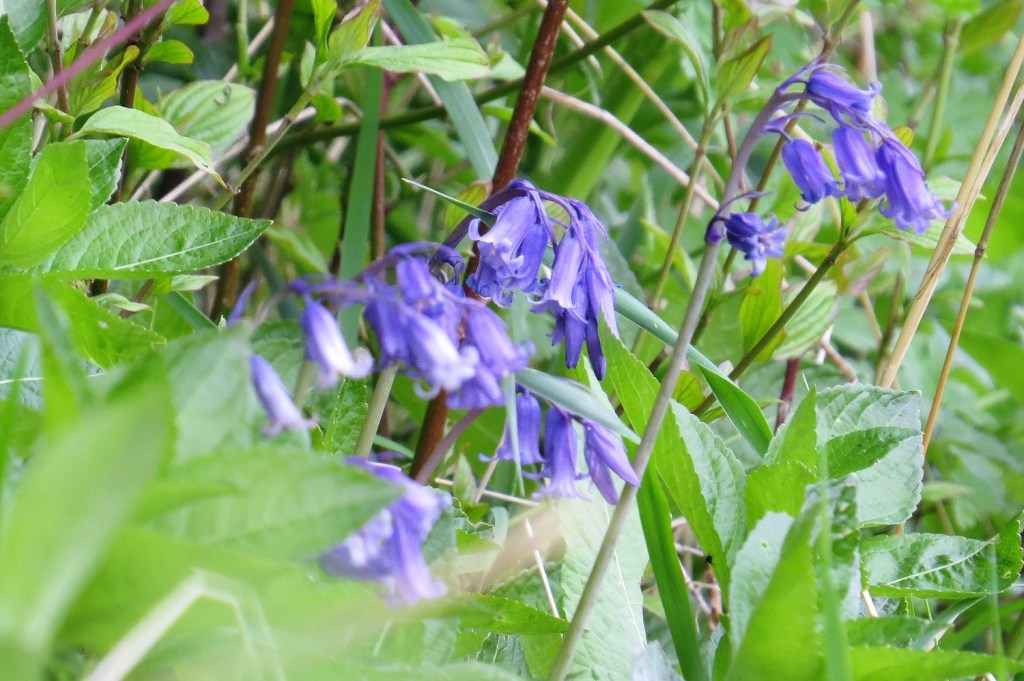

Every year, around this time, we publish some version of this post: our native bluebells need constant protection from this invasive species.
Continue reading “Invasion of the Spanish squill”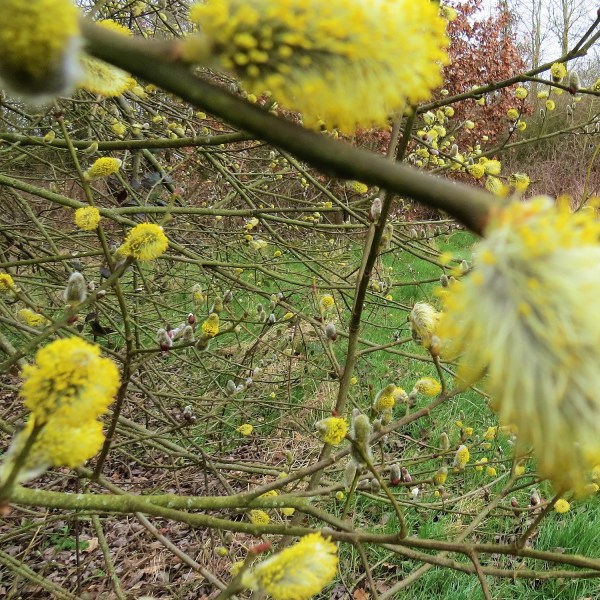
At this time of year, the reserve is full of pollinators carrying pollen from tree to tree in a kind of reproductive frenzy.
Continue reading “Arboreal sex”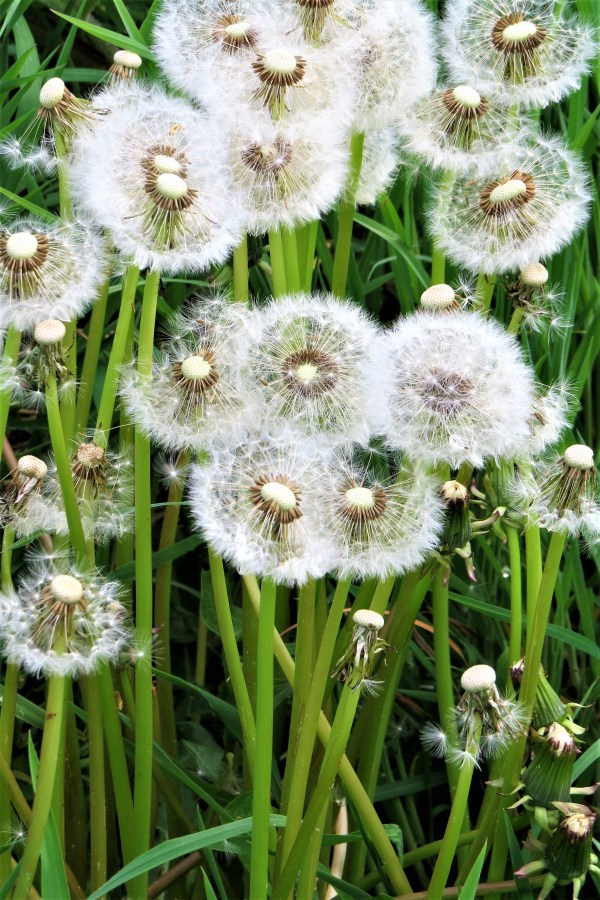
Dandelions (Taraxacum officinale) are the commonest of our wildflowers. They grow everywhere: between our paving stones, in flowerbeds, lawns and roadside verges, and straight up through the tarmac of a well-maintained driveway.
Continue reading “A closer look at weeds: part 2”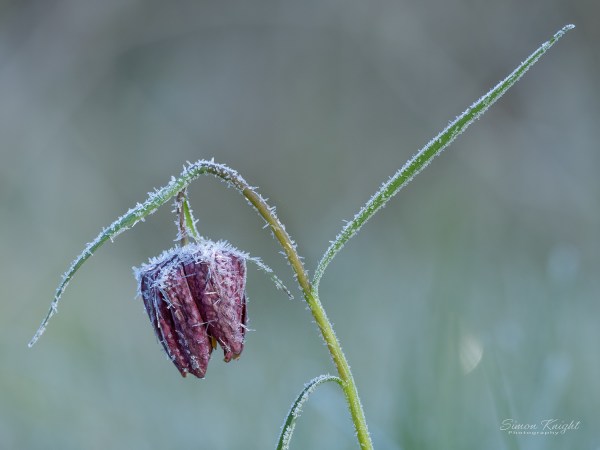
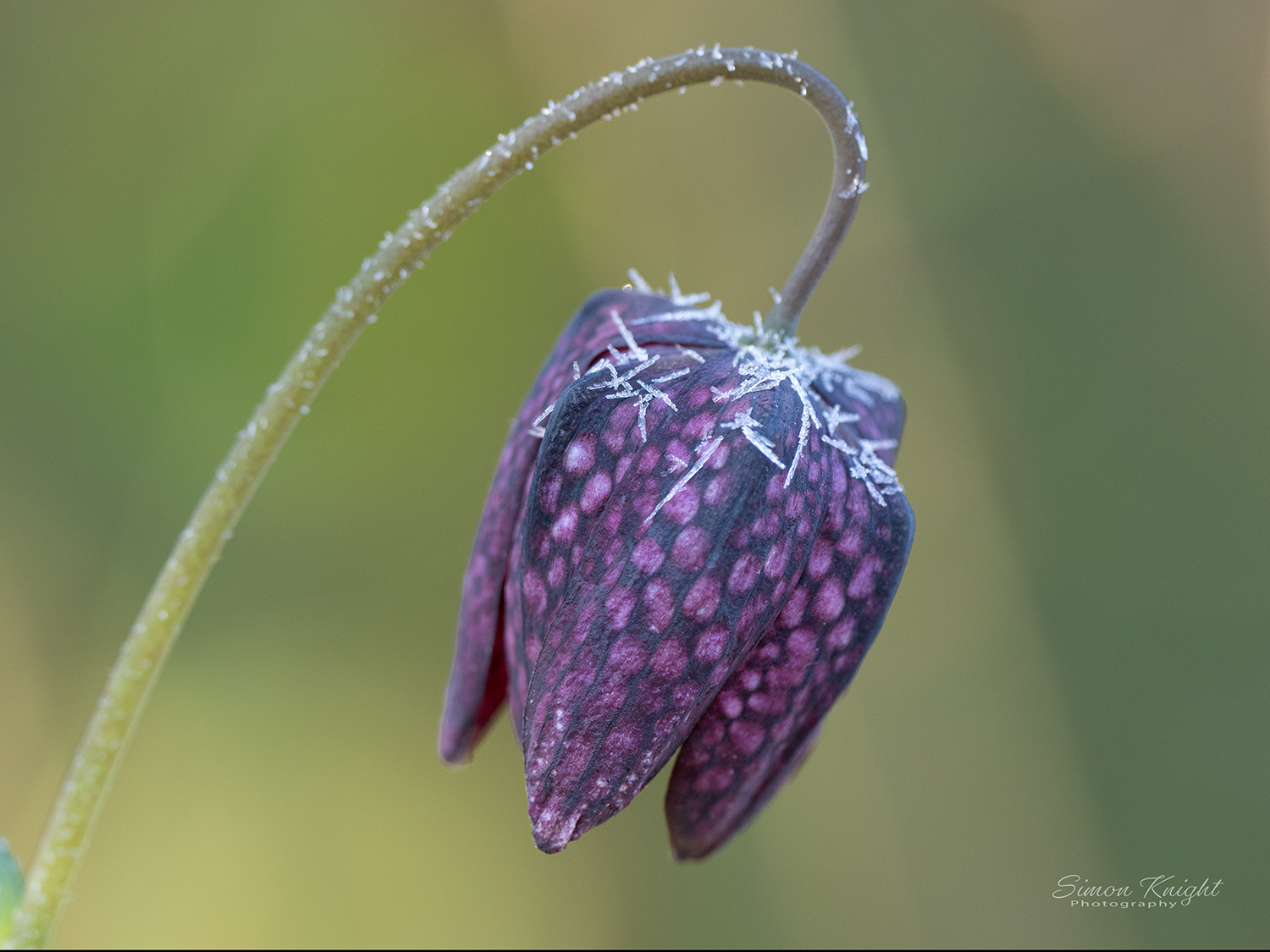
Wildlife photographer Simon Knight has turned his lens on our snake’s head fritillaries and sent us a gallery of beautiful images.



Conservation Status
Classified as Vulnerable on the Vascular Plant Red Data List for Great Britain. Nationally rare with only a few UK sites considered to hold wild populations.
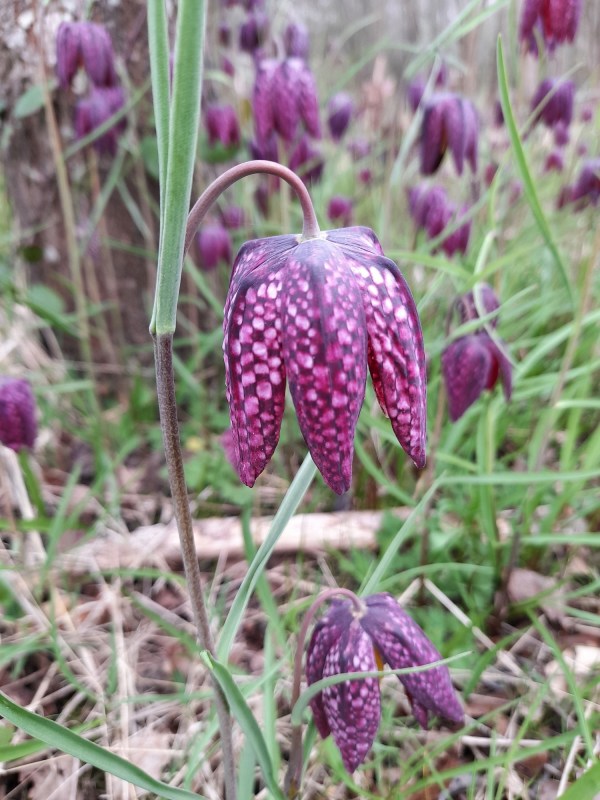
There are hundreds, maybe thousands, of snake’s head fritillaries (Fritillaria meleagris) flowering in Simpson’s Field Copse: a stunning and increasingly rare sight.
Continue reading “Fritillaries”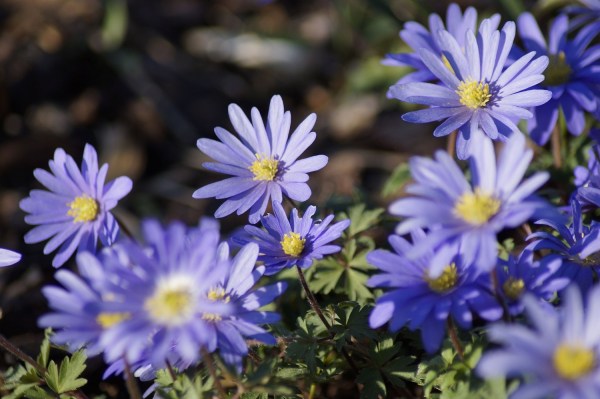
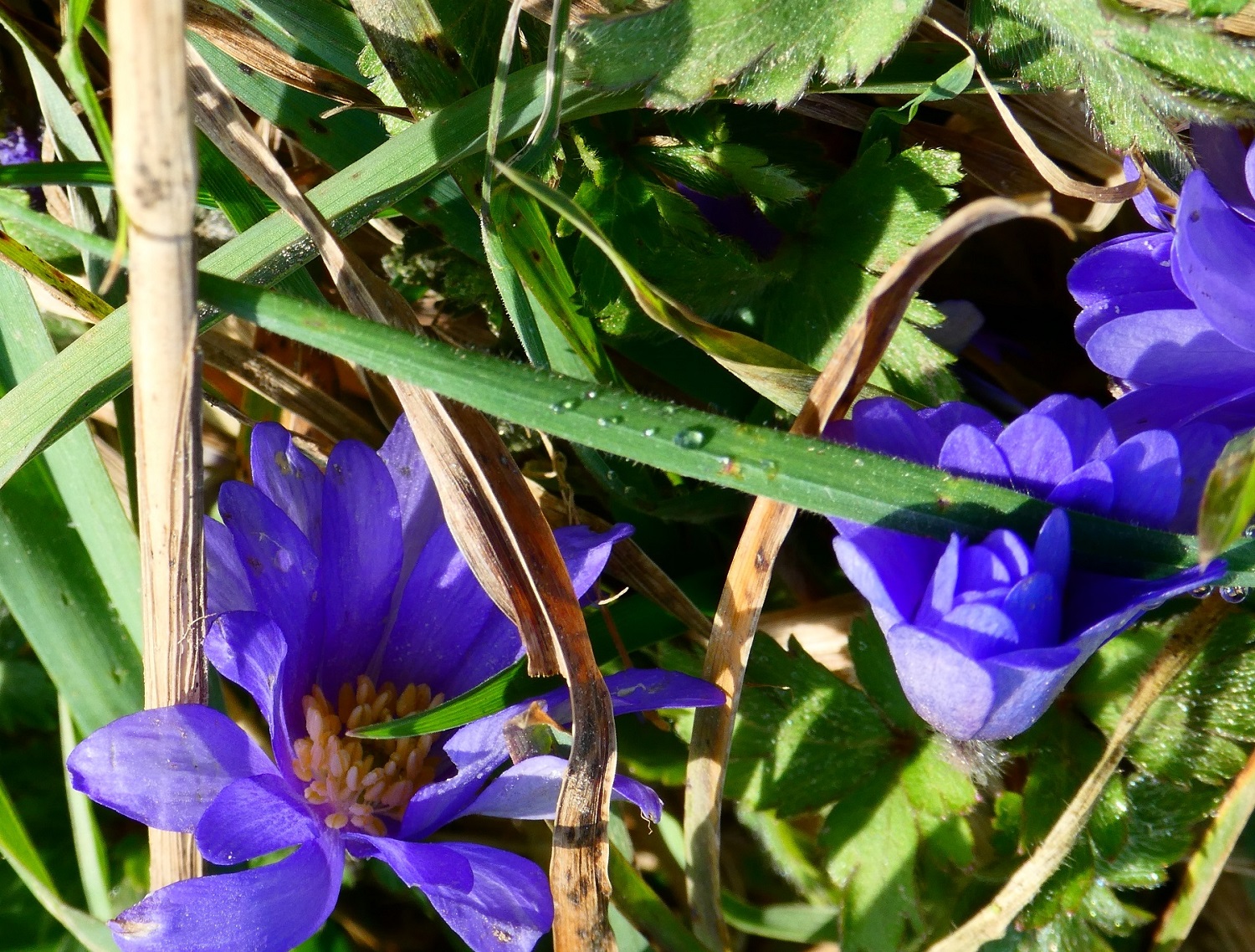
Anemone blanda…
…found and photographed in the reserve last week. Anemone blanda isn’t a native species so this is a garden escape but it naturalises easily in the partial shade of woodland edges and our bees will love it. Let’s make it welcome.


Red dead Nettle
This is a red dead nettle (Lamium purpureum), the commonest of weeds. It flowers for most of the year in untidy vegetable plots, roadside verges and, in this case, Local Nature Reserve car parks. Nobody gives it a second glance but its flowers, hidden among its topmost purple leaves, are extraordinarily beautiful.

Blackthorn (Prunus spinosa) is the earliest of our native flowering trees.
Continue reading “Blackthorn”
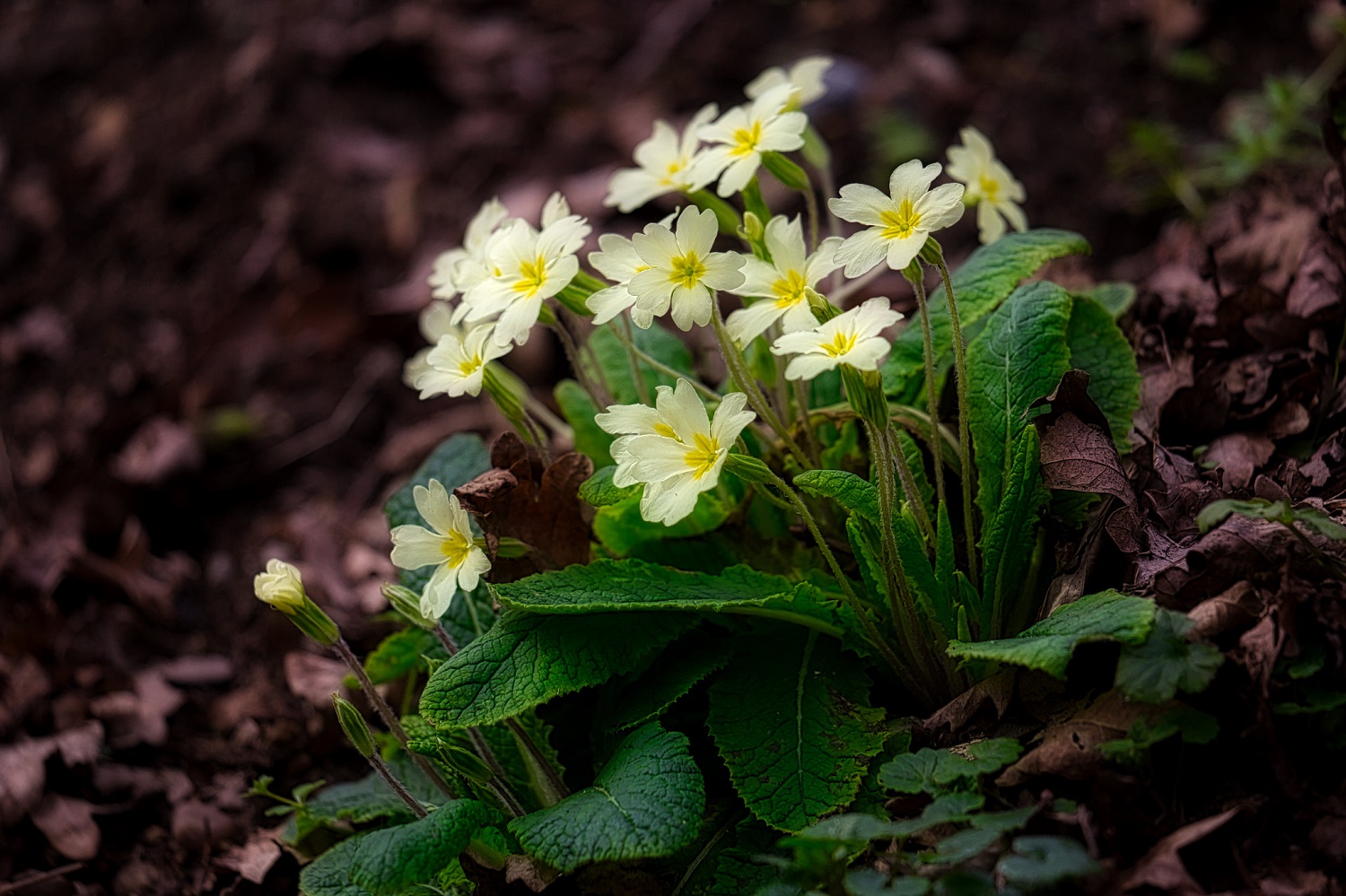
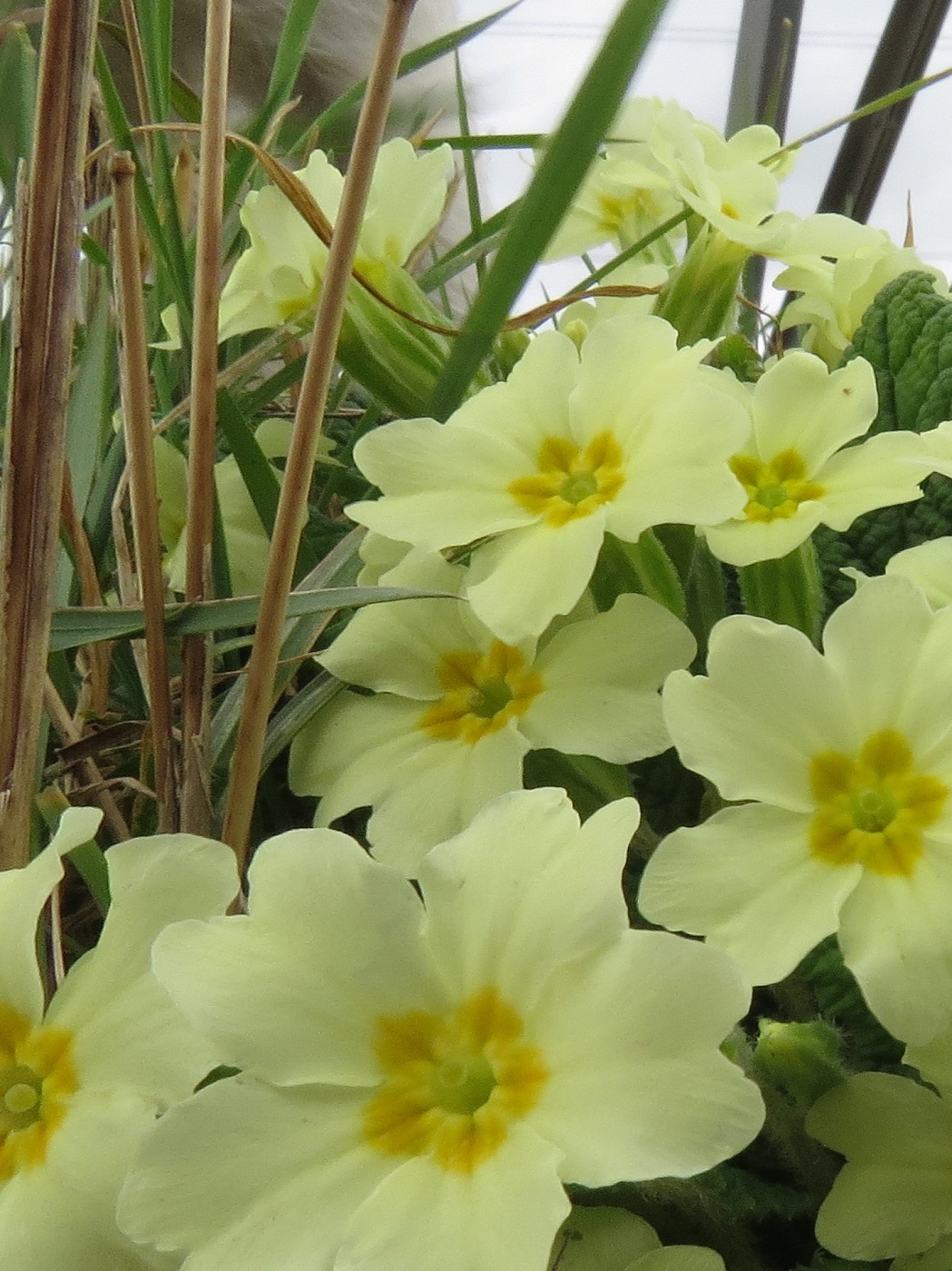
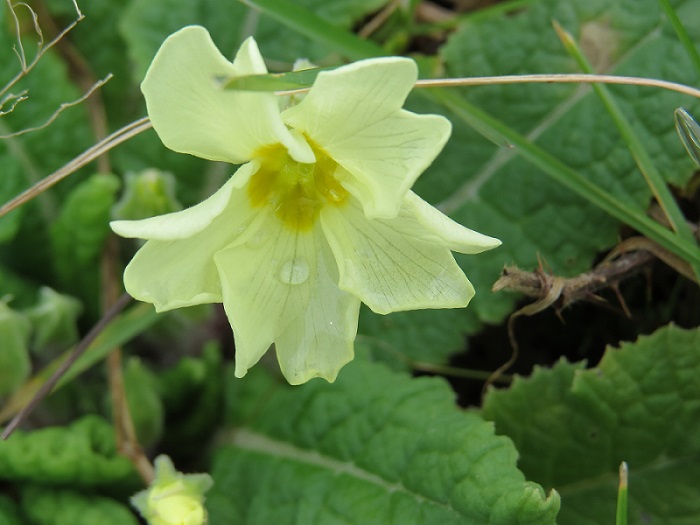
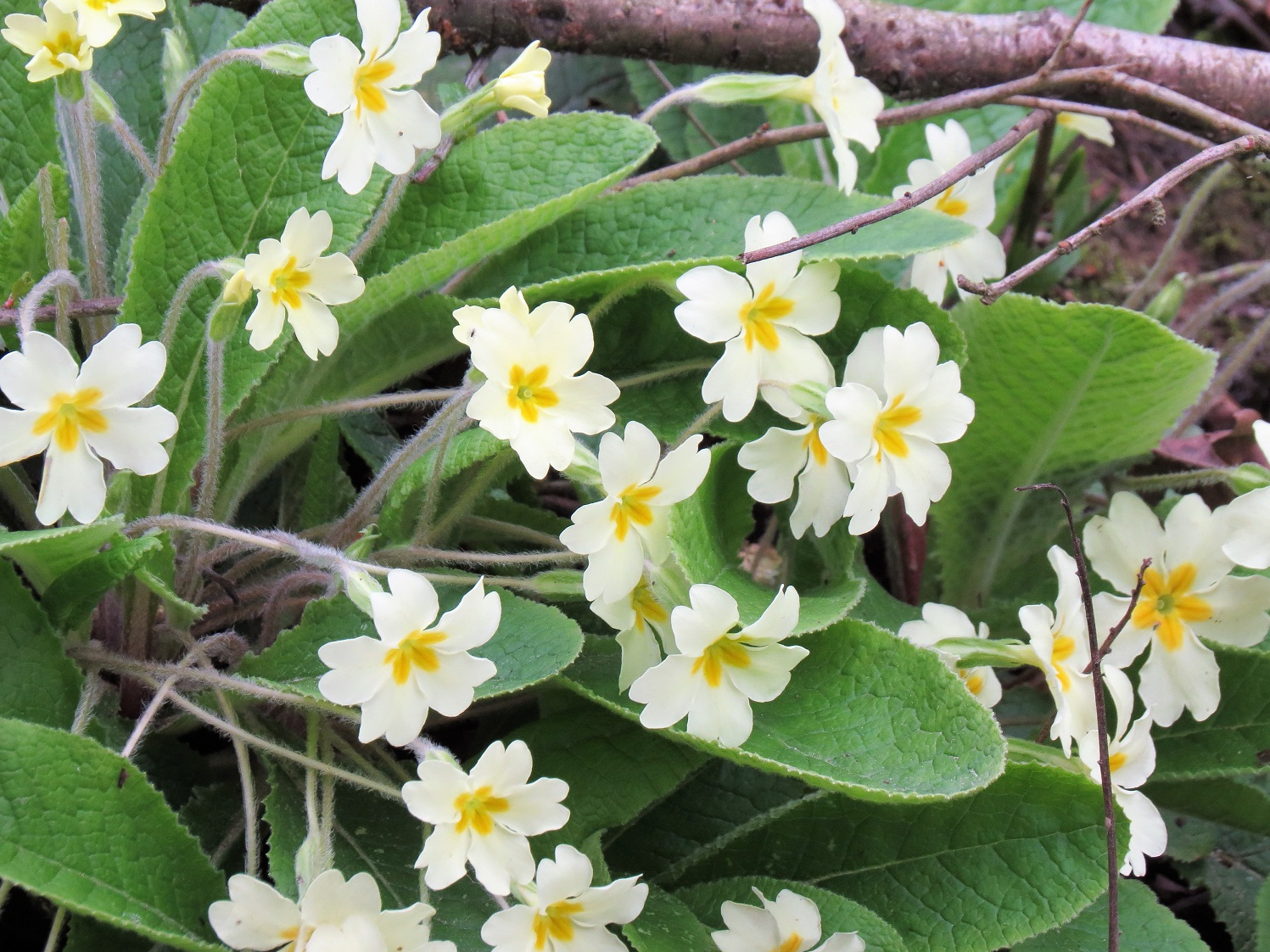
The primroses are coming into flower. The woods will soon be full of them.


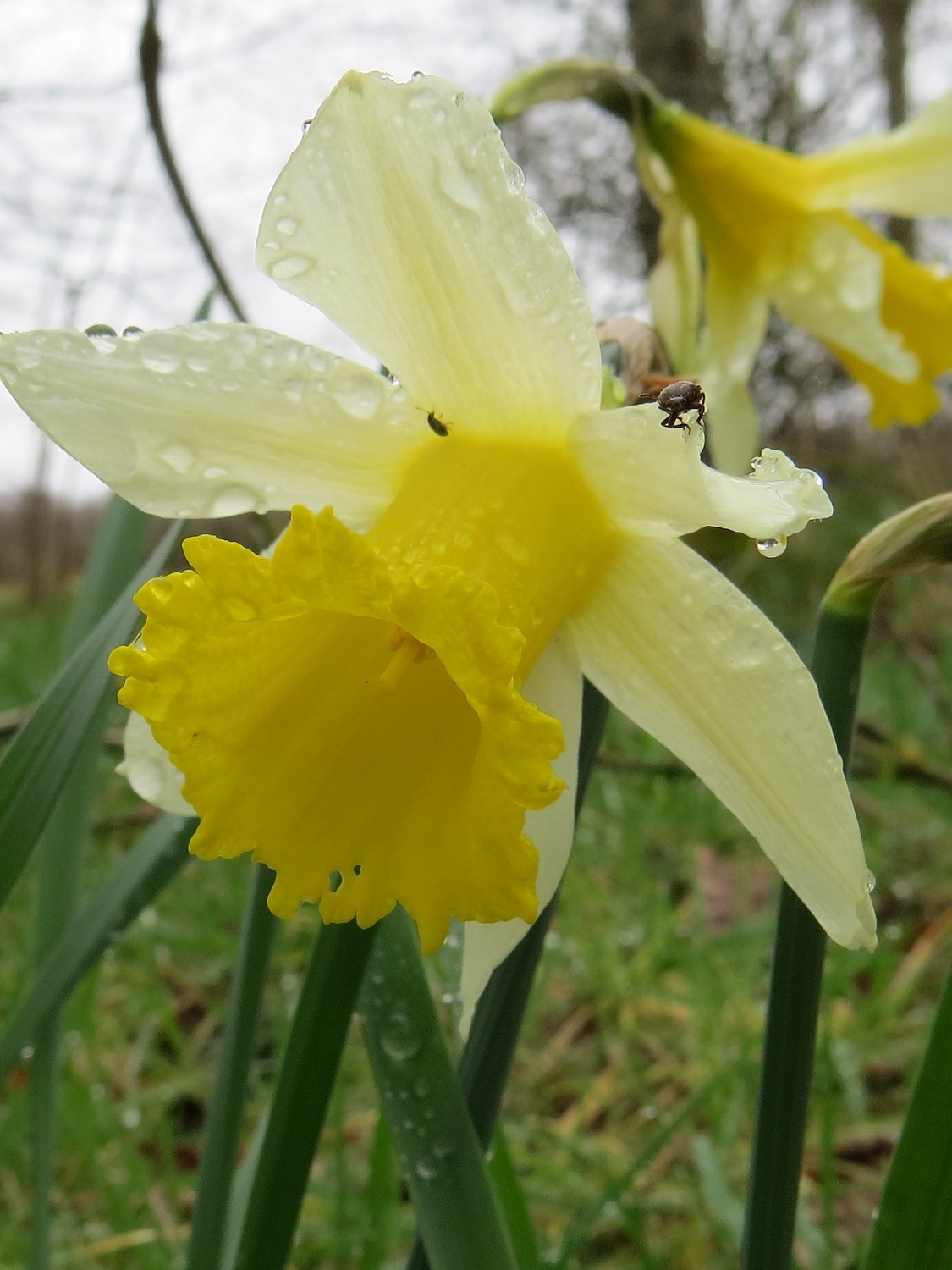
A host of golden daffodils….
After their short, golden flowering period, the above-ground parts of our daffodils will die back and they will spend the rest of the year hidden underground as bulbs. The bulbs are adapted stems and leaves in which the plants store their food to fuel next year’s spring growth.
Continue reading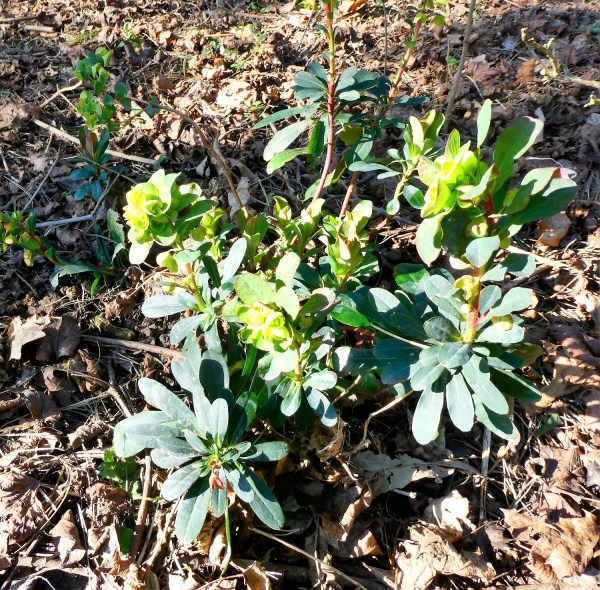
Ian Bushell has sent us pictures of wood spurge (Euphorbia amygdaloides) in the copse between the Arboretum and Simpson’s Field.
Continue reading
Daffodil time! In 2017 the Friends planted 1,000 native daffodil bulbs in the woodland edges of Village Green. They are now well established and beginning to spread, and we are hoping that the sunshine forecast for next week will bring them all into flower.



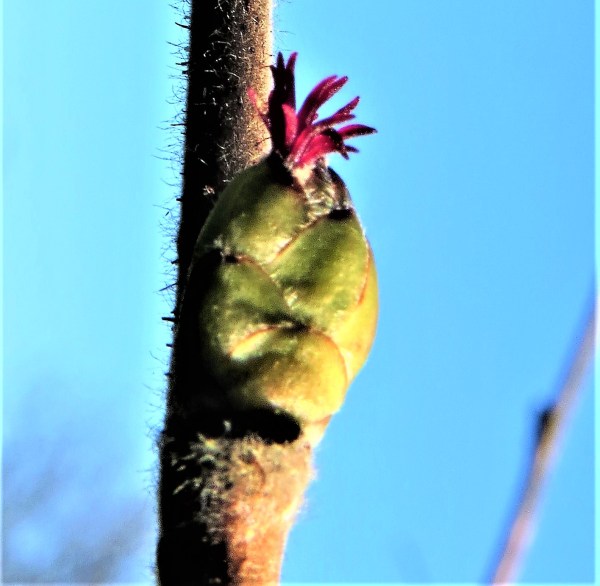
Hazel has both male and female flowers. The familiar yellow catkins are made up of about 250 male flowers. They produce the pollen; if you tap a ripe hazel catkin it will release a cloud of pollen. The female flower is a minutely small red tassel, somewhere on the same twig as the catkins.
Continue reading “Hazel’s female flowers”
Julie Newblé has sent us a beautiful image of snowdrops (Galanthus nivalis) flowering in the Village Green copse down by the decorated bridge. Thanks Julie.

Celandine shine
Have you ever tried to photograph lesser celandine or buttercup flowers on a sunny day? The petals are so shiny, like little cups of mirrors, that the reflected sunlight flares and obscures the details of the flower; if you are trying to photograph a celandine in close up, you have to do it in the shade.
Continue reading
Always among the year’s first flowers in the reserve are the hazel catkins in the copse near the picnic place. They are a familiar and friendly sign that spring is on its way.
Continue reading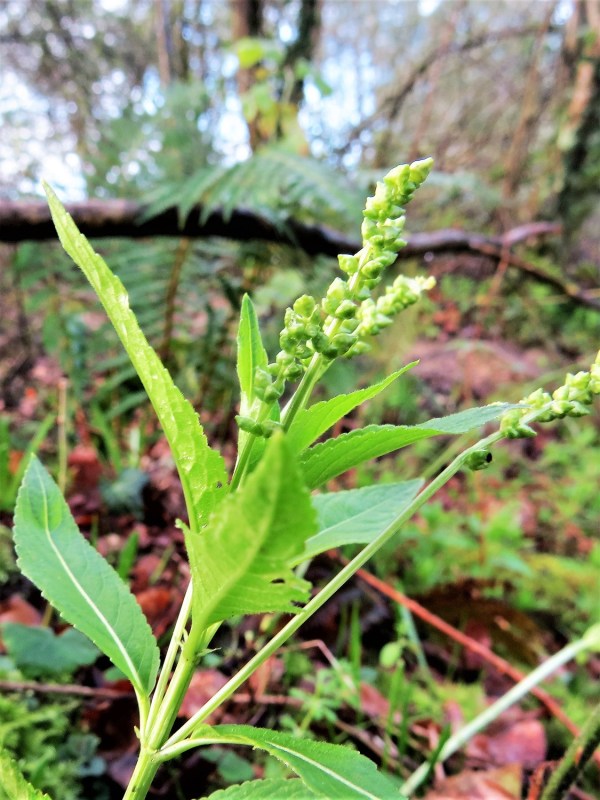
Dog’s mercury (Mercurialis perennis) is one of those mysterious, usually nameless, plants that is hardly ever noticed. It forms dense carpets on the woodland floor and beneath old hedgerows but appears to most passers-by as just background for the bluebells and primroses.
Continue reading “Dog’s mercury”
A lone clump of snowdrops in the copse between The Race and Sheep Field photographed yesterday by Ian Bushell.





 Southwick Country Park Nature Reserve