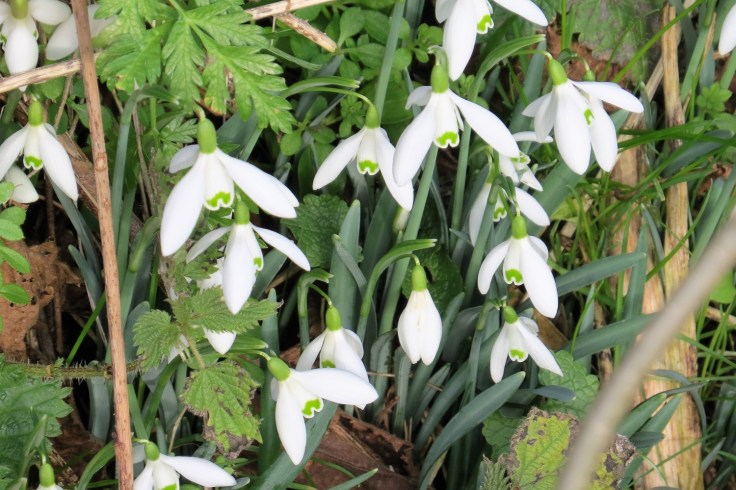


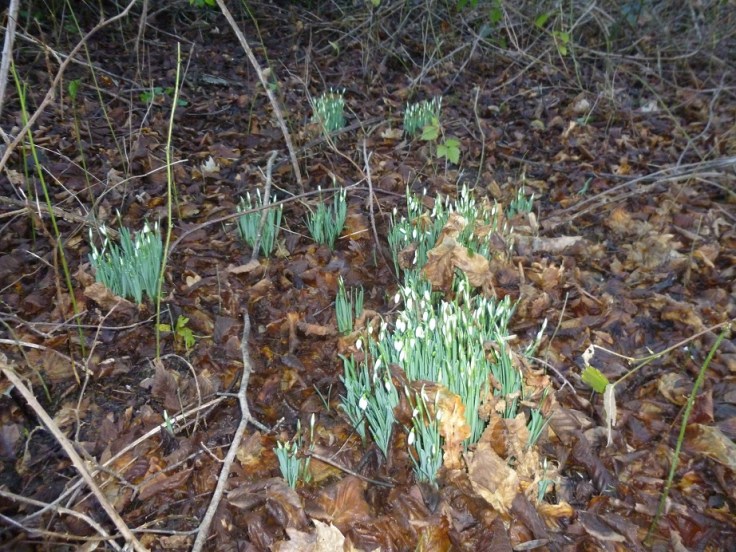
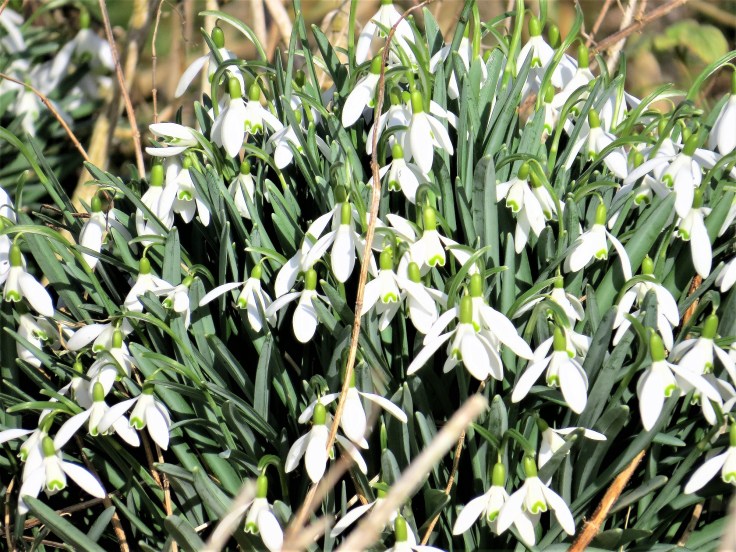


Header picture by DKG


Header picture by DKG
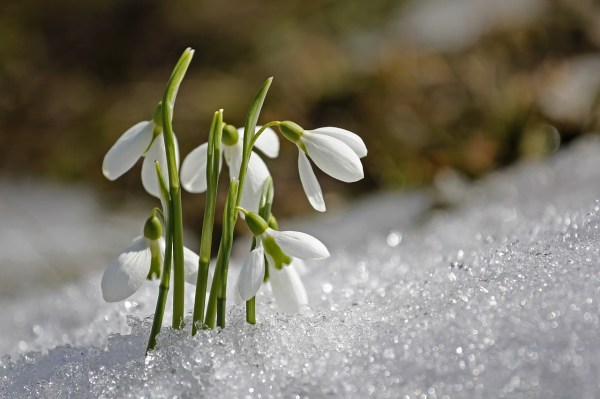
Snowdrops are the earliest of the reserve’s wildflowers. Here are five things you probably didn’t know about them
Continue reading
by Ian Bushell
We met on Wednesday morning, the 29th of December, in the car park but those third helpings of turkey and plum duff had depleted our numbers sadly. No Joan or Patrick, Simon, David, or Trish.
Continue reading “The last of 2021”
Now that the festivities are well and truly over, here are a few indigestion remedies you might find in the park.
Continue reading
On this, the tenth day of Christmas, here are the extraordinary flowers of lords-and-ladies, the wild arum (Arum maculatum), photographed in the reserve in April.

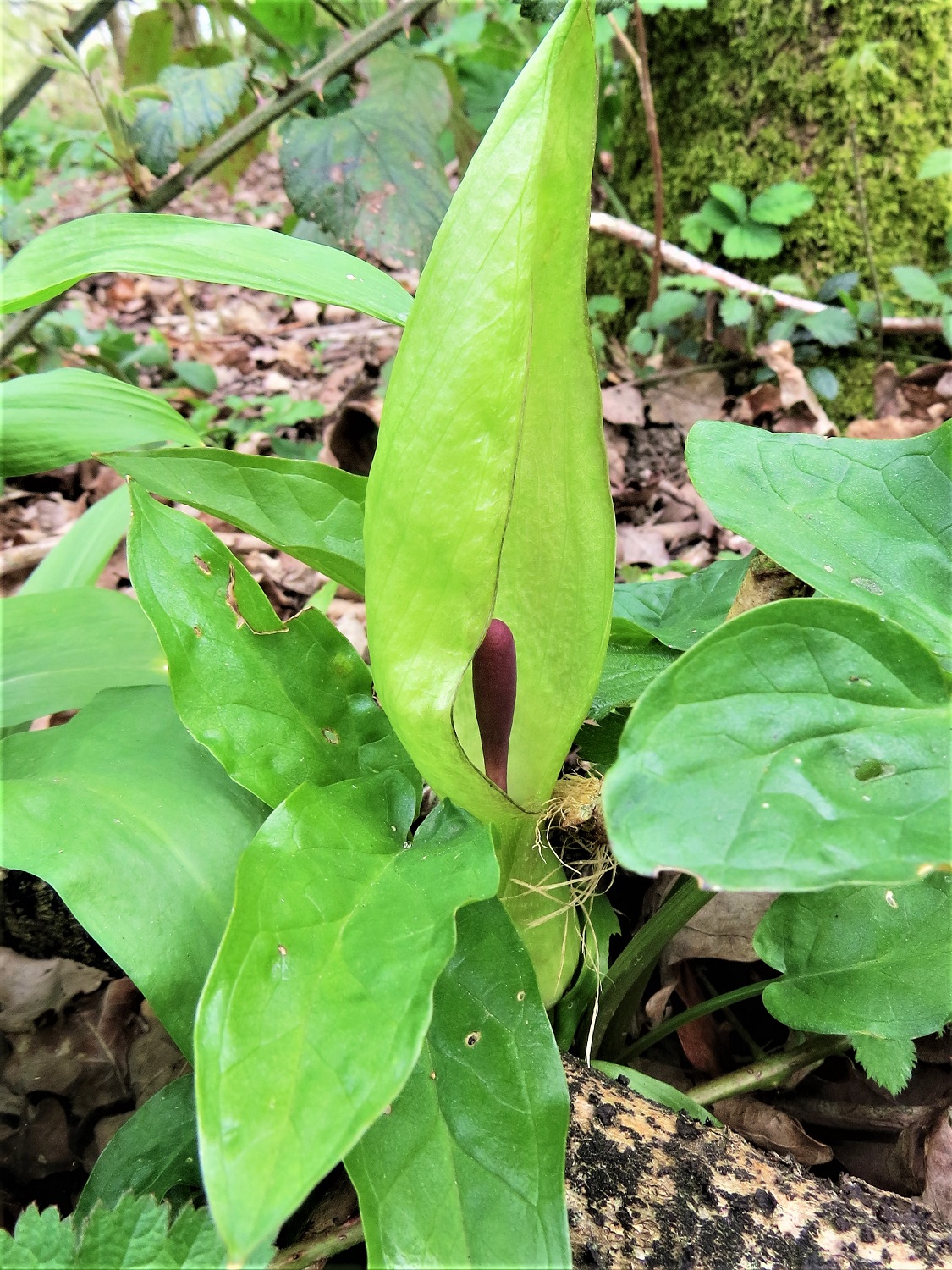


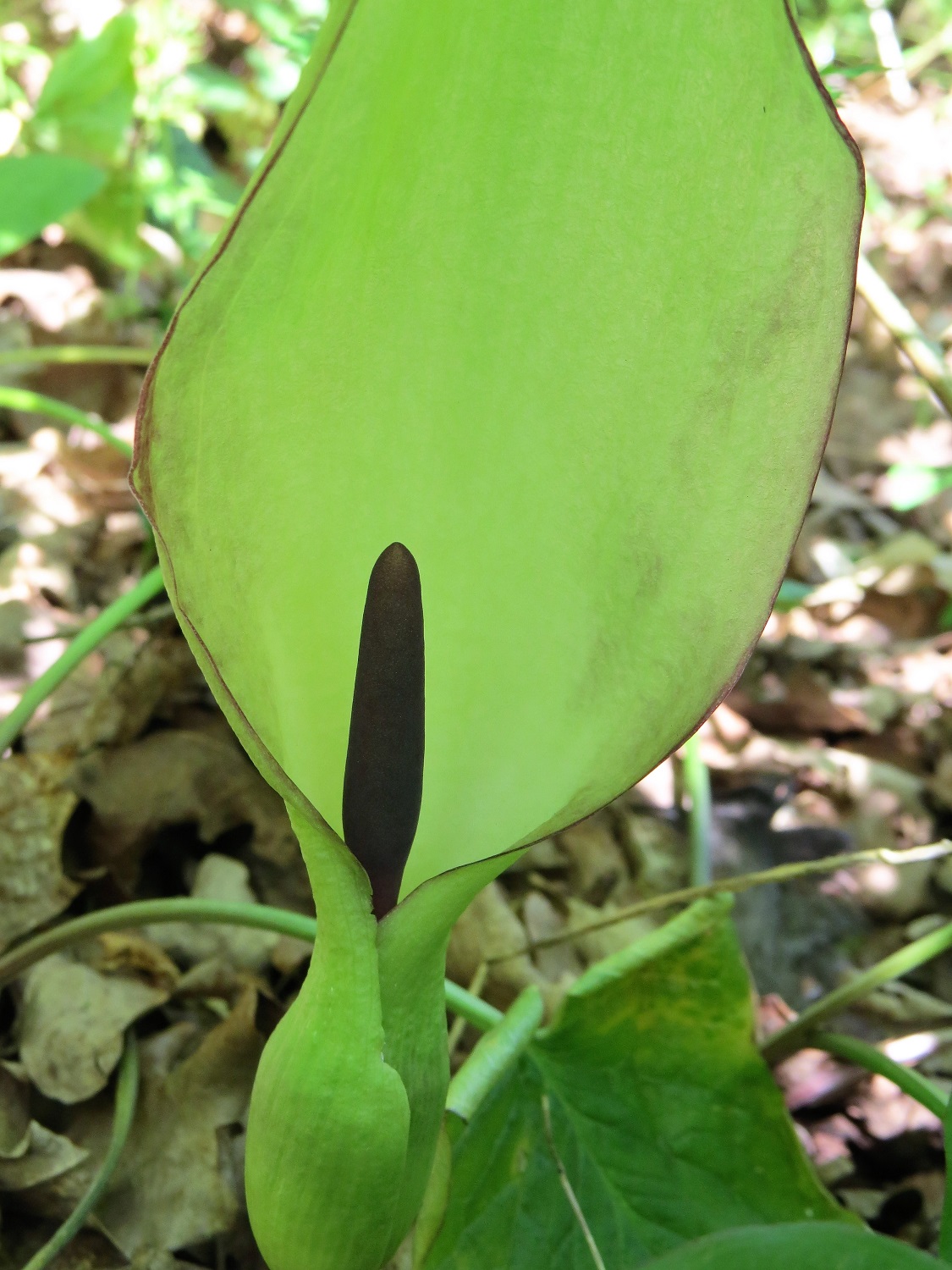
Pictures taken in the park by Suzanne Humphries

Milkmaids is one of the many common names of Cardamine pratensis, a spring-flowering plant that loves our damp meadows and stream edges. In Wiltshire we know it more often as lady’s smock or, because it flowers when the cuckoo returns to Britain, as cuckoo flower.
Continue reading “Eight maids a-milking”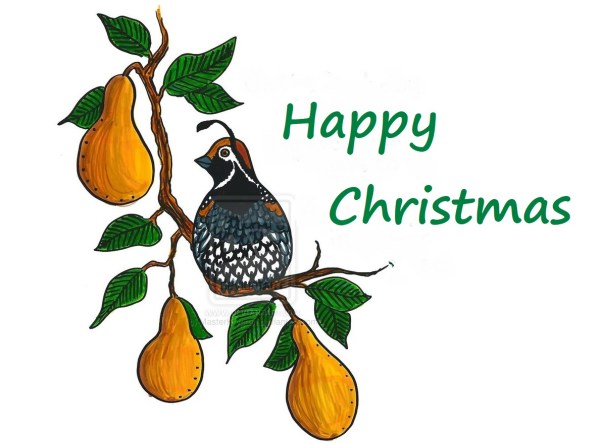
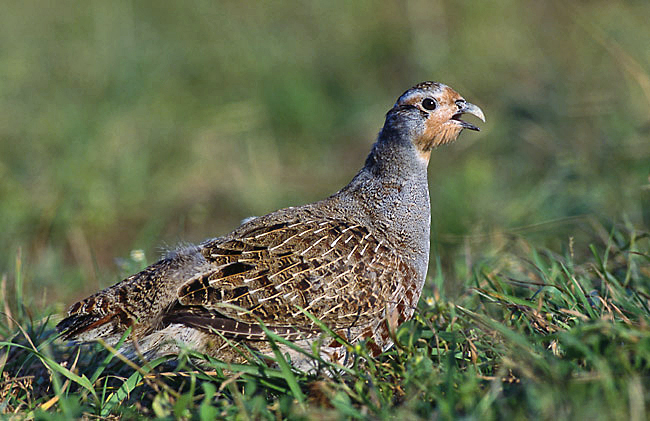
a partridge in a pear tree. The park’s partridges are Perdix perdix, the grey partridge, not the pretty little North American plumed partridge, Perdix plumifera, sitting in our Christmas card’s pear tree. Neither does the park actually have any pear trees: cherries, plums, sloes, apples and pedants aplenty but no pears at all. Nevertheless…
Christmas greetings from the Friends of Southwick Country Park.


What would Christmas be without mistletoe?
Continue reading “Mistletoe”
Five things you may not have known about the ivy in your Christmas wreath.
Continue reading “. . . and the ivy”
Over the years the Friends of Southwick Country Park have planted many holly whips in the hedges around the reserve’s fields.
Continue reading “The holly. . .”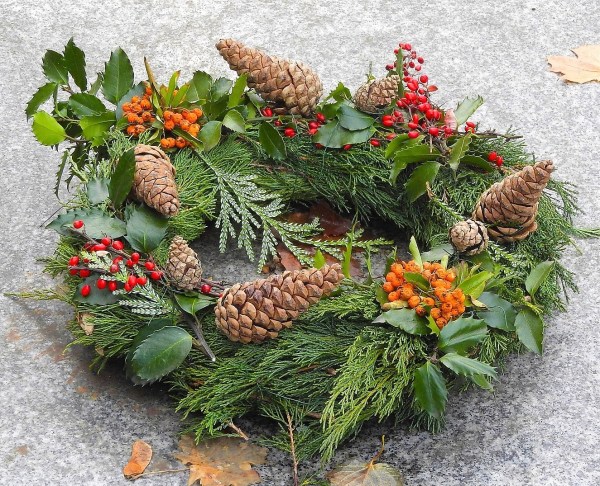
Many of the evergreen plants in the park have traditionally been used in the celebration of winter festivals. As the days grew ever shorter and colder, winter must have been a frightening and dangerous time for the early human cultures of northern Europe.
Continue reading “Winter festivals”
Sometimes, healthy and mature trees shed large branches during the summer for no apparent reason. This is what is known as Summer Branch Drop Syndrome and it is what happened to Oak 5552 in August of this year.
Continue reading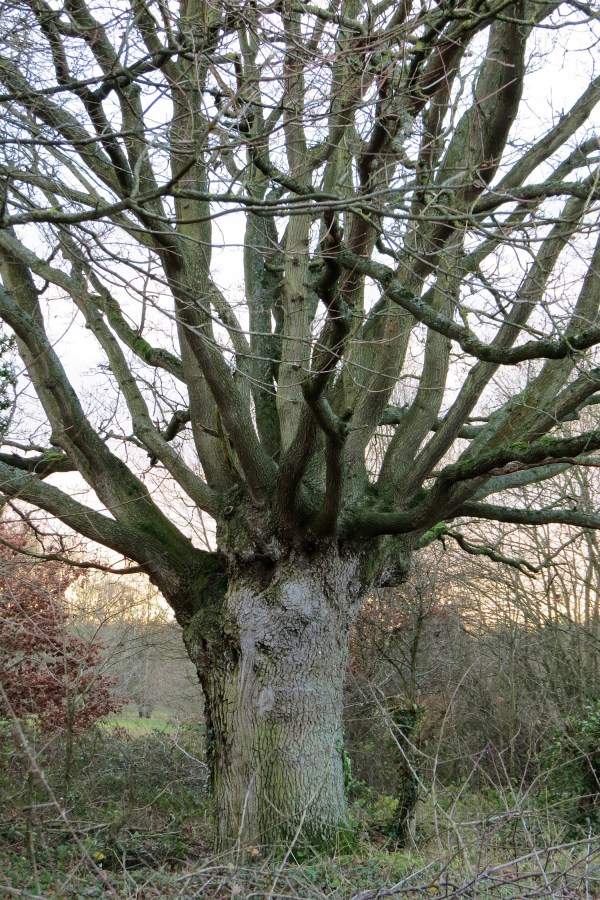
This is tree number 5552: an old pollarded oak standing in the eastern-most corner of Sleeper Field.
by Suzanne Humphries
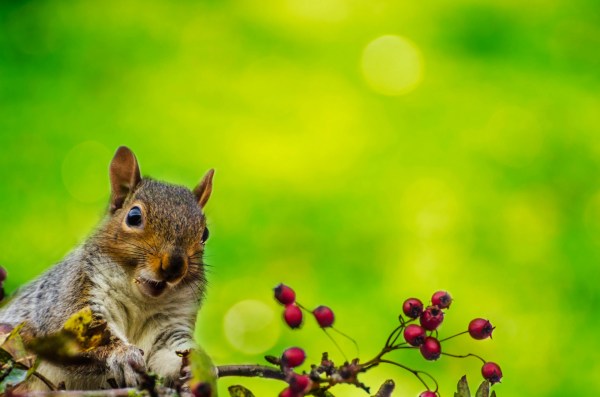
Did you know that grey squirrels eat hawthorn berries? No, neither did I.
Continue reading “Did you know…”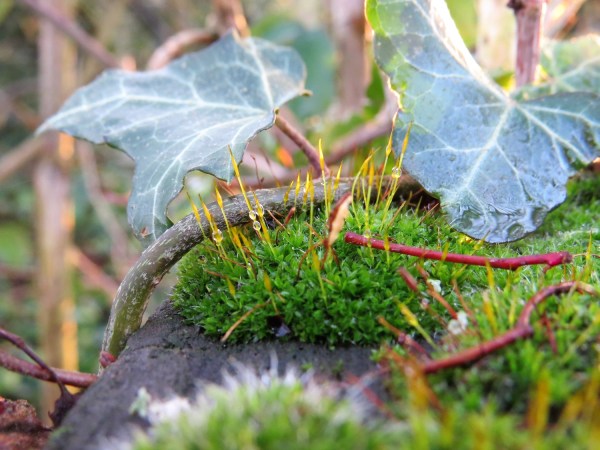
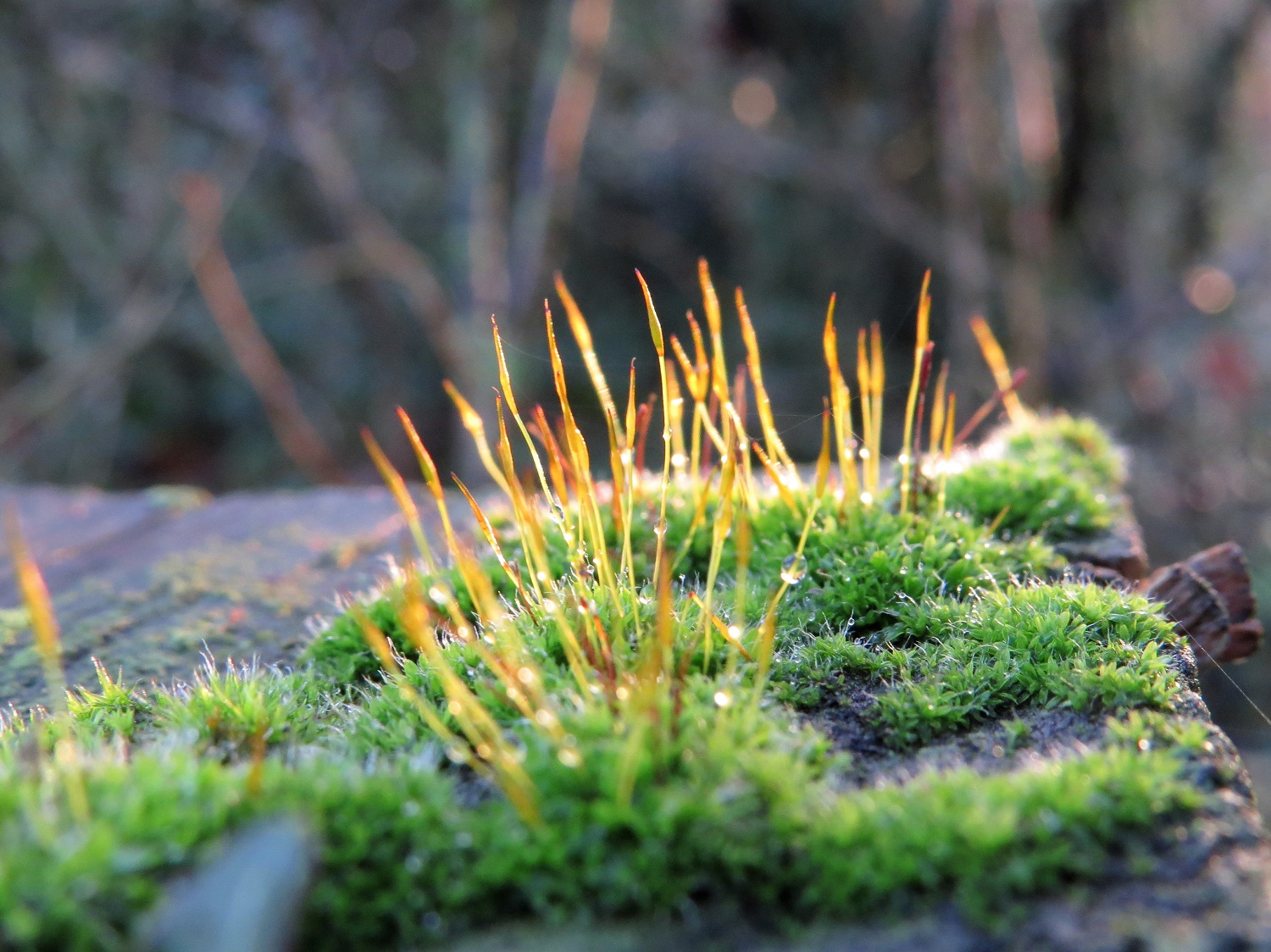
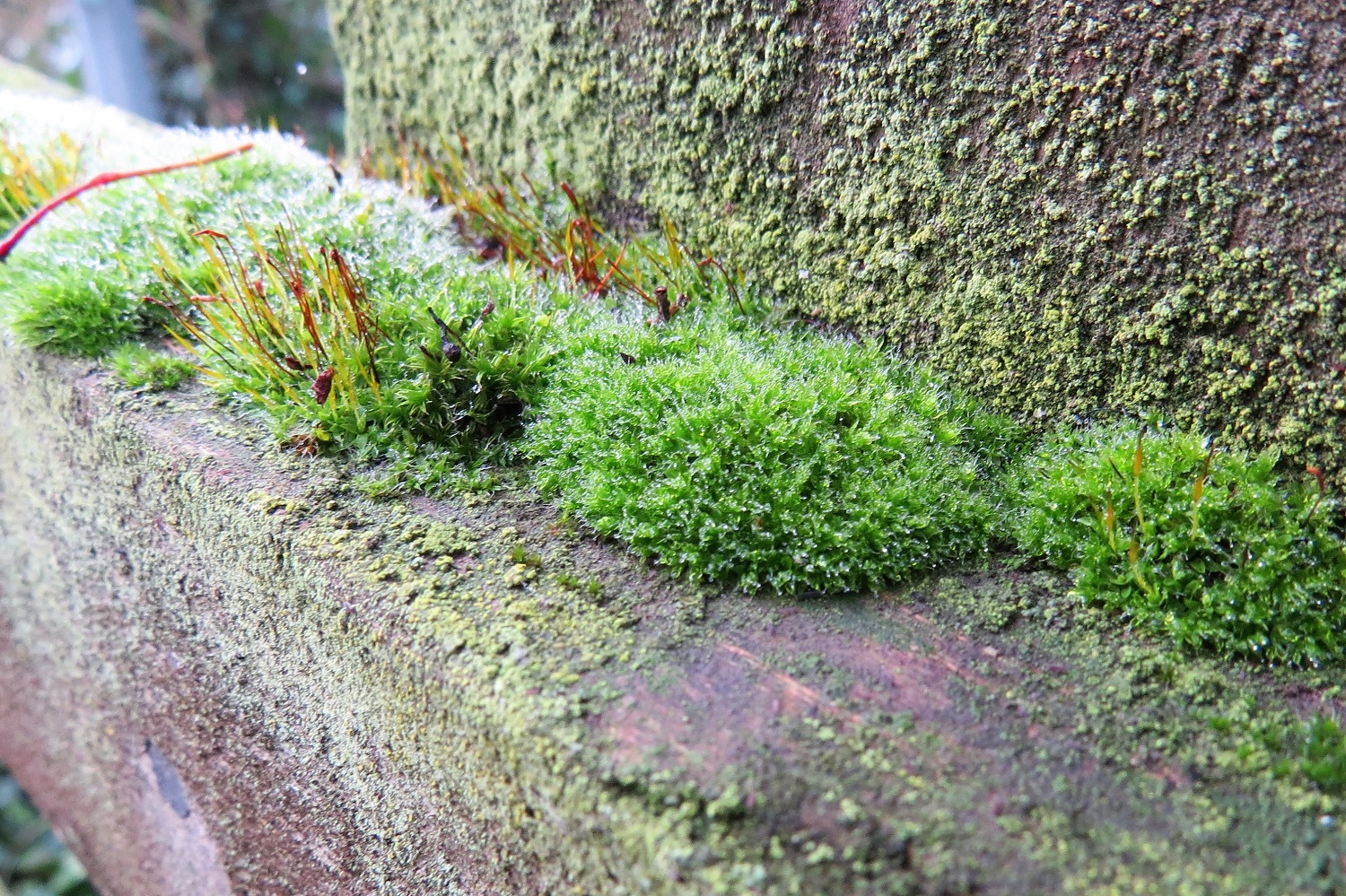


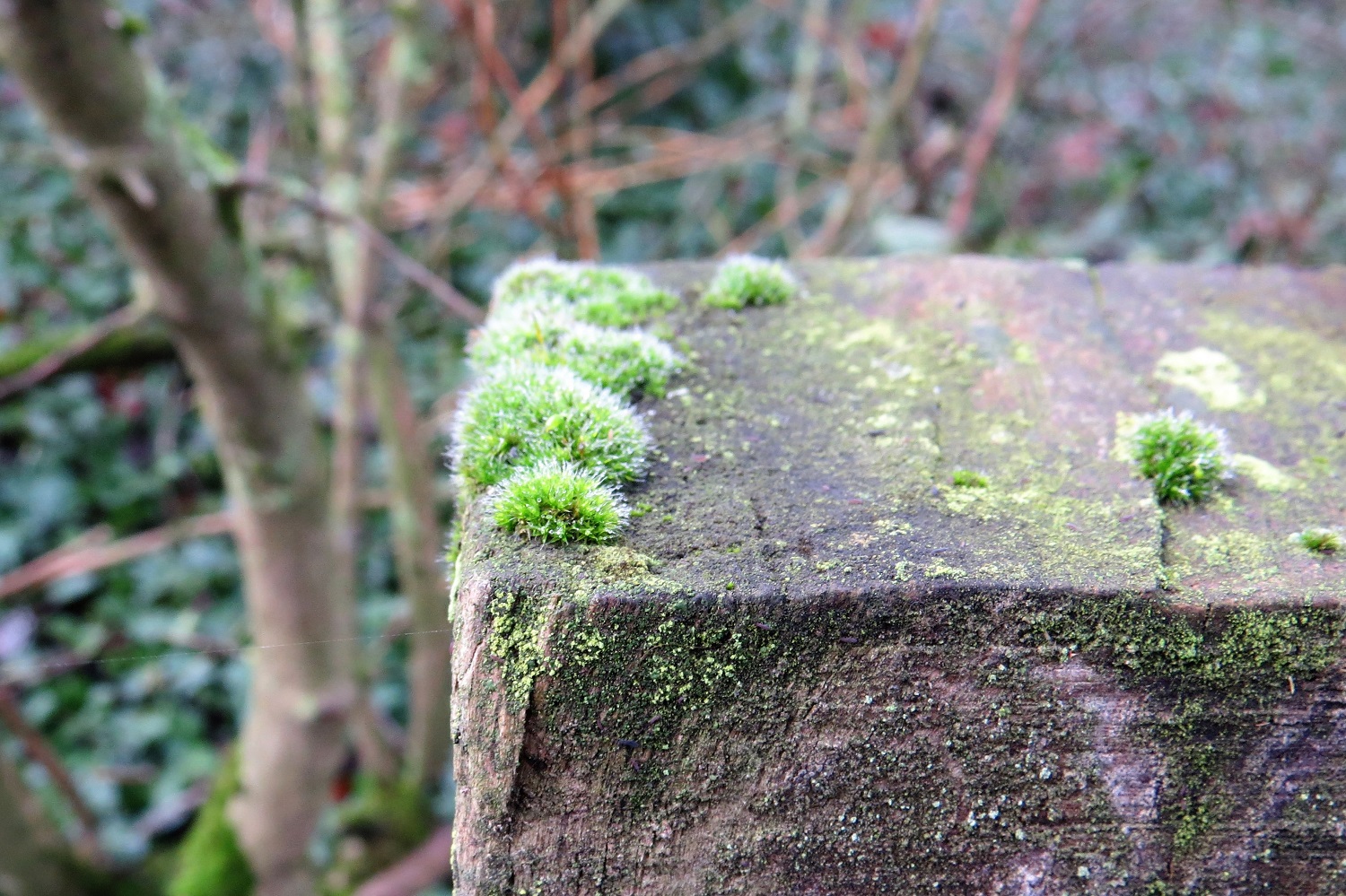
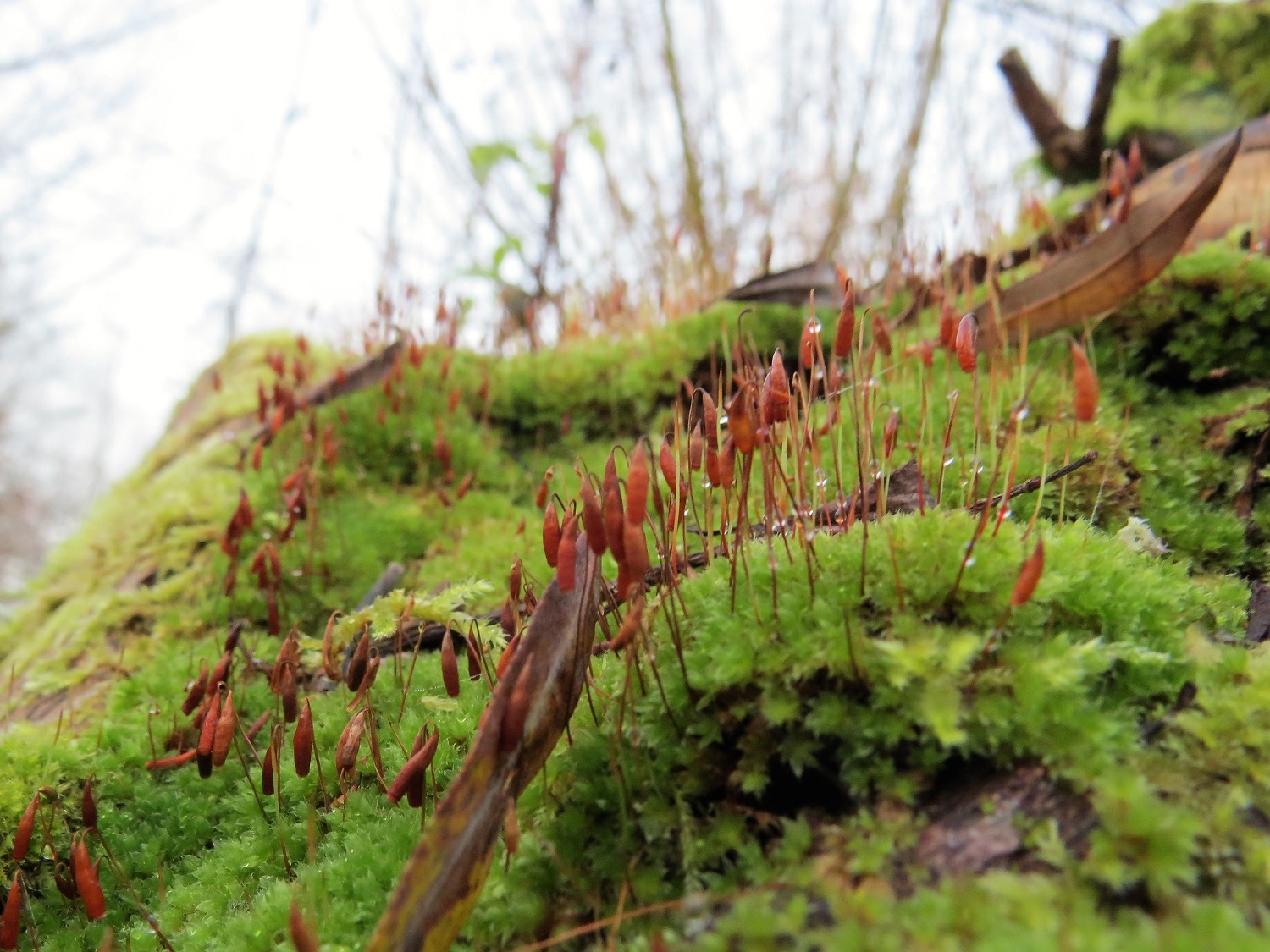


Over the years, we have recorded hundreds of different species of flora, fauna and fungi in the reserve. Among the rare and beautiful things that attract everybody’s attention (the snake’s head fritillaries, the scarce chaser or the visiting roe deer) are many smaller, more commonplace creatures and plants that we pass by without noticing.
Continue reading “Searching the Species Lists”

A beautiful photograph from Ian Bushell of the pollarded oak tree by the footbridge between Cornfield and Sleepers.
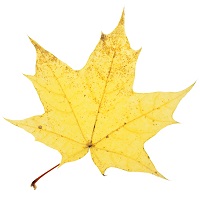

Last night brought the year’s first frost to many parts of the country.
Video: Timelapse of frost forming on European beech leaves ©Alastair MacEwen/naturepl.com
Header image: frosted leaves by DKG
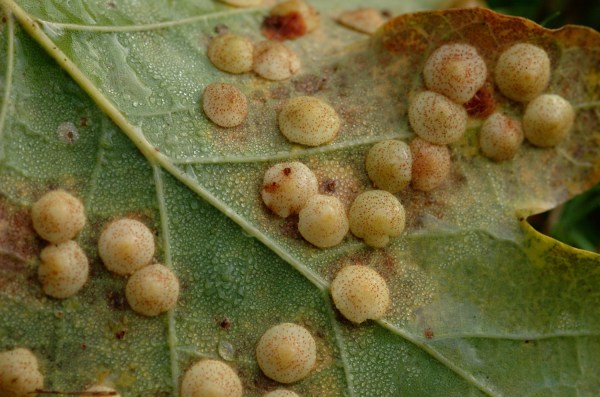
These are spangle galls on an oak leaf.
Continue reading
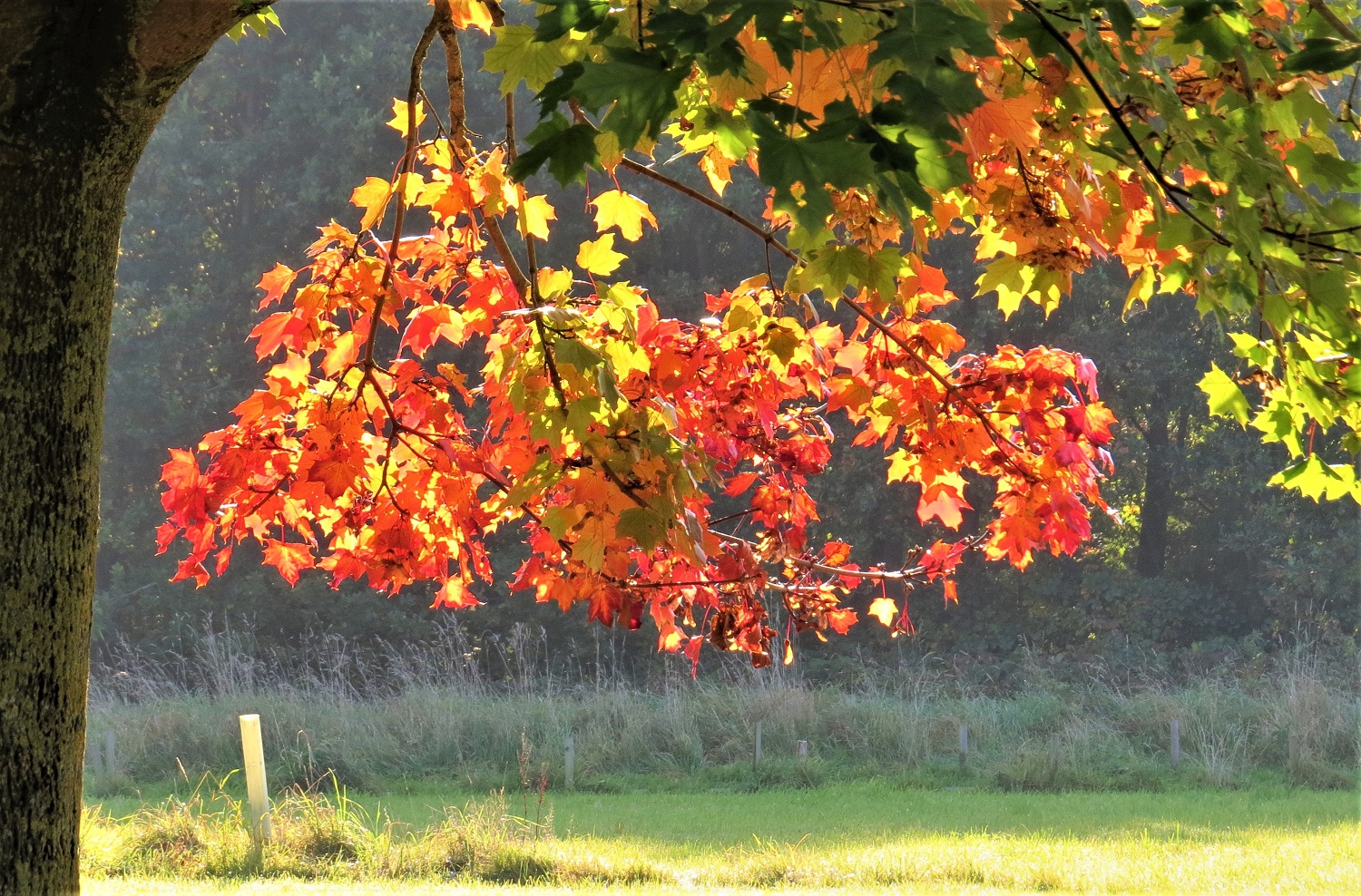
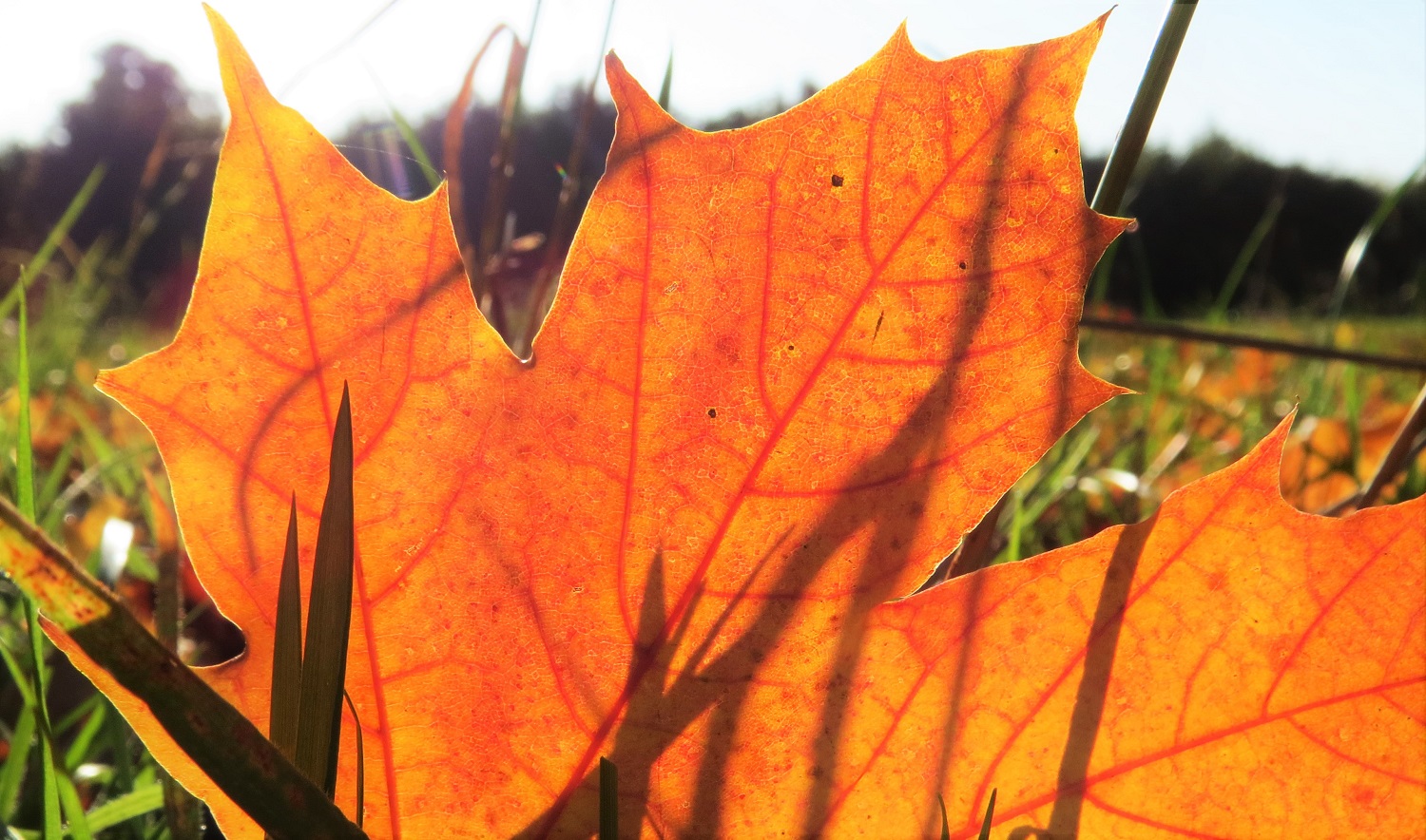
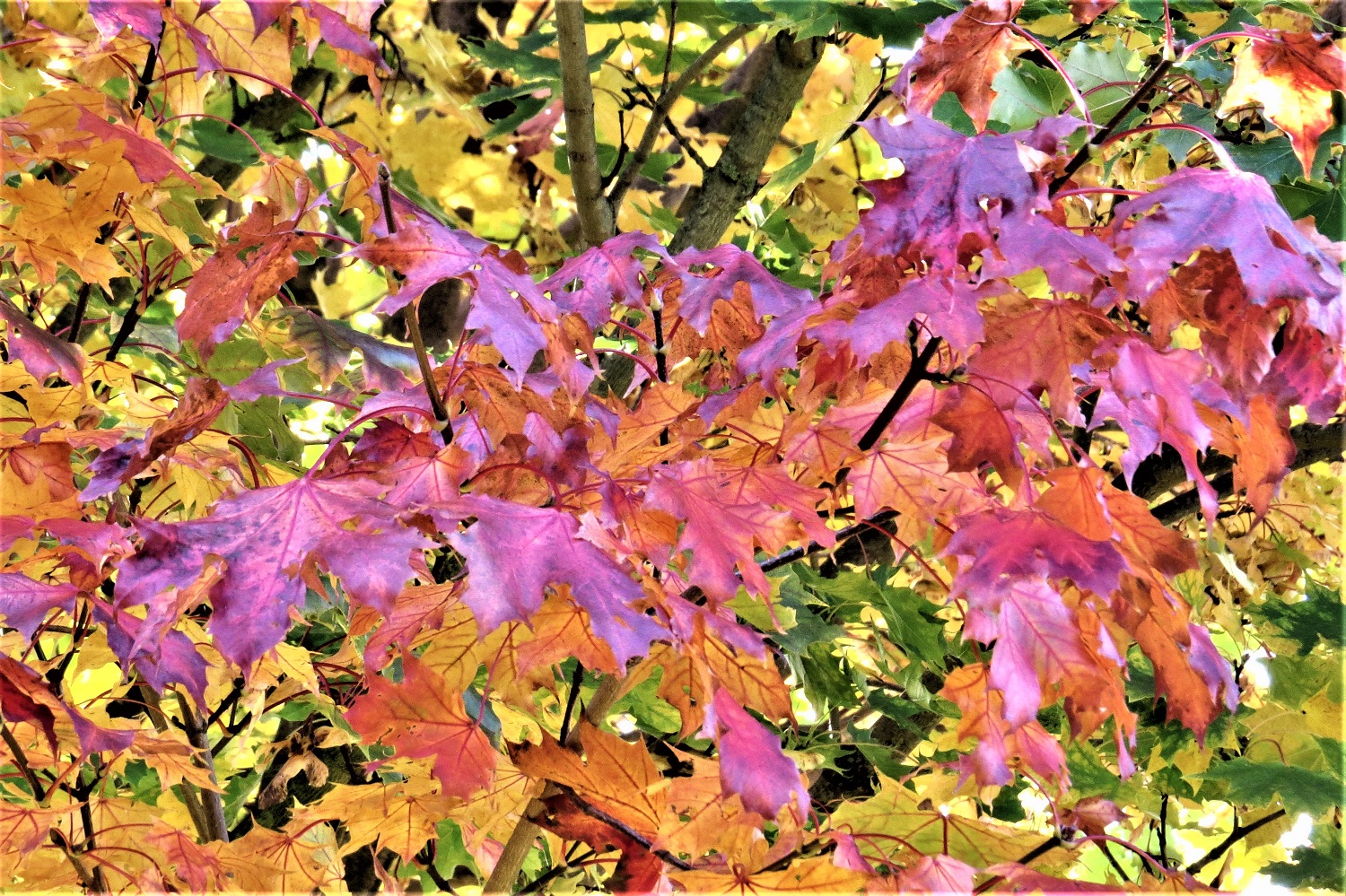

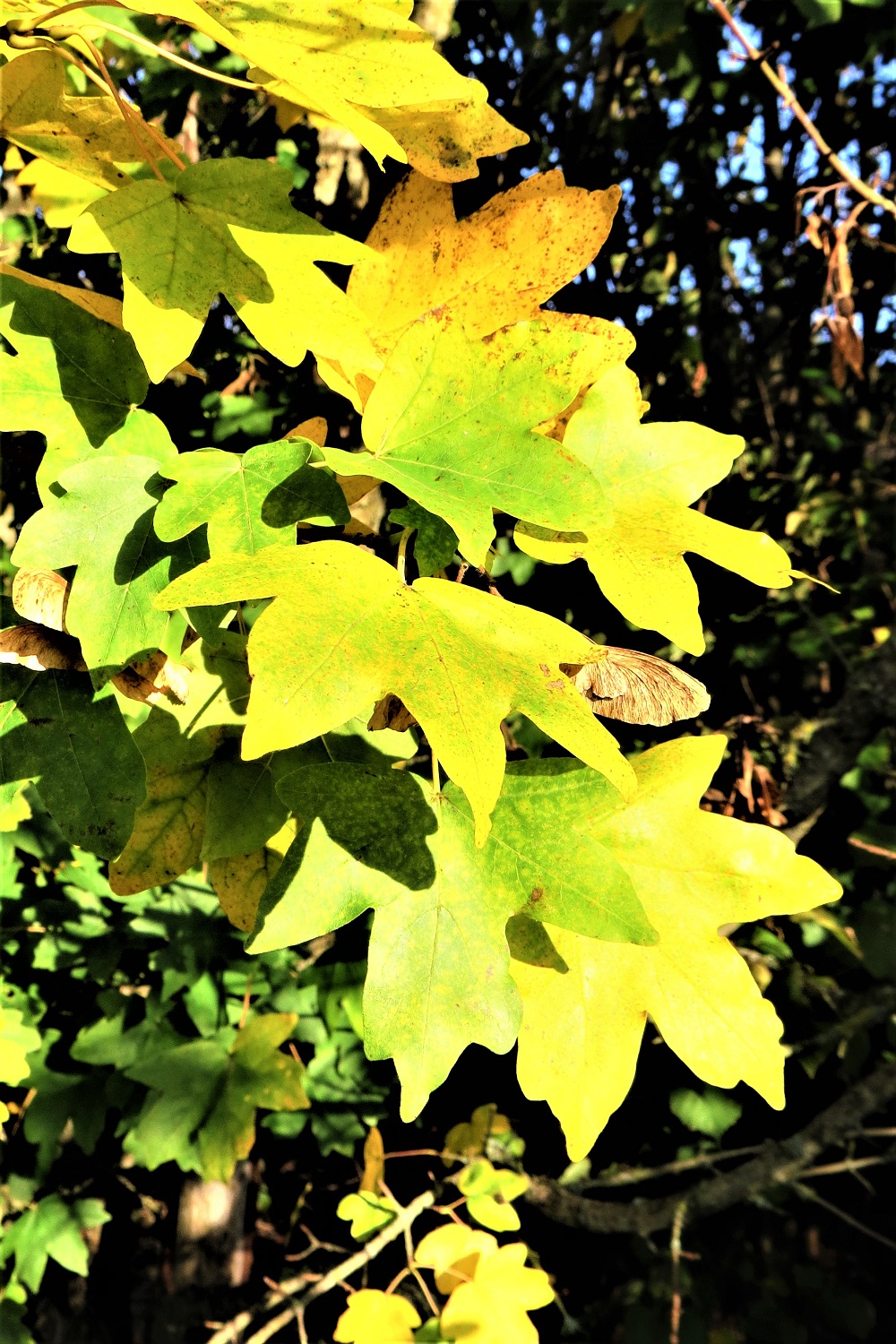
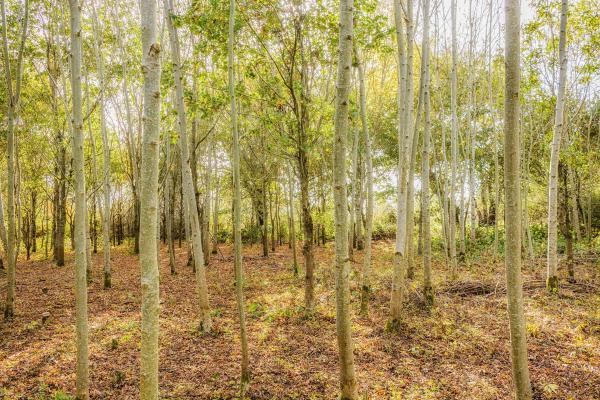
by David Feather
I think that we accept that a walk in the park is very good for our mental health. What is not so clear is that it is also good for our physical health.
Continue reading “A walk in the woods”
Wikipedia defines bioturbation as the reworking of soils and sediments by animals or plants. Here is a video of a system with and without soil fauna such as earthworms, mites and isopods over a 15 week period: this is what is happening to the fallen leaves all over the reserve.
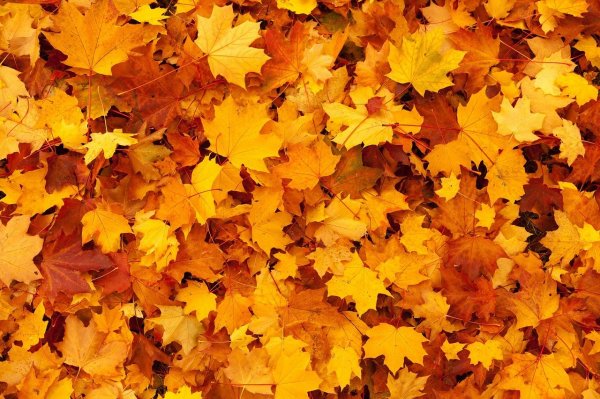
There are thousands of species of invertebrates that overwinter in the leaf litter below our gardens’ trees and shrubs.
Continue reading “Let the leaves lie”
Ecosystem engineers are organisms that modify their environment. They increase biodiversity by creating habitat for species other than themselves. The oak apple, caused by a tiny wasp called Biorhiza pallida, is just such an engineered environment.
Continue reading “Ecosystem engineers”


 Southwick Country Park Nature Reserve