There are three kinds of pigment in a usually green leaf: carotenes which are yellow, red and pink anthocyanins, and chlorophyll, which is the green that masks the other colours until autumn.
Why do the leaves change colour?

There are three kinds of pigment in a usually green leaf: carotenes which are yellow, red and pink anthocyanins, and chlorophyll, which is the green that masks the other colours until autumn.
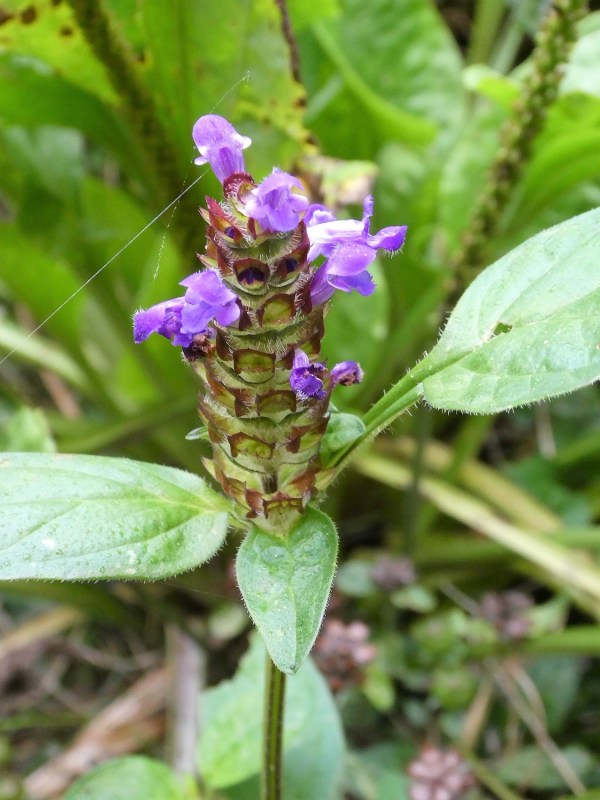
Prunella vulgaris goes by many common names – heal-all, woundwort, heart-of-the-earth, carpenter’s herb, brownwort or blue curls – but in these parts it’s best known as selfheal.
Continue reading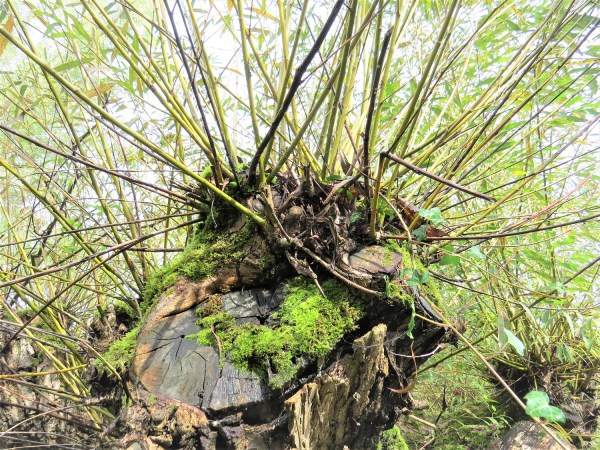
Salix is the genus name of willow, trees known and cultivated for millennia for their medicinal properties.
Continue reading “Salix”
by Ian Bushell
The weather was again kind to the working party: dry but not too hot. Another good turn out, just missing Sarah and Alan who are on holiday.
Continue reading
There are silk button galls on the underside of oak leaves all over the park.
Continue reading “Silk button galls”
Here is a video, taken from BBC Earth’s Spy In The Wild series, about squirrels caching acorns.
The header picture was taken in the park by DKG
by David Feather
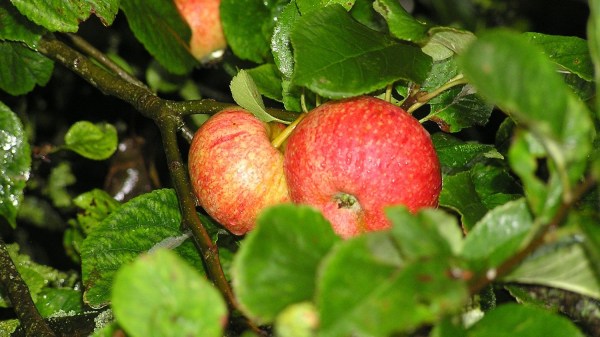
Southwick Country Park Nature Reserve has an orchard which has a wide variety of local heritage apple trees. They are now about 10 years old and starting to bear fruit. However, the crop has been very variable this year.
Continue reading “Apples Galore”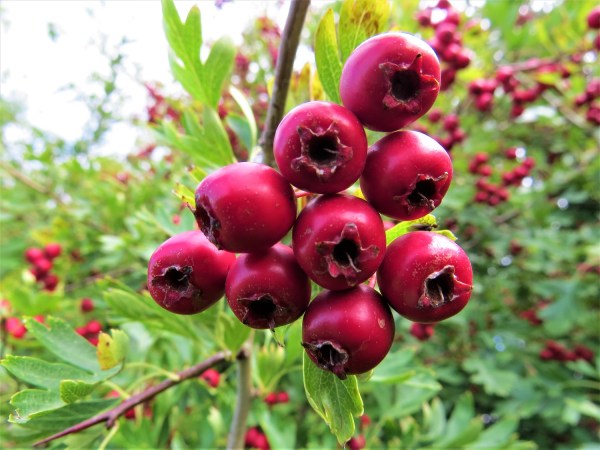
Hawthorn berries, startlingly red and so numerous that they weigh down the trees, are an indication that the summer is finally over. This year, why not try making haw ketchup.
Continue reading “Haw ketchup”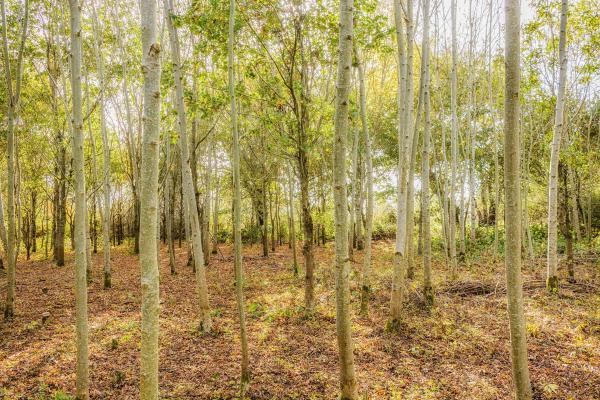
Researchers have discovered that the trees in a wood are connected by a network of mycorrhizal fungi that grow around and in their roots, a phenomenon they have called the Wood Wide Web.
Continue reading
Oak trees produce thousands of acorns every year. Somebody has worked out that an oak tree can produce ten million acorns over its lifetime. In a good year, they carpet the ground under the tree.
Read on:
This strange object is a knopper gall on an oak tree, photographed in the reserve yesterday by Ian Bushell. At this time of year, our many oak trees are sporting a whole variety of galls.
Continue reading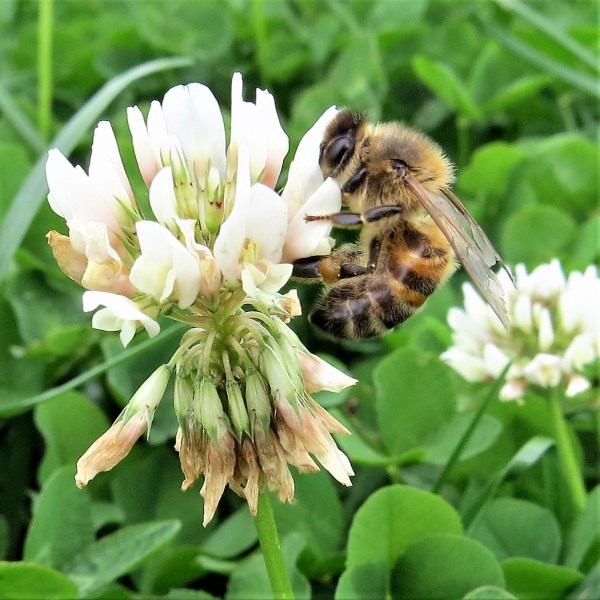
Unlike common wasps, honey bees (Apis mellifera) don’t die at the end of the summer. The hive stores enough food for the queen and the workers to survive through the winter.
Continue reading “Honey bees”
This year, we have identified five species of native orchids in the reserve. Two of them, the common spotted orchid and the broad leaved helleborine, are old friends, but bee orchids, pyramidal orchids and southern marsh orchids also appeared for the first time in the reserve’s fields.
What makes a good year for native orchids? Here are five possible factors to take into consideration.

These are the flowers of Typha latifolia, the common bulrush, growing vigorously along Lambrok Stream.
Read on:
Red bartsia in Lambrok Meadow by the stream near where there is a ford across into the Church Lane field.
Continue reading “A parasitic plant”
The changing climate rushes our flowering season on and the reserve is already full of seeds, fruits and berries, food for our wildlife but not always for its human occupants. Some berries are poisonous.
Continue for details and pictures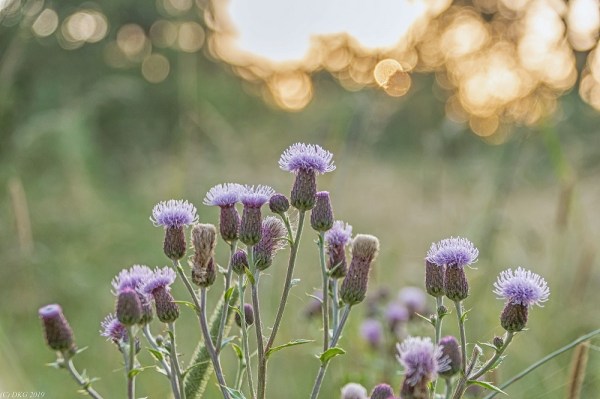
The 1959 Injurious Weeds Act does not just apply to ragwort. It names four more species as well: broad leaved dock, creeping thistle, curled dock, and the spear thistle. We have them all.
Continue reading “Creeping thistle”
This is Anagallis arvensis or scarlet pimpernel discovered last week among the grass in the set-aside at the top of Kestrel Field and photographed by Ian Bushell. It is a tiny annual plant more usually found growing in bare ground under arable crops than among the reserve’s lush grasses and, like so many of our wildflowers species, it is now in serious decline due to modern intensive agricultural practices.
Continue reading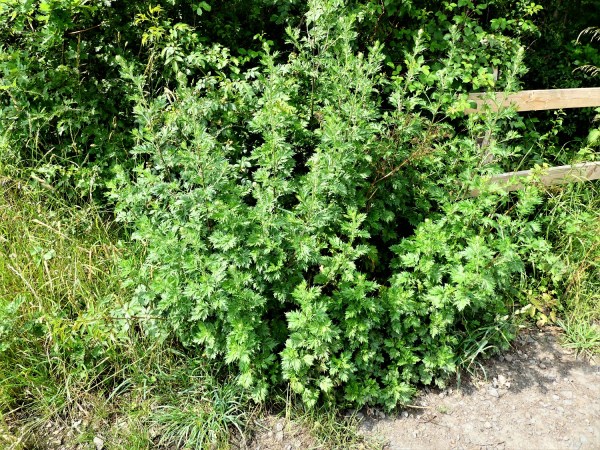
This is common mugwort (Artemisia vulgaris) growing vigorously in the gateway at Puddle Corner between Sleepers Field and Cornfield.
Continue reading “Mugwort”
by David Feather
“I talk to the trees, but they don’t listen to me.” This was part of a lyric to a song some of our older nature reserve walkers will remember. Well, there is a possibility that the lyric writer might have been mistaken.
Continue reading
Pineapple weed (Matricaria discoidea) is an 18th century introduction from northeast Asia that escaped from Kew Gardens into the wild in 1871 to become the fastest spreading invasive plant species of the 20th century.
Continue reading “Pineapple weed”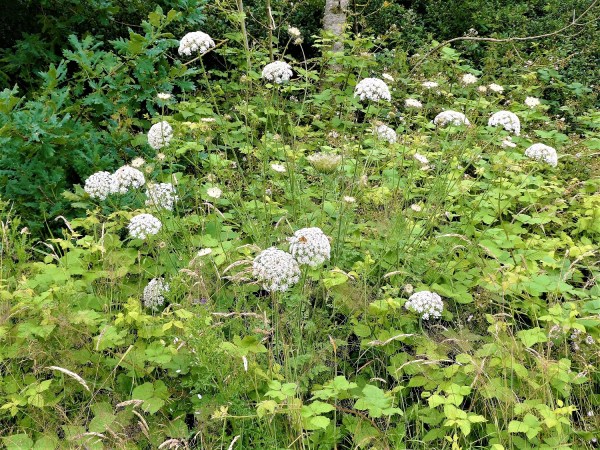

Have you spotted the patches of bright yellow meadow vetchling in our hayfields?
Continue reading “Meadow vetchling”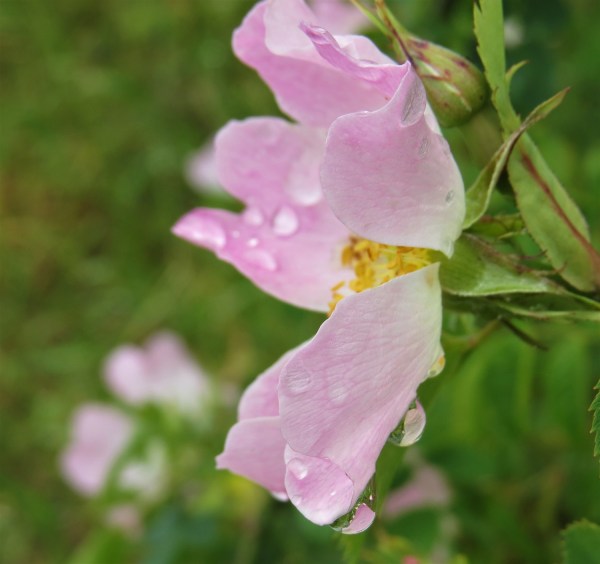
Dog, used as an adjective, as in dog’s mercury or dog Latin, can be disparaging: it means something is not quite the real thing. But dog rose is a direct translation of the Latin, Rosa Canina, so named in classical times because the root of the dog rose was believed to be a cure for the bite of a mad dog.
Continue reading “Rosa canina”



 Southwick Country Park Nature Reserve