Herb-robert (Geranium robertianum) is one of our most common wildflowers, growing anywhere it can find a damp footing and a little shade. Nobody seems to know who Robert was, though – but there are theories.
Continue reading
Herb-robert (Geranium robertianum) is one of our most common wildflowers, growing anywhere it can find a damp footing and a little shade. Nobody seems to know who Robert was, though – but there are theories.
Continue reading
This is wild arum (Arum maculatum) growing in the copse at the top of Brunt’s Field.
Continue reading “Wild arum”
Common name: cowslip
Continue reading “Fact file”
The old saying – Shed not a clout ’til may be out – is not an instruction to keep your coat on until June; it’s telling you to take your cardigan off when the may is in flower, which has been known to happen as early as April.
Continue reading
Have you joined Plantlife’s No Mow May Movement yet?
Continue reading “No Mow May”
by David Feather
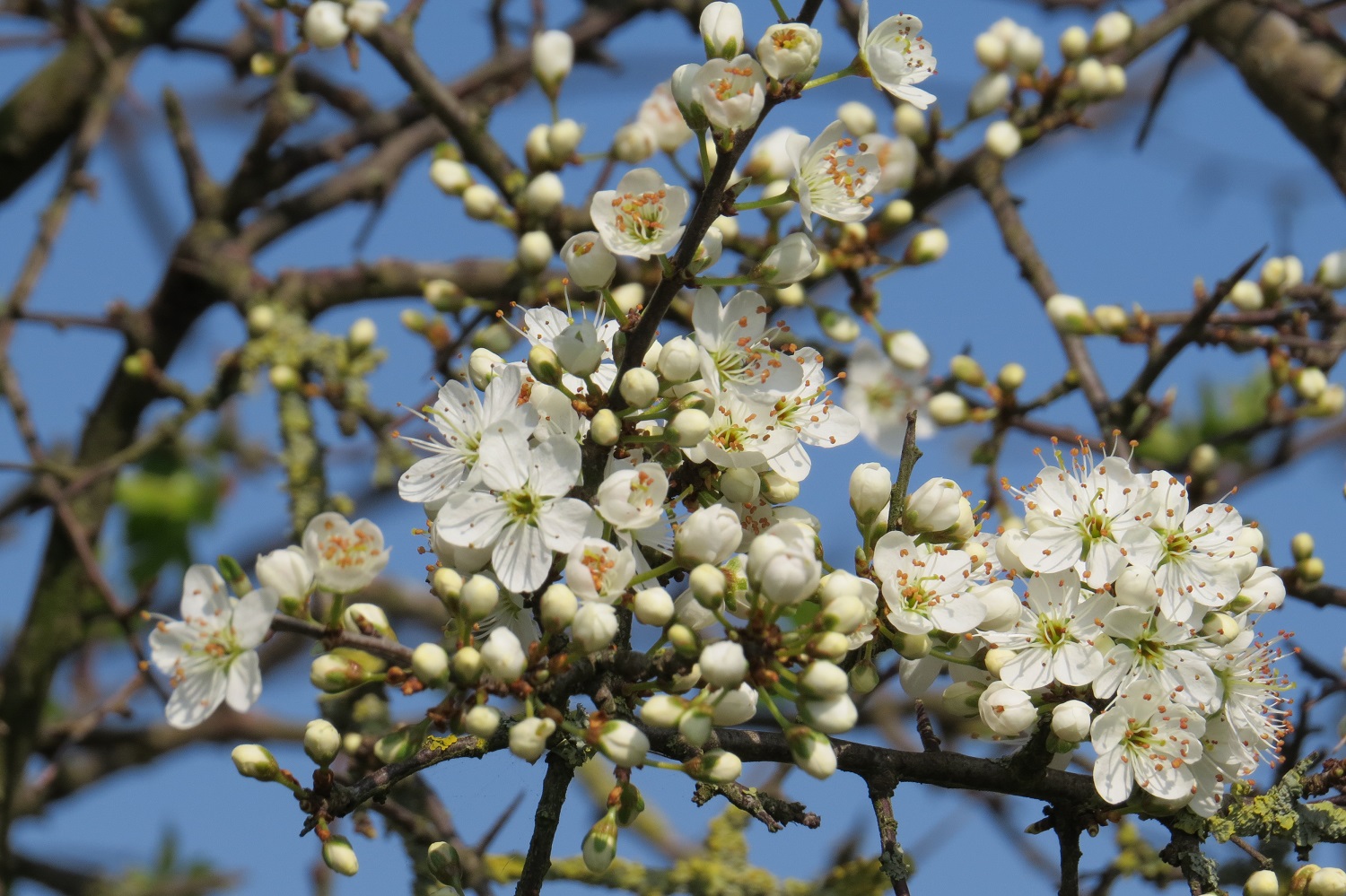
Today, April 28th is designated Orchard Blossom Day but, sadly, we have no event scheduled for that Sunday in or related to our heritage orchard.
Continue reading “Orchard Blossom Day”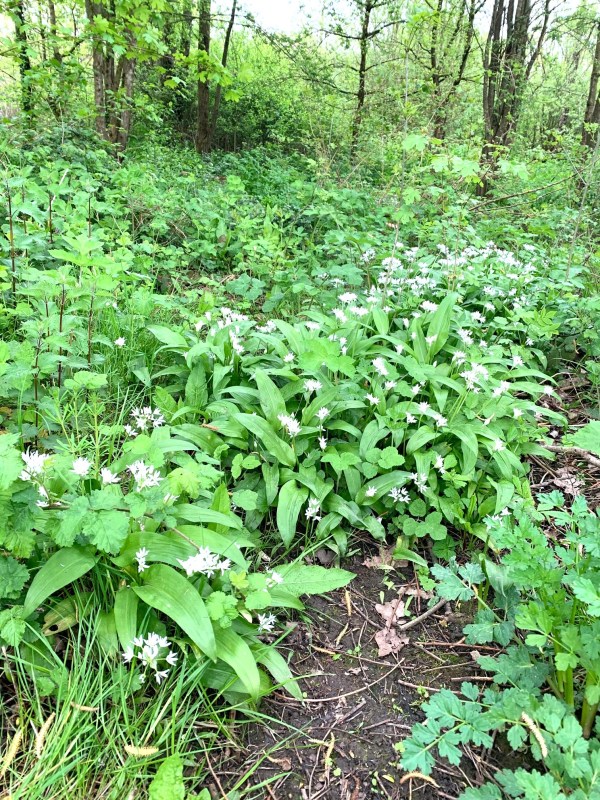
Around here, we have always called it wild garlic (Allium ursinum) but it is known by many different names: ramsons, cows’s leek, buckrams, broad-leaved garlic, wood garlic, bear leek, Eurasian wild garlic or bear’s garlic. Whatever you call it, it’s coming into flower in our copses.
Continue reading

Every year, the Friends take to the reserve’s bluebell copses to hunt down and pull up Spanish squill, an invasive alien that is threatening the future of our native bluebells.
Continue reading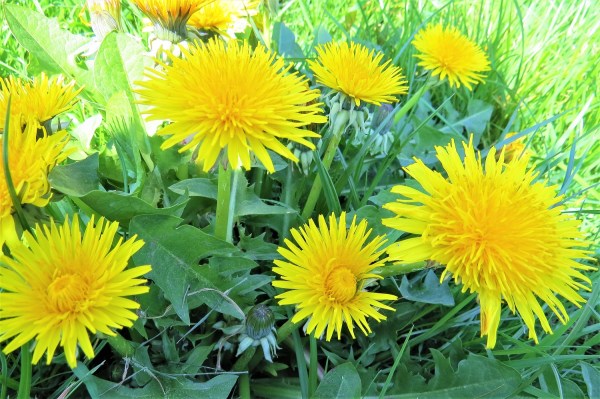
Dandelions (Taraxacum officinale) are the commonest of our wildflowers. They grow everywhere: between our paving stones, in flowerbeds, lawns and roadside verges, and straight up through the tarmac of a well-maintained driveway.
Continue reading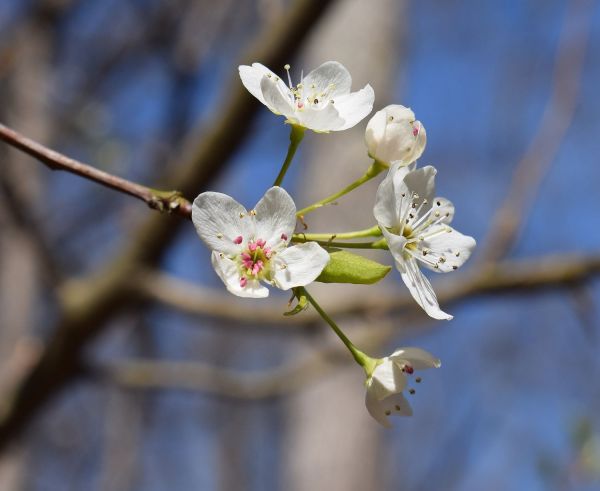
by Ian Bushell
We think we have identified THREE species of cherry trees in the reserve.
Continue reading “Cherry trees”
There are three species of fern in the reserve belonging to the genus Dryopteris: a buckler fern and two species of male ferns, all very much alike. At the moment all three are busy unfurling long, bright green, finely divided leaves.
Continue reading
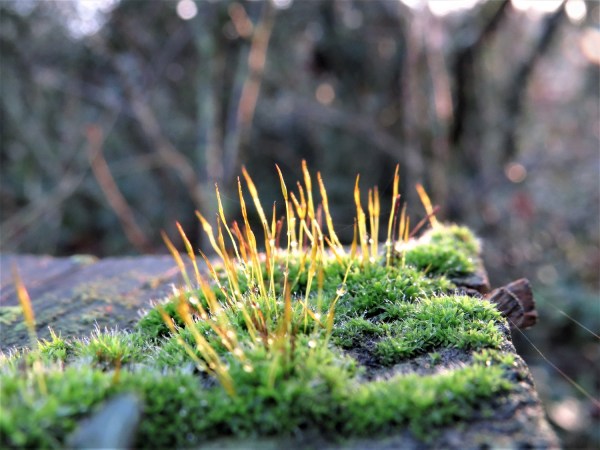
Before you drag the pressure washer out of its winter hibernation, let’s talk about the ecological importance of the moss growing between your patio pavers.
Continue reading
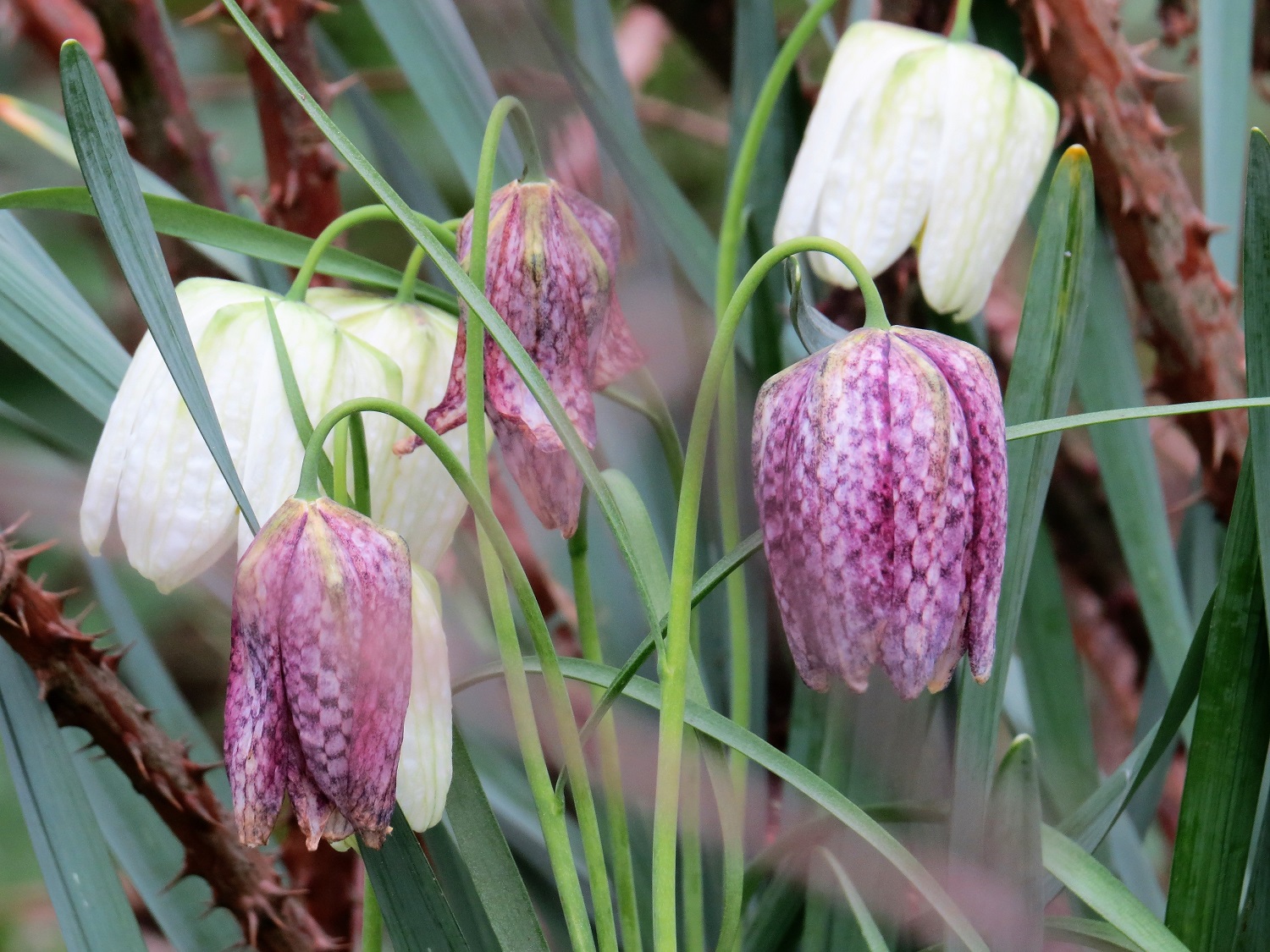
Julie Newblé has sent in the first photograph of this year’s snake’s head fritillaries.


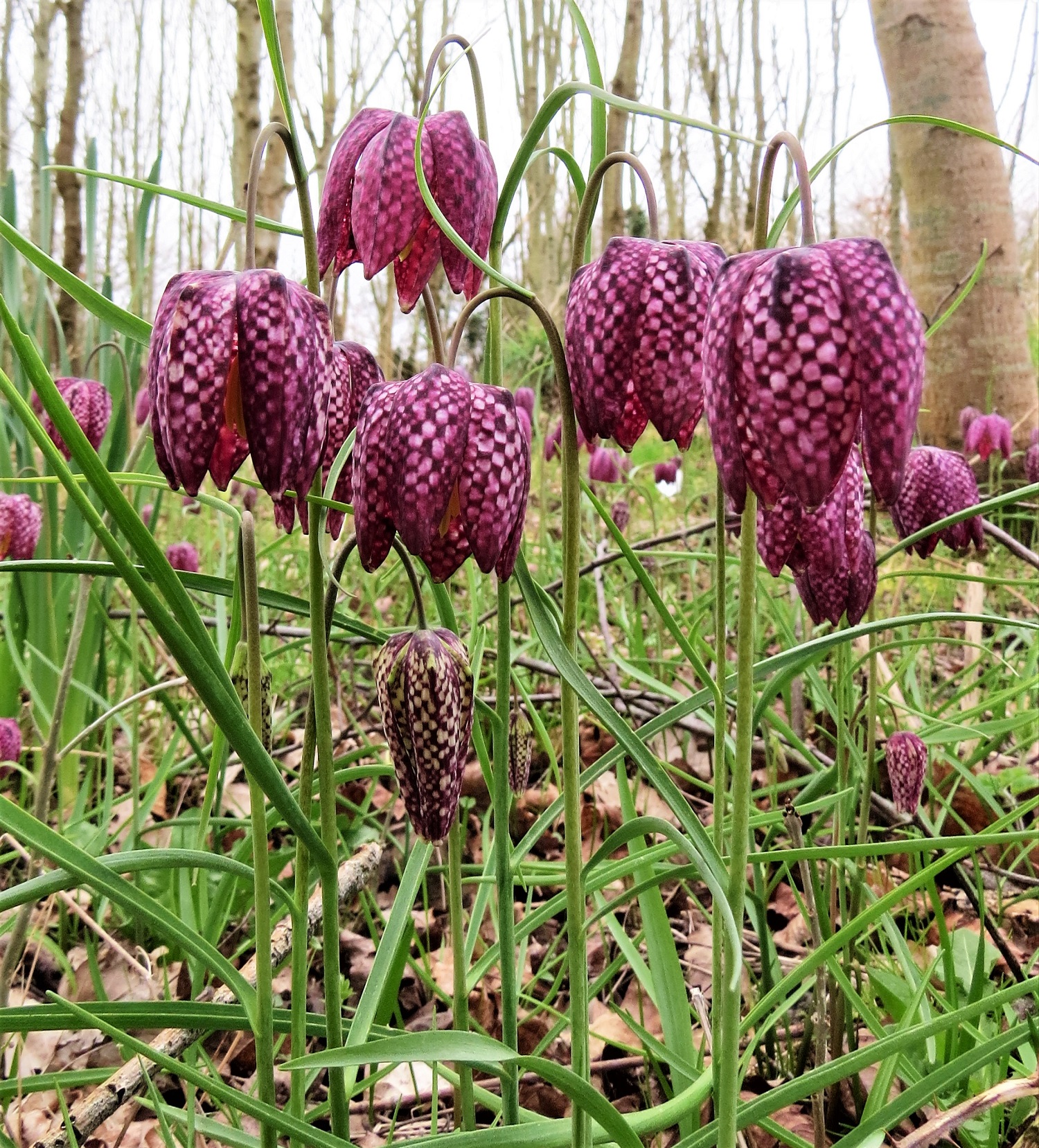

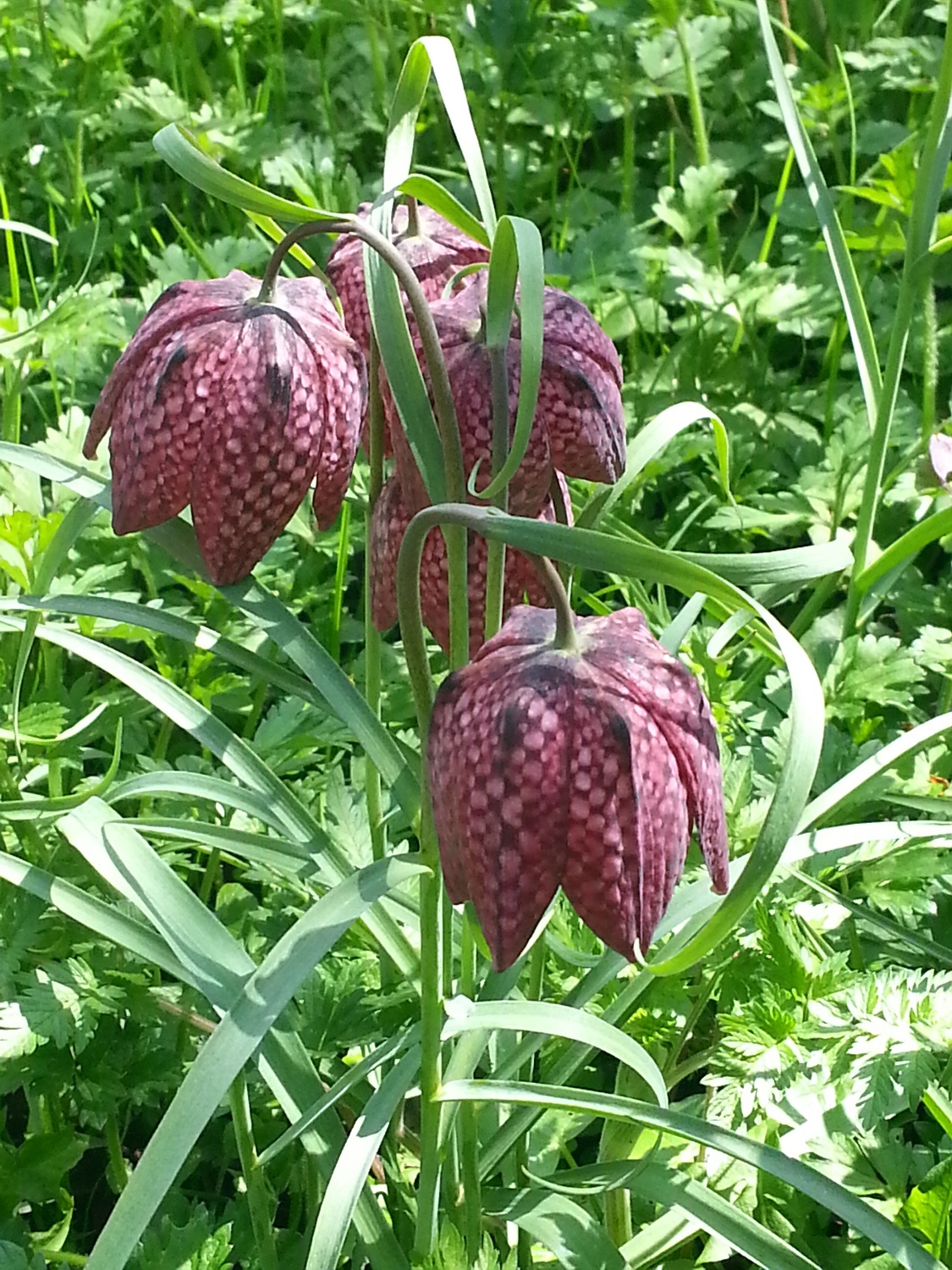

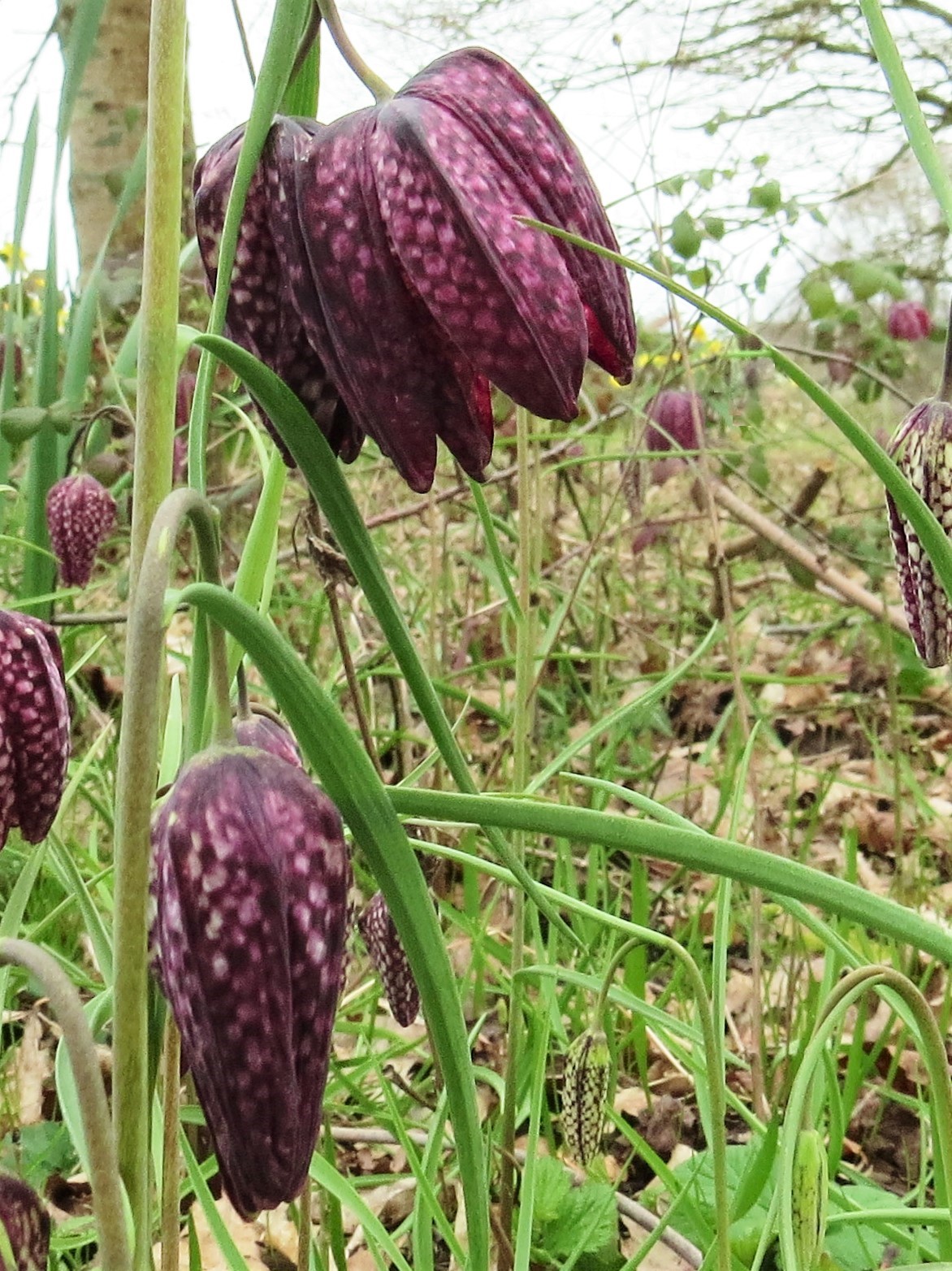
Thanks Julie.

The vernal equinox, the moment at which our sun is exactly above the equator and day and night are of exactly equal lengths, happened at 3:06 am this morning. So today, is the first day of 2024 that will be longer than the previous night. The days will get longer and the nights shorter until the summer solstice: June 21st or thereabouts. For the reserve this is a time of extraordinary growth.
Continue reading
There are wood anemones (Anemone nemorosa) in the copse between Sheep Field and Sleepers, and under oak 5552 in the corner by the central path..
Continue reading
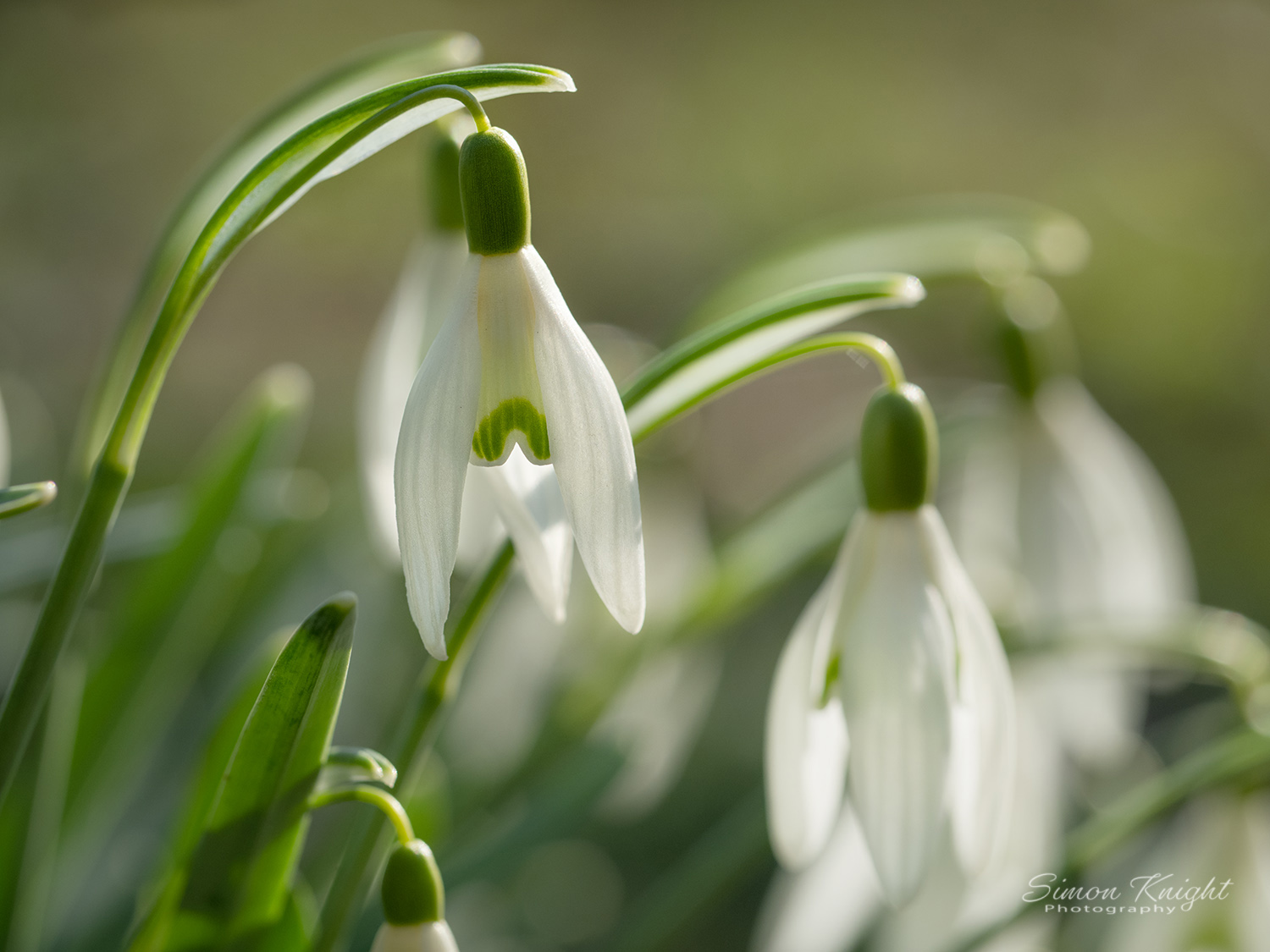





Here’s another of our early bloomers: Pulmonaria officinalis, lungwort. It grows in the eastern corner of the copse at the bottom of Kestrel Field, near the Blackthorn Tunnel. Its bright pink and blue flowers, and spotted leaves are unmistakeable.
Read on: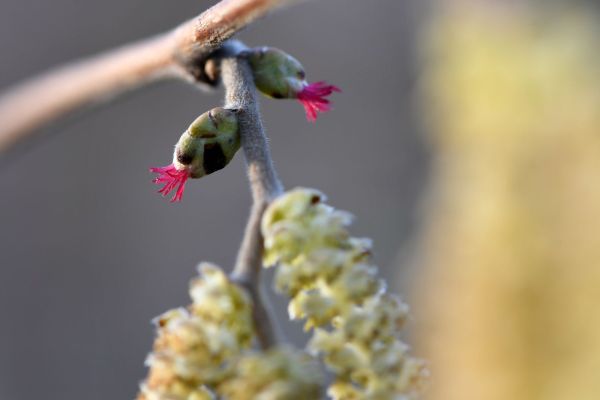
Hazel has both male and female flowers. The familiar yellow catkins are made up of about 250 male flowers. They produce the pollen; if you tap a ripe hazel catkin it will release a cloud of pollen. The female flower is a minutely small red tassel, somewhere on the same twig as the catkins.
Continue reading “Hazel’s female flowers”
A host of golden daffodils….
After their short, golden flowering period, the above-ground parts of our daffodils will die back and they will spend the rest of the year hidden underground as bulbs. The bulbs are adapted stems and leaves in which the plants store their food to fuel next year’s spring growth.
Continue reading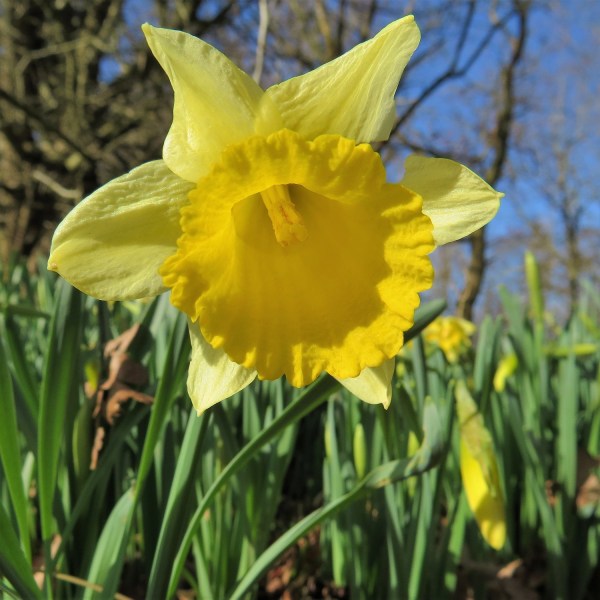
These are not the daffodils we planted in the autumn of 2017; these are a rapidly spreading clump at the bottom of Kestrel Field on the edge of the copse.
Continue reading
There is a climate anomaly in the south eastern states of the USA that, until recently, scientists have been unable to explain. While the rest of the country has suffered from rapidly rising temperatures, these anomalous areas have either flatlined or cooled. What is going on?
Continue reading
A goat willow’s flowers, or catkins, are known as pussy willow because they look like furry grey kittens’ paws. They appear in February, some weeks before the willow’s leaves, one of the earliest signs of spring in the reserve.
Continue reading
We already know how damaging light pollution can be and we know that noise pollution impacts birdsong and is linked to whale strandings – but what about other sensory pollutants? A study conducted at the University of Washington in Seattle has concluded that air pollution is making it more difficult for some insects to detect the fragrances of flowers, important mediators in the relationship between plants and pollinators, insects and food sources.
Continue reading


 Southwick Country Park Nature Reserve