The sex life of a primrose
Our primroses, which have an interestingly complicated sex life, are just beginning to flower in the reserve’s sheltered ditches and copses.
Continue reading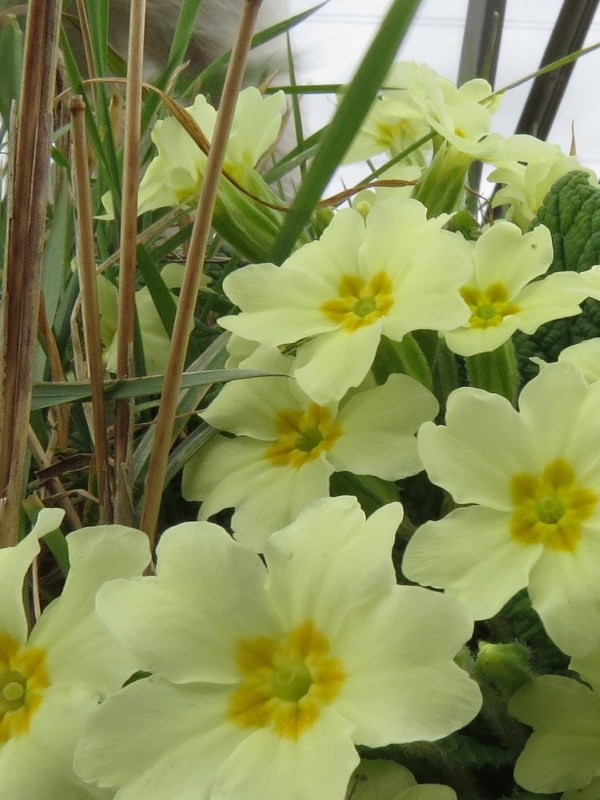
Our primroses, which have an interestingly complicated sex life, are just beginning to flower in the reserve’s sheltered ditches and copses.
Continue reading
This is one of our field maples, Acer campestre, growing next to the circular path at the top of Simpson’s Field. The photograph was taken on April 1st 2021.
Continue reading “Bud burst”

Changing temperatures are initiating plant growth earlier and earlier every year. In the reserve, there are already primroses in flower. While we might find the early flowering of daffodils and snowdrops encouraging, there are other species in the park for which it might be a disaster.
Continue reading
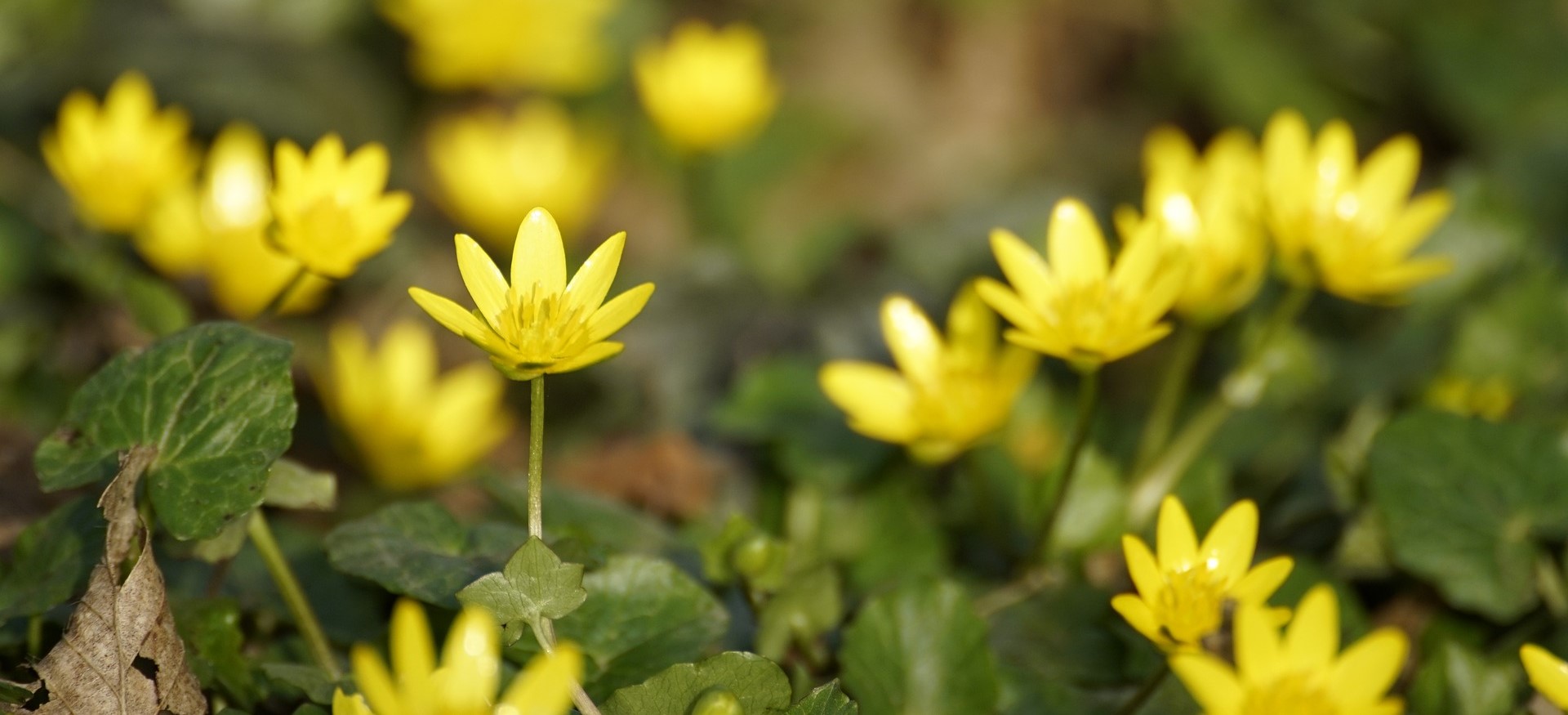
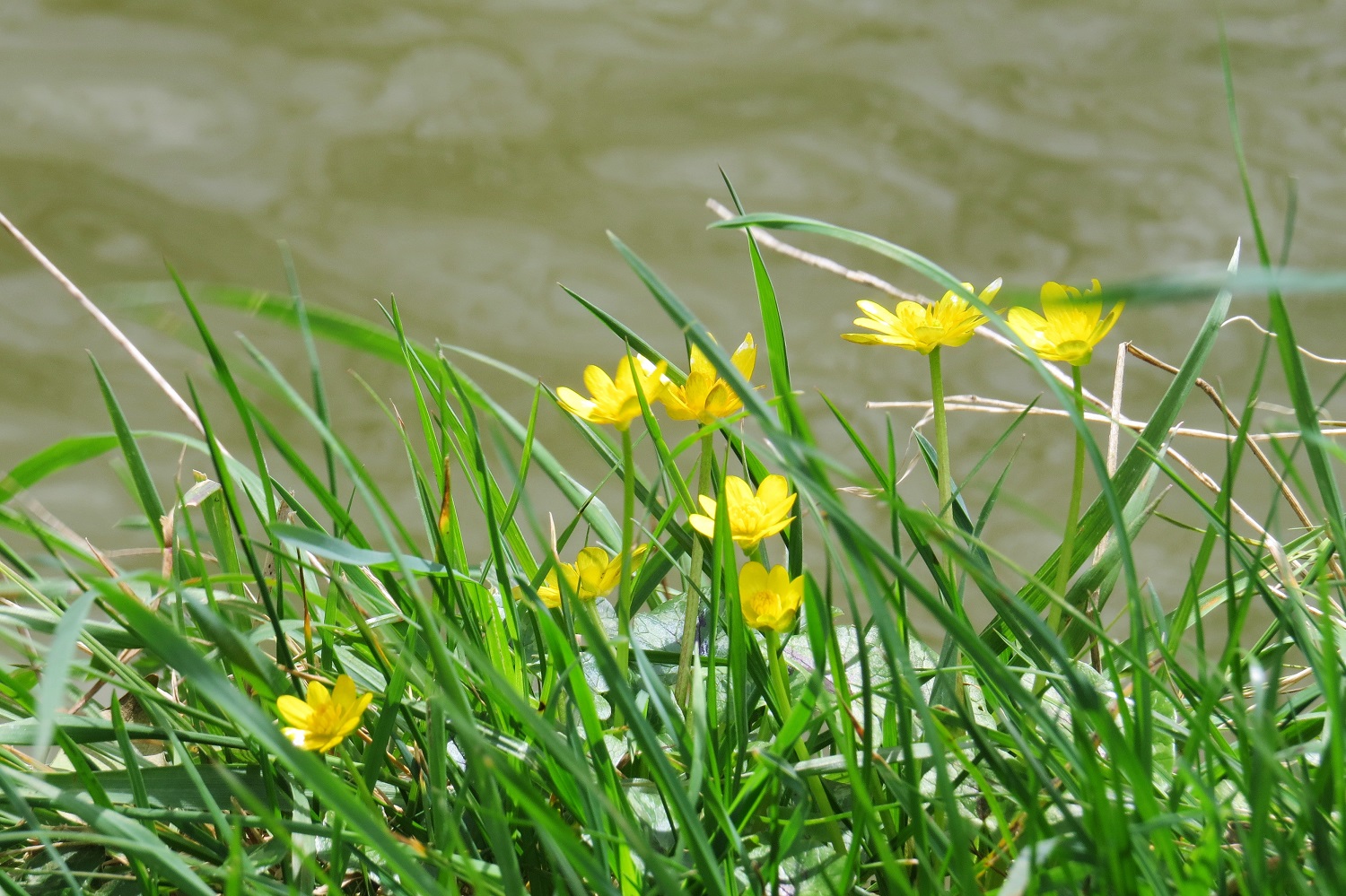
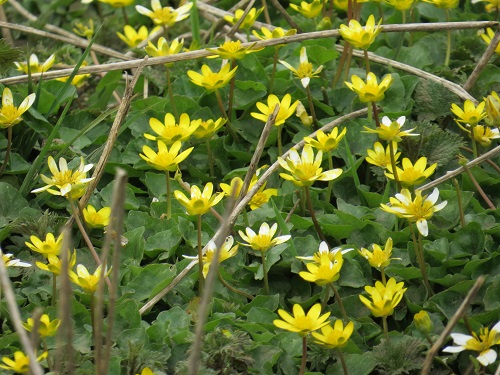
This warm, wet weather will bring all sorts of things into flower in the reserve. Lesser celandine, Ficaria verna, will be among the first to arrive.



Dog’s mercury (Mercurialis perennis) is one of those mysterious, usually nameless, plants that is hardly ever noticed. It forms dense carpets on the woodland floor and beneath old hedgerows but appears to most passers-by as just background for the bluebells and primroses.
Continue reading “Dog’s mercury”
This is a red dead nettle (Lamium purpureum), one of the earliest of the reserve’s wildflowers.
Continue reading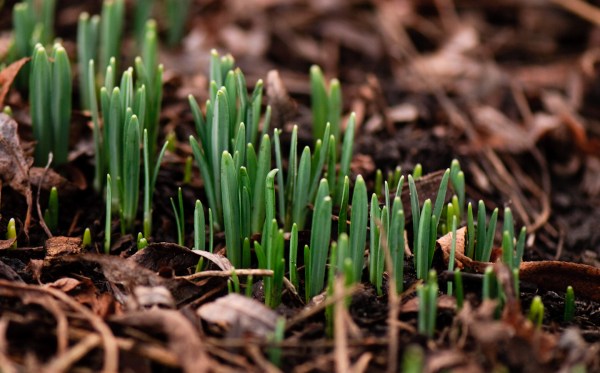
The snowdrops are coming up, pushing pale green shoots up through the mud and leaf mould. They look fragile and delicate but they are driven by powerful forces triggered by the lengthening days and even the frost we are promised next week won’t slow them down.
Continue reading
Happy New Year!
It’s New Year’s Day, the eighth day of Christmas, on which our true love is supposed to send us eight maids a-milking. So let’s use that as a welcome opportunity to look forward to the spring with a gallery of spring flowers.
Continue reading
What would Christmas be without mistletoe?
Continue reading “Mistletoe”
Which is the greener option when it comes to Christmas trees: real or artificial? A real Christmas tree is a beautiful and traditional addition to our commercialised modern Christmases but it comes with a frisson of guilt. Should we be cutting down trees at a time when our struggling planet and its biosphere need all the trees they can get? Fear not; the news is good.
Continue reading “Christmas tree”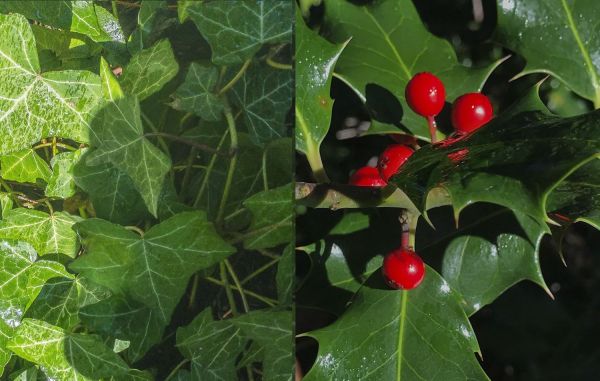

Five things you may not have known about the ivy in your Christmas wreath.
Continue reading “. . . and the ivy”
Over the years the Friends of Southwick Country Park have planted many holly whips in the hedges around the reserve’s fields.
Continue reading “Oh, the holly. . .”
Ecosystem engineers are creatures that create, significantly alter and maintain (or destroy) a habitat and in doing so change the availability of resources for other species. Our water voles are busy engineering the banks of Lambrok Stream and its tributary. How do they do this?
Continue reading “Eco-engineer”
By Ian Bushell
idverde, working in partnership with Wiltshire Council has donated 250kg of ‘Woodland Mix’ daffodil bulbs to Parish councils, schools and community groups. idverde are the contractors who help the Countryside Team and the Friends maintain the reserve; you have probably seen their vehicles in the reserve.
Continue reading
In the reserve we have two different kinds of poplar tree: Populus nigra, the black poplar and its cultivar, Populus nigra var. Italica, the Lombardy poplar.
Continue reading “Poplar”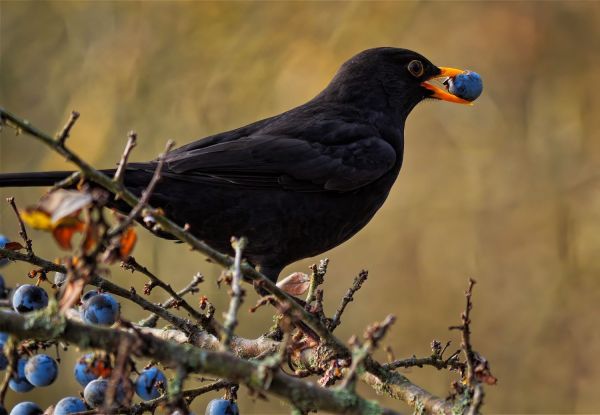



The reserve’s ivy blooms from the beginning of September right through November; each plant’s flowering season is quite short but a succession of plants flowers all through the autumn and into the winter. The flowers are small, green and yellow, and so insignificant-looking that many people don’t realise that that they are flowers at all.
Read on:
There are thousands of species of invertebrates that overwinter in the leaf litter below the reserve’s trees and shrubs. Let’s not be too eager to sweep the autumn leaves from our gardens.
Continue reading “Let the leaves lie”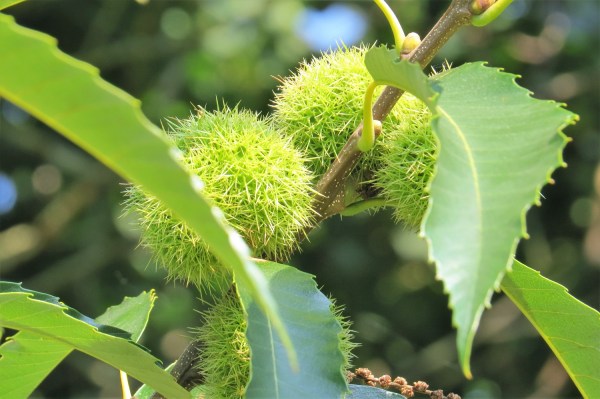
Sweet chestnuts (Castanea sativa) in the reserve’s Arboretum.
Continue reading “Sweet chestnut”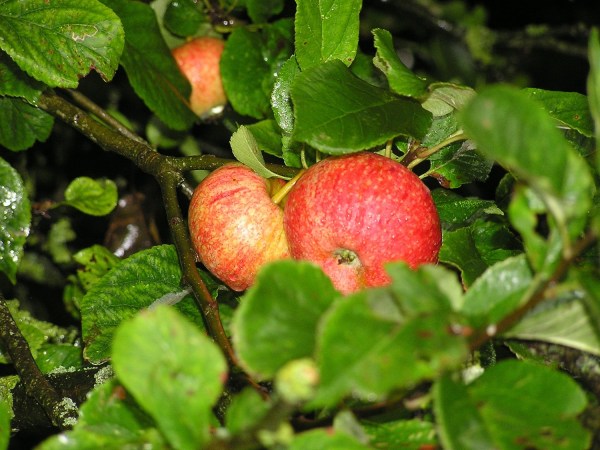
by David Feather
Our orchard was planted as part of a nationwide project to create Community Orchards across the UK. There is a website called The Orchard Project which supports local efforts. It is worth looking at as it has lots of interesting information and some recipes.
Continue reading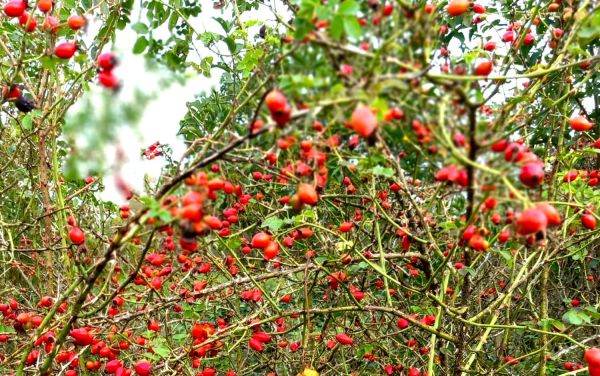
Inspired by yesterday’s gallery of the reserve’s berries and fruit, Sarah, a long-term member of FoSCP, has sent in pictures of the spectacular crop of rosehips near Lambrok Bridge.
Continue reading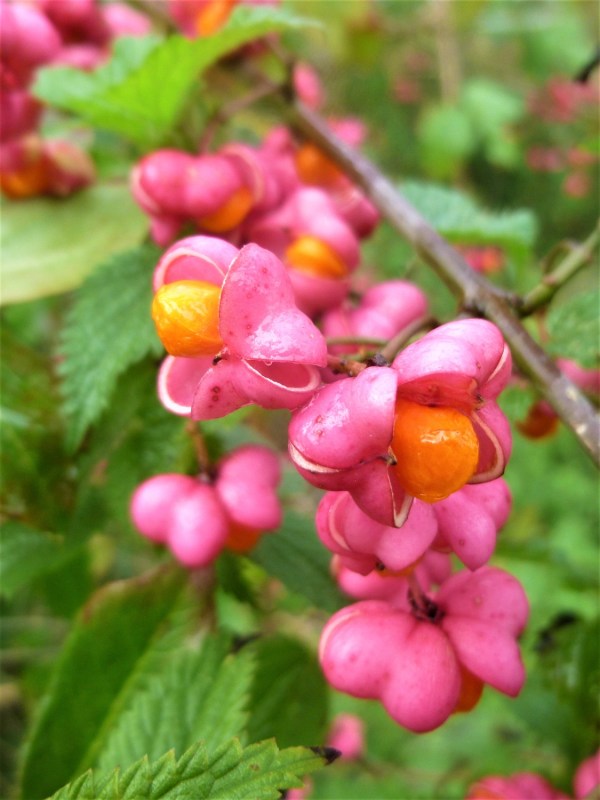
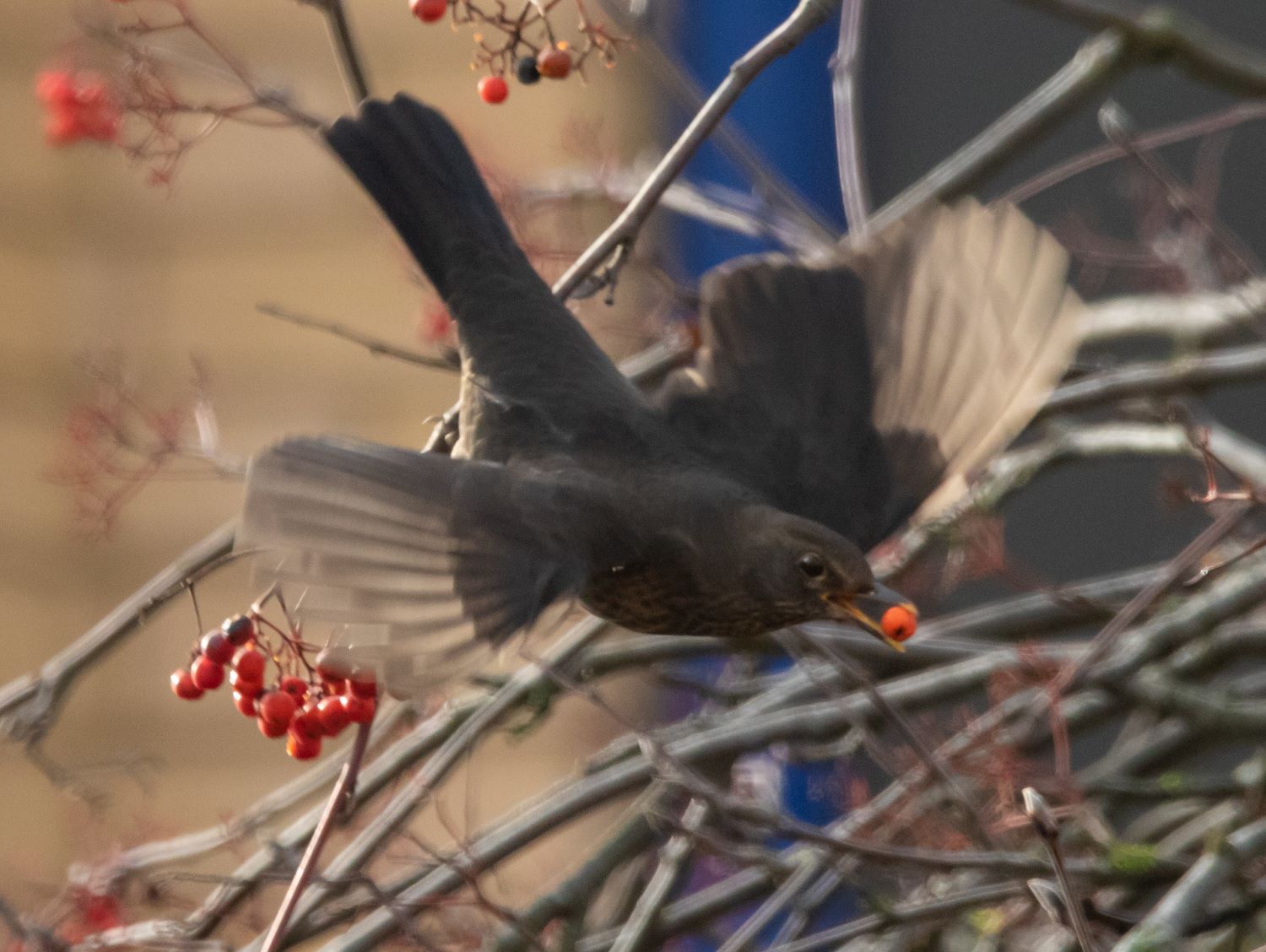
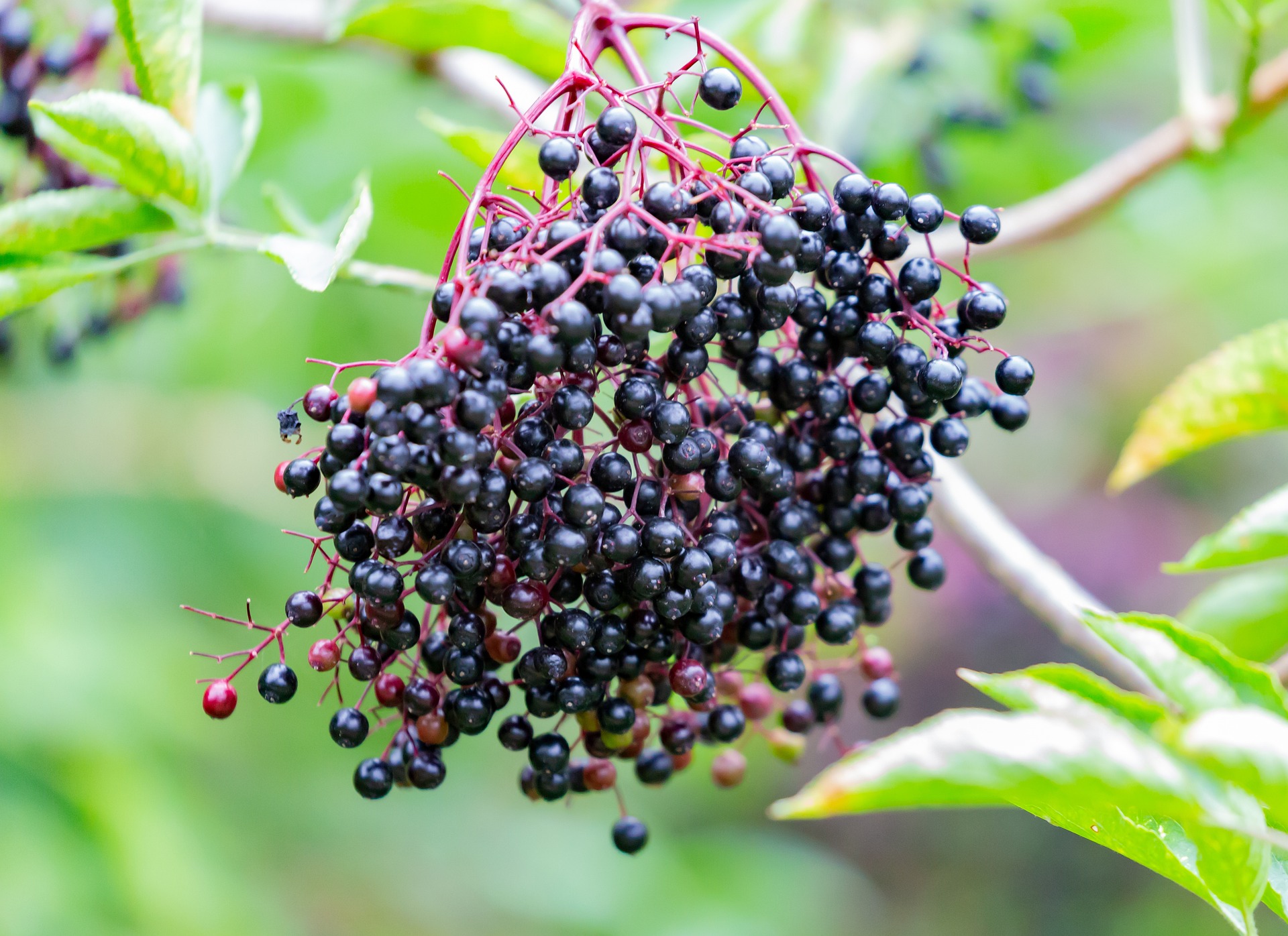
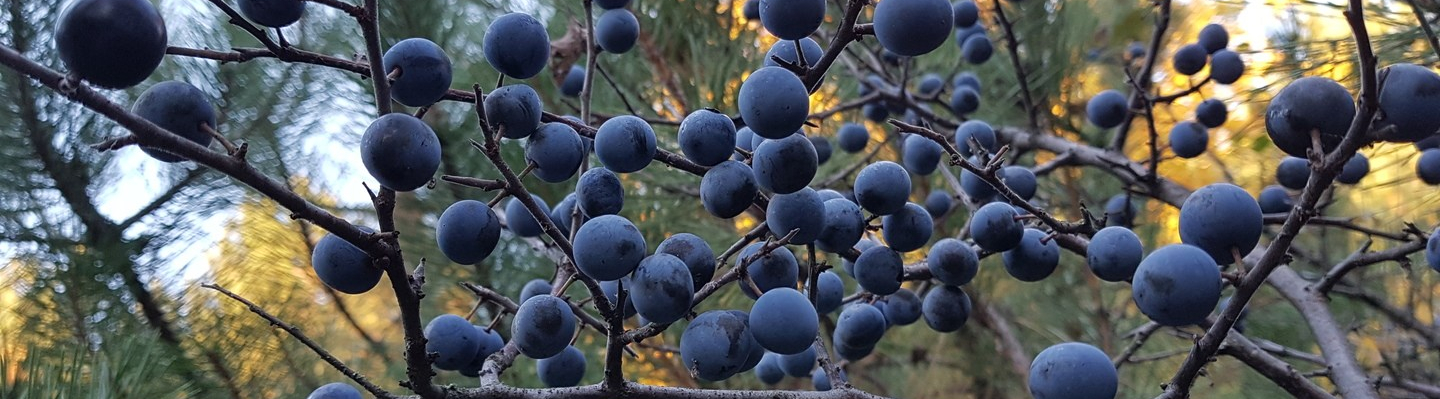
The reserve is full of berries, an autumn feast for our wildlife.








 Southwick Country Park Nature Reserve