Here are some numbers to go with this week’s cold snap.
Continue reading “Cold snap”Cold snap

Here are some numbers to go with this week’s cold snap.
Continue reading “Cold snap”
At the last count we had two feral honey bee colonies in the reserve, both high up in veteran trees. How will the bees cope with this cold snap?
Continue reading
by Ian Bushell
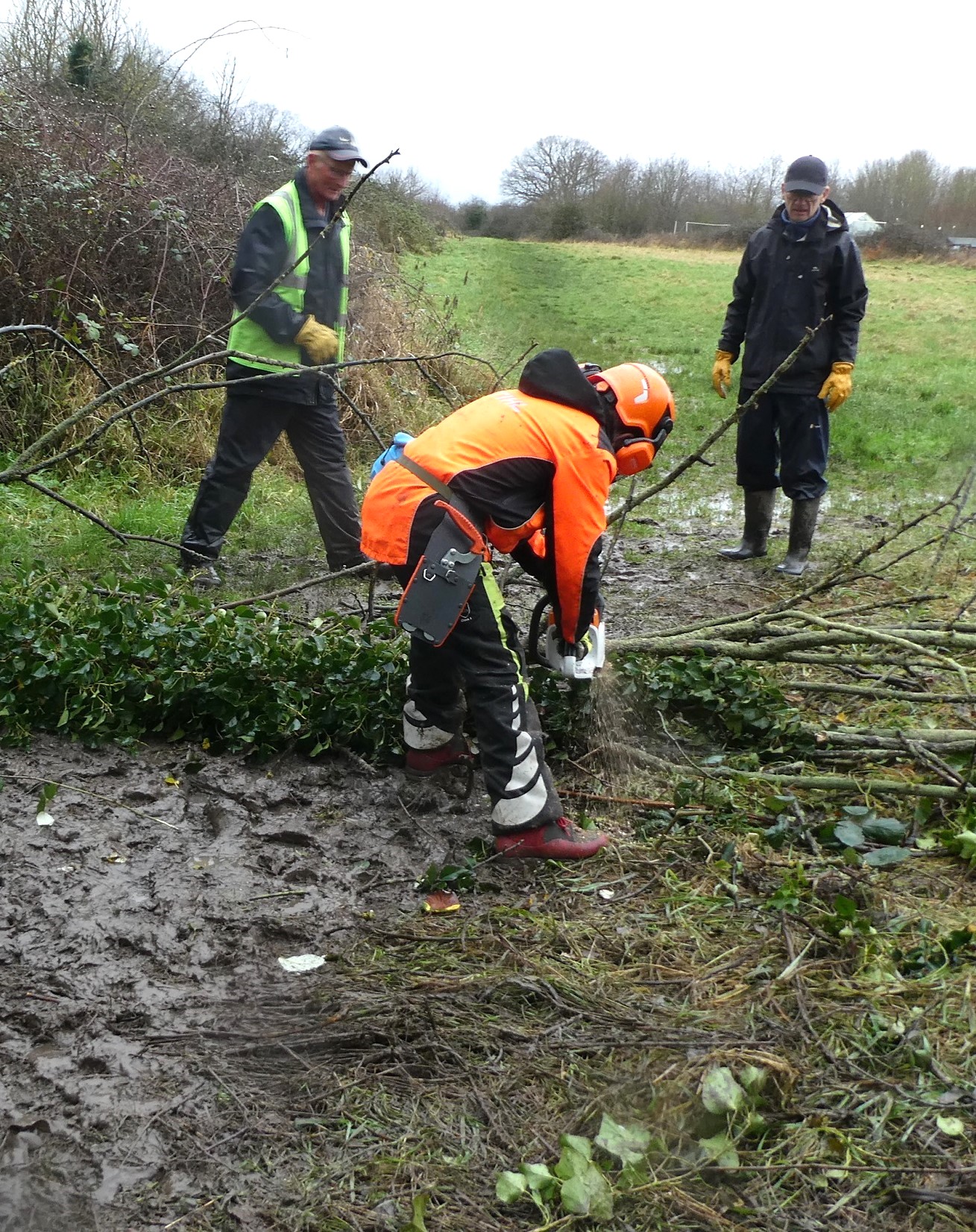
After Alan and Sarah had set off to litter-pick their way along the Lambrok, the rest of the Wednesday Work Party made its way to the hard path by the tributary stream where a hanging branch on a dead Ash tree had been reported as a possible danger to visitors.
Continue reading “Tree felling”
This is a red dead nettle (Lamium purpureum), one of the earliest of the reserve’s wildflowers.
Continue reading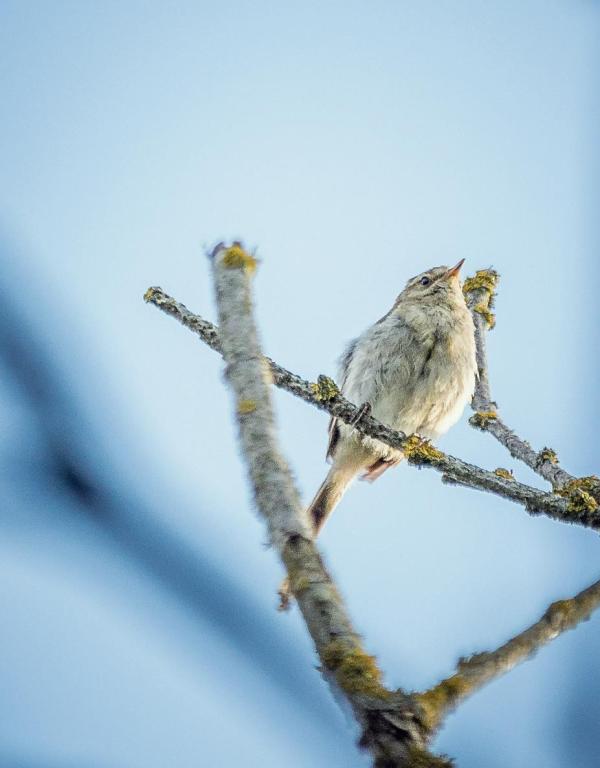
Our chiffchaffs will already have started the long journey back to their breeding sites in the reserve. They have overwintered in the warmth of southern Europe or northern Africa and are making their way home in a leisurely way with lots of stops for fuel. The males are the frontrunners and they need to arrive fit enough to find and fight for a territory.
They will begin arriving in March; their song (chiff-chaff, chiff-chaff) is one of the first signs of spring.
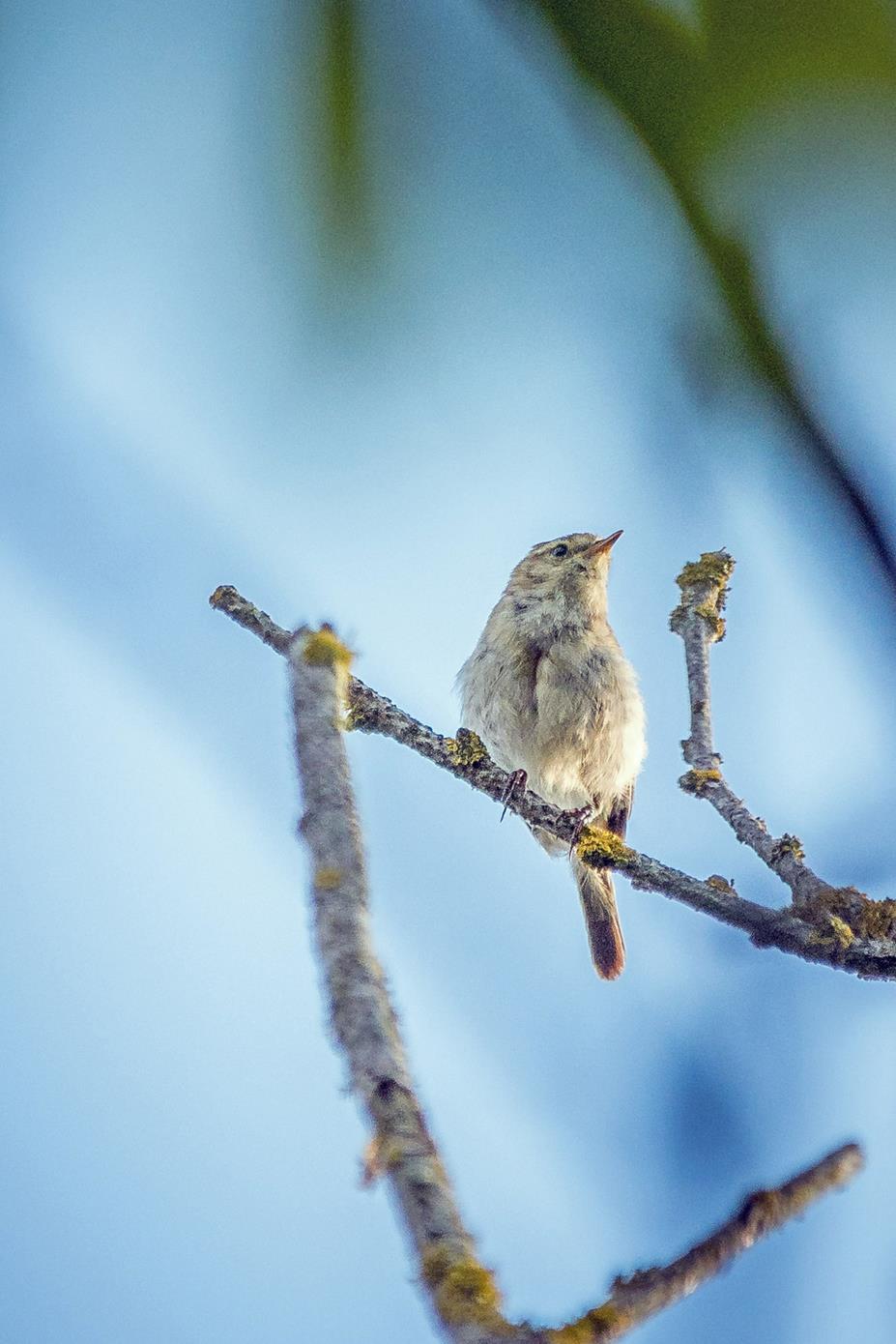
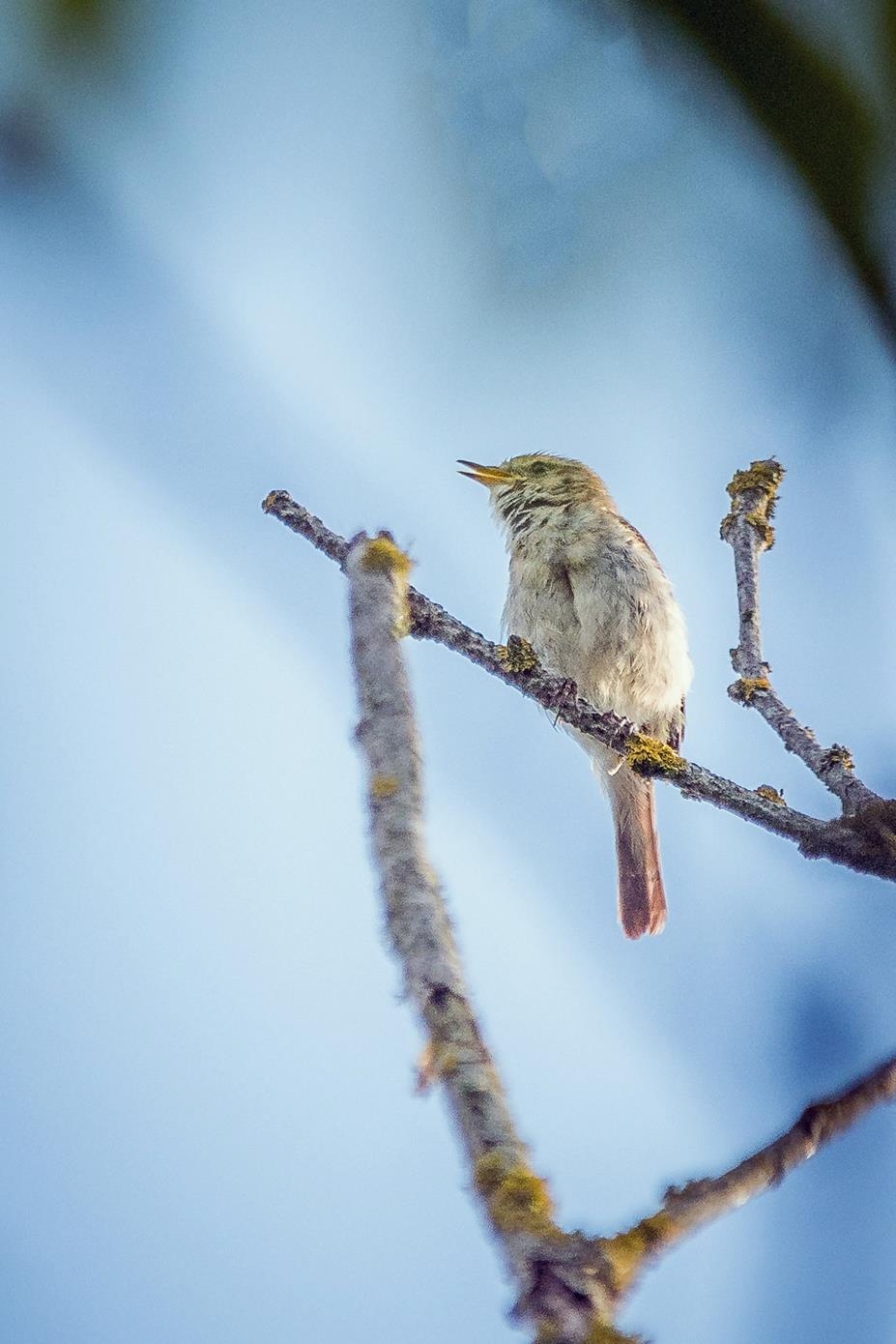
Pictures take in the reserve by DKG


The collective noun for goldfinches is a charm. How charming is that?
Continue reading “A charm of goldfinches”
Near Fiveways, there is a male song thrush that begins to sing in January. He sits high up in his territory, often on the topmost branch of a tree, and once he gets going you can hear him all over the reserve.
Continue reading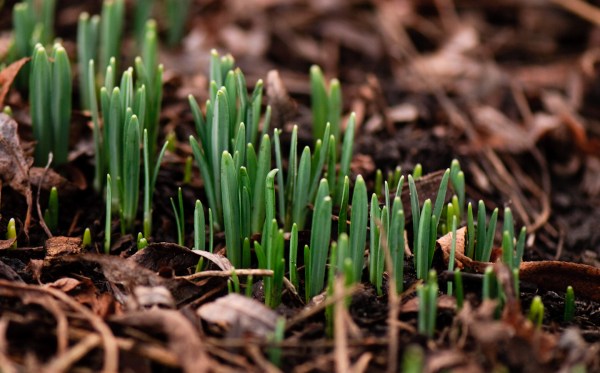
The snowdrops are coming up, pushing pale green shoots up through the mud and leaf mould. They look fragile and delicate but they are driven by powerful forces triggered by the lengthening days and even the frost we are promised next week won’t slow them down.
Continue reading
We have cleared the fallen tree from the School Lane entrance. Well done the Wednesday Work Party!




There is a family of Eurasian wrens (Troglodytes troglodytes) sharing a winter territory in the copse to the north east of the big pond. Have you seen them?
Continue reading
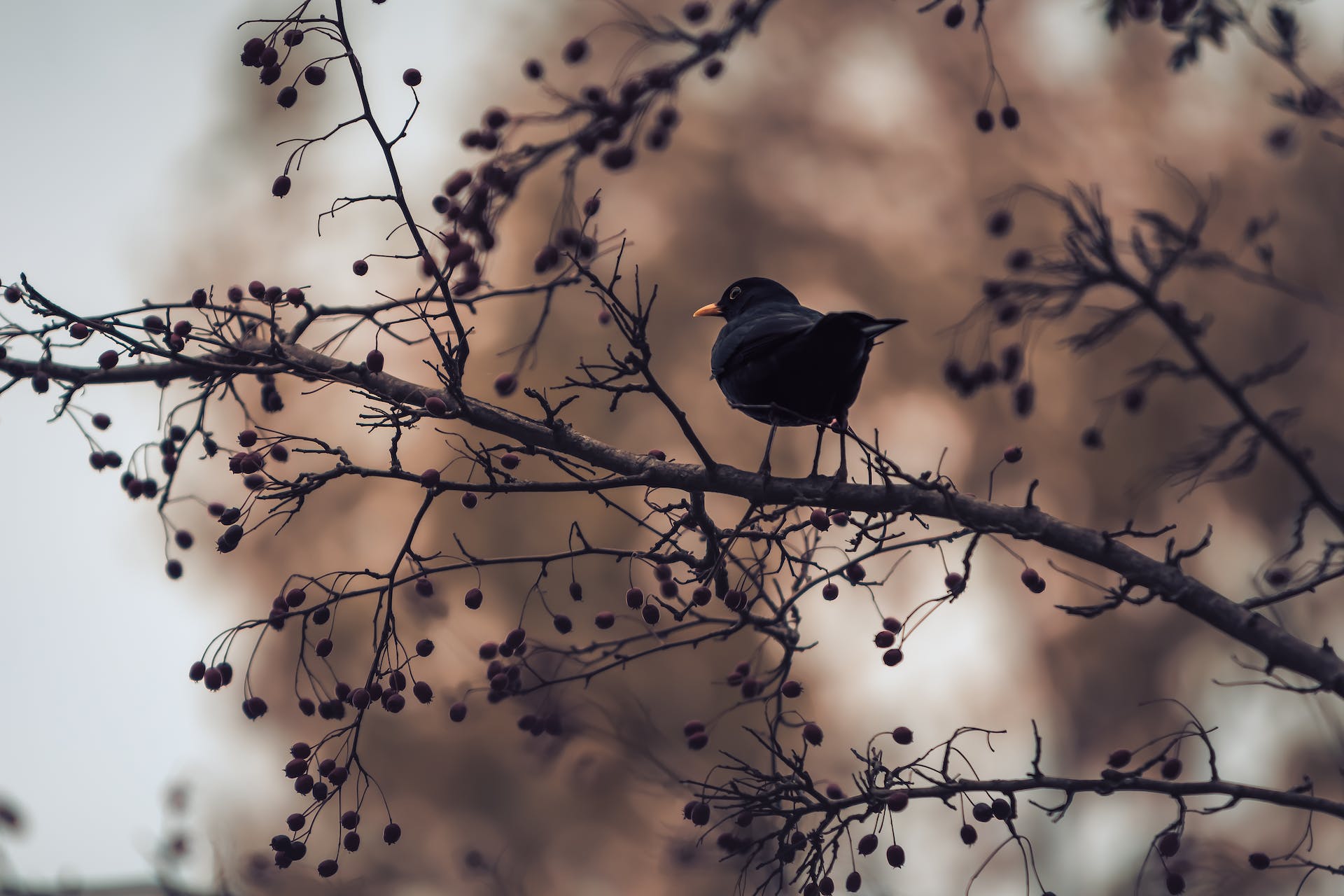
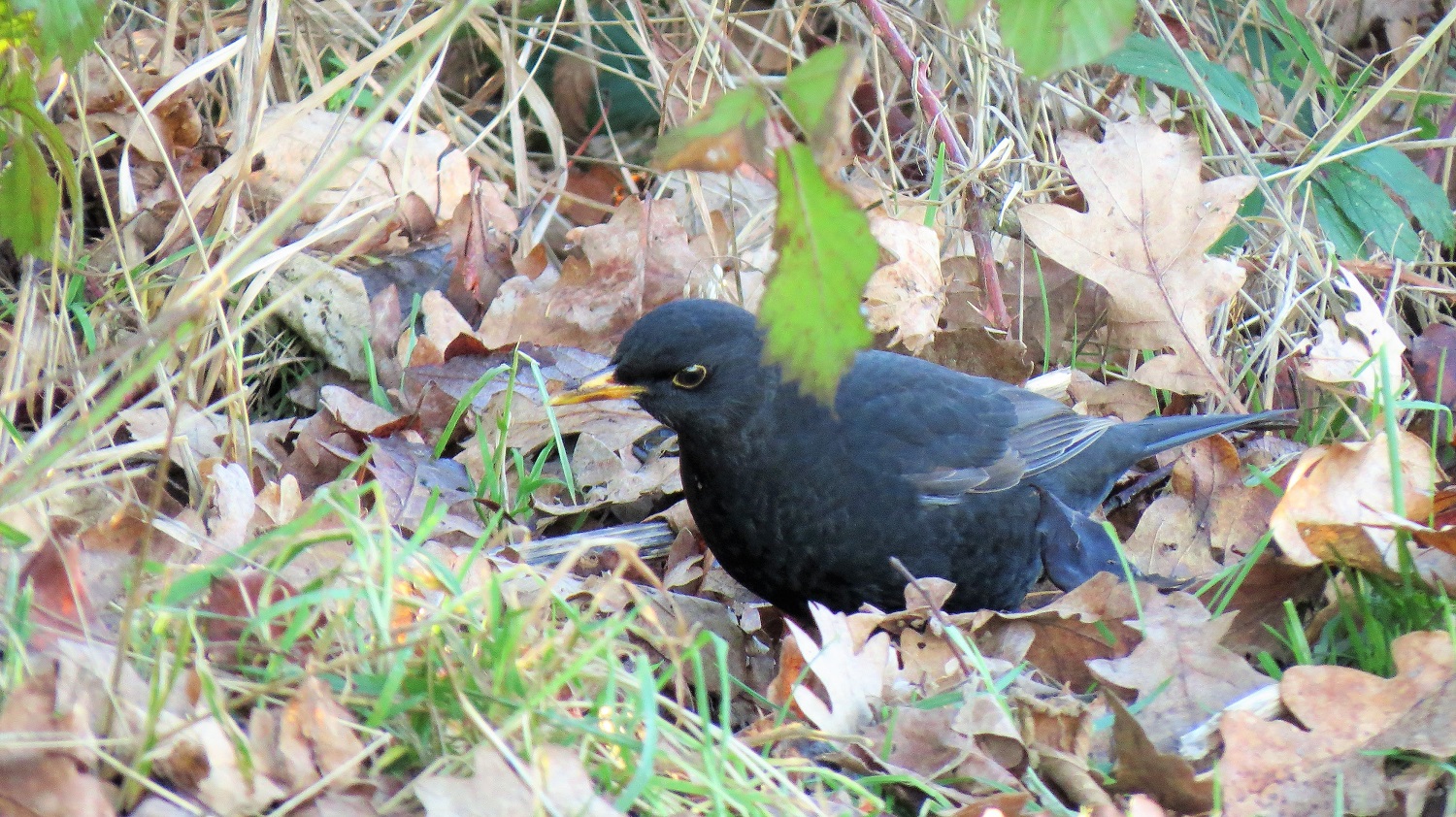
A gallery of blackbirds foraging for winter food.


Happy New Year!
It’s New Year’s Day, the eighth day of Christmas, on which our true love is supposed to send us eight maids a-milking. So let’s use that as a welcome opportunity to look forward to the spring with a gallery of spring flowers.
Continue reading
This year, 2023, was a good year for our species lists, particularly the invertebrates list.
Continue reading “The year’s finds”
Facebook message from Barb: Thurs 08:48
The way into the Park from School Lane, Southwick, is completely blocked by a fallen tree.
Every winter we get reports of people leaving food, presumably for our wildlife, somewhere in the reserve. Please, don’t do this.
Continue reading “Please don’t do this…”
from FoSCP
The website team will be taking a few days away from its keyboard. Have a great Christmas and we’ll be back on the 27th.
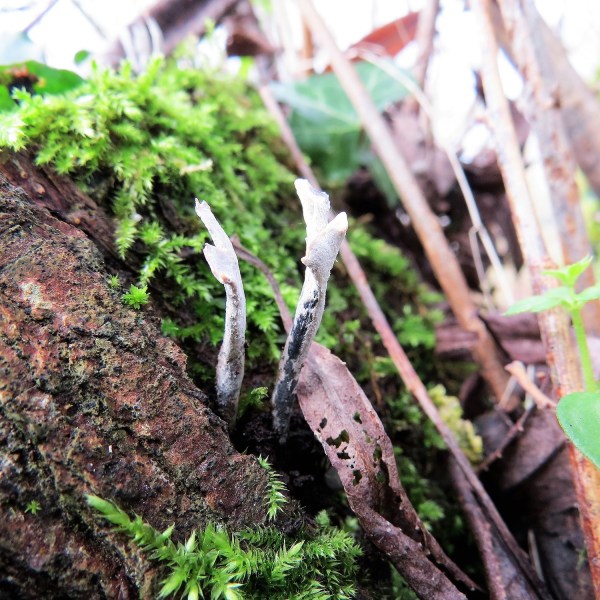
A tiny candlesnuff fungus, Xylaria hypoxylon, growing in the rotting wood and moss of one of the old willow trees by the footpath alongside the Lambrok Tributary.
Continue reading “Candlesnuff fungus”
Tonight is the longest night of the year. It will begin when the sun sets at one minute past four o’clock this afternoon and it will end at 08:11 tomorrow morning. The winter solstice, the exact moment at which the north pole is tilted as far away from the sun as it will go this year, will be at 03:27 in the morning. Tomorrow will be the shortest day.
Continue reading “Solstice”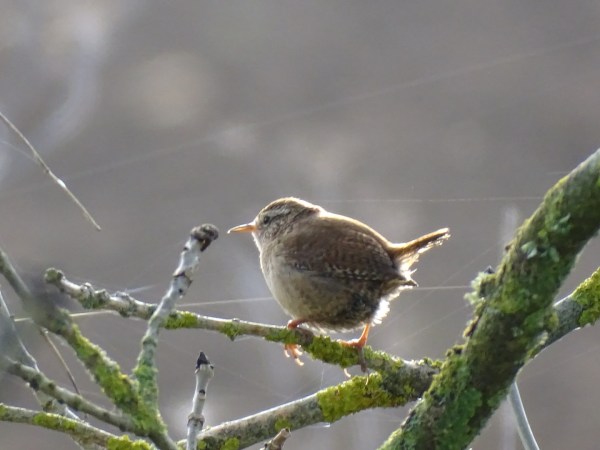
Eurasian wrens (Troglodytes troglodytes) share territories during the winter, in particular they will share sheltered winter roosts, sometimes crowding together for warmth in nesting boxes. The record number of wrens seen leaving a nesting box after a cold night is sixty three.
Header image: wren by Cheryl Cronnie

What would Christmas be without mistletoe?
Continue reading “Mistletoe”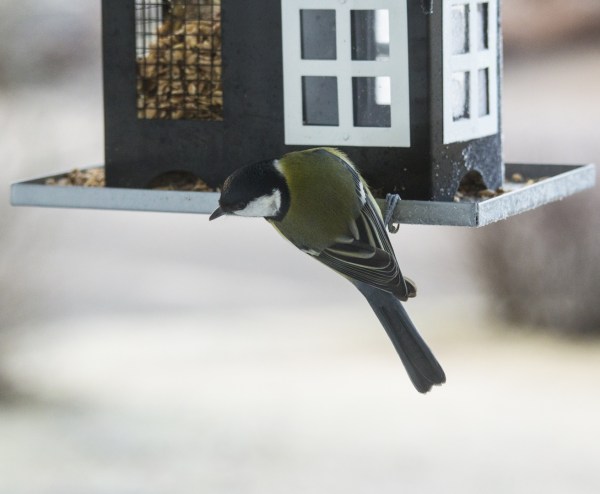
Treat your garden birds with a Christmas bird table. Here are some suggestions:
Continue reading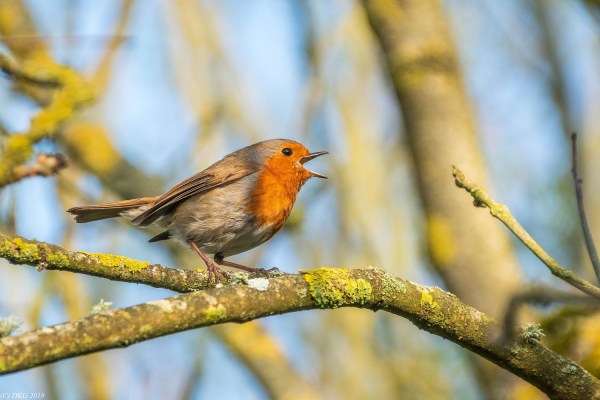
Common name: robin
Scientific name: Erithacus rubecula
Family: Muscicapidae
Habitat: woodland, hedgerows, gardens
Diet: invertebrates, fruit, seeds, bird table scraps
Predators: birds of prey, domestic cats
Origin: native


Which is the greener option when it comes to Christmas trees: real or artificial? A real Christmas tree is a beautiful and traditional addition to our commercialised modern Christmases but it comes with a frisson of guilt. Should we be cutting down trees at a time when our struggling planet and its biosphere need all the trees they can get? Fear not; the news is good.
Continue reading “Christmas tree”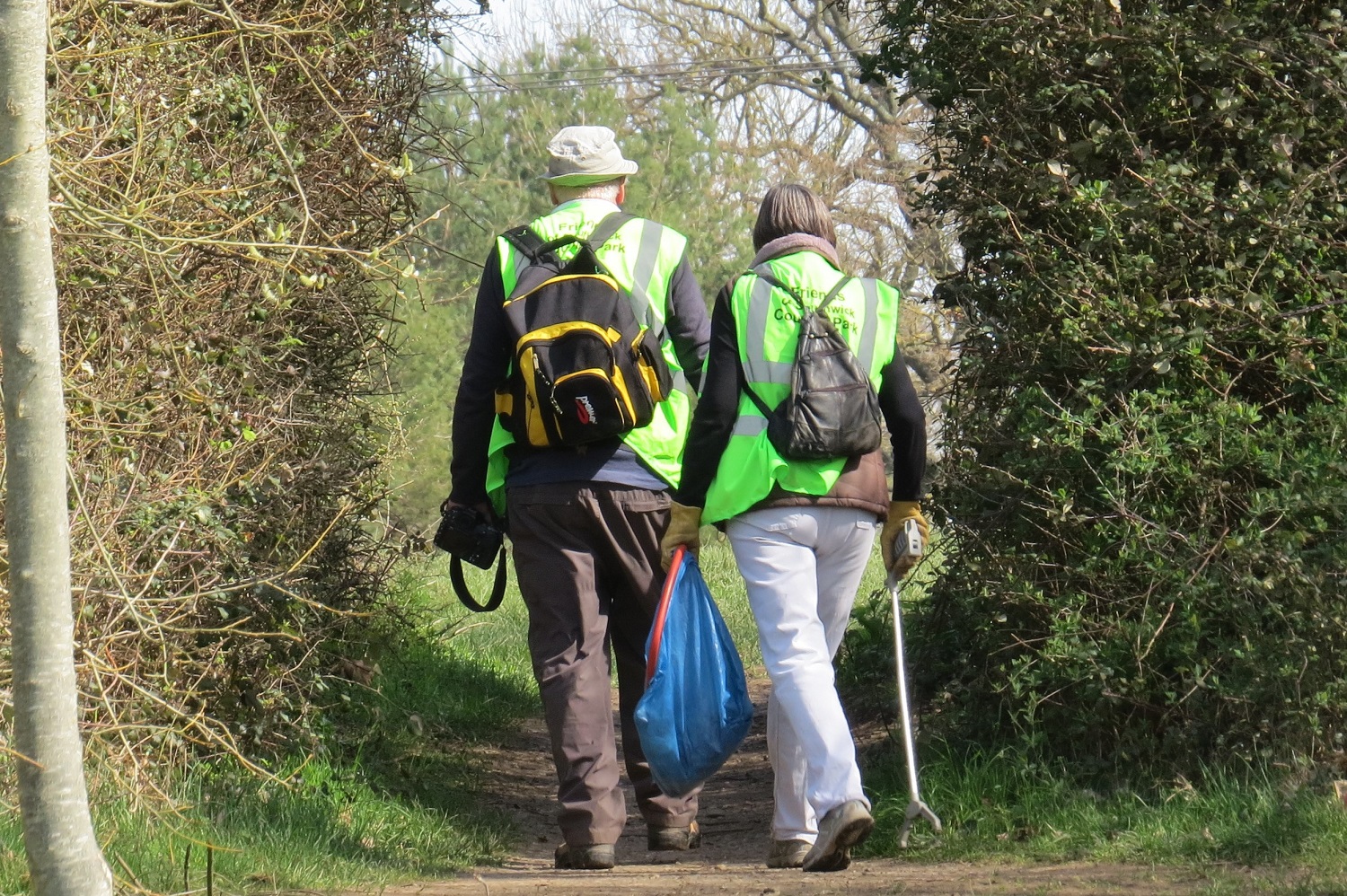



 Southwick Country Park Nature Reserve