Spiders are not insects, they are arachnids, a family that includes harvestmen, ticks, mites and scorpions.
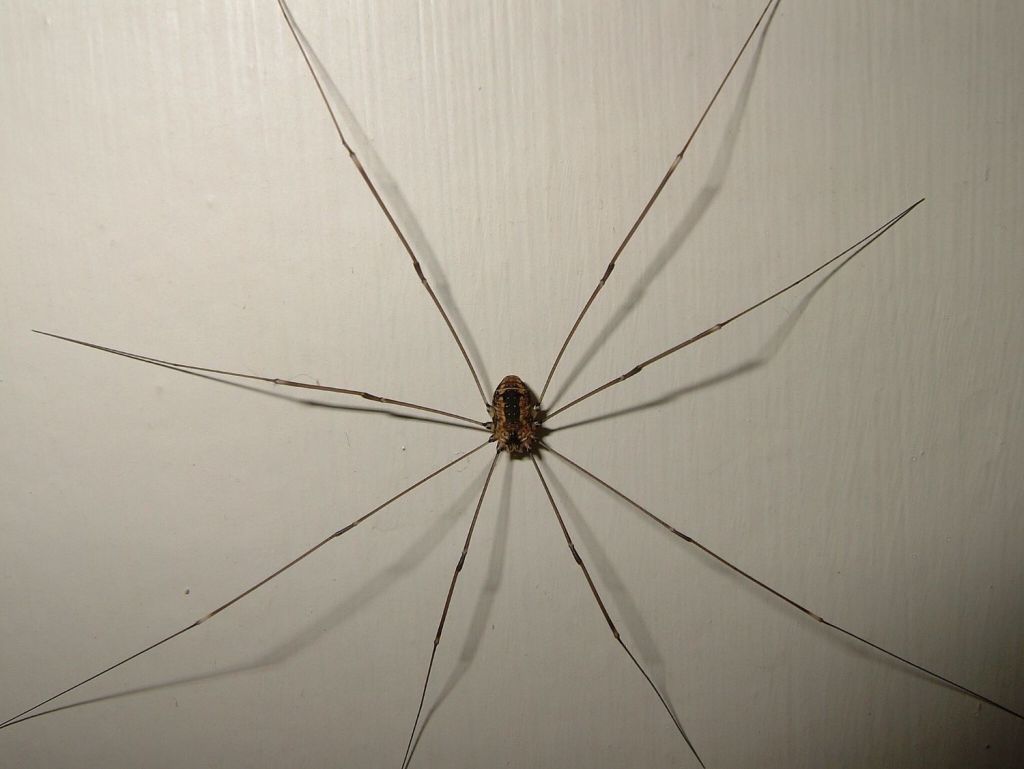
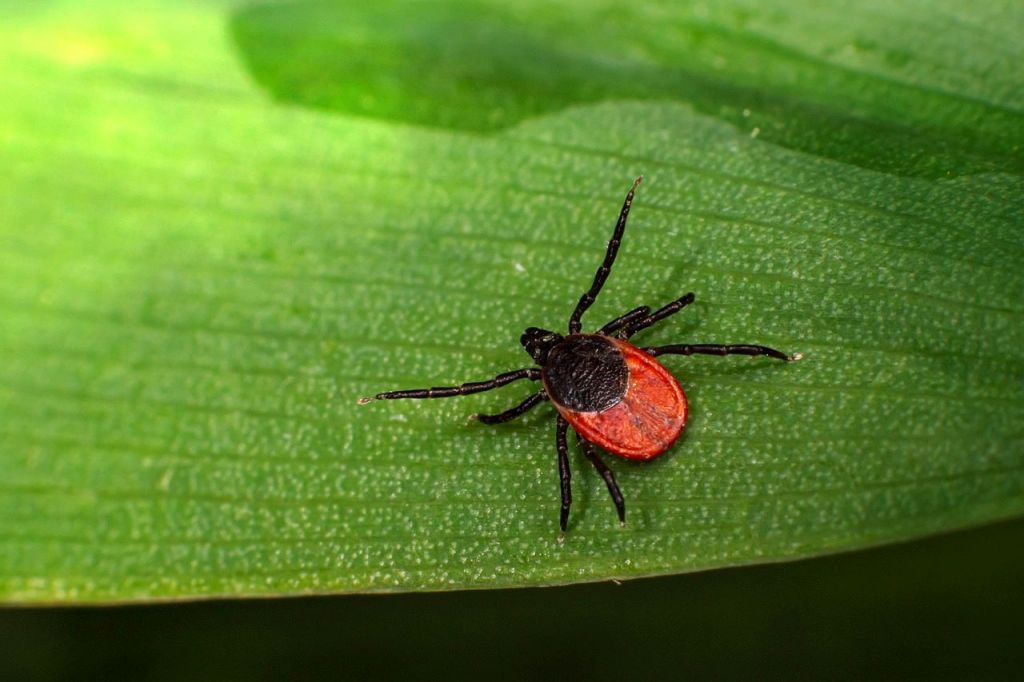

Three arachnids: harvestman, tick and scorpion
Continue reading “Spider numbers”
Spiders are not insects, they are arachnids, a family that includes harvestmen, ticks, mites and scorpions.
Three arachnids: harvestman, tick and scorpion
Continue reading “Spider numbers”
Treecreepers (Certhia familiaris) are shy, quiet, and rarely seen. We know they visit the reserve to feed and we hope they are long term residents that will nest here in the spring.
Read on: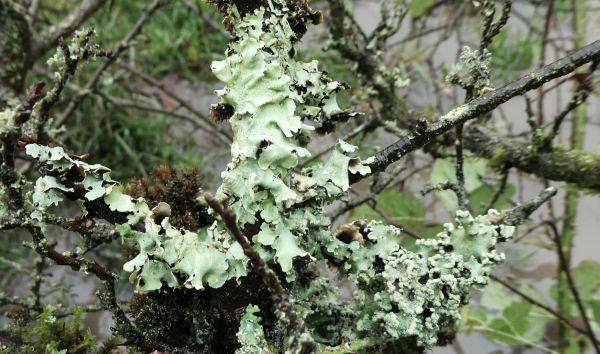
Common greenshield lichen (Flavoparmelia caperata) on deadwood in the thicket beside the hard path in Lambrok Meadow.

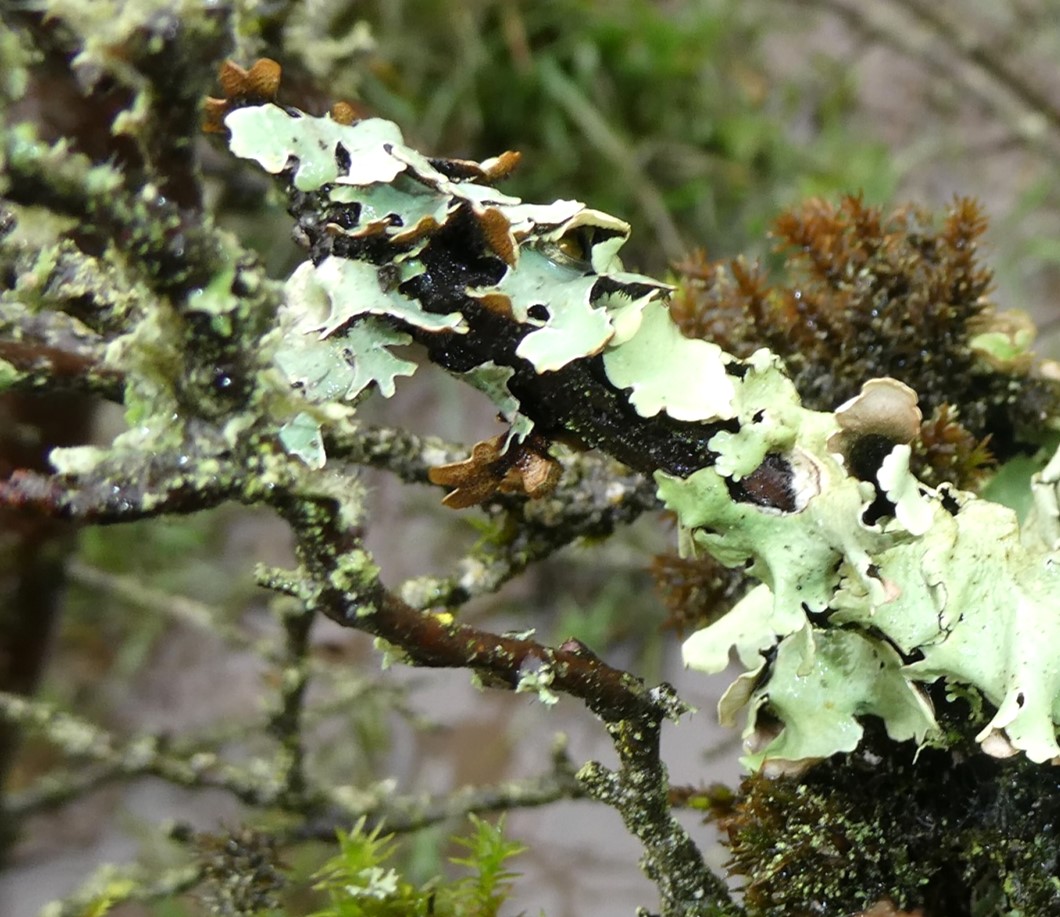
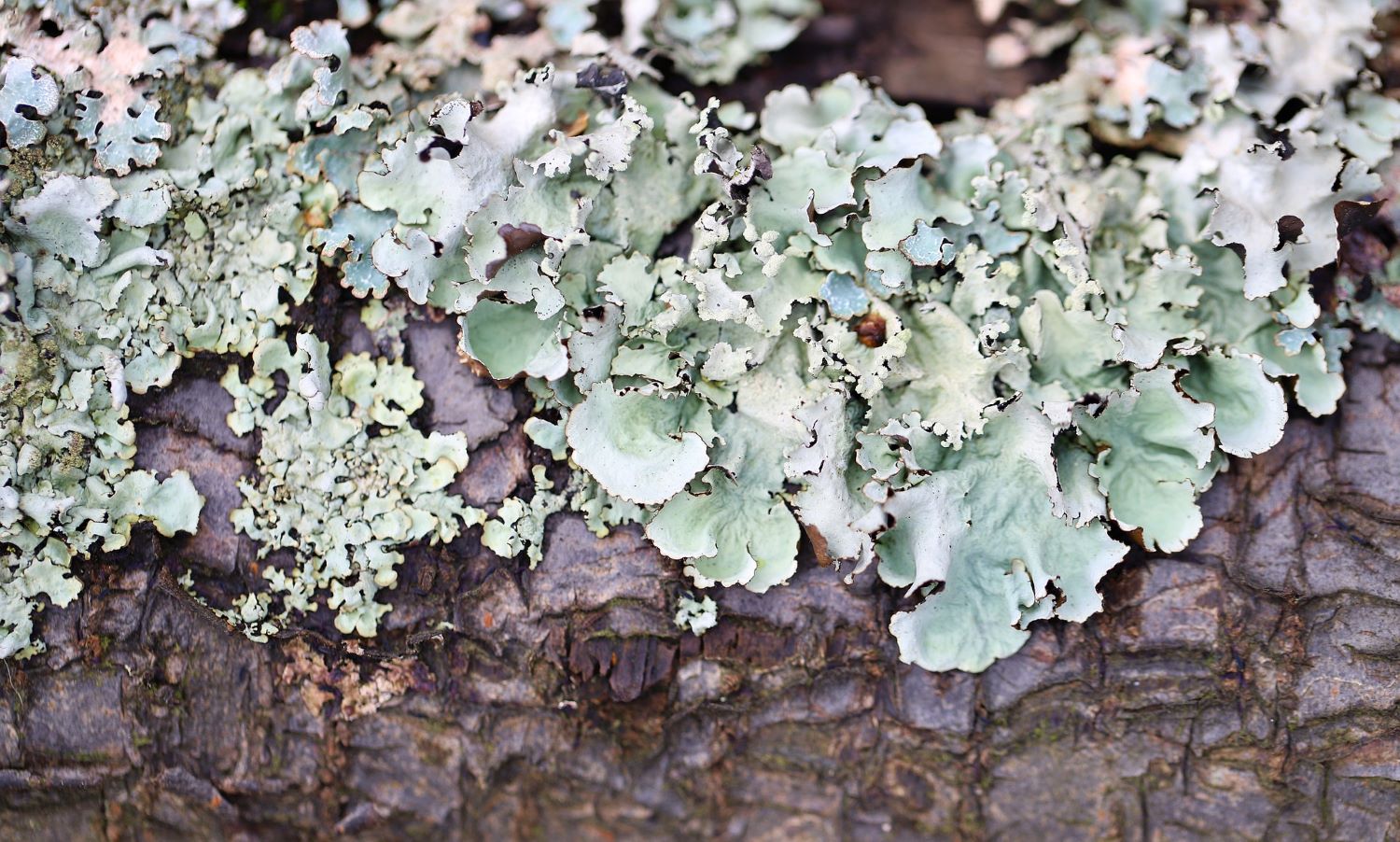
Header image: common greenshield lichen by Ian Bushell (SCPLNR 08.11.23)

The reserve’s ivy blooms from the beginning of September right through November; each plant’s flowering season is quite short but a succession of plants flowers all through the autumn and into the winter. The flowers are small, green and yellow, and so insignificant-looking that many people don’t realise that that they are flowers at all.
Read on: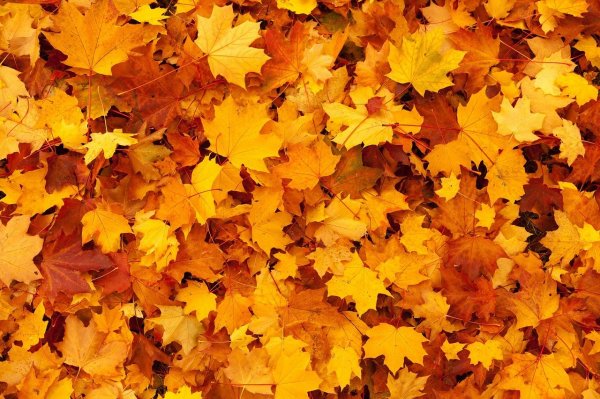
There are thousands of species of invertebrates that overwinter in the leaf litter below the reserve’s trees and shrubs. Let’s not be too eager to sweep the autumn leaves from our gardens.
Continue reading “Let the leaves lie”
The rabbit (Oryctolagus cuniculus) is usually classed as a non-native introduction to the UK, but it seems that in the past there may have been native rabbits here.
Continue reading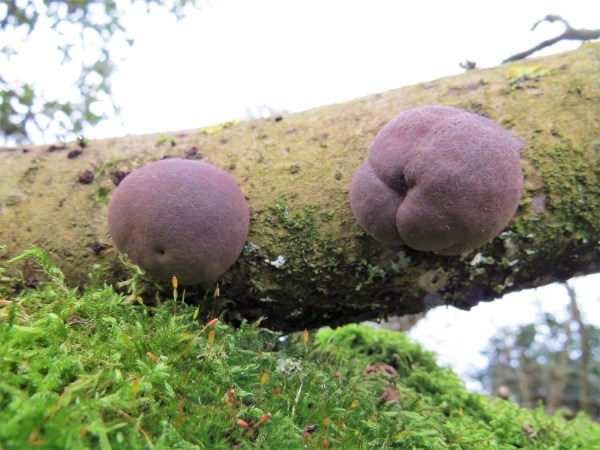
Daldinia concentrica: known as King Alfred’s cakes or coal fungus growing on one of the reserve’s dead ash trees.
Read more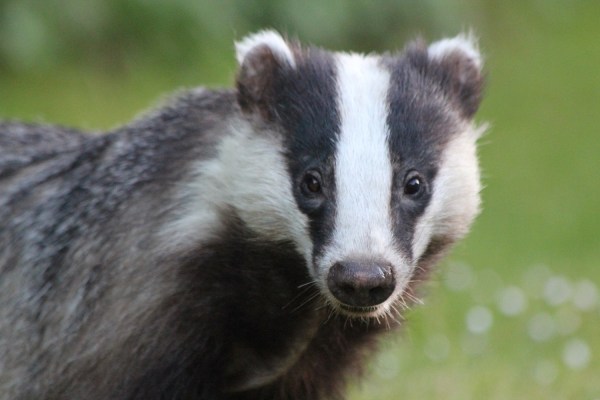
What are our badgers doing as November, Wiltshire’s wettest month, begins with a named storm?
Continue reading
by Ian Bushell
The Wednesday work party was slightly rained on but on the whole we were in a window of better weather. The business of the day was installing a new seat by the pond.
Continue reading “A seat by the pond”
There is a Chinese wingnut tree (Pterocarya stenoptera) in the Arboretum.
Continue reading “Wingnut”
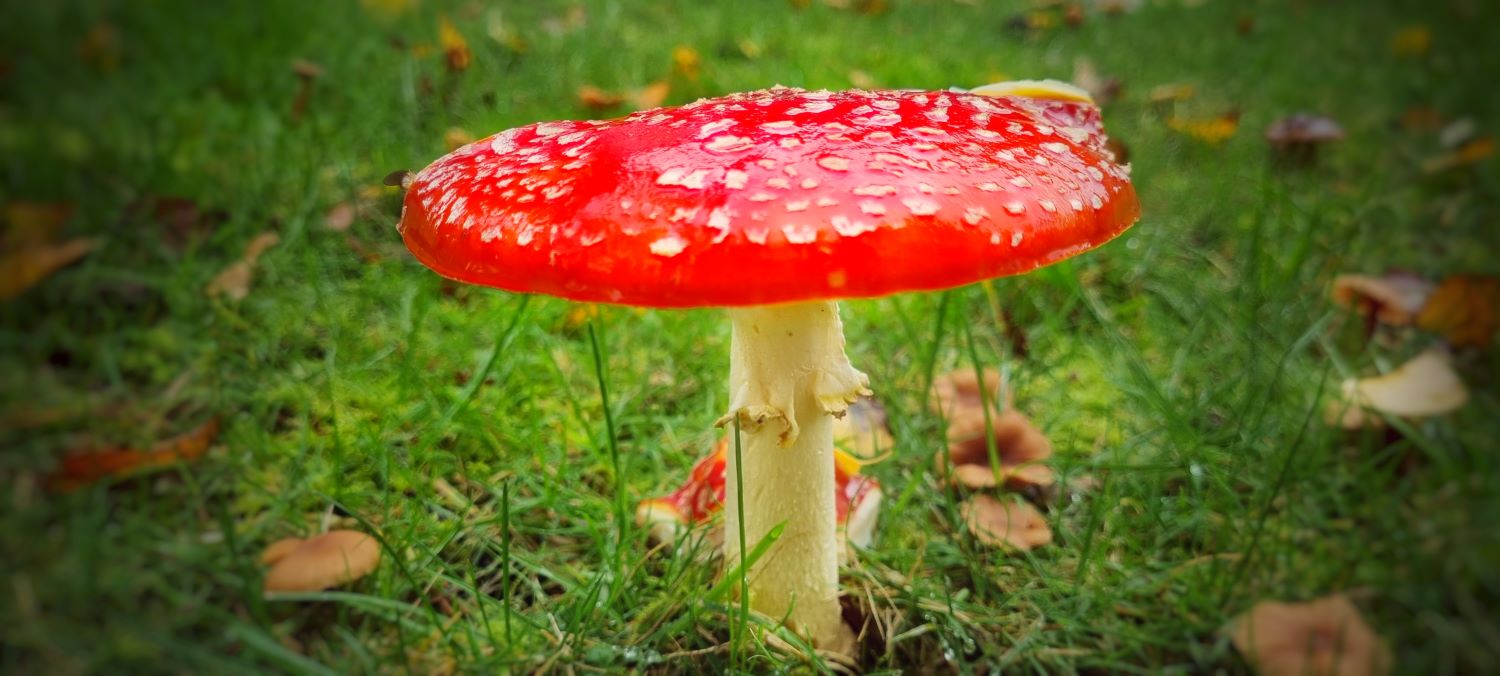
Last week, Chris Seymour was mushroom hunting in the reserve: fly agaric and some kind of a boletus. Thanks for the pictures Chris.



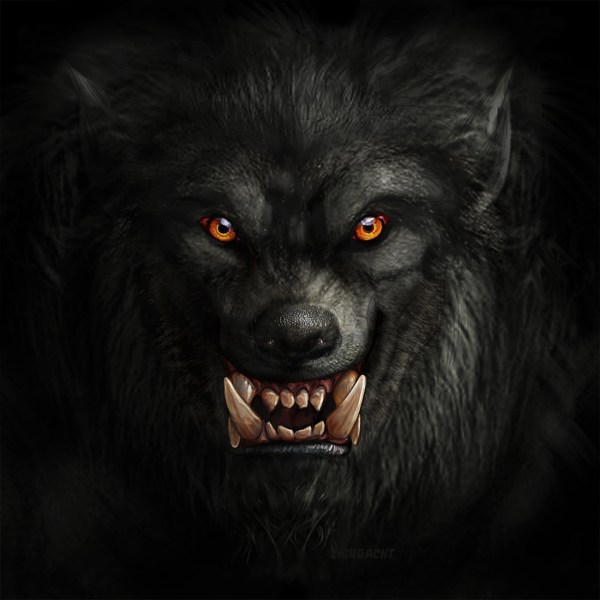
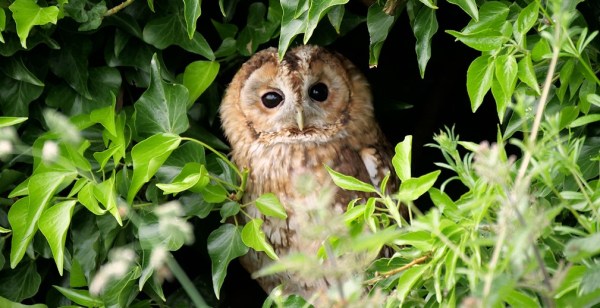
When you are out trick-or-treating this Hallowe’en and you hear a tu-whit tu-whoo noise, go carefully because it isn’t an owl.
Click for audio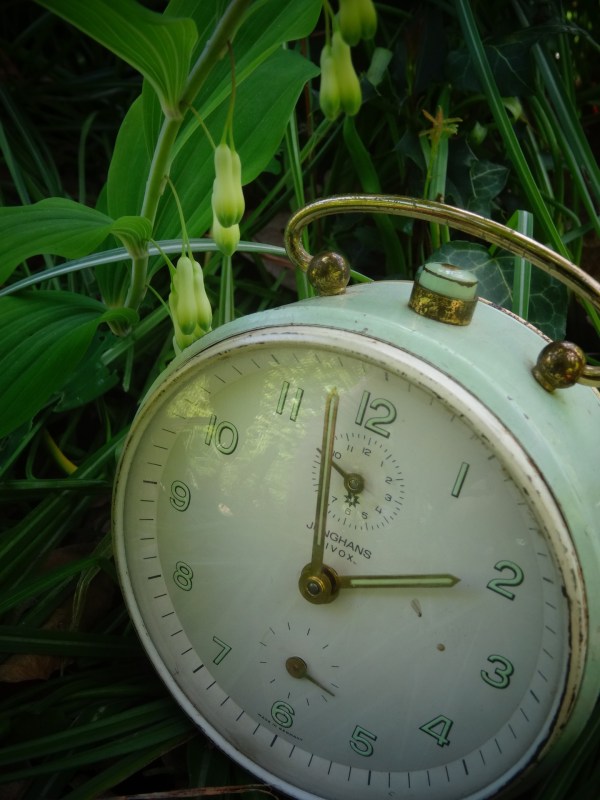
The clocks go back tonight; the nights, which have been getting longer since the autumnal equinox, will seem extra long and especially dark now just in time for Hallowe’en. We cosy up in front of the fire and scare each other with ghost stories, but out in the reserve, the ratio between daylight and dark triggers many natural processes.
Continue reading “Dark nights”
Our in-house wildlife photographer, Simon Knight, obsesses about wasp spiders, Argiope bruennichi, strikingly beautiful immigrants from mainland Europe that are thriving as our island’s climate warms. Here are some of his pictures for Hallowe’en.


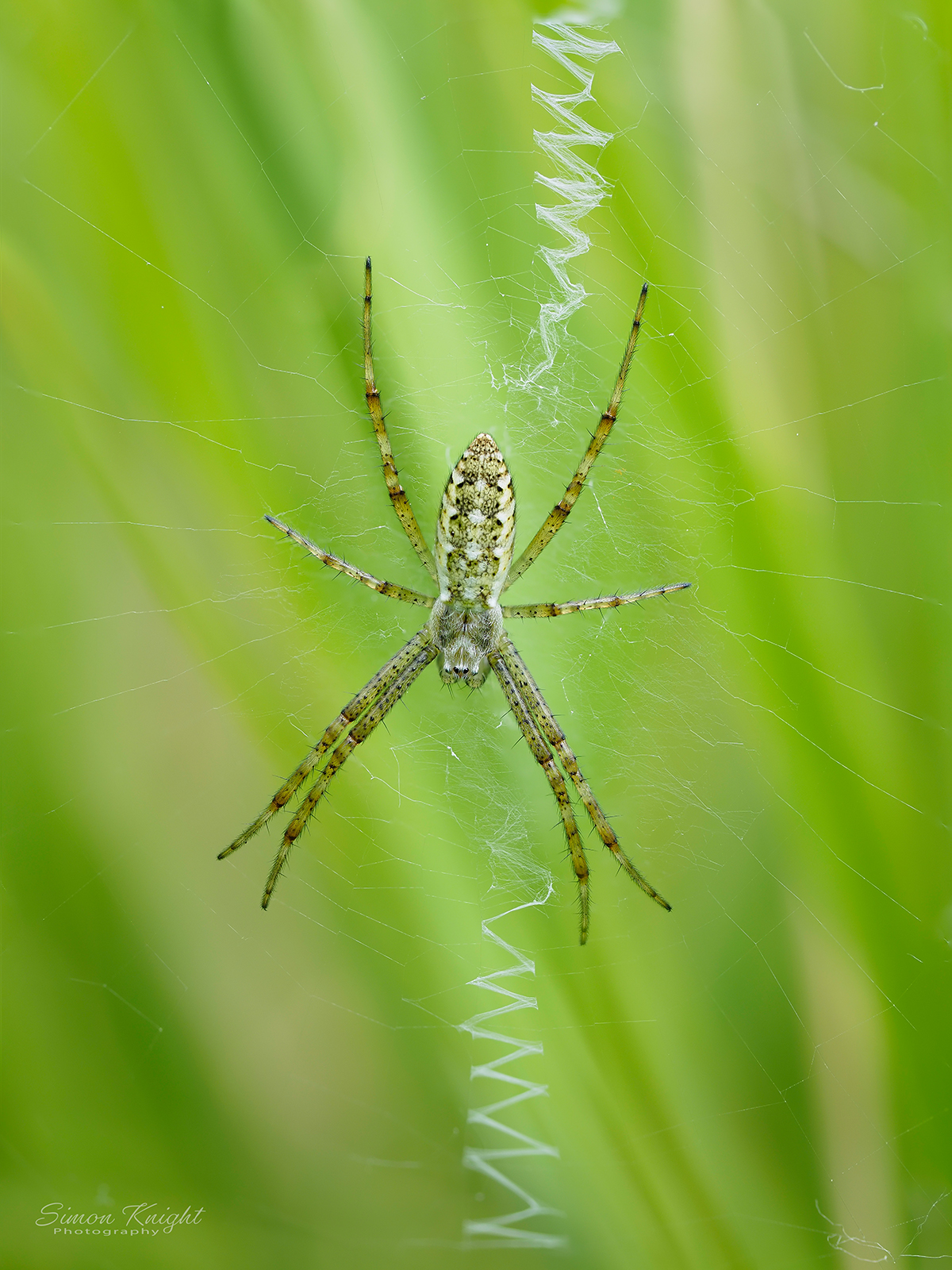

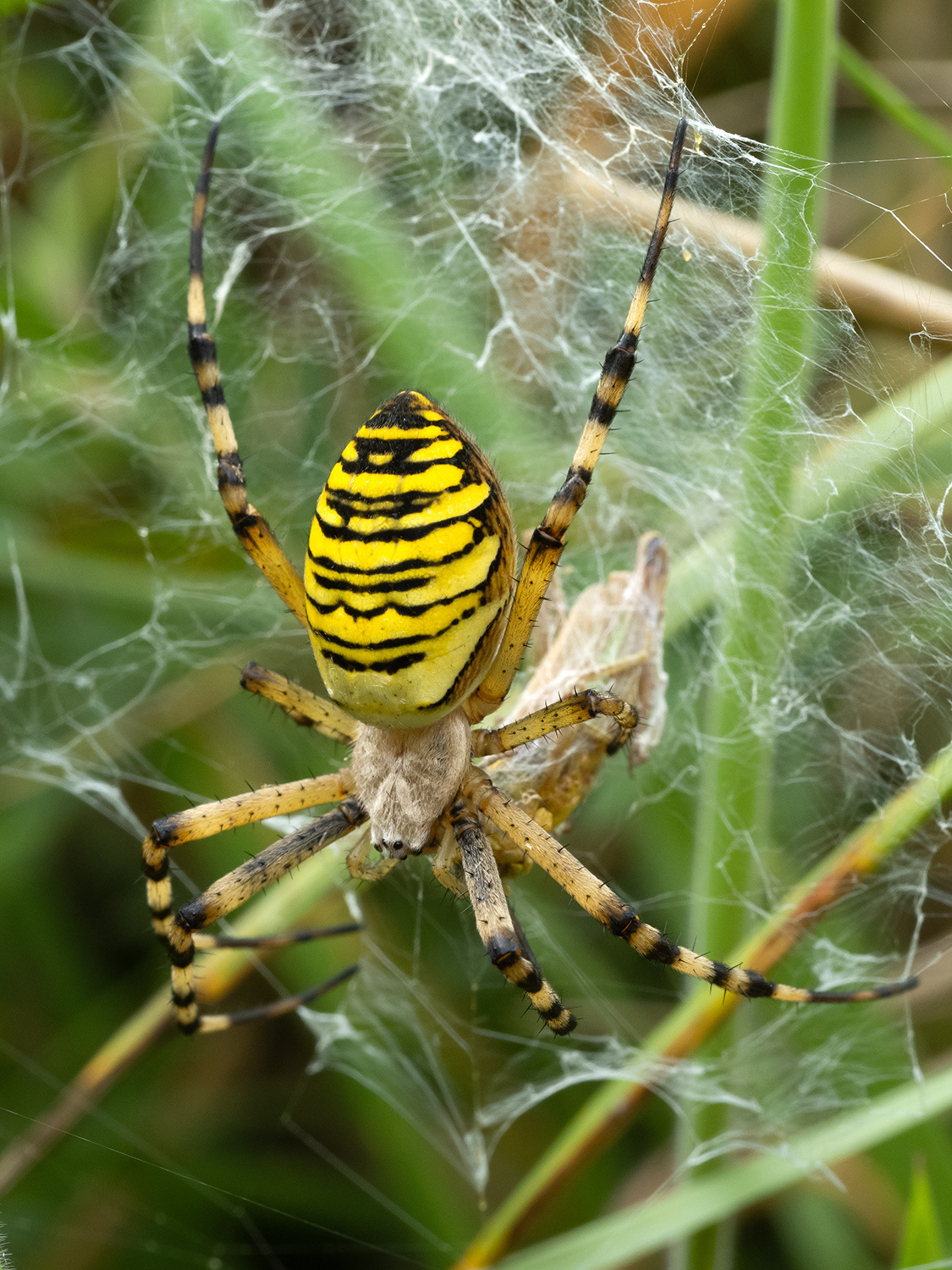
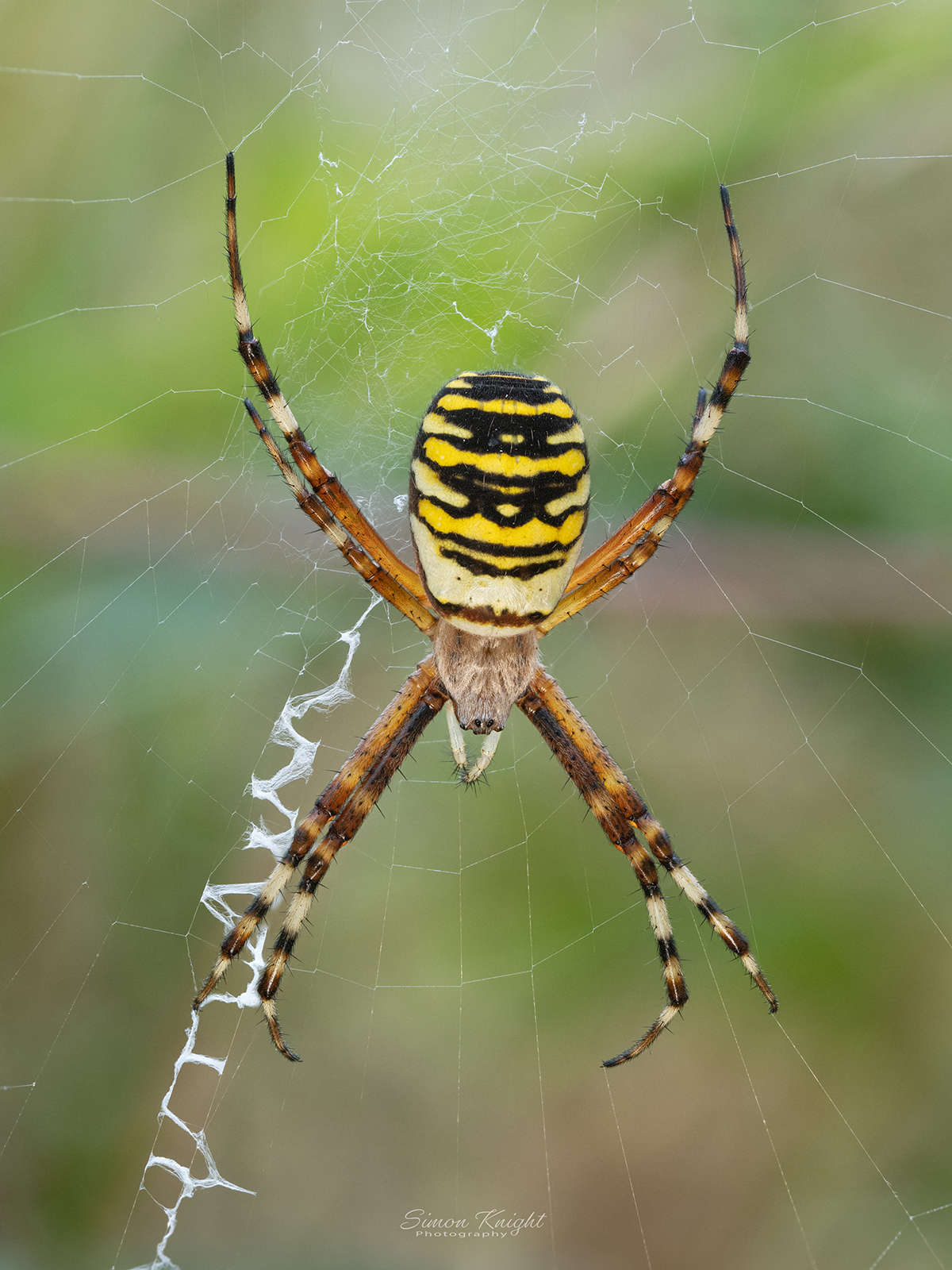
Check out Simon’s 2024 Southwick Nature Reserve calendar.


More spooky stuff for Hallowe’en.
Continue reading “Dead man’s fingers”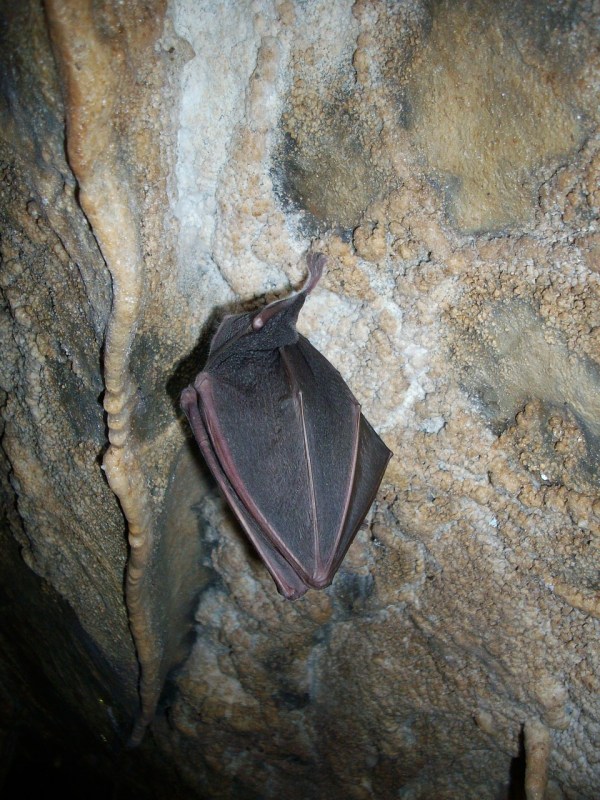
It’s a week to Hallowe’en so we are going to focus on the creatures of the night….
Continue reading
by Simon Knight
The reserve has given me a lot over the past few years.
Continue reading “Reserve 2024 Calendar”
There is a problem at the wooden footbridge into Village Green.
Continue reading “Work party”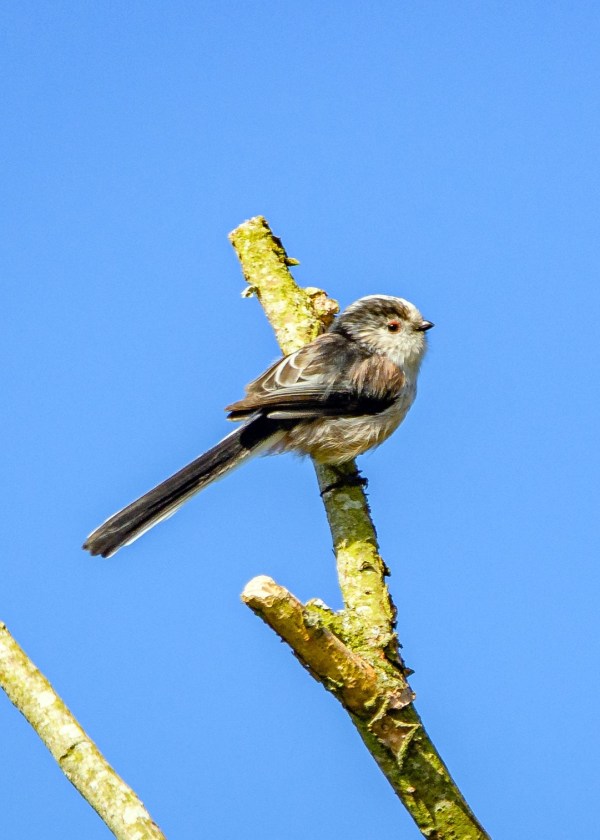
A look back to 2019: a long tailed tit photographed in the reserve by DKG.
Continue reading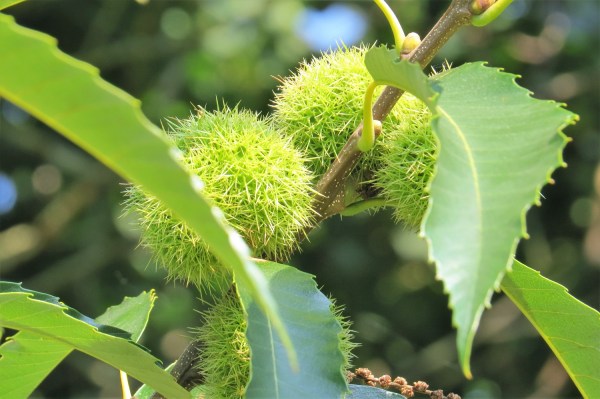
Sweet chestnuts (Castanea sativa) in the reserve’s Arboretum.
Continue reading “Sweet chestnut”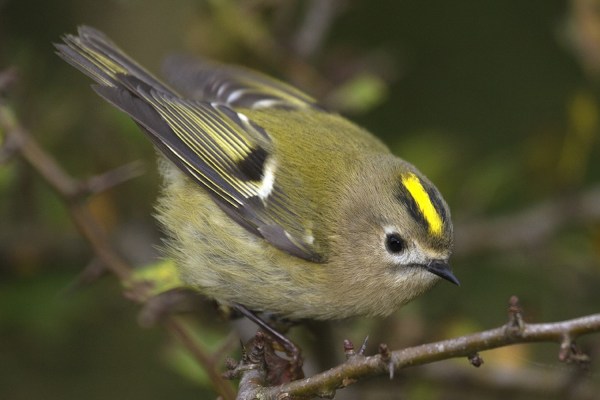
From one of the UK’s biggest birds to two of its smallest. Goldcrests are resident in the reserve but we have not identified a firecrest here yet. Their UK numbers are rising so we live in hope. Here is a video from the excellent BTO Bird ID series to help you identify these two tiny birds.

by Ali Rasey
We had a cygnet episode at Southwick Country Park Nature Reserve!
Continue reading “To the rescue”
by David Feather
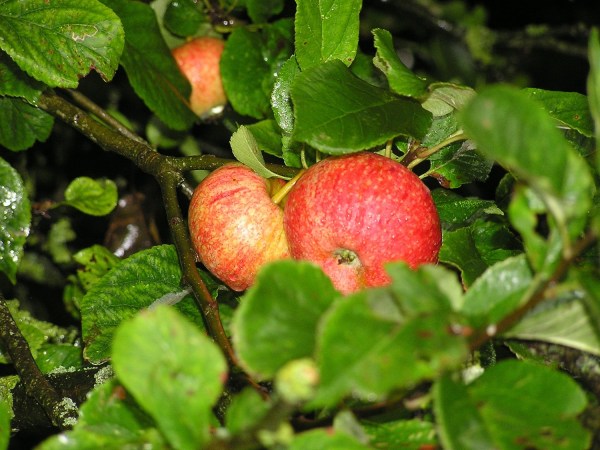
Our orchard was planted as part of a nationwide project to create Community Orchards across the UK. There is a website called The Orchard Project which supports local efforts. It is worth looking at as it has lots of interesting information and some recipes.
Continue reading


 Southwick Country Park Nature Reserve