Remember all those hazel stakes we cut, back at the beginning of October?
Continue reading “Protecting the stream”Protecting the stream

Remember all those hazel stakes we cut, back at the beginning of October?
Continue reading “Protecting the stream”
This is Dysdera crocata, the woodlouse spider.
Continue reading “Woodlouse spider”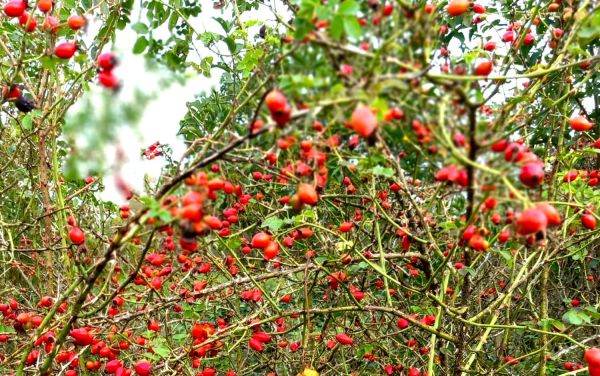
Inspired by yesterday’s gallery of the reserve’s berries and fruit, Sarah, a long-term member of FoSCP, has sent in pictures of the spectacular crop of rosehips near Lambrok Bridge.
Continue reading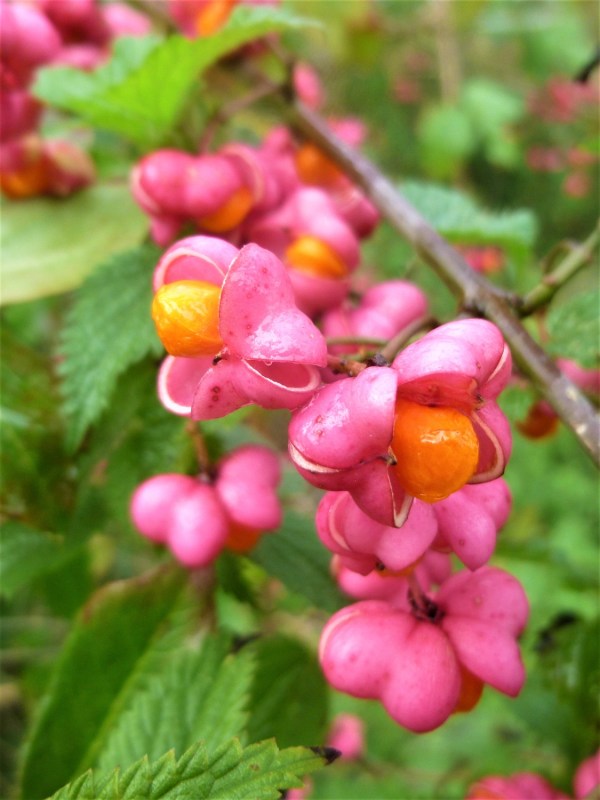
The reserve is full of berries, an autumn feast for our wildlife.


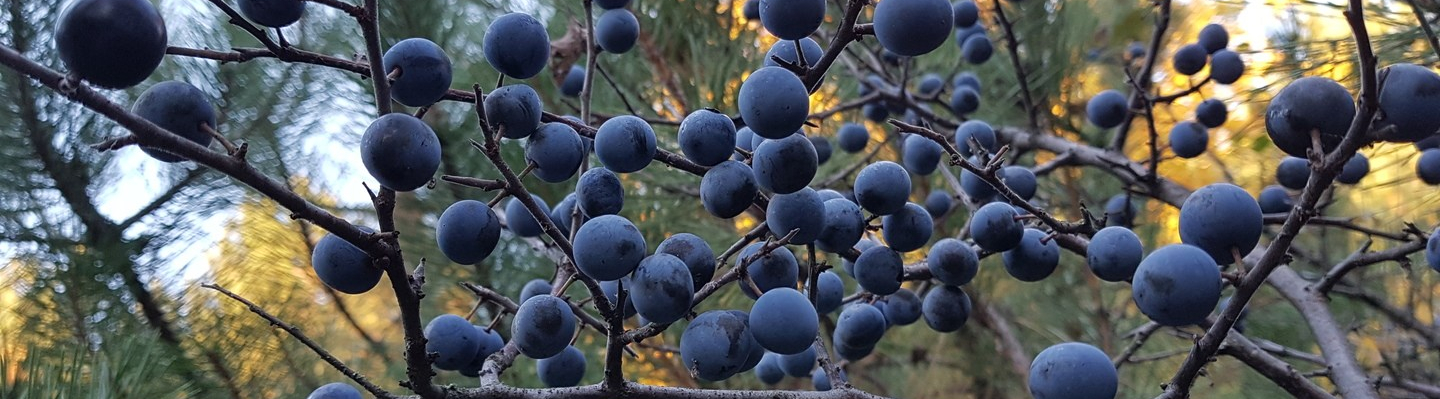


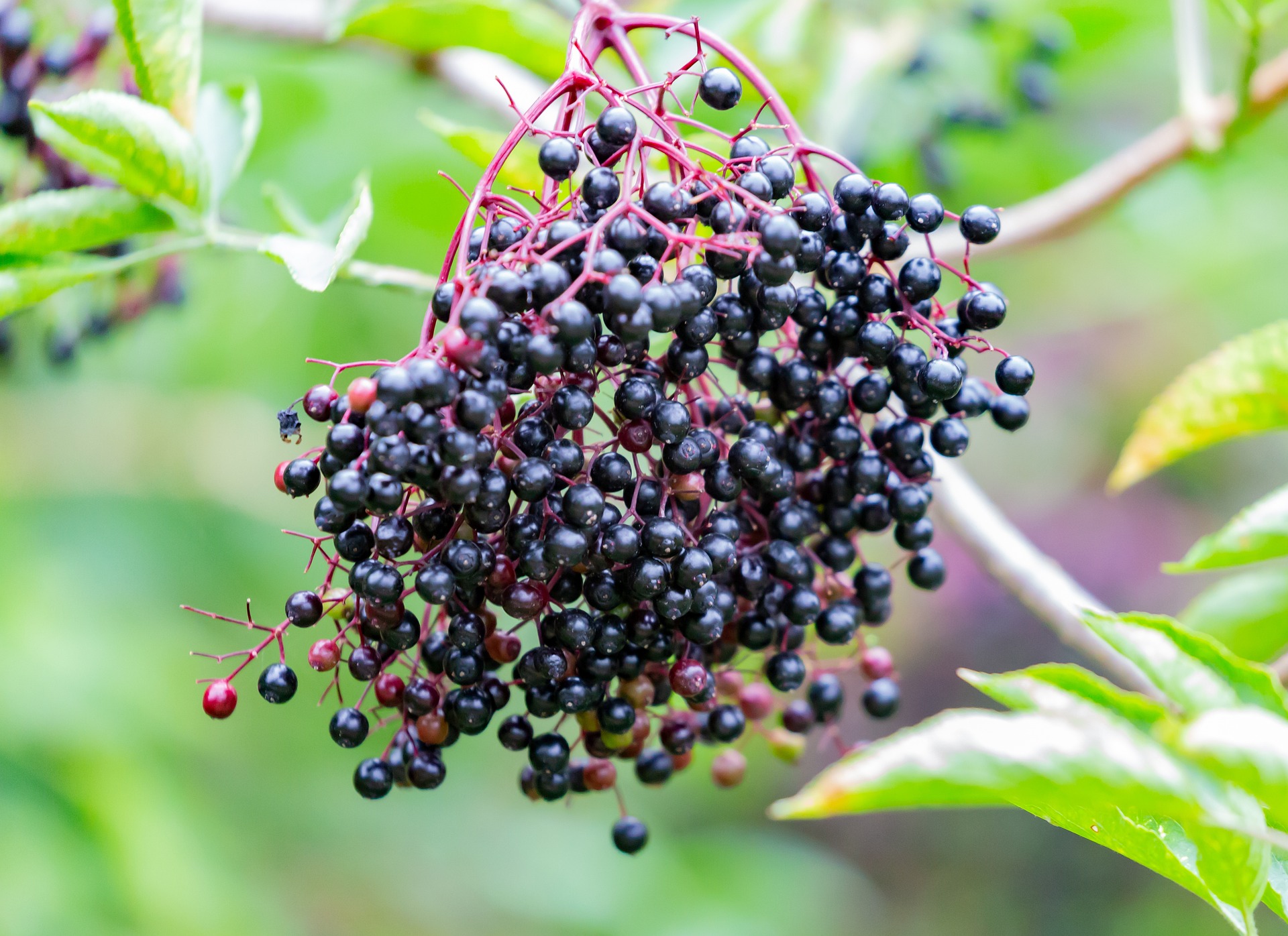


by David Feather
This is not a slogan to free a political prisoner; it is just information that a few of the apples in the Community Orchard next to the allotments are ripe for picking.
Continue reading “Free Apples”
The naming of things
This is winter fungus, sometimes called velvet shanks or wild enoki. Its scientific name is (always) Flammulina velutipes.
Continue reading
There are three kinds of pigment in a usually green leaf: yellow carotenes, red and pink anthocyanins, and chlorophyll, which is the green that masks the other colours until autumn.
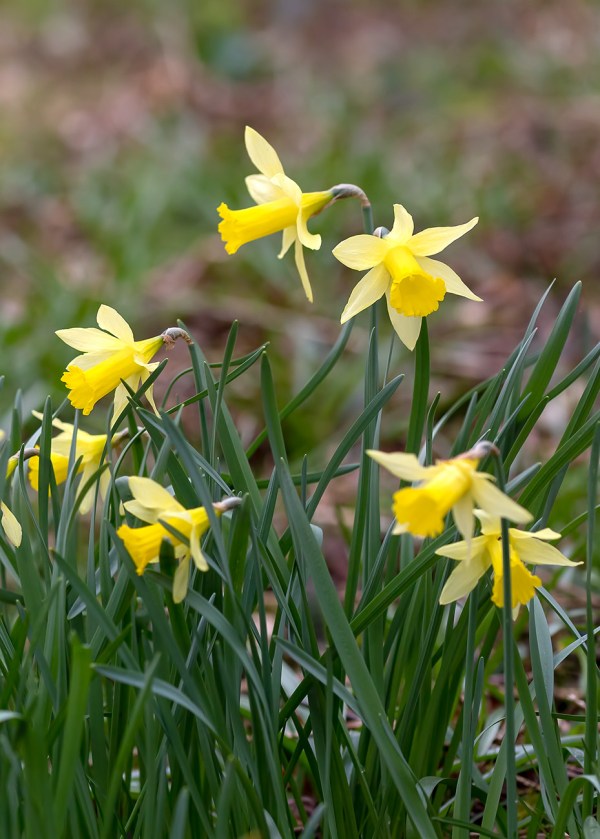
From white elephants to daffodils.
Some of the £145 we raised on our White Elephant Stall at Southwick Flower Show on August Bank Holiday Monday has been spent on 250 native daffodil bulbs.
Continue reading “Workparty”
This is the right time of year for turkey tail fungi, Trametes versicolor.
Continue reading
The UK has three species of snake, the adder (Vipera berus), the smooth snake (Coronella austriaca) and the grass snake, recently re-classified as Natrix helvetica.
Continue reading
Wikipedia defines bioturbation as the reworking of soils and sediments by animals or plants. Here is a video of a system with and without soil fauna such as earthworms, mites and isopods over a 15 week period: this is what is happening to the fallen leaves all over the reserve.

Grey squirrels can’t hibernate; their metabolism won’t let them put on enough weight to sleep through the winter.
Continue reading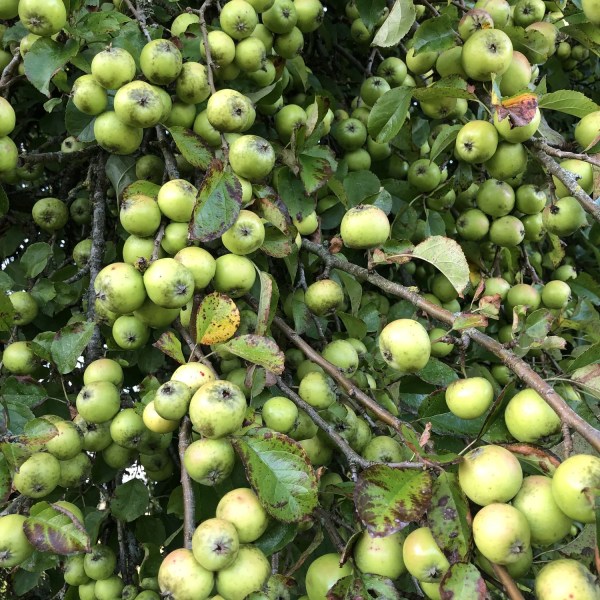
ONE: Crab apples trees are an ancient symbol of fertility, associated with love and marriage.
Continue reading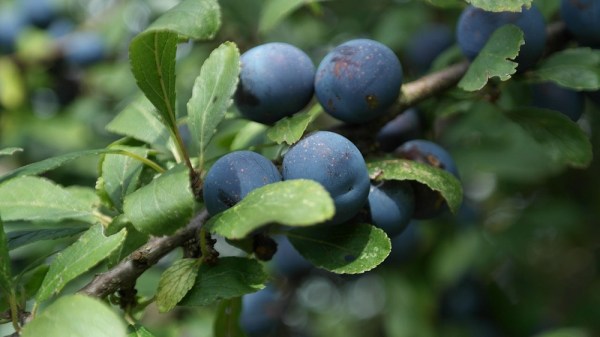
Seed dispersal is an annual problem for trees and shrubs. If seeds just fell down and germinated under the parent tree, they would be competing with their parent for nutrition, water and eventually light. Trees need a way to send their seeds far off to a new environment where their germination will not pose a threat.
Read on: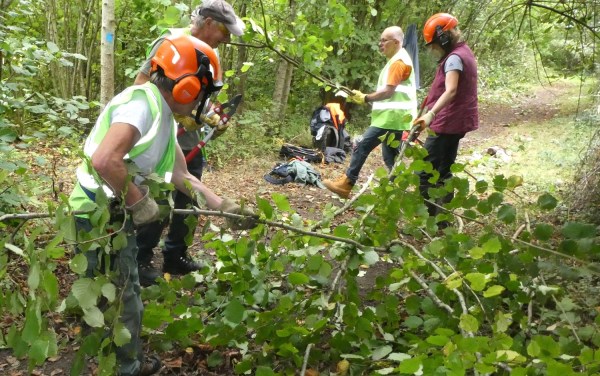
by Ian Bushell
The morning’s task was to cut, prepare and store enough hazel stakes to provide the structure for dead hedges to protect the banks and streams on either side of the footbridges into Studley Close and Village Green.
Continue reading “Cutting stakes”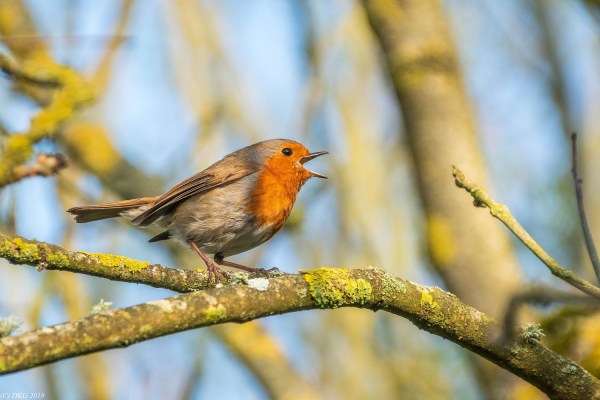
During the spring and summer, robins’ pair up and defend a joint territory, chosen specifically for its nest site and the nearby availability of invertebrate food suitable for nestlings. Now, at the end of September, those pairings have broken down and each bird holds an individual winter territory which it will defend fiercely: robins have been known to fight to the death over territory.
Continue reading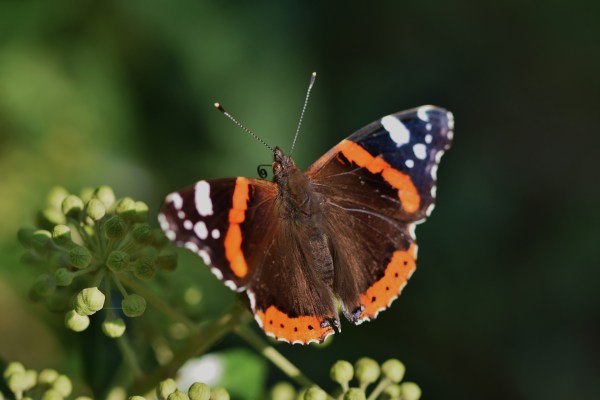
by Ian Bushell
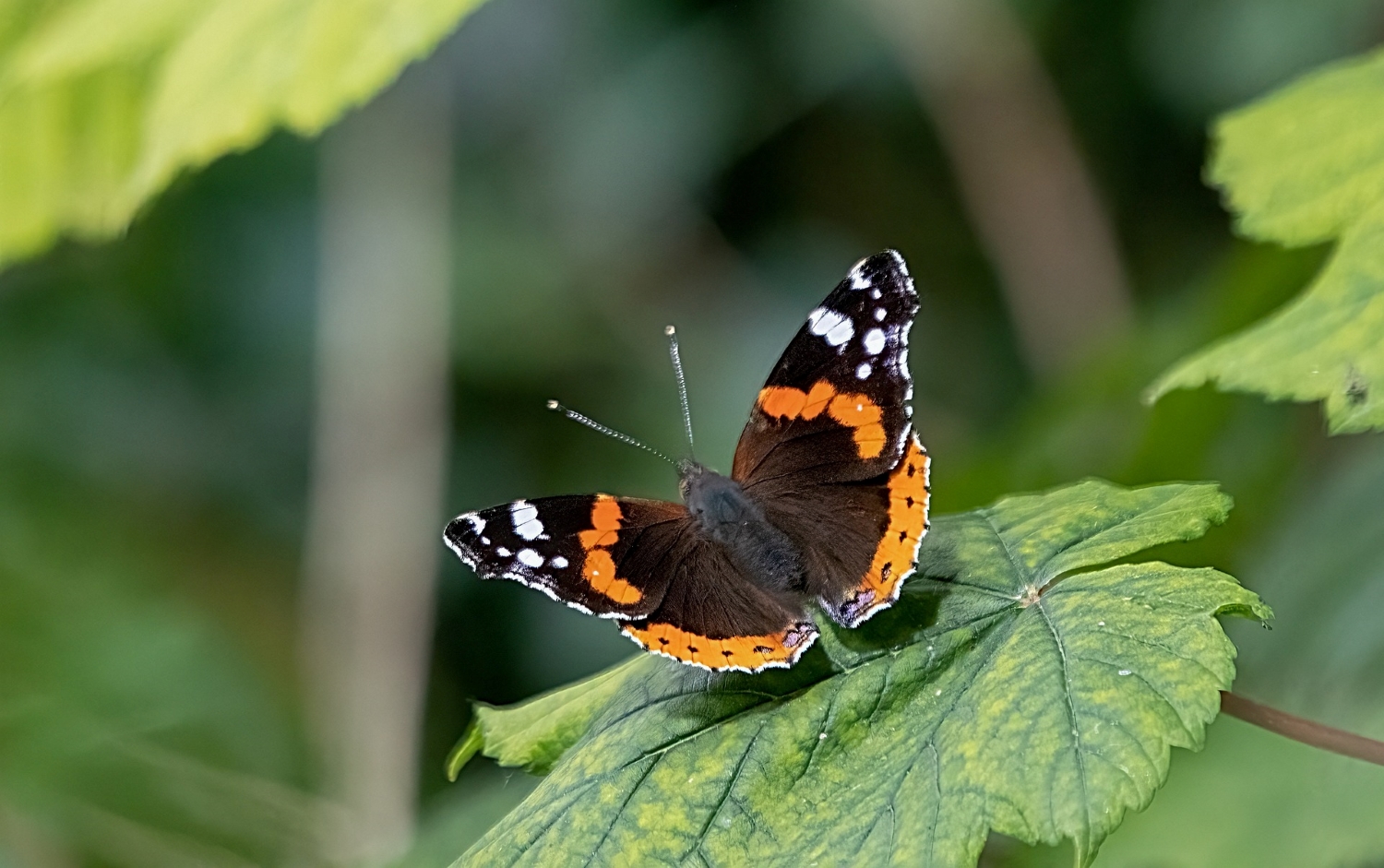
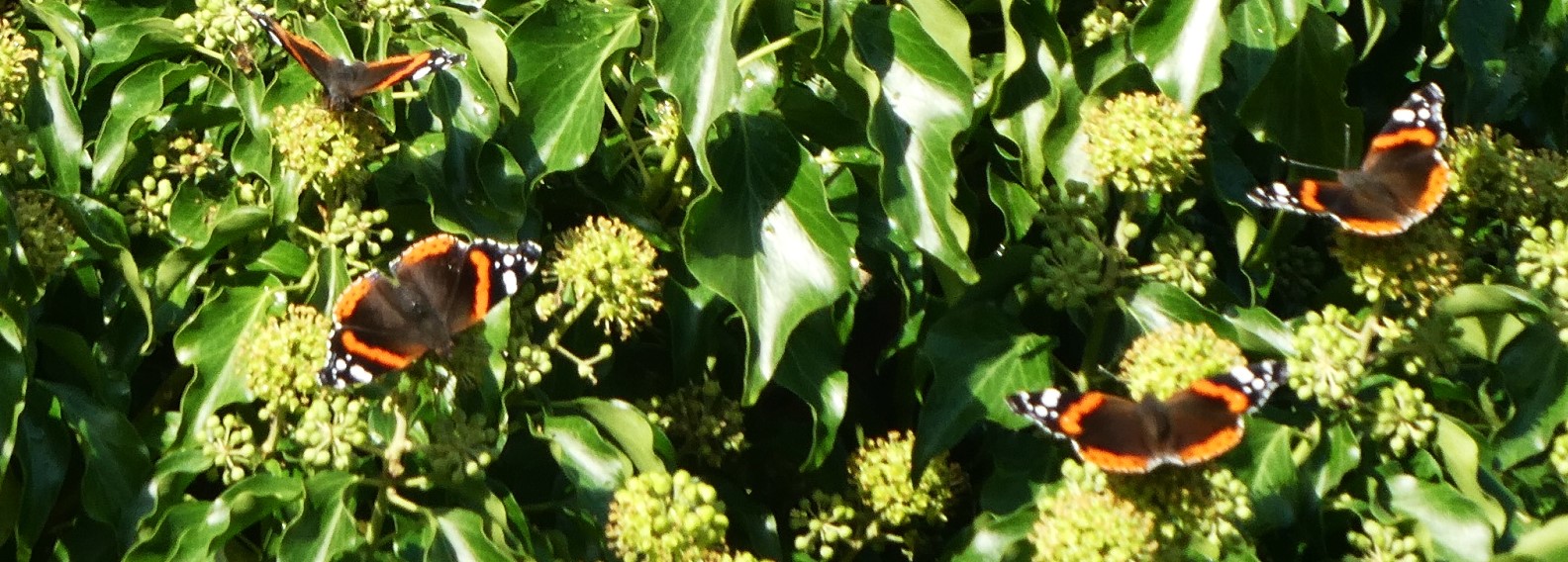
After the article on Sunday about the Small Copper, I have noticed at the reserve that there are many Red Admirals flying around. I can guarantee seeing some almost every time I visit but I was stunned over this weekend to see so many. There is Ivy now in flower and the most I have seen around a flowering Ivy bush are at least a dozen.
I don’t know whether these are the latest hatchings [from the nettle beds] that will migrate or possibly over winter here, or if they are the latest wave of immigrants from mainland Europe. I suspect that they are hatchlings because they are all absolutely pristine and beautiful.
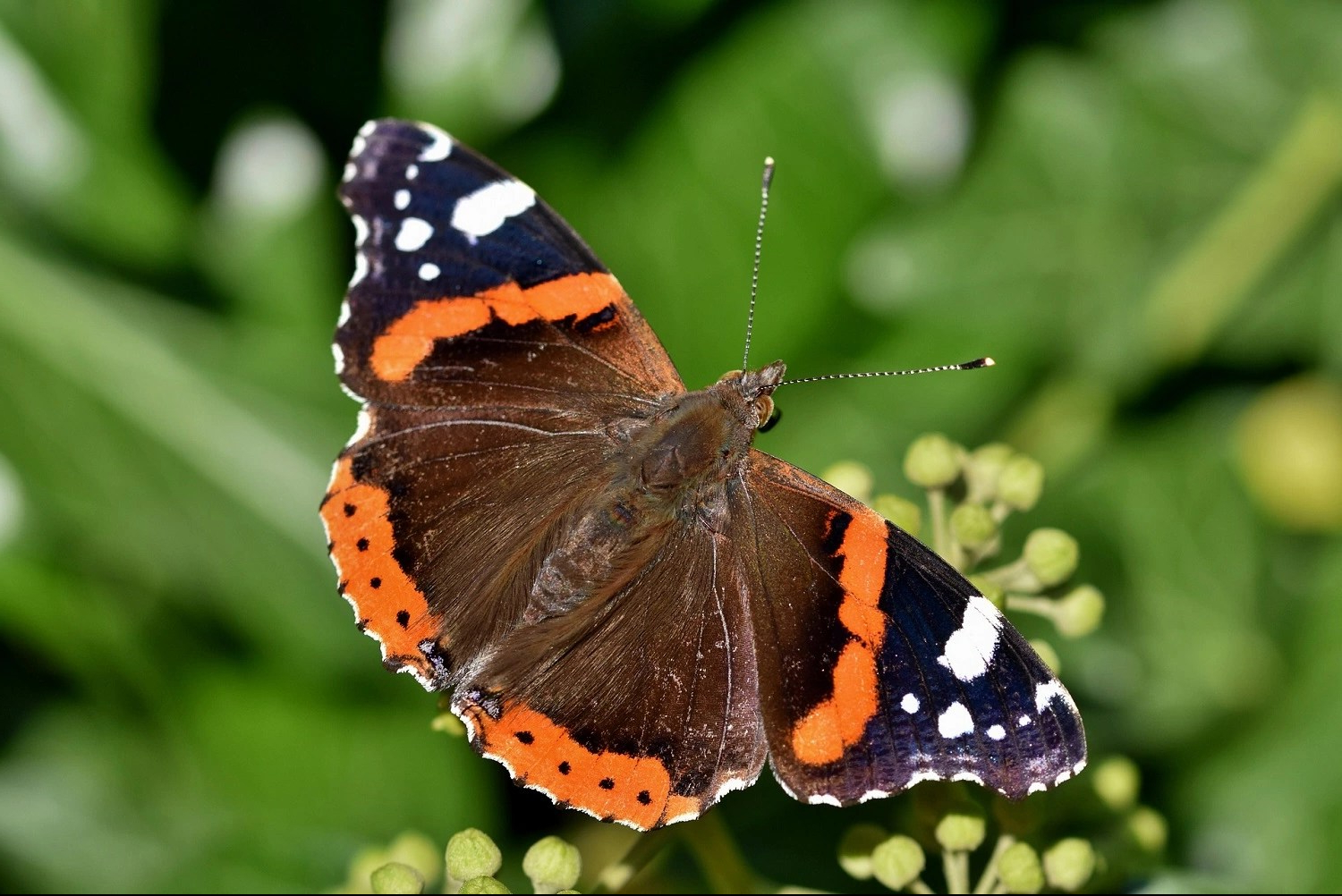



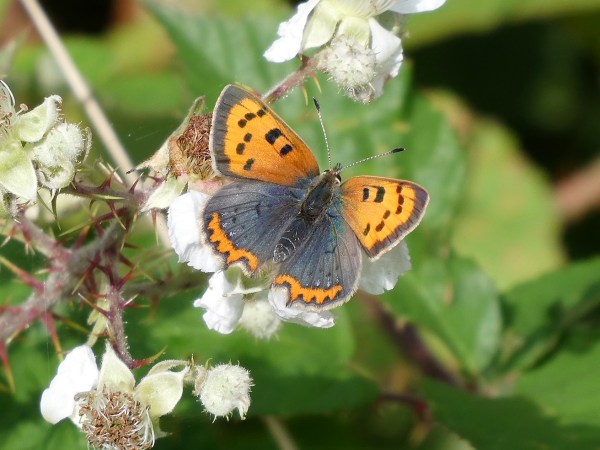
One of the delights of September is a pristine, newly hatched, late brood small copper butterfly.
Continue reading “Small copper”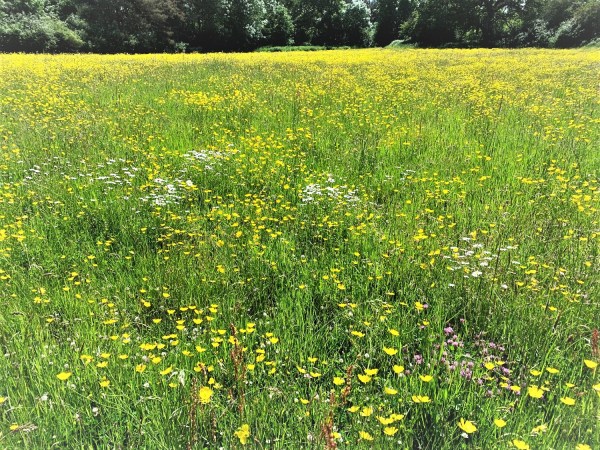
We rattle on about the reserve’s biodiversity, its species-rich hayfields, the insect life buzzing through the hedges and our woods filled with birdsong but we pay scant attention to its most biodiverse habitat, the soil.
Continue readingThere is problem with the comments page. WordPress has updated something and nothing is working as it should. As it stands, your comment will be posted anonymously but if you sign off with your name, I will be able to put it right somewhere in the editorial suite.
WordPress engineers are on the case.

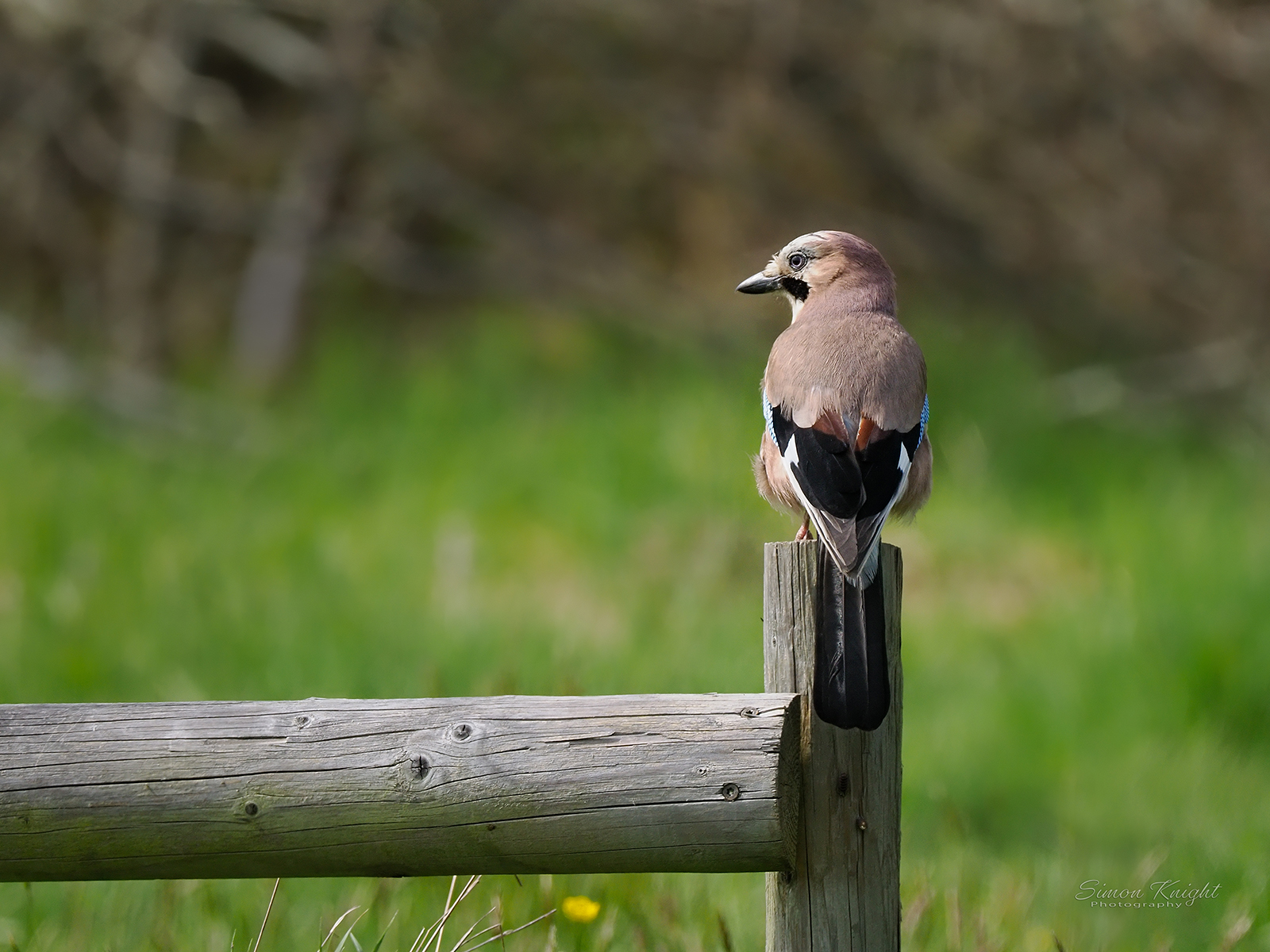
In the next few weeks each of the reserve’s jays will cache as many as 7500 acorns, carrying away from the tree as many as six acorns at a time and hammering them into the ground in a spot believed to be chosen for a nearby memory-jogging marker.




A message of thanks from Sarah and Alan, our litter pickers, pictured here at work in yesterday’s unremitting rain.
Continue reading “A Big Thank You”
We are promised a damp start with heavy rain and strong winds for this week’s Wednesday work party. This is the tail-end of Hurricane Lee made manifest in Southwick’s nature reserve, what the Met Office likes to call Atlantic-dominated weather.
Continue reading “Named storms”
As the reserve’s flora turns itself over to making seed, there are fewer and fewer flowers in our hedgerows. Yarrow (Achillea millefolium) is one of the few.
Continue reading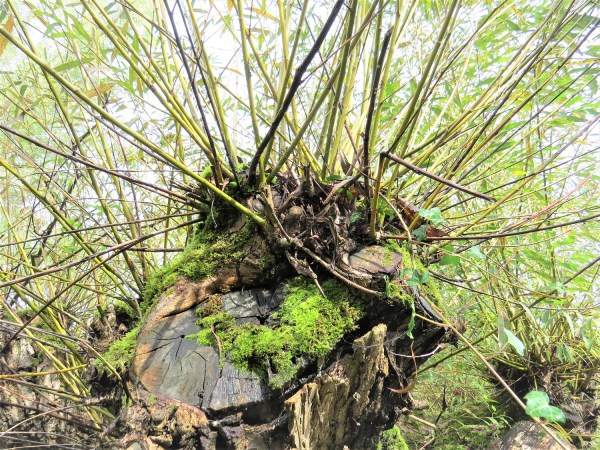
Salix is the genus name of willow, trees known and cultivated for millennia for their medicinal properties.
Continue reading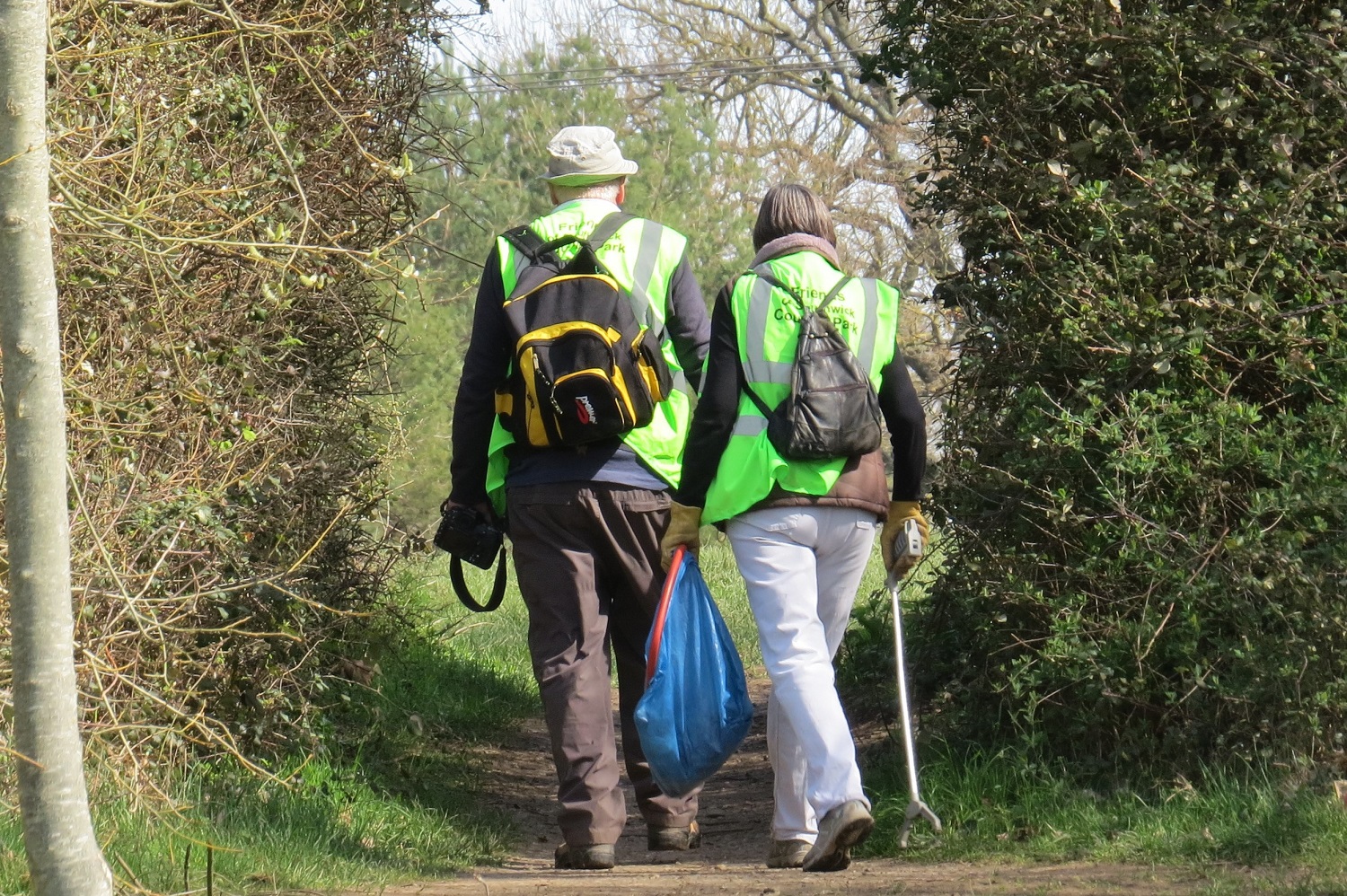


 Southwick Country Park Nature Reserve