Yarrow
As the reserve’s flora turns itself over to making seed, there are fewer and fewer flowers in our hedgerows. Yarrow (Achillea millefolium) is one of the few.
Continue reading
As the reserve’s flora turns itself over to making seed, there are fewer and fewer flowers in our hedgerows. Yarrow (Achillea millefolium) is one of the few.
Continue reading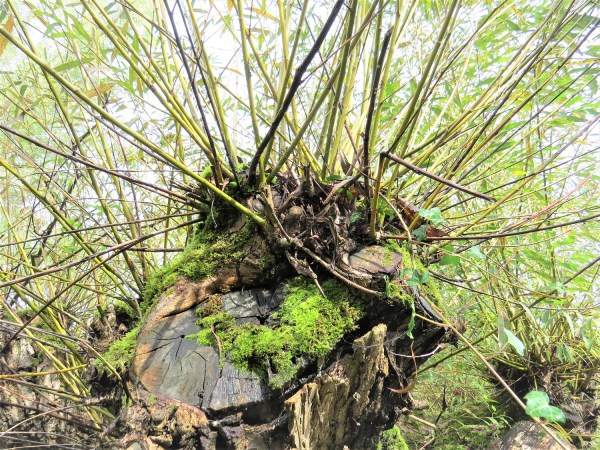
Salix is the genus name of willow, trees known and cultivated for millennia for their medicinal properties.
Continue reading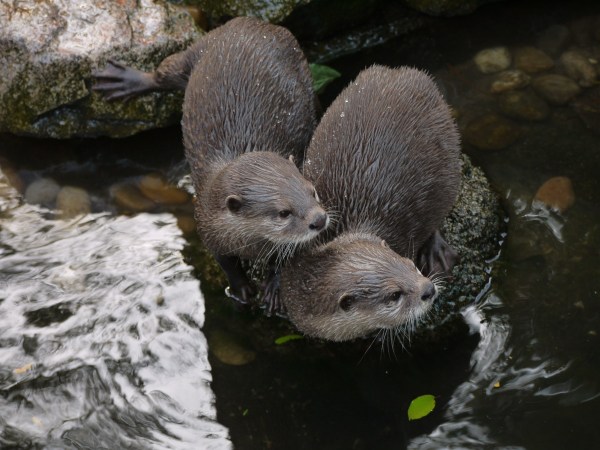
Every year, otters are seen in the Lambrok right the way up into Southwick village. They hunt swan mussels in the stream in the reserve and fish in the moat at Southwick Court. Here are some things you may not have known about this species.
Read on for ten Fascinatng Facts
Fieldfare (Turdus pilarus) and redwing (Turdus musicus), migratory thrushes from mainland Europe, are common winter visitors to the park. They are easily confused; here is a video to help you distinguish the two species.
Header picture: Fieldfare (Turdus pilaris) by Teresa Reynolds (CC BY-SA 3.0)

At this time of year, the park’s many oak trees have shed not only their acorns but a variety of galls.
Continue reading “Oak galls”
A real mouthful of a name:
Xanthogramma pedissequum, the superb ant-hill hoverfly, a rarity spotted by Ian early on a spring morning in 2021 and added to our species list.
Continue reading
The Woodland Trust is the largest woodland conservation charity in the United Kingdom. It has planted over 55 million trees since 1972, owns over 1,000 sites covering over 26,000 hectares and guarantees public access to its woods.
Continue reading “Become a citizen scientist”
A bloody nosed beetle (Timarcha tenebricosa) found in the short grass where the rabbits graze at the end of Sleepers Field.
Continue reading “Bloody nosed beetle”
This week’s work party began with an official heat warning from the Countryside Team:
Continue reading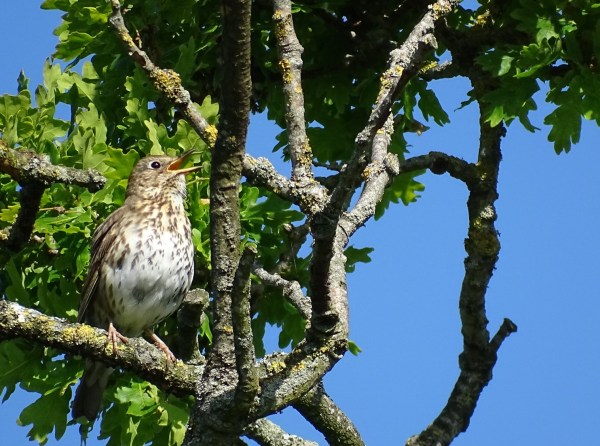
We have both song thrushes (Turdus philomelos) and mistle thrushes (Turdus viscivorus) in the reserve. Here is a video from the British Trust for Ornithology that will help you tell the two species apart.
Header image: Song thrush by Cheryl Cronnie (SCPLNR 06/2023)
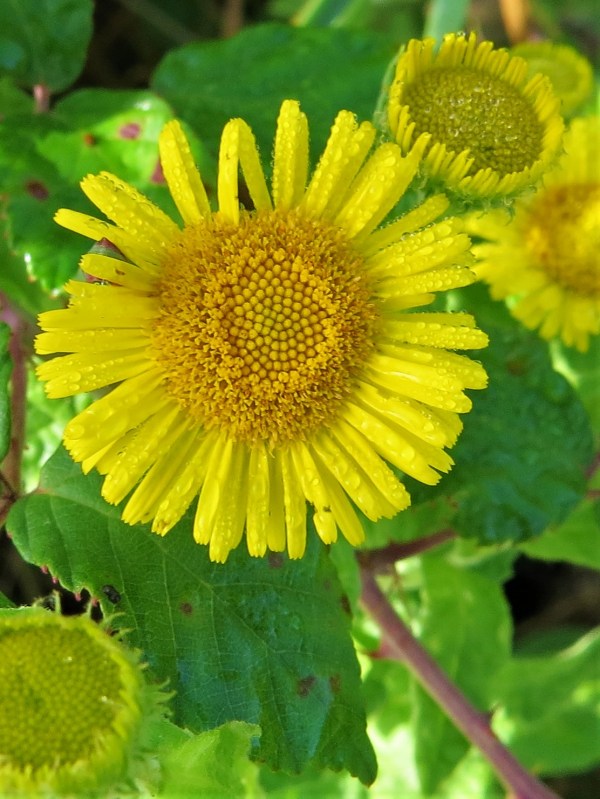
Yesterday’s headline picture was of a marsh damsel bug on a fleabane flower, which reminded us that fleabane (Pulicaria dysenterica) is an essential late summer nectar source for our invertebrates that deserves a post of its own.
Continue reading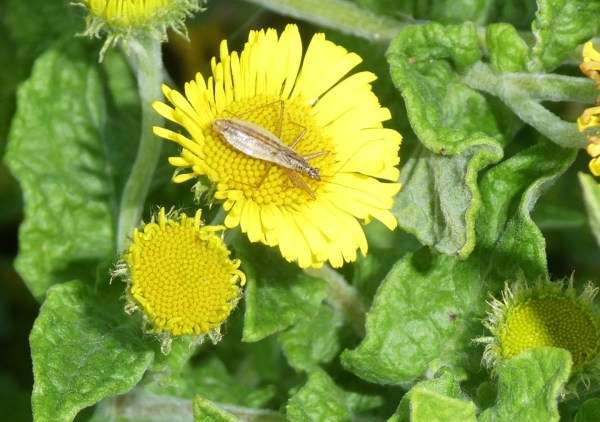
Ian’s on a roll: two more insects for our invertebrates list, a marsh damsel bug (Nabis limbatus) and a dock bug (Coreus marginatus).


[1] marsh damsel bug [2] dock bug [header image] marsh damsel bug on fleabane by Ian Bushell

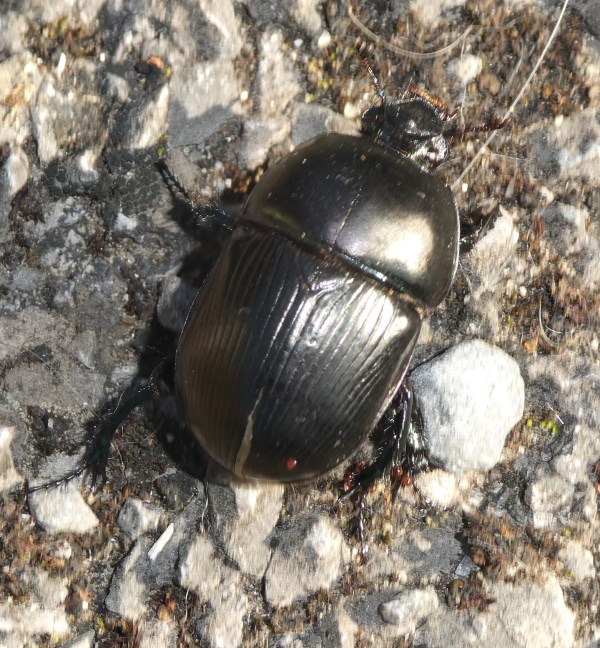
by Ian Bushell
This is a Dor Beetle and I am almost certain it is a Common Dumbledore Beetle – Geotrupes spiniger. This is the first time it has been identified in the reserve and I have added it to our lists.
Continue reading “Dumbledore!”
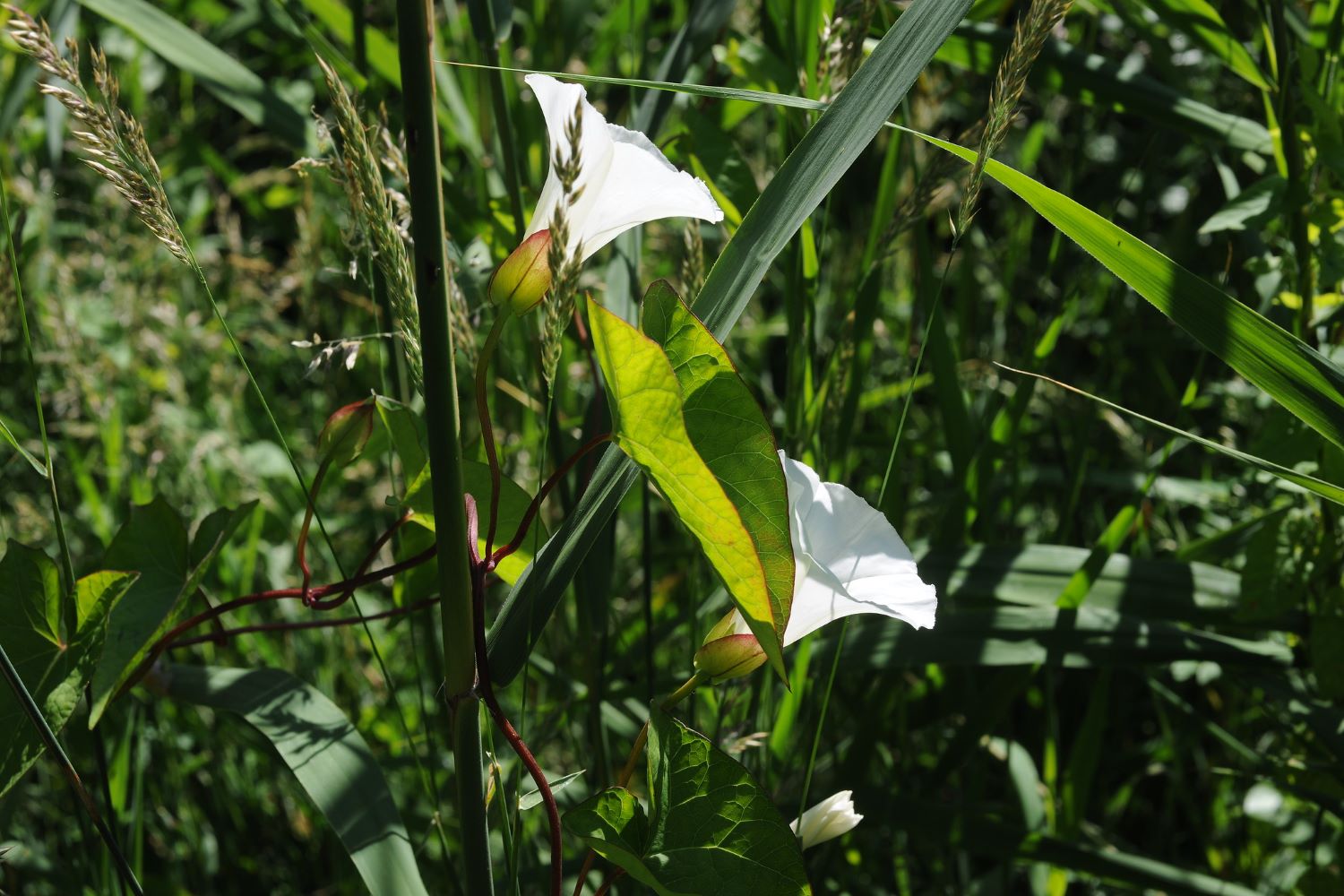
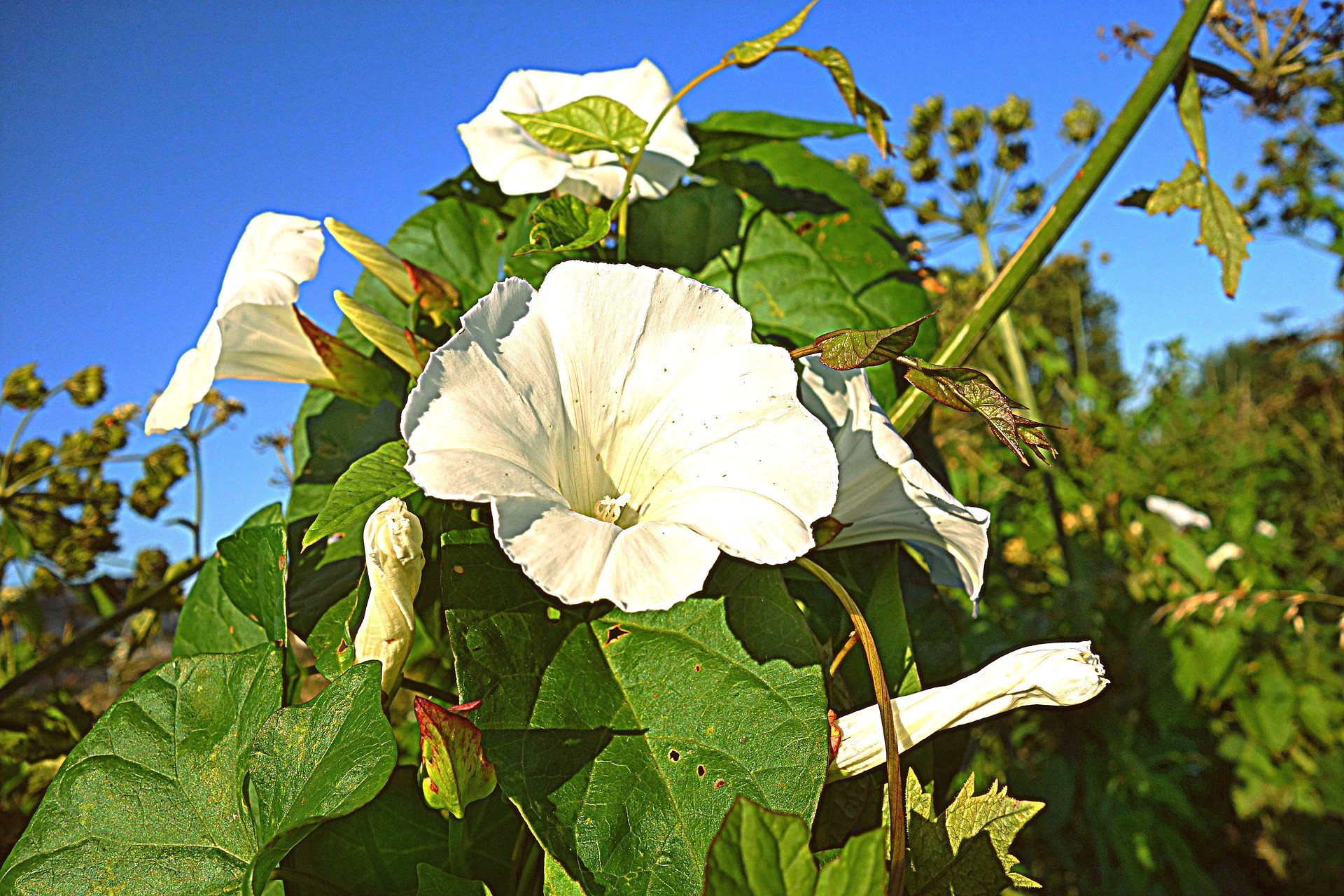
Stunningly beautiful greater bindweed (Calystegia sepium).



Analysis of records kept since 1964 has found that some species of European migratory birds are spending up to 60 days less each year in their sub-Saharan wintering grounds. Over the most recent 27-year period, migratory birds, including the whitethroats commonly seen in our reserve, were found to have increased their time in Europe by an average of 16 days. It has even been suggested that some species may stop flying south for the winter altogether.
Continue reading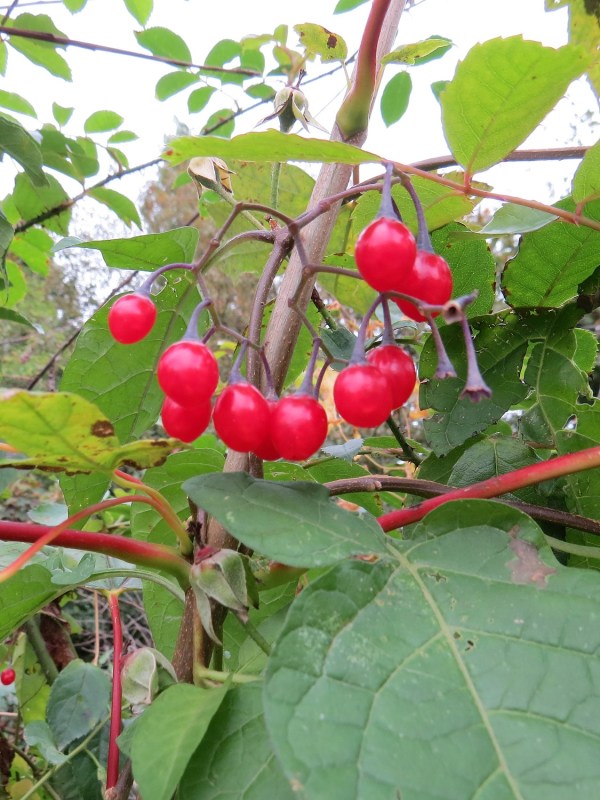
Woody nightshade (Solanum dulcamara), climbing through the reserve’s hedges, is heavy with berries at this time of year.
Continue reading “Woody nightshade”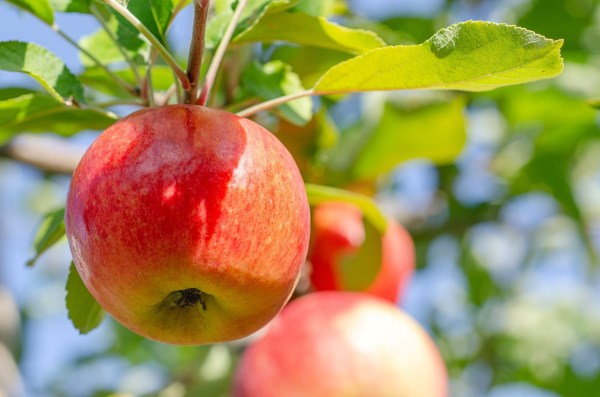
In February of 2014, the Friends planted an orchard: thirty eight heritage apple trees of fourteen different varieties, in the southern end of the park. They have really beautiful names:
Continue reading “Heritage orchard”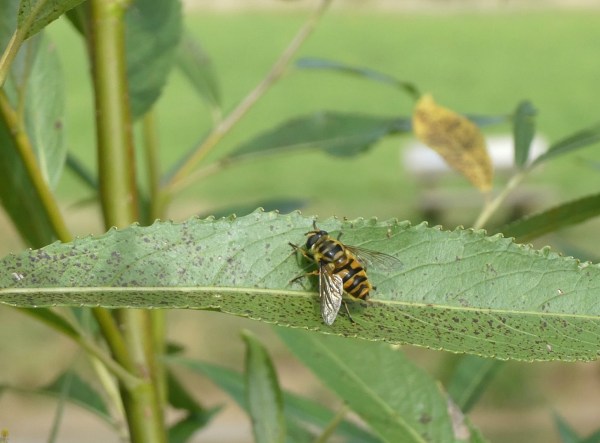
From the willows by Village Green’s pond, Ian has sent us this image of another new species for the reserve’s lists: Myathropa florea, the Batman hoverfly.
Continue readingThere are always European hornets working somewhere in the reserve and we know of at least one nest high in a tree. Here is an astonishing video of hornets at an invertebrate water hole.
Video by nature photographer, Lothar Lenz, published by Caters Clips.

Don’t forget to visit our stall at Southwick Show today for all your white elephants, bric-a-brac, sundries and secondhand books.


Somebody asks this every year in August, as they wave wasps away from their picnic or soothe a painful sting with a vinegar poultice.
Continue reading “What good are wasps…?”
Charles Darwin calculated that there would be 53,000 earthworms in an acre of soil. That number has been adjusted upwards over the years and at the moment stands anywhere between 500,000 and a million. The reserve covers about 140 acres so, even at the lowest of modern estimates, there are 70 million earthworms in the park.
Continue reading “Earthworms”
by Simon Knight
I have recently enjoyed a couple of early mornings in the reserve with my macro lens, and as I have said before, I really enjoy macro photography and hunting for the smaller in habitants of the reserve, especially on dewy, bright mornings.
Continue reading
This is the time of year when the summer’s brood of fledgling kingfishers are driven away from the home territory by their parents, and set off to look for good fishing grounds of their own.
Continue reading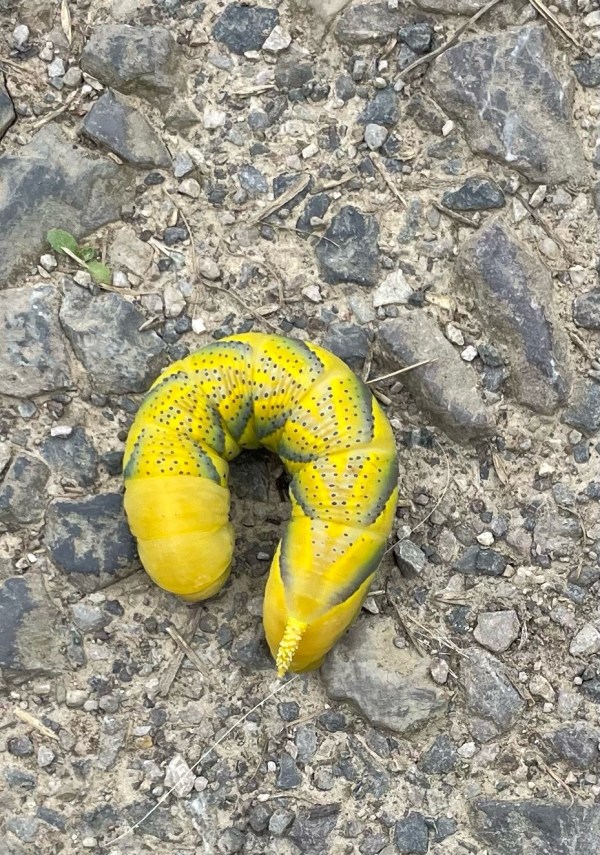
Message from Emma Kilroy-Grant to FoSCP 22/08/2023:
Walking in Southwick Country Park nature reserve this morning, I came across this mammoth caterpillar on the path. I re-located it into the hedge and Googled it to find it is an African Death’s Head Hawkmoth!!


 Southwick Country Park Nature Reserve