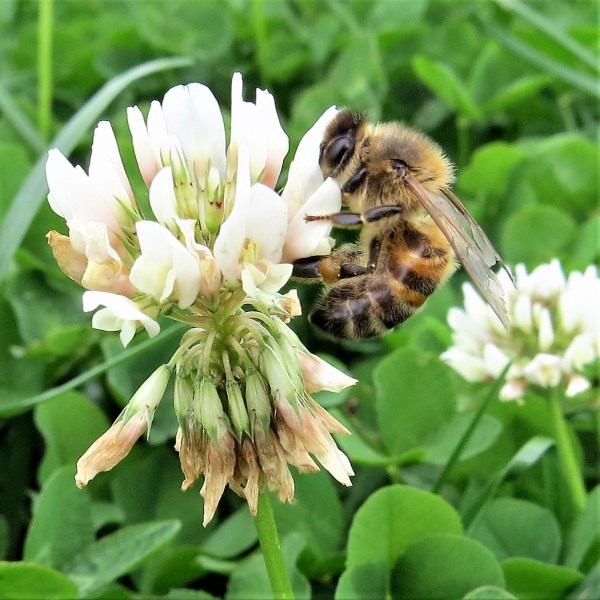
There are at least two feral honey bee colonies in the reserve, nesting high in our mature trees. Unlike common wasps, honey bees don’t die at the end of the summer; the colony stores enough food for the queen and the workers to survive through the winter.
Continue reading “Honey bees”Aeshna cyanea
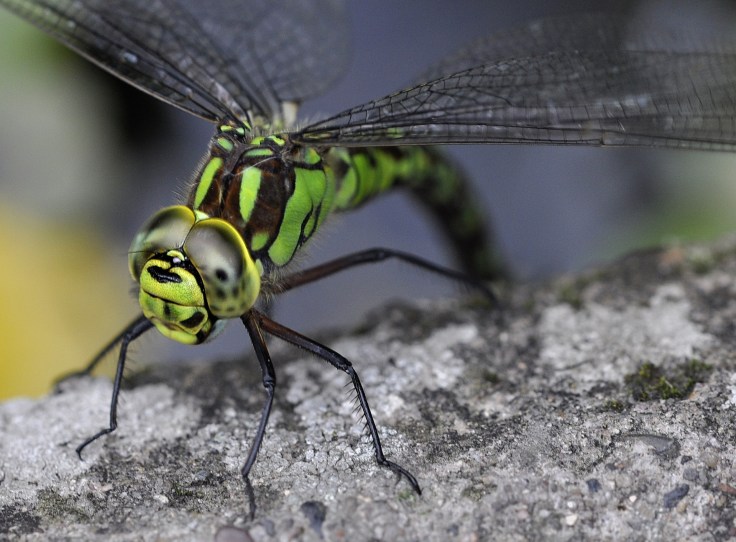
A southern hawker (not the one in these images) visited the Wednesday Work Party in the picnic area at the reserve last week: such a beautiful creature.

Southern hawker (Aeshna cyanea)

Crane Flies
There are hundreds of species of crane fly in this country and almost all of them go by the name of daddy-long-legs. The differences between species can be microscopically small but we think this specimen photographed in Sheep Field is either a common European crane fly (Tipula paludosa) or a marsh crane fly (T. oleracea). At this time of year they hatch in the reserve’s field in their thousands, if not millions.
Continue readingTen facts
ONE: Pipistrellus pipistrellus, the common pipistrelle.
Continue reading “Ten facts”Thick legged flower beetle
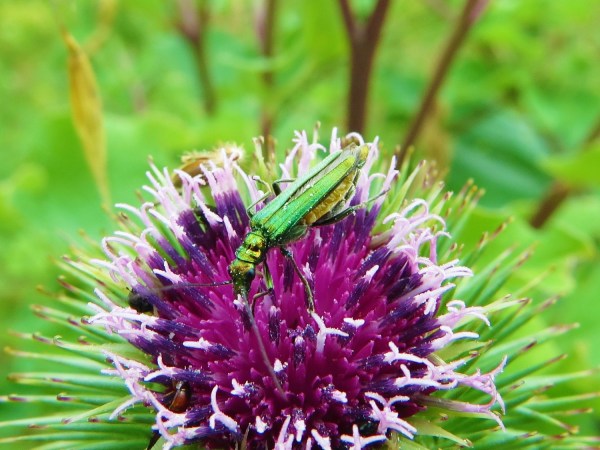
An iridescent green, female Oedemera nobilis, known as the thick legged flower beetle or swollen thighed beetle, photographed in the reserve last year. It is the male (see below) that has the strangely shaped hind legs for which the species is named


[1] by Gail Hampshire (CC BY 2.0) flickr.com; [2] © Hans Hillewaert (CC BY-SA 4.0) wikimedia.org
Bulrushes
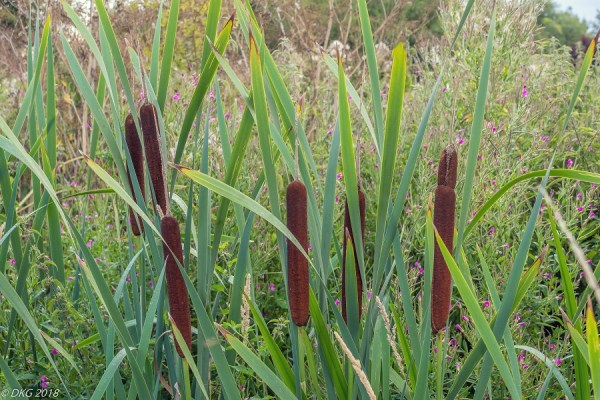
These are the flowers of Typha latifolia, the common bulrush, growing vigorously in Lambrok Stream.
Read on:Poisonous berries
The changing climate rushes our flowering season on and the reserve is already full of seeds, fruits and berries, food for our wildlife but not always for its human occupants. Some berries are poisonous and every year we publish pictures of those best avoided.
Continue for details and pictures
The Perseid meteor shower peaks this weekend.
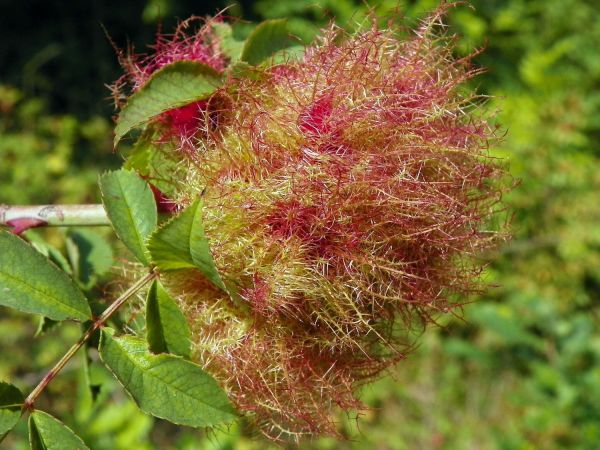
Robin’s pincushion
This strange growth is called a robin’s pincushion.
Continue reading “Robin’s pincushion”Hottest July
While here in the UK, July 2023 was slightly cooler (and a lot wetter) than usual, worldwide it was the hottest July on record.
Continue reading “Hottest July”Our swifts are leaving already.
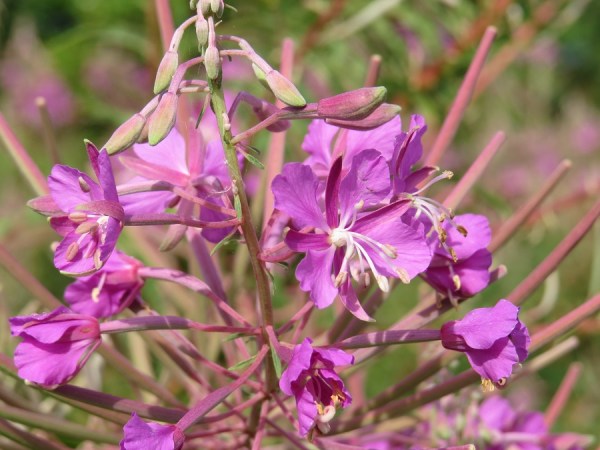
Continue readingRosebay willowherb
The rosebay willowherb (Chamaenerion angustifolium) in the Arboretum is in flower and well worth a look.
Read on:A walk in the park
by Ian Bushell
Just some thoughts and pictures on a pleasant Sunday afternoon walk in the reserve.
Continue readingRagwort
Ragwort is extraordinarily successful; all the “injurious weeds” named in the 1959 Weeds Act are.
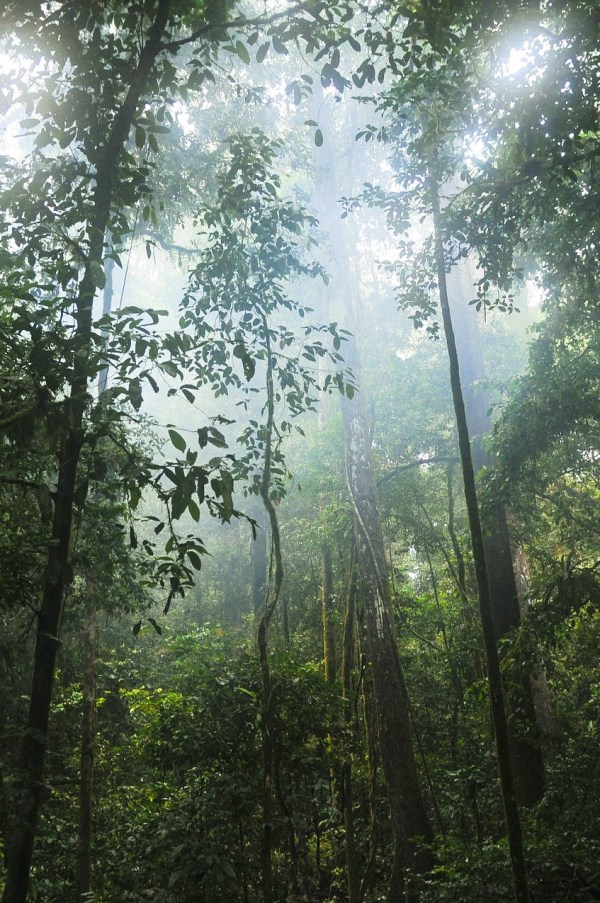
Continue reading “Ragwort”Amazon rainforest
Here’s a good news story: deforestation in the Brazilian Amazon has fallen by 60%.
Continue reading “Amazon rainforest”How to tell a grasshopper from a cricket
- The most visible difference between a grasshopper and a cricket is that crickets tend to have very long antennae while grasshoppers’ antennae are short.
The Big Butterfly Count ends on Sunday. So far, citizen scientists have sent in more than 85,000 counts and recorded more than a million butterflies and day-flying moths.
Continue readingExtra ragwort
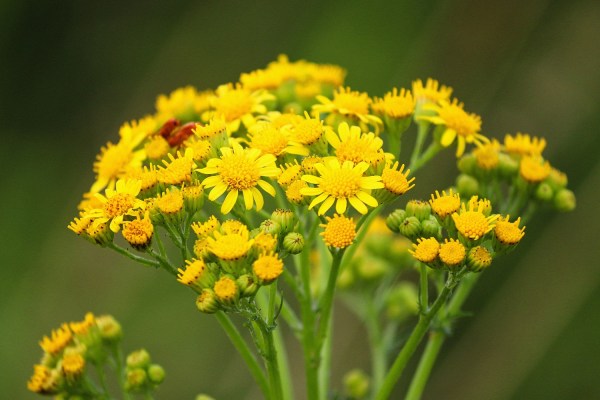
We have two different species of ragwort in the reserve, common ragwort (Jacobaea vulgaris) and hoary ragwort (Jacobaea erucifolia), both valuable nectar sources for our late season butterflies.
Continue reading “Extra ragwort”Still counting
The Big Butterfly Count ends on Sunday, August 6th. Are you still counting?
Continue reading “Still counting”Five spot burnet moth
These are five spot burnet moths (Zygaena trifloii), dayflying nectar feeders. Regular contributor Cheryl Cronnie photographed this mating pair at the end of June.
Continue readingDid You Know….
The reserve’s great pond snails (Lymnaea stagnalis) can crawl on the under side of the water surface, eating algae as they go and breathing oxygen from the air.
Header Image: Great pond snail by Peter Pfeiffer (CC BY-SA 4.0) commons.wikimedia.org
Ten facts
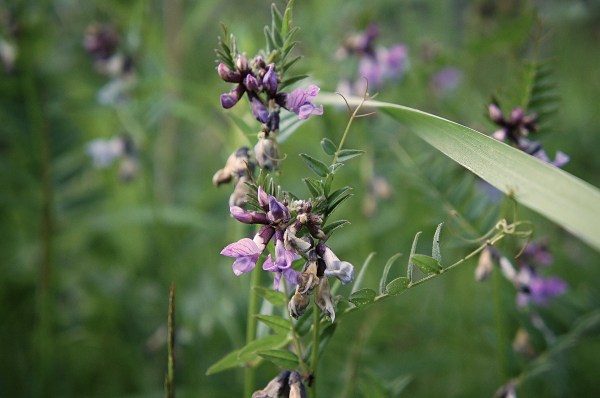
Bush vetch
Continue reading “Ten facts”ID parade
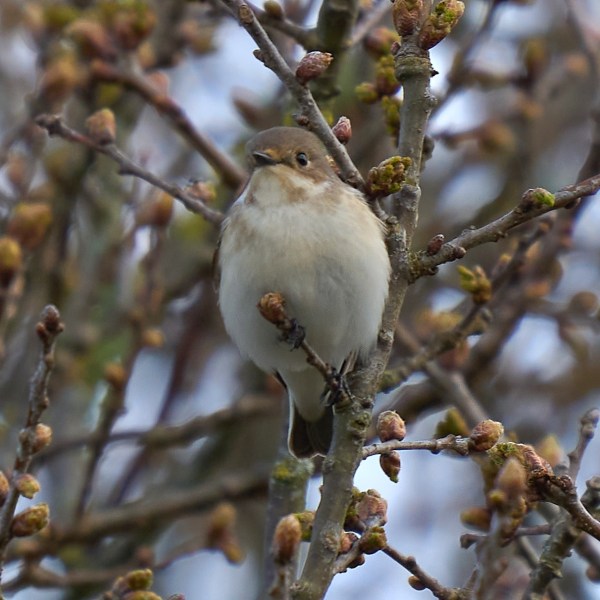
After the triumph of the silver washed fritillary, Max is back with a possible sighting and a photograph of another new species for our lists: a female pied flycatcher.
Continue readingPigeon post
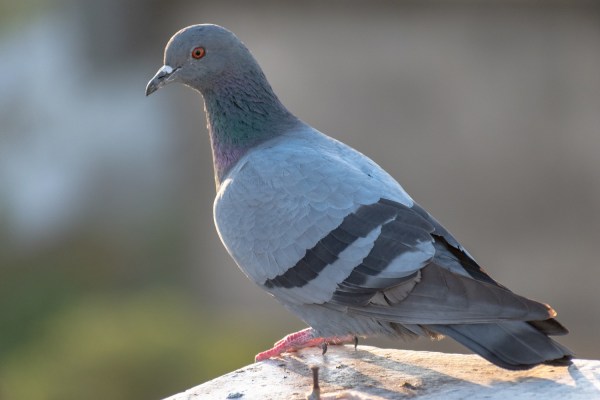
Rock doves (Columba livia) are known to have been domesticated for more than 5,000 years. They are mentioned in cuneiform writing on clay tablets dug up in Mesopotamia and in hieroglyphics on the walls of ancient Egyptian tombs. There is a growing belief among archaeologists that these pigeons were, in fact, the first birds to be domesticated, more than 10,000 years ago,
Continue reading “Pigeon post”