There are six species of social wasp that are native to Britain and this is a good time of year to identify them.
Continue reading “Wasp time”Wasp time
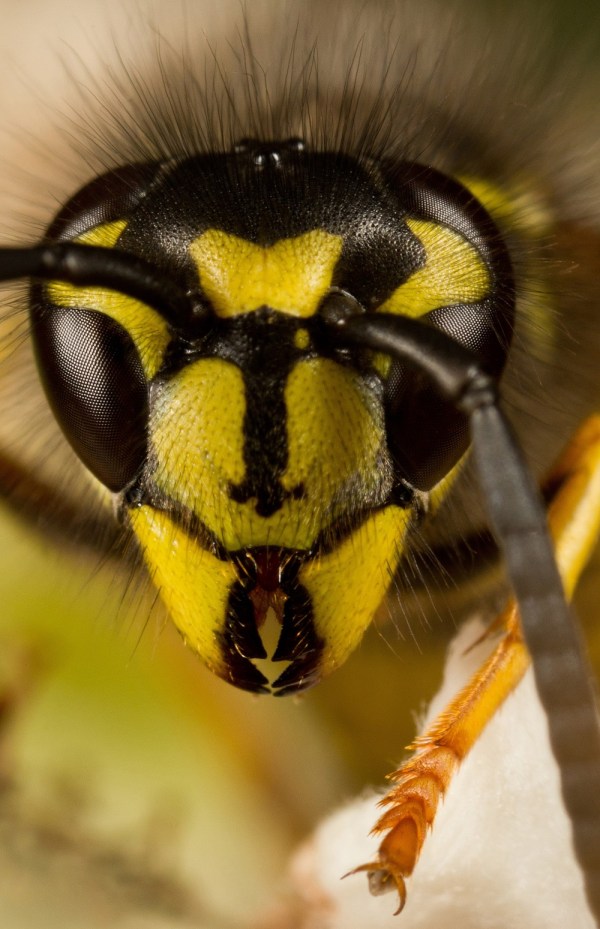
There are six species of social wasp that are native to Britain and this is a good time of year to identify them.
Continue reading “Wasp time”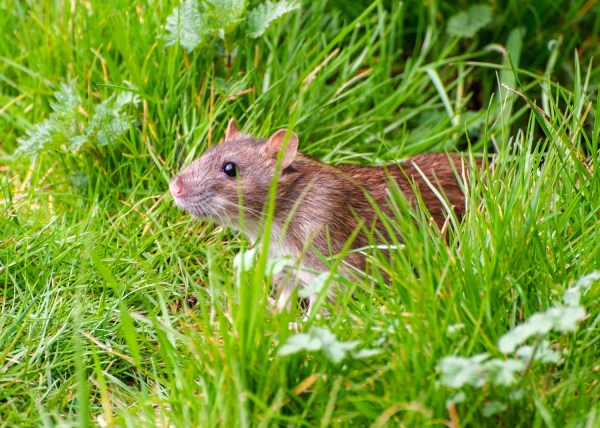

Village Green pond is prime real estate for broad bodied chasers. All summer long the flashy blue males fight over territory and the attentions of the golden brown females. Keep an eye out for them the next time you are passing.


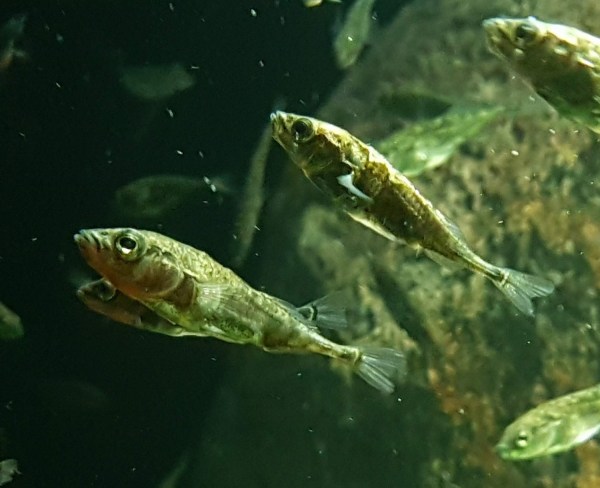
For decades, there have been swan mussels in the pool below Village Green Pond’s weir. Last years’s drought was hard on the colony but it seems to have survived.
Continue reading “Swan mussels”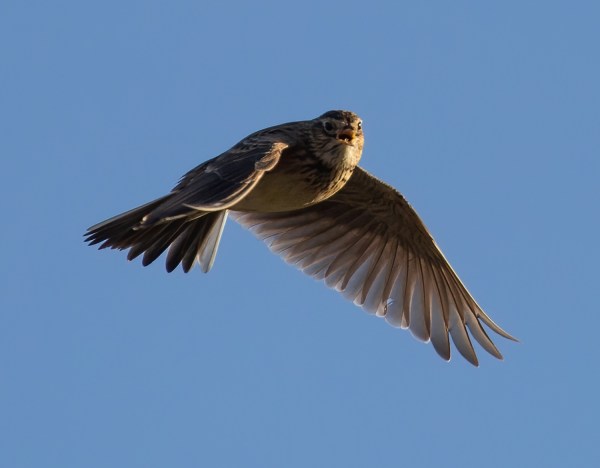


We keep constant watch in the reserve for the beautiful invasive alien, Impatiens glandulifera, or Himalayan balsam. It might be very lovely to look at but it is an environmental horror story
Continue reading “Himalayan balsam”
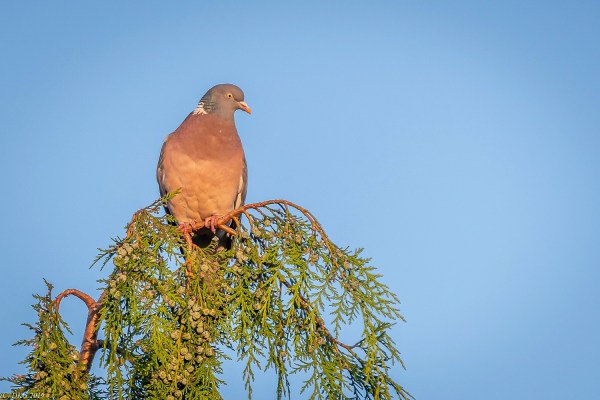
ONE: Wood pigeons are the most numerous large bird in Britain with an estimated 5 million breeding pairs.
Click here for more
by Ian Bushell
A really good turn-out today, just about everybody was there, and the weather stayed good right up until we got to the picnic area for coffee.
Continue reading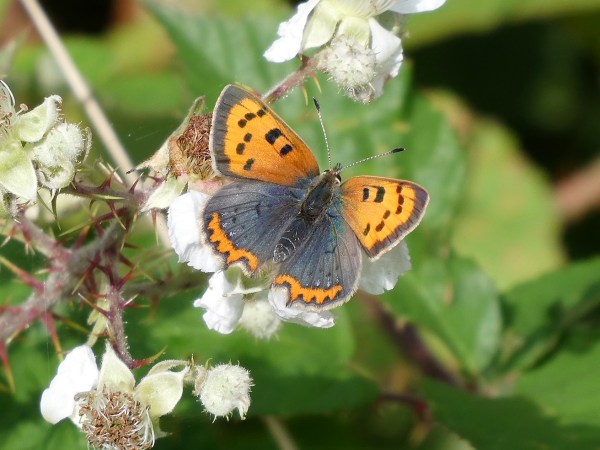
Butterfly Conservation’s annual Big Butterfly count begins today, Friday 14th July, and ends on Sunday 6th August. Have you joined?
Continue reading “The Big Butterfly Count”
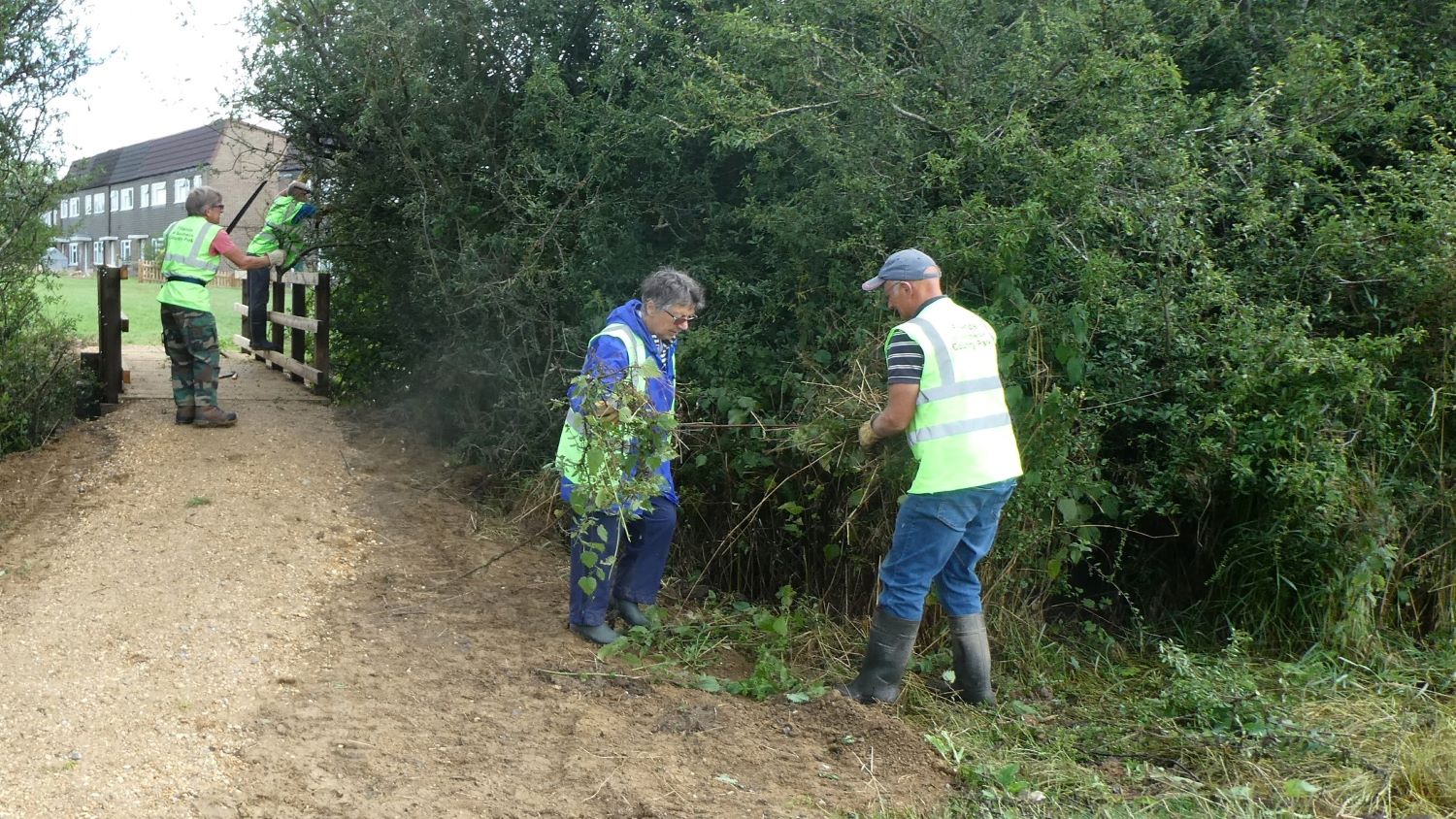
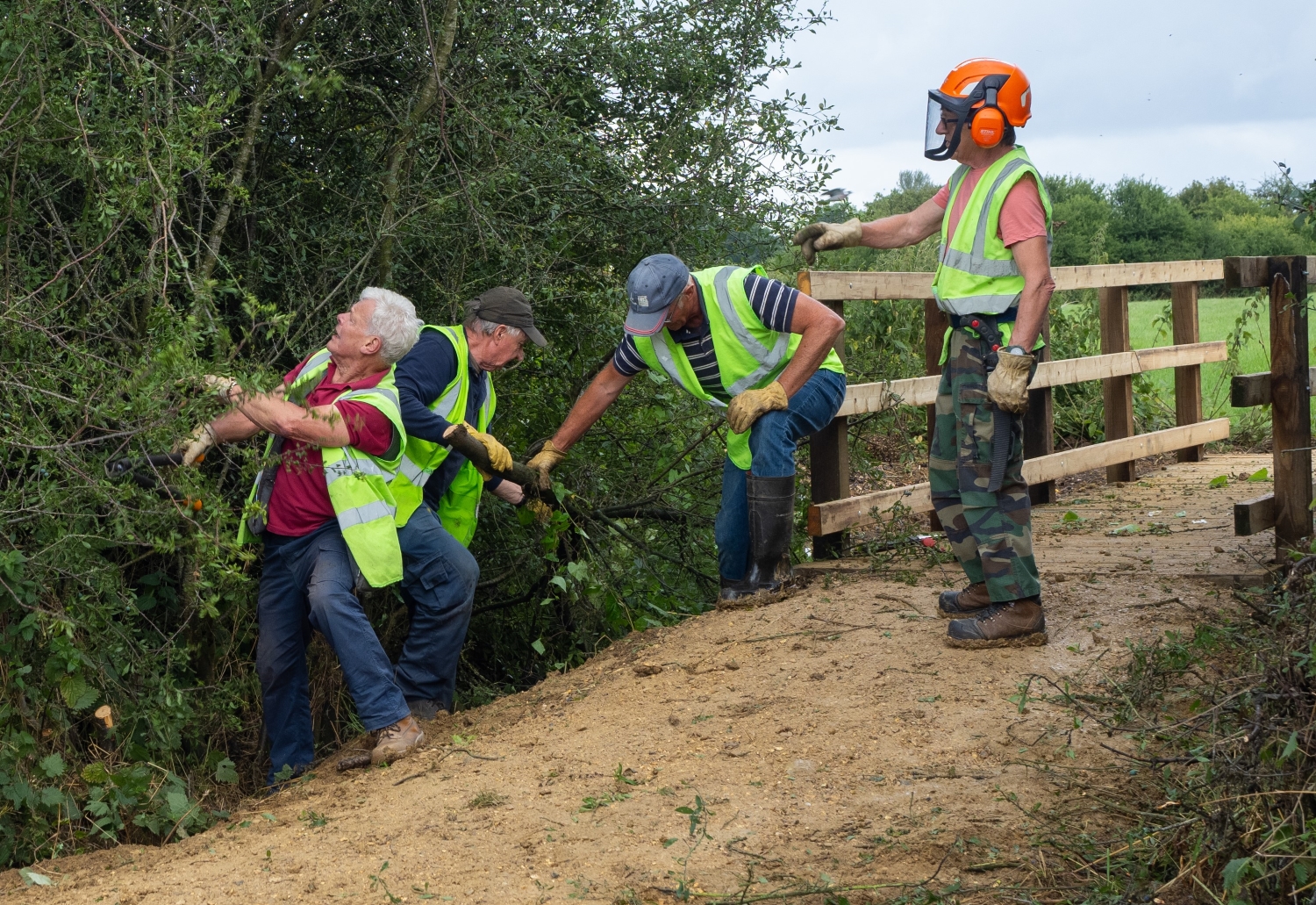
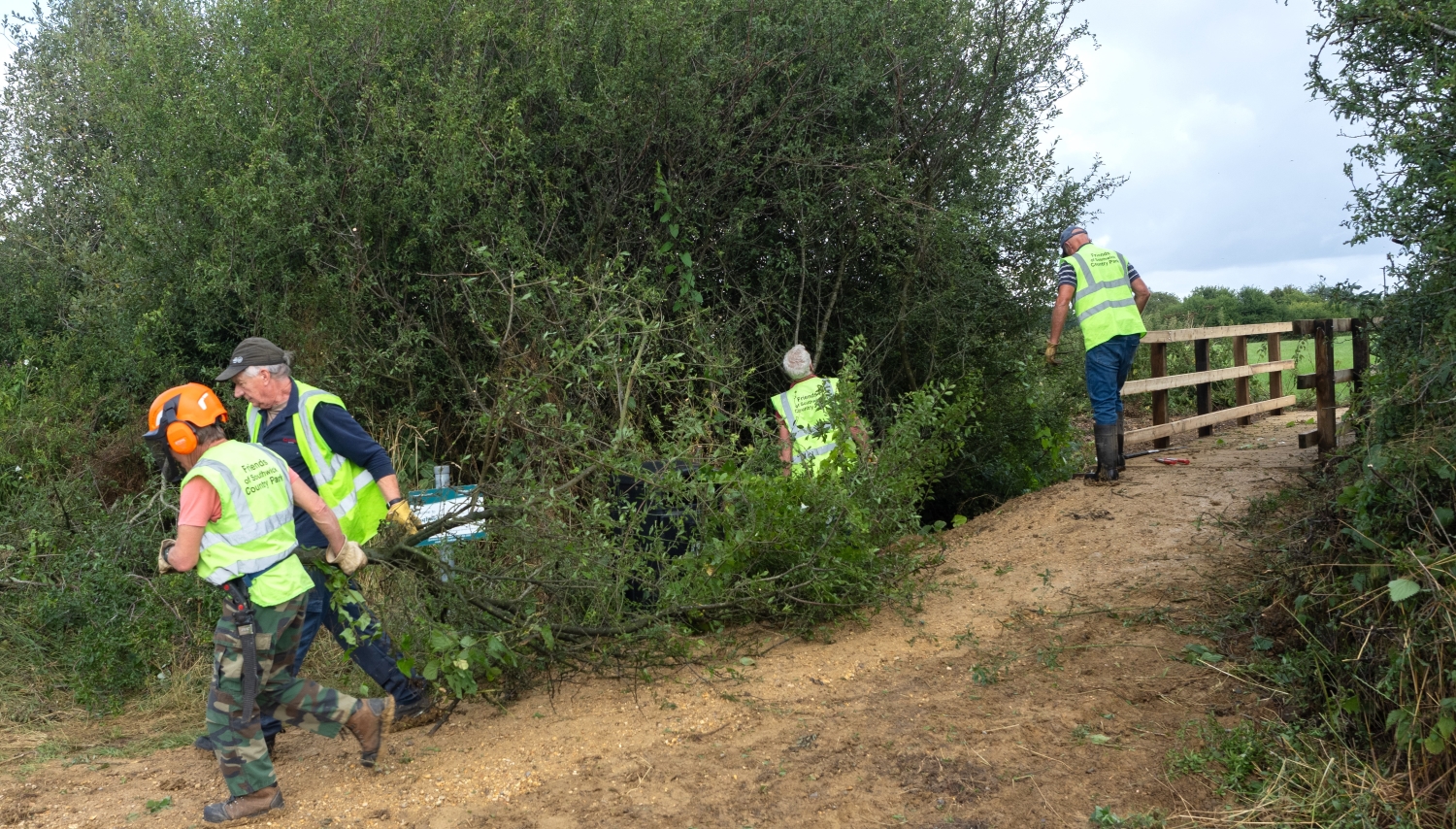
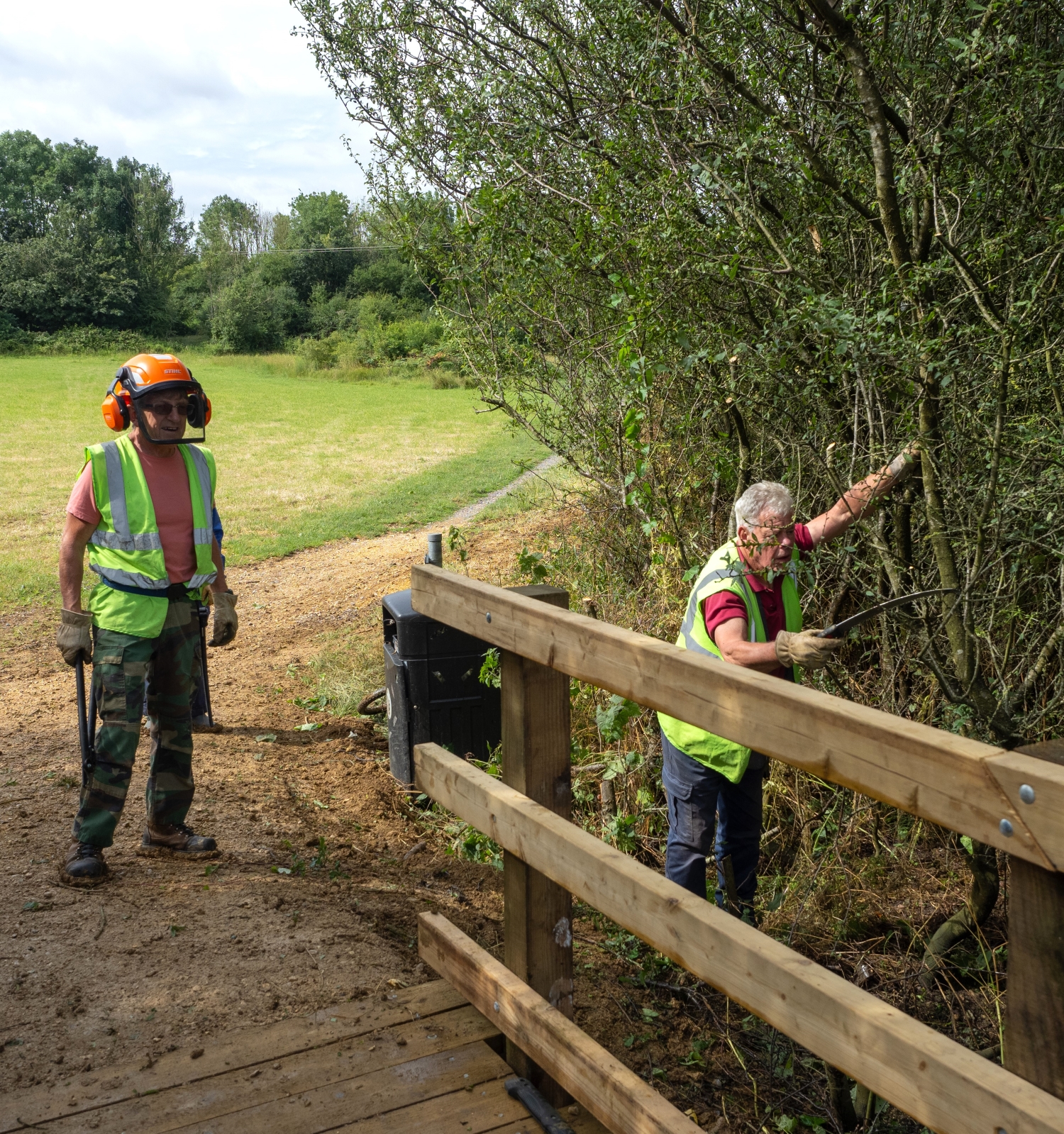
The new bridge between Studley Close and the far end of Lambrok Meadow has been renamed, Studley Bridge, and given a thorough tidying by Wednesday’s workparty. Thanks guys!


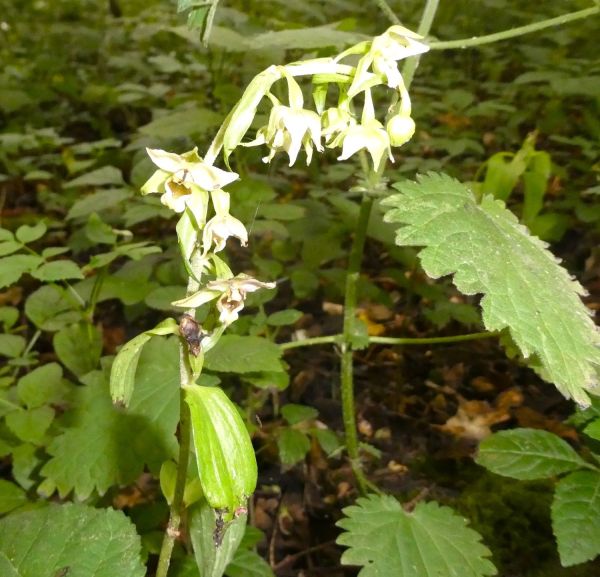
Ian knows where the broad leaved helleborines (Epipactis helleborine) grow in our woods and has sent us pictures. In the reserve, our helleborines grow in deep shade, which makes them hard to find and difficult to photograph.
Continue reading
Just a few of the reserve’s coleoptera.


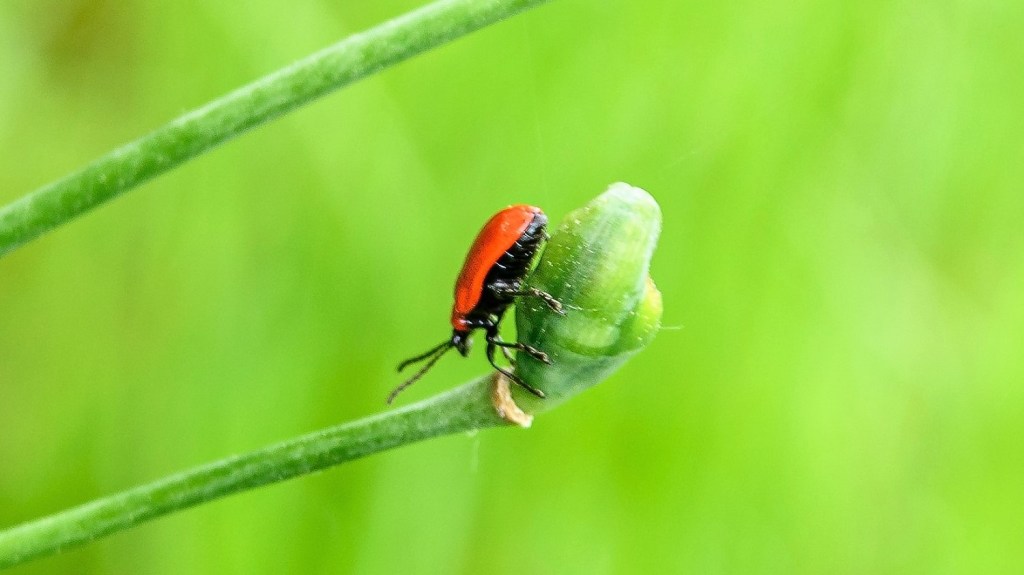

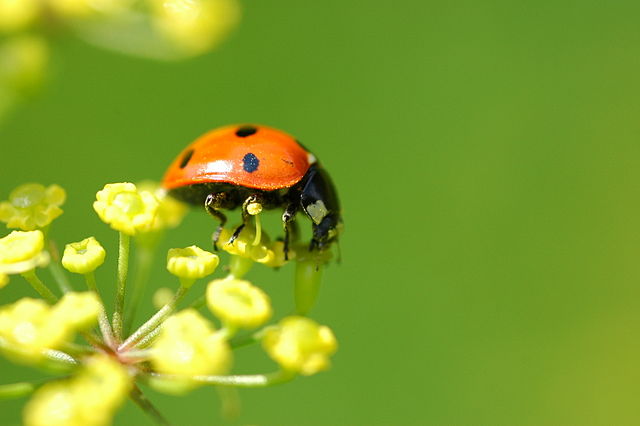


[1] golden bloomed longhorn beetle [2] bloody nosed beetle [3] sailor beetle [4] lily beetle [5] cockchafer (May bug) [6] seven spot ladybird [7] sixteen spot ladybird [8] thick legged flower beetle; Header image: Red headed cardinal beetle by Gail Hampshire (CC BY 2.0) wikimedia.com
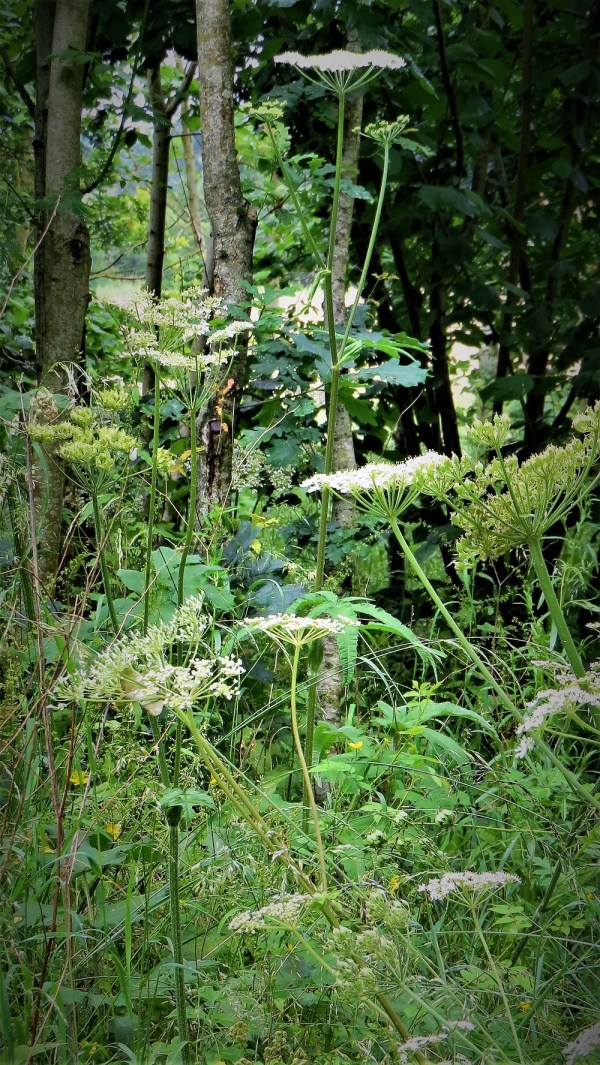
The reserve’s common hogweed (Heracleum sphondylium) can grow two metres tall in just the right place, with flower-heads the size of dinner plates. Every year, somebody asks if it is giant hogweed and the answer is: no.
Continue reading “Hogweed”
This is Stachys sylvatica, commonly known as hedge nettle, hedge stachys or hedge woundwort. It grows at the far end of Lambrok Meadow.
Continue reading
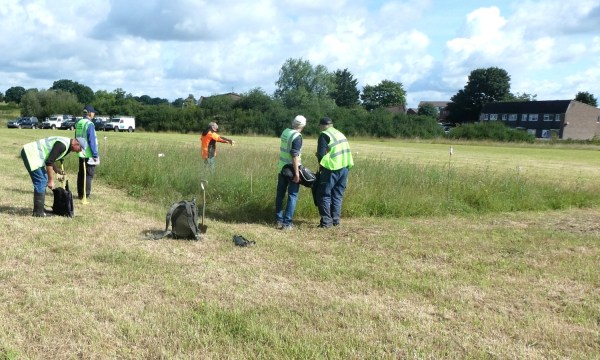
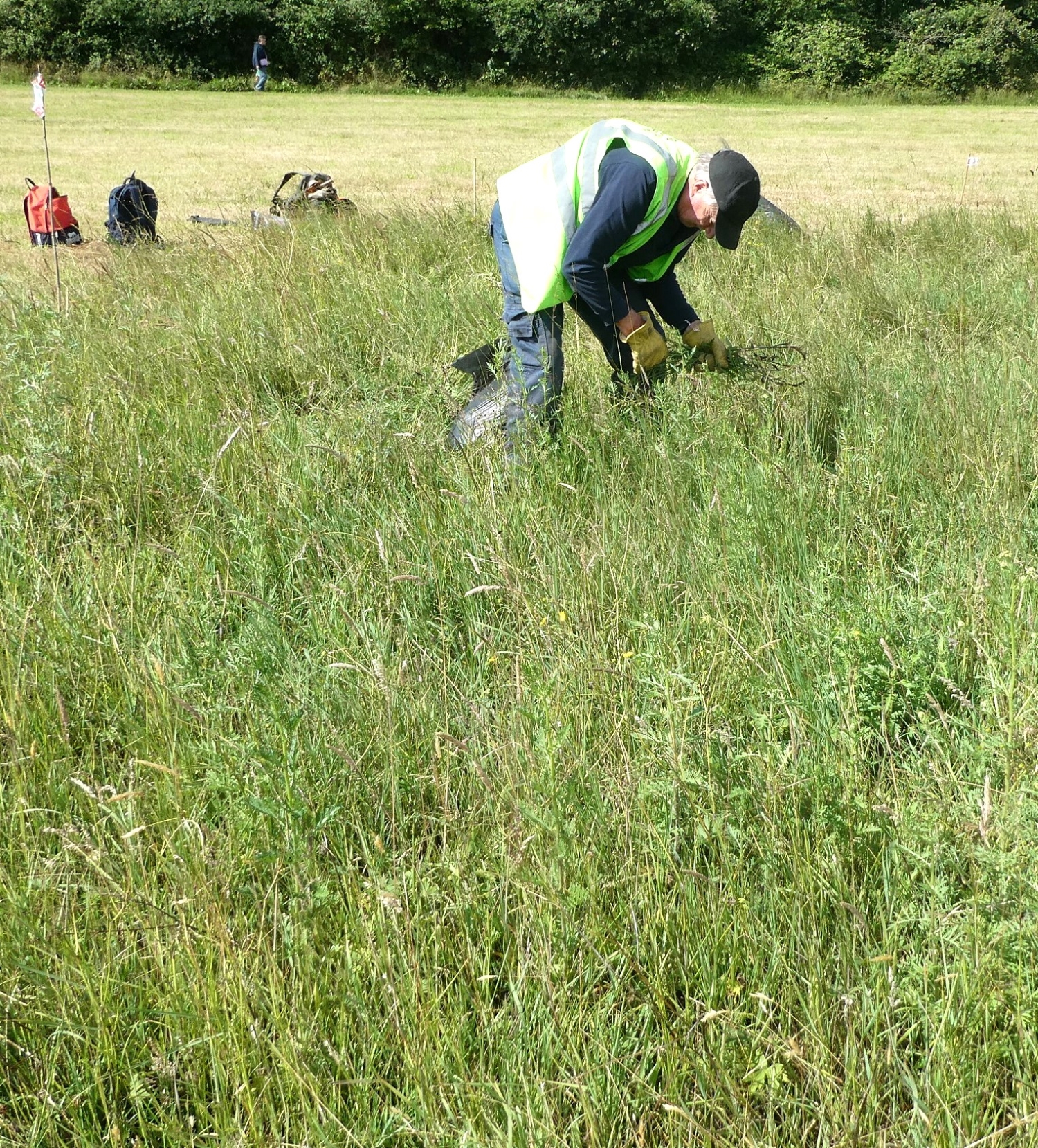
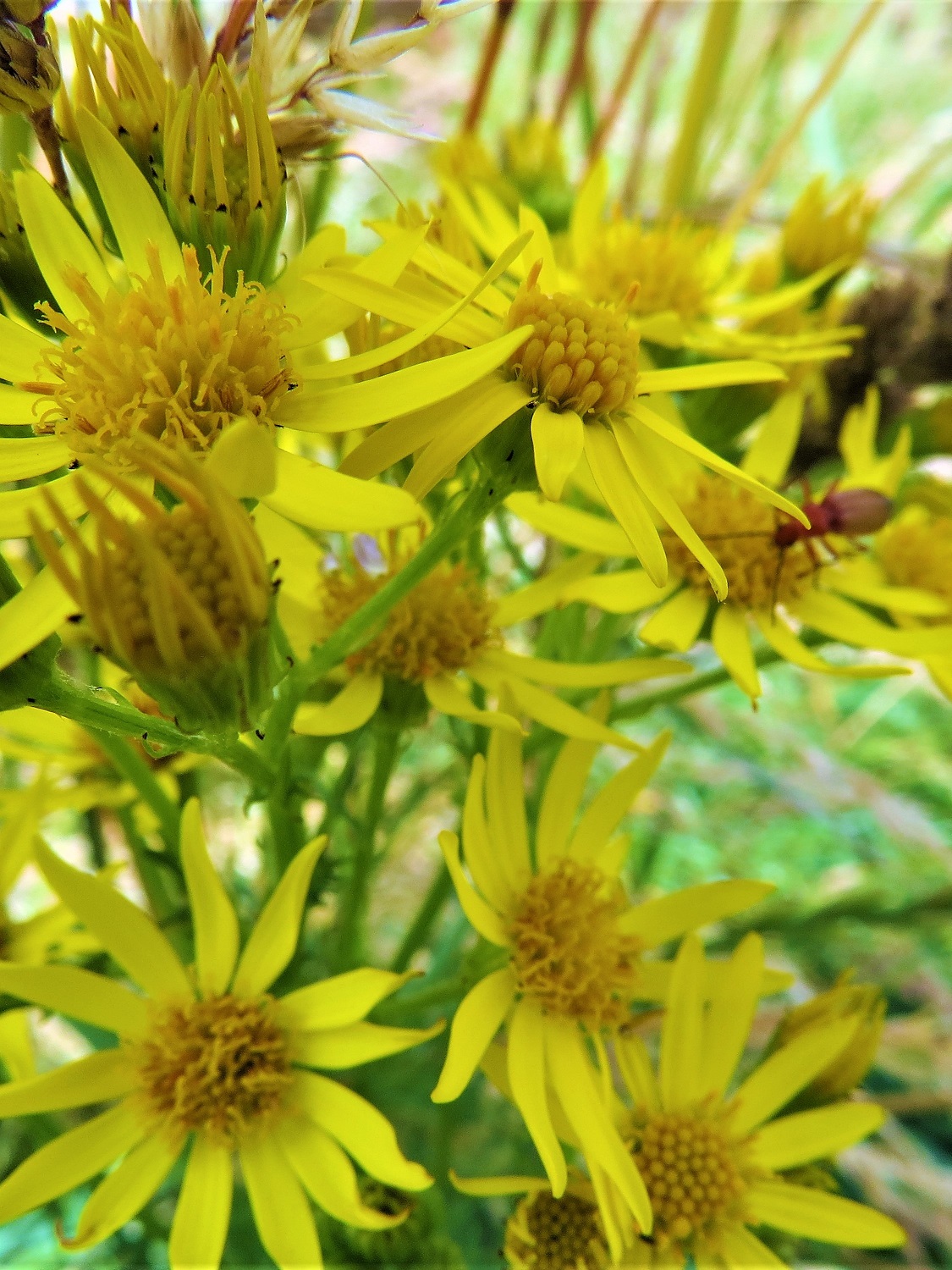
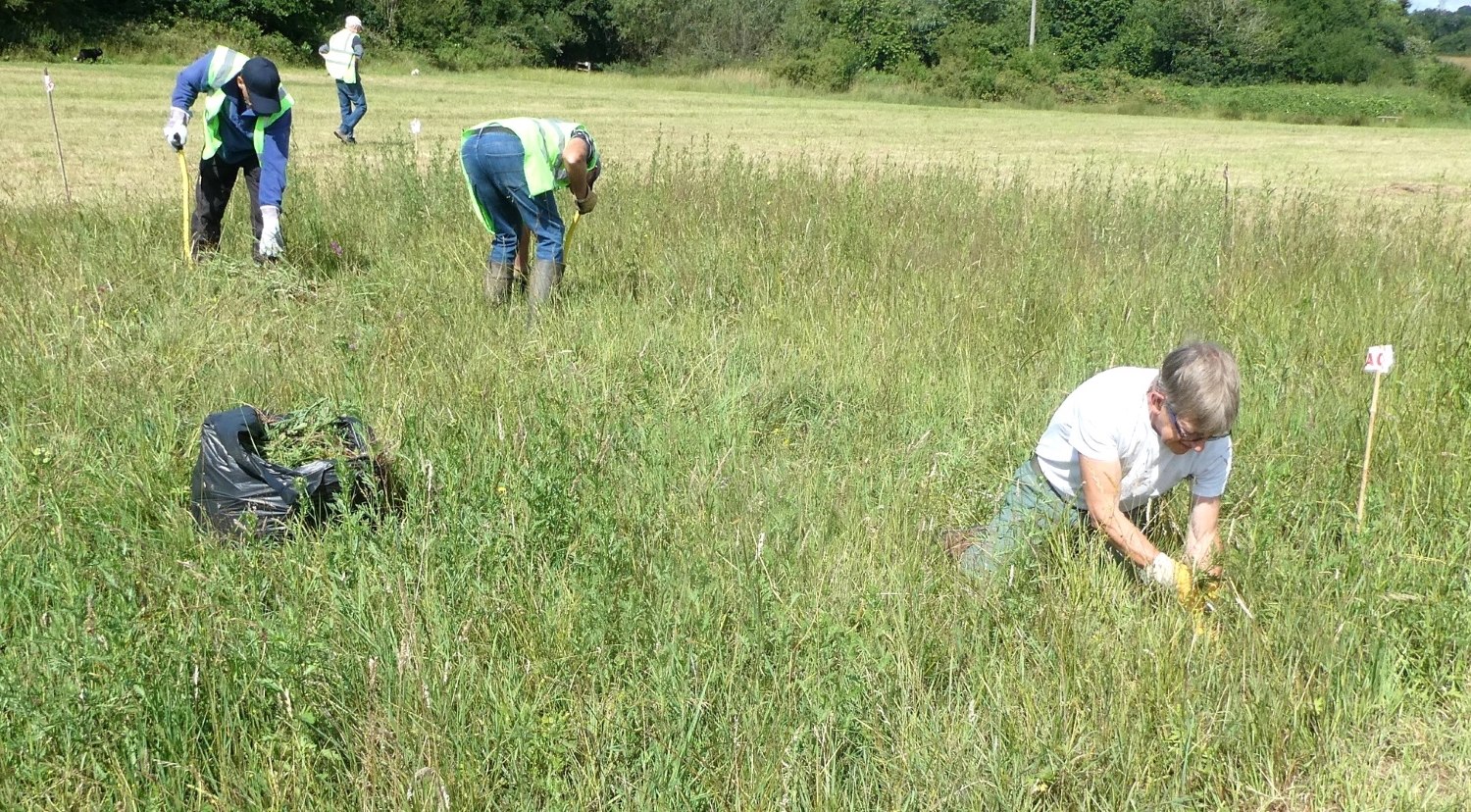
We call this the orchid patch and last year, when the ragwort was sprayed, we fenced it off to protect the orchids. But the untreated ragwort thrived here, and this year has had to be hand- pulled by yesterday’s Wednesday Work Party. Well done, guys!




So far we have identified five species of native orchids in the reserve. Two of them, the common spotted orchid and the broad leaved helleborine, are old friends, but bee orchids, pyramidal orchids and southern marsh orchids have appeared in recent years. These may be new arrivals, growing from seed with the help of mycorrhizal fungi, or dormant plants that have been waiting underground for many years for just the right conditions.
What are the right conditions for orchids? Here are five possible factors to take into consideration.

While he was chasing butterflies through the reserve’s lush hedges, Clive Knight found and photographed this beautiful female ruddy darter (Sympetrum sanguineum).
Continue reading “Dragonfly wings”NEW BRIDGE
Work will begin today (Monday 3rd July) to replace the bridge from Lambrok Close into Lambrok Meadow. It may take several days to complete. Please use the main entrance while the work is in progress. Thank you


by Simon Knight
Sunrise during summer for me means early starts in the reserve. And there is no doubt that the first couple of hours of the day is the best time to be there, especially after a clear night. As the sun rises, the dew-covered grass glistens and cobwebs sparkle as the golden light reflects off countless tiny water droplets. As the sun starts its morning climb and the first rays of light illuminate Lambrok Meadow then Kestrel Field, I love to stand in Corn Field and watch the Lone Oak as it soaks up the sun. It’s a beautiful sight.
Continue reading “Hope During the Harvest “
Some years, July sees such large and dense clouds of flying ants that the Met Office’s RADAR records them as rain storms.
Continue reading “Flying ants”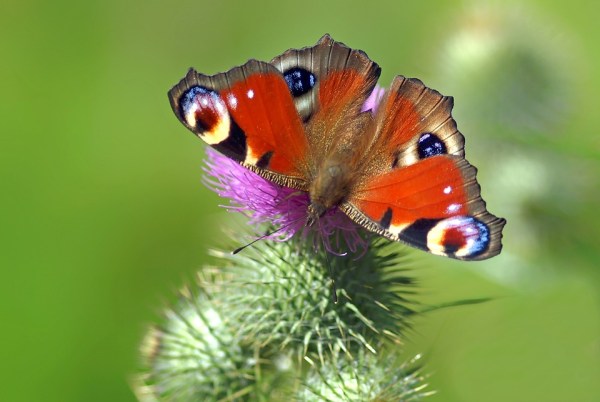
Here is a fascinating little video of a peacock butterfly emerging from its chrysalis. Every year there are nests of peacock caterpillar among the nettles by the path in Simpson’s Field so, by the end of July, we should see this year’s beautiful adults in flight.

Two new insect species from Clive Knight: a flesh fly identified by Ian Bushell, our entomologist, as Sarcophaga carnaria, and a day-flying moth, Camptogramma bilineata, called yellow shell for the beautful striped pattern on its wings.
Continue reading “Two new species”


 Southwick Country Park Nature Reserve