This winter we will be making changes to our website.
Continue reading “Winter plans”Winter plans

This winter we will be making changes to our website.
Continue reading “Winter plans”
There are two recent reports that show the extremes of the UK’s conservation efforts. The first, this year’s Big Butterfly Count, reflects the decline in our insect populations, while the second, from the RSPB, shows how rapidly the situation can be turned around if we create the right circumstances.
Continue reading
Symbiotic fungi explained by David Attenborough.
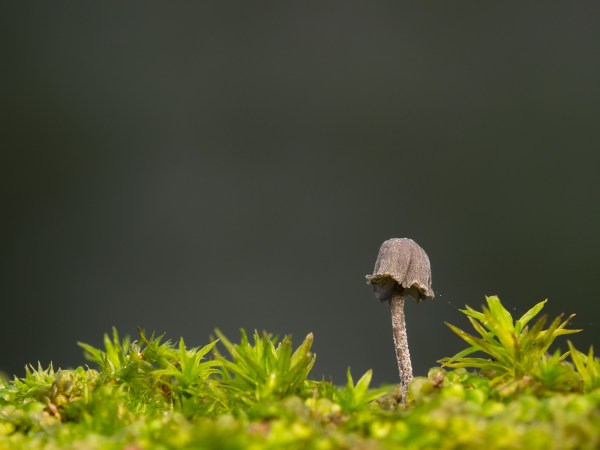
Header image: Mycena pseudocorticola © Simon Knight

At this time of year, we are inclined to think of our migratory birds as leaving the reserve’s cold, damp fields and woods to fly south and spend their winter somewhere warmer. But, for some of the birds on our species list, Southwick is the somewhere warmer. The autumn migration is swap-over time.
Continue reading “Coming and going”
This is winter fungus growing on (and in) one of the reserve’s oak trees. It is sometimes called velvet shanks or wild enoki but its scientific name is always Flammulina velutipes.
Continue reading
Ecosystem engineers are organisms that modify their environment. They increase biodiversity by creating habitat for species other than themselves. The oak apple, caused by a tiny wasp called Biorhiza pallida, is just such an engineered environment.
Continue reading “Ecosystem engineers”
There are three kinds of pigment in a usually green leaf: yellow carotenes, red and pink anthocyanins, and chlorophyll, which is the green that masks the other colours until autumn.
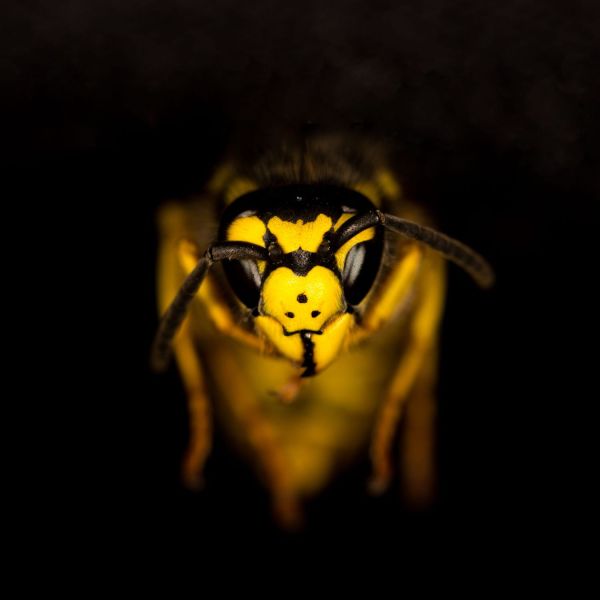
In the world of invertebrates, black and yellow signals danger. It says to predators: I am poisonous or I will bite you.
Read on to discover more:
The reserve’s’s ivy flowers between September and November; each plant’s flowering season is quite short but a succession of plants flowers all through the autumn. The flowers are small, green and yellow, and so insignificant-looking that many people don’t realise that that they are flowers at all.
Read on:
There are Jerusalem artichokes (Helianthus tuberosus) flowering down by the Lambrok tributary stream. They have been there for five or six years now and are spreading along the bank.
Read on: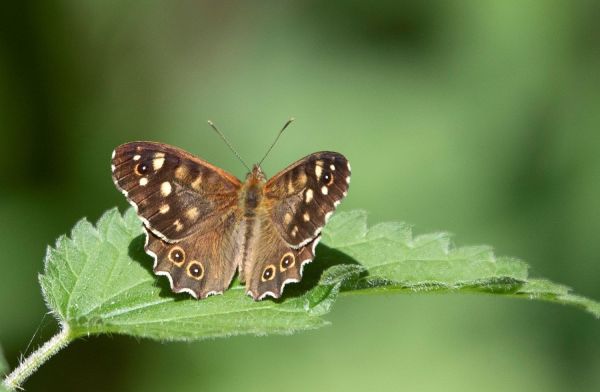
As its name implies, the speckled wood (Pararge aegeriais) is a woodland species.
Continue reading “Speckled wood”
Most of our swifts have already left for their long winter sojourn in warmer climates.
Continue reading
Rosehips are the fruits of the dog roses that grow in our hedges and edges and in the old filled-in pond at the end of Lambrok Meadow.
Continue reading
In the UK, the populations of our more common butterflies have fallen by 46% in the last 50 years while the rarer species have declined by 77%. We have lost 60% of our flying insects in just 20 years. We have entirely lost 13 species of our native bees since the 1970s and fully expect more to follow.
Continue reading “Insect losses”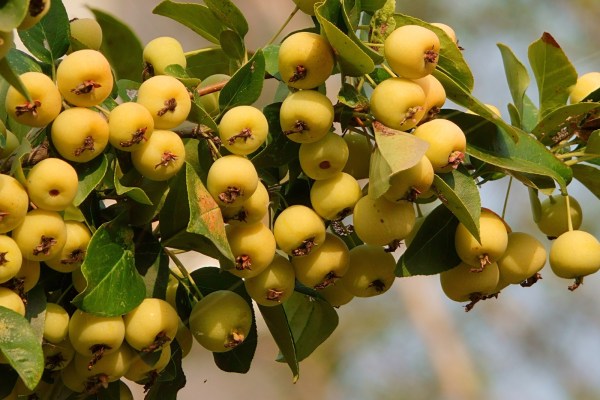
ONE: crab apples trees are an ancient symbol of fertility, associated with love and marriage.
Continue reading “Ten facts…”The website is on holiday and there will be no new posts this week.

As the reserve’s flora turns itself over to making seed, there are fewer and fewer flowers in our hedgerows. Yarrow (Achillea millefolium) is one of the few.
Continue reading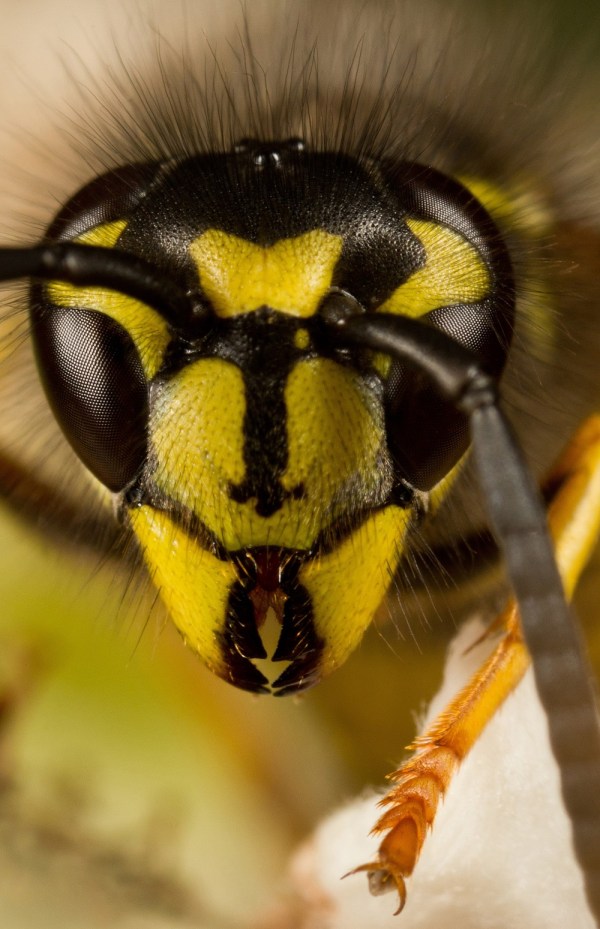
There are six species of social wasp that are native to Britain and this is a good time of year to identify them.
Continue reading “Wasp ID”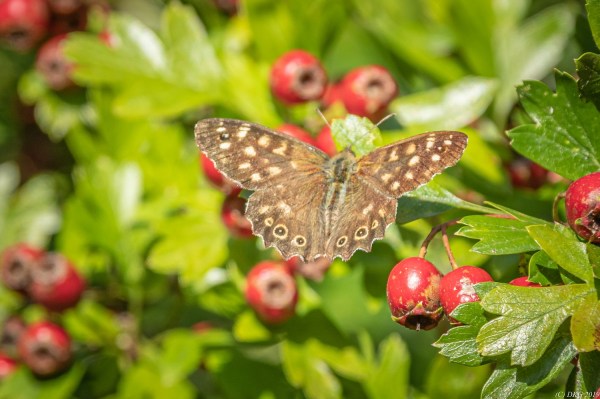
Only eleven of our fifty seven native species of butterfly overwinter as a chrysalis and we have six of them on our species lists.
Continue reading “Chrysalis”
Small coppers (Lycaena phlaeas) are one of the reserve’s late summer regulars. They favour ragwort and creeping thistles, of which we have plenty: keep an eye open for this bright and colourful butterfly.
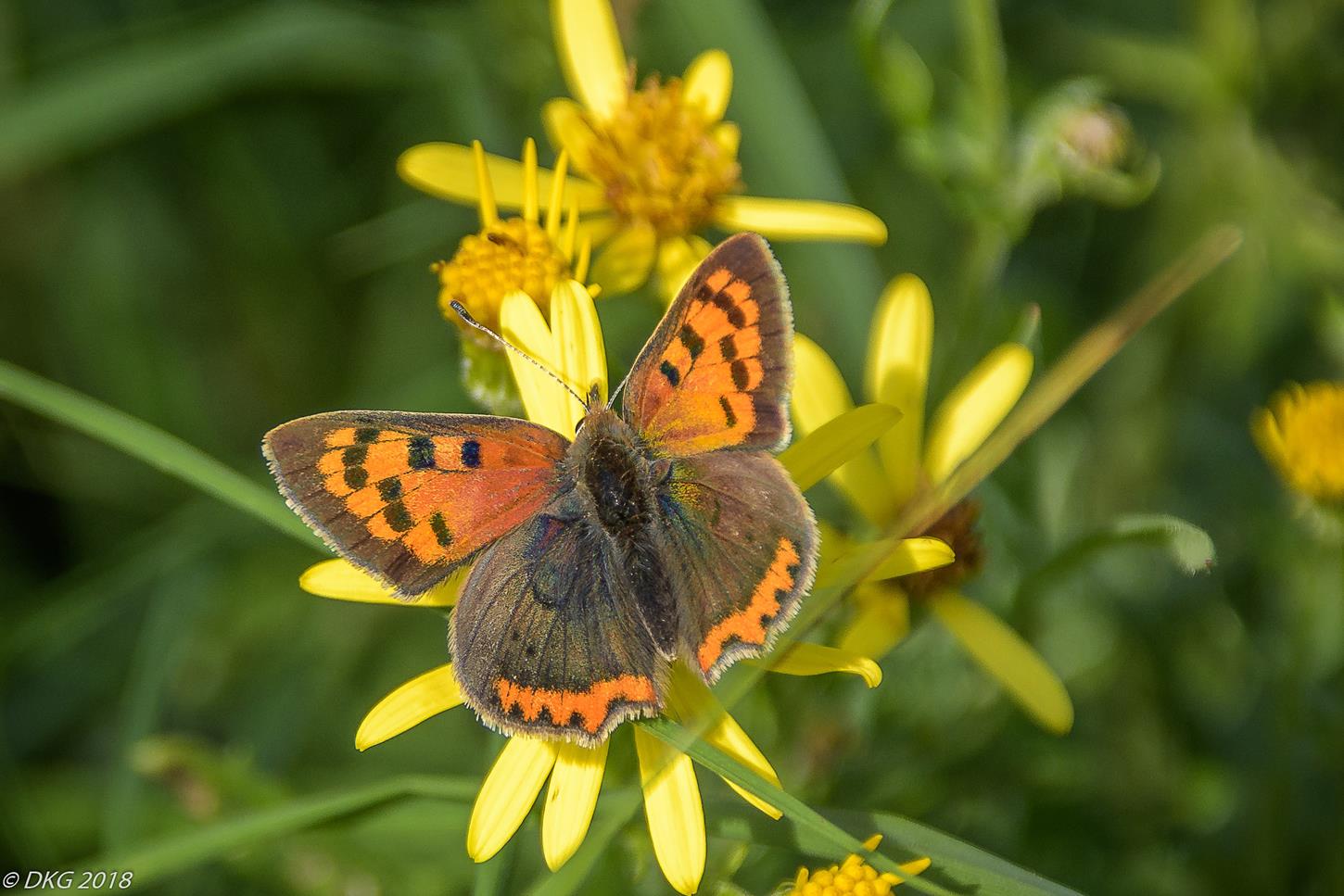

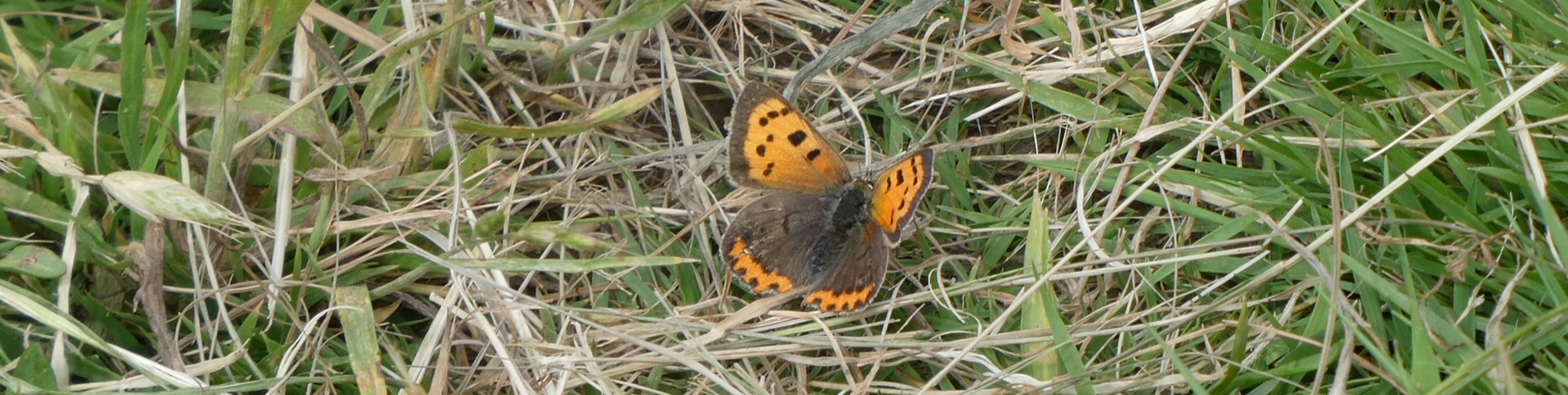
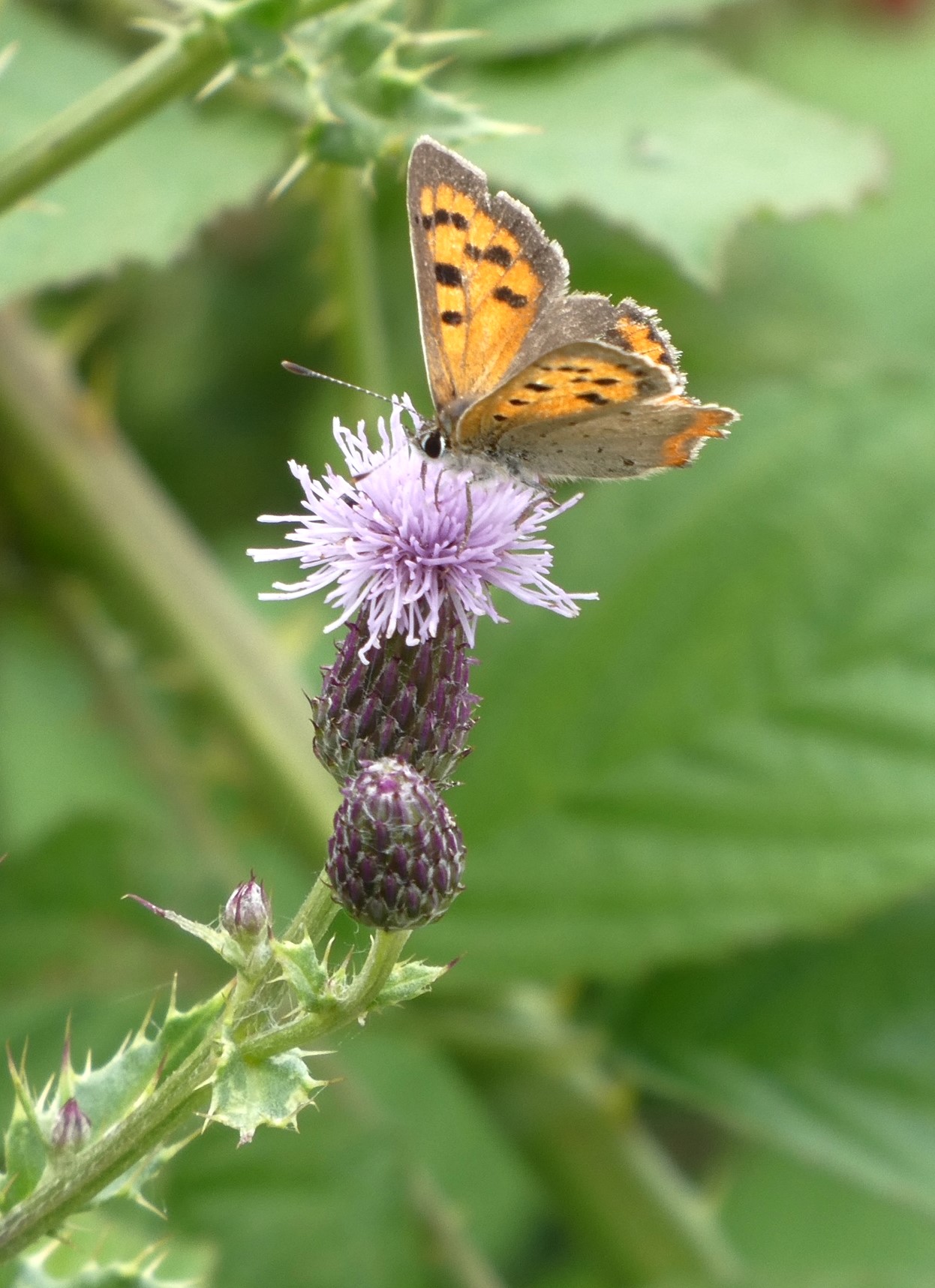
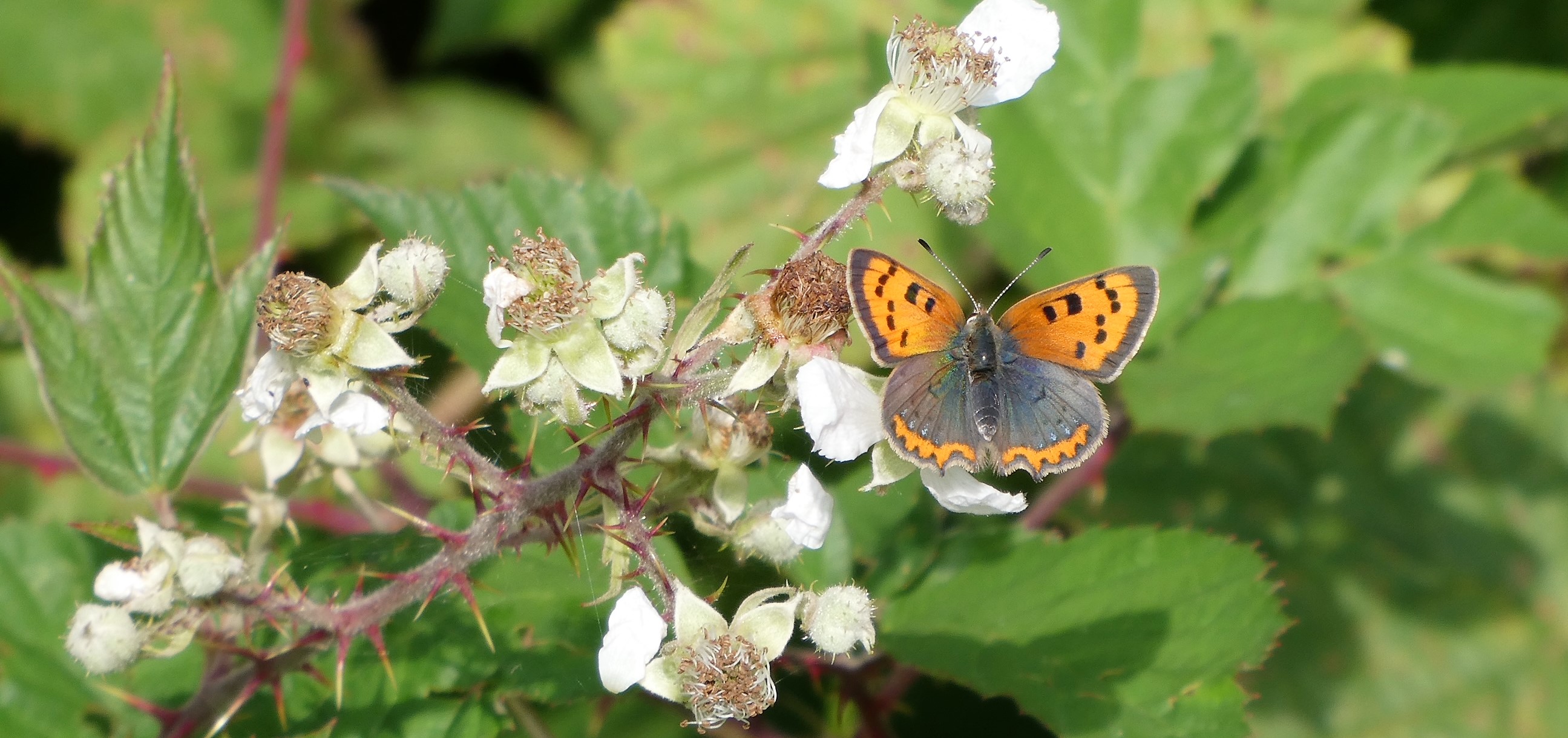
Header image taken in the reserve by Clive Knight

The Perseid meteor shower peaks tonight.

The rosebay willowherb (Chamaenerion angustifolium) in the reserve is in flower and well worth a look.
Read on:
Among the many grasses that grow in the reserve is WILD OAT (Avena fatua) which has an intriguing method of dispersing its seeds.


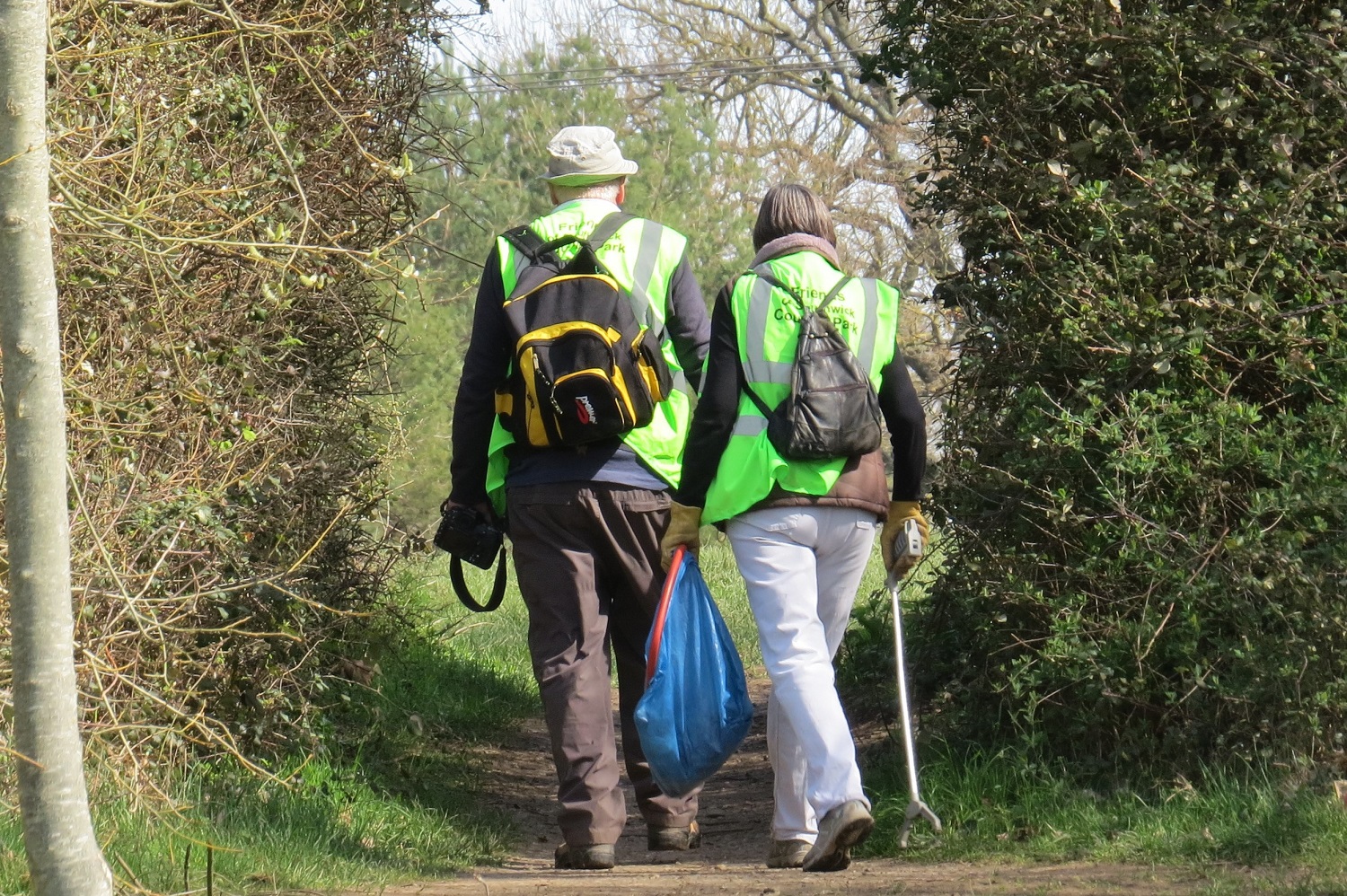


 Southwick Country Park Nature Reserve