Frosty weather
The week ahead is promising falling temperatures and a hard frost. How will this affect the reserve’s flora?
Continue reading
The week ahead is promising falling temperatures and a hard frost. How will this affect the reserve’s flora?
Continue reading
Which is the greener option when it comes to Christmas trees: real or artificial? A real Christmas tree is a beautiful and traditional addition to our commercialised modern Christmases but it comes with a frisson of guilt. Should we be cutting down trees at a time when our struggling planet and its biosphere need all the trees they can get? Fear not; the news is good.
Continue reading “Christmas tree”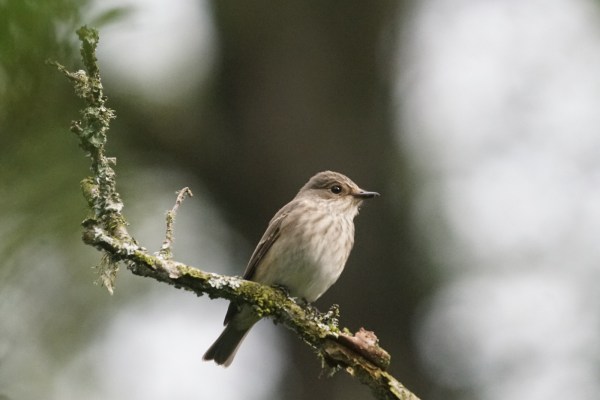
On this very cold and damp Sunday morning, let’s look back at one of our summer visitors: Muscicapa striata, the spotted fly catcher.
Continue reading “Spotted flycatcher”
Some of our residents are really quite hard to see. Here are some of the late DKG’s pictures of the well-camouflaged.


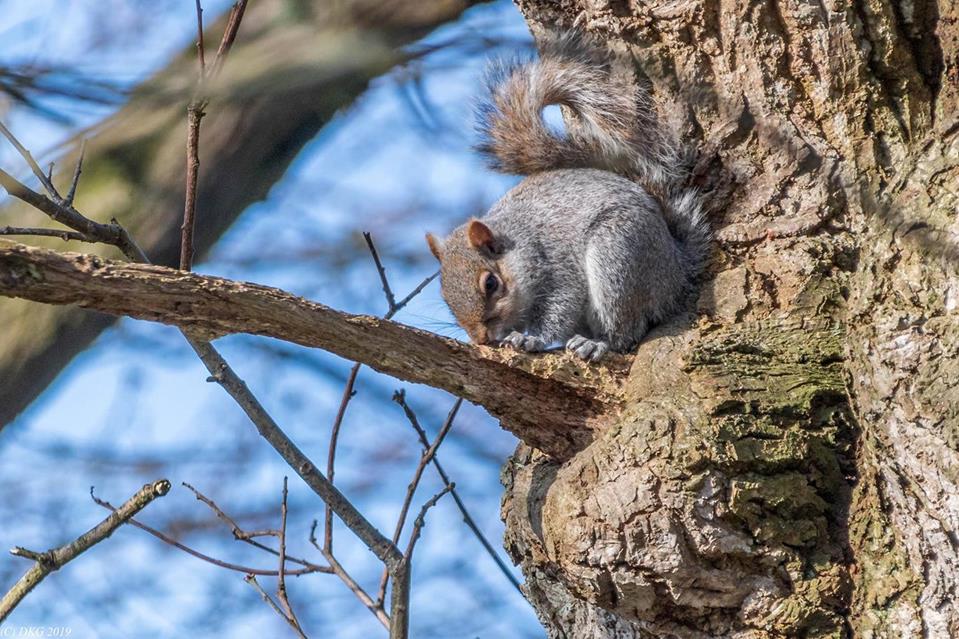

Header picture: public domain.
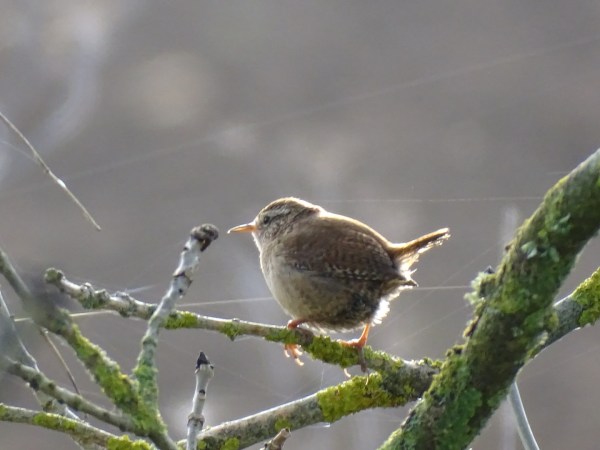
Eurasian wrens (Troglodytes troglodytes) share territories during the winter, in particular they will share sheltered winter roosts, sometimes crowding together for warmth in nesting boxes. The record number of wrens seen leaving a nesting box after a cold night is sixty three.
Header image: wren by Cheryl Cronnie
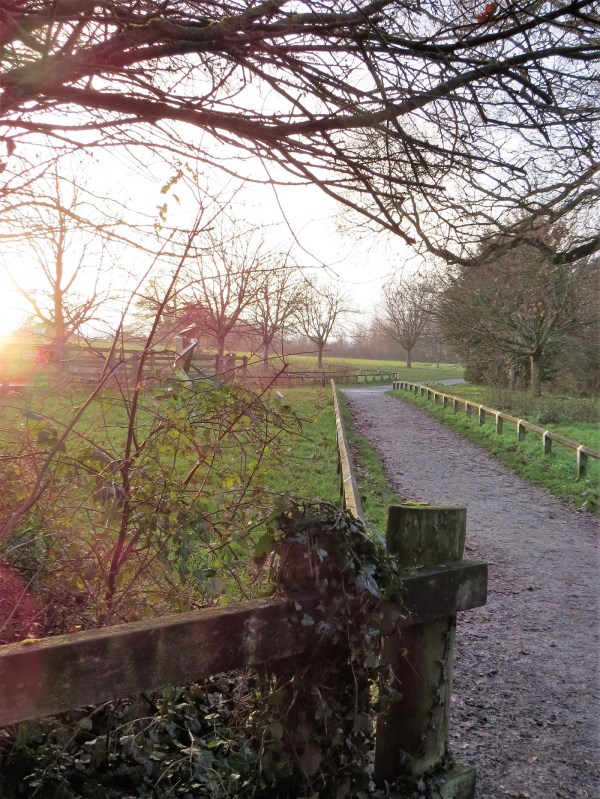
by David Feather
On 2 November an event was held in Glasgow to review the benefits of walking in nature.
Continue reading
Staghorn lichen (Evernia prunastri), also called oakmoss, is common and widespread in deciduous woodlands. This example was found in the park by Ian, on low growing oak branches. It is very sensitive to air pollution and is an indicator of good air quality.
Continue reading “Staghorn Lichen”We apologise for the delay in posting. A series of errors, some mine and some from the organisation that registers our domain name, resulted in the webpage being taken offline for a couple of days. Sorry.

In the world of invertebrates, black and yellow signals danger. It says to predators: I am poisonous or I will bite you.
Read on to discover more:
At this time of year, if you find a butterfly fluttering on the inside of your window, it will probably be either a peacock (Aglais io) or a small tortoiseshell (Aglais urticae). It will have come in during the autumn looking for a cool, dark and sheltered place to overwinter and the gap behind the wardrobe in your bedroom must have seemed just right.
Continue reading “Butterfly rescue”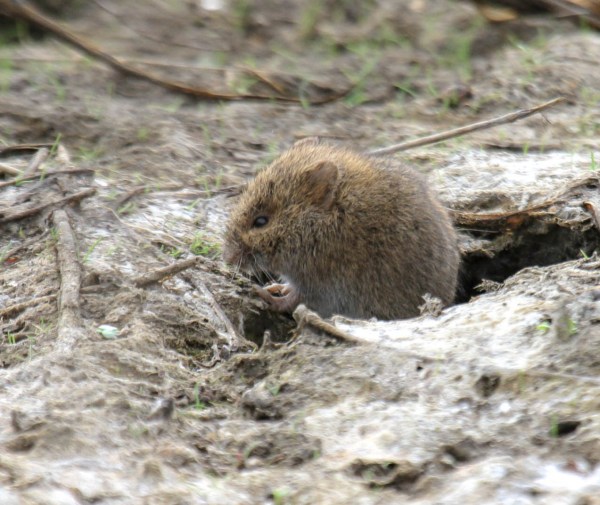
According to the sort of scientists that count things, there is only one mammal in the UK more numerous than we humans: Microtus agrestis, the field vole. The latest estimates put the field vole’s population at 75 million while our own is only 67 million.
Header image: field vole by Sam McMillan (CC BY-NC 2.0) flickr.com
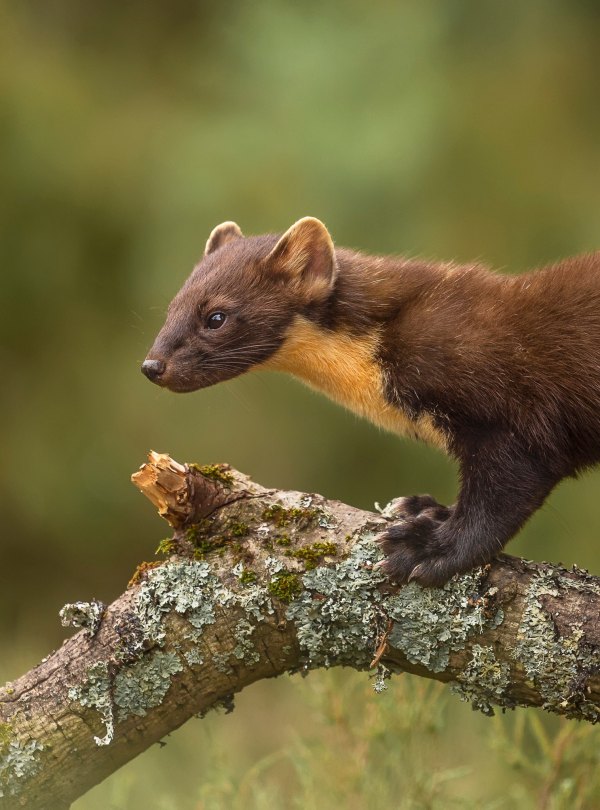
Hoping for a pine marten, a top predator, to move into the reserve might seem a strange idea but predation is an important factor in ecological dynamics. The lack of predators is one of the reasons the UK’s biosphere is so unbalanced and in such danger.
Continue reading “Predation”
The reserve provides habitat for all kinds of wasps. This year, despite the drought, must have been a good year for gall wasps because our oak trees are showing a goodish crop of the various round galls we call oak apples.
Continue reading “More about our oaks”
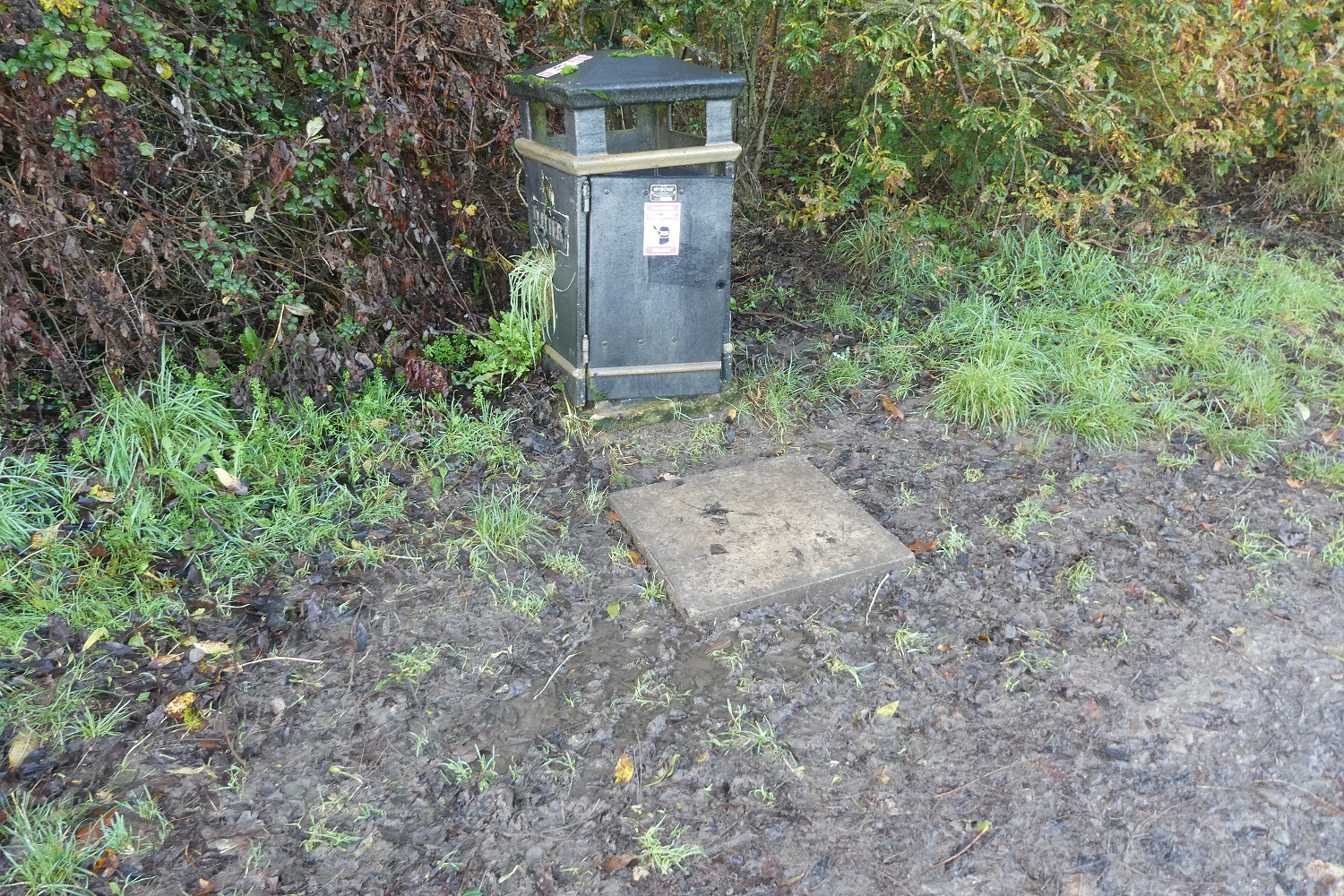
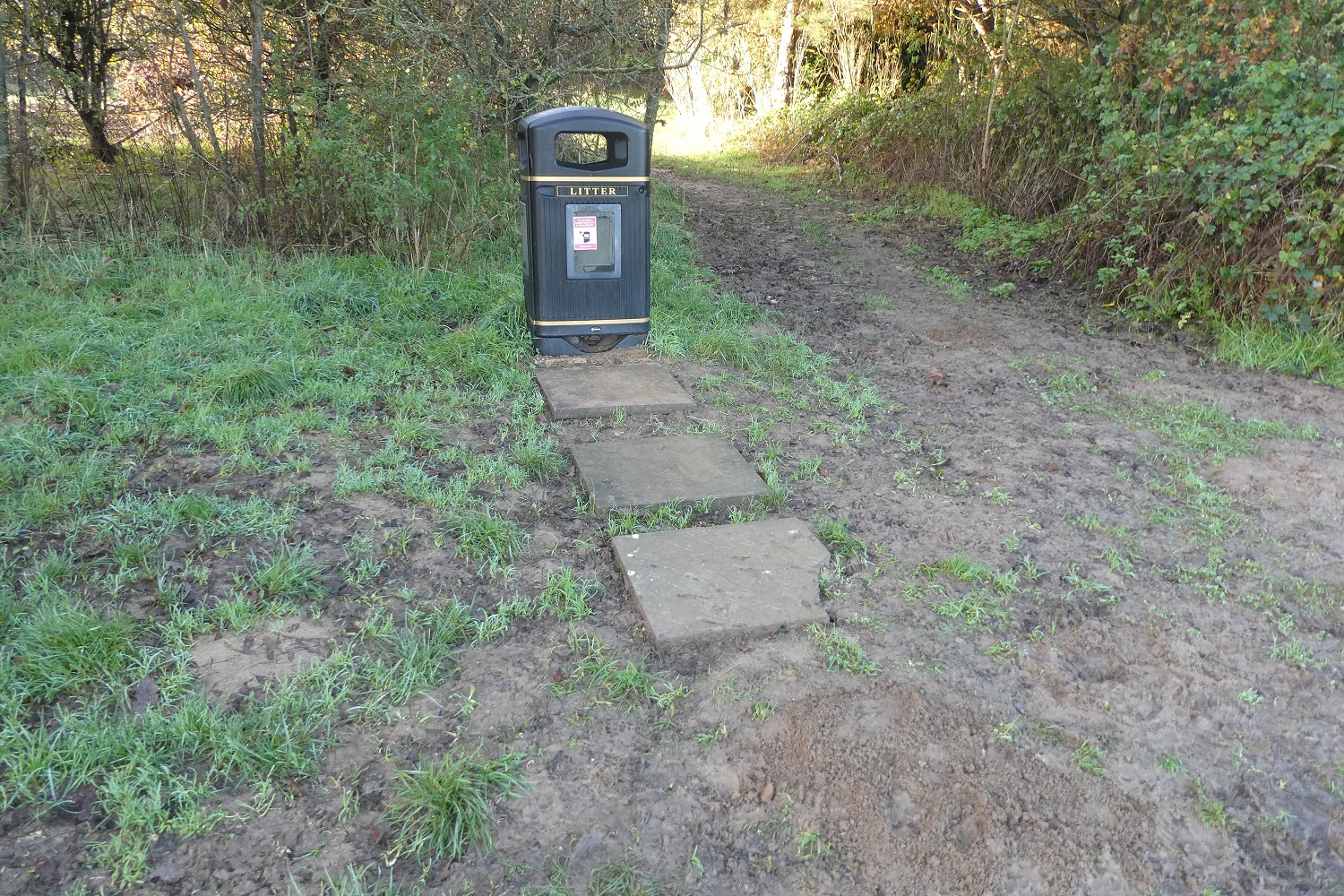
To make it easier for you to access the reserve’s litter bins, we have laid flagstones through the muddy approaches that inevitably grow around the bins once the wet winter weather has set in.
Dog faeces on the reserve’s paths are unpleasant and unsightly; in the fields they are a source of infection for the animals that will eat next summer’s hay; everywhere and anywhere, they are a danger to the health of our visitors, their children and their pets. Bag it and bin it, please.


Thank you
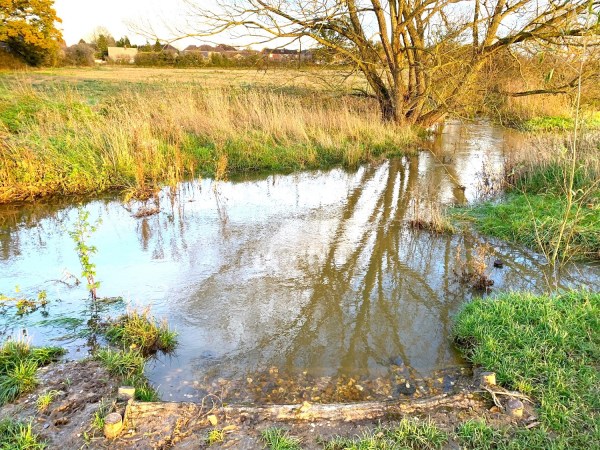
Clive Knight has sent in pictures of the wetland scrapes in Lambrok Meadow. Now that the rain has refilled Lambrok Stream and spilled into the scrapes, we can see how they are intended to develop.
Continue reading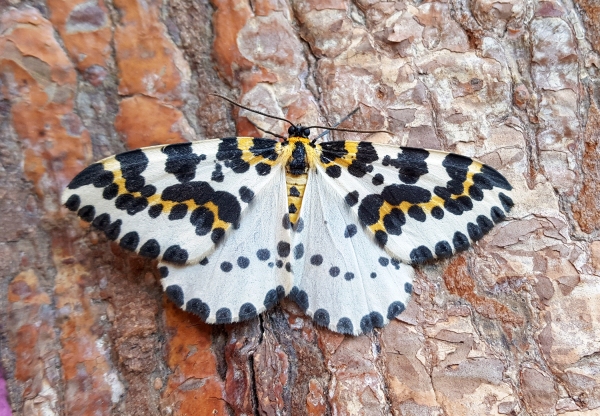
A magpie moth (Abraxas grossulariata), identified in the reserve during the summer.
Continue reading “Magpie moth”
In Britain we have two native species of oak which look very similar. This is how to tell them apart: pedunculate oaks (Quercus robur) produce acorns which hang on a stalk or peduncle while the acorns of the sessile oak (Quercus petraea) are stalkless.


Left: sessile oak; right: pedunculate oak. Header image: the oak by the bridge between Sleepers and Cornfield photographed by Ian Bushell

The Winter moth (Operophtera brumata) is one of the few Lepidopterans that can cope with winter’s freezing temperatures in its adult stage. They are endothermic which means that they can produce heat internally by biochemical processes, just as warm-blooded creatures do.
Continue reading “Winter moths”
There are six species of native British reptiles and three of them are resident in the reserve: we have European adders (Vipera berus), grass snakes (Natrix natrix), and slow worms (Anguis fragilis).
Continue reading
The United Nations Department of Economic and Social Affairs tells us that some time today the world’s human population will reach 8 billion, double that of 1970.
Continue reading “World population”
A message from Barbara Johnson:
Where have all the blackbirds gone? Are they able to find enough food in the wild so don’t need to visit our gardens?
Continue reading “The blackbird question.”
Here are ten things you may not have known about Sciurus carolinensis.
Continue reading
This is fly agaric, a mycorrhizal fungus, Amanita muscaria, which is found in the reserve every year despite our lack of its preferred partners: birch and pine trees. In classic pictures of this red and white fungus, those that don’t have an elf sitting on top are usually growing picturesquely in the moss under a birch tree.
Read on: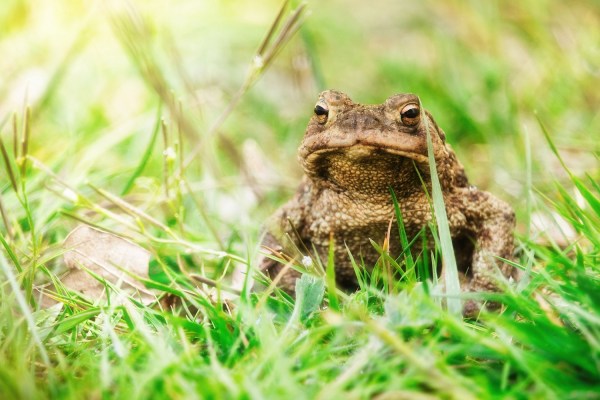
There is no scientific distinction between frogs and toads. They all belong to the order Anura and most anurans are commonly referred to as one or the other – which is why we try to use scientific names when we can.


Here is another of the plants first identified in the reserve by County Recorder Richard Aisbitt when he visited us this summer: broad buckler-fern, Dryopteris dilatata.
Continue reading


 Southwick Country Park Nature Reserve