This is Stachys sylvatica, commonly known as hedge nettle, hedge stachys or hedge woundwort. It is growing at the far end of Lambrok Meadow.
Continue reading
This is Stachys sylvatica, commonly known as hedge nettle, hedge stachys or hedge woundwort. It is growing at the far end of Lambrok Meadow.
Continue reading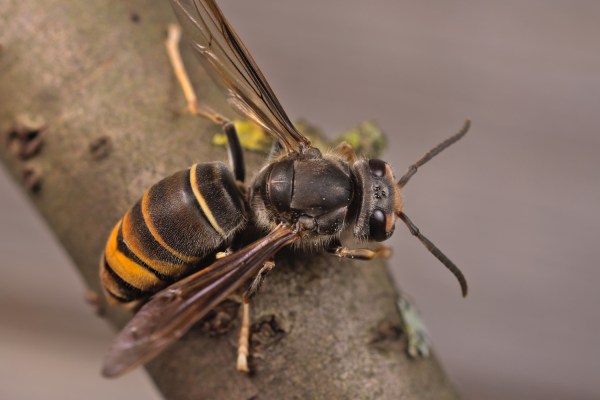
The New Scientist has reported that three Asian hornet queens (Vespa velutina) were captured in Essex in March this year, more than a month earlier than migrants from mainland Europe usually arrive here.
Continue reading “Asian hornet”


Anthropogenic evolution is evolutionary change in a species caused by alterations that we, Homo sapiens, make to the environment.
Continue reading “Anthropogenic evolution”

Our common vetch (Vicia sativa) is in flower. It’s a scrambling plant and you’ll find it among tall grasses, holding itself upright with the tendrils that grow from the tip of its leaf stalks. Its bright pink flowers attract all kinds of invertebrates.
Continue reading “Vicia sativa”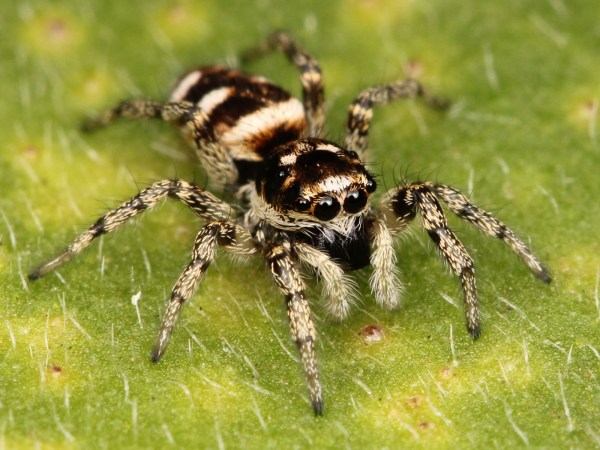
This is a jumping spider: Salticus scenicus, the zebra spider, so named for its black and white stripes.
Continue reading
For a long time, bumblebee flight was considered to be aerodynamically impossible. We know better now and are beginning to understand how such fat furry creatures can take to the air. Here is a video about their surprising flying skills:
There is a problem and we doubt that we will be able to post today. Our apologies.

There are thirty two species of mammal on the reserve’s lists, thirteen of them bats
Continue reading “Mammals”
This is Anagallis arvensis or scarlet pimpernel which grows among the grass in the set-aside at the top of Kestrel Field. It is a tiny annual plant more usually found growing in bare ground under arable crops than among the reserve’s lush grasses and, like so many of our wildflowers species, it is now in serious decline due to modern intensive agricultural practices.
Continue reading
Ian has sent us a picture of a red headed cardinal beetle, whose scientific name, Pyrochroa serraticornis, translates roughly but appropriately as fiery-shelled thing with serrated antennae.
Continue reading
Our hedges are full of roses!
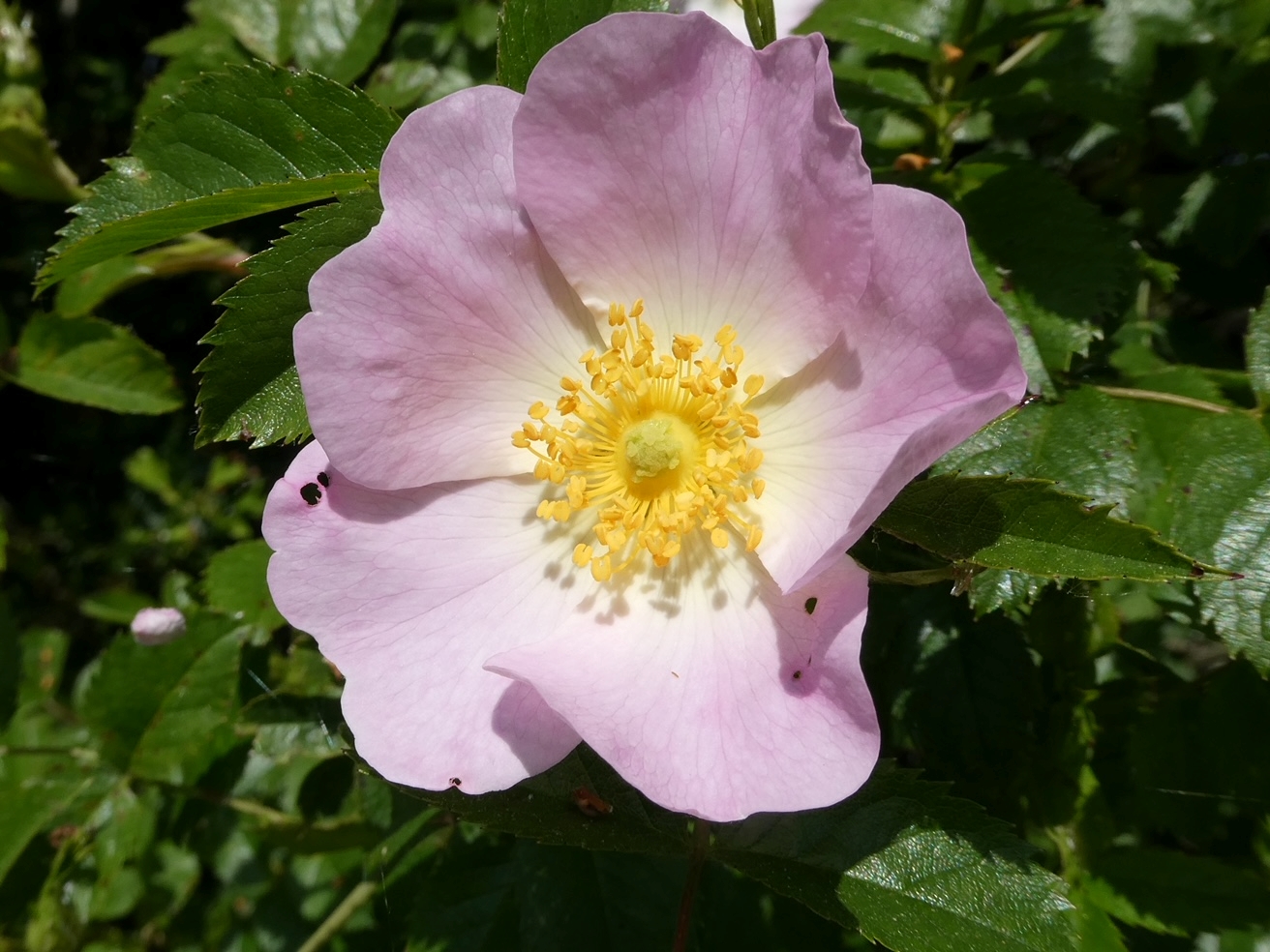


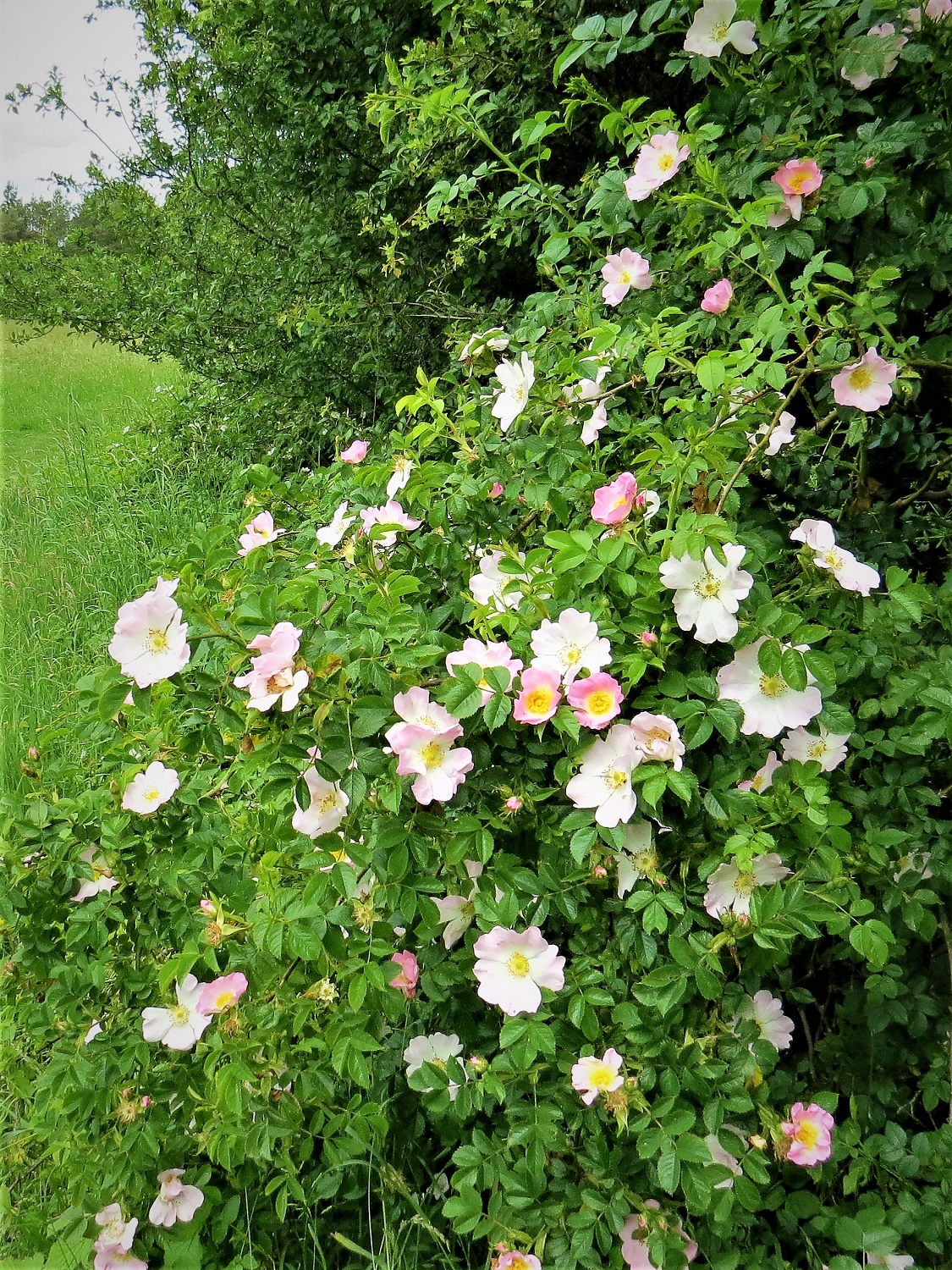
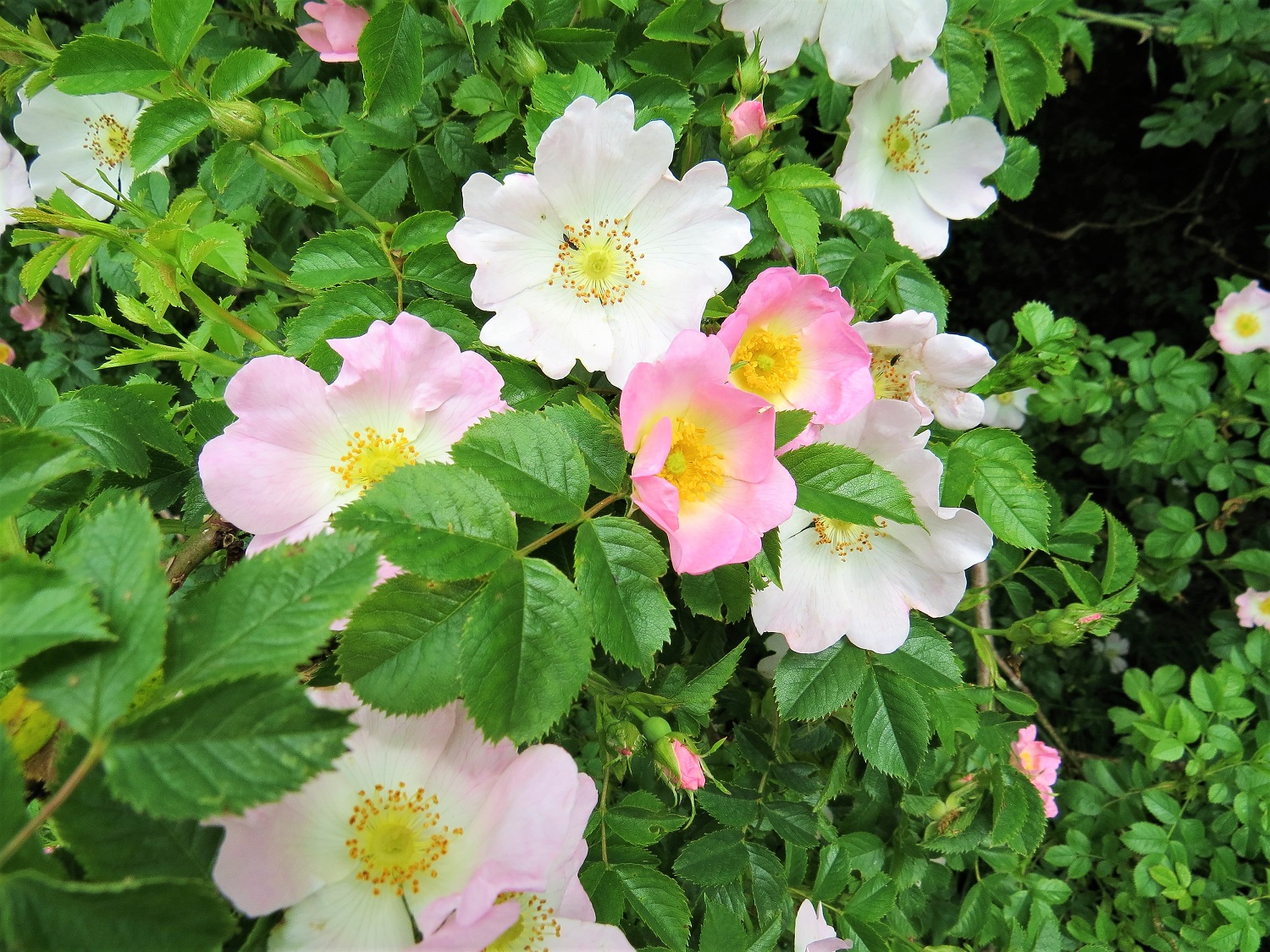
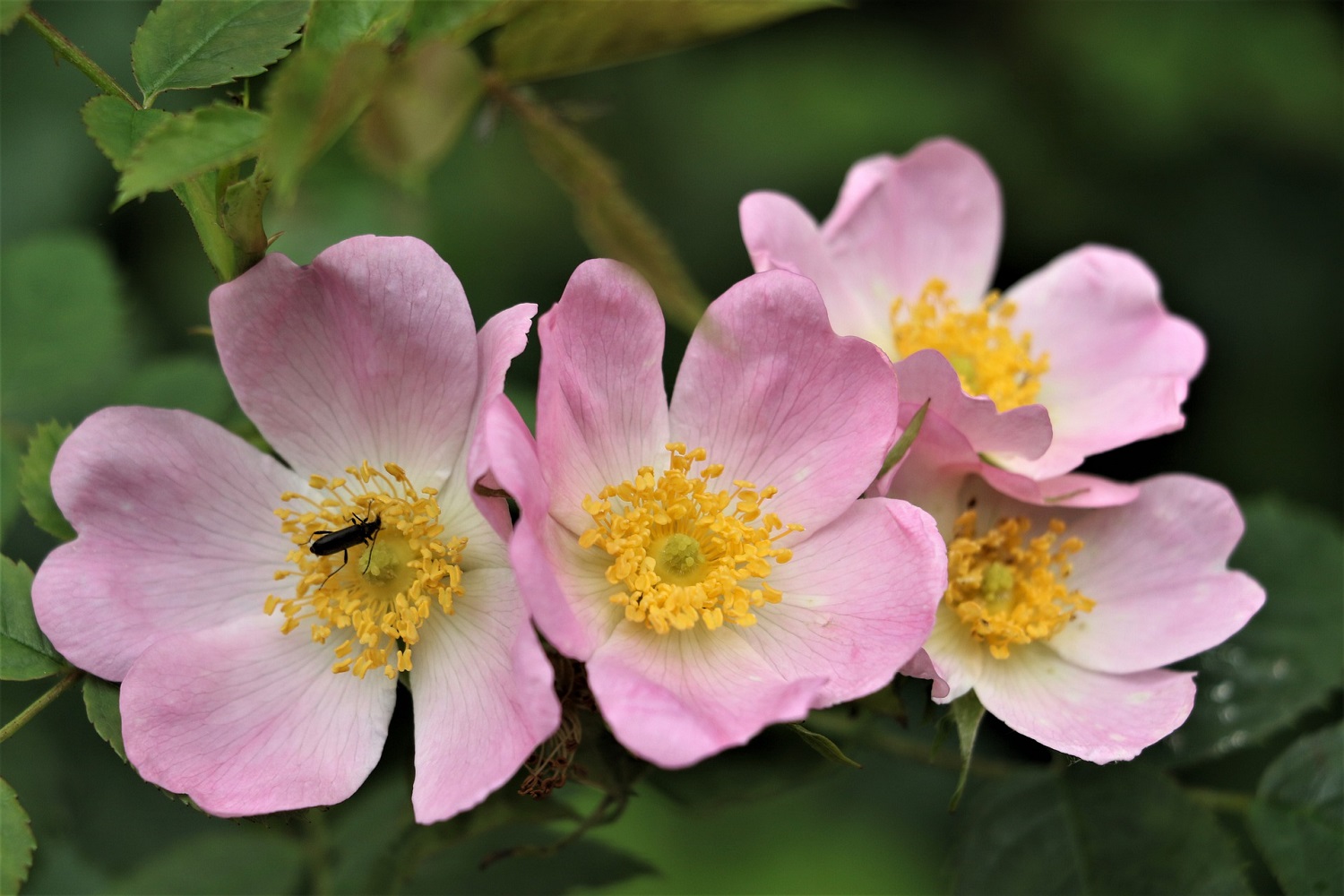
Header image: dog rose © Ian Bushell (SCPLNR May 24)
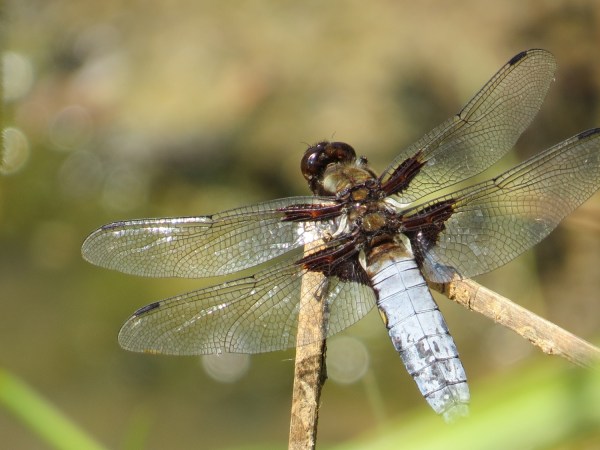
May is when the broad bodied chaser nymphs hatch into adult dragonflies.
Continue reading

Clive Knight has sent us stunning pictures of a female beautiful demoiselle (Calopteryx virgo), one of the six species of damselfly on our lists. Beautiful demoiselles like clear running water and their presence in the reserve is a testament to the water quality of Lambrok Stream.

Thanks Clive.


by Ian Bushell
This is a Common Cockchafer – Melolontha melolontha – photographed in the reserve last week. It is also called Maybug, Maybeetle or Doodlebug.
Continue reading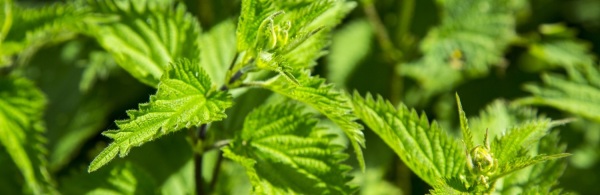
…about nettles for Be Nice To Nettles Week
Continue reading “Ten facts…”

This post was first published in July 2018
This is a garden bumble bee (Bombus hortorum) collecting nectar in a spear thistle flower at the edge of the large pond.


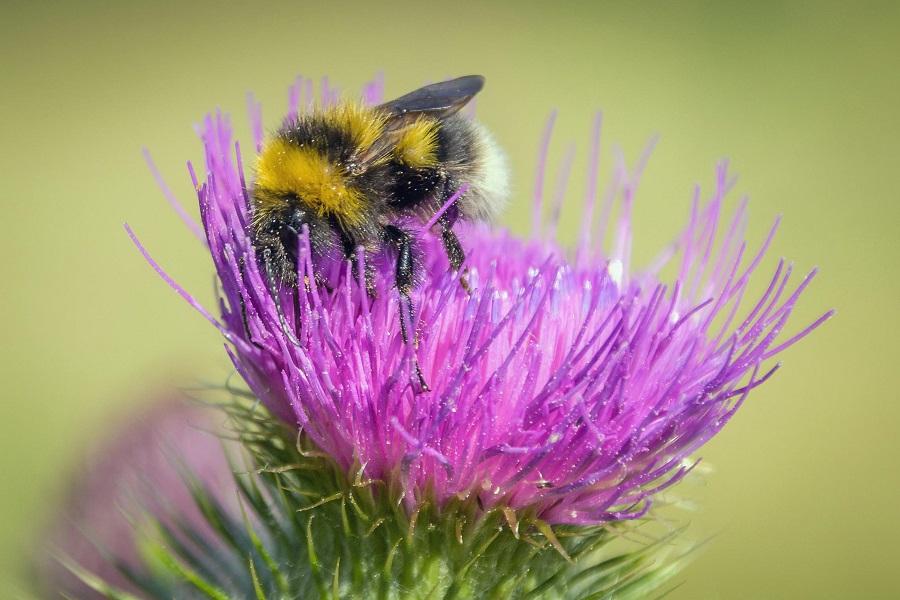

These photographs were taken by the late DKG in July of 2018
Continue reading “Garden Bumblebee”
There are only two species of iris native to the UK and we have them both growing in the reserve: Iris pseudacorus and Iris foetidissima.
Continue reading “IRIS”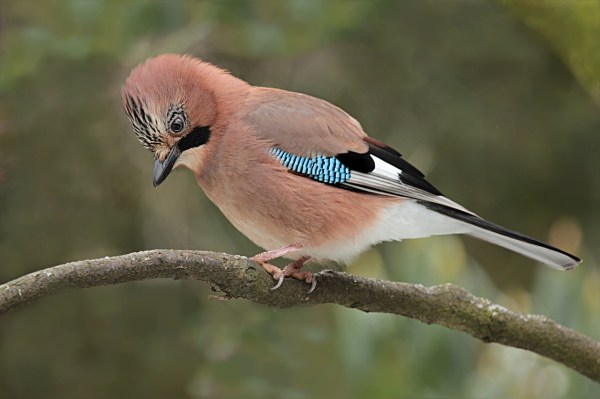
There are eight native species of corvid, of which we have six on the reserve’s species lists.
Continue reading “Corvidae”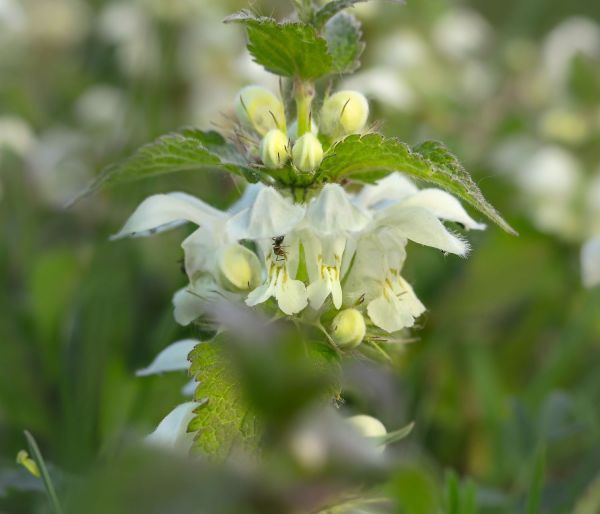
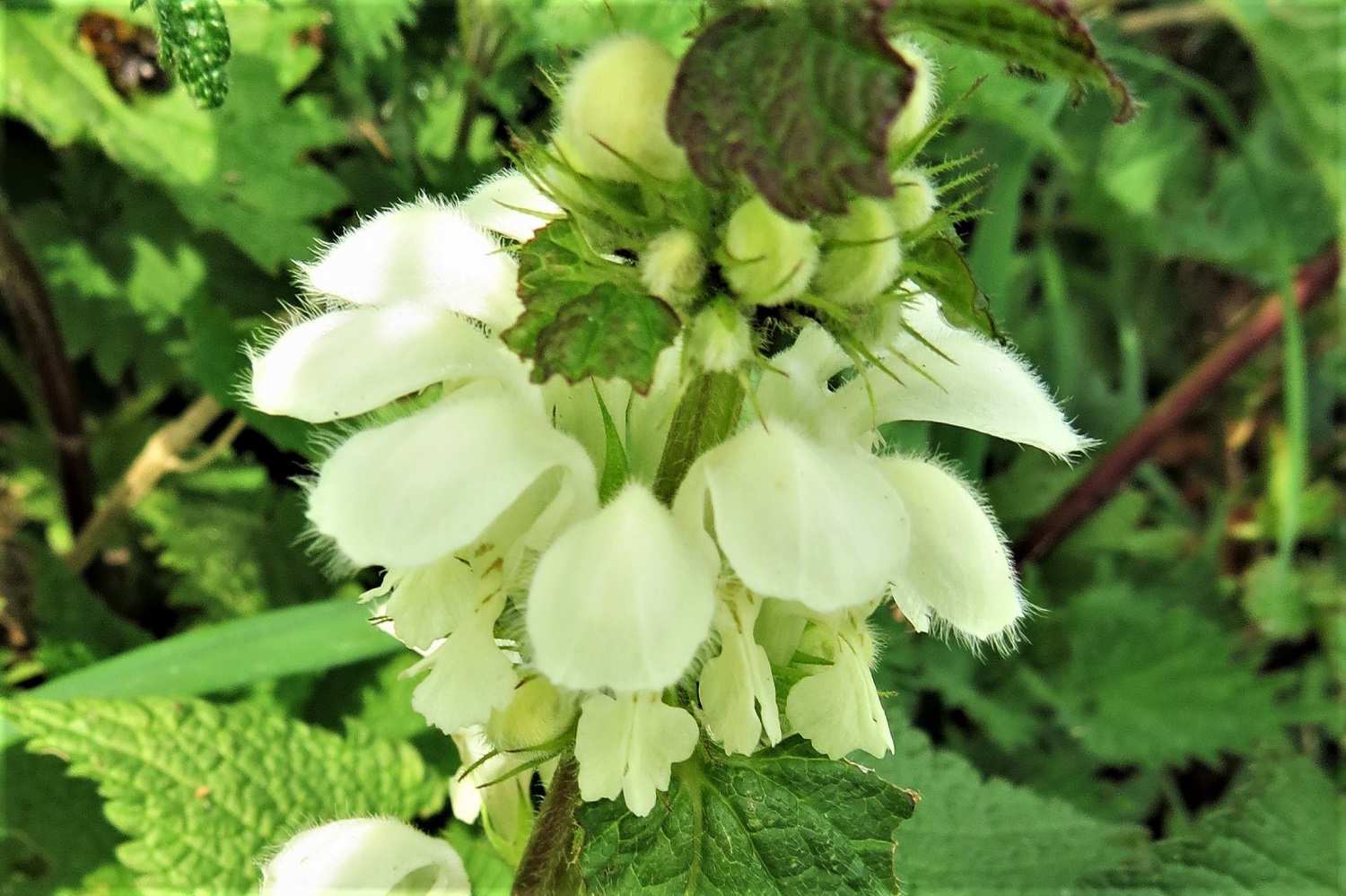
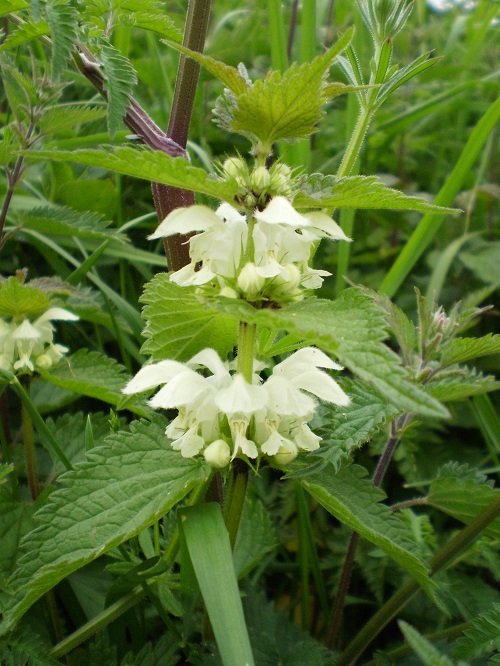
The extraordinary flowers of white dead nettle (Lamium album); find them in our hedges and edges, besieged by pollinators.






 Southwick Country Park Nature Reserve