Red-headed cardinal beetle

Ian has sent us a picture of a red headed cardinal beetle, whose scientific name, Pyrochroa serraticornis, translates roughly but appropriately as fiery-shelled thing with serrated antennae.

Continue reading

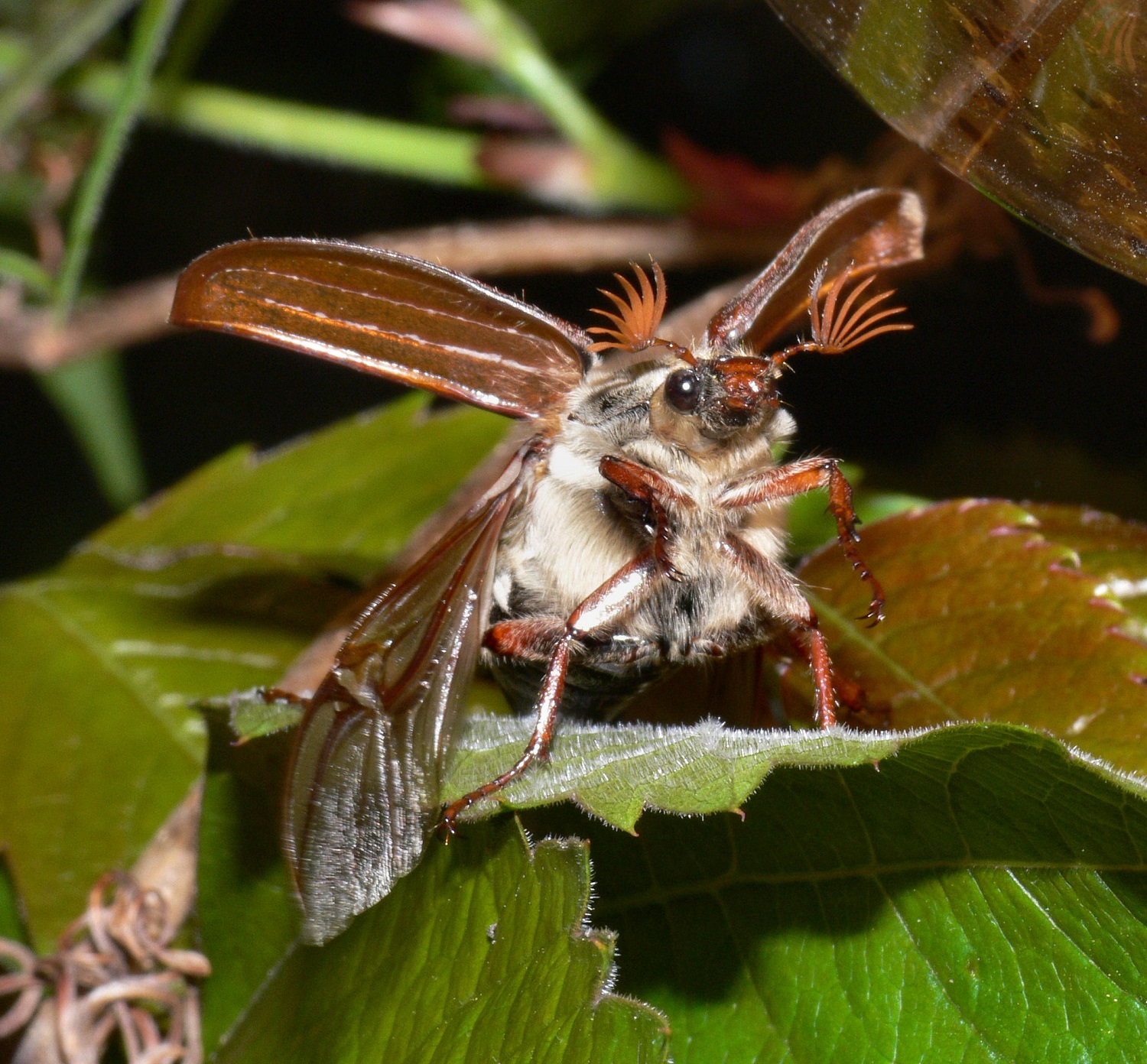
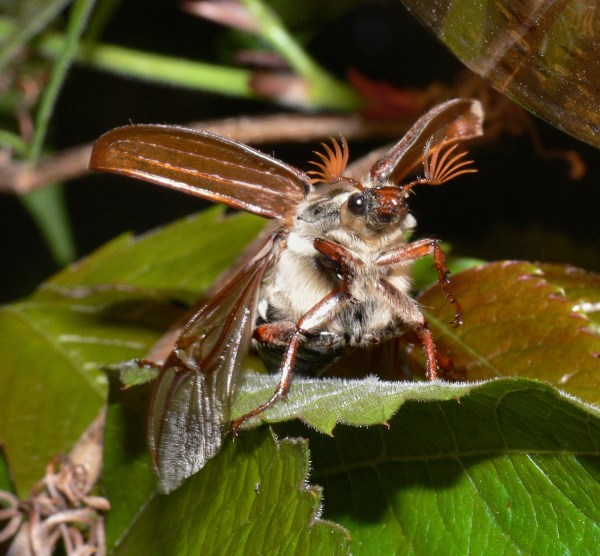
Cockchafer

by Ian Bushell

This is a Common Cockchafer – Melolontha melolontha – photographed in the reserve last week. It is also called Maybug, Maybeetle or Doodlebug.

Continue reading

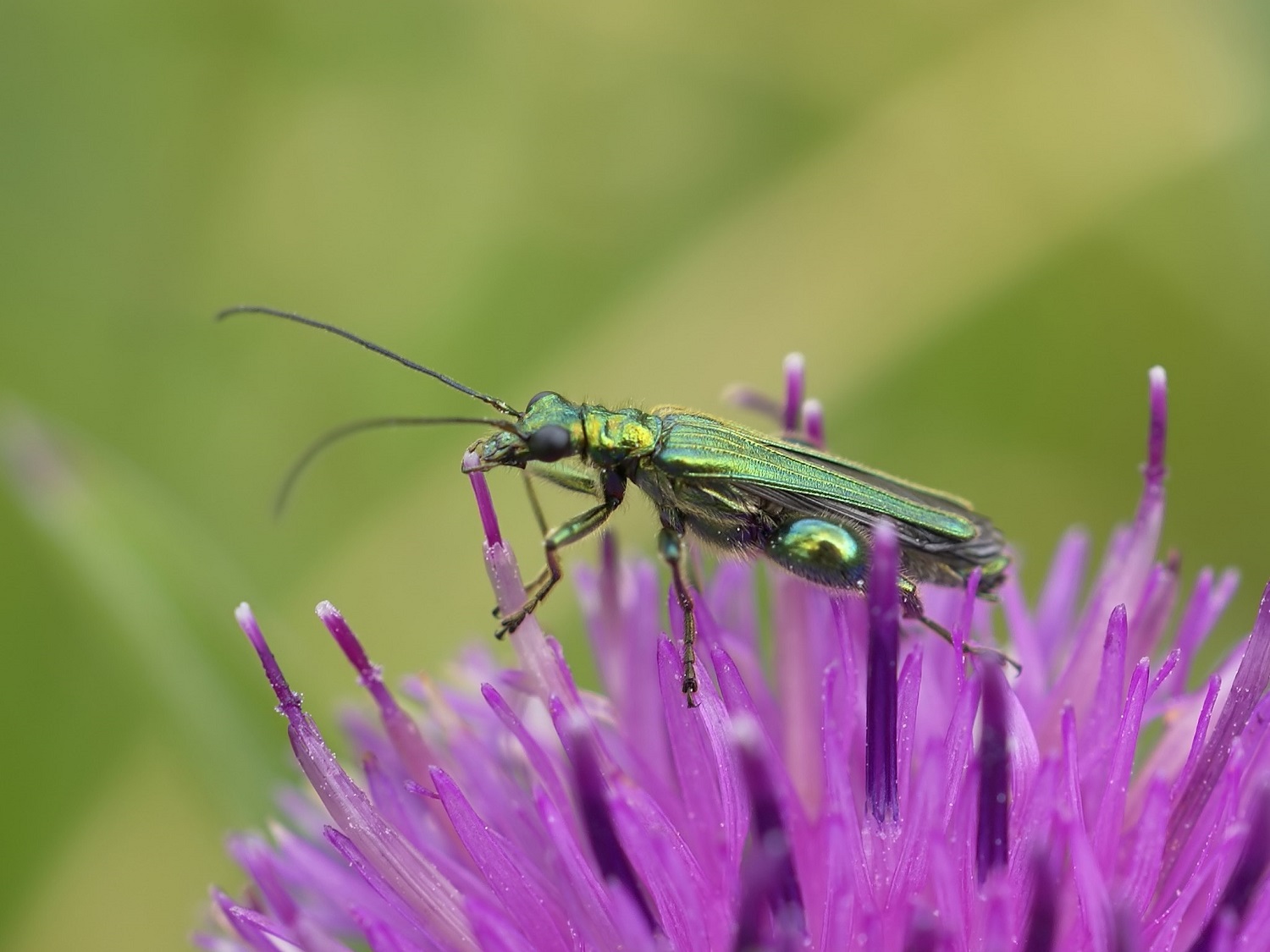
Thick legged flower beetle

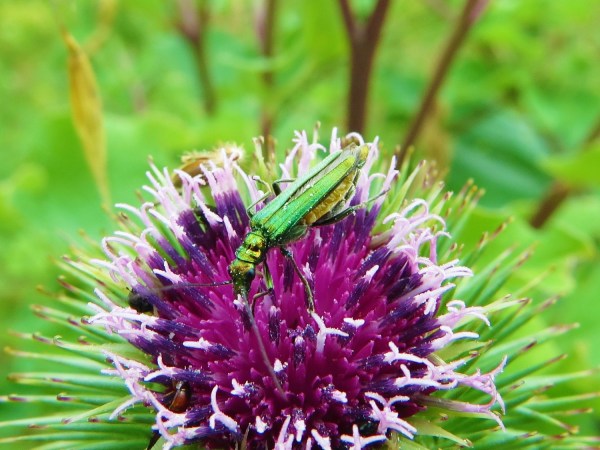
An iridescent green, female Oedemera nobilis, known as the thick legged flower beetle or swollen thighed beetle, photographed in the reserve last year. It is the male (see below) that has the strangely shaped hind legs for which the species is named

[1] by Gail Hampshire (CC BY 2.0) flickr.com; [2] © Hans Hillewaert (CC BY-SA 4.0) wikimedia.org

Beetles

Just a few of the reserve’s coleoptera.

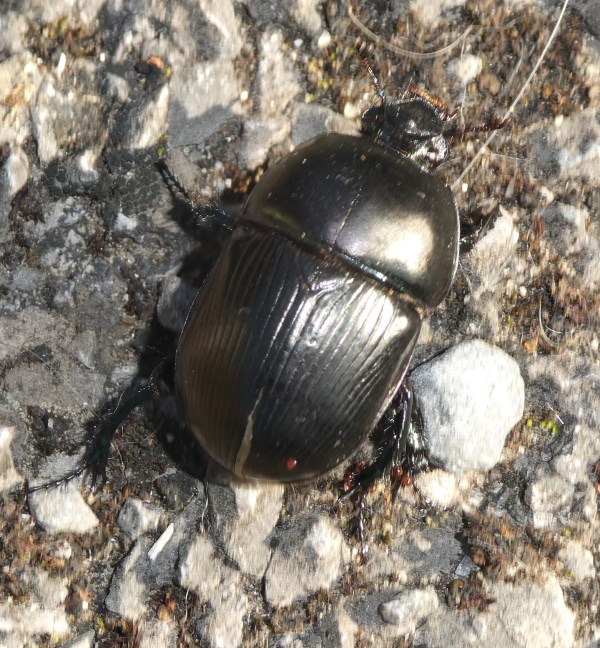
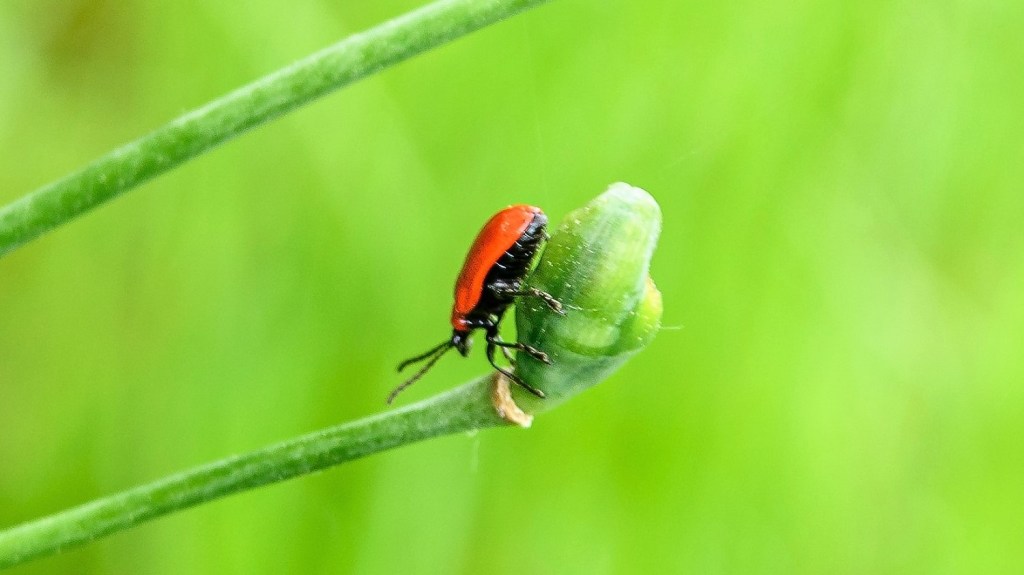
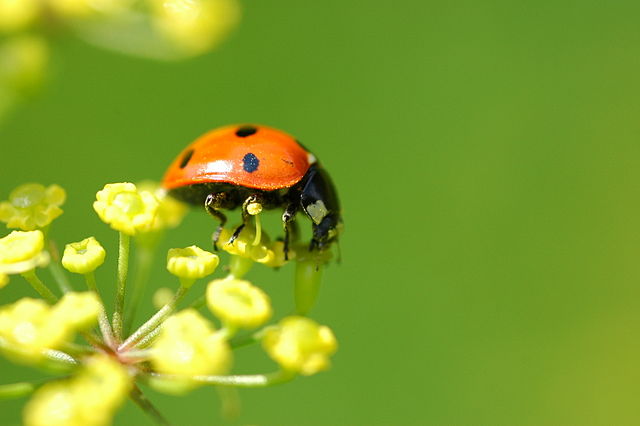
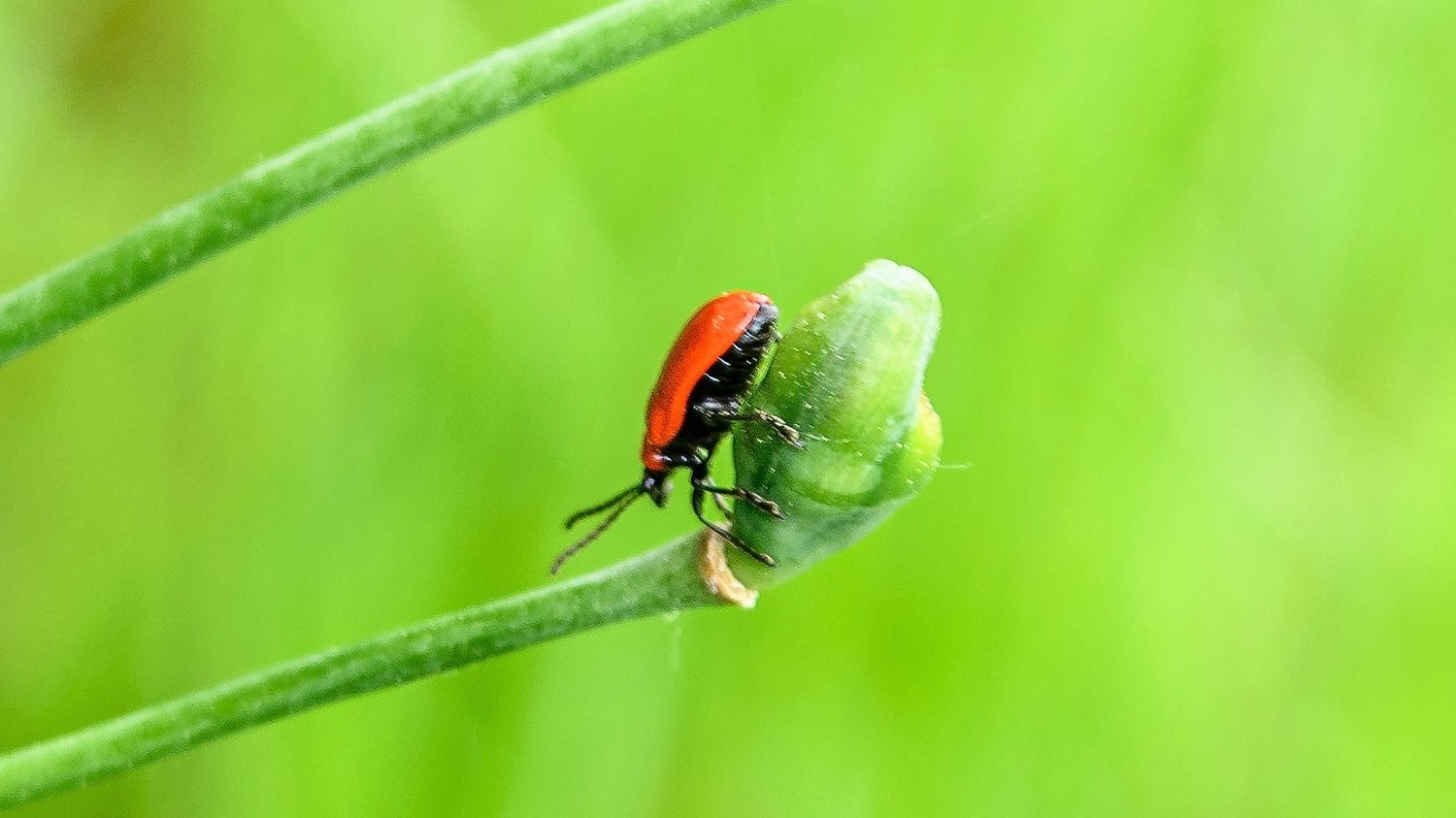
[1] golden bloomed longhorn beetle [2] bloody nosed beetle [3] sailor beetle [4] lily beetle [5] cockchafer (May bug) [6] seven spot ladybird [7] sixteen spot ladybird [8] thick legged flower beetle; Header image: Red headed cardinal beetle by Gail Hampshire (CC BY 2.0) wikimedia.com

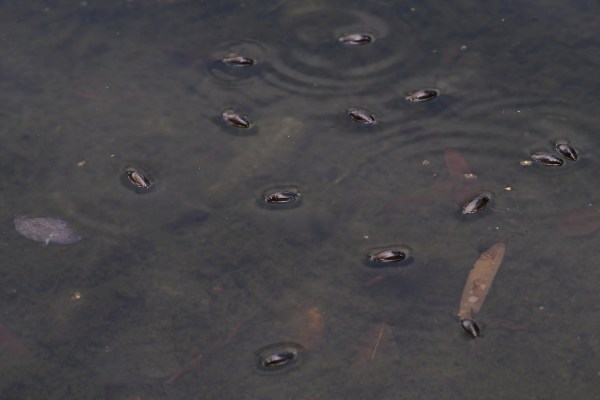
Whirligig beetles

Whirligig beetles are actually a whole family of water beetles called Gyrinidae, almost 700 different species globally, most of them very much alike and extremely difficult to tell apart. We have no idea what particular species live in the pond upstream of the wooden bridge but all the Gyrinidae share some fascinating features.

Read on for details and a short video

On the winter’s coldest day so far, let’s look back to the summer for a while: here is Simon Knight’s picture of a golden-bloomed longhorn beetle sunbathing among the grass stems.

Beetles

Just a few of the reserve’s coleoptera.

Header image: Red headed cardinal beetle by Gail Hampshire (CC BY 2.0) wikimedia.com
Devil’s coach horse

A Devil’s coach horse (Ocypus olens) was found and identified in Kestrel Field yesterday by Sarah Gould. Ocypus olens is a swiftly-moving ground beetle species and this one was moving so swiftly that Sarah was unable to get anything more than a blurred, but perfectly identifiable, picture which we sent to Ian for confirmation. This is a new species for the reserve’s comprehensive lists

Continue reading

Create a website or blog at WordPress.com

Up ↑