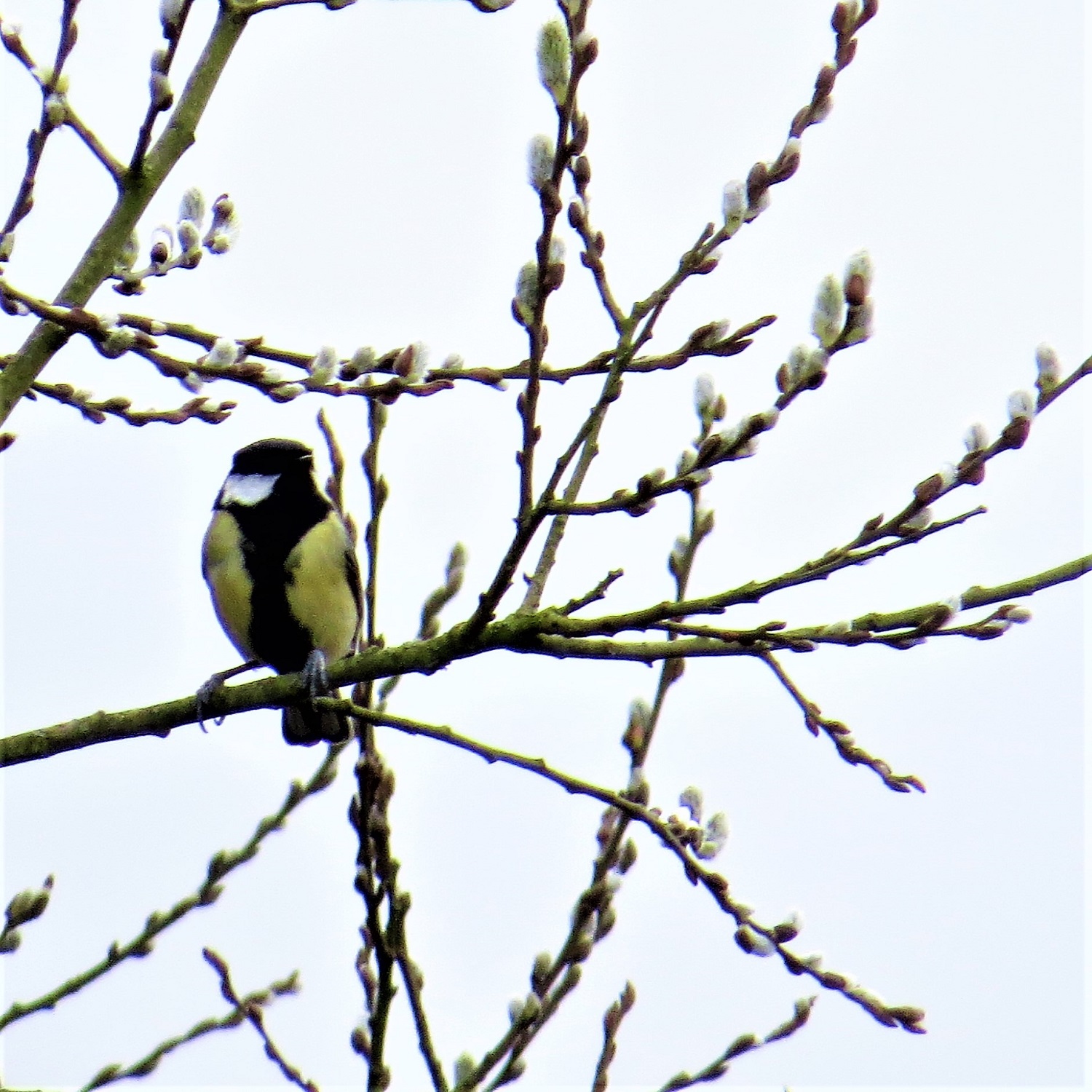
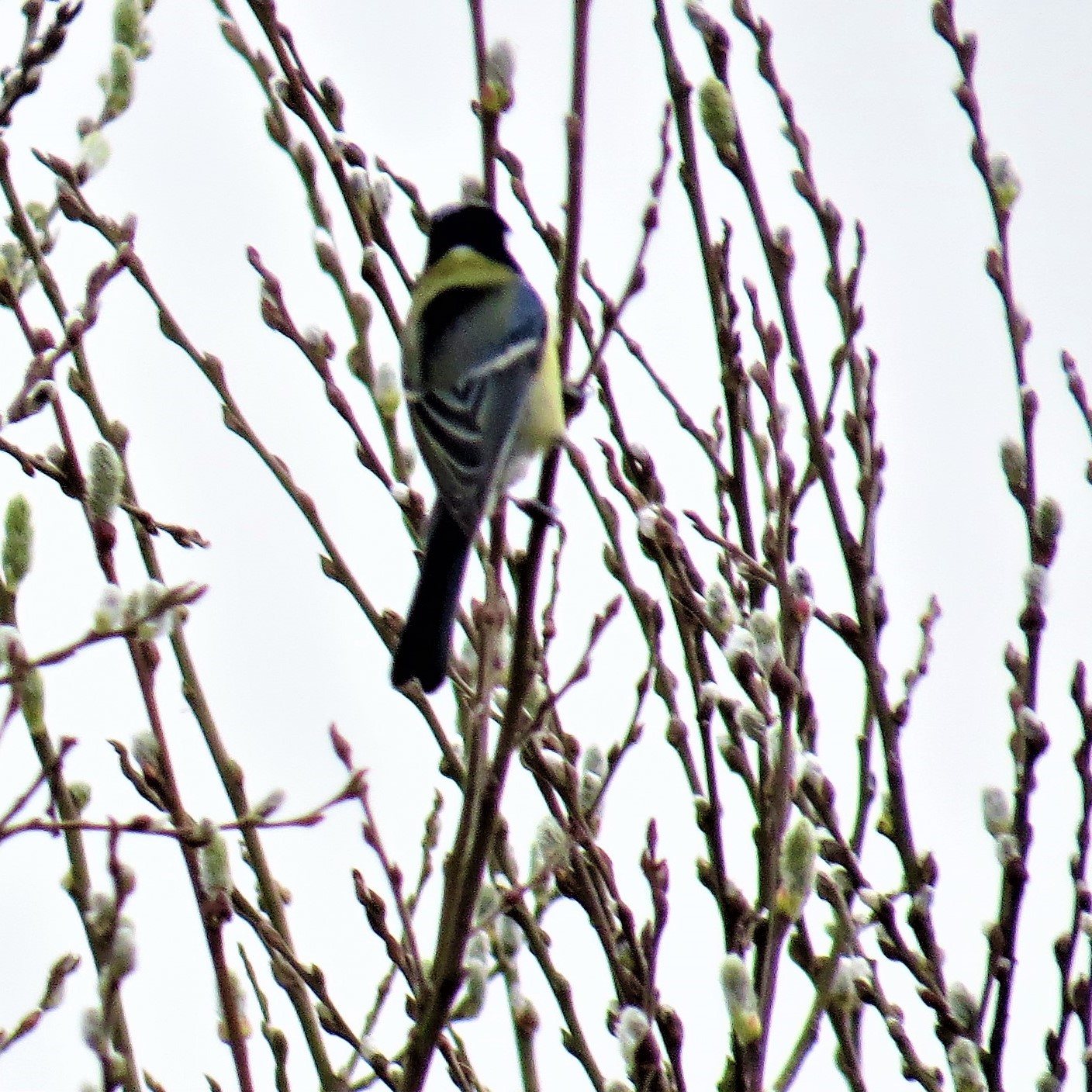
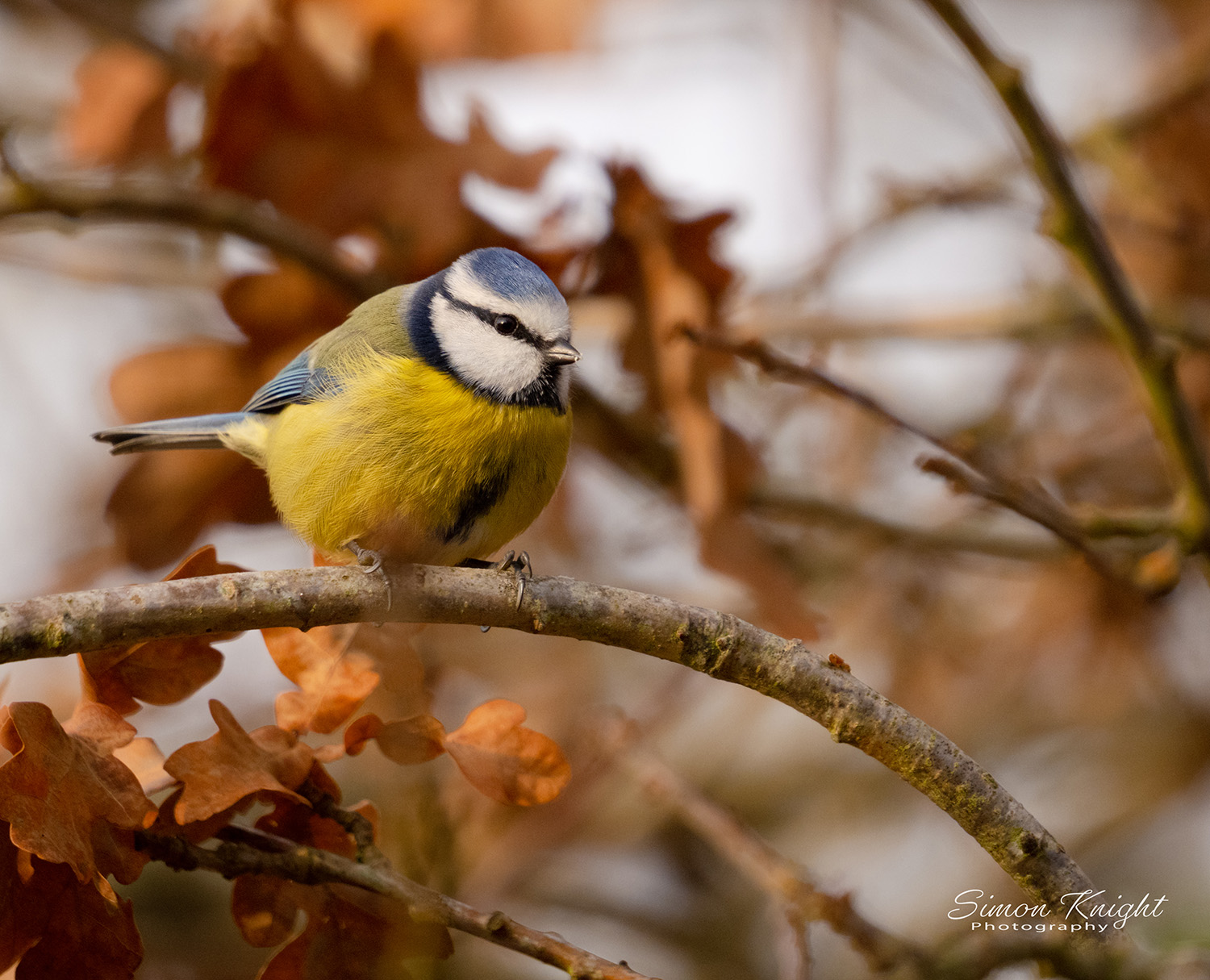
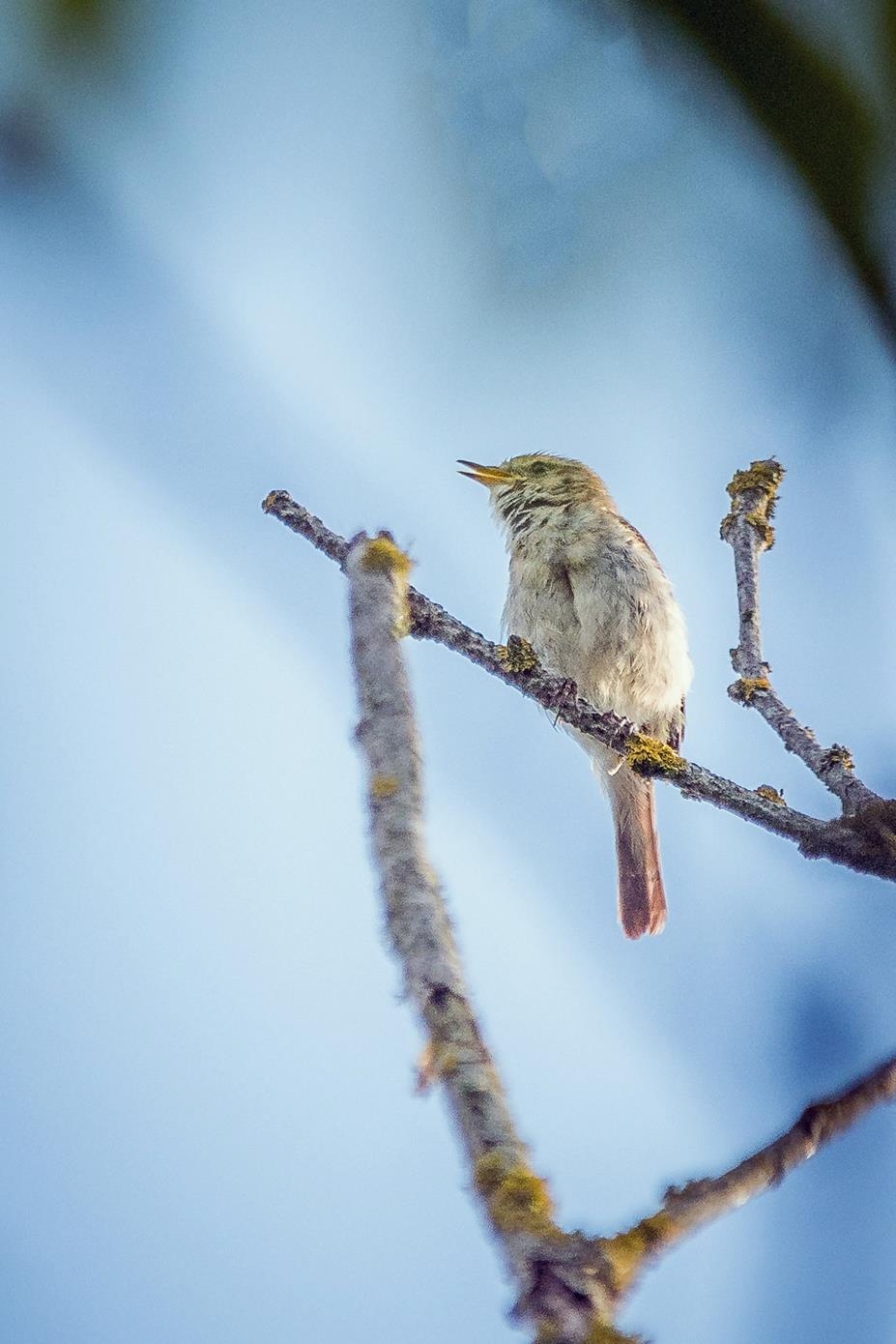
Great tits can be very loud at this time of year as they search for territory and a mate. They sit high in the trees and shout. It is a distinctive repetitive call like a creaky gate. Listen out for it.

This great tit is in the willows by the decorated bridge, sitting up up among the branches and making a lot of noise

This far south, Eurasian collared doves, Streptopelia decaocto, breed almost all year round. In the reserve, even this early in the year, their ever-present monotonous calls (…my toe hurts…my toe hurts…) become just background noise.

Recording by Olivier Swift (CC BY-NC-SA 4.0 DEED) xeno-canto.org

Continue reading

Birdwatch

It’s Big Garden Birdwatch weekend! Sign up, join in and get counting.

The RSPB’s Big Garden Birdwatch, has been taking place over the last weekend in January every year since 1979. This is important citizen science: the RSPB uses the information we collect to monitor our native bird populations. Each year, as global warming takes hold and our climate changes, planning for the future of our wildlife becomes more urgent.

Below is a link that will take you to live-feed cameras watching bird feeders across the UK.

Rooks in January

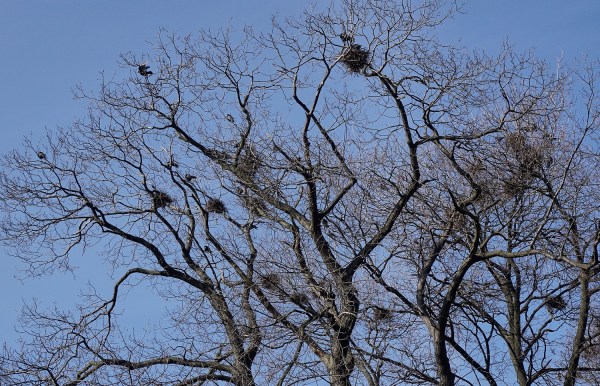
This far south, and despite the freezing weather, the reserve’s rooks will have begun to collect nesting material. Rooks pair for life and build their nest together: the male finds most of the material and the female puts it in place. Here is a video that shows us what kind of behaviour to look out for:

Video by Film Studio Aves;
Header picture (CC0) pixabay.com

Chiffchaff

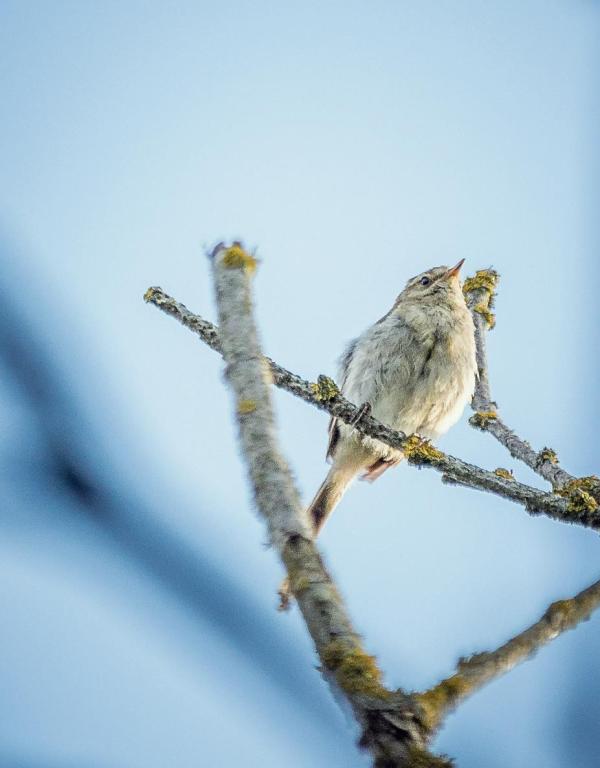
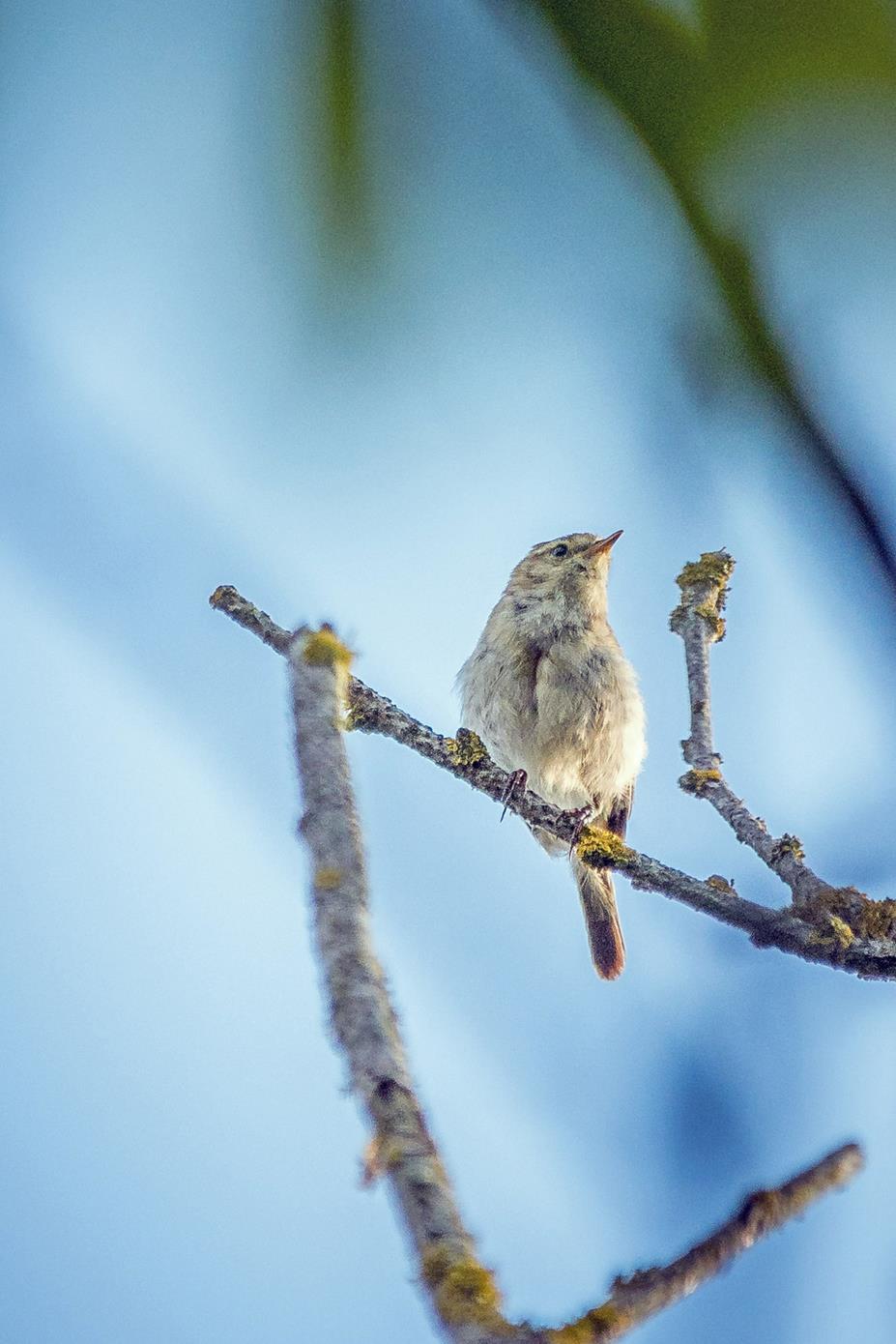
Our chiffchaffs will already have started the long journey back to their breeding sites in the reserve. They have overwintered in the warmth of southern Europe or northern Africa and are making their way home in a leisurely way with lots of stops for fuel. The males are the frontrunners and they need to arrive fit enough to find and fight for a territory.

They will begin arriving in March; their song (chiff-chaff, chiff-chaff) is one of the first signs of spring.
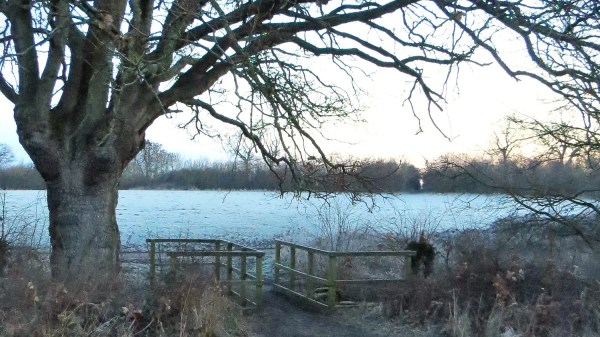
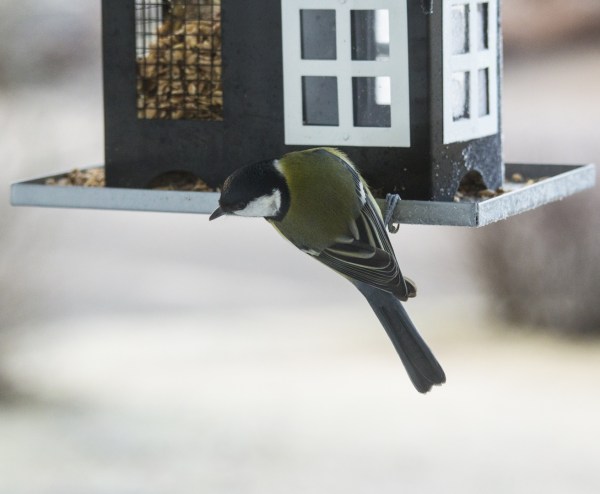
Pictures take in the reserve by DKG

Song thrush

Near Fiveways, there is a male song thrush that begins to sing in January. He sits high up in his territory, often on the topmost branch of a tree, and once he gets going you can hear him all over the reserve.

Continue reading

There is a family of Eurasian wrens (Troglodytes troglodytes) sharing a winter territory in the copse to the north east of the big pond. Have you seen them?

Continue reading

Xmas fact file

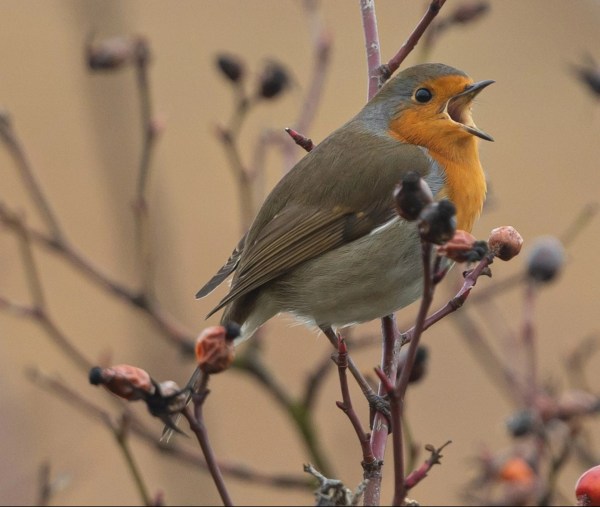
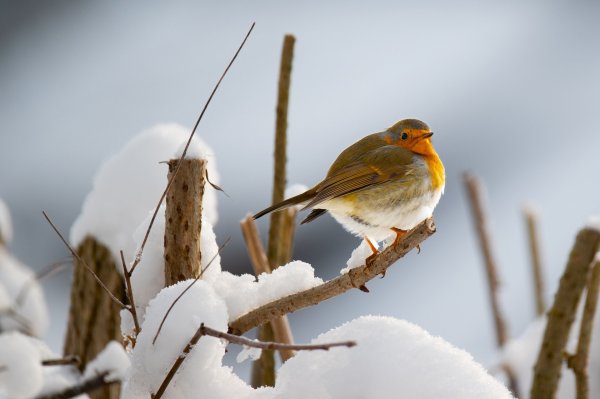
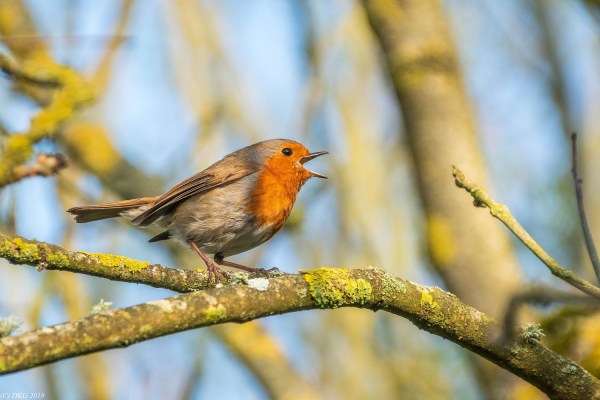
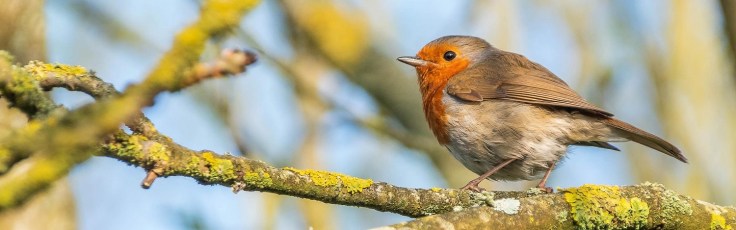
Common name: robin
Scientific name: Erithacus rubecula
Family: Muscicapidae
Habitat: woodland, hedgerows, gardens
Diet: invertebrates, fruit, seeds, bird table scraps
Predators: birds of prey, domestic cats
Origin: native

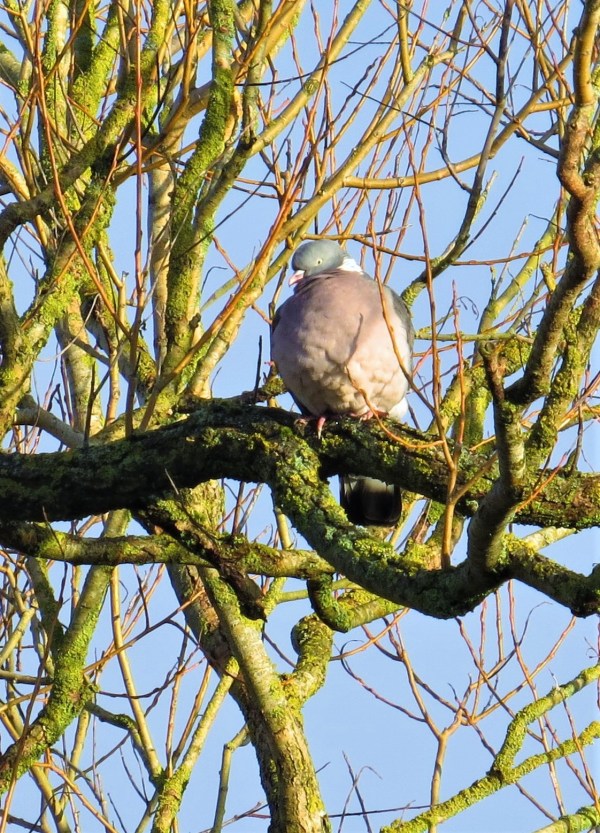
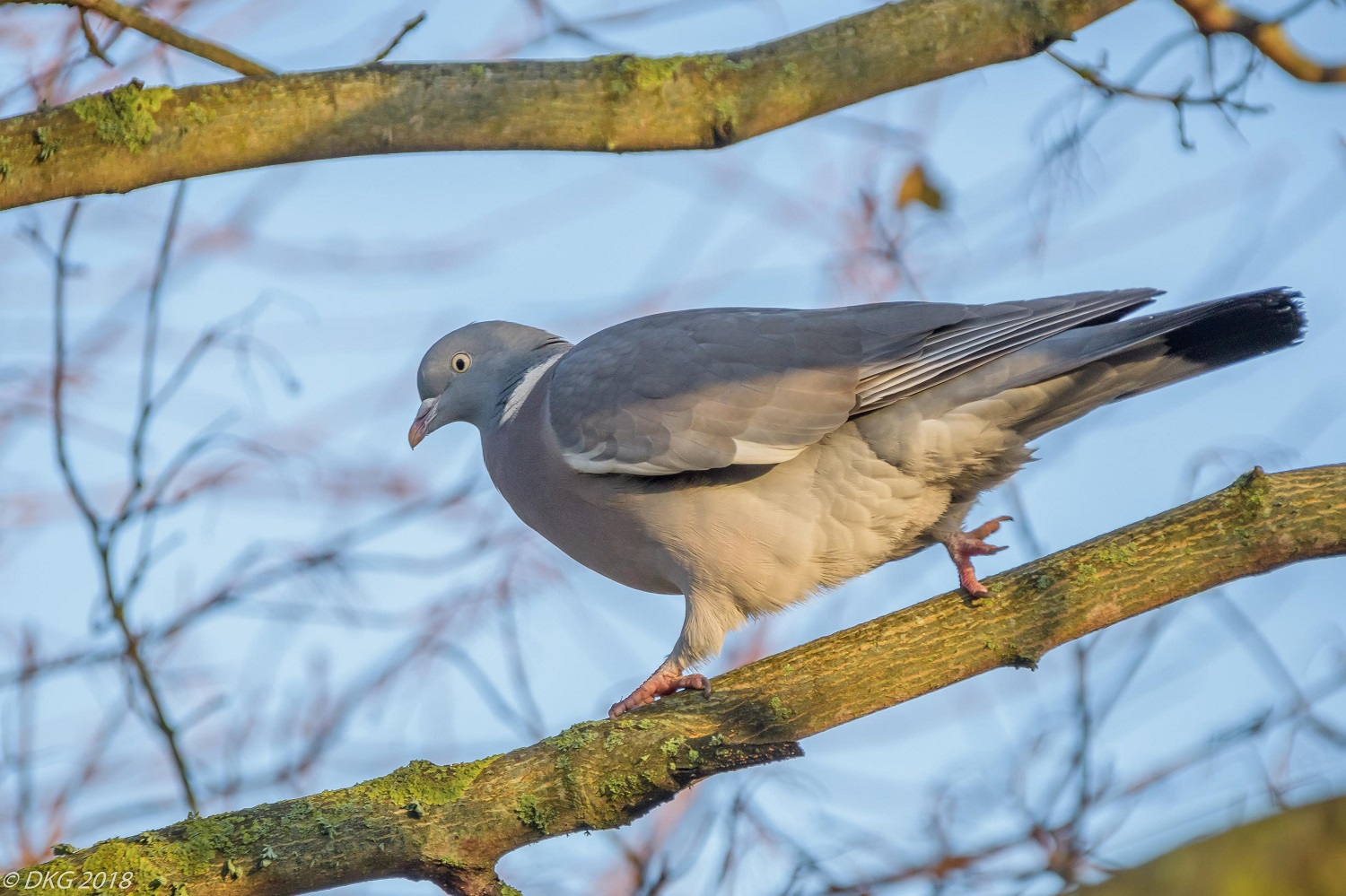
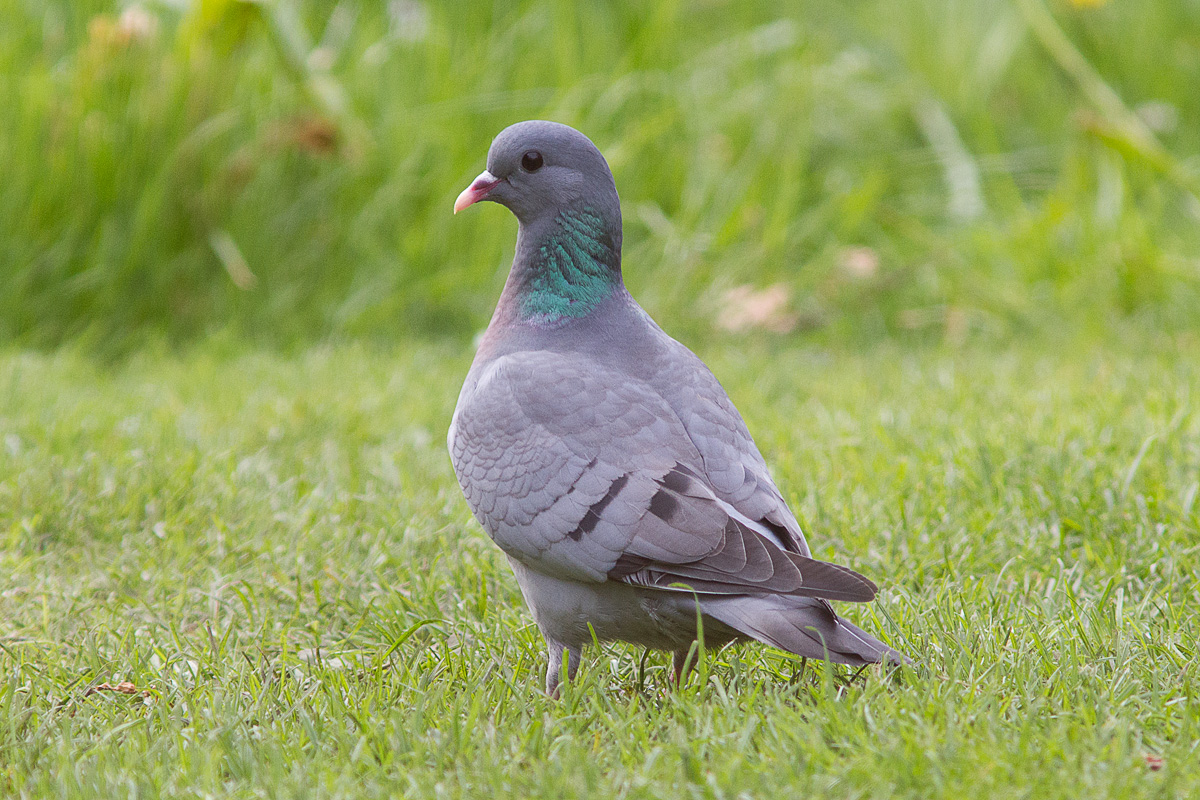
Pigeon ID

Here’s a video from the British Trust for Ornithology to help us all sort out our native pigeons:

Create a website or blog at WordPress.com

Up ↑