Anthropogenic evolution is evolutionary change in a species caused by alterations that we, Homo sapiens, make to the environment.
Continue reading “Anthropogenic evolution”Anthropogenic evolution

Anthropogenic evolution is evolutionary change in a species caused by alterations that we, Homo sapiens, make to the environment.
Continue reading “Anthropogenic evolution”
There is a climate anomaly in the south eastern states of the USA that, until recently, scientists have been unable to explain. While the rest of the country has suffered from rapidly rising temperatures, these anomalous areas have either flatlined or cooled. What is going on?
Continue reading
This is one of our field maples, Acer campestre, growing next to the circular path at the top of Simpson’s Field. The photograph was taken on April 1st 2021.
Continue reading “Bud burst”
Changing temperatures are initiating plant growth earlier and earlier every year. In the reserve, there are already primroses in flower. While we might find the early flowering of daffodils and snowdrops encouraging, there are other species in the park for which it might be a disaster.
Continue reading
Hot on the heels of Storm Isha comes Jocelyn, the season’s tenth named storm.
Continue reading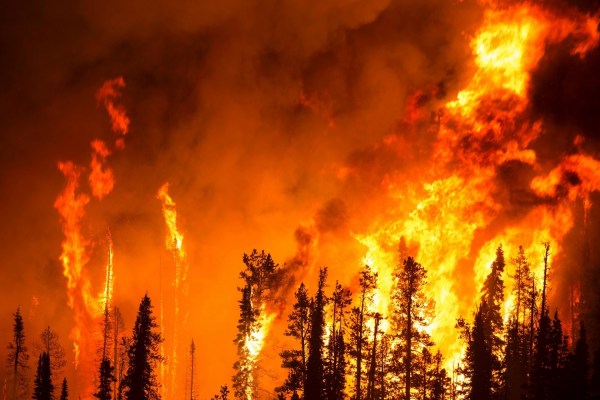
Last year’s UN Climate Change Conference, known as COP28, was hosted by a major oil producer, the United Arab Emirates, and chaired by Sultan Al Jaber, the CEO of ADNOC, the Abu Dhabi National Oil Company. Do you want to guess which country is going to host COP29 in November of this year?
Continue reading
What is COP28? It is the twenty eighth Conference Of The Parties, the parties in this case being the 198 governments that have signed the United Nations Framework Convention on Climate Change (UNFCCC), and it begins today. In these uncertain times, we should pay it a little attention.
Here are some of the complicated and confusing numbers associated with this year’s conference.
Continue reading “COP28”
Analysis of records kept since 1964 has found that some species of European migratory birds are spending up to 60 days less each year in their sub-Saharan wintering grounds. Over the most recent 27-year period, migratory birds, including the whitethroats commonly seen in our reserve, were found to have increased their time in Europe by an average of 16 days. It has even been suggested that some species may stop flying south for the winter altogether.
Continue reading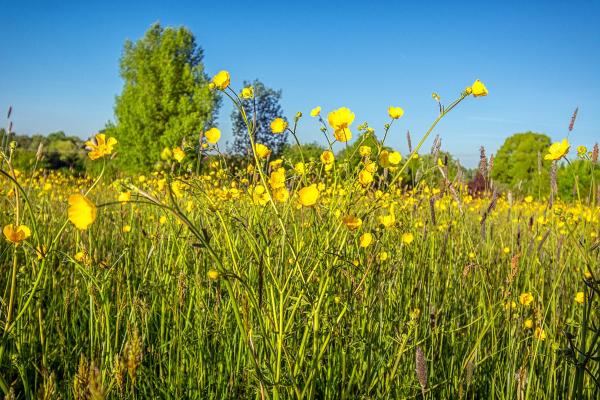
While here in the UK, July 2023 was slightly cooler (and a lot wetter) than usual, worldwide it was the hottest July on record.
Continue reading “Hottest July”
Bird flu, like any other flu, comes in different strains, most of which cause few or no symptoms in infected birds. But since October 2021 a very virulent strain of H5N1 has swept around the world causing serious disease and many, many fatalities among both farmed and wild bird populations.
Continue reading “Bird flu”
A message from Barbara Johnson:
Where have all the blackbirds gone? Are they able to find enough food in the wild so don’t need to visit our gardens?
Continue reading “The blackbird question.”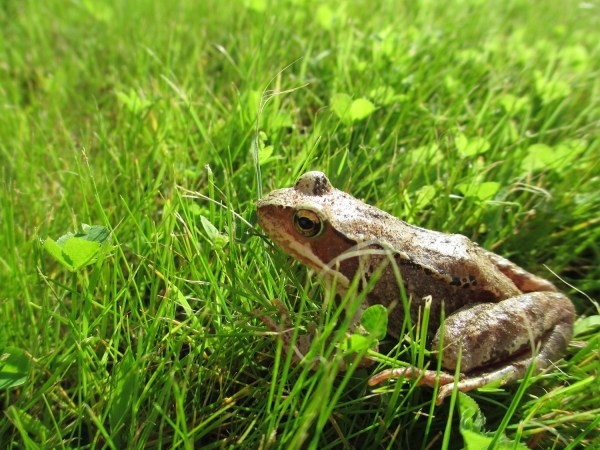
How do our frogs survive as the reserve’s ponds and streams dry up in the drought?
Continue reading
Here are some ways in which you can help your garden’s wildlife through the heatwave.
Continue reading “It’s hot!”
Research has shown that making small changes to our lives can have a huge impact in reducing carbon emissions. Apparently, we can help avert climate collapse by making just six fairly easy lifestyle changes.
Continue reading “Personal choices”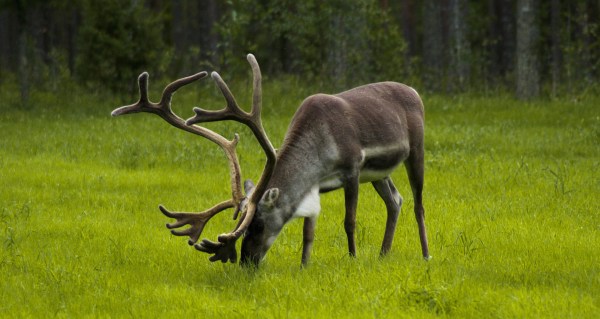
There were reindeer here in Britain in large numbers around the time of the last ice age, 35,000 to 50,000 years ago. There were wild herds of reindeer in Scotland right up until the 13th century when, like so many of our large native herbivores, they were hunted to extinction.
Continue reading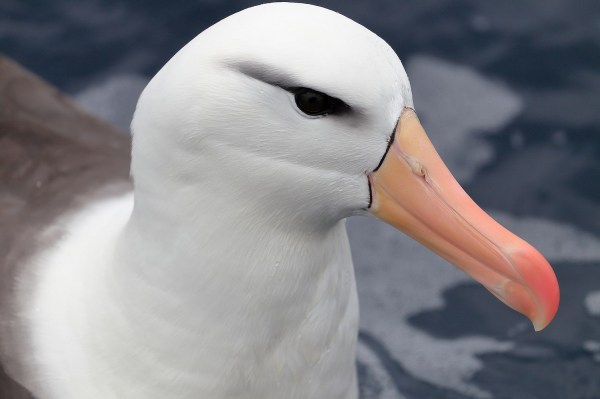
No, we haven’t seen an albatross flying over the reserve but occasionally a story from beyond our particular corner of Southwick catches our eye.
Continue reading “Warming oceans”
Analysis of records kept since 1964 has found that some species of European migratory birds are spending up to 60 days less each year in their sub-Saharan wintering grounds. Over the most recent 27-year period, migratory birds, including the whitethroats commonly seen in our reserve, were found to have increased their time in Europe by an average of 16 days. It has even been suggested that some species may stop flying south for the winter altogether.
Continue reading “Migration changes”
Wiltshire Council has published a draft Climate Strategy which will help them to shape the next five years of their action on climate change. You are invited to contribute by taking an online survey.
At the same time they are consulting on a document called the Green and Blue Infrastructure Strategy for Wiltshire. You are invited to contribute to this consultation by taking another online survey here.
Continue reading
The Met Office has forecast that during 2021, atmospheric carbon dioxide will reach levels 50% higher than before the industrial revolution.
Continue reading “Carbon dioxide landmark.”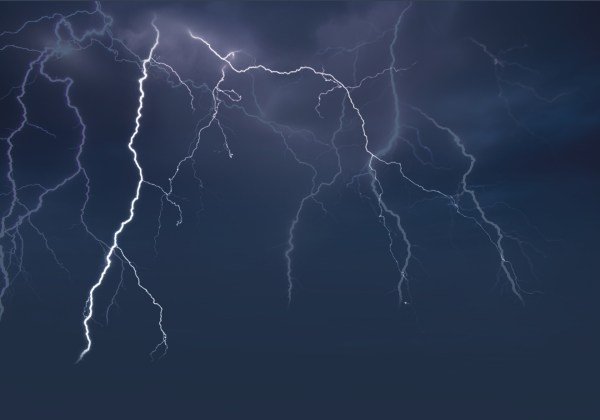
That could have been the longest official heatwave, with temperatures over 35°C, that the UK has ever recorded. As it breaks and the thunder rolls around the hills, here, just for the fun of it, is a link to a website where you can watch the storms as they happen.

According to the Meteorological Office, spring begins every year on March 1st and ends on May 31st. Let’s look back at 2020’s meteorological spring.
Continue reading “Sunniest May on record”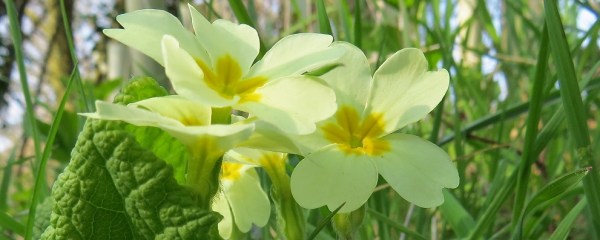
Changing temperatures are initiating plant growth earlier and earlier every year. In the park, there are already primroses in flower.
Continue reading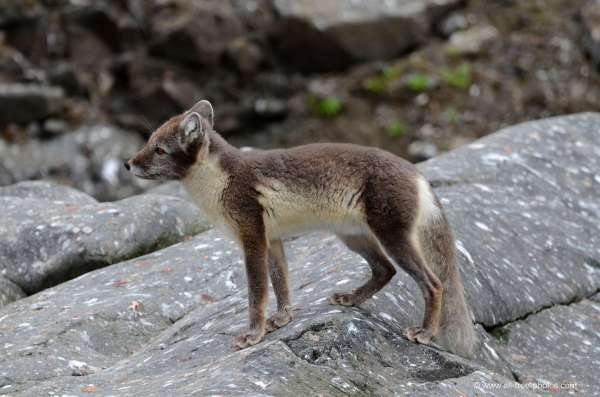
No, we haven’t seen an arctic fox in the park; that would be silly. Instead, here is the irresistible story of a record-breaking journey undertaken by an arctic fox, which demonstrates the resilience and adaptability of all the vulpine species, our common red fox included. It also raises questions, pertinent to everybody, about the effects of the frighteningly rapid loss of arctic ice.




 Southwick Country Park Nature Reserve