Among the many grasses that grow in the reserve is WILD OAT (Avena fatua) which has an intriguing method of dispersing its seeds.


Among the many grasses that grow in the reserve is WILD OAT (Avena fatua) which has an intriguing method of dispersing its seeds.
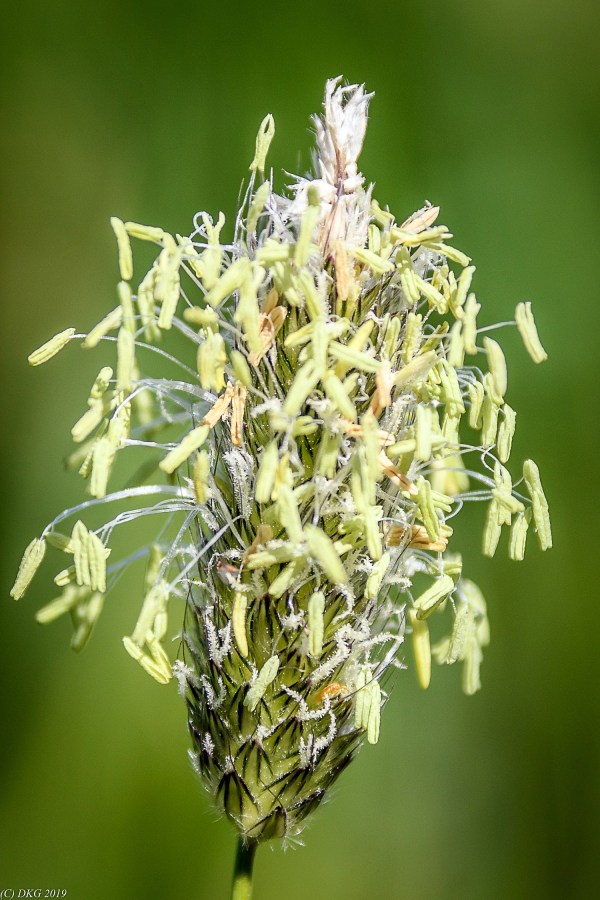
Grasses are flowering plants: they have all the same essential bits and pieces as a buttercup or a dandelion. The difference is that they are wind pollinated so they have not adapted their structure to meet the needs of insect pollinators: they have no scent, no nectaries, no colours or ultra-violet sign posts and no petals to make landing platforms.
Continue reading “Grasses”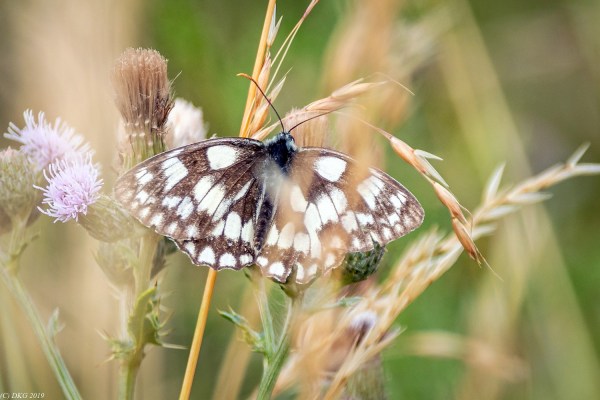
There are 59 species of butterfly resident in the British Isles and our native grasses are the major or sole foodstuffs of the larvae of around a fifth of them.
Continue reading “Grass”
Grasses are flowering plants; they have all the same bits and pieces as a buttercup or a dandelion. The difference is that they are wind pollinated so they have not adapted their structure to meet the needs of insect pollinators; they have no scent, no nectaries, no colours or ultra-violet sign posts and no petals to make landing platforms.
Continue reading “Grasses”
Among the many grasses that grow in the reserve is WILD OAT (Avena fatua) which has an intriguing method of dispersing its seeds.
Grasses are flowering plants; they have all the same bits and pieces as a buttercup or a dandelion. The difference is that they are wind pollinated so they have not adapted their structure to meet the needs of insect pollinators; they have no scent, no nectaries, no colours or ultra-violet sign posts and no petals to make landing platforms.
Continue reading “Grass”


 Southwick Country Park Nature Reserve