What good are wasps…?
Somebody asks this every year in the school holidays, as they wave wasps away from their picnic or soothe a painful sting with a vinegar poultice.
Continue reading
Somebody asks this every year in the school holidays, as they wave wasps away from their picnic or soothe a painful sting with a vinegar poultice.
Continue reading
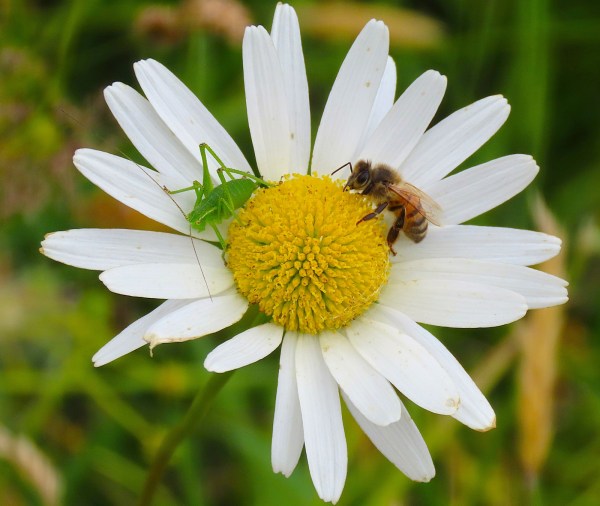
Ashley Wicks has sent us a beautiful picture of a speckled bush cricket and a honey bee sharing an ox-eye daisy. While the bee is collecting nectar and pollen for its colony, the cricket is either just passing through or is there to eat the flower petals.
Thanks Ashley!

Yes, they can: unsettling news for some, we know, but nevertheless important.
Continue reading
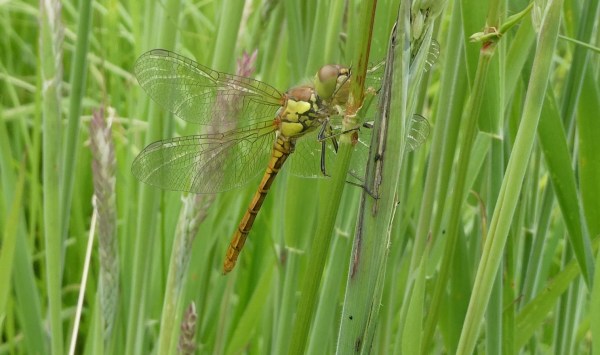
Message from Ian:
I think this is a very recently emerged female Ruddy Darter – Sympetrum sanguineum – taken on Friday June 7th near the reserve’s big pond.


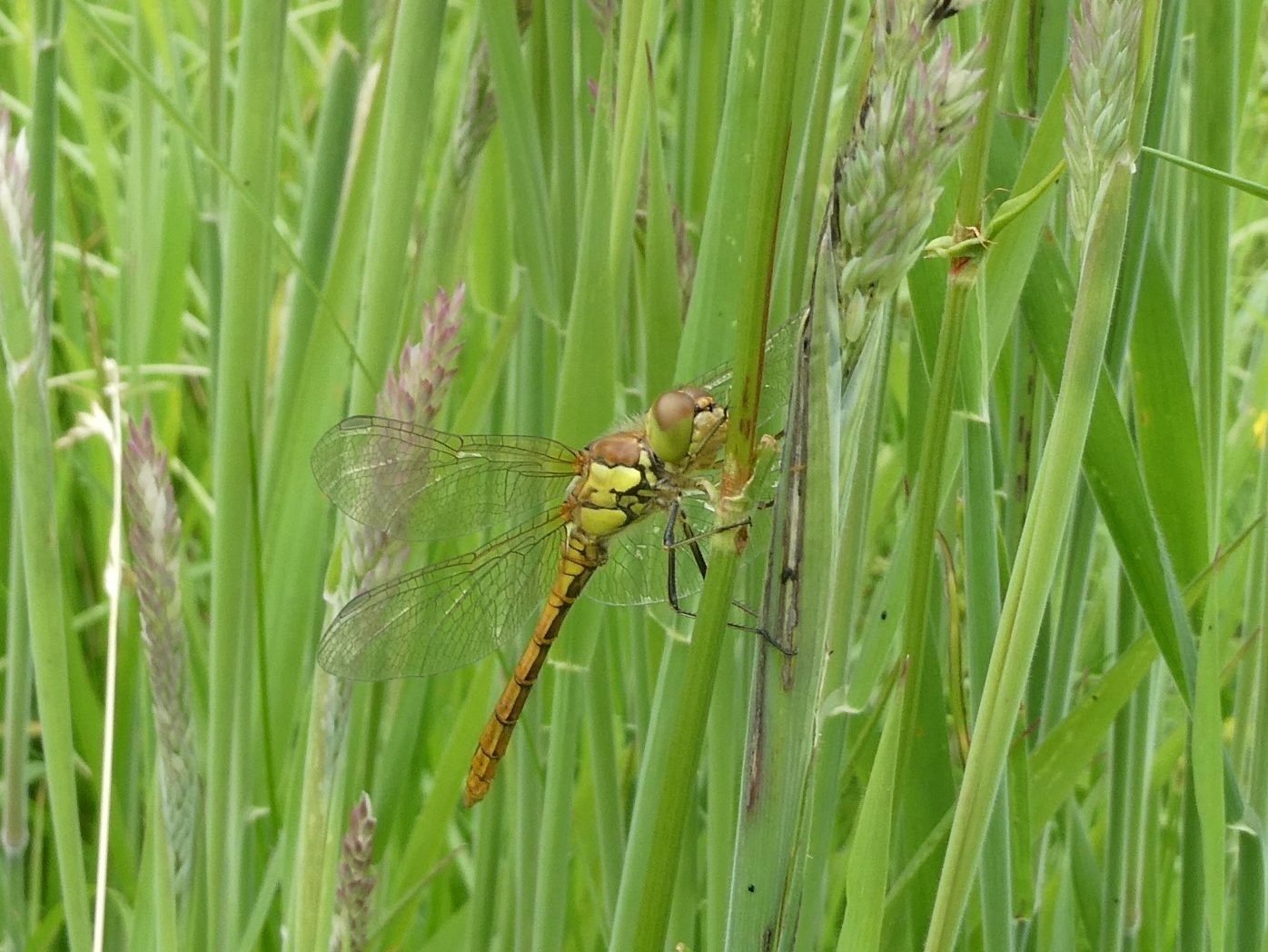
All pictures taken in the reserve by Ian Bushell


More than 80% of insect species undergo a metamorphosis of four stages.
Continue reading
Clive Knight has sent us stunning pictures of a female beautiful demoiselle (Calopteryx virgo), one of the six species of damselfly on our lists. Beautiful demoiselles like clear running water and their presence in the reserve is a testament to the water quality of Lambrok Stream.

Thanks Clive.

by Ian Bushell
This is a Common Cockchafer – Melolontha melolontha – photographed in the reserve last week. It is also called Maybug, Maybeetle or Doodlebug.
Continue reading
Researchers from London’s Imperial College believe they have discovered why moths and other flying insects seem to be so fatally attracted to light.
Continue reading


 Southwick Country Park Nature Reserve