How did the reserve’s invertebrates make it through last week’s freezing weather?
Continue reading “Anti-freeze”Anti-freeze

How did the reserve’s invertebrates make it through last week’s freezing weather?
Continue reading “Anti-freeze”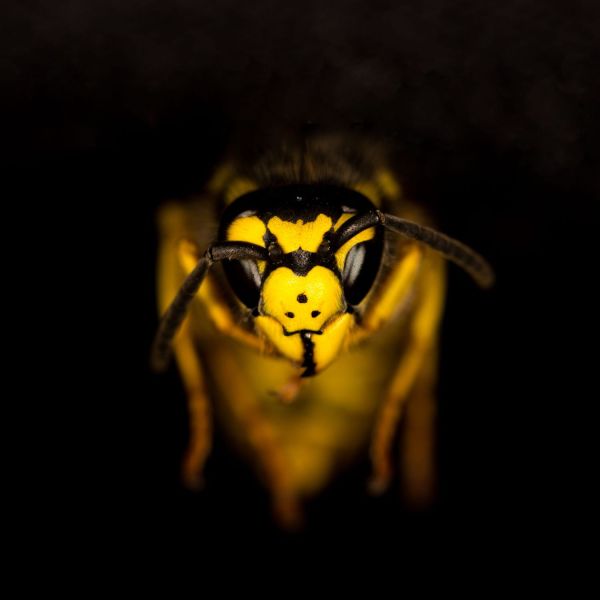
In the world of invertebrates, black and yellow signals danger. It says to predators: I am poisonous or I will bite you.
Read on to discover more:
The reserve’s’s ivy flowers between September and November; each plant’s flowering season is quite short but a succession of plants flowers all through the autumn. The flowers are small, green and yellow, and so insignificant-looking that many people don’t realise that that they are flowers at all.
Read on:
There are Jerusalem artichokes (Helianthus tuberosus) flowering down by the Lambrok tributary stream. They have been there for five or six years now and are spreading along the bank.
Read on:
In the UK, the populations of our more common butterflies have fallen by 46% in the last 50 years while the rarer species have declined by 77%. We have lost 60% of our flying insects in just 20 years. We have entirely lost 13 species of our native bees since the 1970s and fully expect more to follow.
Continue reading “Insect losses”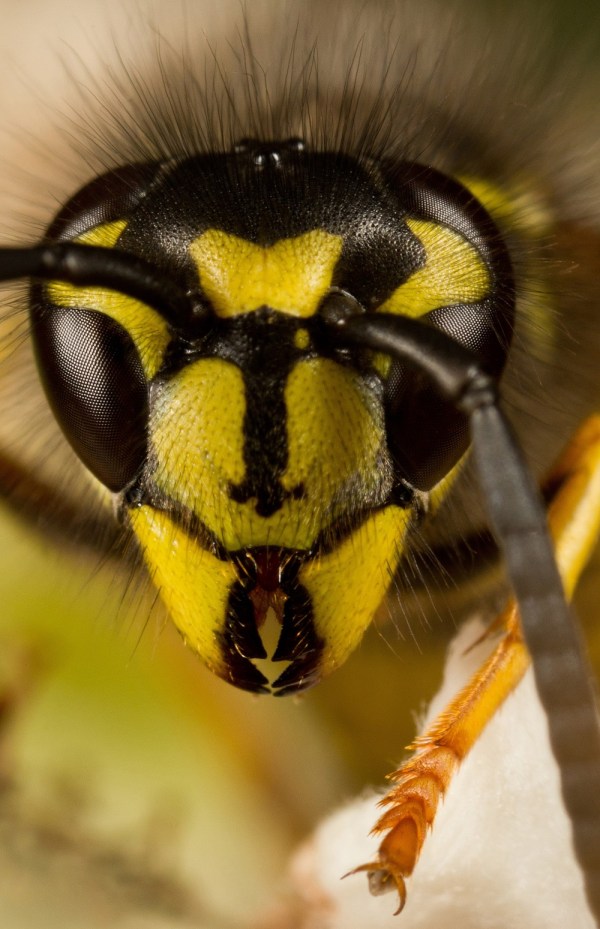
There are six species of social wasp that are native to Britain and this is a good time of year to identify them.
Continue reading “Wasp ID”

Bees buzz in two different ways.
Continue reading “BUZZ!”
Another post about a plant that has many common names: ragwort.
Continue reading “Stinking Willie and marefart”
The swarms of flying ants that interrupt Wimbledon every year are usually Lasius niger, the black garden ant.
Continue reading
Let’s end National Insect Week with a real doozy: this is a fig gall on an elm leaf in the hedge between Sleepers and Cornfield. It is caused by Tetraneura ulmi, an elm-grass root aphid with a very complicated and quite astonishing life cycle.
Continue reading “Fig gall”
This is the penultimate day of National Insect Week, time to look at one of our more dramatic beetles: the golden-bloomed longhorn beetle (Agapanthia villosoviridescens), first identified and photographed in the reserve by our wildlife photographer, Simon Knight, in the summer of 2020.
Continue reading “Golden-bloomed longhorn beetle”
A real mouthful of a name:
Xanthogramma pedissequum, the superb ant-hill hoverfly, a rarity spotted by Ian early on a spring morning in 2021 and added to our species list.
Continue reading
This is one of the UK’s largest flies: a great pied hoverfly, so named for its black and white colouring. Ian photographed it at the bottom of The Race, near the Wildlife Wheel, feeding on the flowers of cow parsley. It is also called the pellucid hoverfly because, in certain lights, the pale patches on its sides are translucent: a see-through hoverfly!
Continue reading “Great Pied Hoverfly”
This is an ichneumon wasp feeding on hogweed near Lambrok Stream.
Continue reading “Ichneumon wasp”
There are always drinker moth caterpillars (Euthrix potatoria) somewhere in the reserve at this time of year. You just have to know where to look.
Continue reading “Drinker moth caterpillar”

For a long time, bumblebee flight was considered to be aerodynamically impossible. We know better now and are beginning to understand how such fat furry creatures can take to the air. Here is a video about their surprising flying skills:

Ian has sent us a picture of a red headed cardinal beetle, whose scientific name, Pyrochroa serraticornis, translates roughly but appropriately as fiery-shelled thing with serrated antennae.
Continue reading
This post was first published in July 2018
This is a garden bumble bee (Bombus hortorum) collecting nectar in a spear thistle flower at the edge of the large pond.


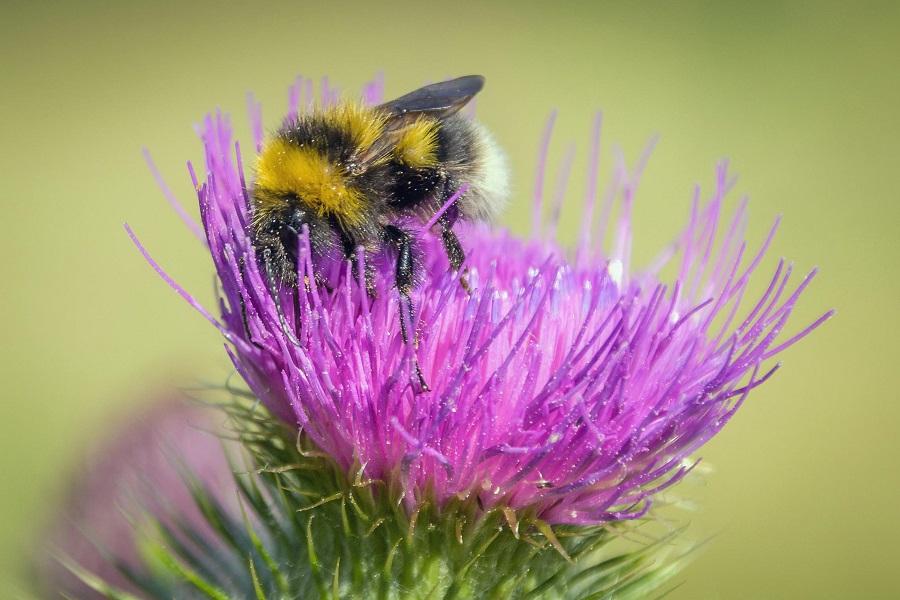

These photographs were taken by the late DKG in July of 2018
Continue reading “Garden Bumblebee”
Here are two shieldbugs from our species lists: a hairy shieldbug (Dolycoris baccarum) and a cabbage shieldbug (Eurydema oleracea). Both were spotted last year in the heritage orchard.
Continue reading
A dandelion crammed with tiny bronze-black beetles.
Continue reading “Common pollen beetle”
Ashley Wicks, a regular visitor to the reserve, has sent us a picture of a very early red admiral.
Continue reading
At this time of year, our peacock butterflies are leaving their hibernation sites to feed among the reserve’s spring flowers: welcome flashes of colour in all this rain.
Continue reading “Peacock butterflies”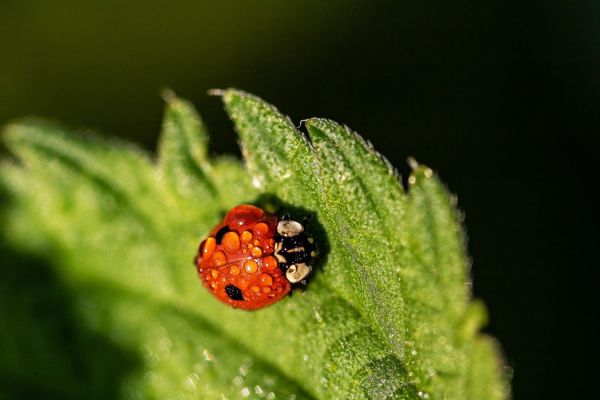


 Southwick Country Park Nature Reserve