For a moment, imagine that you are one of the reserve’s willow warblers, a tiny grey-green bird, hunting spiders among the white willow trees and alders down by the Lambrok tributary stream.
Continue reading “Way to go”Way to go

For a moment, imagine that you are one of the reserve’s willow warblers, a tiny grey-green bird, hunting spiders among the white willow trees and alders down by the Lambrok tributary stream.
Continue reading “Way to go”
At this time of year, we are inclined to think of our migratory birds as leaving the reserve’s cold, damp fields and woods to fly south and spend their winter somewhere warmer. But, for some of the birds on our species list, Southwick is the somewhere warmer. The autumn migration is swap-over time.
Continue reading “Coming and going”
Most of our swifts have already left for their long winter sojourn in warmer climates.
Continue reading

Ashley Wicks, a regular visitor to the reserve, has sent us a picture of a very early red admiral.
Continue reading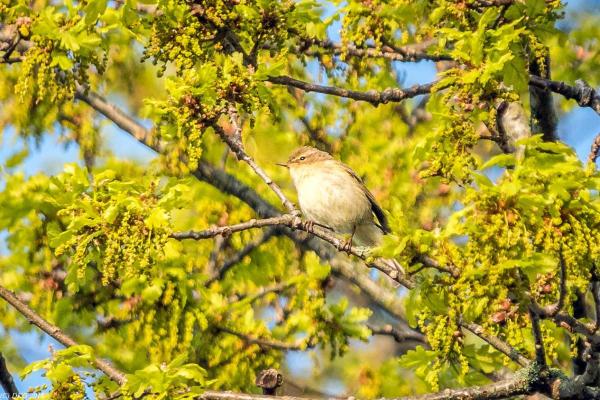
Has anybody heard our chiffchaffs yet? This is the time of year when they come back from the Mediterranean and Africa to nest in the park and their unmistakeable call is a welcome sign that spring is here, no matter how much it rains. Message or email us if you have heard them .

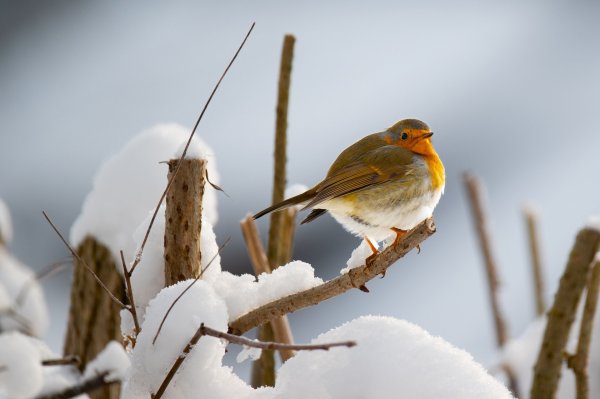
Did you know that some robins migrate?
Continue reading “Winter robins”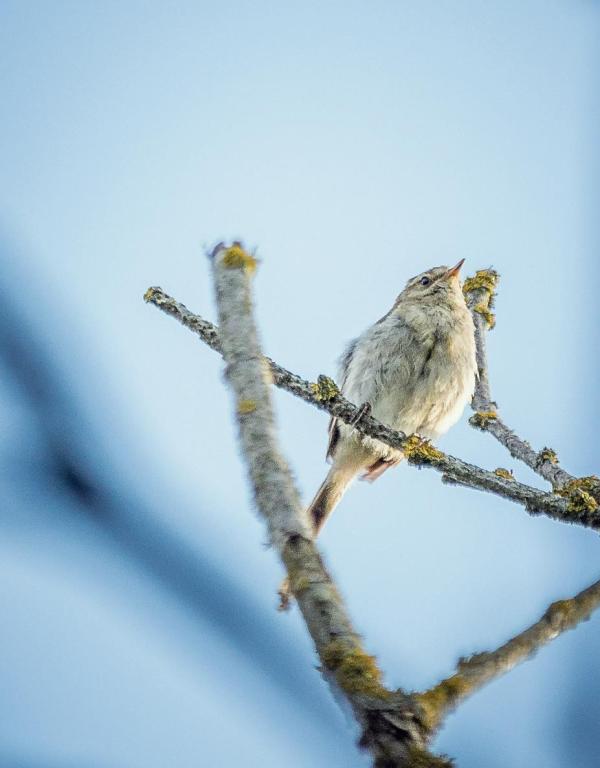
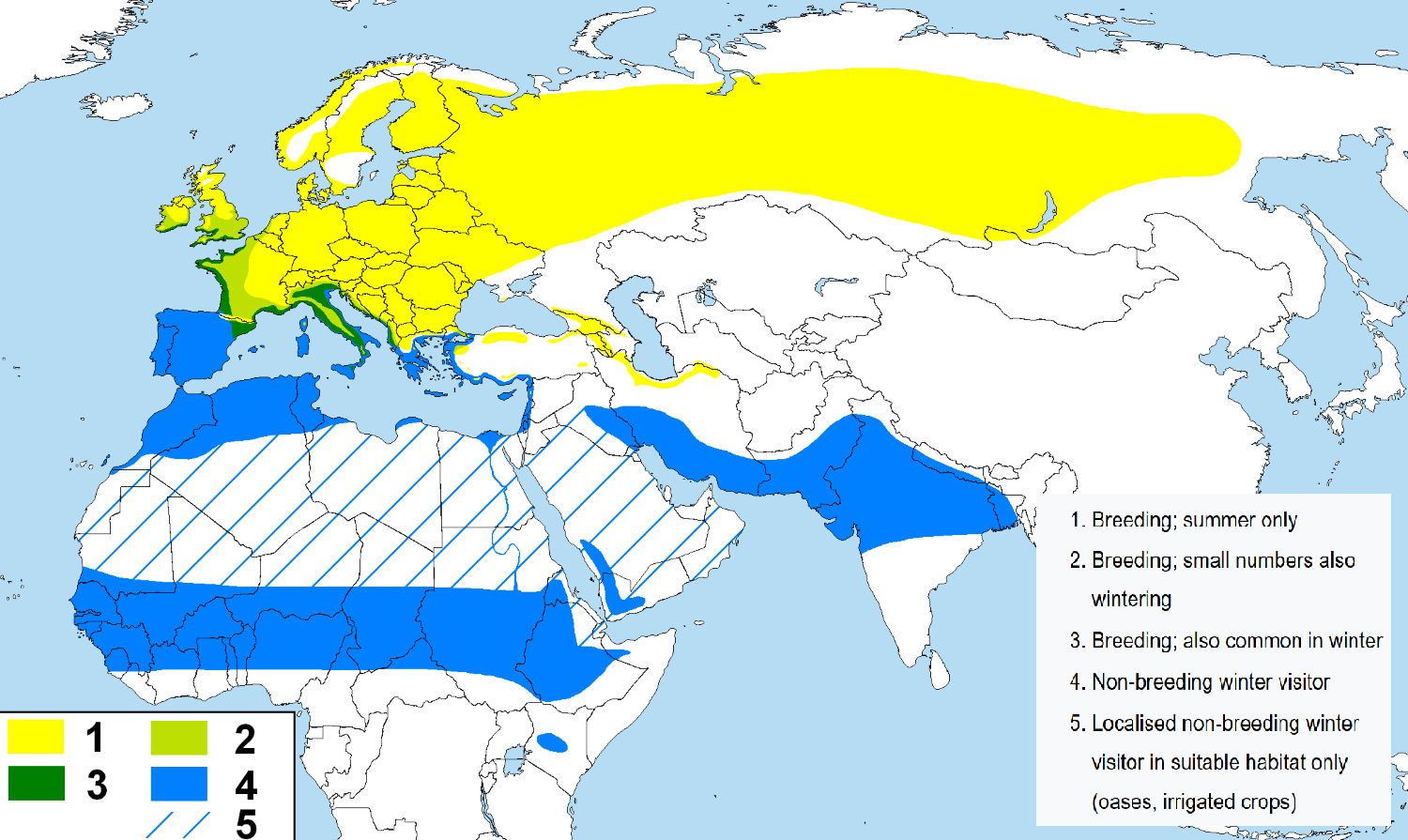
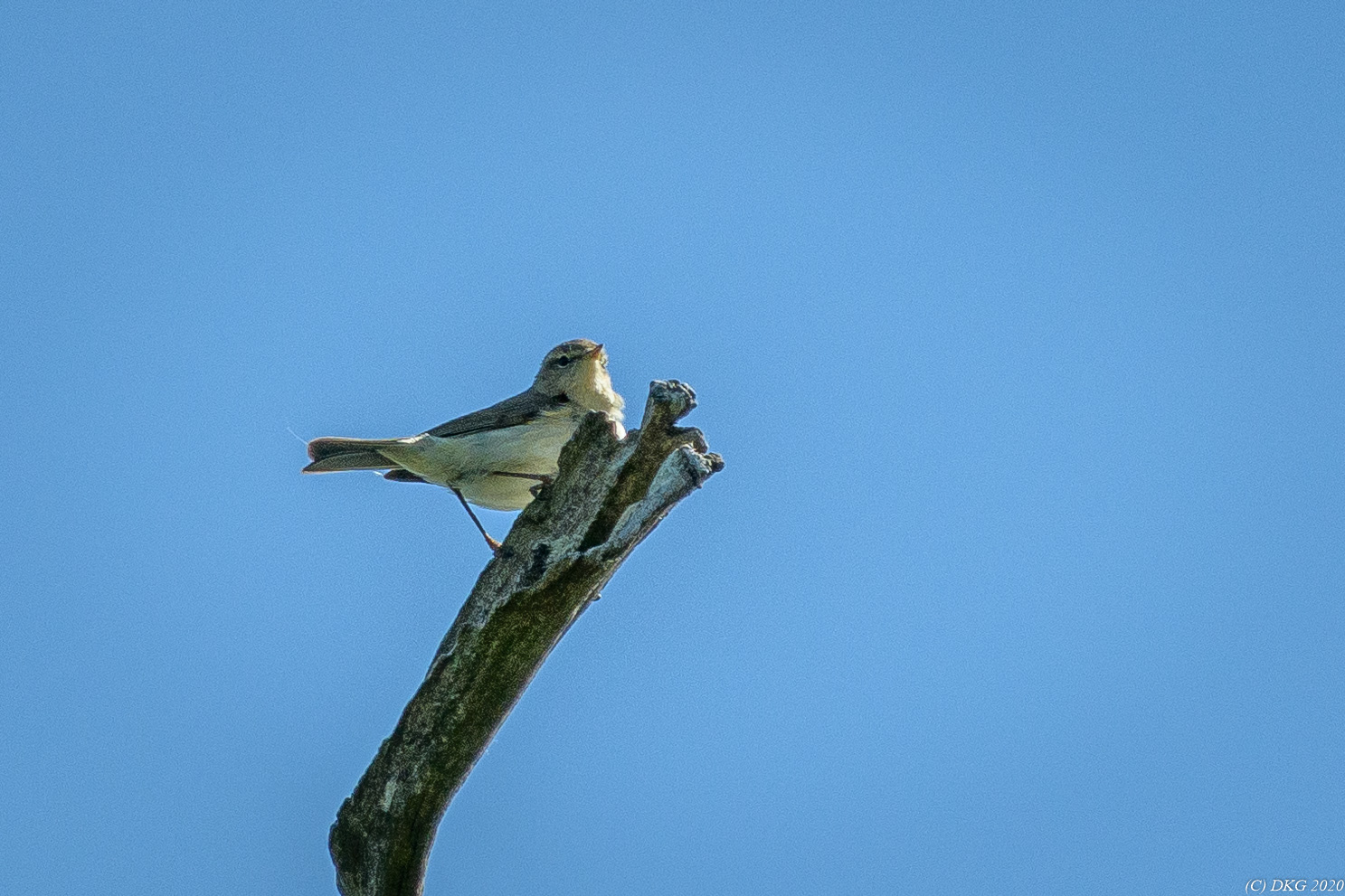
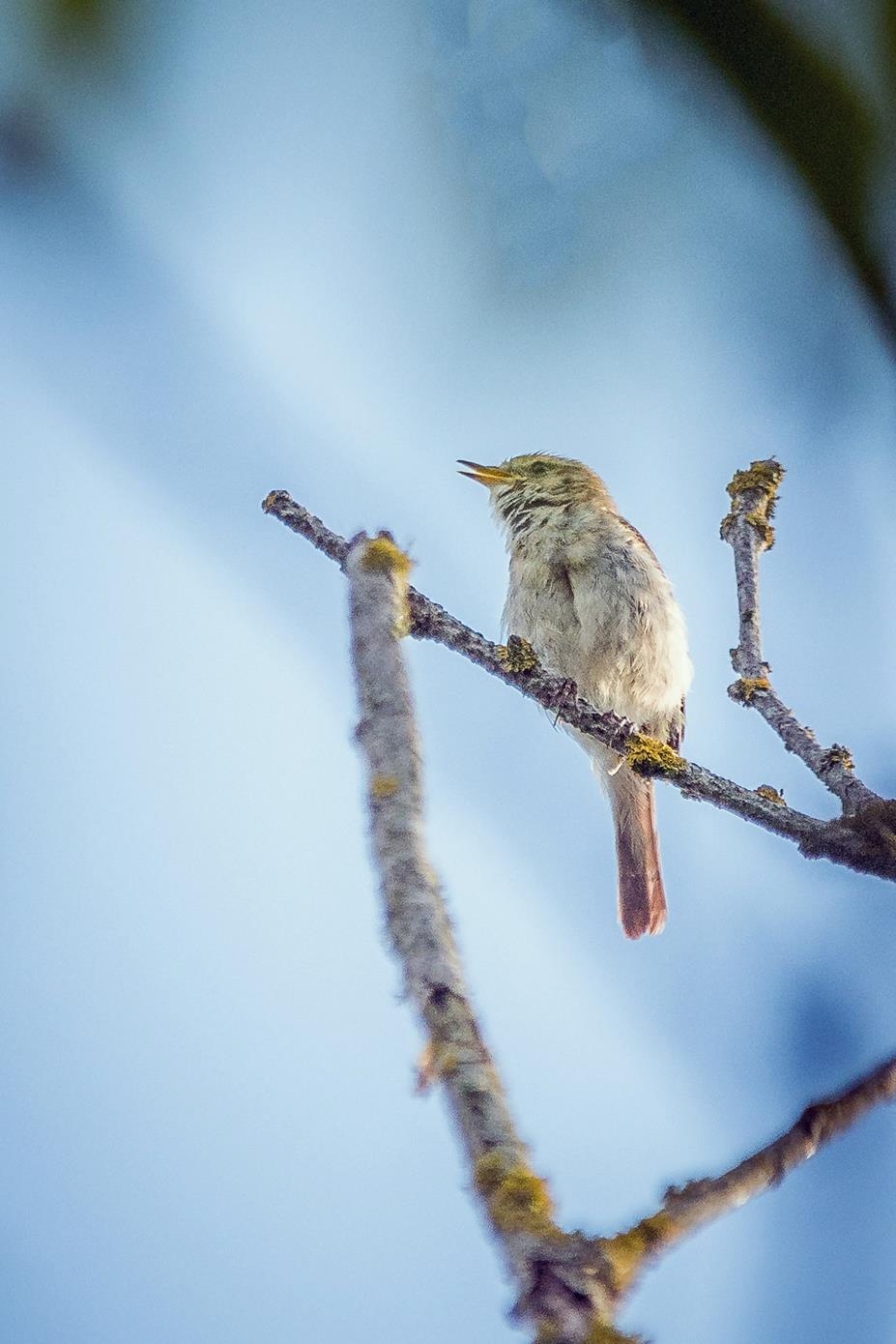
Our chiffchaffs will already have started the long journey back to their breeding sites in the reserve. They have overwintered in the warmth of southern Europe or northern Africa and are making their way home in a leisurely way with lots of stops for fuel. The males are the frontrunners and they need to arrive fit enough to find and fight for a territory.
They will begin arriving in March; their song (chiff-chaff, chiff-chaff) is one of the first signs of spring.
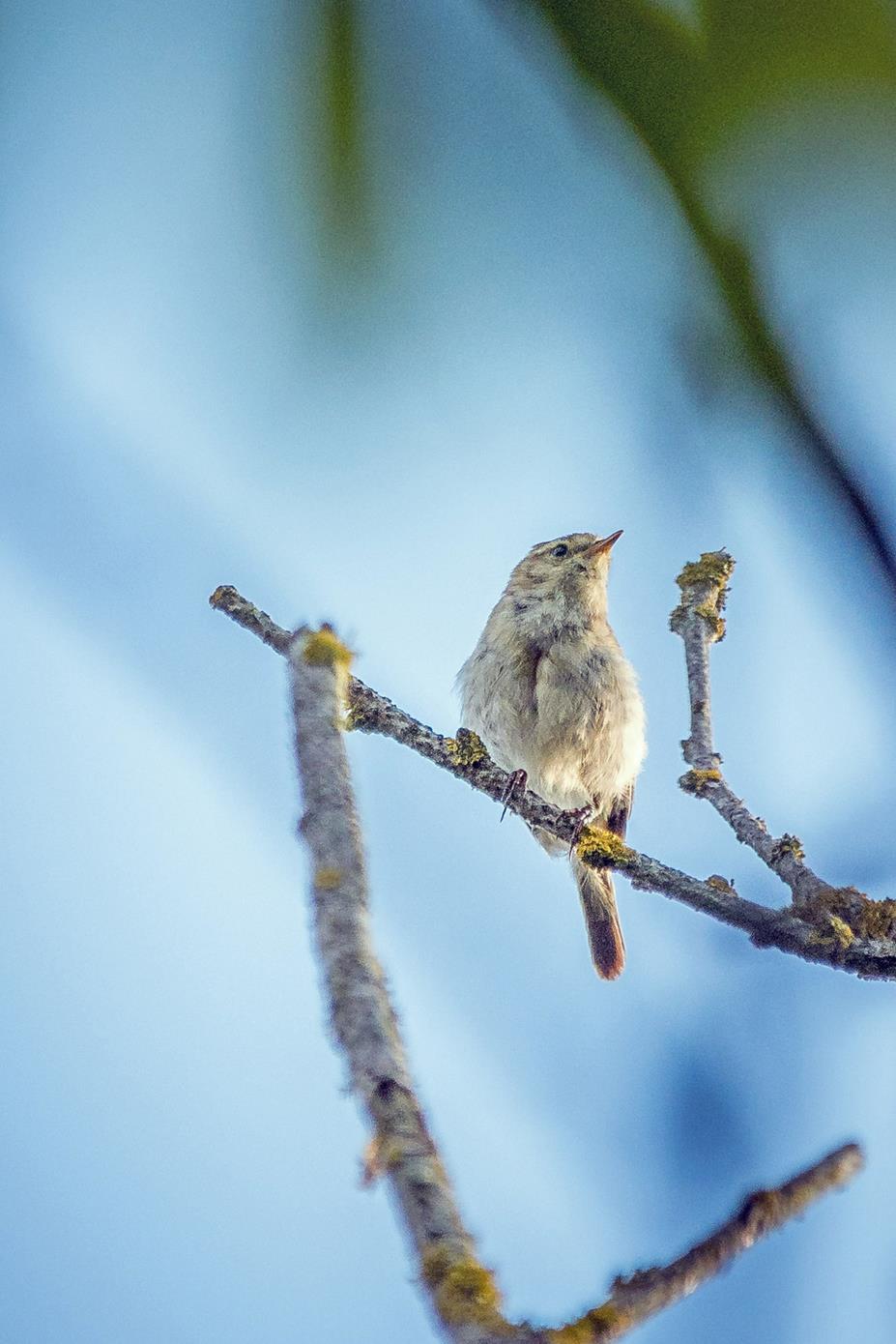
Pictures take in the reserve by DKG


Analysis of records kept since 1964 has found that some species of European migratory birds are spending up to 60 days less each year in their sub-Saharan wintering grounds. Over the most recent 27-year period, migratory birds, including the whitethroats commonly seen in our reserve, were found to have increased their time in Europe by an average of 16 days. It has even been suggested that some species may stop flying south for the winter altogether.
Continue readingOur swifts are leaving already.
Continue reading
Eurasian blackcap migratory patterns are changing: before 1970 very few blackcaps spent the winter in the UK but they are now common winter visitors.
Continue reading “Blackcap”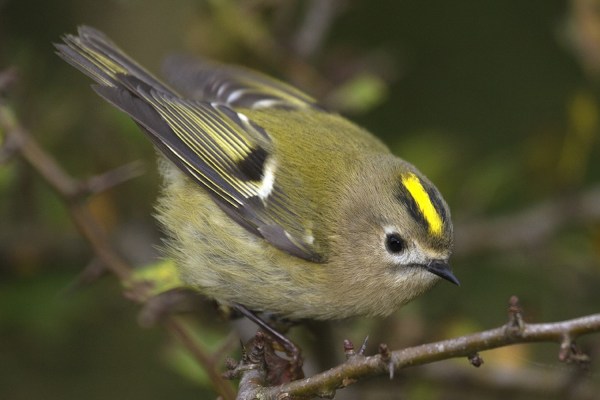
During all that rain, Ian spotted a goldcrest by the wooden footbridge into Village Green. Goldcrests are Britain’s smallest bird; a tiny flash of yellow against the dark green of a pine tree.
Continue reading “Goldcrest”
Our chiffchaffs will already have started the long journey back to their breeding sites in the reserve.
Continue reading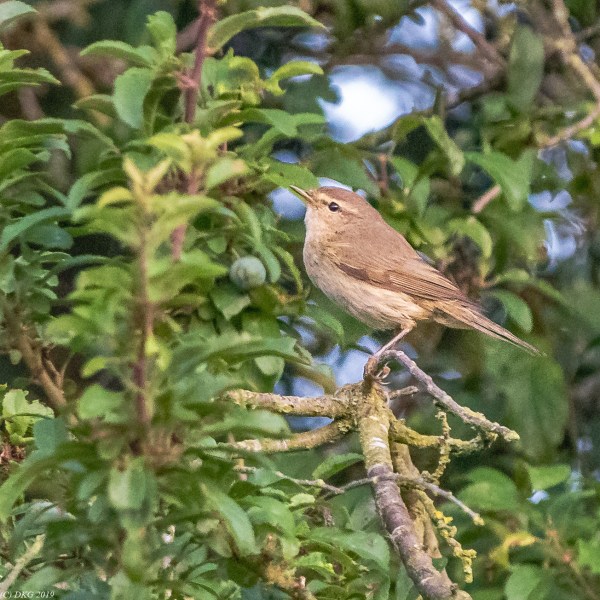
Most of our willow warblers will have left by now; they will be on their way to sub-Saharan Africa where they will spend their winter. Theirs is the longest journey undertaken by any of the park’s migratory birds. Why do such tiny birds fly so far and take such risks to do it?
Continue reading “Willow warbler migration”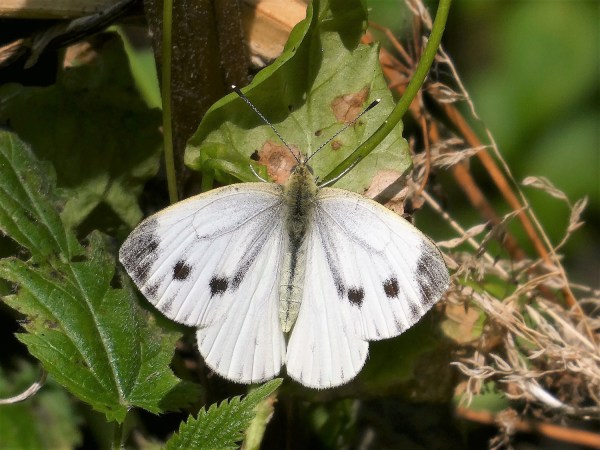
The record breaking painted lady is not the only British butterfly that migrates over long distances.
Continue reading “Large white”
A pristine painted lady, fresh from the chrysalis, feeding on bramble flowers in the reserve yesterday.
Continue reading
The record breaking swifts are back from their winter feeding grounds.
Continue reading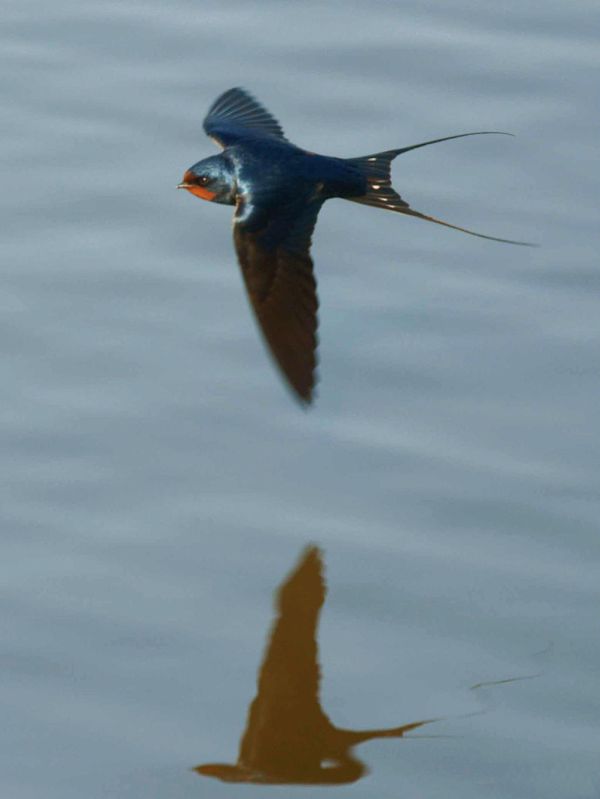
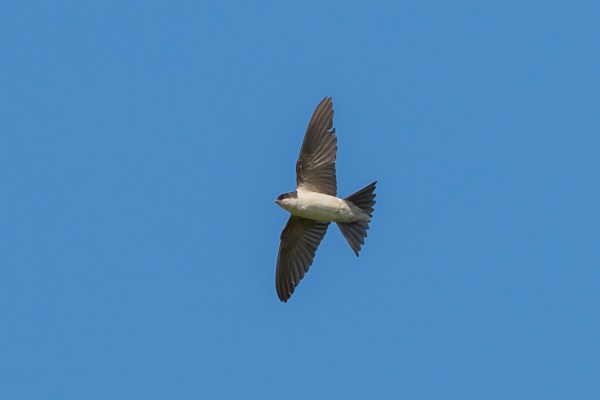
The swallows, house martins and swifts have all returned now and are hunting for winged insects over the reserve. Here is a short video to help you tell the three species apart.
Our chiffchaffs will already have started the long journey back to their breeding sites in the reserve. They have overwintered in the warmth of southern Europe or northern Africa and are making their way home in a leisurely way with lots of stops for fuel. The males are the frontrunners and they need to arrive fit enough to find and fight for a territory.
They will begin arriving in March; their song (chiff-chaff, chiff-chaff) is one of the first signs of spring.
Pictures take in the reserve by DKG
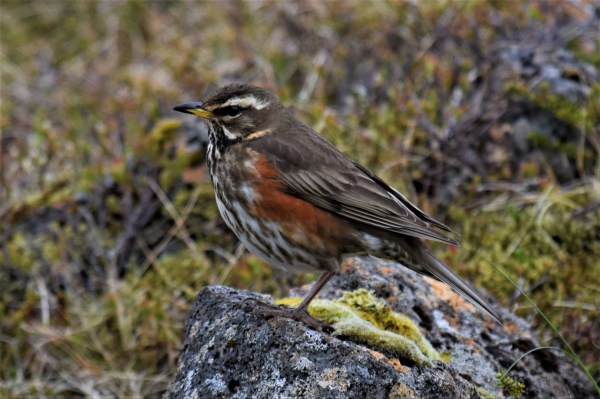
Every year redwings are among the park’s winter visitors; we are their winter migration’s destination.
Continue reading
Analysis of records kept since 1964 has found that some species of European migratory birds are spending up to 60 days less each year in their sub-Saharan wintering grounds. Over the most recent 27-year period, migratory birds, including the whitethroats commonly seen in our reserve, were found to have increased their time in Europe by an average of 16 days. It has even been suggested that some species may stop flying south for the winter altogether.
Continue reading “Migration changes”
Most of our willow warblers will have left by now; they will be on their way to sub-Saharan Africa where they will spend their winter. Theirs is the longest journey undertaken by any of the park’s migratory birds. Why do such tiny birds fly so far and take such risks to do it?
Continue reading “Willow warbler migration”
We now know the painted lady (Vanessa cardui), seen in the reserve in the summers of 2019 and 2020, makes the longest migration of any butterfly: 9,000 miles from tropical Africa to the Arctic Circle, almost double the journey made by the previous record holder, the famed monarch butterfly.
Continue reading “World record butterfly”
The British Trust for Ornithology has been collecting data about the migratory behaviour of blackcaps.
Continue reading “Blackcap”


 Southwick Country Park Nature Reserve