Ecosystem engineers

Ecosystem engineers are organisms that modify their environment. They increase biodiversity by creating habitat for species other than themselves. The oak apple, caused by a tiny wasp called Biorhiza pallida, is just such an engineered environment.
Continue reading “Ecosystem engineers”Wasp ID
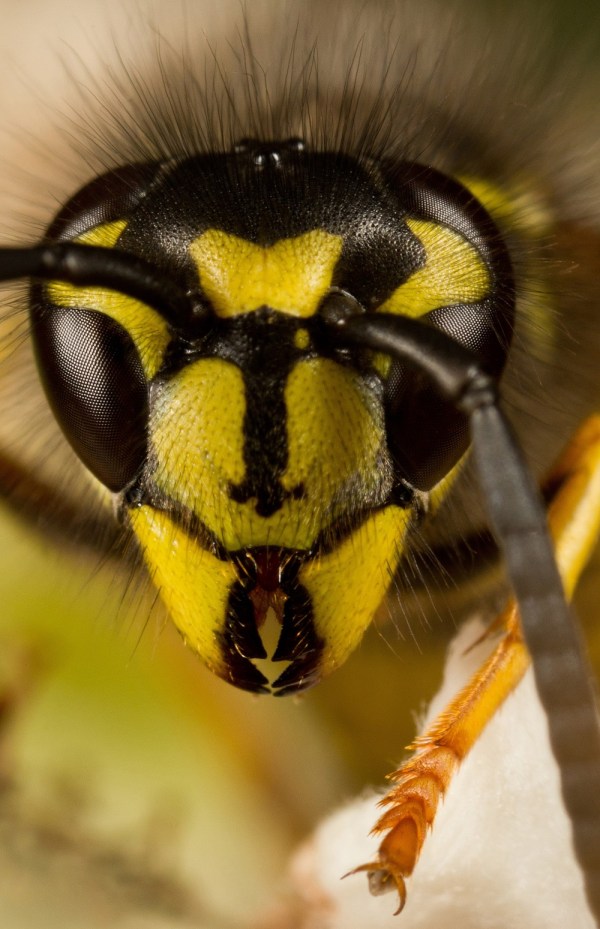
There are six species of social wasp that are native to Britain and this is a good time of year to identify them.
Continue reading “Wasp ID”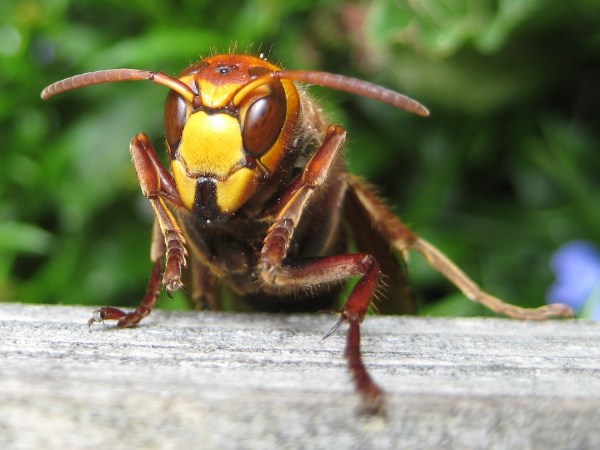
Hornets and wasps
We have European hornets (Vespa crabro), common wasps (Vespa vulgaris) and German wasps (Vespa Germanica), all resident in the reserve. Here is a fascinating video of European hornets preying on wasps.
Asian hornet
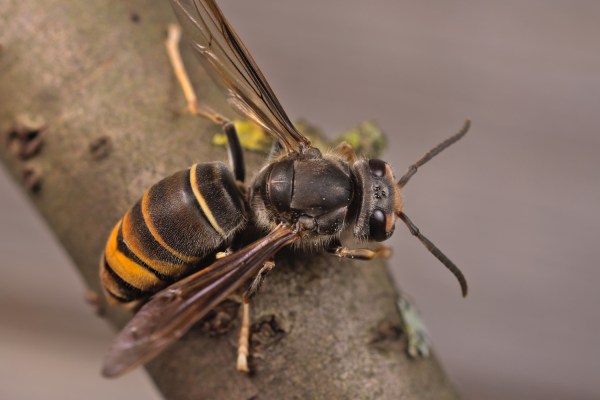
The New Scientist has reported that three Asian hornet queens (Vespa velutina) were captured in Essex in March this year, more than a month earlier than migrants from mainland Europe usually arrive here.
Continue reading “Asian hornet”Oak galls

At this time of year, the park’s many oak trees have shed not only their acorns but a variety of galls.
Continue reading “Oak galls”What good are wasps…?

Somebody asks this every year in August, as they wave wasps away from their picnic or soothe a painful sting with a vinegar poultice.
Continue reading “What good are wasps…?”Wasp time
There are six species of social wasp that are native to Britain and this is a good time of year to identify them.
Continue reading “Wasp time”International cooperation 2
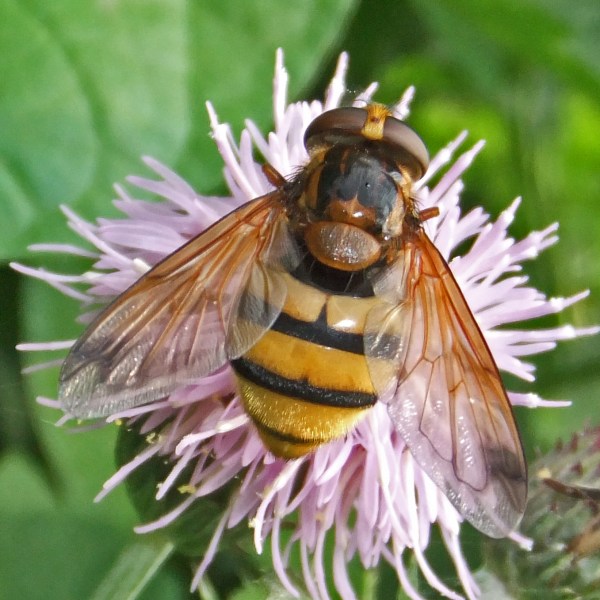
Volucella inanis
by Ian Bushell
Email from Dr R.L.Brown, of Manaaki Whenua Landcare Research, NZ:
Continue reading “International cooperation 2”International cooperation!
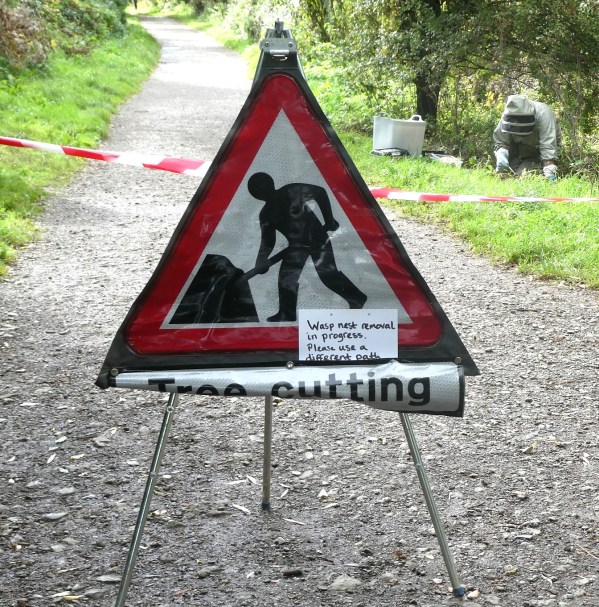
by Ian Bushell
At the beginning of October, at the Amateur Entomological Exhibition at Kempton Park, I was introduced to Dr R.L.Brown from New Zealand, who was doing research into potential biological control of wasps.
Continue reading “International cooperation!”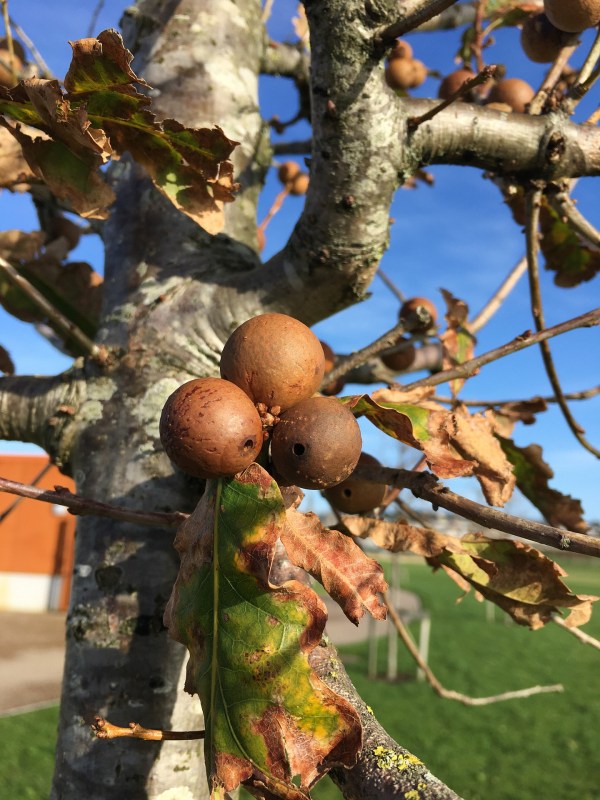
Ecosystem engineers
Ecosystem engineers are organisms that modify their environment. They increase biodiversity by creating habitat for species other than themselves. The oak apple, caused by a tiny wasp called Biorhiza pallida, is just such an engineered environment.
Continue readingWasp time
There are six species of social wasp that are native to Britain and this is a good time of year to identify them.
Continue reading “Wasp time”Queen wasp

This post was first published in June 2019
A queen wasp (Vespula vulgaris) in the hedge in Sleepers Field.
Continue reading “Queen wasp”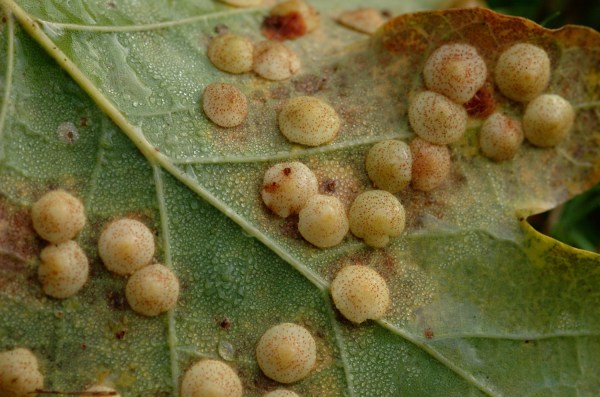
These are spangle galls on an oak leaf.
Continue readingEcosystem engineers

Ecosystem engineers are organisms that modify their environment. They increase biodiversity by creating habitat for species other than themselves. The oak apple, caused by a tiny wasp called Biorhiza pallida, is just such an engineered environment.
Continue reading “Ecosystem engineers”Silk button galls

There are silk button galls on the underside of oak leaves all over the park.
Continue reading “Silk button galls”
More about oak galls
This strange object is a knopper gall on an oak tree, photographed in the reserve yesterday by Ian Bushell. At this time of year, our many oak trees are sporting a whole variety of galls.
Continue readingWasp time
There are six species of social wasp that are native to Britain and this is a good time of year to identify them.
Continue reading “Wasp time”Queen wasp
A queen wasp (Vespula vulgaris) in the hedge in Sleepers Field.
Continue reading “Queen wasp”Silk button galls
There are silk button galls on the underside of oak leaves all over the park.
Continue reading “Silk button galls”
More about oak galls
Yesterday’s post about oak apples prompted questions. Here is more information about some of the oak gall wasps that induce oak trees into producing such strange growths.
Continue reading
More about oak galls
Yesterday’s picture of an artichoke gall among oak tree leaves produced questions and enquiries from our readers via Messenger, Facebook and our website’s below-the-line comments column. Here is more information about oak gall wasps.
Continue readingWasp time
There are six species of social wasp that are native to Britain and this is a good time of year to identify them.
Continue reading “Wasp time”


 Southwick Country Park Nature Reserve