Ten facts…


Ecosystem engineers are creatures that create, significantly alter and maintain (or destroy) a habitat and in doing so change the availability of resources for other species. Our water voles are busy engineering the banks of Lambrok Stream and its tributary. How do they do this?
Continue reading “Eco-engineer”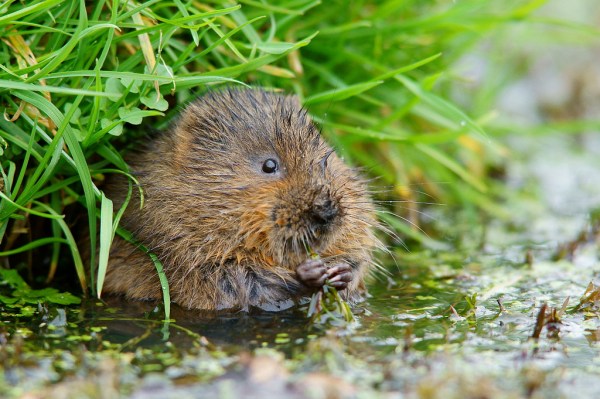
Here are some fascinating facts about water voles:
Continue reading “Ten water vole facts”
Next week, work will begin on fencing part of the tributary stream that runs at the bottom of Village Green.
Continue reading
Here is a link to the spring 2023 edition of the Wiltshire Mammal Group newsletter, where you will find, on page14, a contribution from wildlife photographer Simon Knight about the reserve’s water voles and water shrews.
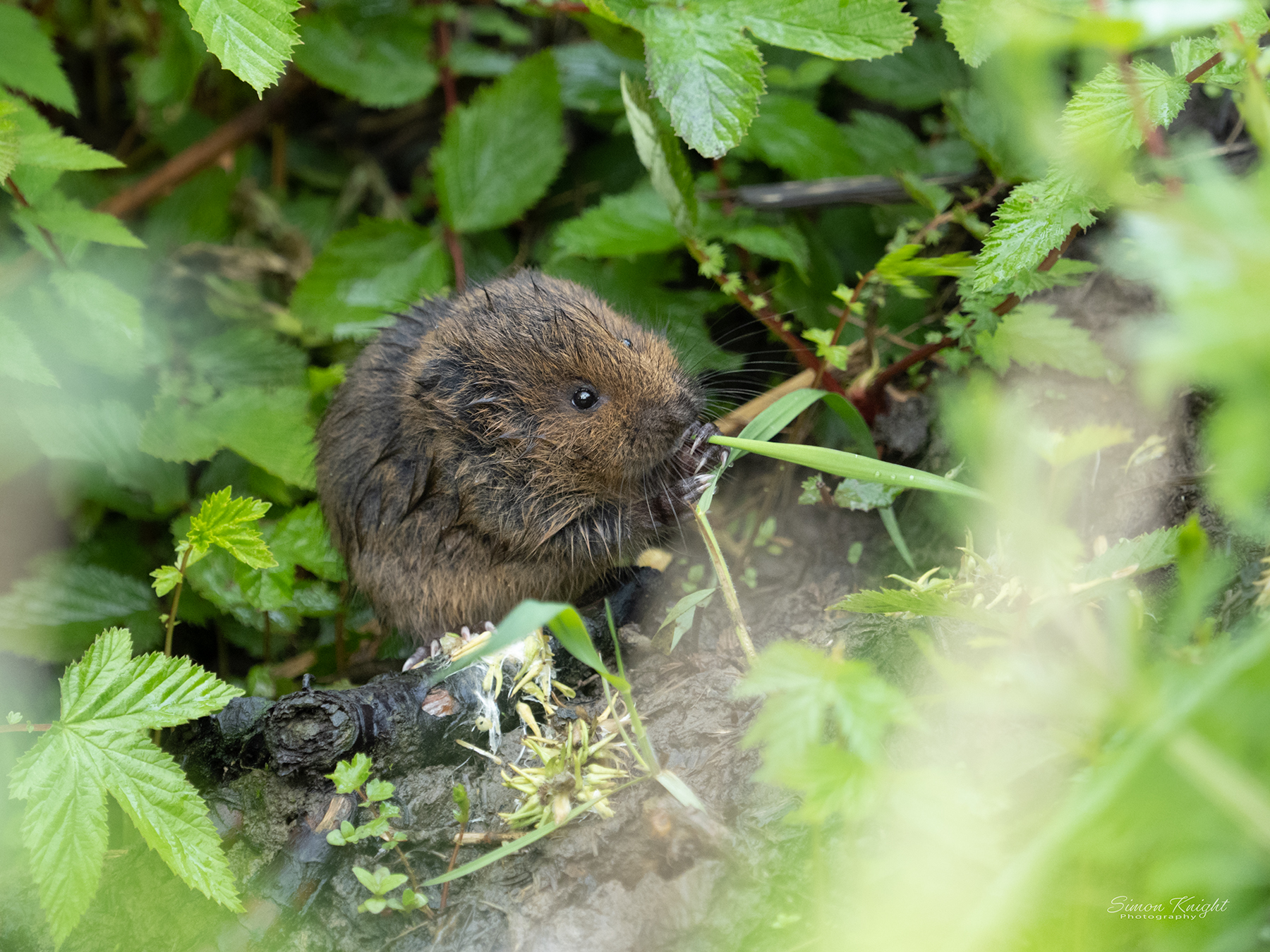
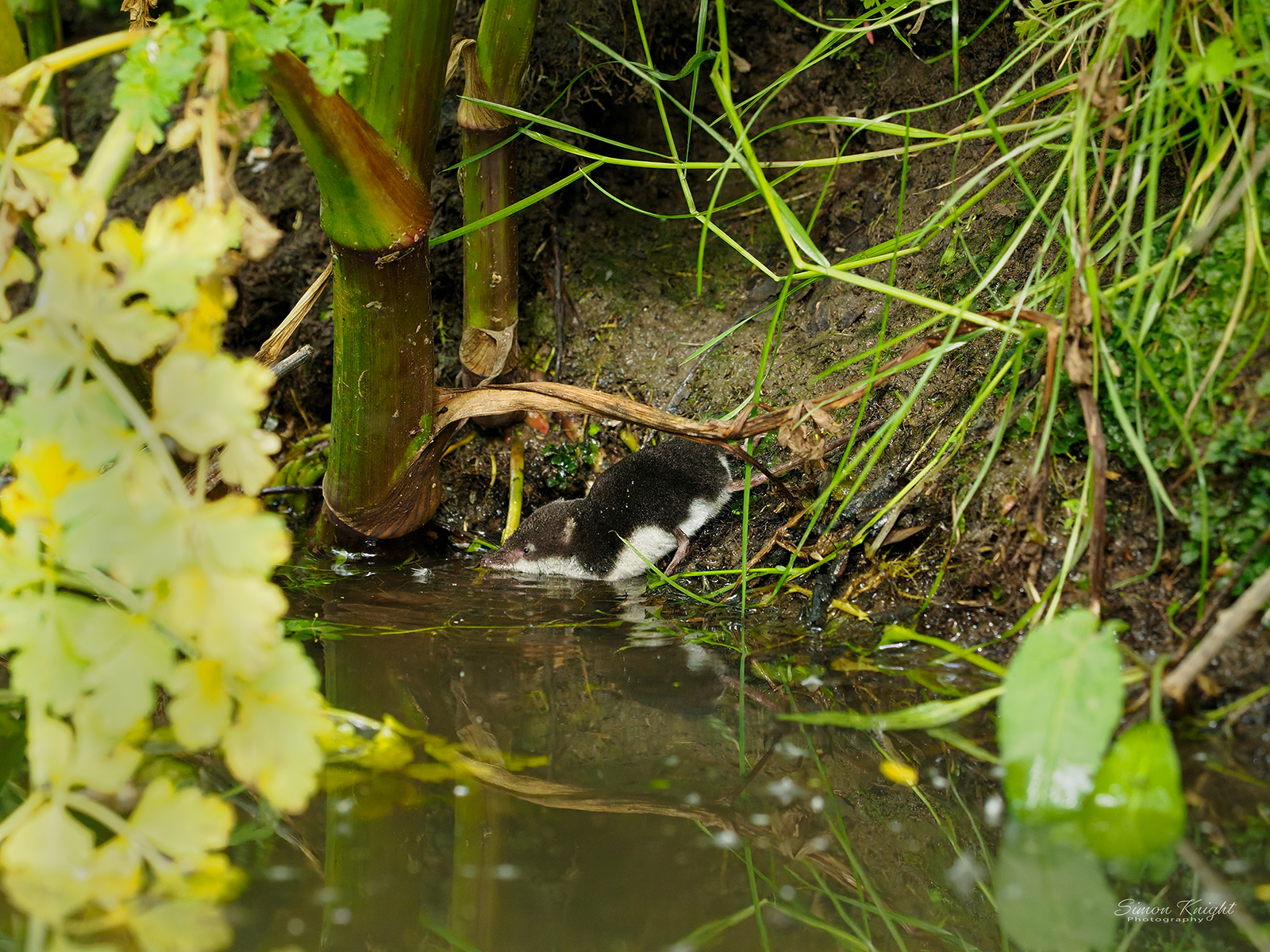
When you have read Simon’s piece, browse the rest of the newsletter; it’s full of interesting details about local efforts to conserve Wiltshire’s mammals.

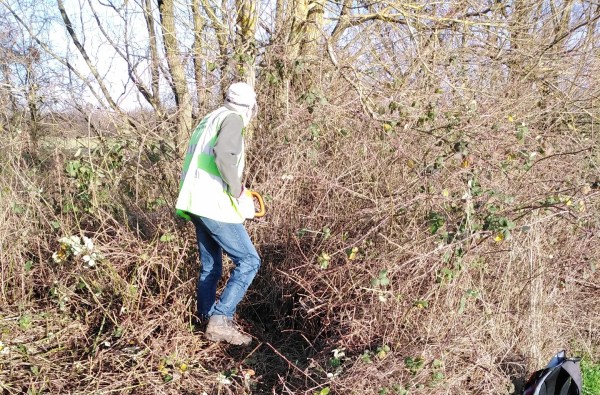
Last week, Frank Lamerton and Pete White, both FoSCP volunteers and parkrunners, dug channels to clear the floodwater from the central path between the decorated bridge and the big pond, the first area to flood every winter and the last to drain.
Continue reading “Drains and consequences”
Water voles are protected under the Wildlife and Countryside Act 1981. Are we doing enough to ensure the protection of the reserve’s water voles?
Continue reading
By Ian Bushell
As it was a lovely afternoon and I wanted pictures of the bags of ragwort we had pulled in Lambrok Meadow, I thought I would have a bimble round the reserve.
Continue reading
by Simon Knight
The weekend of May 21st and 22nd was pretty special for me in the reserve.
Continue reading
Here are some fascinating facts about water voles:
Continue reading “Ten water vole facts”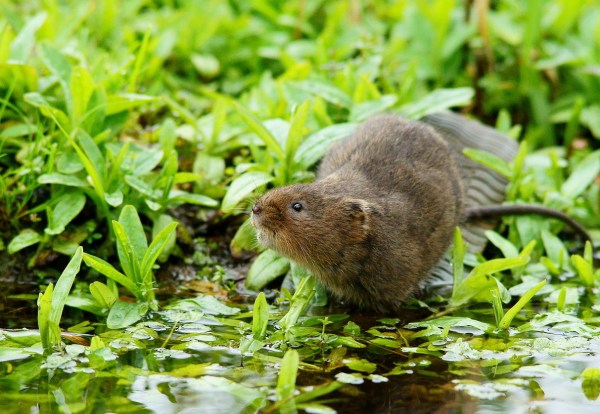
Reptiles and water voles
by Ian Bushell
Another Wednesday morning work party; another good day and a good turn-out of Friends.
Continue reading
There are three species of vole in Britain: the short-tailed or field vole, the bank vole and the water vole, which is the largest of the three and by far the rarest. Water voles (Arvicola amphibius) have experienced one of the most rapid and serious declines of any British wild mammal ever…
Continue reading “Water Voles”
Lambrok Stream is home to rare and protected water voles.
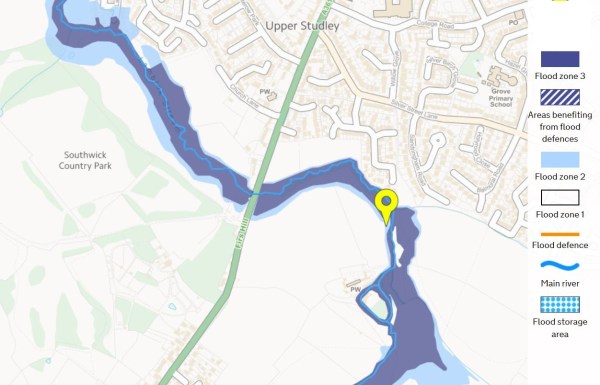
This is a screenshot taken from the Environment Agency’s Flood Map; it shows the risk of Lambrok Stream flooding. We have dropped a yellow marker at the place where the access road to the planned development of 180 houses (planning application 20/00379/OUT) is intended to cross the Lambrok.
Continue reading “Flood Map”
We have received reports of water voles in the Lambrok by the footbridge into Lambrok Close. This is very, very good news.
Here is a video to help you tell water voles from brown rats; please keep us informed of any more sightings.
Here are some fascinating facts about water voles:
Continue reading “Ten water vole facts”
We have just endured a spell of exceptionally wet weather that has been hard work for both people and wildlife.
Continue reading “Surviving the floodwaters”
If you regularly walk near the Lambrok or any of its tributary streams, keep a lookout for water voles. They are an important protected species and any planned development along the stream will need to take their presence into account.
Continue reading “Water voles”
At last! Wiltshire Council has added the requirement that the WHSAP sites bordering Lambrok Stream at Church Lane (H2.4), Upper Studley (H2.5) and Southwick Court (H2.6), should be treated as a single ecological unit.
Continue reading “Planning for our water voles”
Water voles and their burrows are fully protected under the Wildlife and Countryside Act but Natural England can grant developers a licence that permits disturbance. In fact disturbance is the very name of the game; the licence allows vegetation to be removed from up to 50 metres of bank in order to drive water voles from areas where development is planned.
Continue reading “New research on water voles”
There are three species of vole in Britain: the short-tailed or field vole, the bank vole and the water vole, which is the largest of the three and by far the rarest. Water voles (Arvicola amphibius) have experienced one of the most rapid and serious declines of any British wild mammal ever…
Continue reading “Water Voles”
In May of 2017, water voles (Arvicola amphibius) were identified by Wiltshire’s Countryside Team as resident in Lambrok Stream. Water voles are fully protected under the Wildlife and Countryside Act 1981. They are protected against:
. . .intentional killing, capture or injury and intentional or reckless disturbance, obstruction, damage or destruction of their burrows.
Continue reading “Protecting the Lambrok”


 Southwick Country Park Nature Reserve