by Ian Bushell
We think we have identified THREE species of cherry trees in the reserve.
Continue reading “Cherry trees”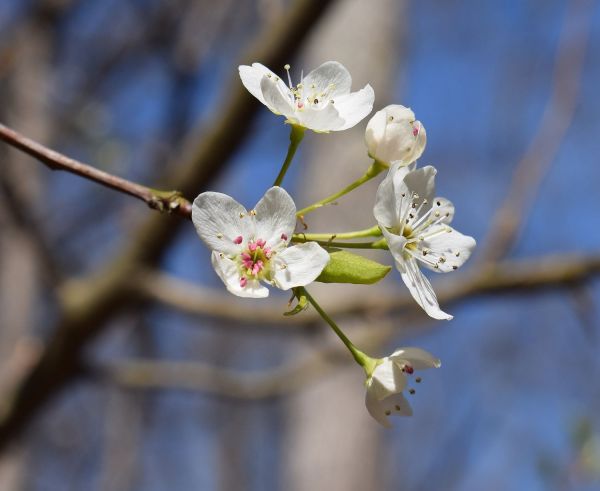
by Ian Bushell
We think we have identified THREE species of cherry trees in the reserve.
Continue reading “Cherry trees”

Julie Newblé has sent in the first photograph of this year’s snake’s head fritillaries.


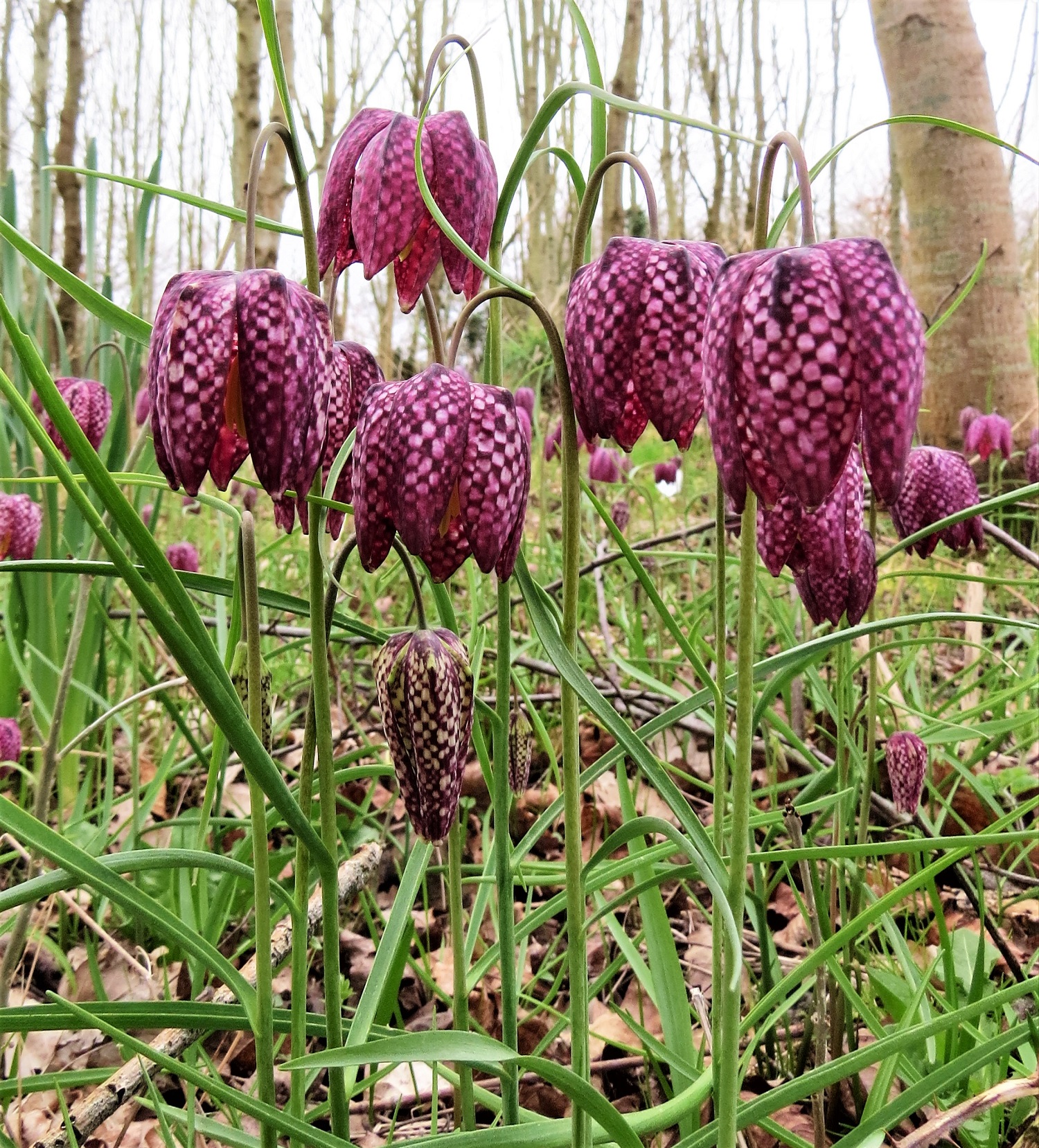

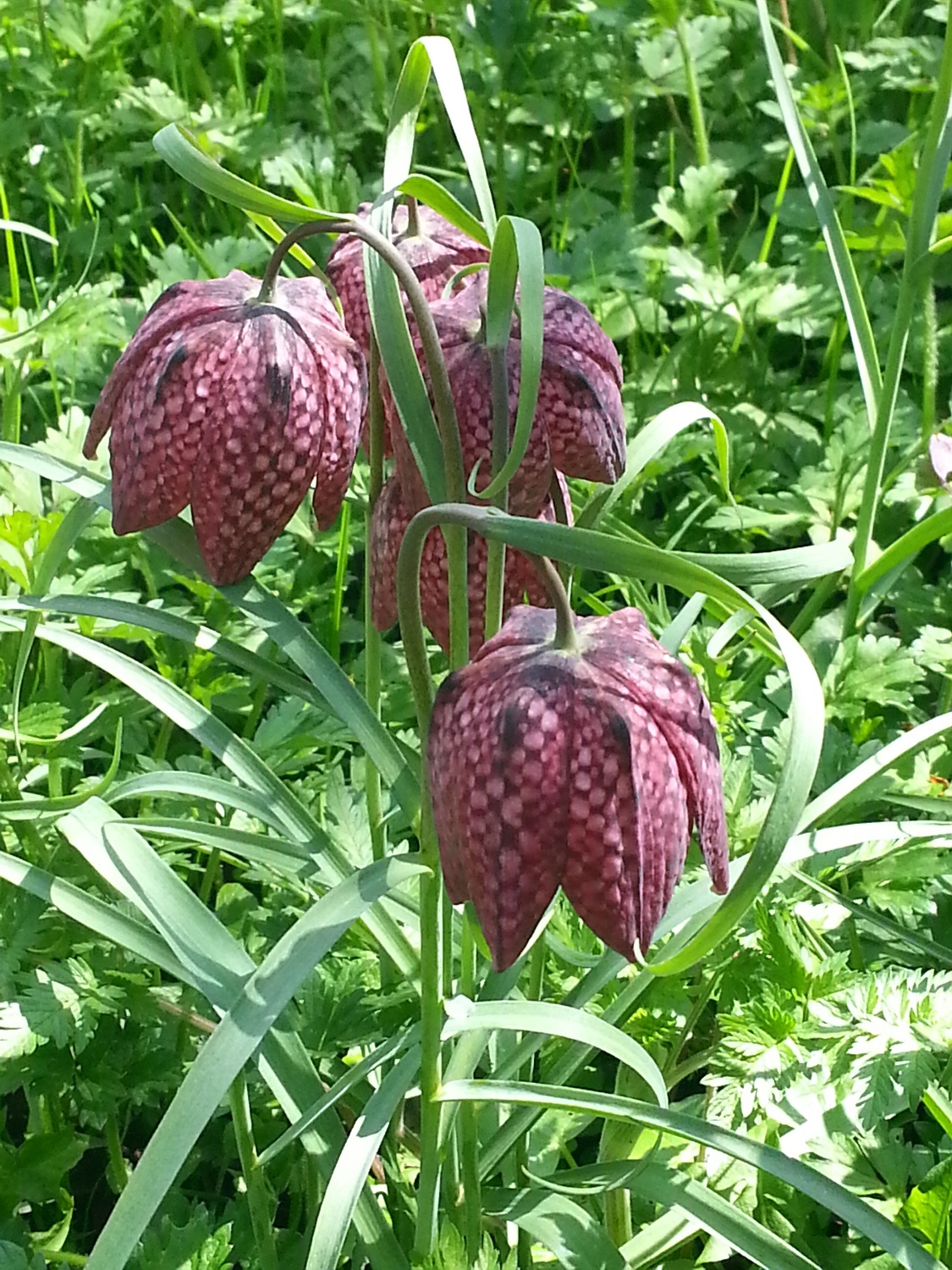

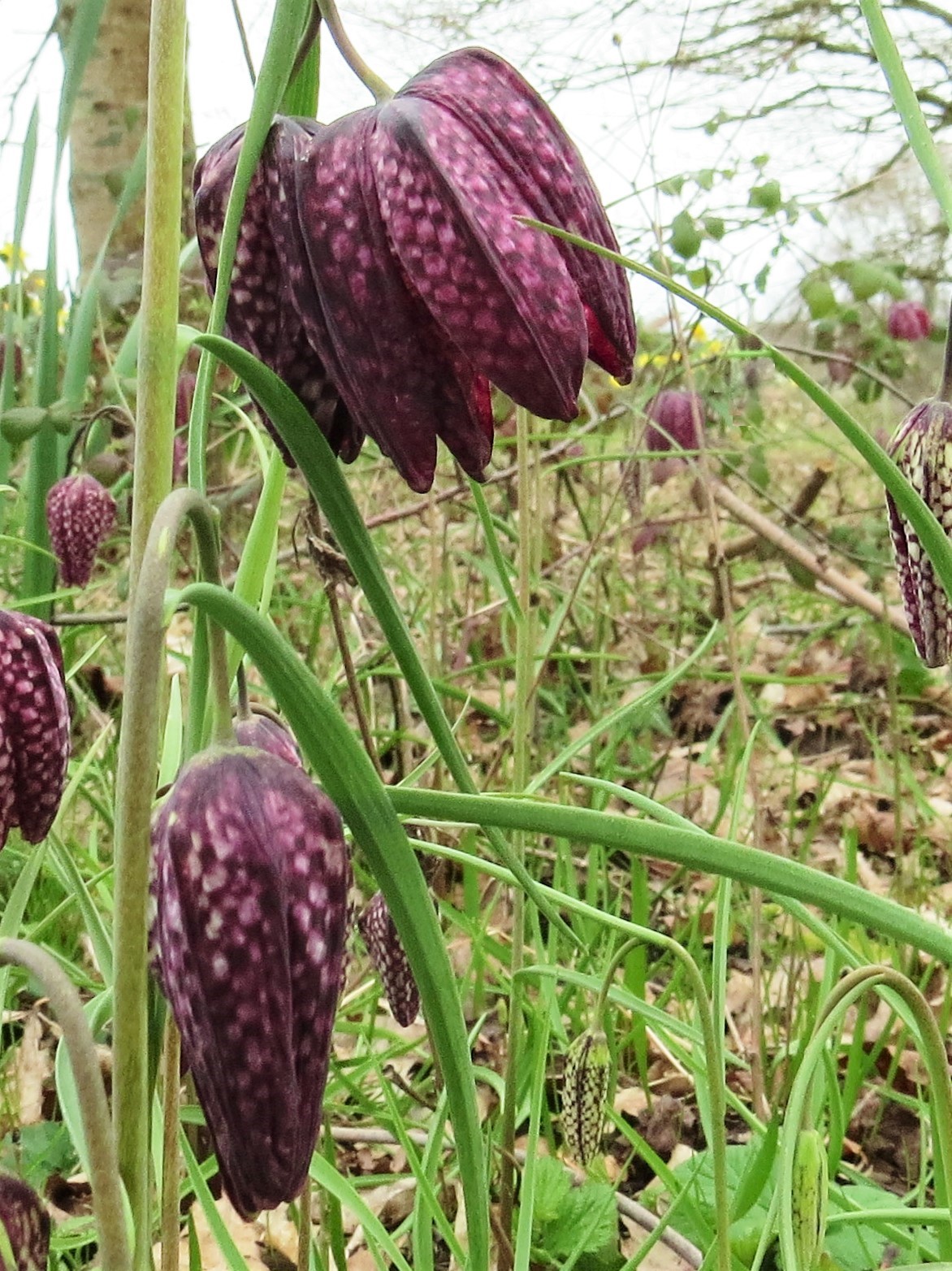
Thanks Julie.

Here’s another of our early bloomers: Pulmonaria officinalis, lungwort. It grows in the eastern corner of the copse at the bottom of Kestrel Field, near the Blackthorn Tunnel. Its bright pink and blue flowers, and spotted leaves are unmistakeable.
Read on: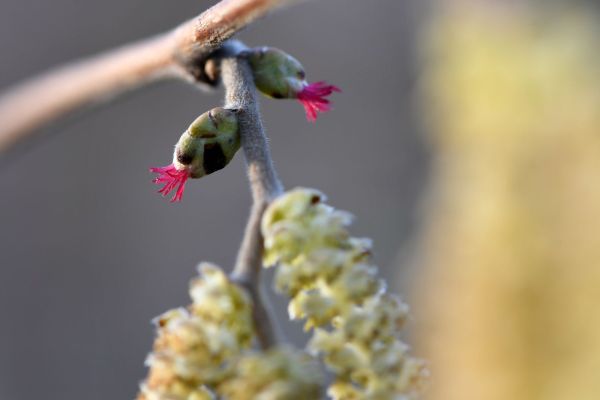
Hazel has both male and female flowers. The familiar yellow catkins are made up of about 250 male flowers. They produce the pollen; if you tap a ripe hazel catkin it will release a cloud of pollen. The female flower is a minutely small red tassel, somewhere on the same twig as the catkins.
Continue reading “Hazel’s female flowers”
A host of golden daffodils….
After their short, golden flowering period, the above-ground parts of our daffodils will die back and they will spend the rest of the year hidden underground as bulbs. The bulbs are adapted stems and leaves in which the plants store their food to fuel next year’s spring growth.
Continue reading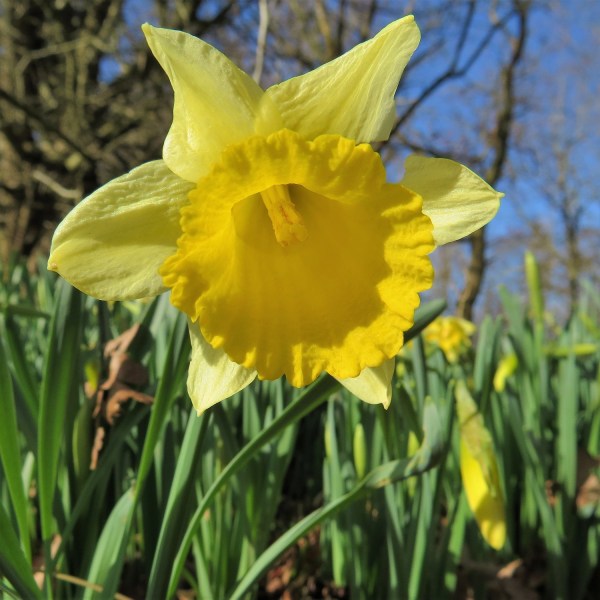
These are not the daffodils we planted in the autumn of 2017; these are a rapidly spreading clump at the bottom of Kestrel Field on the edge of the copse.
Continue reading
We already know how damaging light pollution can be and we know that noise pollution impacts birdsong and is linked to whale strandings – but what about other sensory pollutants? A study conducted at the University of Washington in Seattle has concluded that air pollution is making it more difficult for some insects to detect the fragrances of flowers, important mediators in the relationship between plants and pollinators, insects and food sources.
Continue reading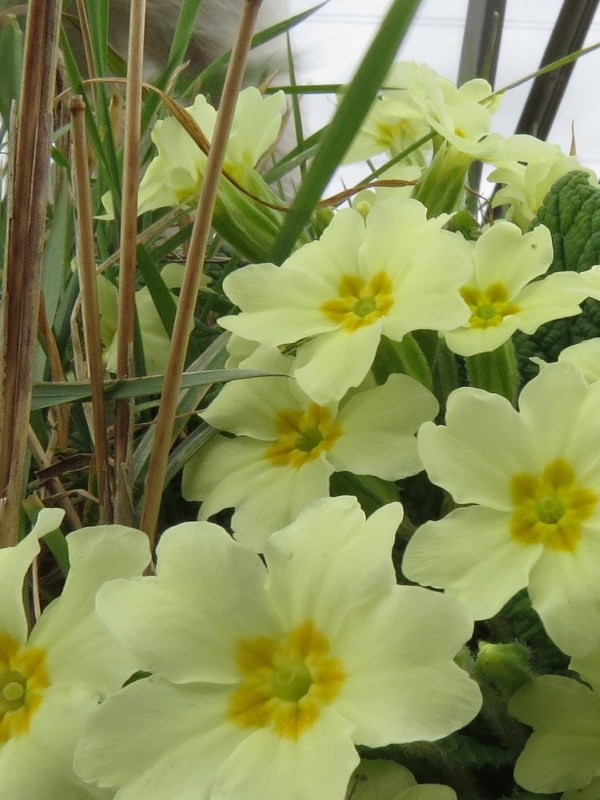
Our primroses, which have an interestingly complicated sex life, are just beginning to flower in the reserve’s sheltered ditches and copses.
Continue reading

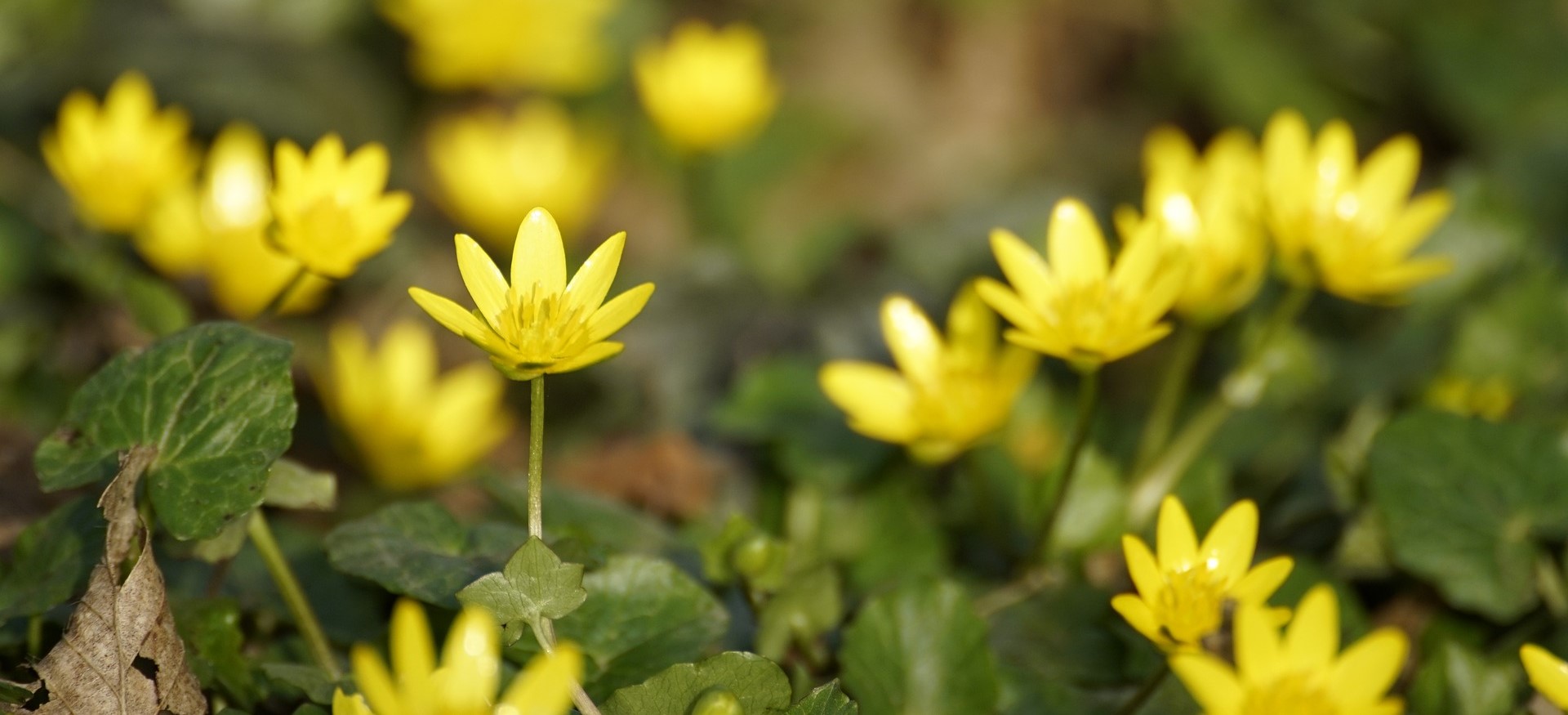
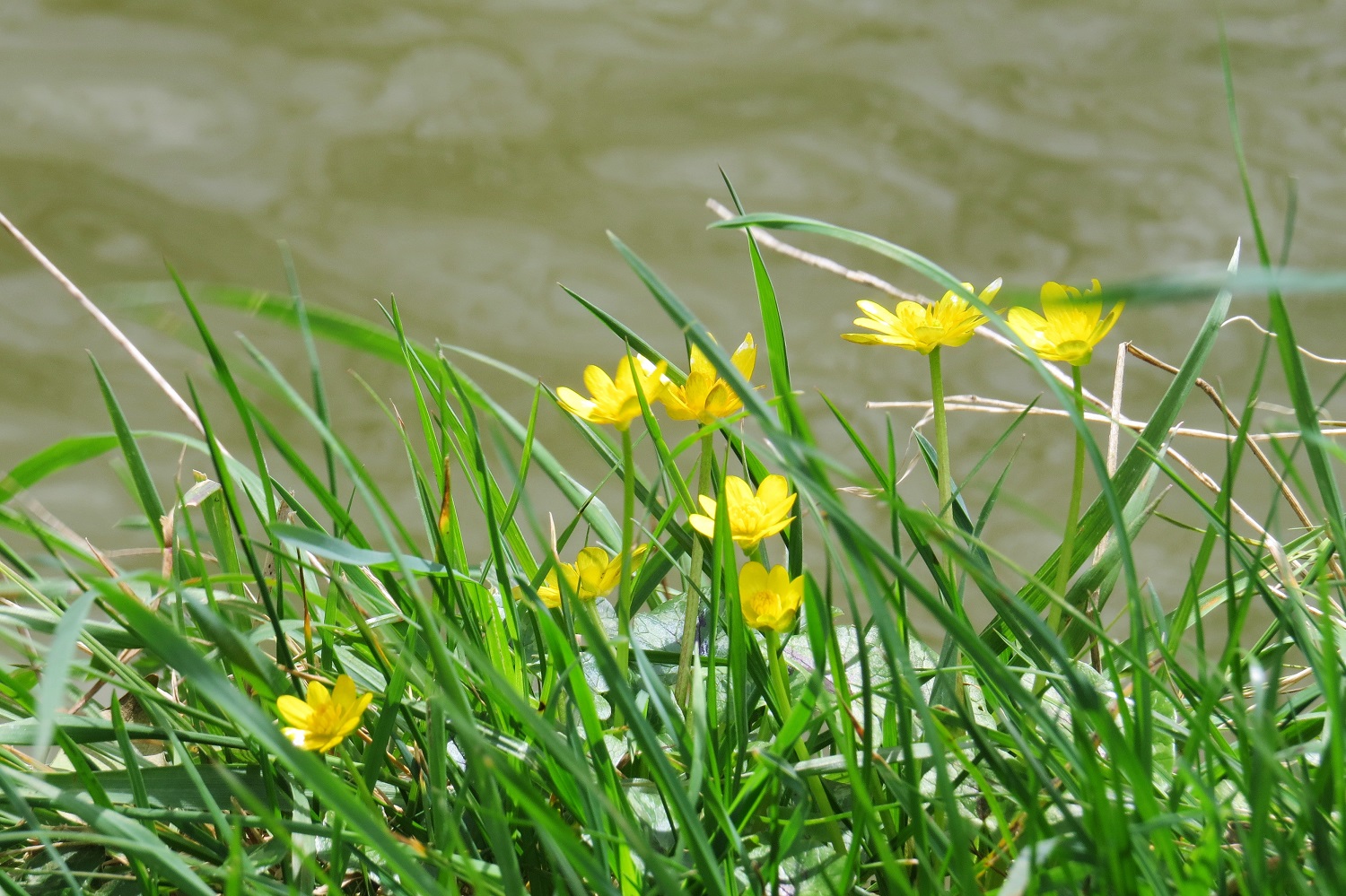
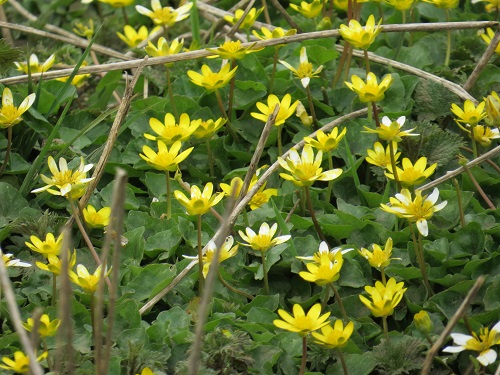
This warm, wet weather will bring all sorts of things into flower in the reserve. Lesser celandine, Ficaria verna, will be among the first to arrive.



Dog’s mercury (Mercurialis perennis) is one of those mysterious, usually nameless, plants that is hardly ever noticed. It forms dense carpets on the woodland floor and beneath old hedgerows but appears to most passers-by as just background for the bluebells and primroses.
Continue reading “Dog’s mercury”
Happy New Year!
It’s New Year’s Day, the eighth day of Christmas, on which our true love is supposed to send us eight maids a-milking. So let’s use that as a welcome opportunity to look forward to the spring with a gallery of spring flowers.
Continue reading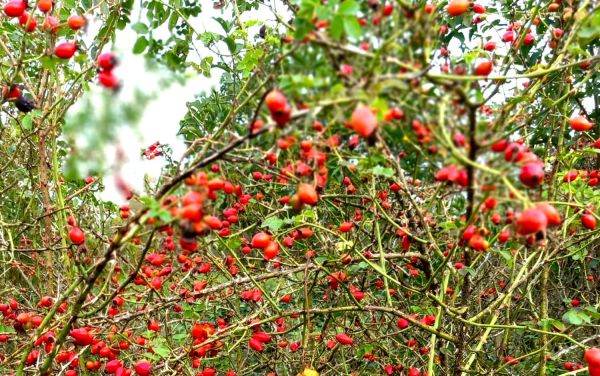
Inspired by yesterday’s gallery of the reserve’s berries and fruit, Sarah, a long-term member of FoSCP, has sent in pictures of the spectacular crop of rosehips near Lambrok Bridge.
Continue reading
As the reserve’s flora turns itself over to making seed, there are fewer and fewer flowers in our hedgerows. Yarrow (Achillea millefolium) is one of the few.
Continue reading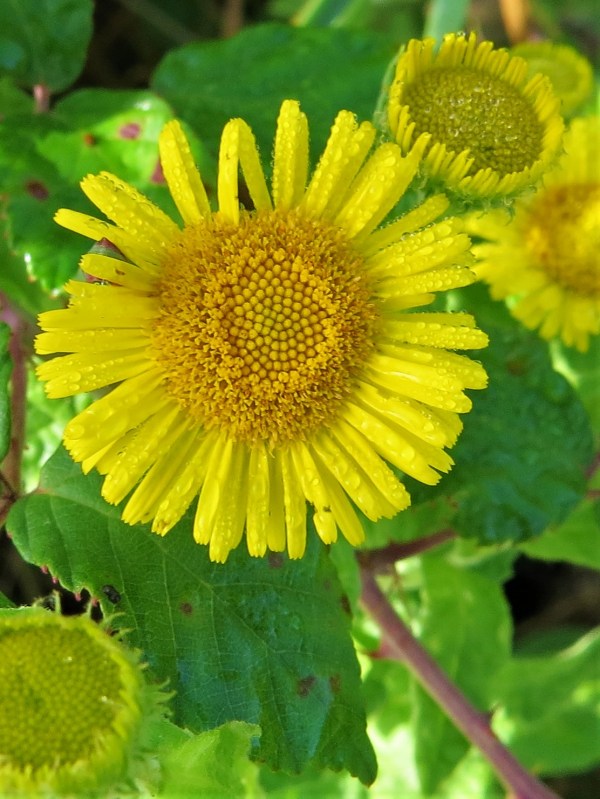
Yesterday’s headline picture was of a marsh damsel bug on a fleabane flower, which reminded us that fleabane (Pulicaria dysenterica) is an essential late summer nectar source for our invertebrates that deserves a post of its own.
Continue reading
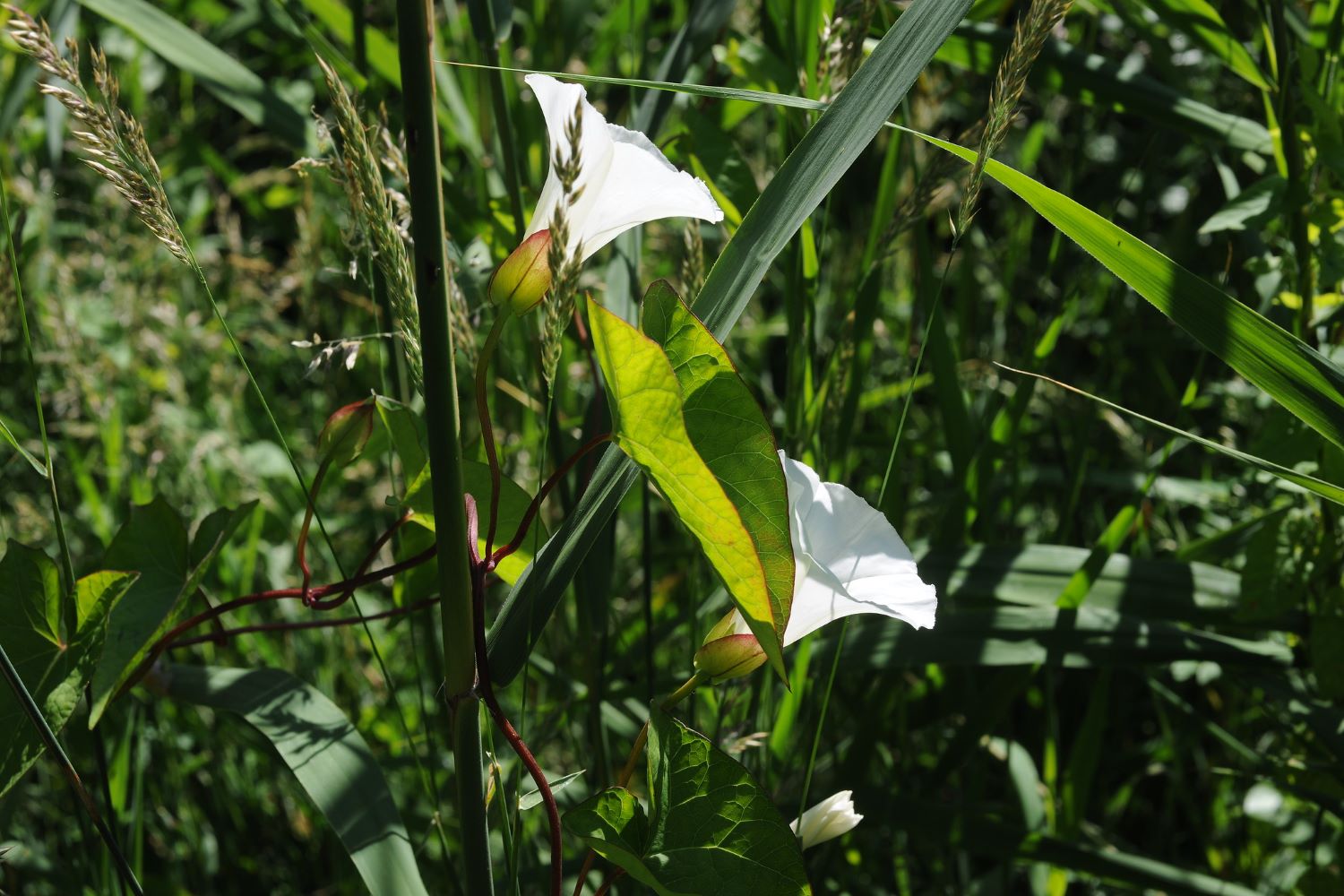
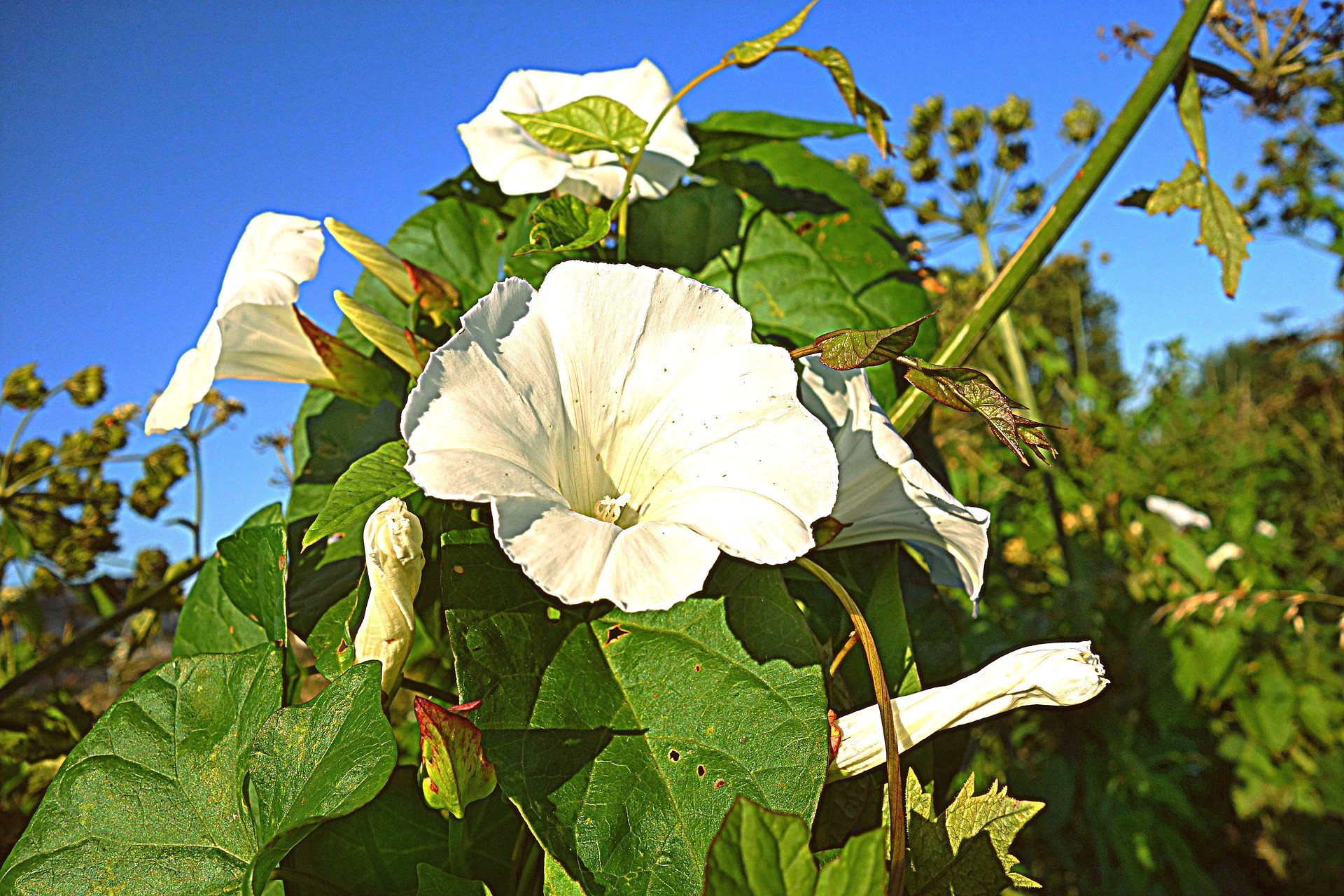
Stunningly beautiful greater bindweed (Calystegia sepium).


Ragwort is extraordinarily successful; all the “injurious weeds” named in the 1959 Weeds Act are.
Continue reading “Ragwort”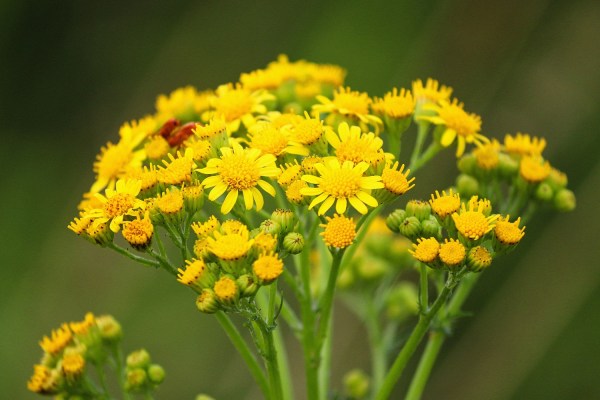
We have two different species of ragwort in the reserve, common ragwort (Jacobaea vulgaris) and hoary ragwort (Jacobaea erucifolia), both valuable nectar sources for our late season butterflies.
Continue reading “Extra ragwort”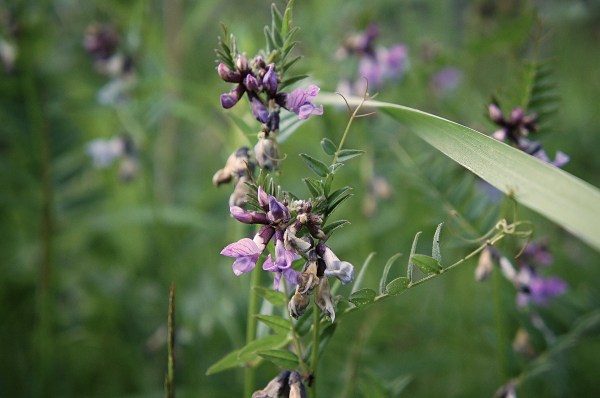
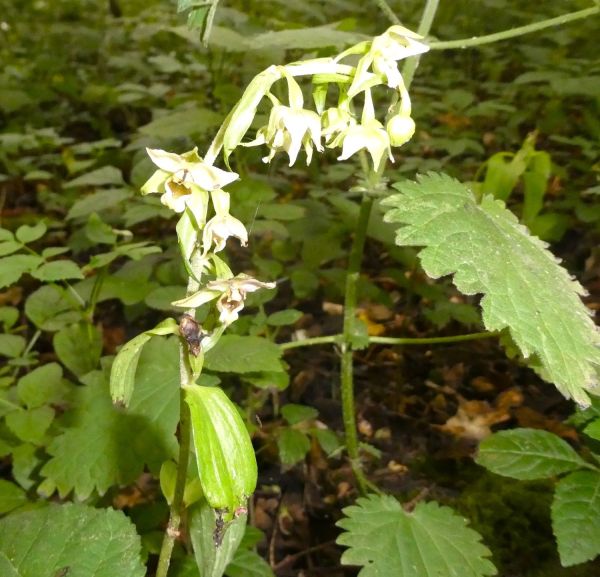
Ian knows where the broad leaved helleborines (Epipactis helleborine) grow in our woods and has sent us pictures. In the reserve, our helleborines grow in deep shade, which makes them hard to find and difficult to photograph.
Continue reading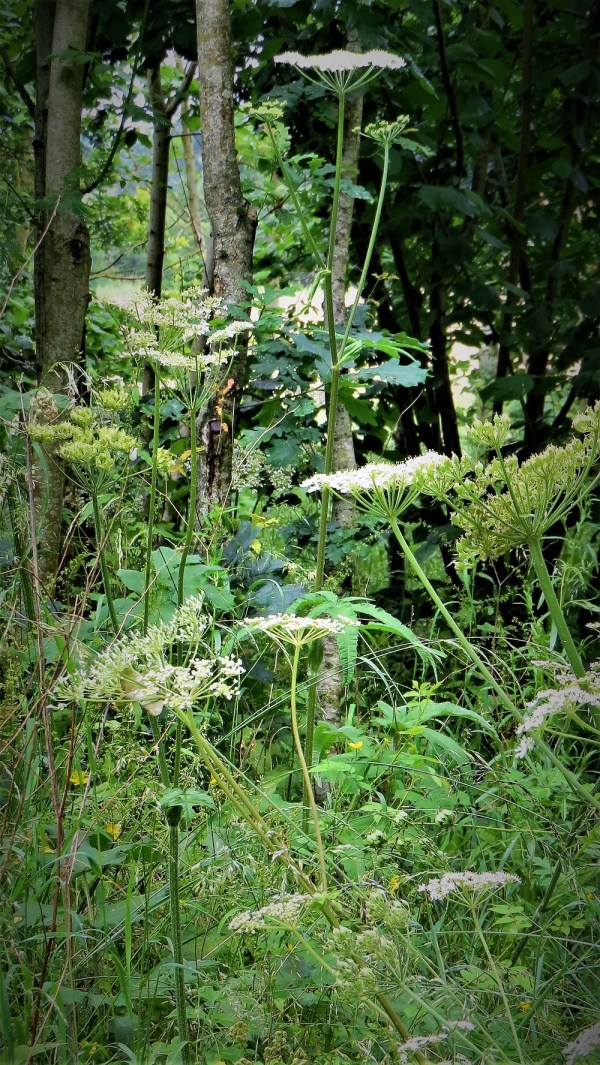
The reserve’s common hogweed (Heracleum sphondylium) can grow two metres tall in just the right place, with flower-heads the size of dinner plates. Every year, somebody asks if it is giant hogweed and the answer is: no.
Continue reading “Hogweed”
This is Stachys sylvatica, commonly known as hedge nettle, hedge stachys or hedge woundwort. It grows at the far end of Lambrok Meadow.
Continue reading
So far we have identified five species of native orchids in the reserve. Two of them, the common spotted orchid and the broad leaved helleborine, are old friends, but bee orchids, pyramidal orchids and southern marsh orchids have appeared in recent years. These may be new arrivals, growing from seed with the help of mycorrhizal fungi, or dormant plants that have been waiting underground for many years for just the right conditions.
What are the right conditions for orchids? Here are five possible factors to take into consideration.
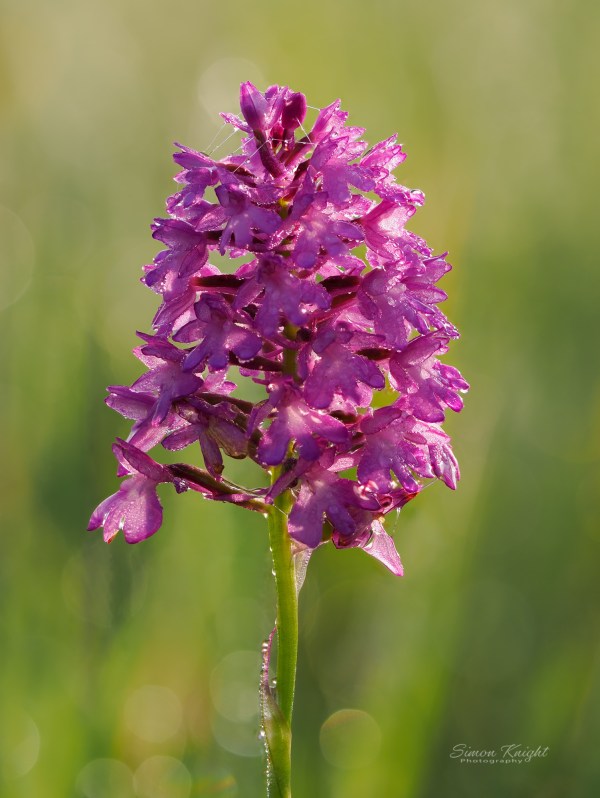
Beautiful pyramidal orchids (Anacamptis pyramidalis) from wildlife photographer Simon Knight.
Continue reading


 Southwick Country Park Nature Reserve