
ONE: Pipistrellus pipistrellus, the common pipistrelle.
TWO: vital statistics
length: 3.5-4.5cm;
wingspan: 20-23cm;
weight: 3-8g;
average lifespan: 4-5 years but the oldest pipistrelle ever recorded was 12 years old.
THREE: they are tiny with reddish-brown coats and blackish-brown ears, nose and wing membranes.
FOUR: they are so small, they can fit into a matchbox.
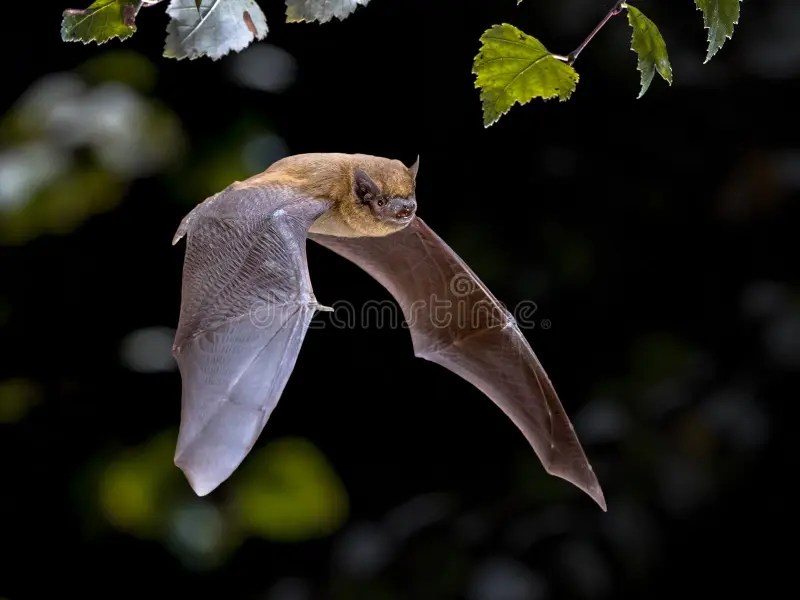

FIVE: they eat aquatic flies, mosquitos and midges and can easily eat 3,000 insects in a night. They fly between two and ten metres above the ground and use their echolocation to find their prey. They eat on the wing, in mid-flight.
SIX: common pipistrelles are probably the most numerous species of bat in the UK.
SEVEN: they are also the most urban-dwelling bat species in the UK. They roost in cracks and crevices in new and old buildings, behind panelling, shutters and eaves, and are more than happy to inhabit bat boxes or holes in trees in urban gardens.
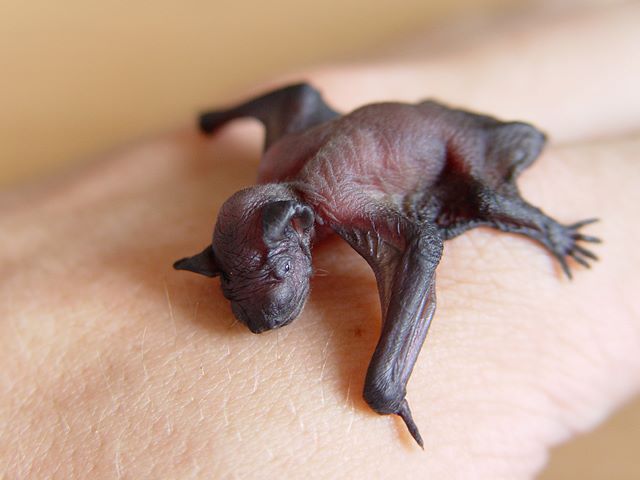


EIGHT: they mate during the autumn and winter but the females don’t give birth until the following summer. A single pup is born at the end of June or the beginning of July in a maternity roost of 25 -50 females. The pup learns to fly and is able to leave the roost in August…
NINE: …so if, at this time of year, you find a bat pup on the ground, you should not approach or handle it. Contact the Wiltshire Bat Group and they will find a local bat rehabilitation volunteer to help.
TEN: conservation status
Pipistrelles are protected in the UK under the Wildlife and Countryside Act, 1981. They are a European Protected Species under Annex IV of the European Habitats Directive.




 Southwick Country Park Nature Reserve
Great informative post. Awesome photos. Well done and thanks for sharing.
Just love bats, especially those 🥰
We have twelve or thirteen species of bats on our lists, all authenticated by the Wiltshire Bat Group. There are only eighteen species native to the UK altogether, so that makes the reserve, the Lambrok, and the green fields between Trowbridge and Southwick some kind of hotspot for bats.