Fact File
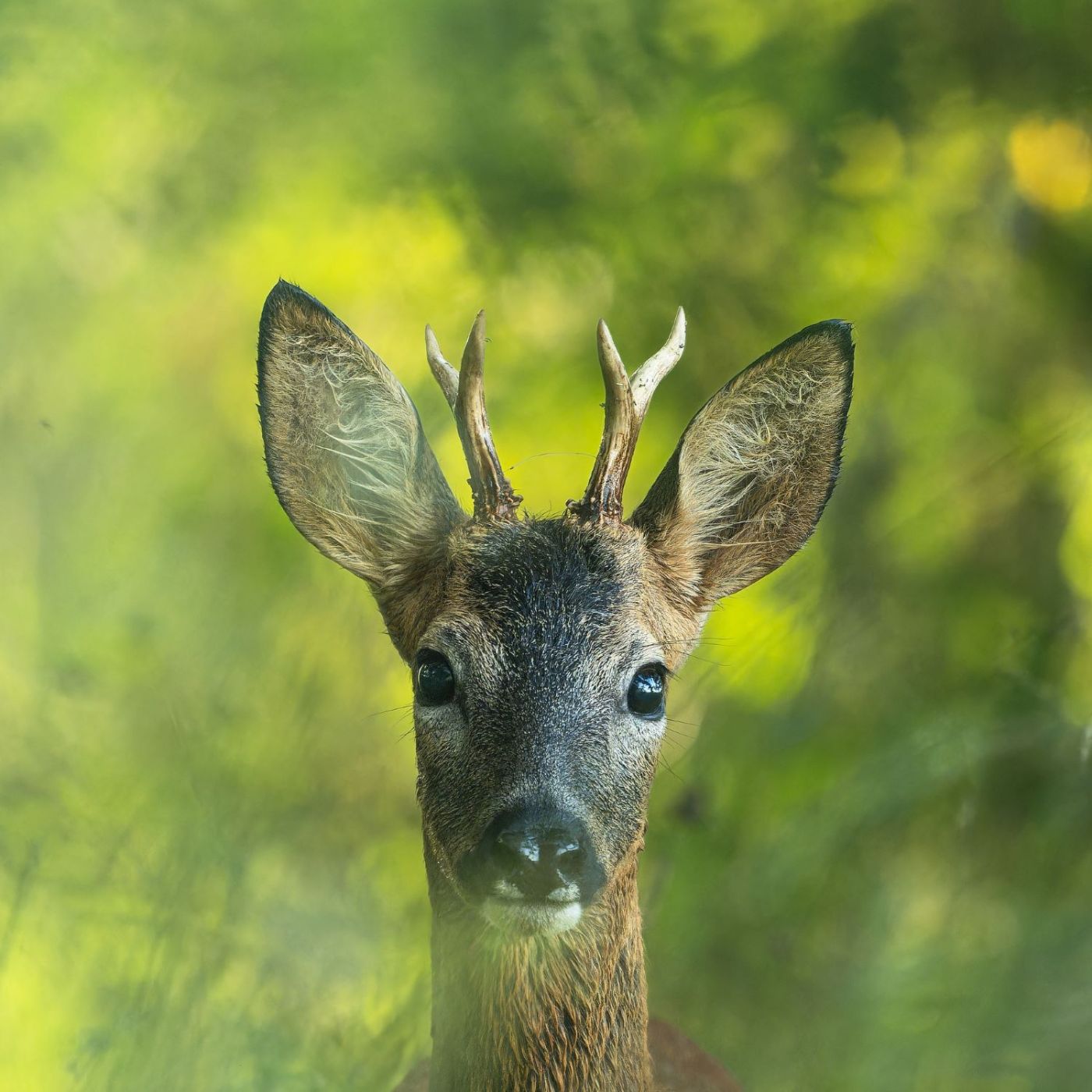
Common name: Roe deer; the male is called a roebuck, the female a doe and their young are kids or fawns.
Scientific name: Capreolus capreolus
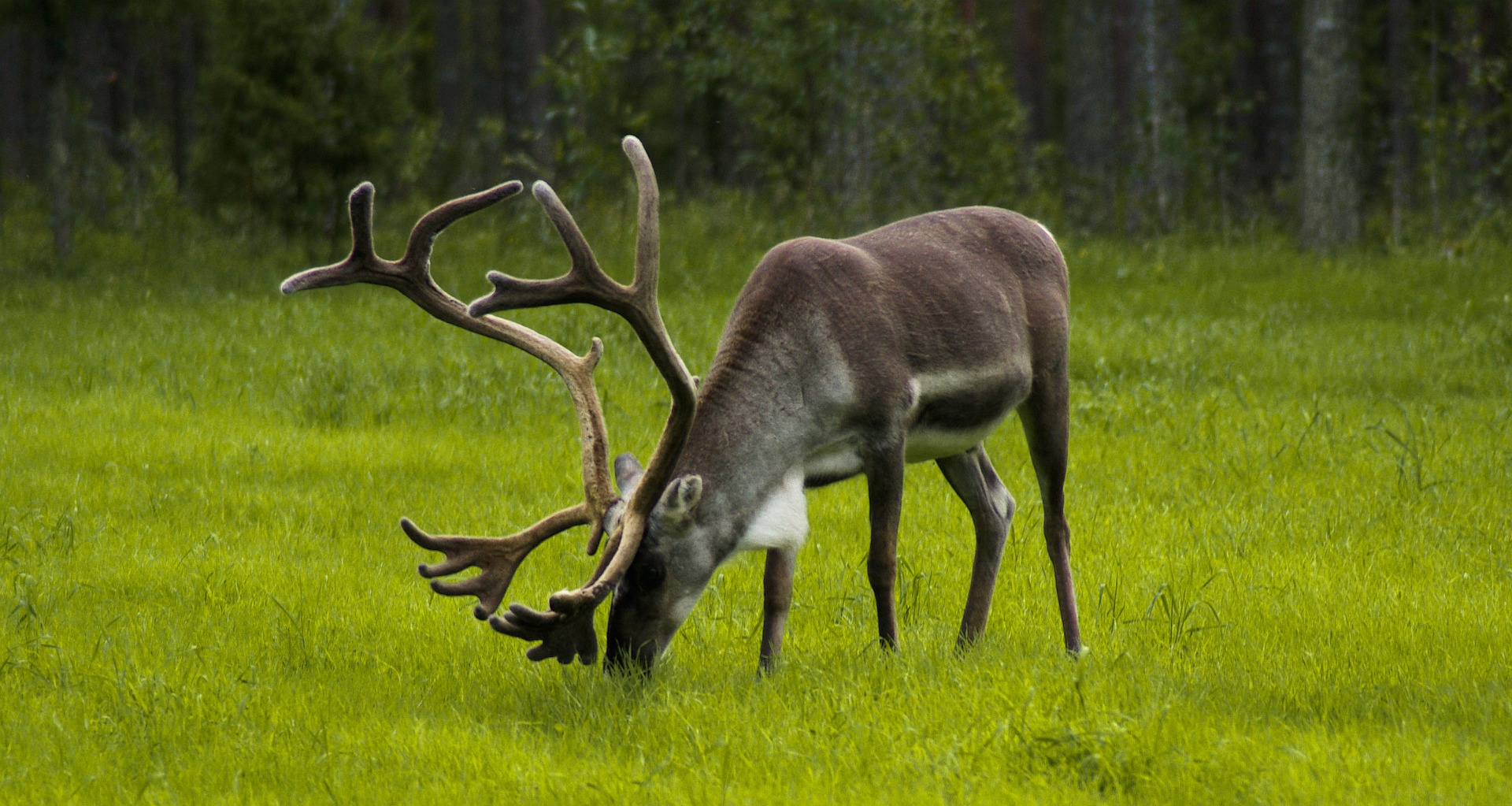
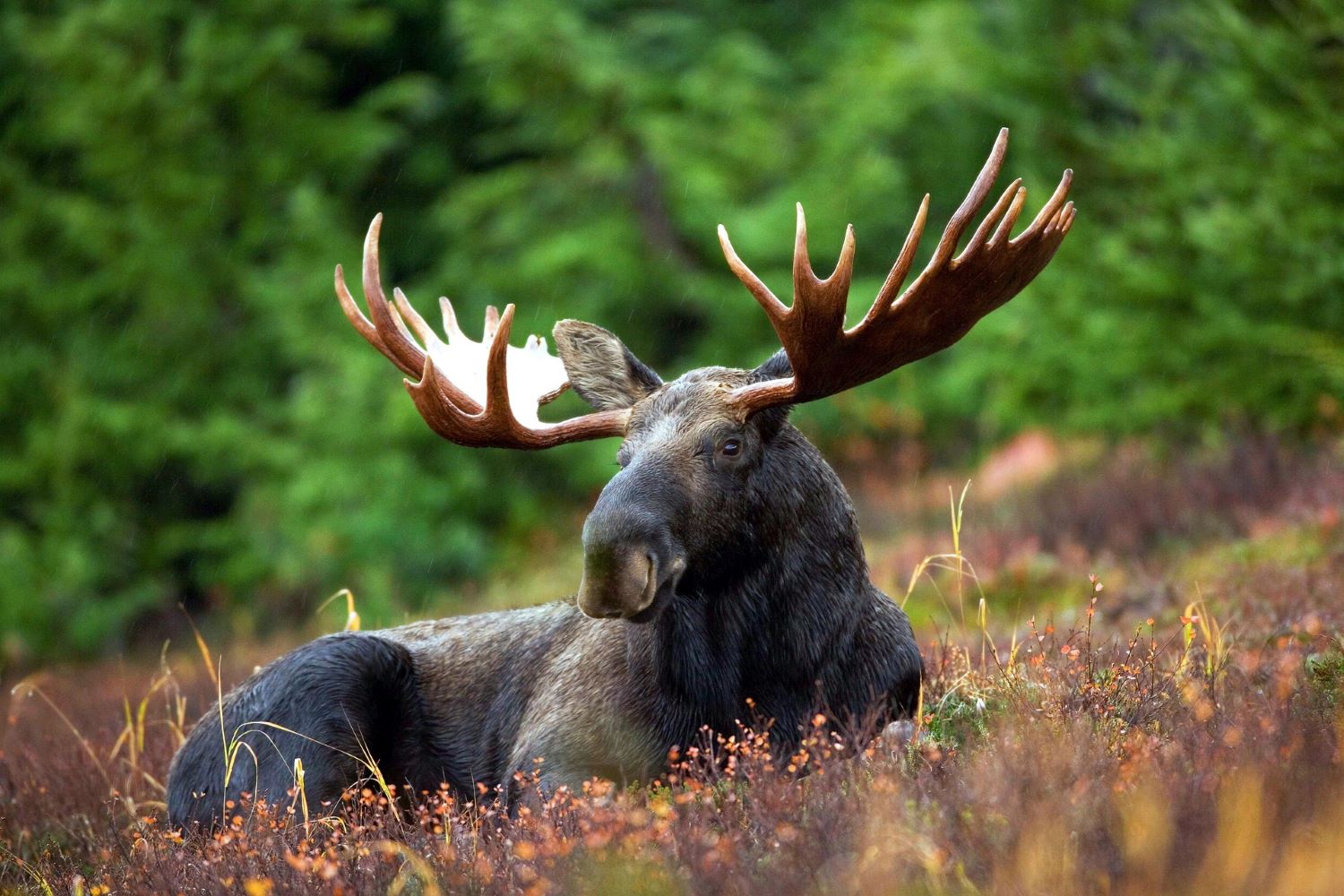
Family: Cervidae. There are six species of Cervidae resident in the UK; five of them belong to the subfamily Cervinae, while the roe deer is the sole representative of the subfamily Capreolinae, which also includes elk, reindeer and moose.

Description: roe deer are relatively small with a body length of 95–135 cm and a shoulder height of 63–67 cm; of UK residents, only the muntjac is smaller. Roebucks have antlers up to 20–25 cm long with, usually, two or three points. Their summer coat is rusty red, they have a white rump and no tail.
Audio: both sexes bark when startled. The females whistle during the rut to attract males.
Where to see them in the reserve: roe deer are a species of woodland edges. They graze in open ground like the reserve’s fields when they are sure the coast is clear. If you want to see roe deer in the reserve, you will need to get up early and leave your dog at home.
Origin: native.
Conservation status: Least Concern (population increasing).
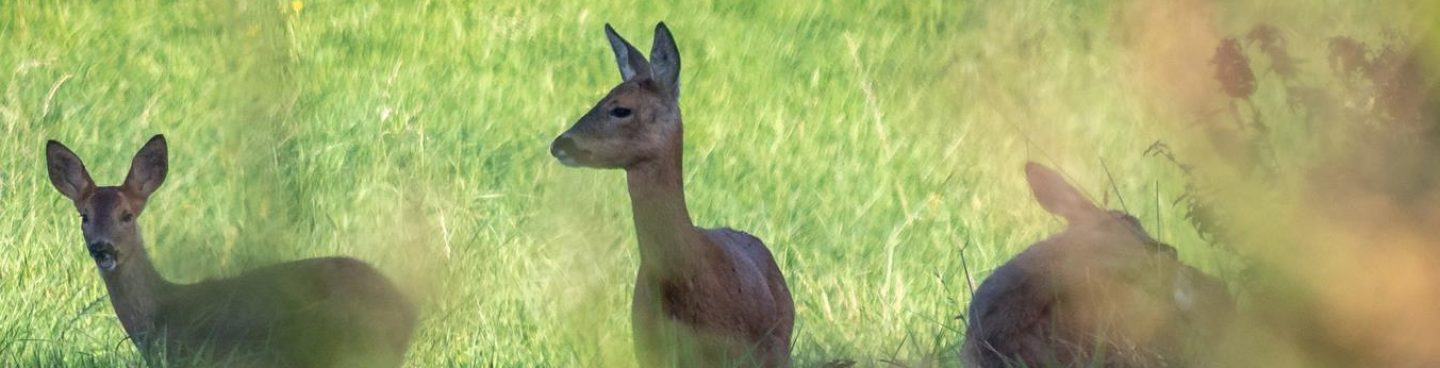

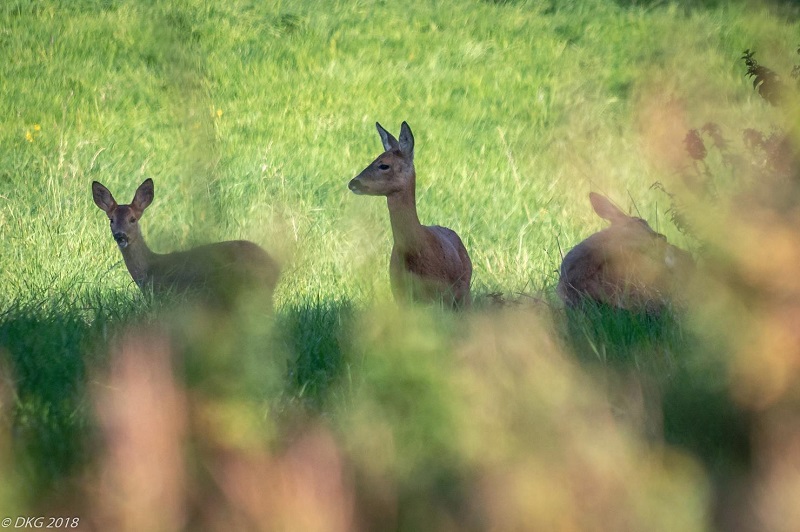
A roe doe with her two half grown kids photographed in the reserve early in the morning.
DYK: roebucks shed their antlers each year during October and November and re-grow them immediately afterwards.





Nice post ✍️