
Big Butterfly Count
We are already a week into 2024’s Big Butterfly Count, Butterfly Conservation‘s annual call for citizen scientists to help them survey the UK’s butterflies.
There were 95,000 participants in last year’s Big Butterfly Count, who submitted almost 150,000 counts. Analysis of all that data showed that the red admiral (Vanessa atalanta) was the most frequently seen species: almost a quarter of a million sightings were recorded, more than three times as many as had been recorded in 2022. The gatekeeper (Pyronia tithonus) came a very close second: a welcome 12% increase for a species that has been declining in numbers ever since the Count began. Conversely, green-veined white (Pieris napi) sightings decreased by 61% compared to 2022’s recordings.
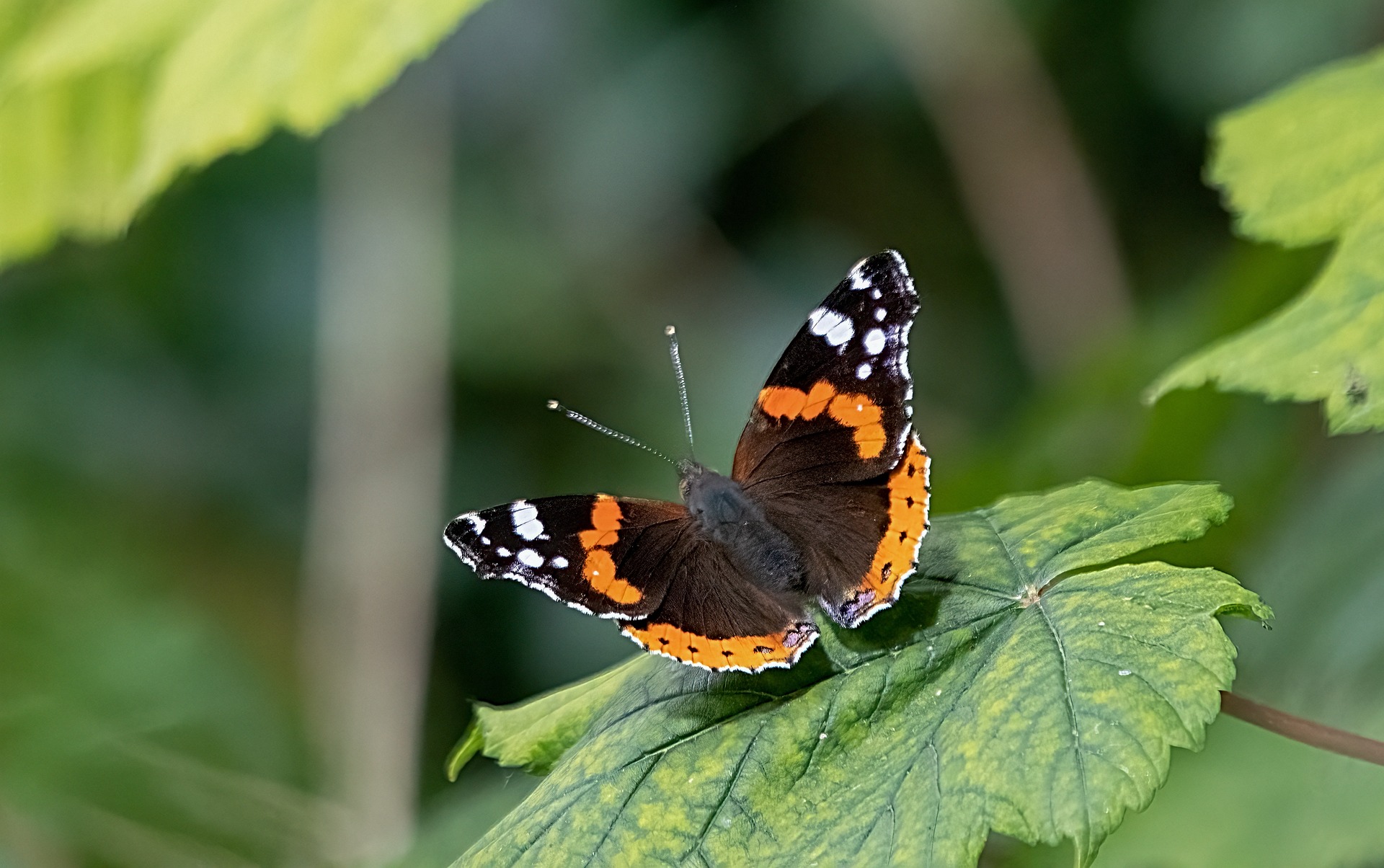


Red admiral, gatekeeper, green veined white.
Join in: help Butterfly Conservation collect the data they so badly need to plan for our beleaguered Lepidoptera.
Thank you.

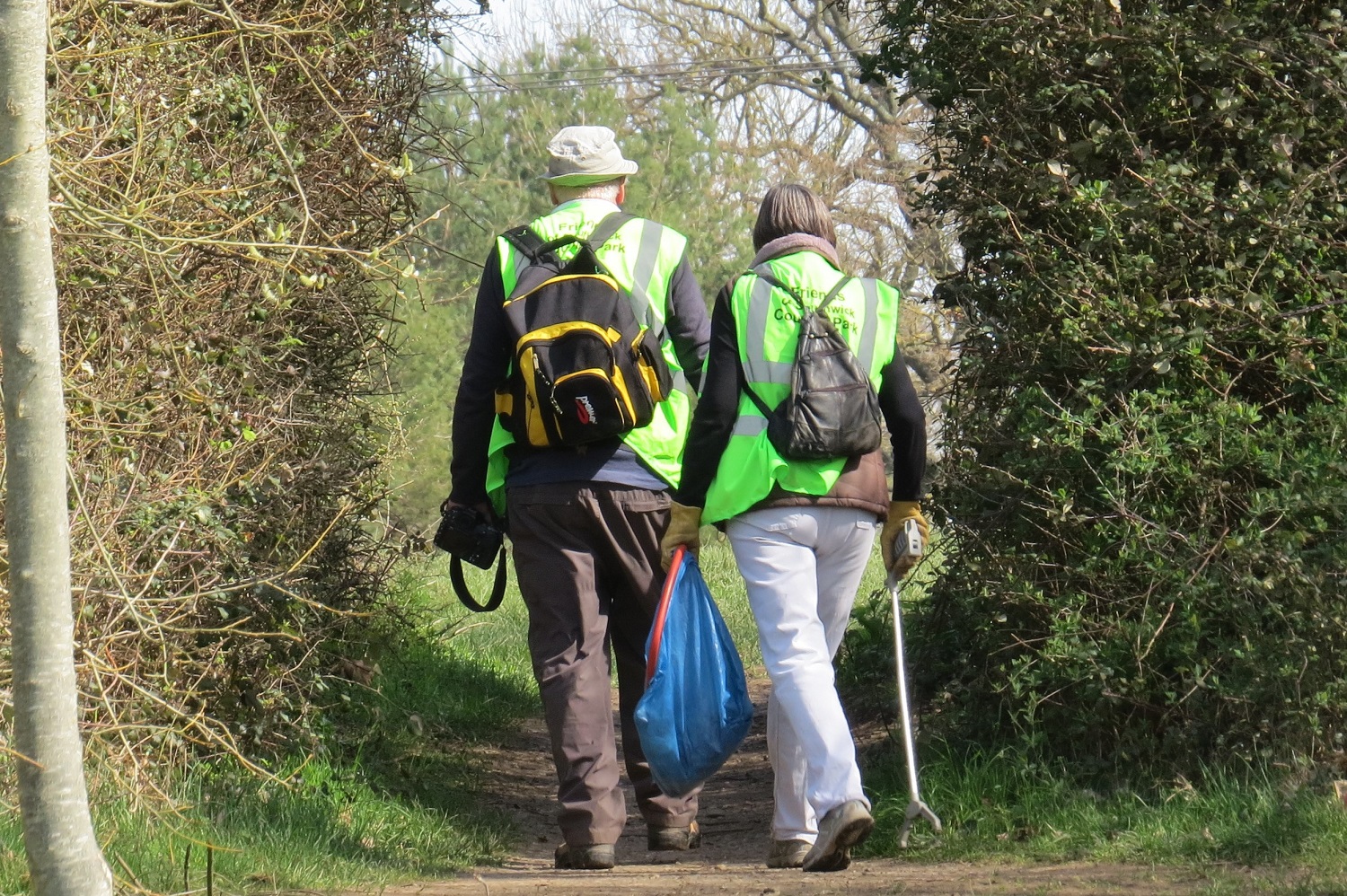


 Southwick Country Park Nature Reserve
Some advice please. Butterflies that find themselves in our conservatory are getting caught by large bodied black spiders that usually hide in the air vents during the day and come out at night. Due to the very hot weather they are now hanging outside the air vents. I would try catching them to put outside but I don’t know what they are. I have taken a photo if I can send it to you? Barbara Johnson.
Of course, Barbara. Email the picture to friendsofscp@outlook.com and I will try to identify the spiders for you.
Thanks for the picture. It’s hard to tell but these do look like house spiders, which can be very dark and might look black against the light. They have built sheet webs in the ventilators because that is where the insects get in (or out). If you have a shed, you could move them there, but outside in the open air, I don’t think they would live long.
the spiders eat the butterflies and the birds eat the spiders. it all goes round
Here is a quote from David Attenborough: “It is that range of biodiversity that we must care for – the whole thing – rather than just one or two stars.”
Looks very similar to a False Black Widow spider [Steatoda spp.]. Quite common in southern counties and moving north. Probably coming over in bananas from Canary Islands and Madeira. Live round houses and prefer, as Barbara has found, elevated positions in corners of rooms and conservatories to catch the flies.
Thank you, Ian. I was hoping you were looking in – I am not very good a spiders.
Thank you for you replies, I was thinking they looked rather like False Black Widow spiders but they don’t have any markings. We have several of them! Barbara Johnson.
Hi Ian,
You were right! I had previously sent photos to Enquiries at the Natural History Museum and have just received a reply.
I quote – The specimens in your pictures are Noble False Widow’s. Finding these spiders in homes all over Britain is common now. The bite of this species is particularly toxic and although not life-threatening, it’s very painful!
I will be treating these spiders vary carefully in future!
Best wishes, Barbara Johnson.
Sorry to have misled you, Barbara. I am ashamed not to have recognised it because I had a false widow living in my kitchen for a while – it was my friend because it caught and ate the house spiders that always make me jump.
Its OK. You dont often get it wrong.
Yes don’t worry, you’re usually right! I didn’t realise they ate house spiders. Ours eat lots of flies. We were advised to use blue tinted glass in our conservatory to lessen the heat as it is south facing but didn’t realise it also attracts the flies! Barbara Johnson.
Yes, they eat spiders. My false widow lived behind a cupboard and she caught the house spiders as they came out of their hidey-holes in the conservatory at the end of summer to search my house for mates. I do my best but I am, and I expect I always will be, an arachnophobe.