
The Natural Environment and Rural Communities Act (2006) makes it the duty of all local authorities to conserve biodiversity. Section 41 of the Act refers to a published list of habitats and species (called S41 species) which are considered to be of principal importance for the conservation of the country’s biodiversity.
There are nine S41 mammal species on the reserve’s lists that are either resident in the reserve, or include the reserve in their home range. Beginning with the header image, here they are:


[Header Image] water vole: protected in the UK under the Wildlife and Countryside Act, 1981. Priority Species under the UK Post-2010 Biodiversity Framework. Water voles are listed as endangered on both the Great Britain and the England Red List for Mammals.
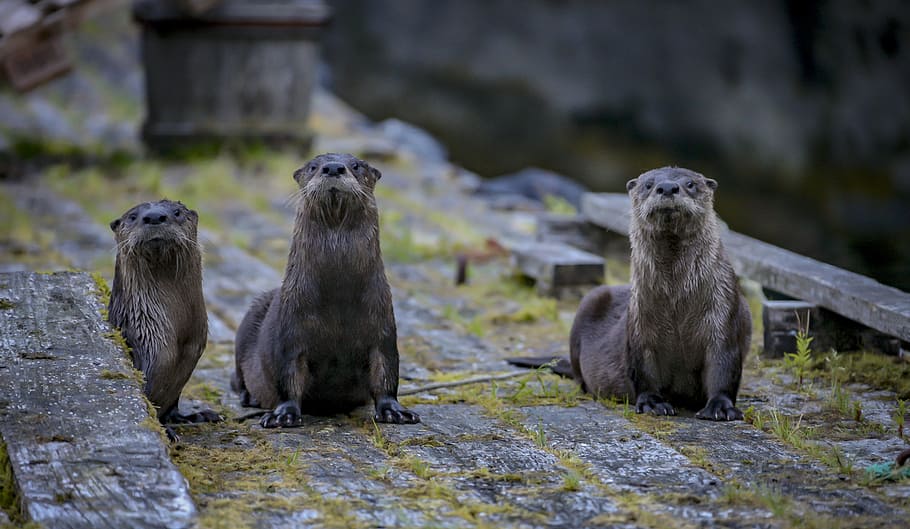
[1] Otter: a priority species in the UK Biodiversity Action Plan fully protected in the UK under Schedule 5 of the Wildlife and Countryside Act 1981 classified as Near Threatened on the IUCN Red List.
[2] Brown hare: protected in the UK under the 1981 Wildlife and Countryside Act, a priority Species under the UK Post-2010 Biodiversity Framework.
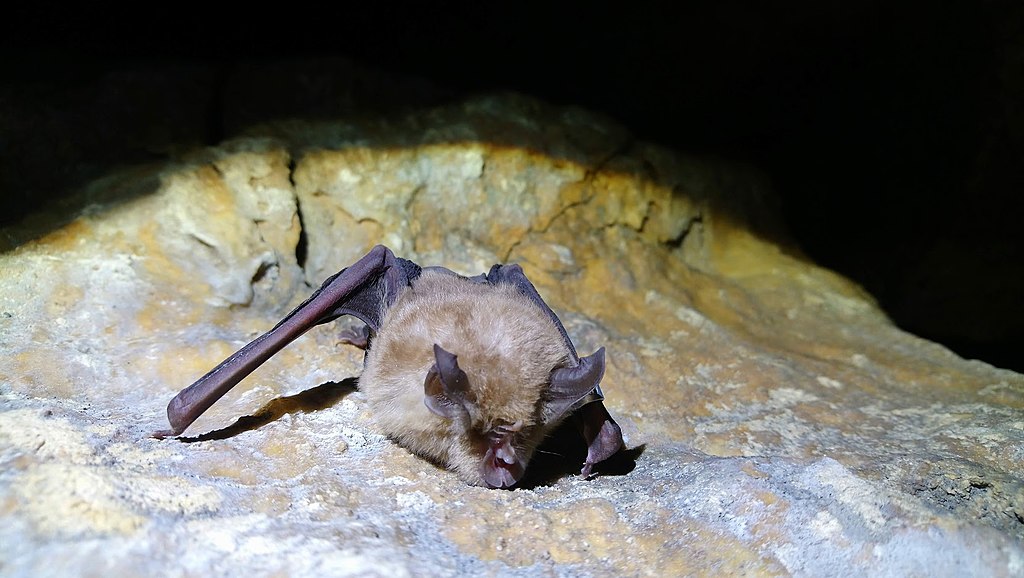
[3] Bechstein’s bat: native and rare, classified as near threatened on the IUCN Red List, a priority species in the UK Biodiversity Action Plan, protected under the EU Habitats Directive.
[4] Hedgehog: classified as vulnerable to extinction in the Red List for British Mammals.
[5] Soprano pipistrelle: threats include the loss of old buildings for roosting and a shortage of insect prey due to changes in agricultural practices.
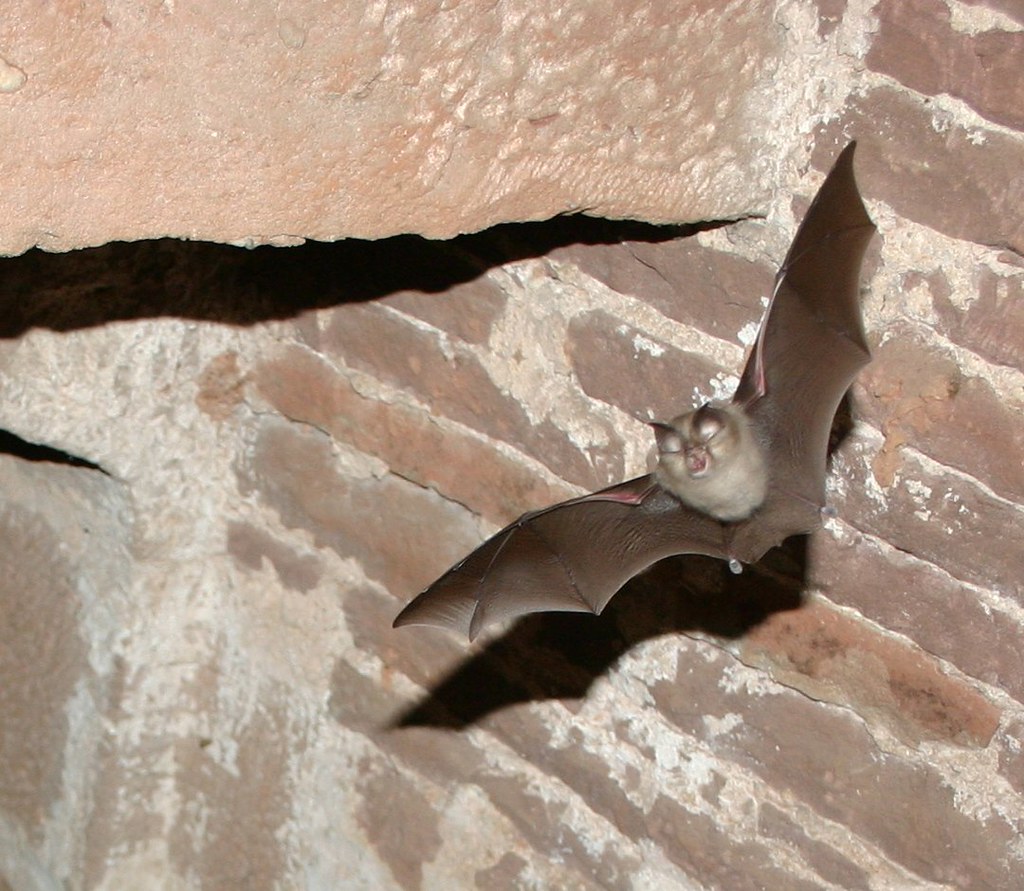
[6] Lesser horseshoe bat: protected under the 1981 Wildlife and Countryside Act, priority Species under the UK Post-2010 Biodiversity Framework. European Protected Species under Annex IV of the European Habitats Directive.
[7] Greater horseshoe bat: protected under the Wildlife and Countryside Act 1981, priority Species under the UK Post-2010 Biodiversity Framework, European Protected Species under Annex IV of the European Habitats Directive.
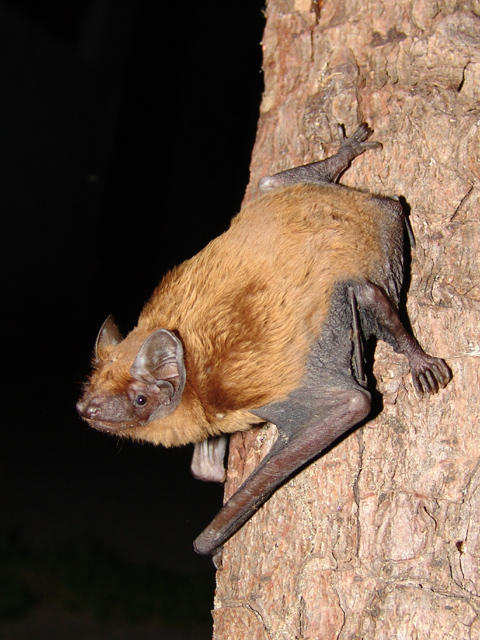
[8] Noctule: protected under the Wildlife and Countryside Act 1981, priority Species under the UK Post-2010 Biodiversity Framework, European Protected Species under Annex IV of the European Habitats Directive.
The reserve is important wildlife habitat, home to protected birds, reptiles, insects and plants as well as these nine mammals species. As the wider environment is degraded by climate change and by our dangerous and damaging patterns of land usage, we have to treat Southwick’s nature reserve as the precious resource that it is. Section 41 of the NERC Act requires Wiltshire Council, Trowbridge Town Council and Southwick Parish Council to act to ensure the protection of Southwick Country Park Local Nature Reserve.





 Southwick Country Park Nature Reserve