
A host of golden daffodils….
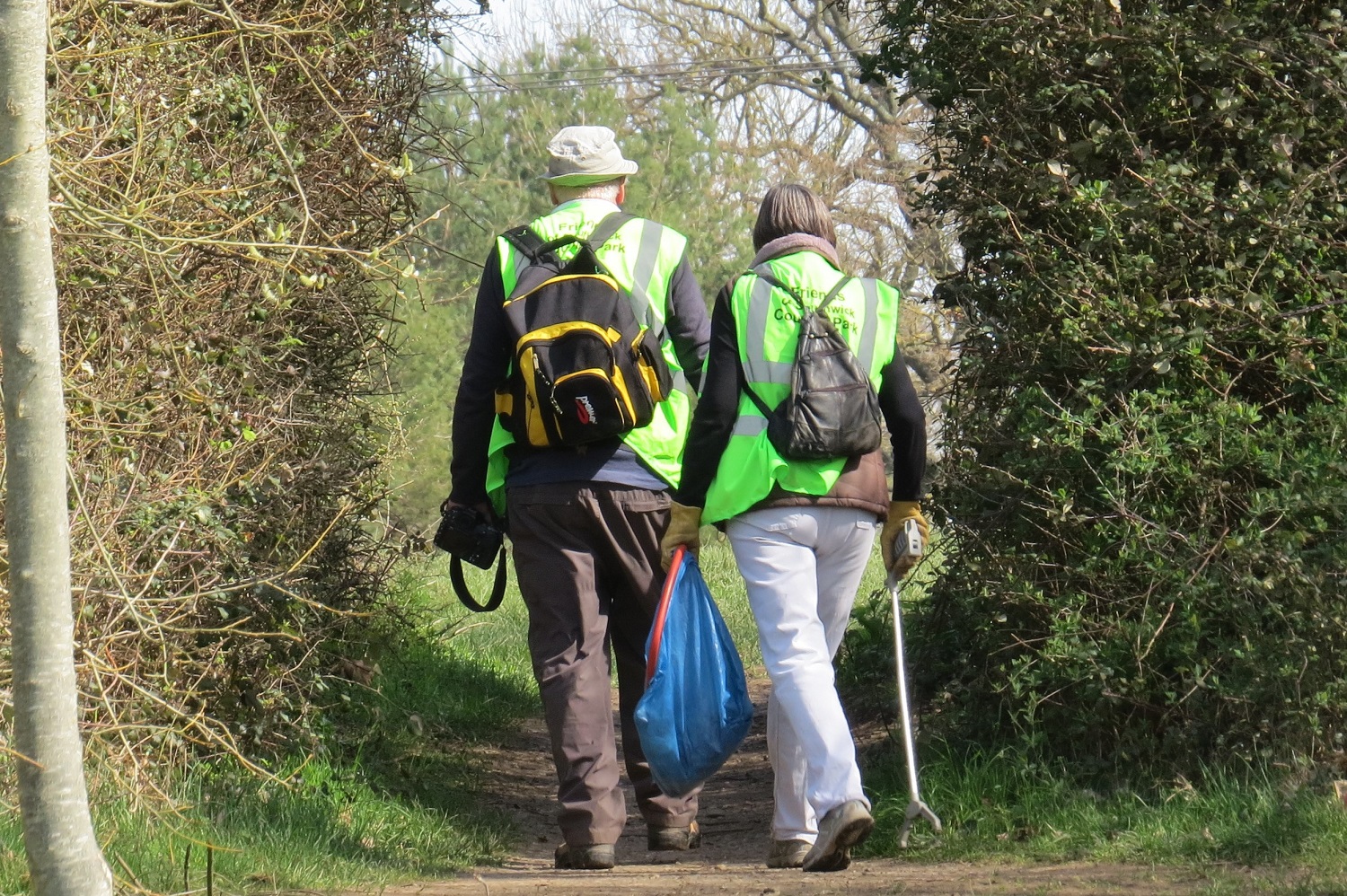
Over the years the Friends have planted at least a couple of thousand native daffodil bulbs (Narcissus pseudonarcissus) around the edges of the reserve’s woodland. Back breaking work, rewarded at this time of year with the first golden flowers.
After this short flowering period, the flowers and leaves, the above-ground parts of our daffodils, will die back and they will spend the rest of the year hidden underground as bulbs. The bulbs are adapted stems and leaves in which the plants store the complex sugars and hydrocarbons produced by photosynthesis. These are the resources they will need to fuel next year’s spring growth.
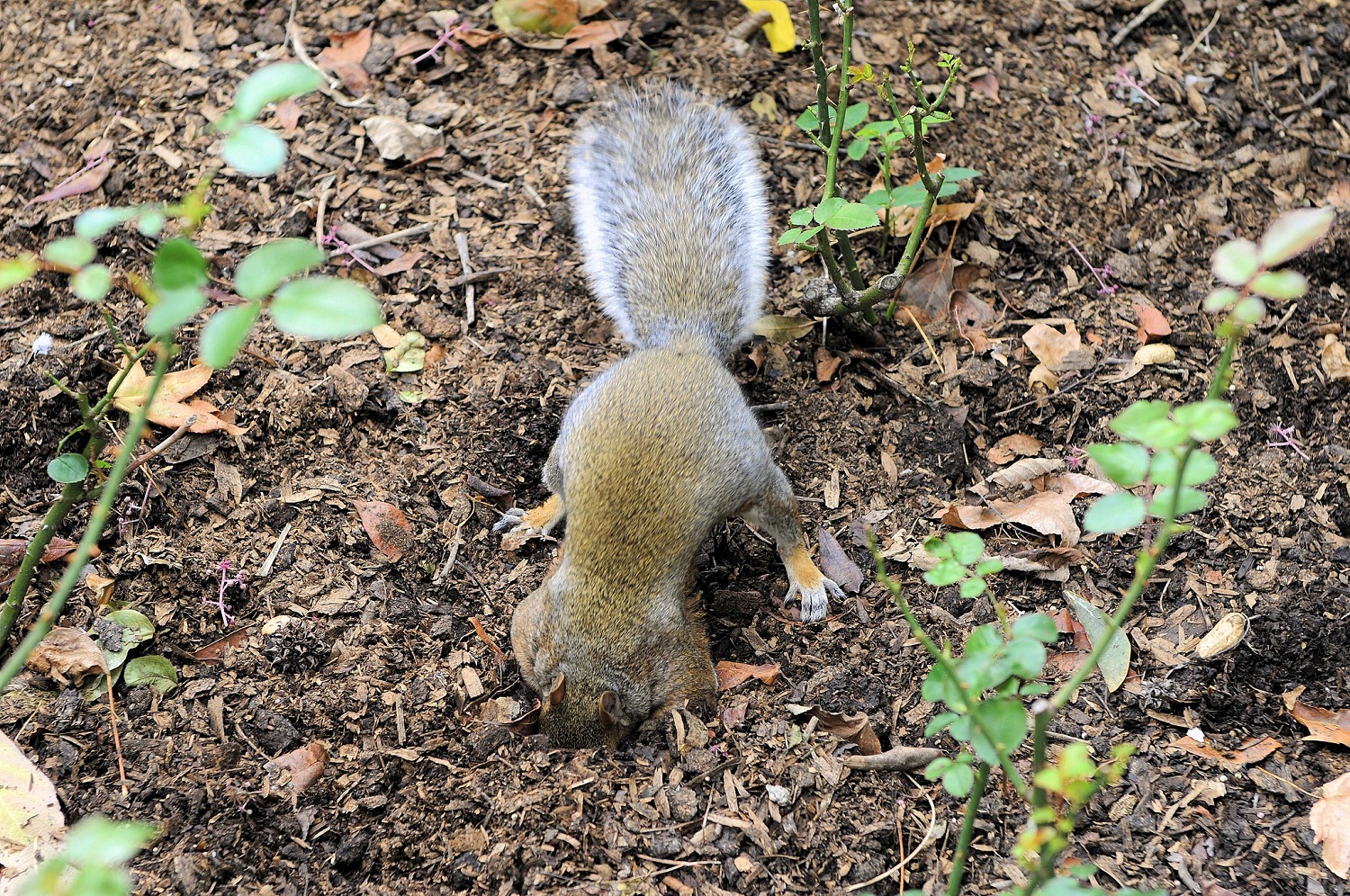

Foragers and scavengers
Like other underground storage organs, the bulbs can attract foragers and scavengers, creatures on the lookout for a neatly packaged, nutrient-rich meal, especially during the winter. Daffodils have developed a couple of clever ways to avoid hungry raiders.
Firstly their bulbs have contractile roots that will shrink and pull them further down into the soil. These begin the season like any other root, deep in the soil but, once established, they shrink and become condensed and wrinkled, pulling the bulb away from the surface. Secondly the bulbs contain chemicals that make them distastefully bitter and toxic. In fact eating almost any part of a daffodil plant, above the ground or under it, will probably make you ill.


Daffodil bulbs and every other part of the daffodil plant are toxic
The toxic chemistry of the daffodil’s bulb has been used in folk and traditional medicine for centuries, if not millennia. As well as its ability to induce nausea, it can also be used to produce numbness, psychosis and cardiac effects, and it has long been used to treat cancer.
Modern analysis has shown that daffodils also synthesise a wide range of isoquinoline alkaloids, a large family of chemicals that possess remarkable biological abilities. Among those alkaloids, chemists have found galantamine, which is used to treat early stage and moderate Alzheimer’s dementia.
Our native daffodils are spreading around the edges of Village Green, looking beautiful and adding their complexity to the network of organisms that make up broadleaved woodland.


 Southwick Country Park Nature Reserve