The decision on the planning application (18/10035/OUT) to develop the Church Lane site was due to be made yesterday, Wednesday Feb 6th, but has been delayed. The target date for a decision is now Monday April 1st.
Continue reading “Church Lane site update”Cats and Country Park don’t mix
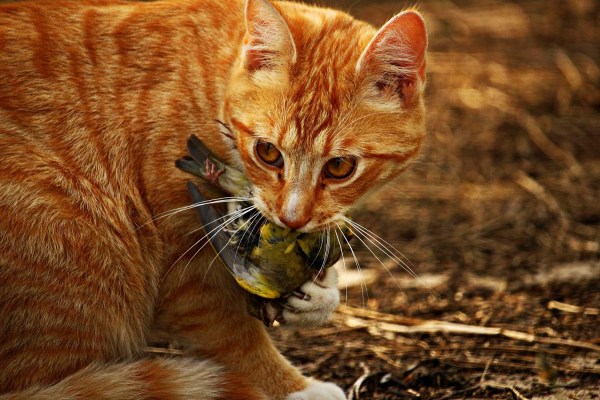
We, the Friends of Southwick Country Park, love animals. But we love animals in the right places and sadly, cats are not good for the Country Park. The picture shows a cat with a bird in its mouth but the range of creatures it can kill is wide. Cats can be really good predators. There is one report of a cat owner counting 10 prey brought home in one night.
Continue reading “Cats and Country Park don’t mix”Habitat loss
Here is the second in our occasional series attempting to de-mystify the jargon surrounding conservation.
Continue reading “Habitat loss”The whole thing
“It is that range of biodiversity that we must care for – the whole thing – rather than just one or two stars.” David Attenborough
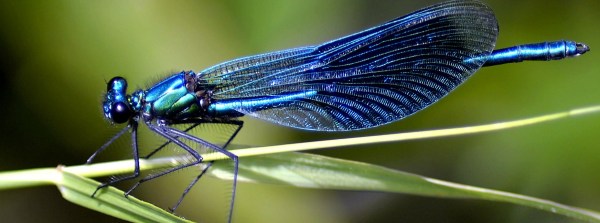
Our park doesn’t have snow leopards or white rhinos. Our rarities are small and fragile: water voles, pondweeds, dragonflies zipping past so suddenly they make you jump, a visiting marsh tit, a linnet singing in the trees, little bottom-feeding fish. Then there are the hundreds of flowering plants, thousands of invertebrates and probably tens of thousands of species of fungi hidden away where we can’t see them.
Continue reading “The whole thing”Habitat fragmentation
Conservation is full of jargon, full of words and phrases that sound good, as if you really did know what you were talking about know. We all do it and we do it to save ourselves the trouble of finding out stuff.
FoSCP is going to begin 2019 with some eco-definitions. We’ll start here with habitat fragmentation, a serious problem for British wildlife in its intensely farmed and increasingly built-up environment, a particular problem for the park’s Odonata and water voles.
Continue reading “Habitat fragmentation”New research on water voles
Water voles and their burrows are fully protected under the Wildlife and Countryside Act but Natural England can grant developers a licence that permits disturbance. In fact disturbance is the very name of the game; the licence allows vegetation to be removed from up to 50 metres of bank in order to drive water voles from areas where development is planned.
Continue reading “New research on water voles”